What the Housing Means for Your Door
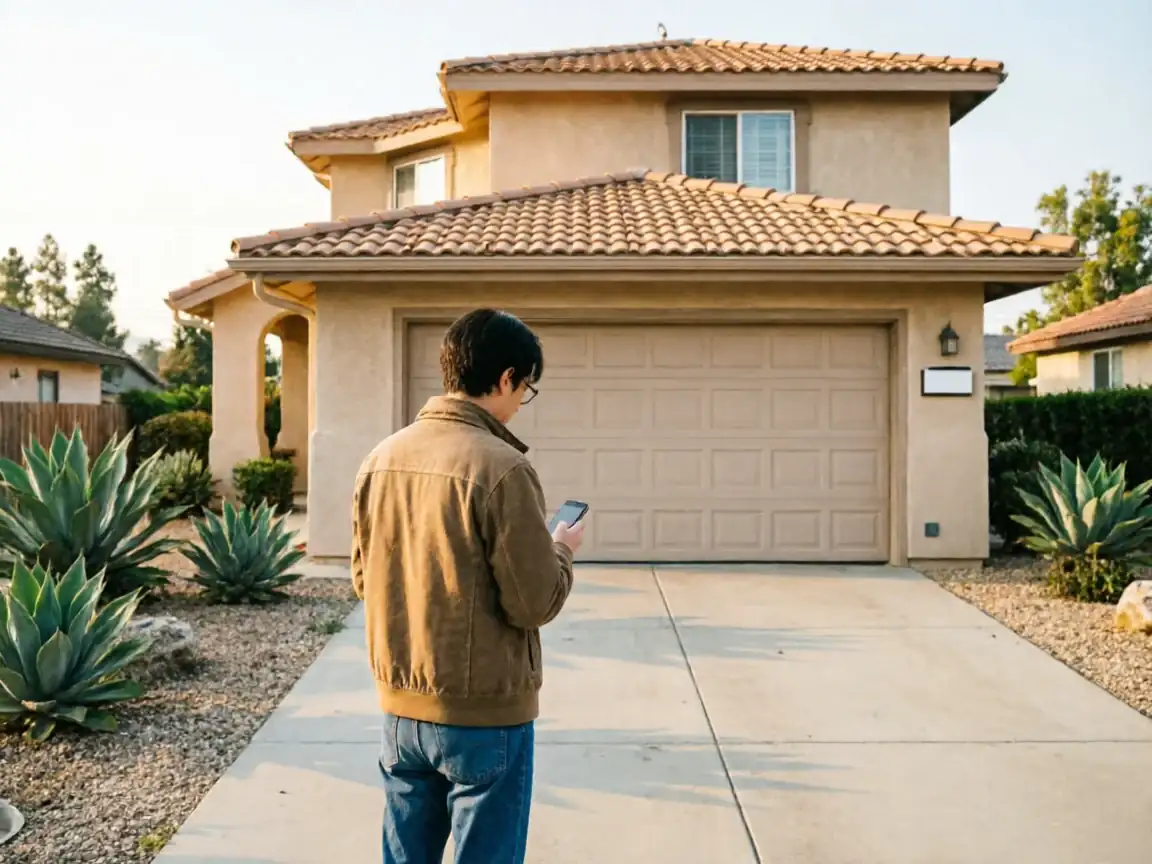
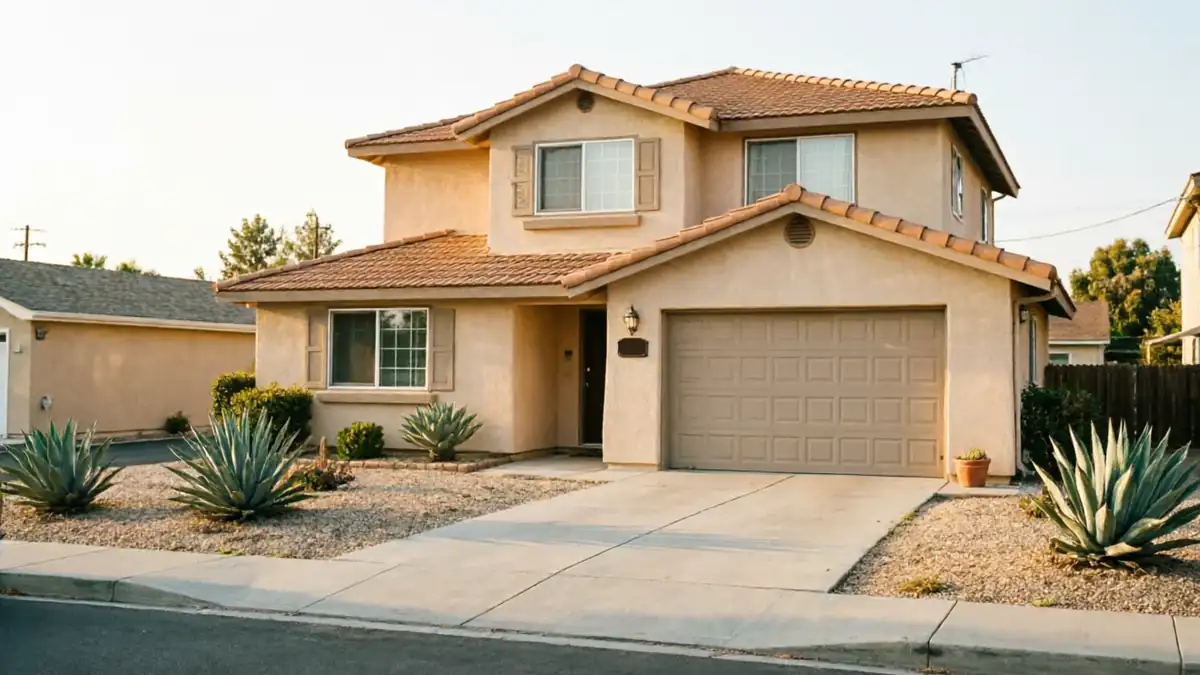
Vineyard is a newer build pocket inside this service area. The median home here went up around 2000, roughly two decades newer than the typical house across the wider region, where median build year sits closer to 1981. That gap matters more than it sounds like it should.
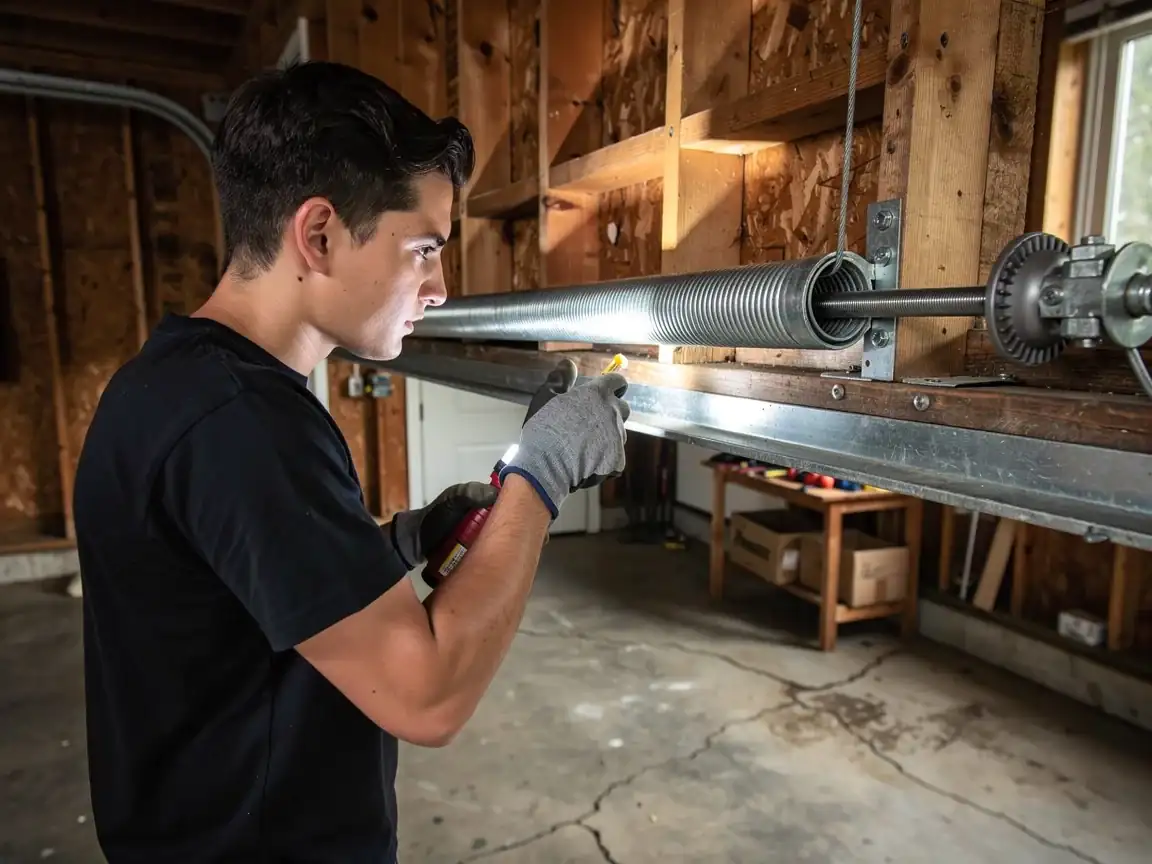
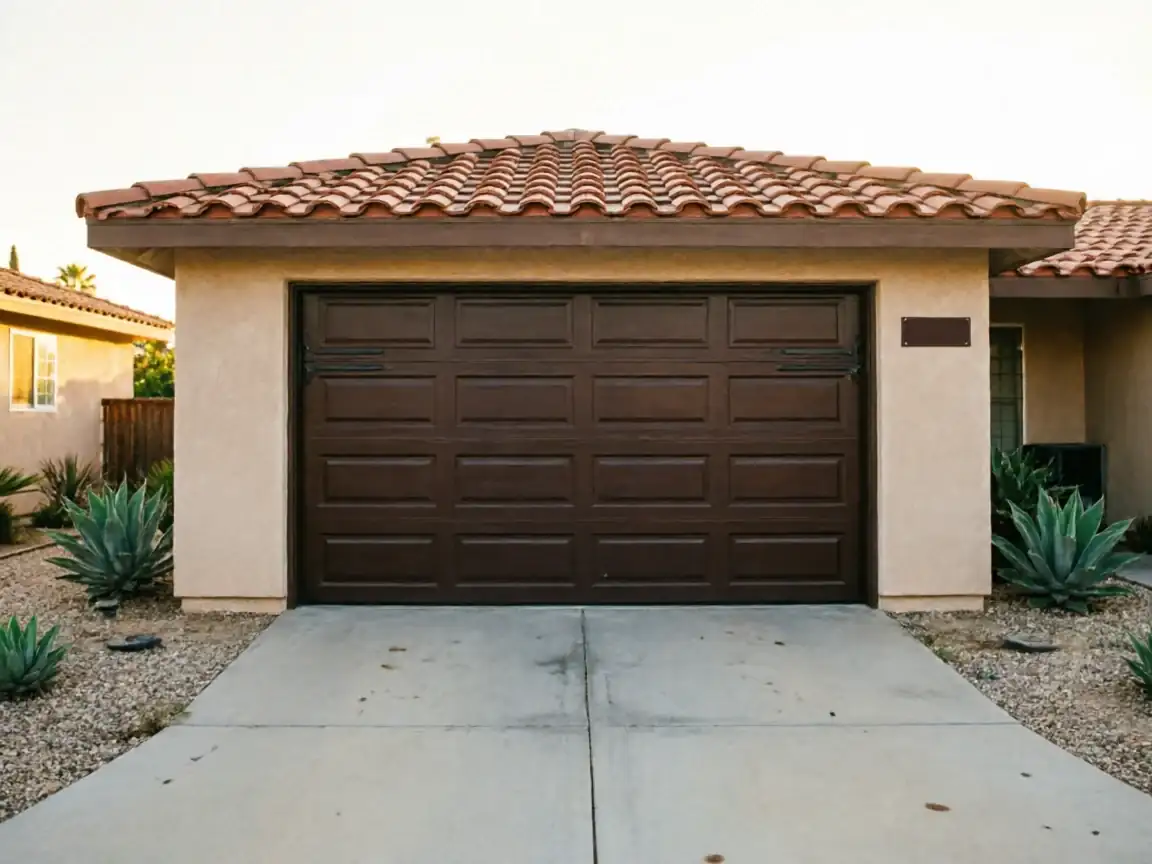
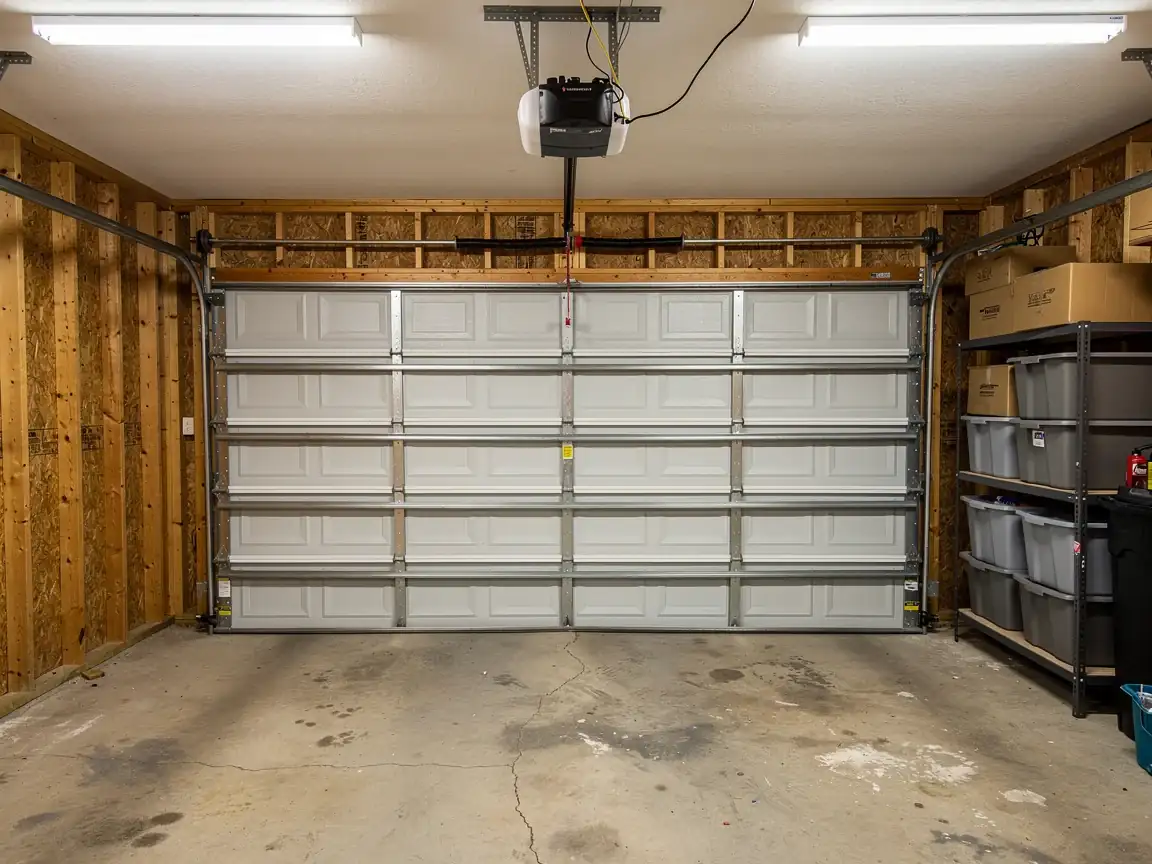
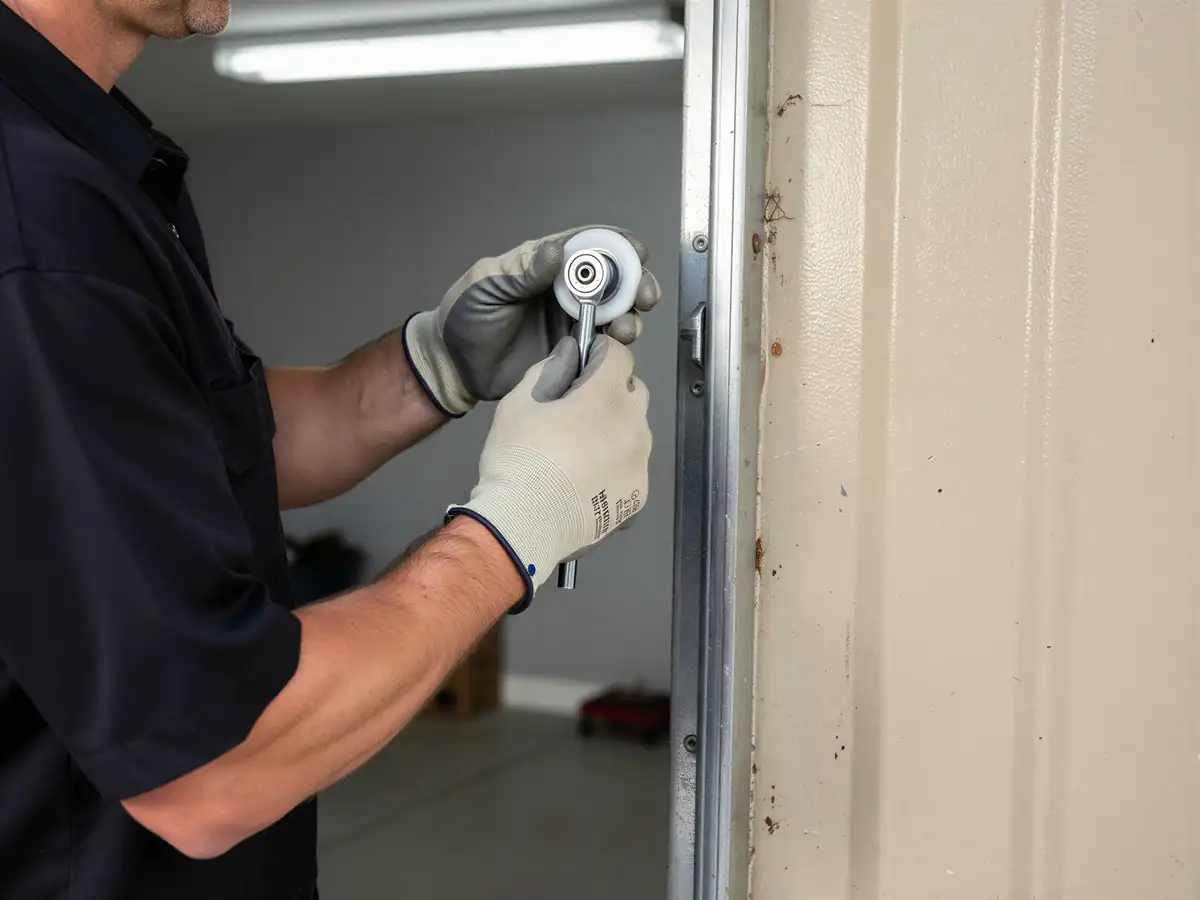
A house built in 2000 almost never has the old side-mounted torsion spring setups you find on 1960s-80s stock. Most Vineyard garages left the factory with a standard center-mounted torsion spring over the header, steel rollers, and a chain or belt-drive opener from the early 2000s. That hardware is more standardized and more parts are still in production for it. What fails here is usually wear, not obsolescence: springs reaching the end of their cycle count, nylon rollers cracking, opener circuit boards aging out after 20-plus years of service.
We don't see many of the oddball torsion drums or discontinued track widths that show up on older homes elsewhere in the area. That's good news when something breaks. It means a repair is more likely to be a straightforward parts swap than a hunt for a part nobody stocks.
The Usual Work Here
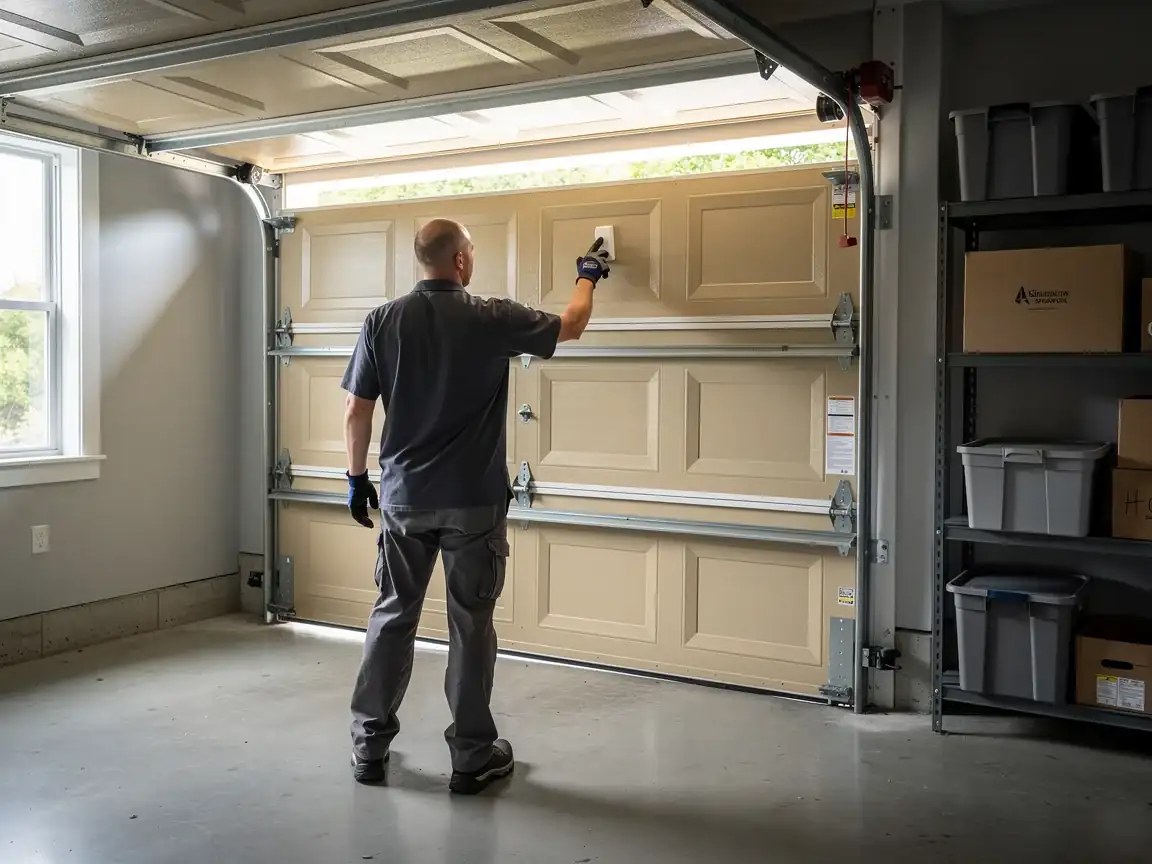
With 12,491 households in Vineyard and a median income of $108,403, we see more owners opting to replace a tired opener outright rather than nurse along a 20-year-old unit with repeated service calls. That's a reasonable call on hardware from this era - by year 20, the logic board and the drive mechanism are both near the end of their realistic life, and chasing intermittent faults on an old board often costs more over a year than a new opener would.
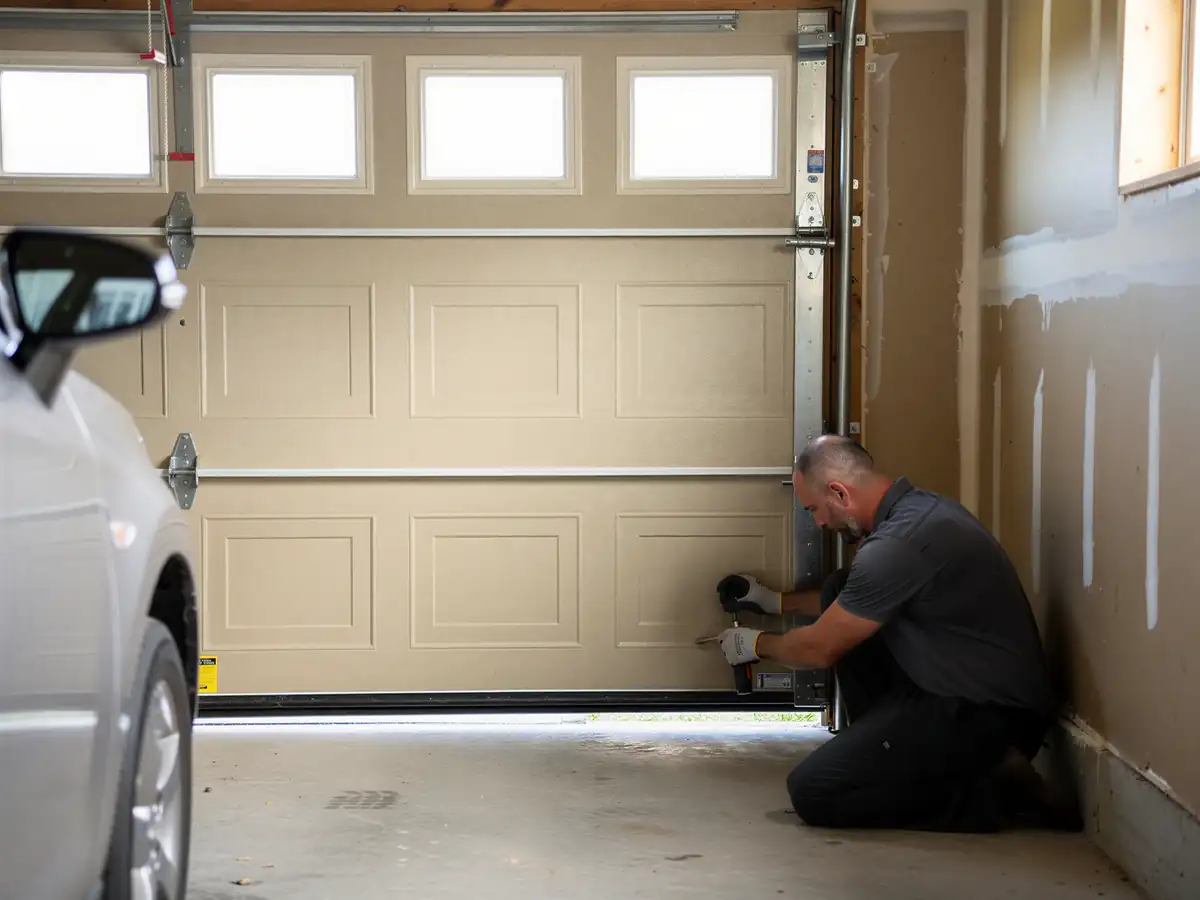
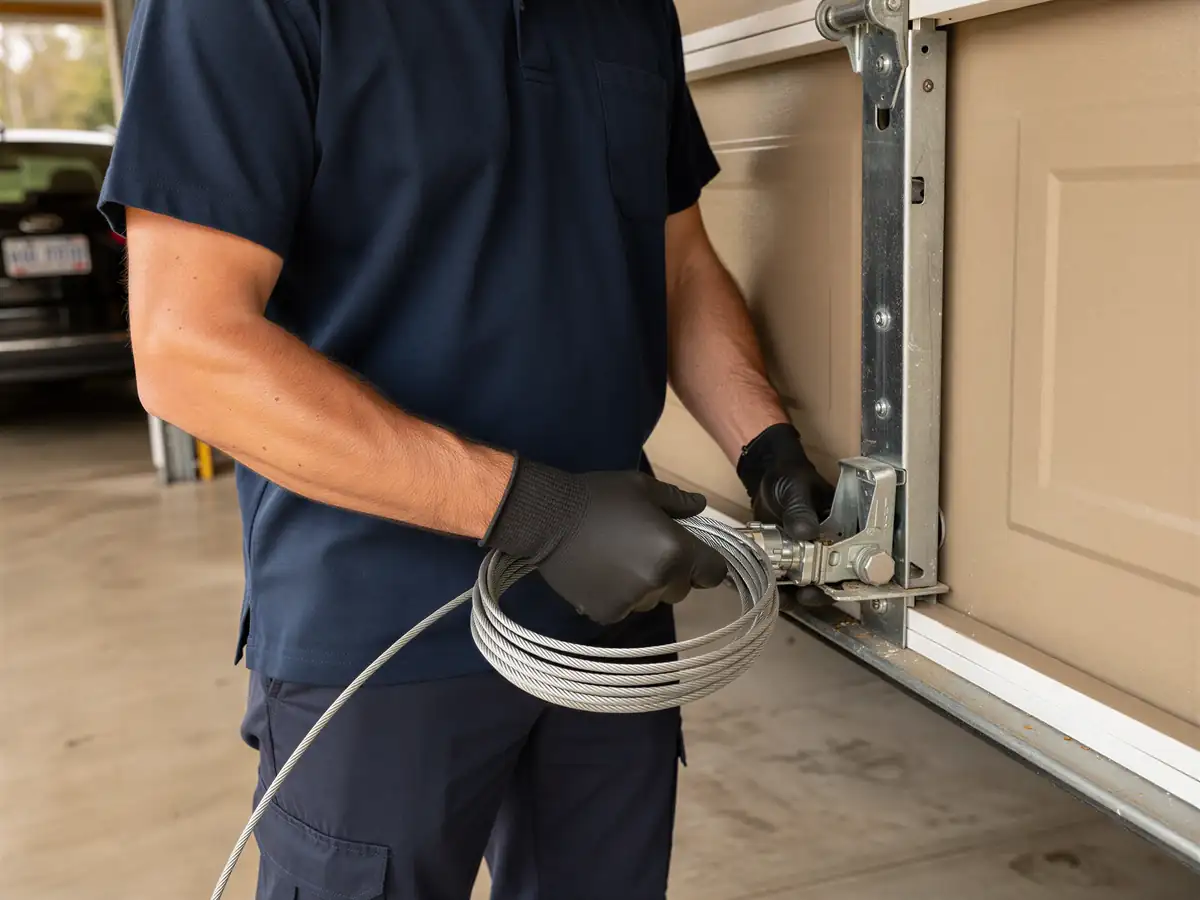
Spring work is still the most common call regardless of the home's age. A torsion spring on a 2000-era door has typically done its rated number of cycles by now, and a snapped spring with no warning is normal wear, not a defect. Cable fraying and bent track from a door hit off-center also show up at a steady rate.
One honest limitation: we don't stock every opener logic board model, especially for openers made in the early 2000s that have since been discontinued by the manufacturer. If yours needs a specific board we can't get quickly, full opener replacement is usually the faster and more sensible path.
What Was Built Here
Vineyard sits about 15 miles from Citrus Heights
And the housing stock reflects a later wave of development than much of the surrounding area, where the broader median build year is 1981. Vineyard's homes cluster around 2000, which puts most garages here well inside the modern door and opener era rather than the older one-piece or early sectional doors common on the region's 1960s-80s houses.
- 15 miles
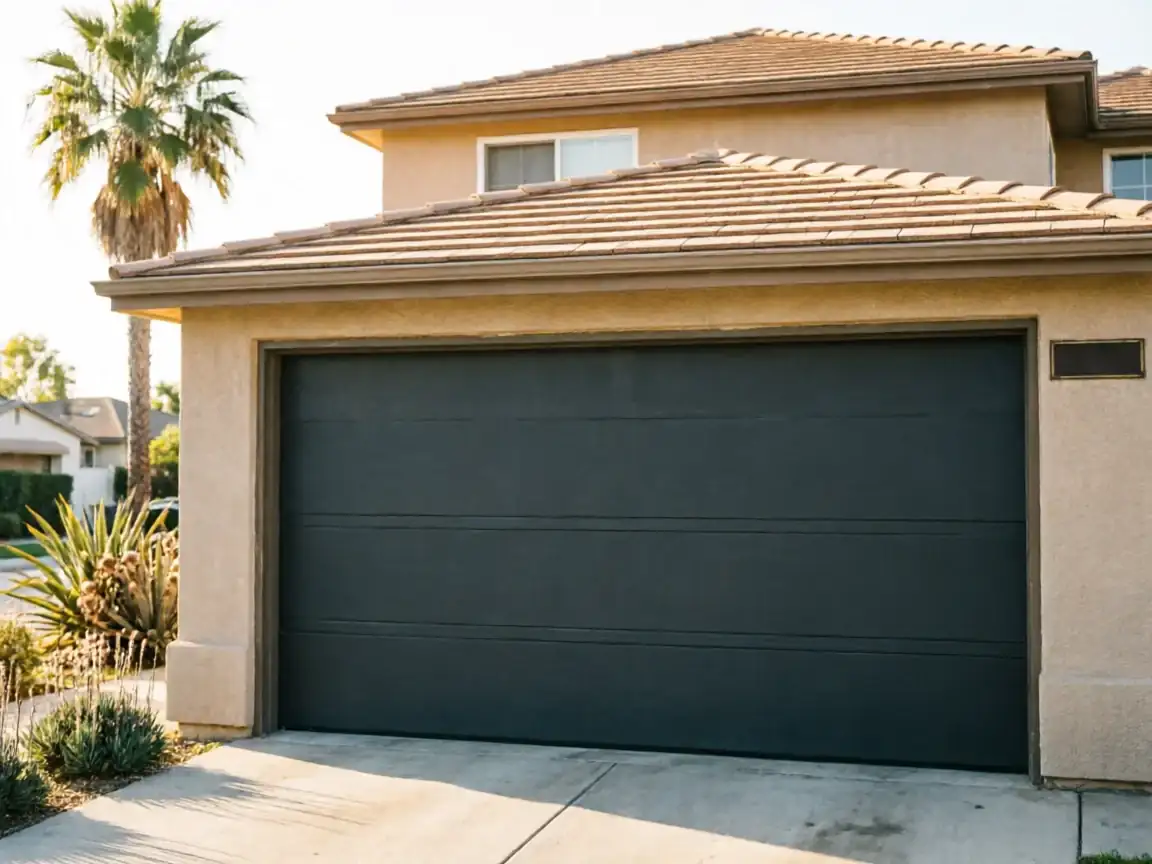
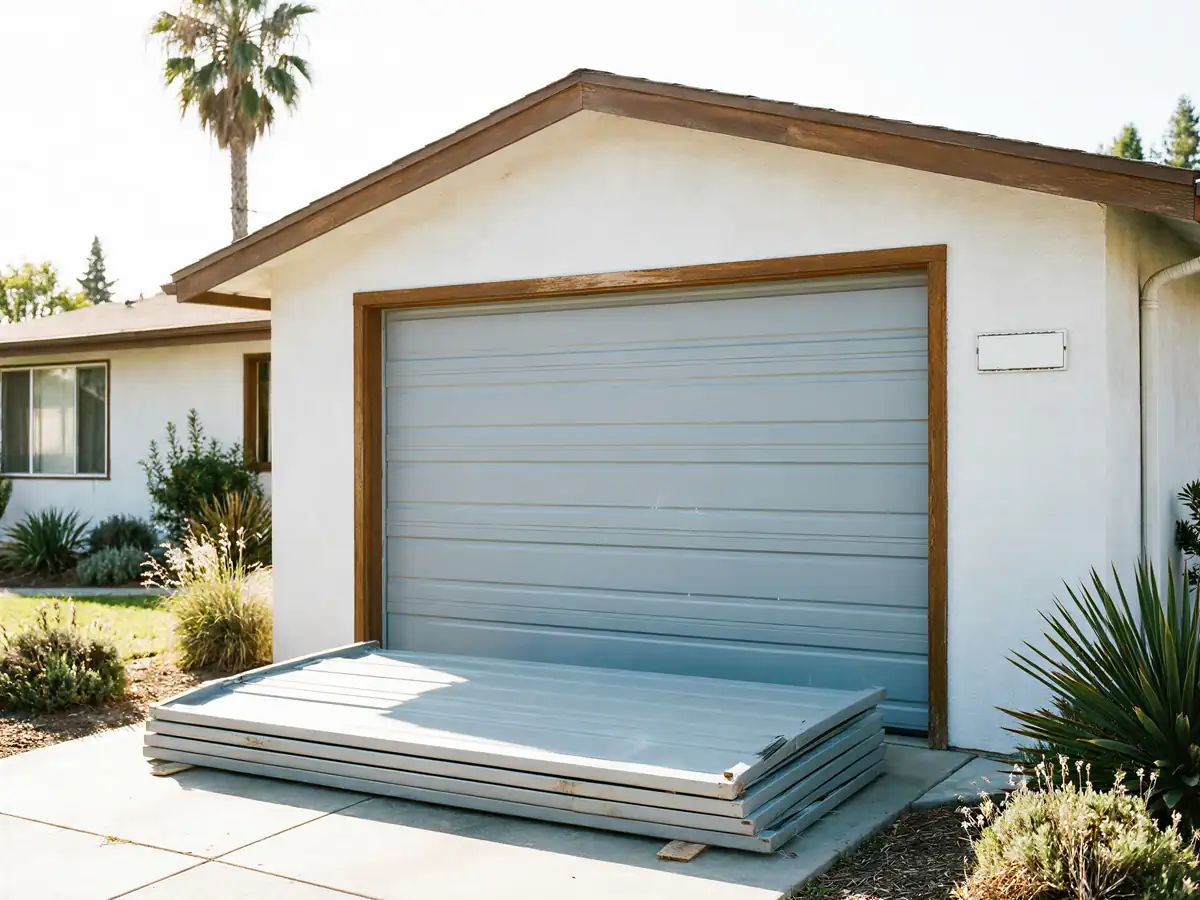
That later build date means insulated steel sectional doors are the norm, not the exception, and opener mounting and wiring follow more consistent
More recent code than what you'd find on an older house. It also means the area's garages are less likely to have outdated electrical runs feeding the opener, which simplifies most repair and replacement jobs.
What Neighbours Usually Call About
Across this part of the region, severe summer heat is part of the climate picture, and it's hard on garage door components even in homes built as recently as Vineyard's. Nylon rollers and opener belt material both degrade faster under sustained high heat, and that's the kind of wear issue we see on doors regardless of how new the house is.
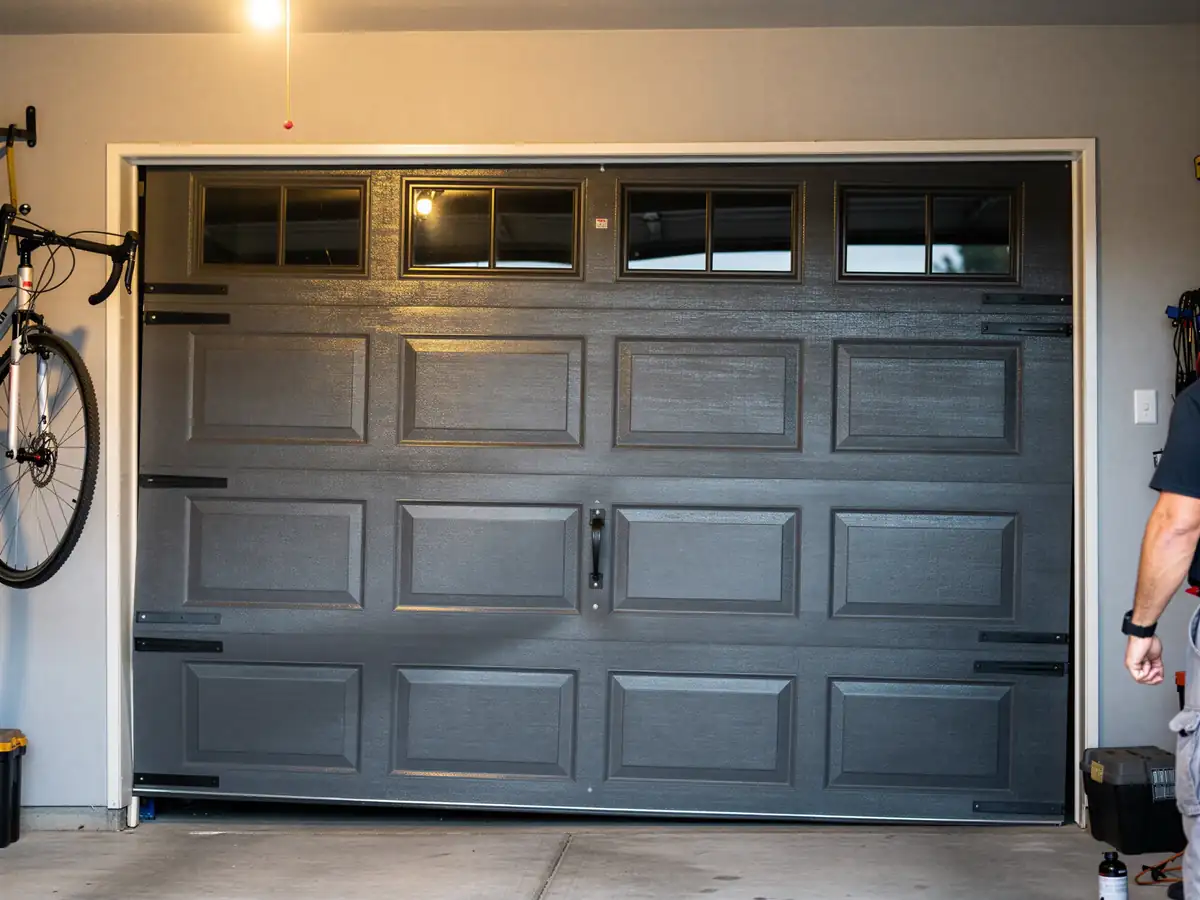
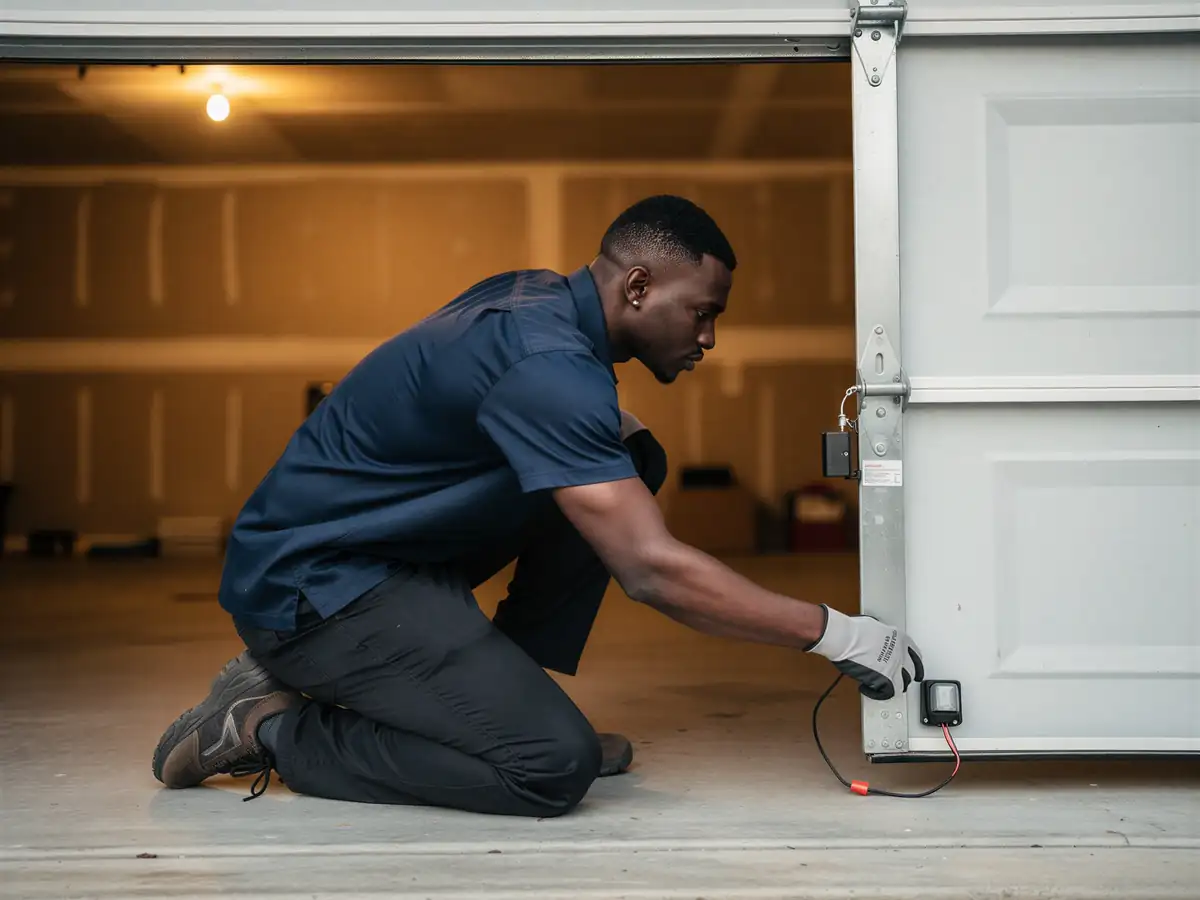
The most frequent calls from Vineyard addresses are a broken torsion spring, a roller that's jumped the track, and an opener that's started cycling inconsistently - all common failure points on hardware installed around 2000 that's now two decades into its service life. A smaller number of calls are about panel dents from a car bumper or a basketball, which is cosmetic and separate from the mechanical wear issues above.
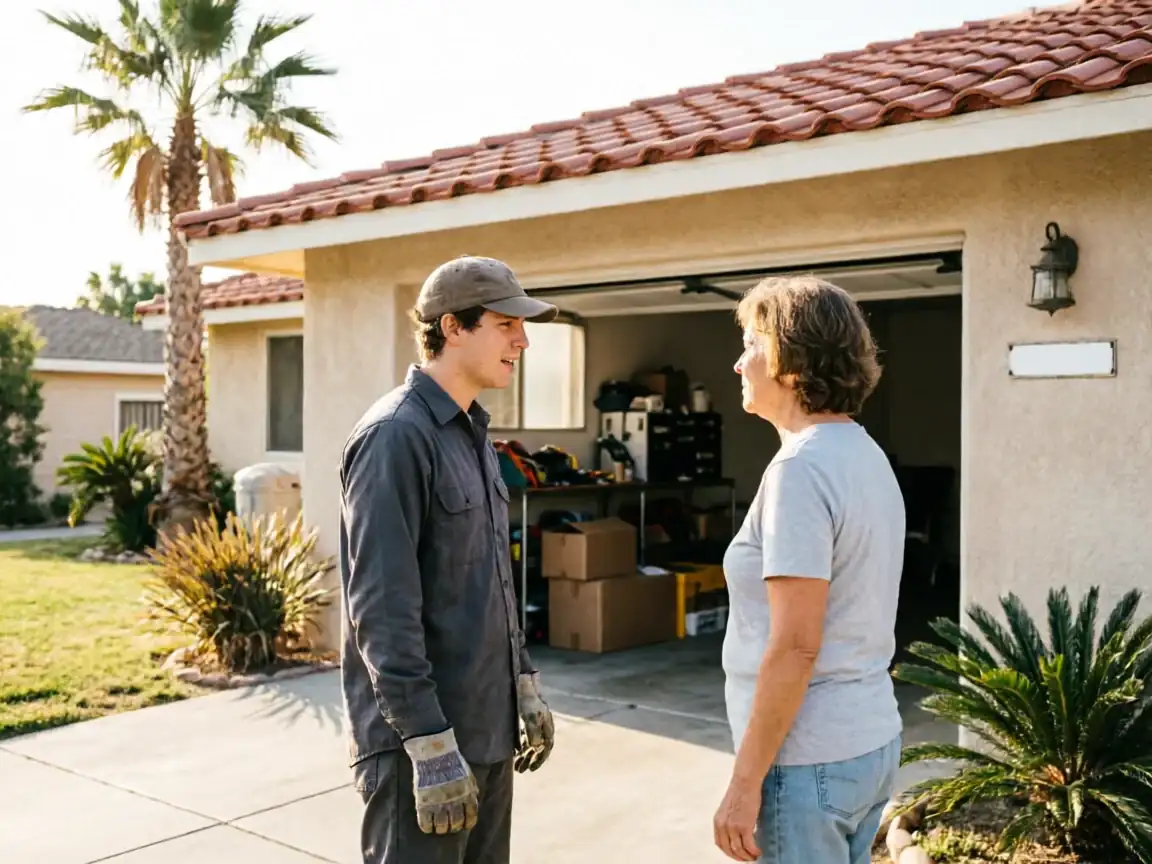
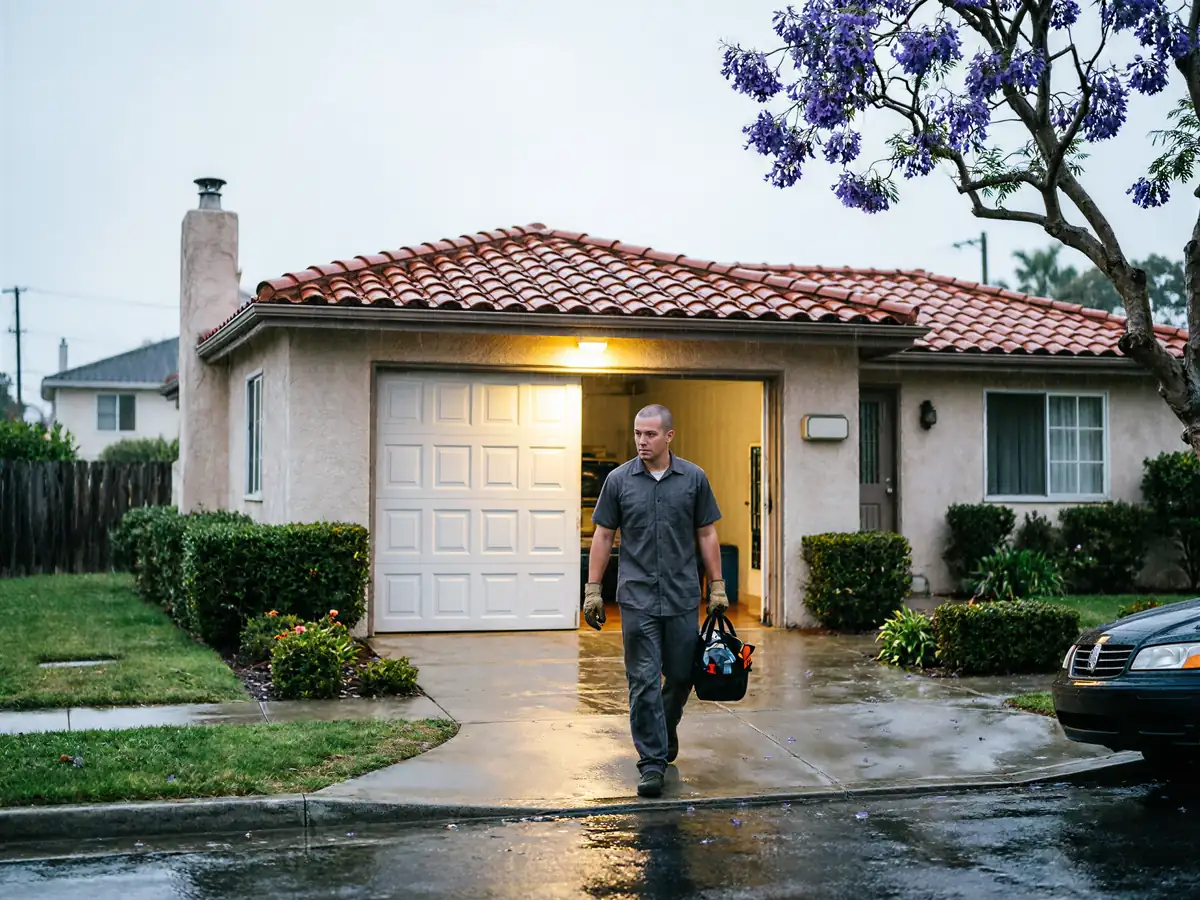
We travel out from Citrus Heights for these calls; there's no local depot in Vineyard, just a truck that comes out when you book.