The Complications
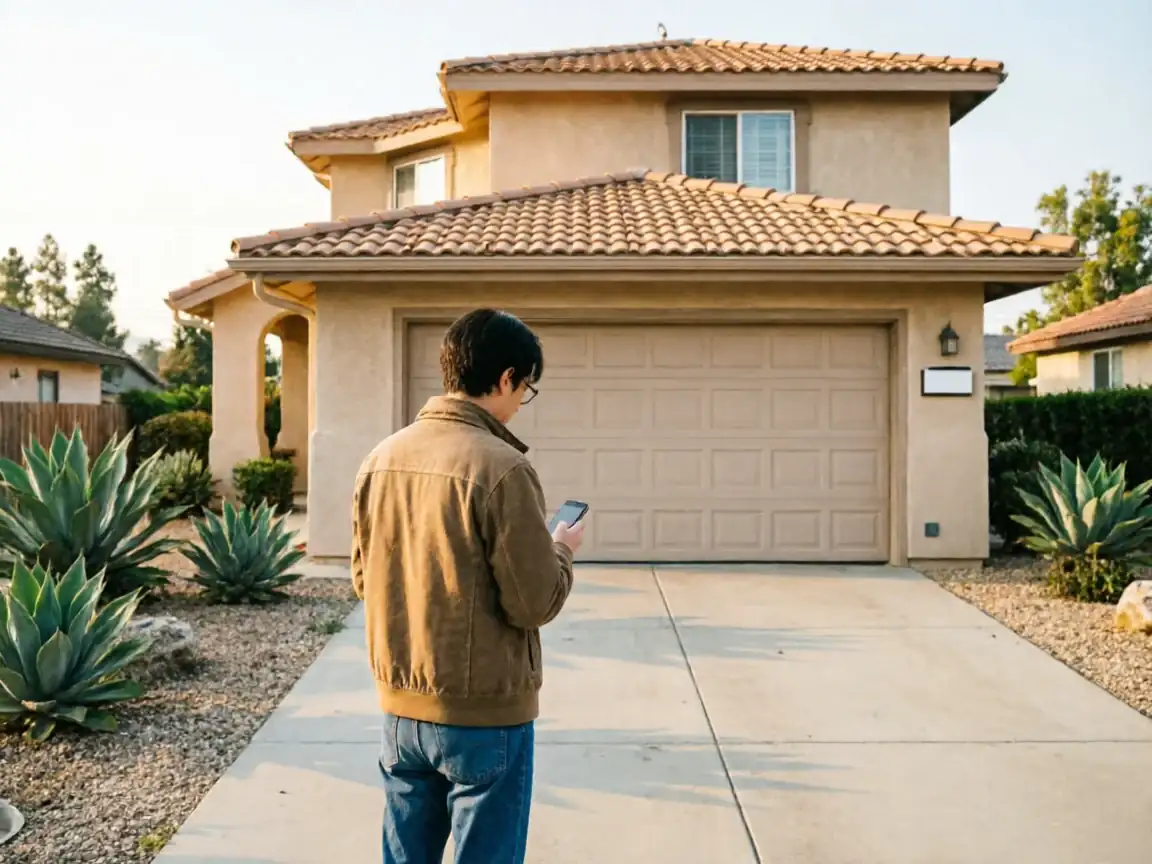
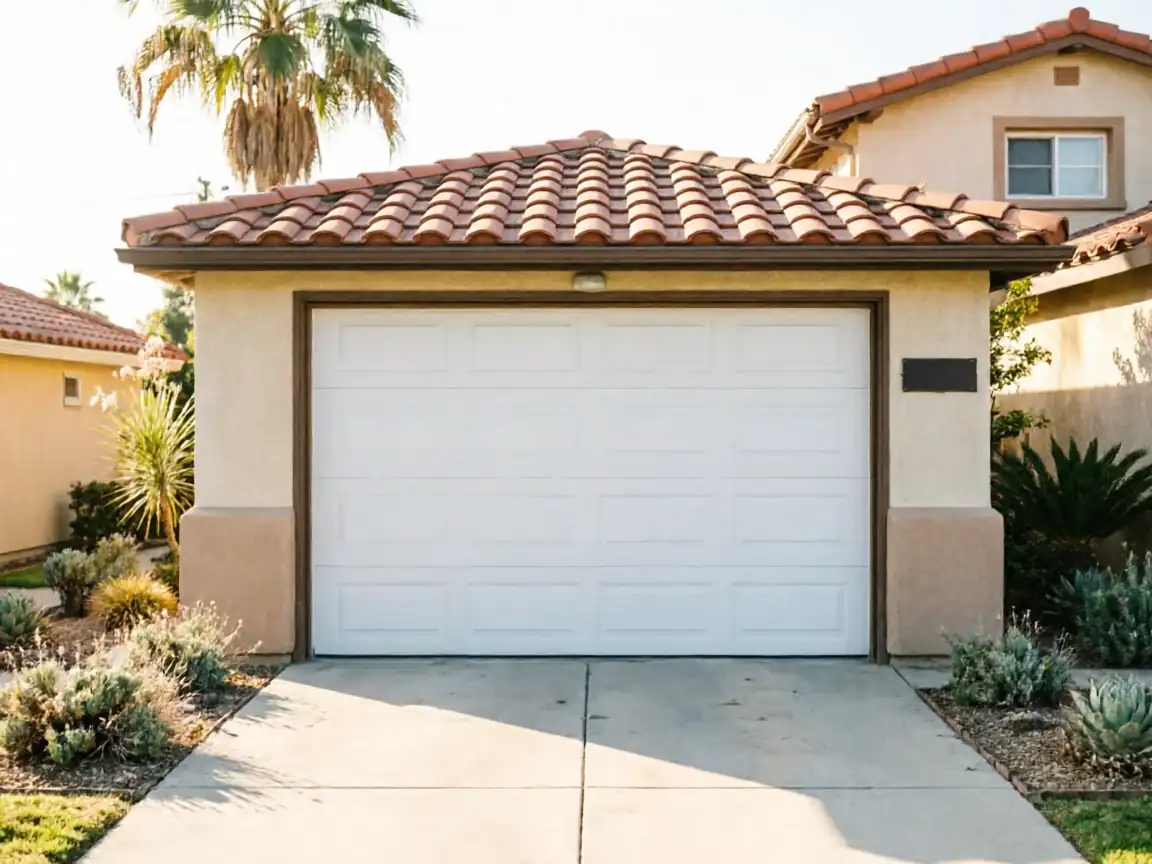
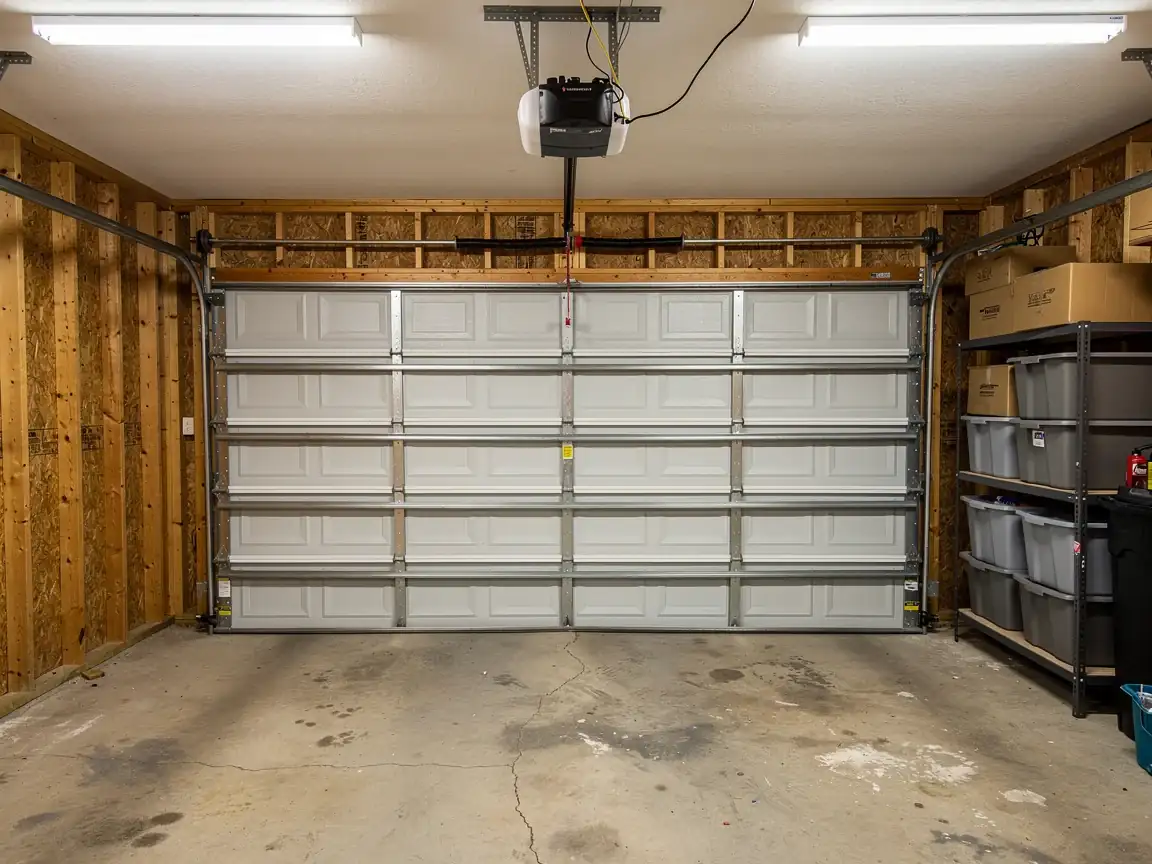
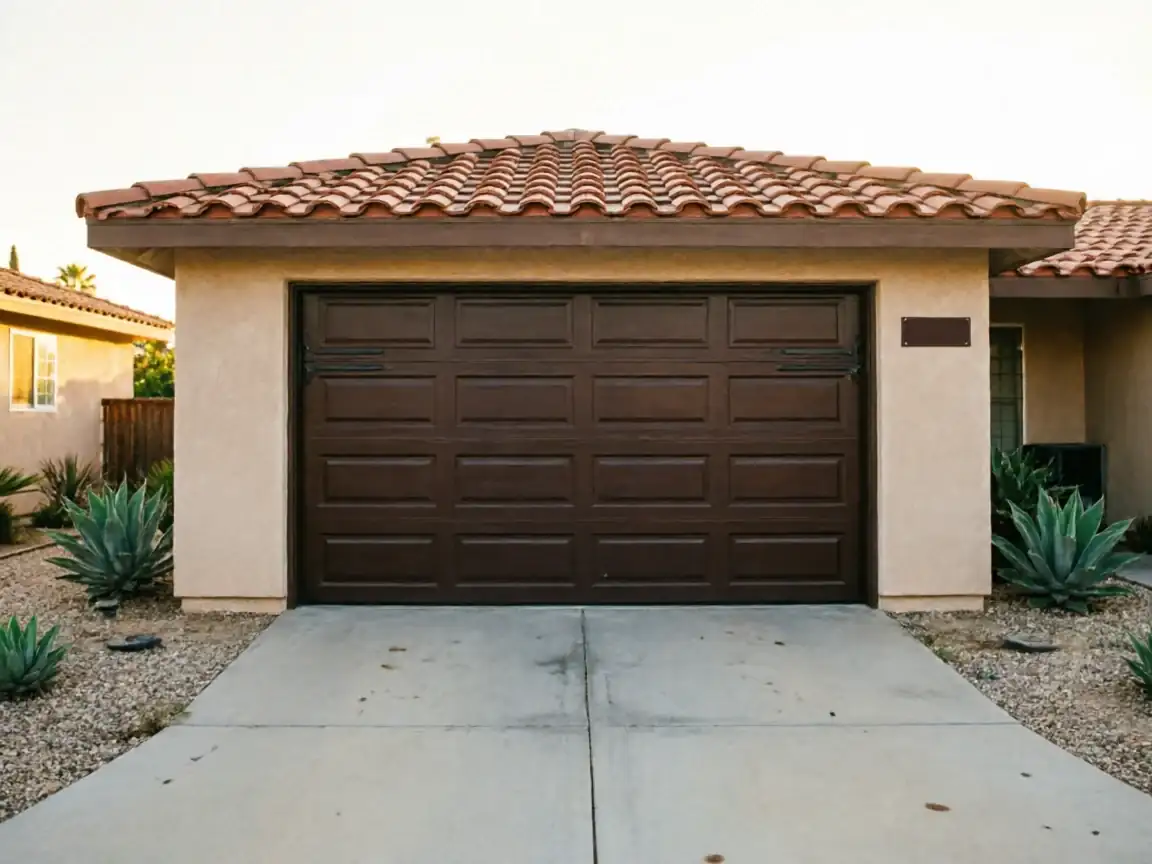
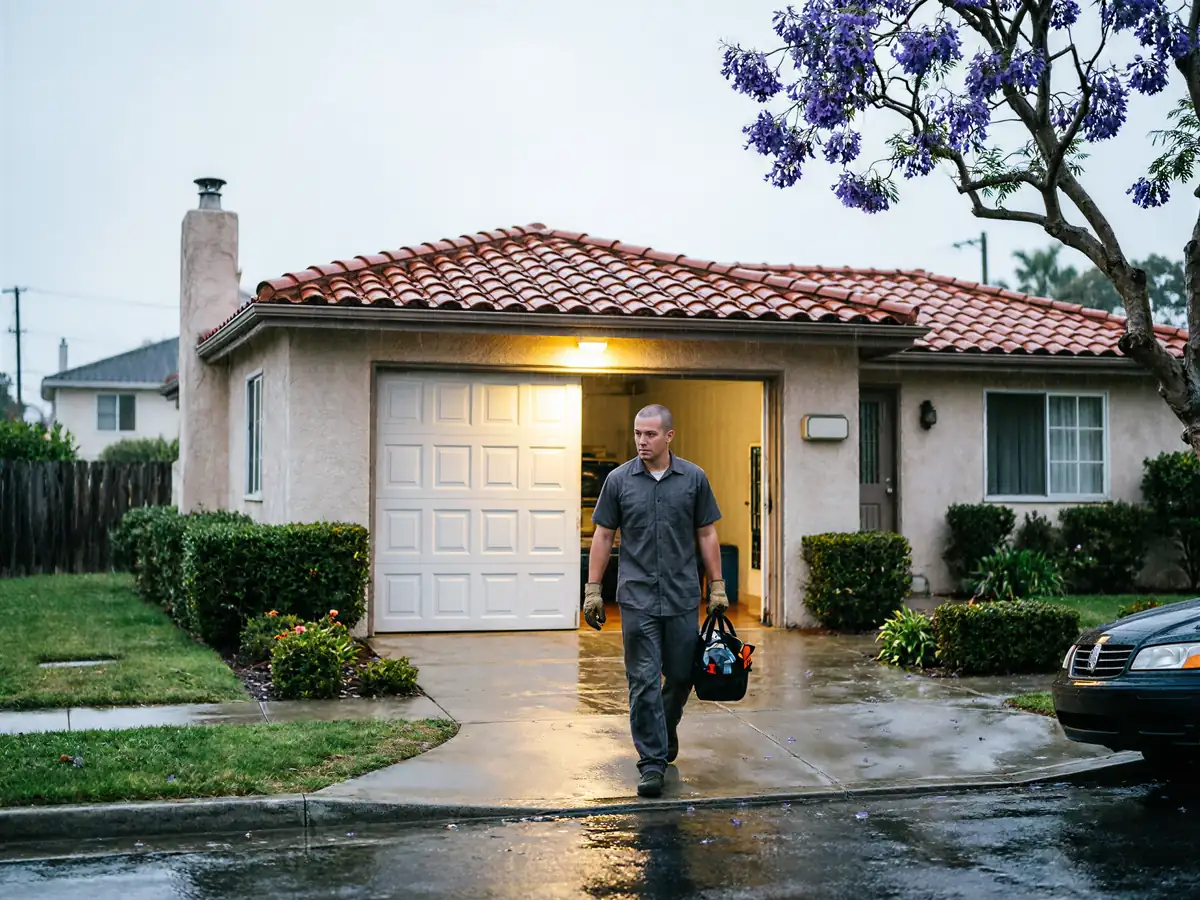
Most houses in Vineyard went up around 2000, which puts this neighborhood on the newer edge of the whole service area we cover - the broader stock here runs 1962 to 2004 with a median closer to 1981. That twenty-year gap matters. A Vineyard garage was built with a factory steel door, a torsion spring rated for that door's weight, and a chain or belt-drive opener that was already common by then, not the older trolley hardware you'd find on an earlier build. What's still original in most of these garages is the spring and the drum, because nobody replaces a spring that hasn't broken yet. By year twenty, that spring is past its cycle life even if it looks fine. The opener's logic board and gears are the other piece that was never swapped out - they just keep running until they don't. We drive out from Citrus Heights, about 15 miles, and the calls we get from this pocket are almost always one of those two: a spring that finally let go, or a board that stopped talking to the wall switch.
The Symptom
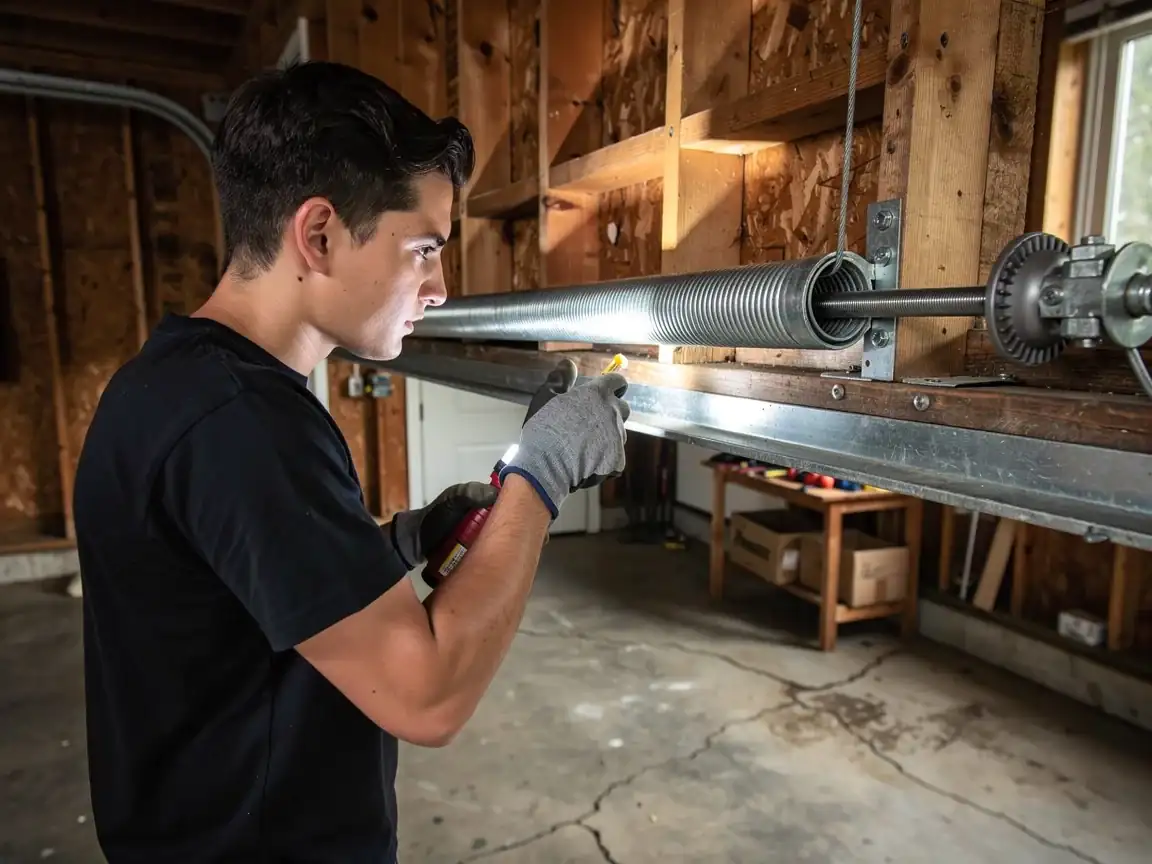
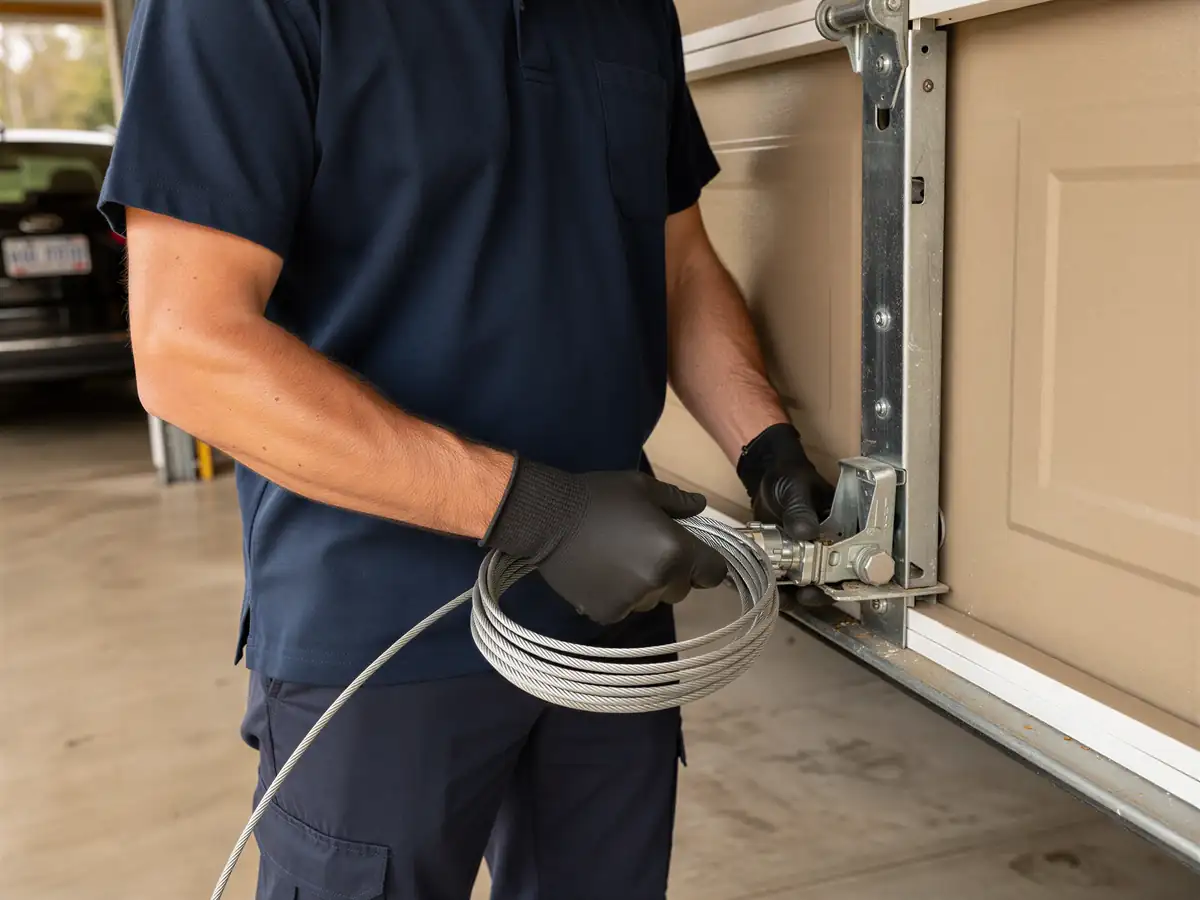
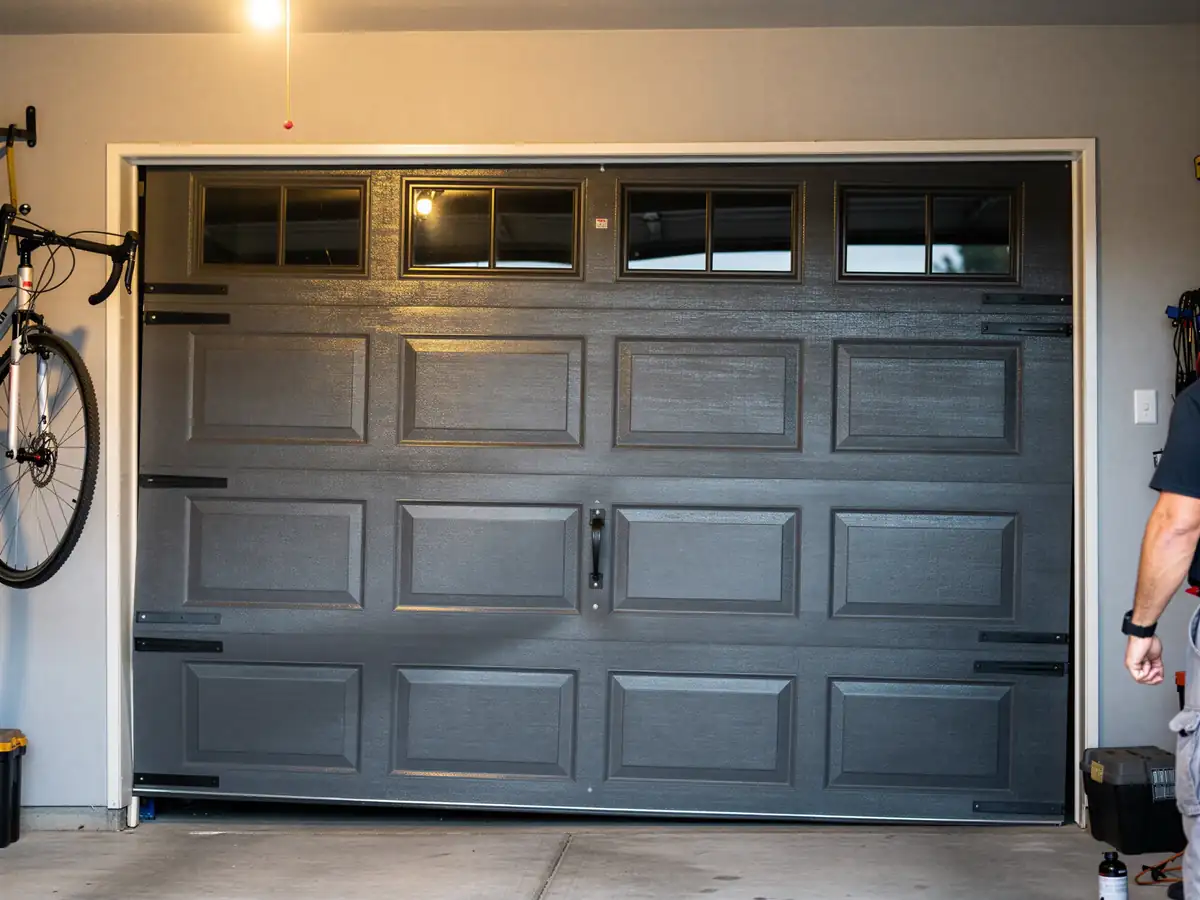
The door won't move, or it moves wrong. A torsion spring failure usually means the door goes up an inch and stalls, or it drops fast and loud when someone tries to lift it by hand. A dying opener board shows up differently - the light blinks, the motor hums, nothing lifts. On a factory door from this era, the cable drums and end bearing plates are original too, and a cable that's frayed for months will finally snap at the worst moment, usually when the door is halfway up. If you hear a bang from the garage and then the door won't budge at all, that's almost always the spring, not the opener.
Why This Fails Locally
Vineyard sits in a severe-heat climate band, and heat is hard on steel springs and on the plastic gears inside older opener units. A spring cycles thousands of times over twenty years, and heat expansion adds stress to metal that's already fatigued. Households here report a median income of $108,403, noticeably above the wider area's $95,592, and most of these homes still run the opener that came with the house in 2000 - nobody's replaced it because it never fully died, it just got slower and louder until the day it stopped. That's the pattern we see on these calls: not neglect, just original equipment finally hitting the end of its life at the same time the heat is working against it.
What the Repair Takes
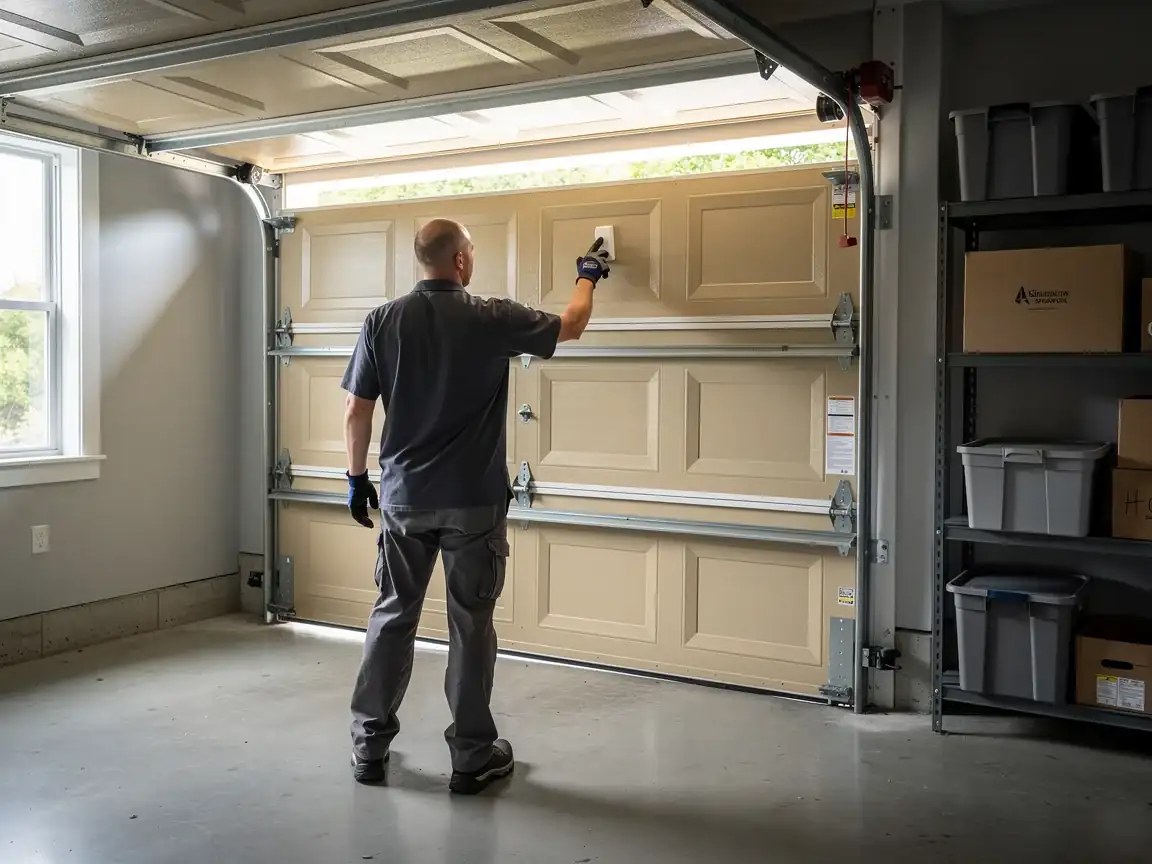
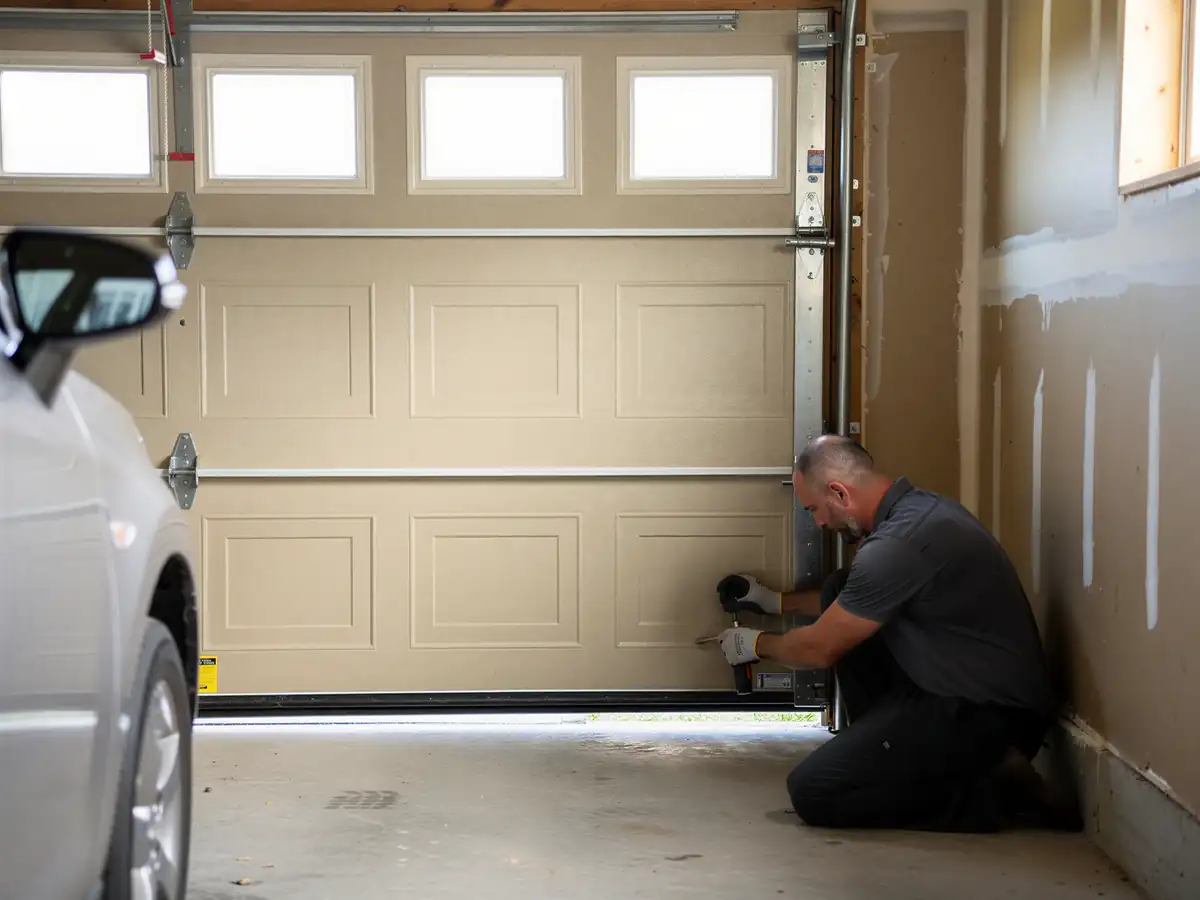
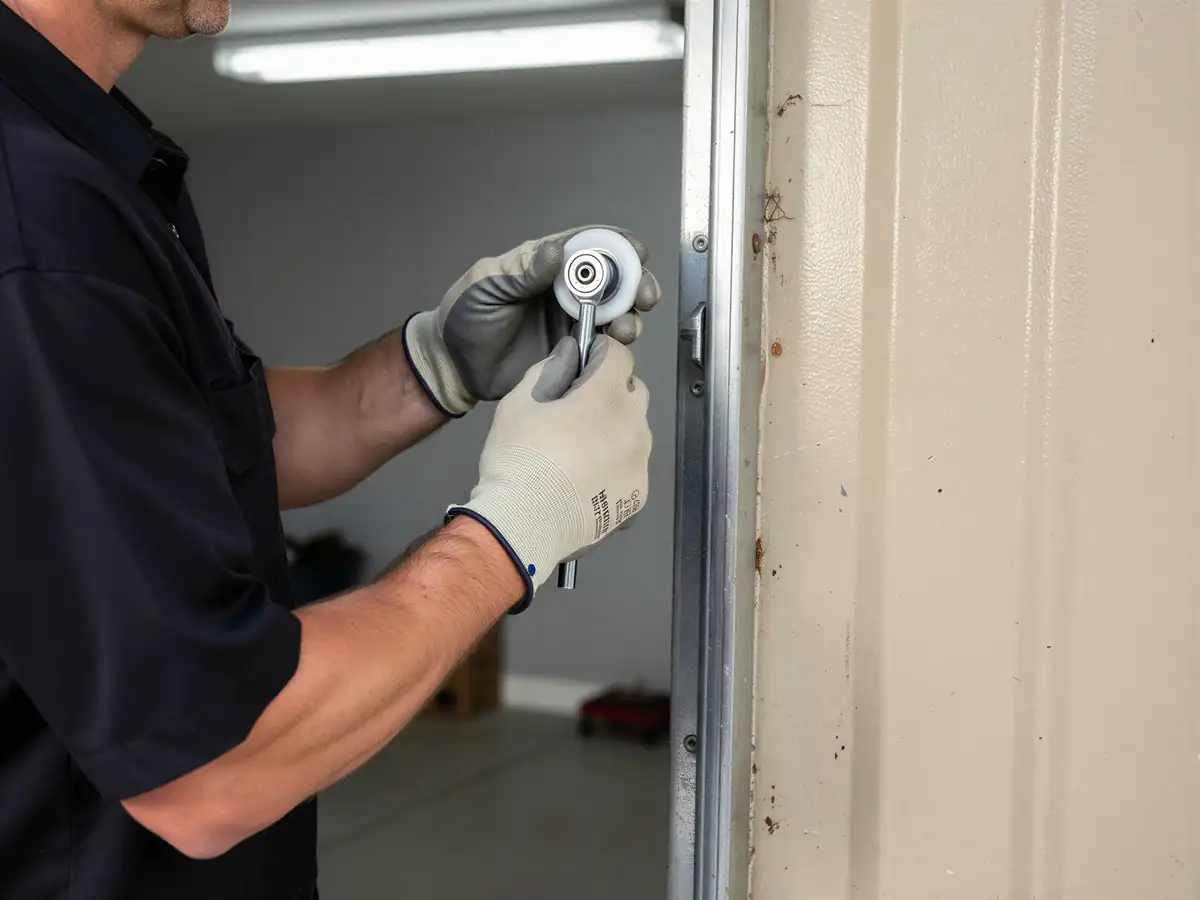
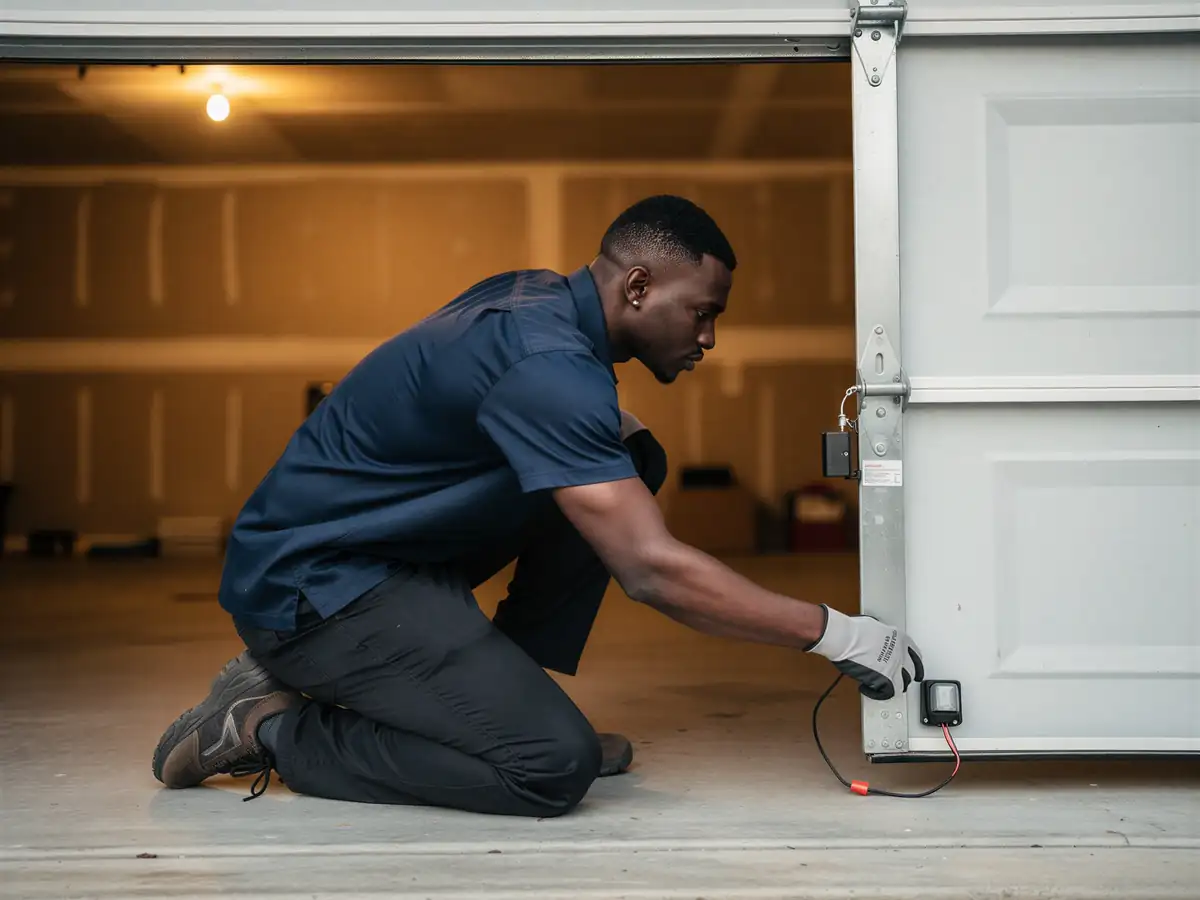
A broken torsion spring on a standard double door is usually a same-visit fix - we carry spring stock sized for the doors common to houses from this era. An opener board failure is a different call: sometimes it's a capacitor or a logic board, sometimes the unit is old enough that replacement makes more sense than chasing parts for a machine that's the same age as the house. We won't tell you to replace an opener that just needs a sensor realigned. But if the gears are stripped or the board is dead, we'll say so instead of patching it for another six months. Limitation worth naming: some older opener models have parts that are backordered or discontinued, and in that case a new unit beats a week of waiting.