Can You Do This Yourself
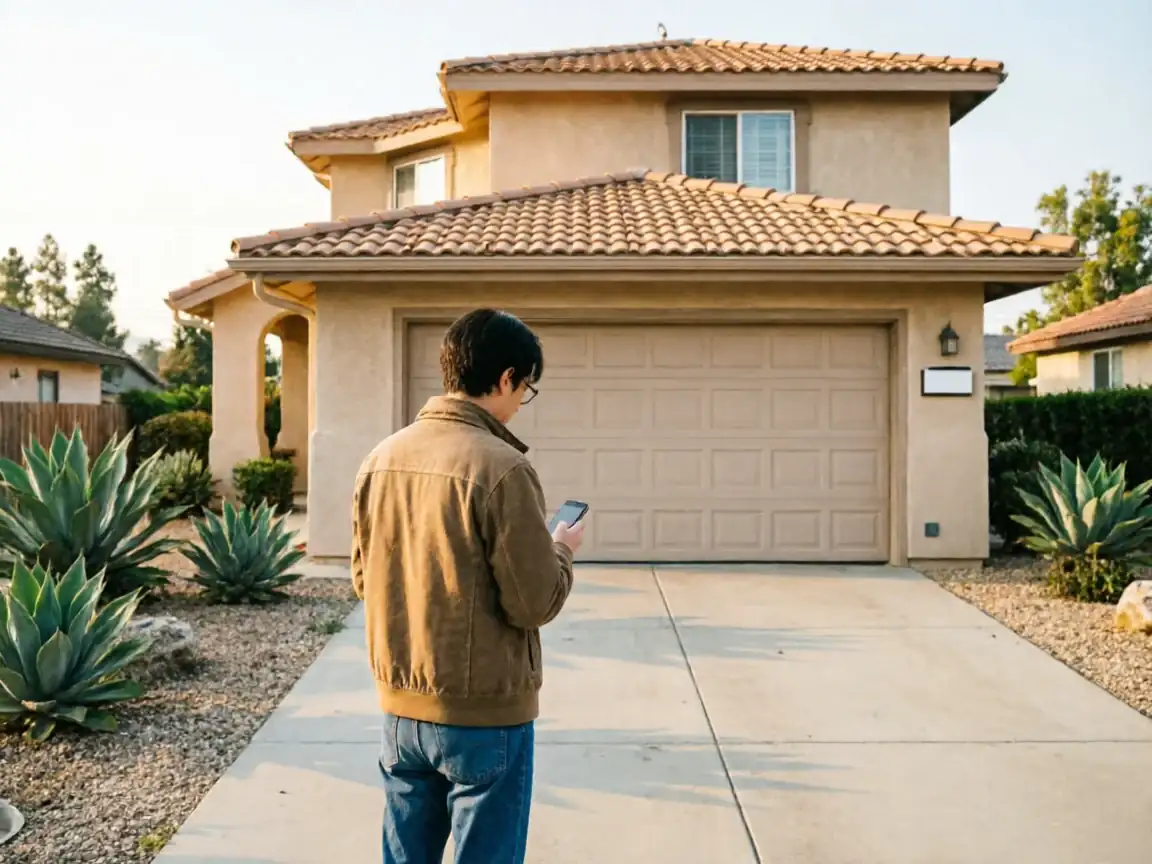
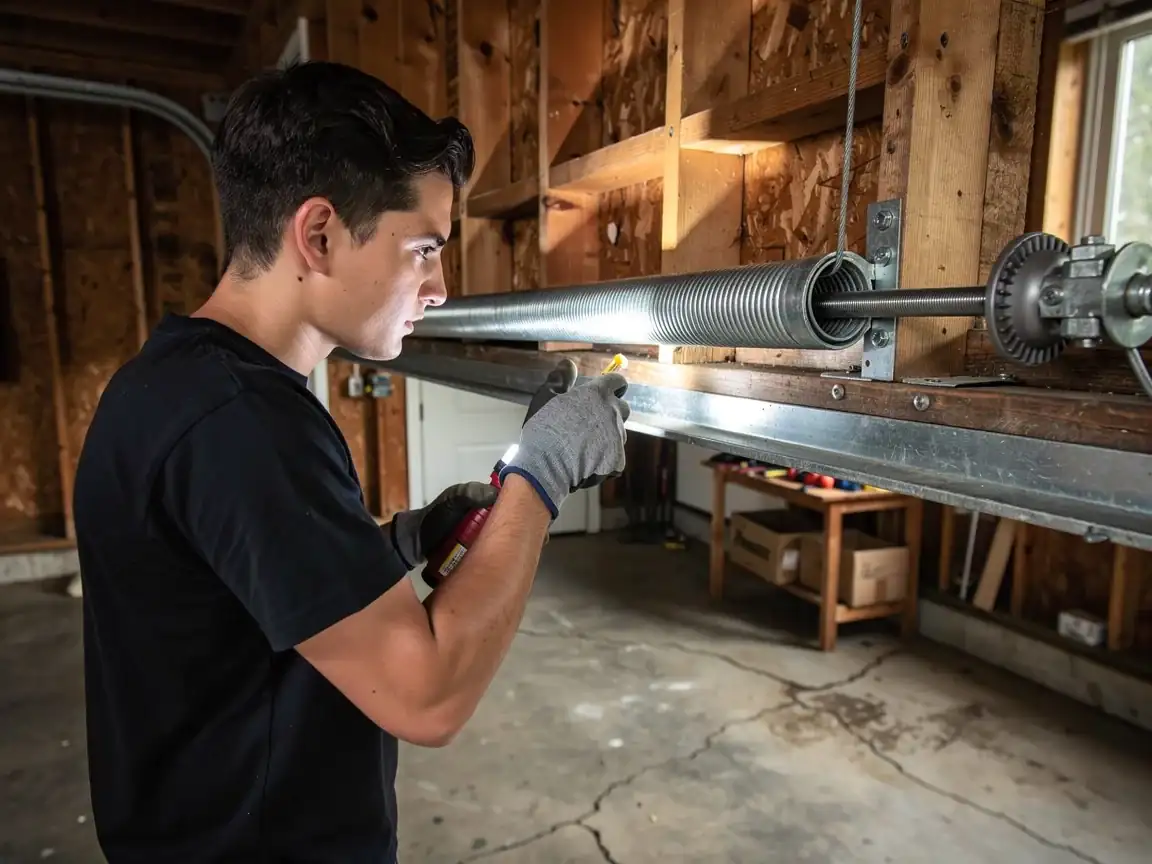
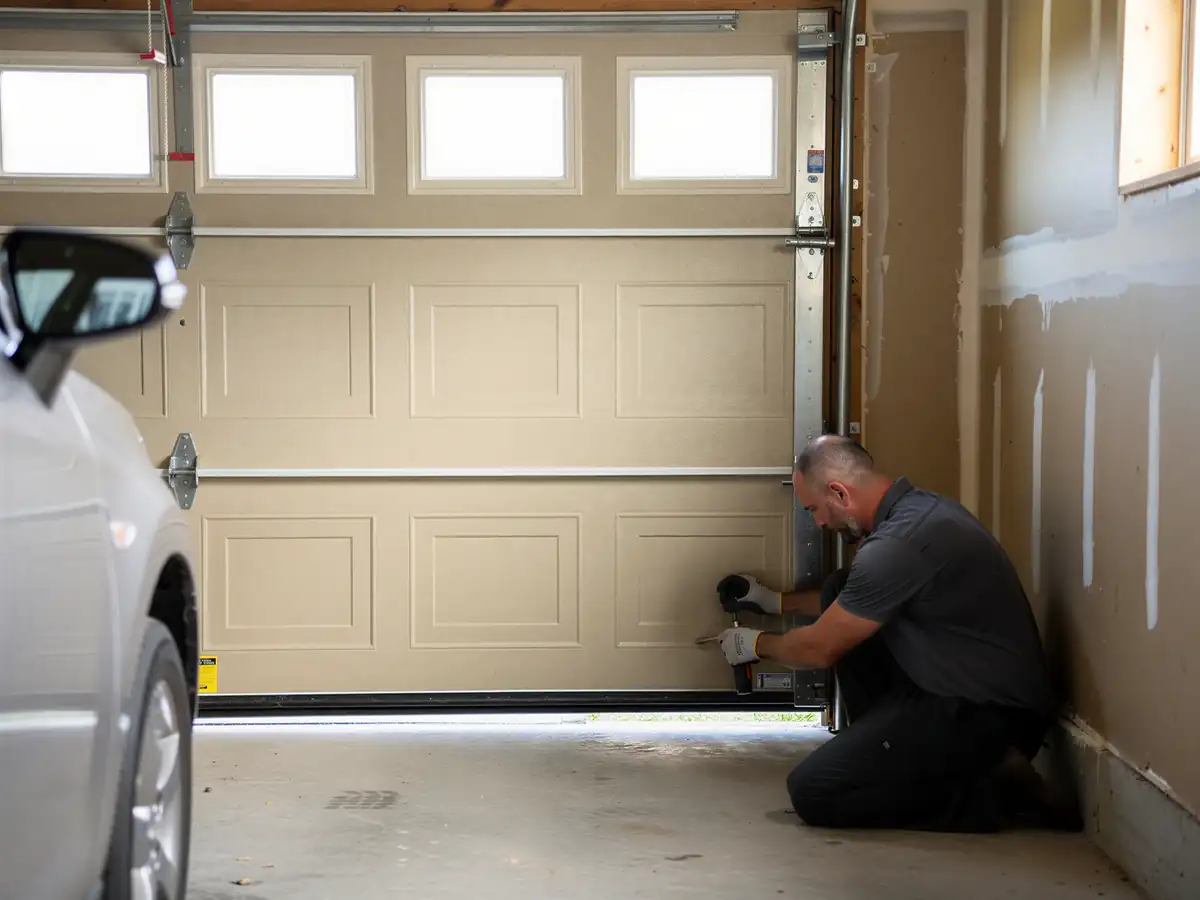
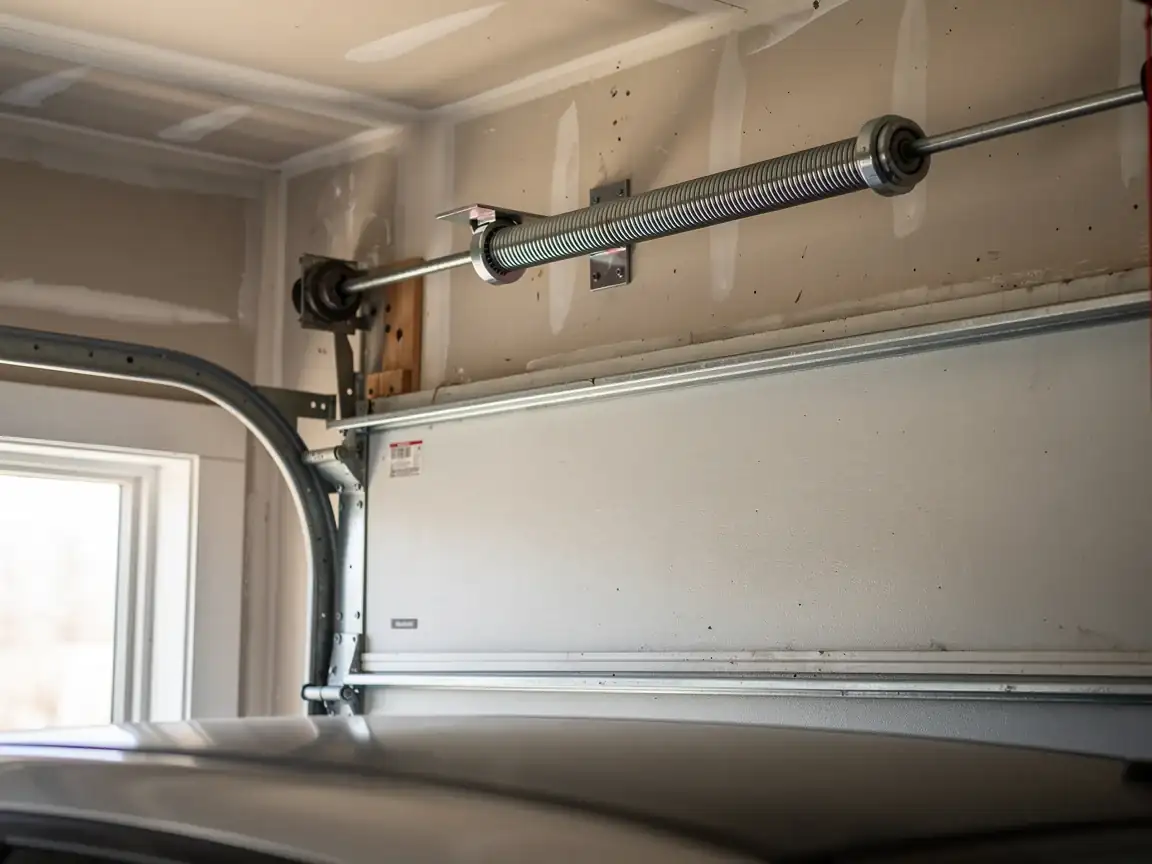
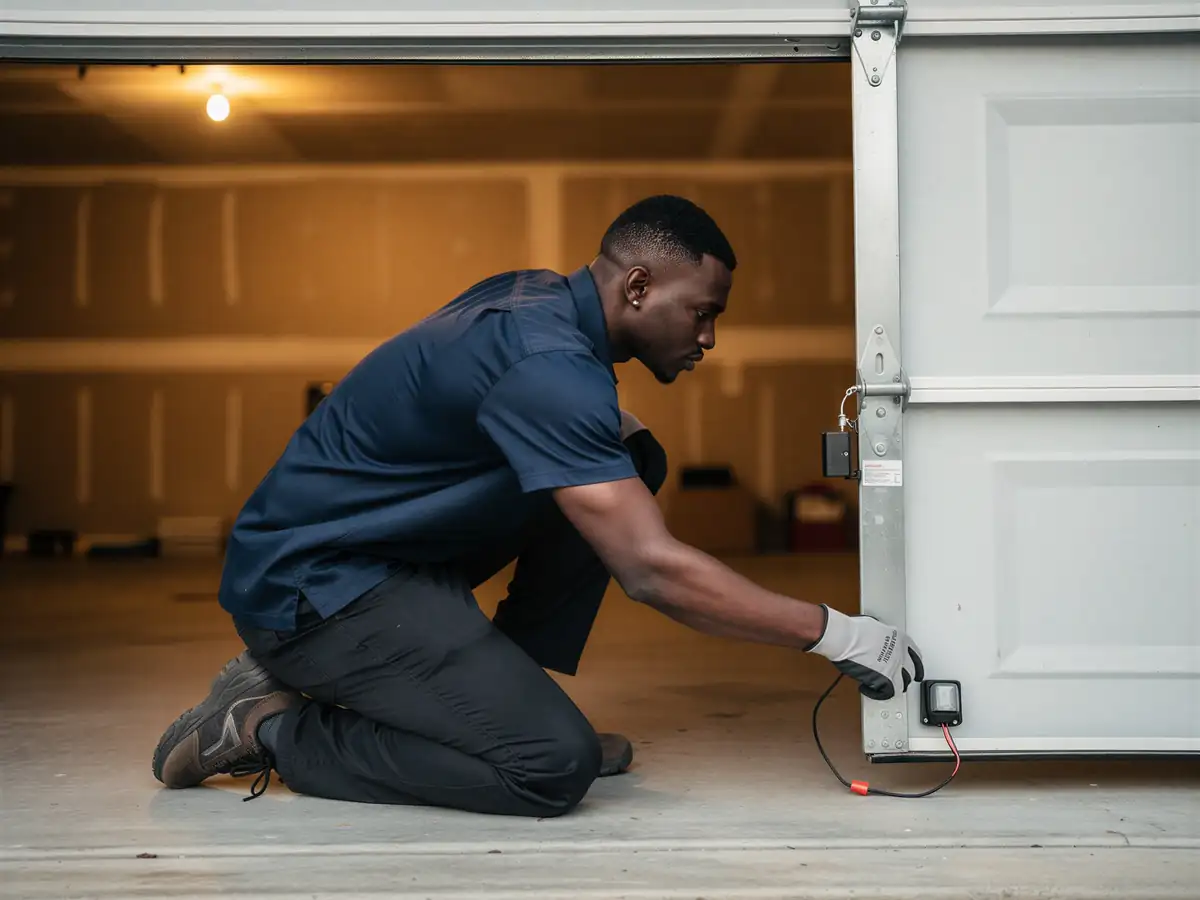
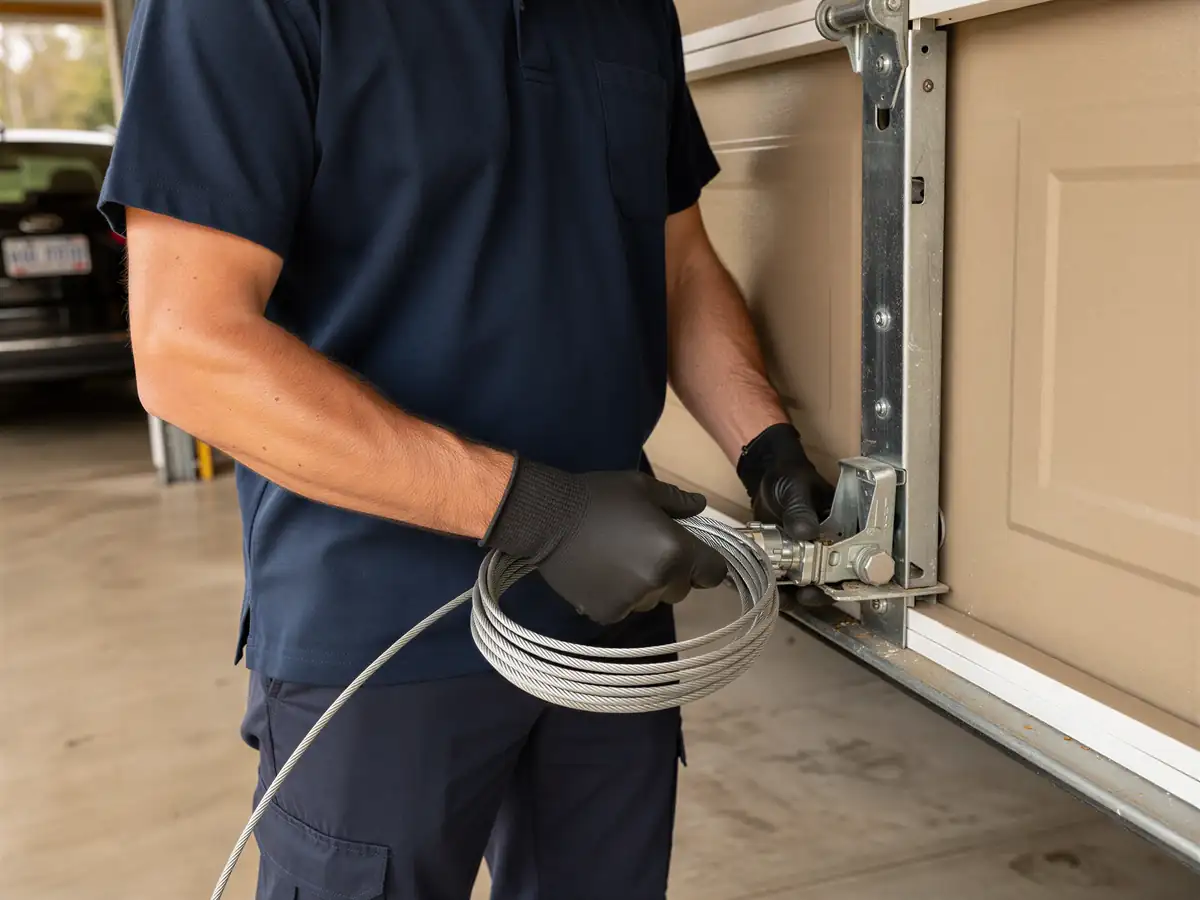
A cable under tension is not a weekend project, and we'll say that plainly up front. The cable on a garage door is wound under the pull of a torsion or extension spring, and if it lets go while you're working near it, it can take a finger or an eye with it. If your cable has already snapped and the door is sitting crooked or jammed in the track, the safest move is to leave it alone and unplug the opener so nobody hits the button. You can safely do a visual check: look at the cable drums at each end of the torsion bar, look for frayed strands near the bottom bracket, and check whether the door is hanging level or tilted to one side. That tells you whether it's one cable or two, which matters for the job. Past that, pulling the old cable off the drum and winding a new one to the correct length with the door held safely isn't something we recommend tackling without the right bars and clamps. We'd rather talk you through what you're looking at over the phone than have you find out the hard way what a loaded spring does when it's handled wrong.
Why This Fails Locally
Most of the houses across this service area went up between 1962 and 2004, with a lot of that stock clustered in the 1980s and 90s build years common to the 28 named areas we work in. Doors from that era were mostly built with galvanized aircraft cable and steel drums, and after three or four decades that cable has usually seen more open-close cycles than anyone tracked. Add the severe summer heat this area sees, and you get a second failure path: the metal expands and contracts through daily swings, the lubricant on the drum dries out faster than it would in a milder climate, and the cable starts to saw against the drum edge instead of riding smooth. That's the combination we see over and over on calls in this area - older cable, heat-cycled hardware, and a fray that finally lets go on a hot afternoon when the door's been run a dozen times. It's not a flaw in any one house; it's what happens to original hardware that's lived through this many summers in housing stock this age.
The Symptom
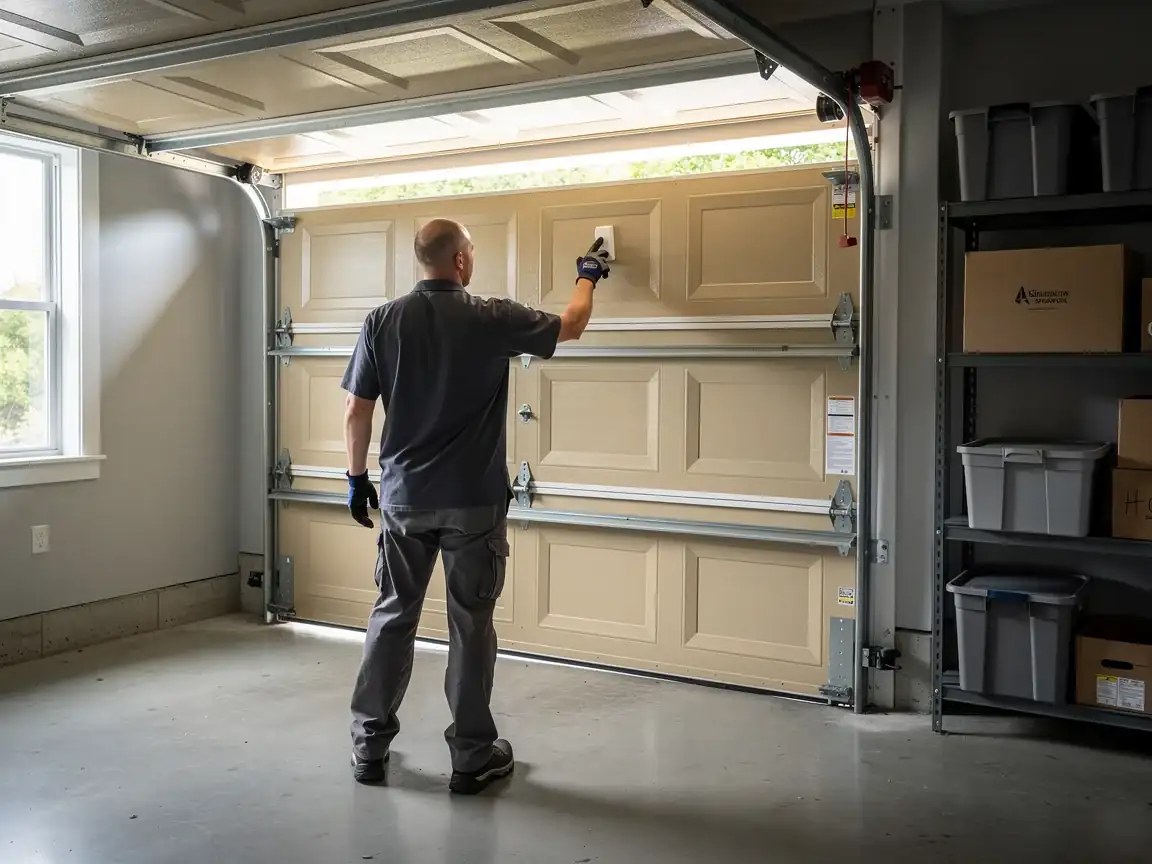
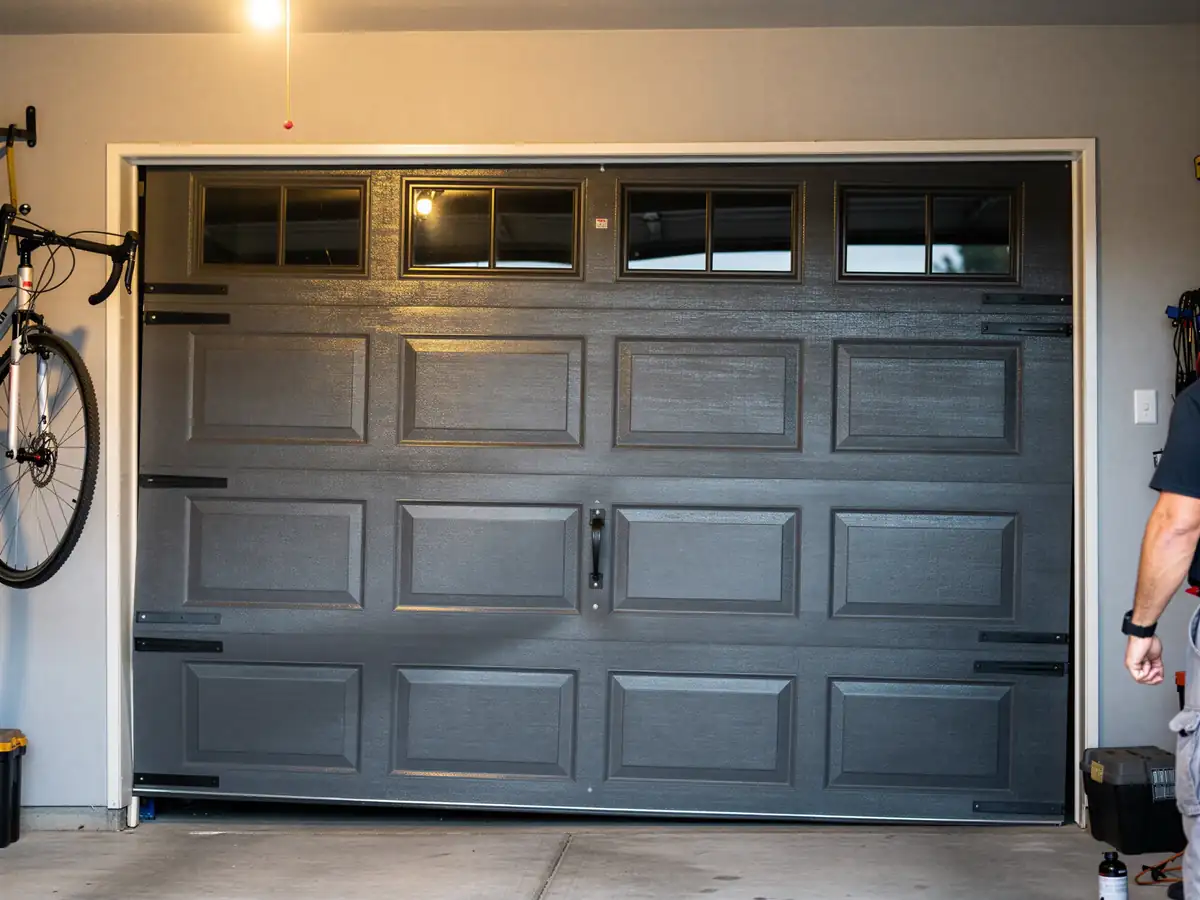
The giveaway is usually sound before it's sight: a popping snap, then the door refusing to move, or moving on one side while the other corner drops. Sometimes it's slower - a visible kink or a handful of frayed wire strands poking out near the bottom roller bracket weeks before the cable actually lets go. If only one side has failed, the door will hang tilted, jammed diagonally in the tracks, and trying to force it with the opener can bend the track or crack a panel corner. If both cables are gone, the door usually just sits where it stopped, heavy and immovable, since nothing left is holding the counterbalance. Either way, once a cable is visibly frayed or has already snapped, it's a call-now situation rather than a wait-and-see one, because a door under partial tension is unpredictable.