Can You Do This Yourself
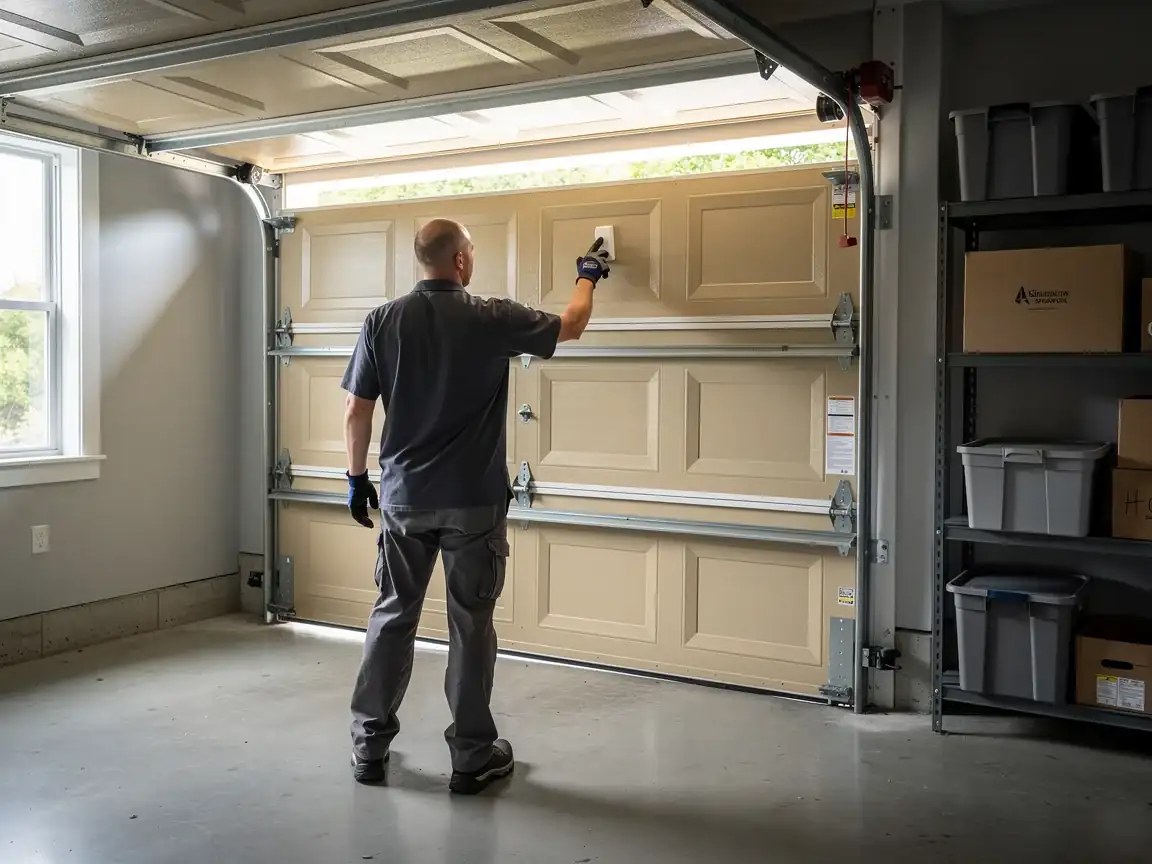
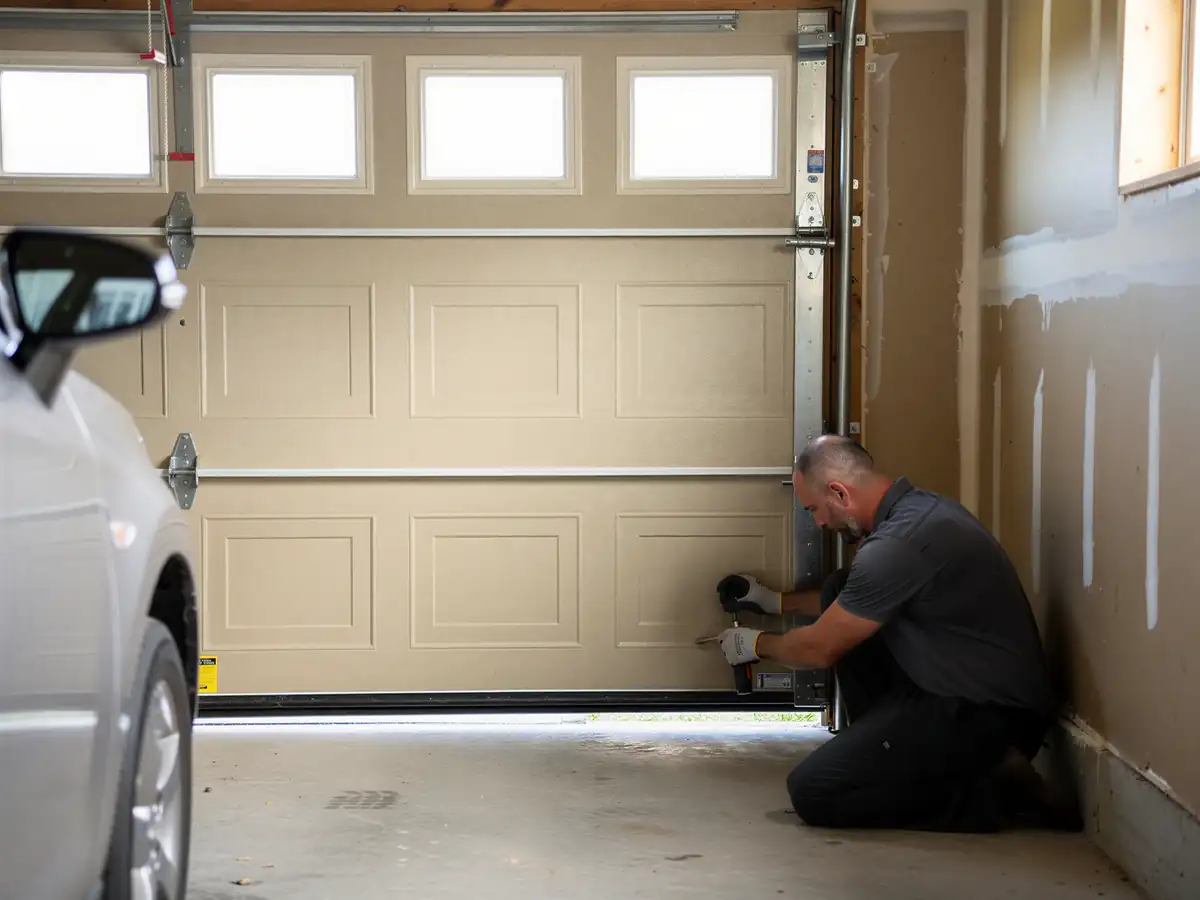
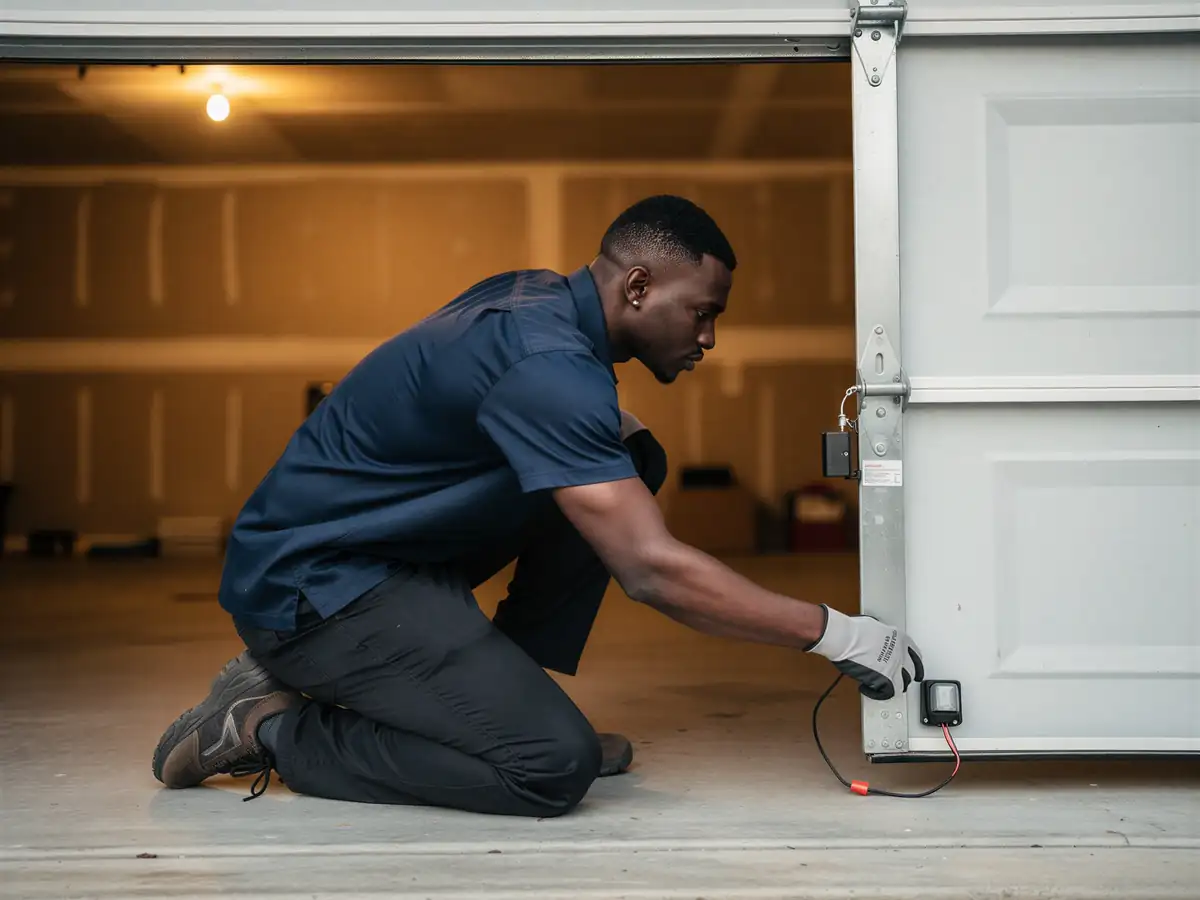
Some of it, yes. You can wipe down tracks, check that the photo-eye sensors near the floor aren't knocked out of alignment, and listen for grinding on the way up or down. Lubricating rollers and hinges with the right grease (not WD-40, which just strips what's left) takes ten minutes.
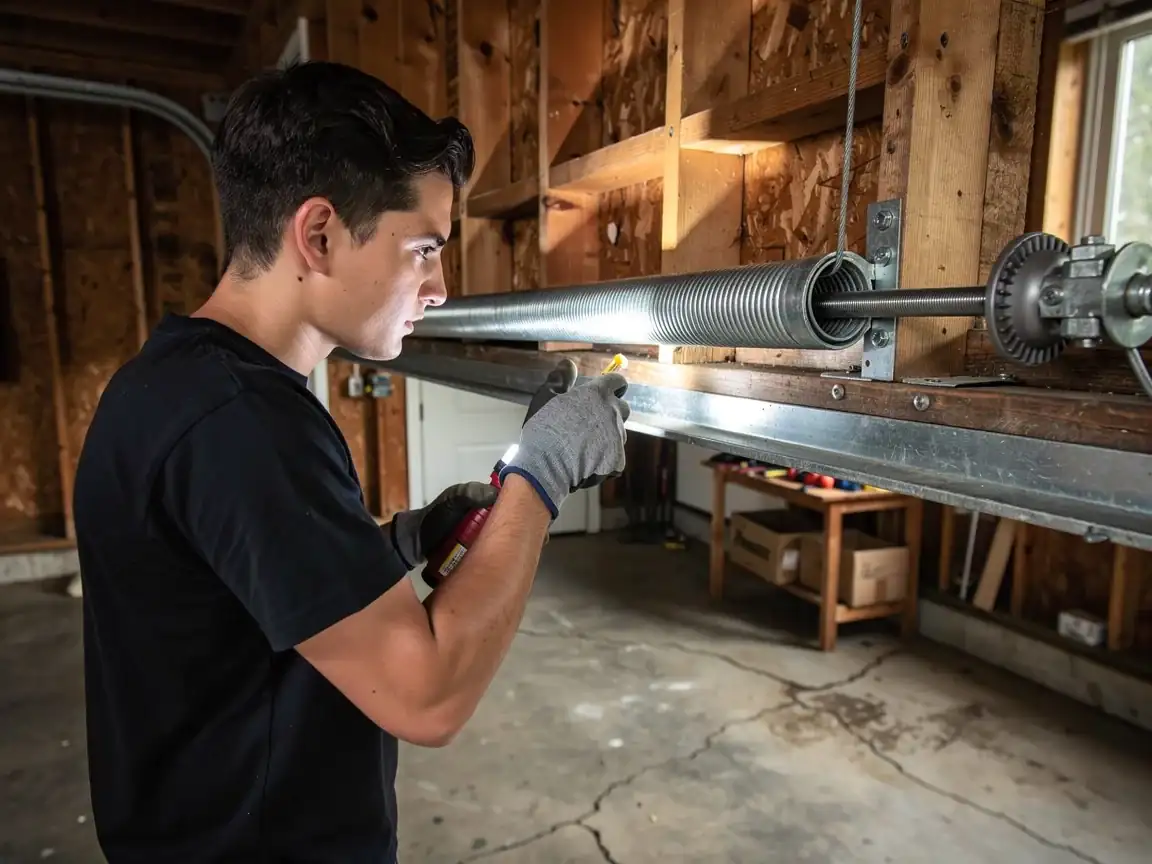
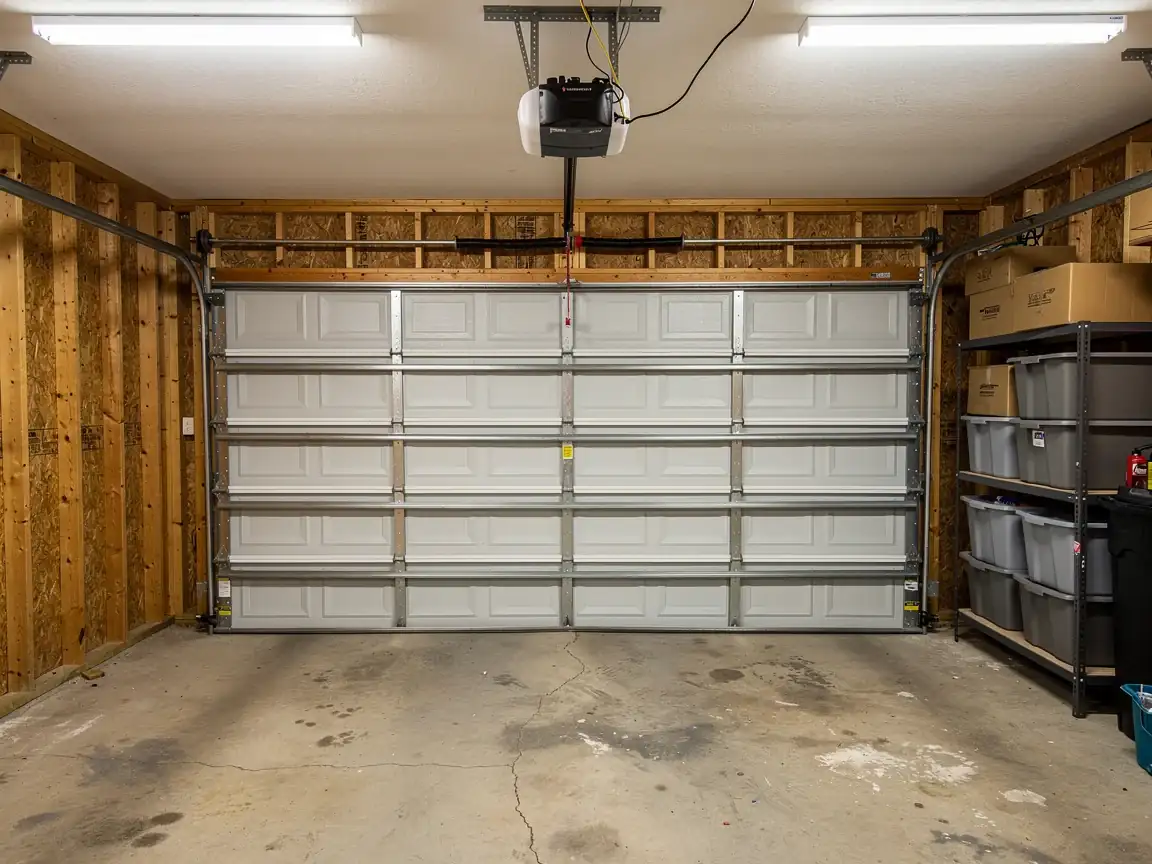
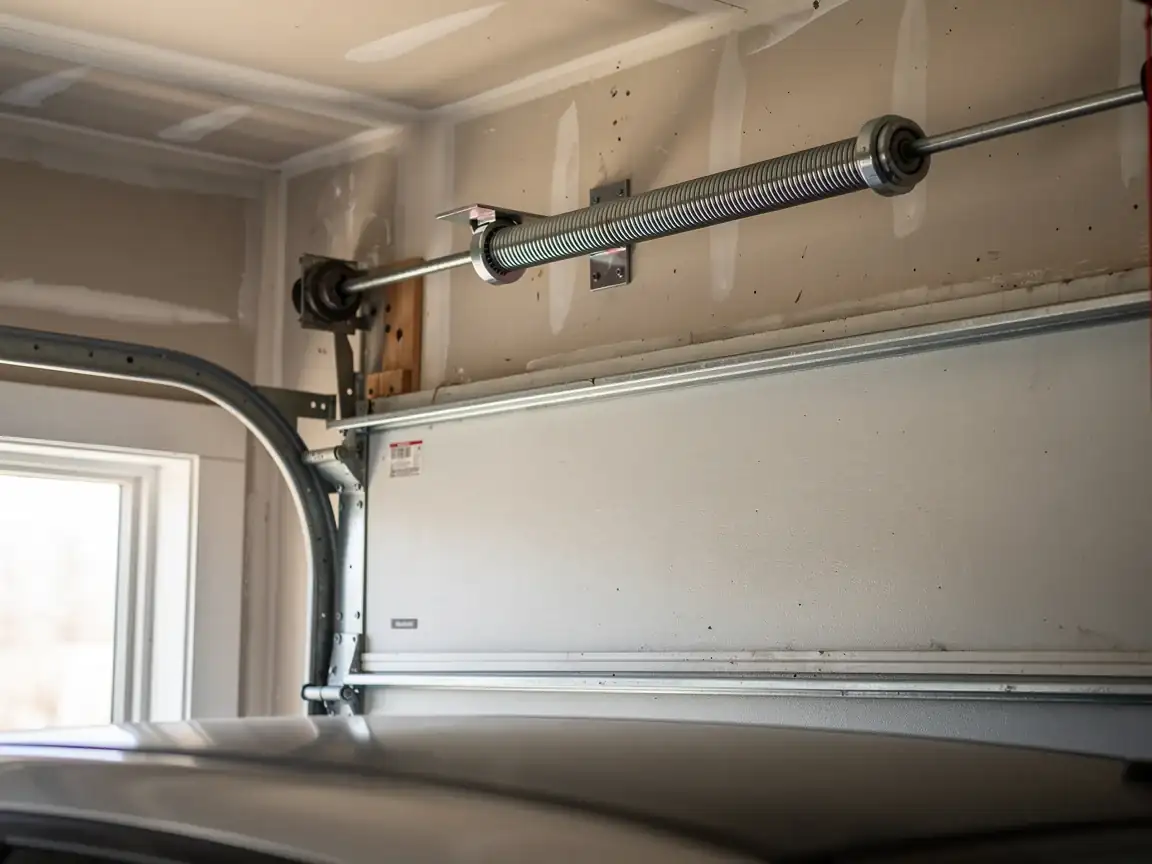
What you shouldn't touch is the torsion spring and anything under tension. On the housing stock across this service area - most of it built between 1962 and 2004, median build year 1981 - springs and openers are old enough that a lot of homeowners are dealing with original or first-replacement hardware they've never serviced. A spring under load that lets go while you're adjusting it can break bones.
Same goes for track alignment on a double door and anything involving the opener's force settings. If the door reverses hard, binds halfway, or the opener strains and clicks off, that's a job for someone who does this daily, not a Saturday project. Checking is yours to do. Adjusting tension and hardware that's decades old generally isn't.
Why This Fails Locally
Garage doors here take a particular kind of beating that isn't just "garage doors wear out everywhere." The climate band for this area is rated severe heat, and an attached garage with a south- or west-facing door routinely runs hotter than the house itself for months at a time. That heat cycles steel panels, dries out lubricant fast, and softens nylon rollers and bottom seals years ahead of schedule.
Pair that with the age of the stock - 1980s and 90s builds are the norm across the 28 named areas in this service area, with some homes dating back to 1962 - and you get openers and springs that were sized for a door that's since sagged, and garage interiors that were never meant to hit the temperatures they do now. Extension springs lose tension faster in sustained heat. Steel tracks expand and contract enough, season over season, to work screws loose at the mounting brackets.
This is why a maintenance visit here isn't cosmetic. It's catching spring fatigue, opener strain, and heat-dried seals before they turn into a 6 a.m. call when the door won't open and someone's blocked in.
Getting It Booked In
Maintenance works best on a schedule, not as a reaction to a noise
For houses built in the 1962-2004 range that make up most of this area, a yearly check catches spring wear and track drift before either becomes a lockout. Homes with original hardware from the early end of that range are worth a closer look - springs and openers from that era are past the point where "it still works" means much.
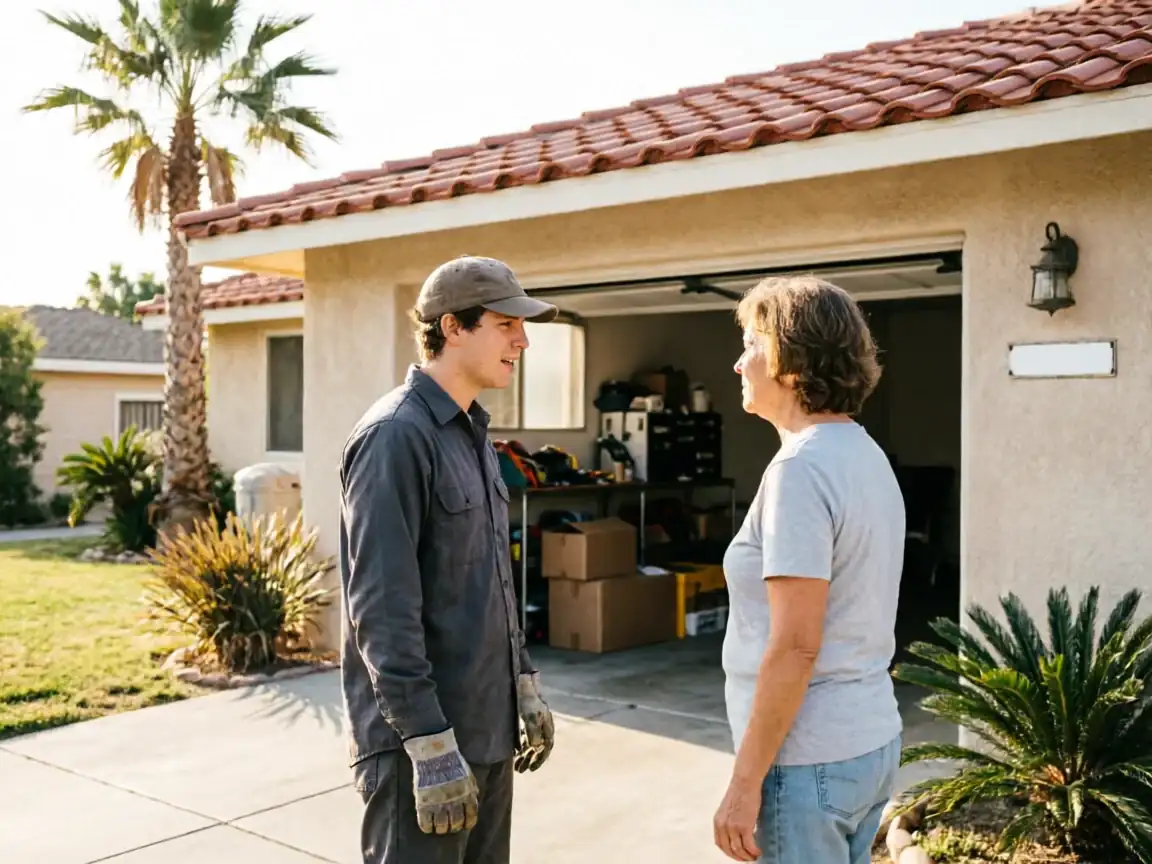
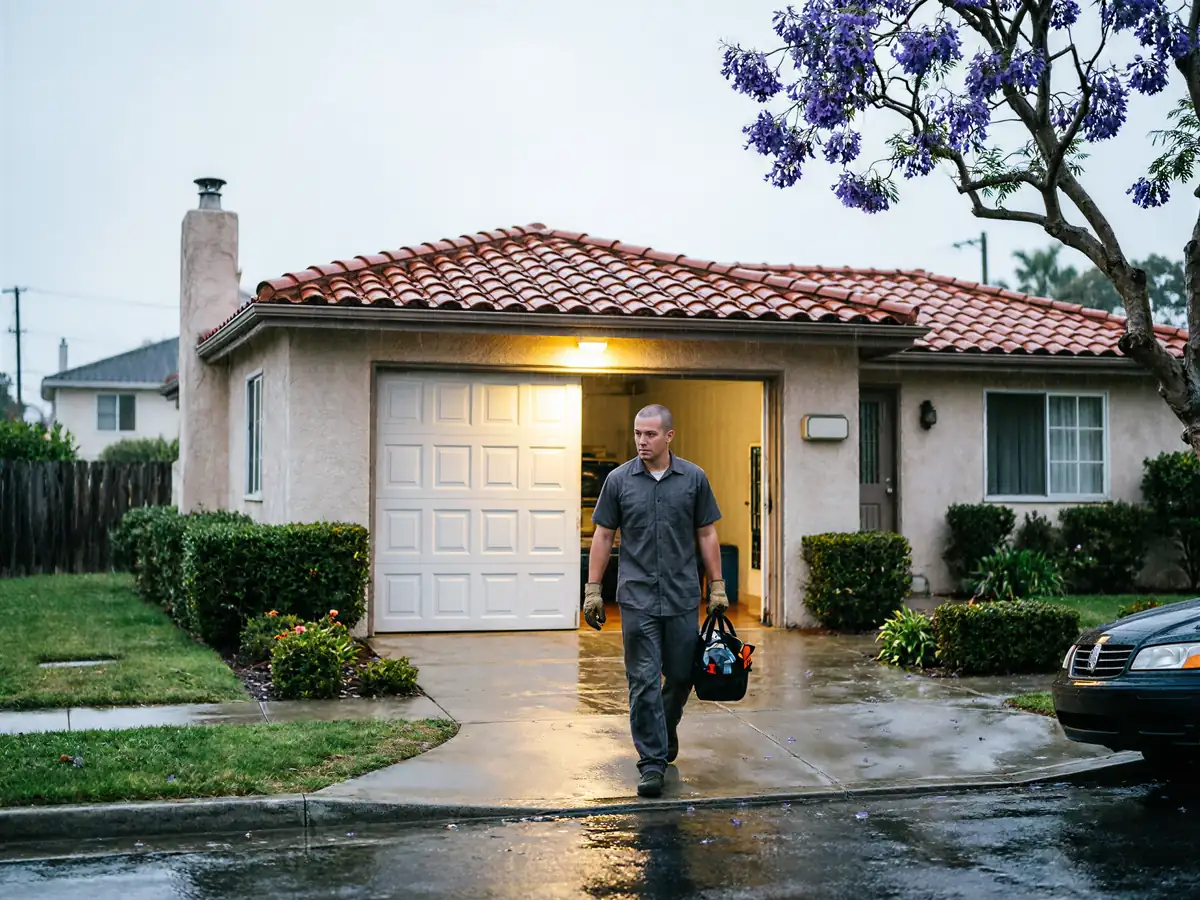
We service the Citrus Heights area along with the surrounding communities
Foothill Farms, Orangevale, Fair Oaks, Antelope, North Highlands, Carmichael, Gold River, and the rest of the nearby towns within roughly a 10-mile radius. One visit covers spring tension, track alignment, opener force and sensor function, hardware torque, and weatherseal condition.
Worth saying plainly
If your opener is already straining on every cycle or the spring has visibly stretched or separated, that's not a maintenance call anymore - that's a repair, and we'll tell you that on the phone instead of billing you for a tune-up that won't fix it.
The Symptom
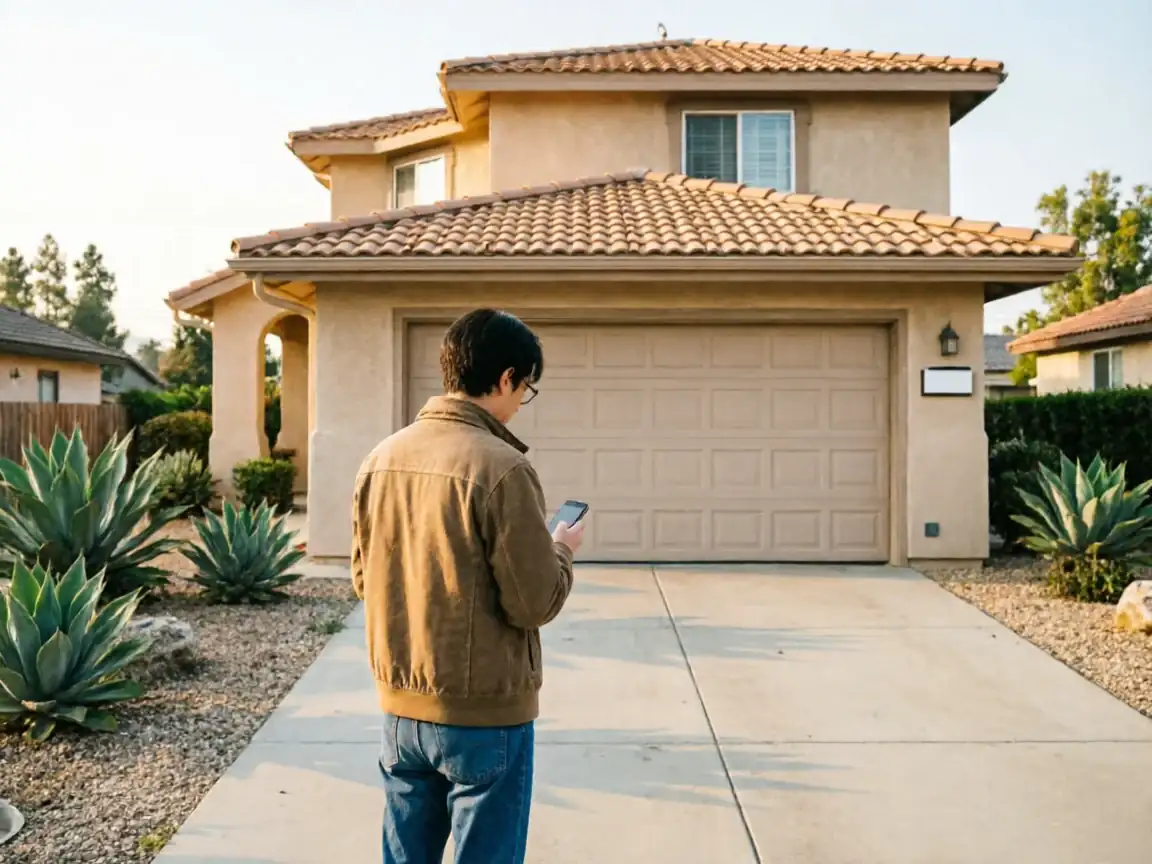
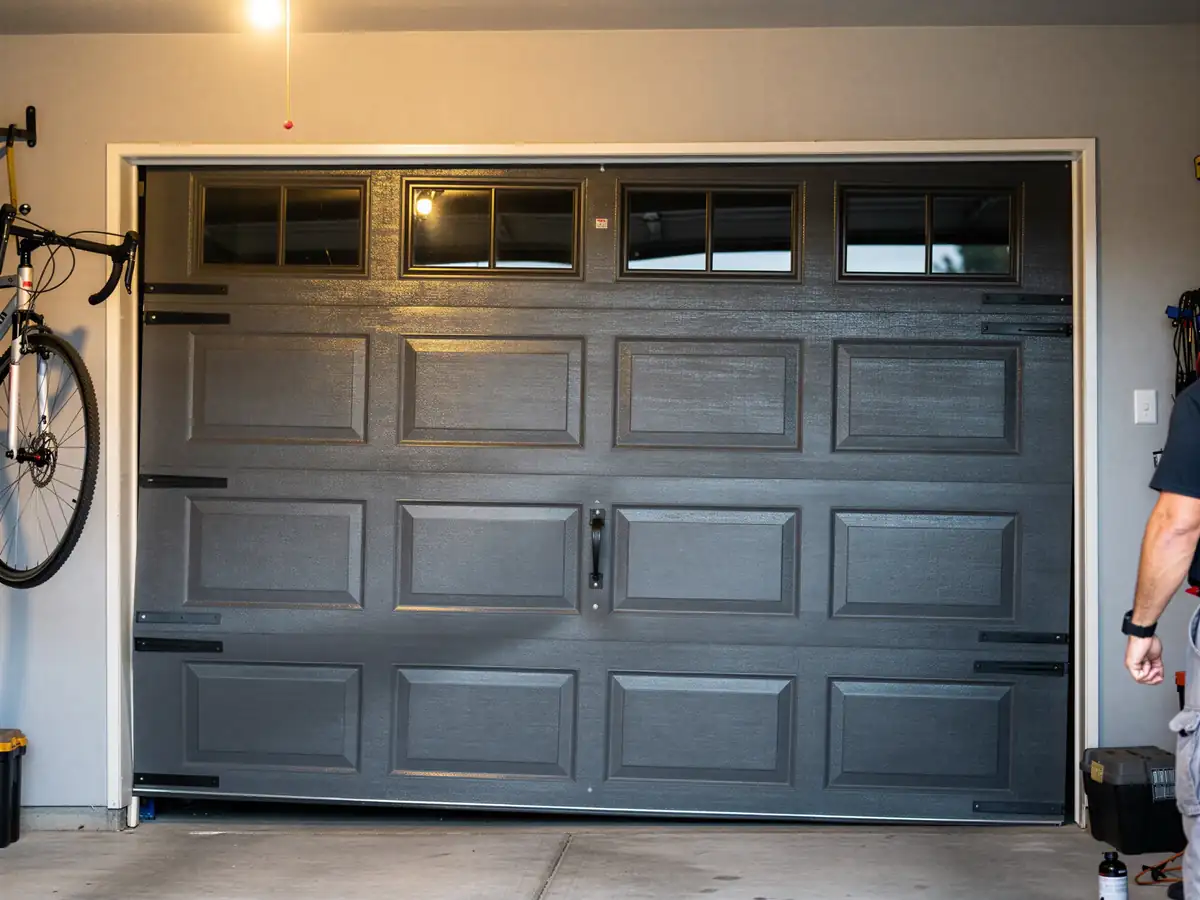
The most common complaint we hear isn't a dead door - it's a door that still works but feels wrong. Heavier on the way up. A shudder partway through the cycle. A grinding sound from one side that wasn't there last summer.
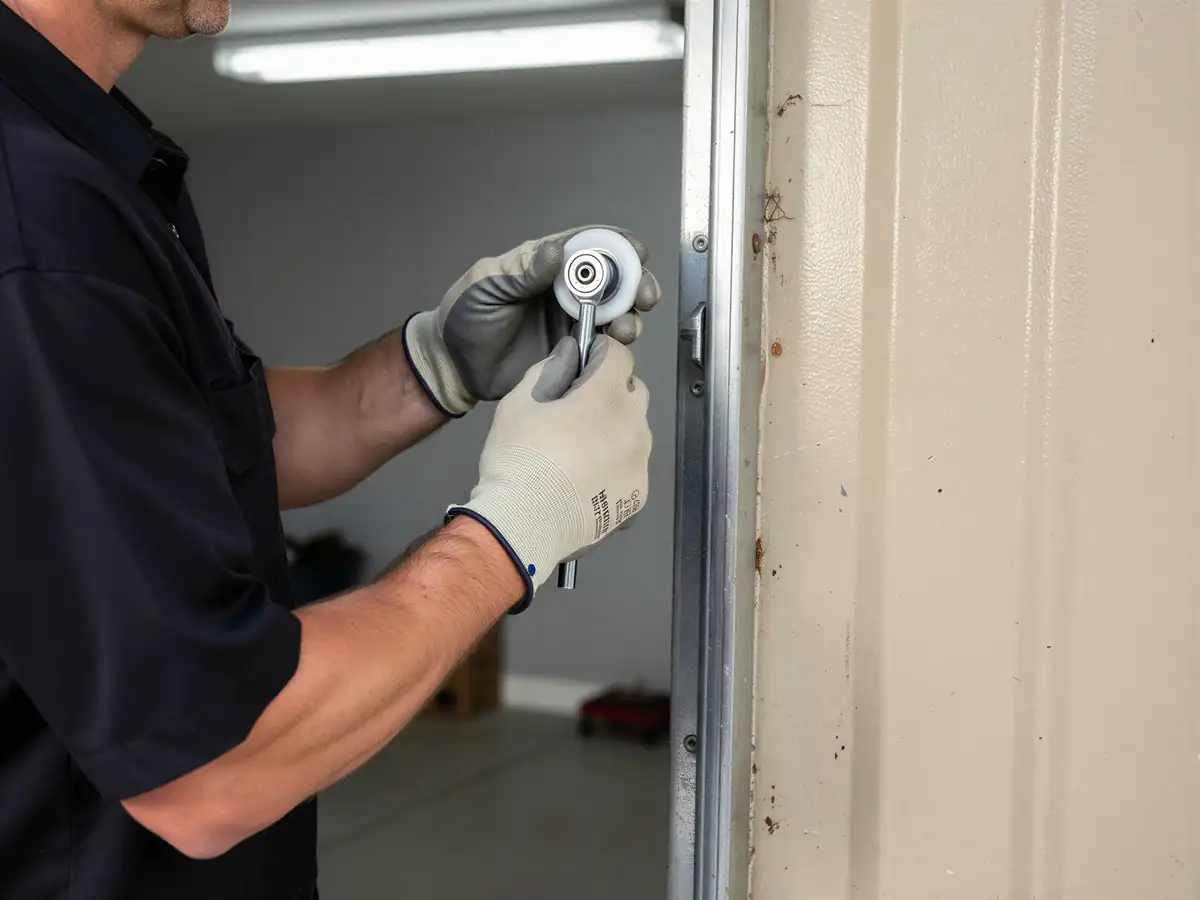
In homes built through the 1980s and 90s, which is most of the stock in this area, that shudder is almost always a spring losing tension unevenly, or a roller that's heat-hardened and started chipping the track. Because these houses are old enough to have been through several rounds of opener swaps without always re-balancing the door to match, the spring and the door's actual weight have often drifted apart from each other over the years.
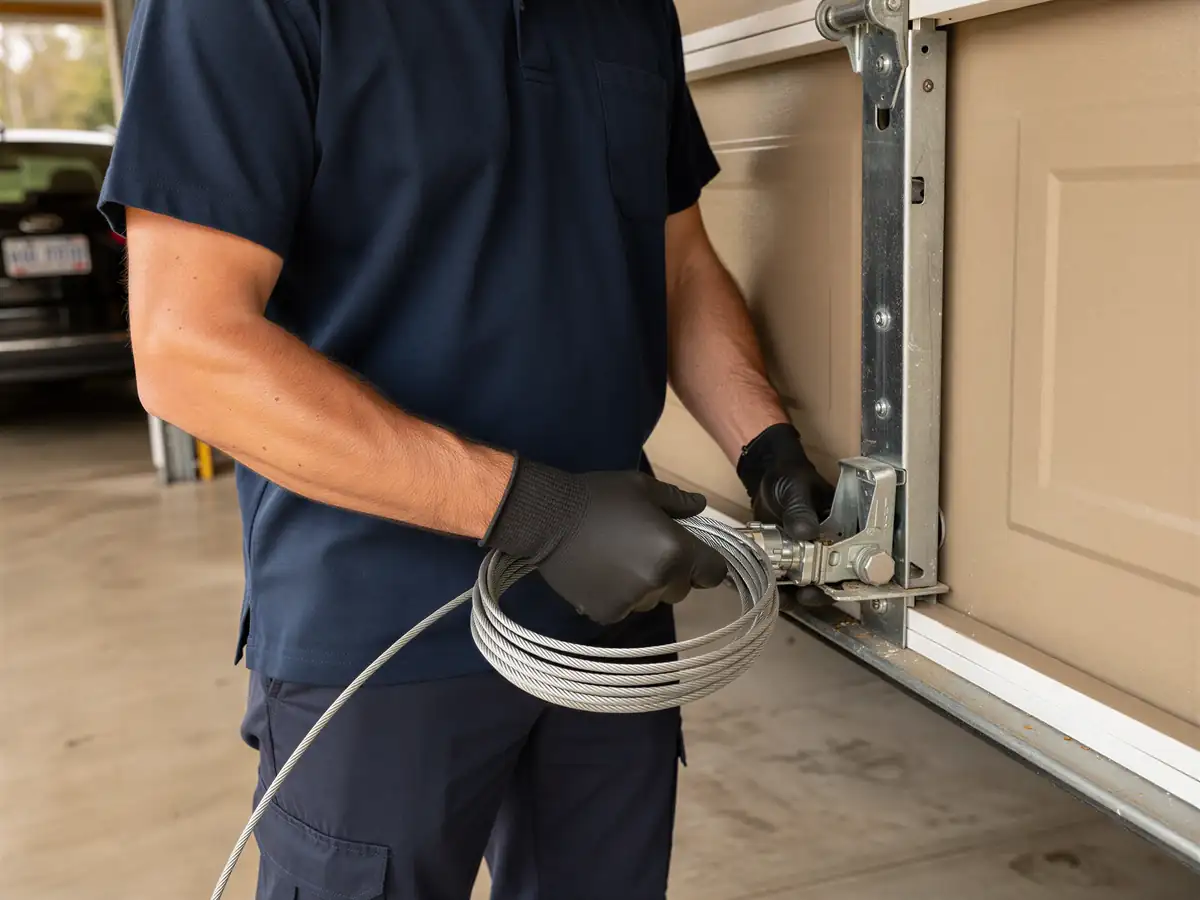
Left alone through another hot season, that unevenness turns into a snapped cable or a spring that lets go entirely - usually while the door's halfway down. If you're hearing a new sound or feeling new resistance, that's the window to call before it becomes the door stuck open, or worse, stuck shut, with a car behind it.