Can You Do This Yourself
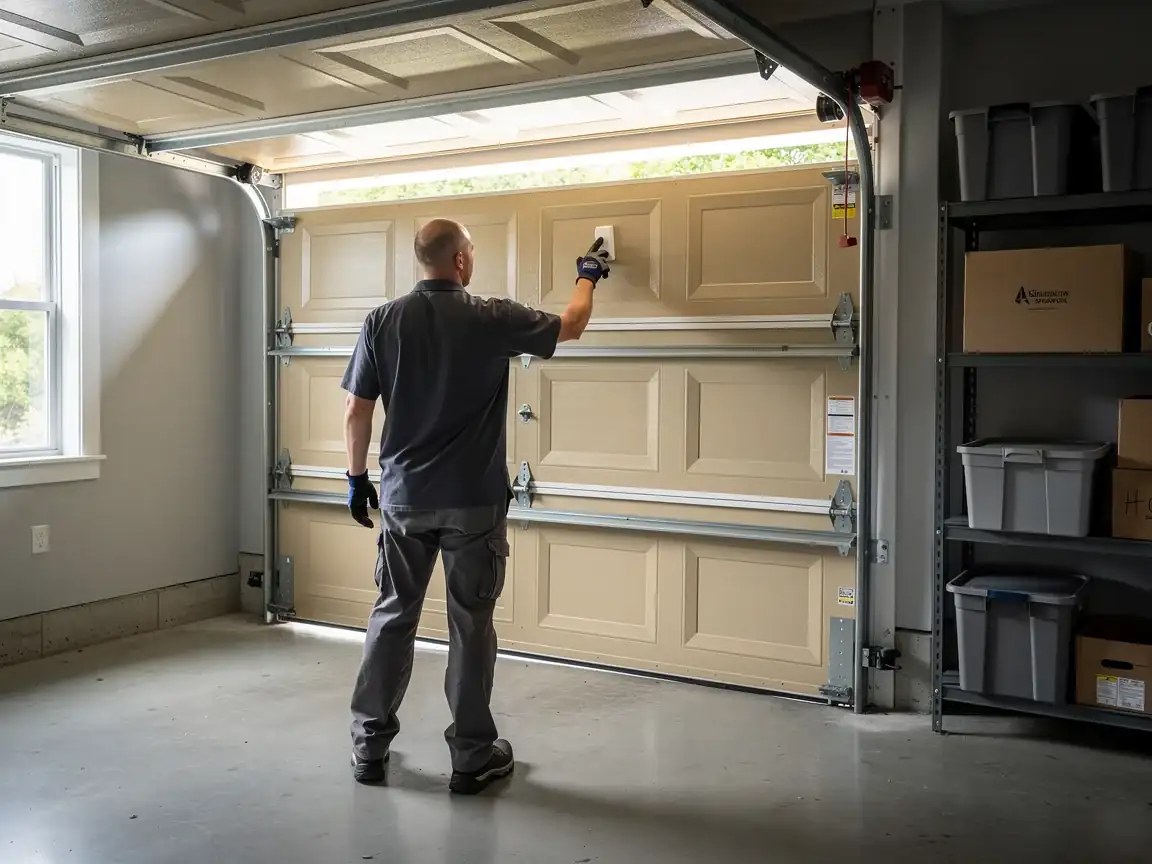
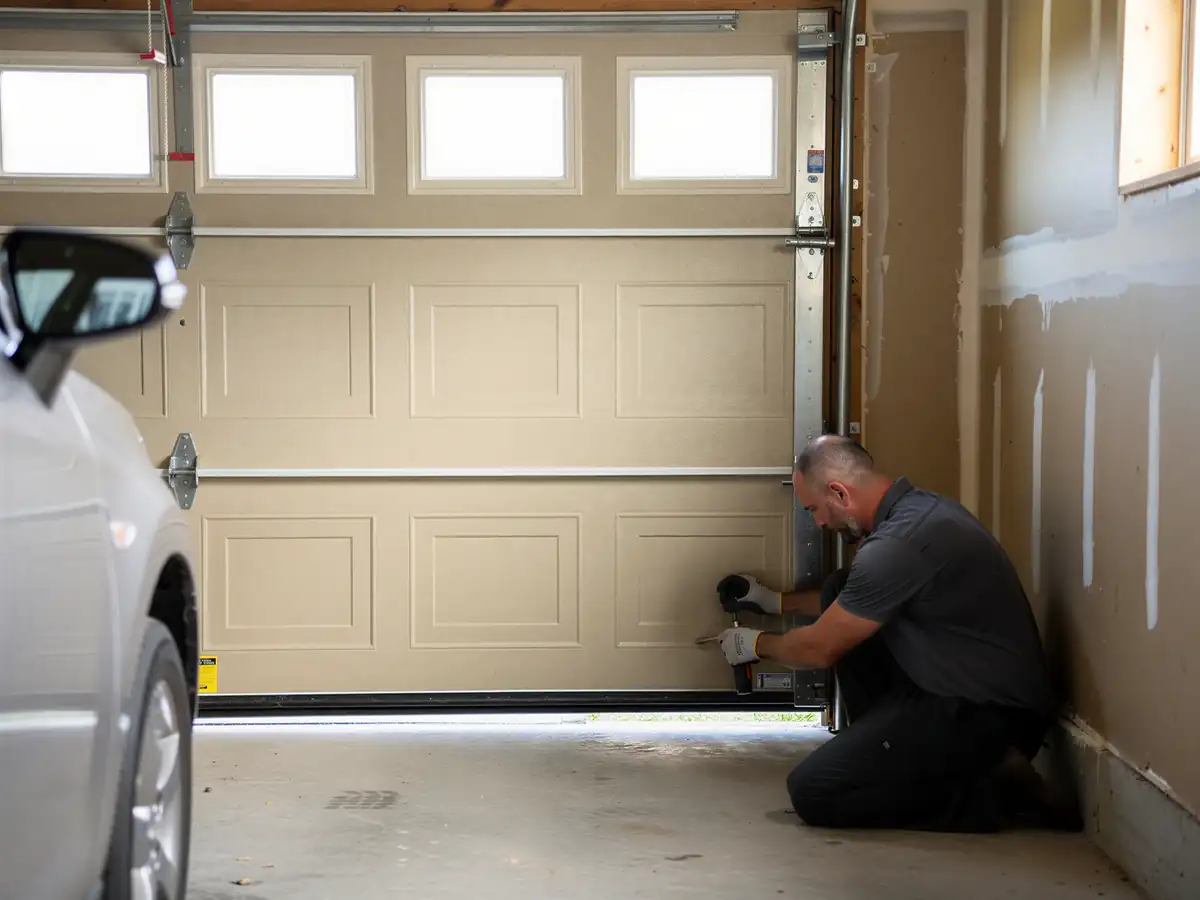
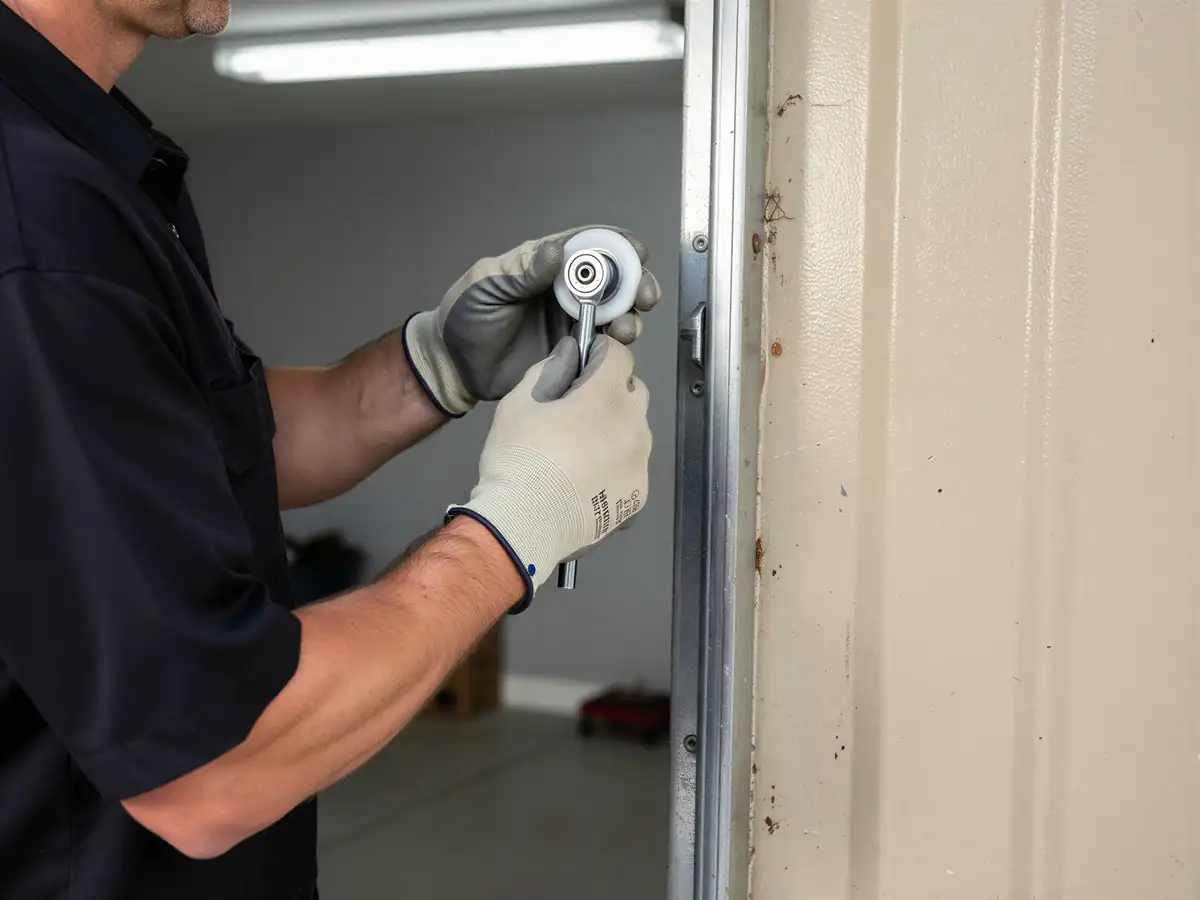
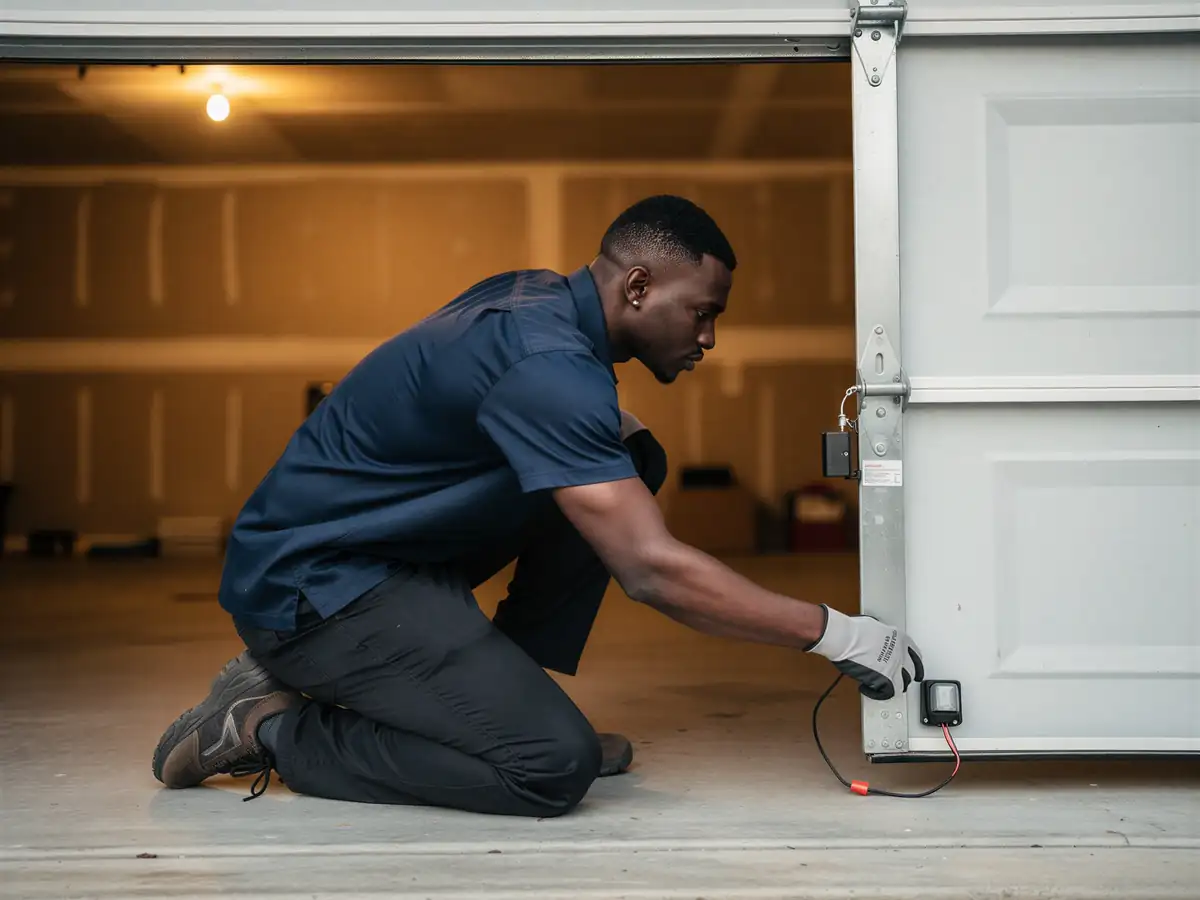
A lot of homeowners look at a garage door kit and figure it's a weekend job. Some parts of it are. Swapping weatherstripping or a roller is fine with basic tools. A full door installation is a different animal, and it's where most DIY jobs go sideways.
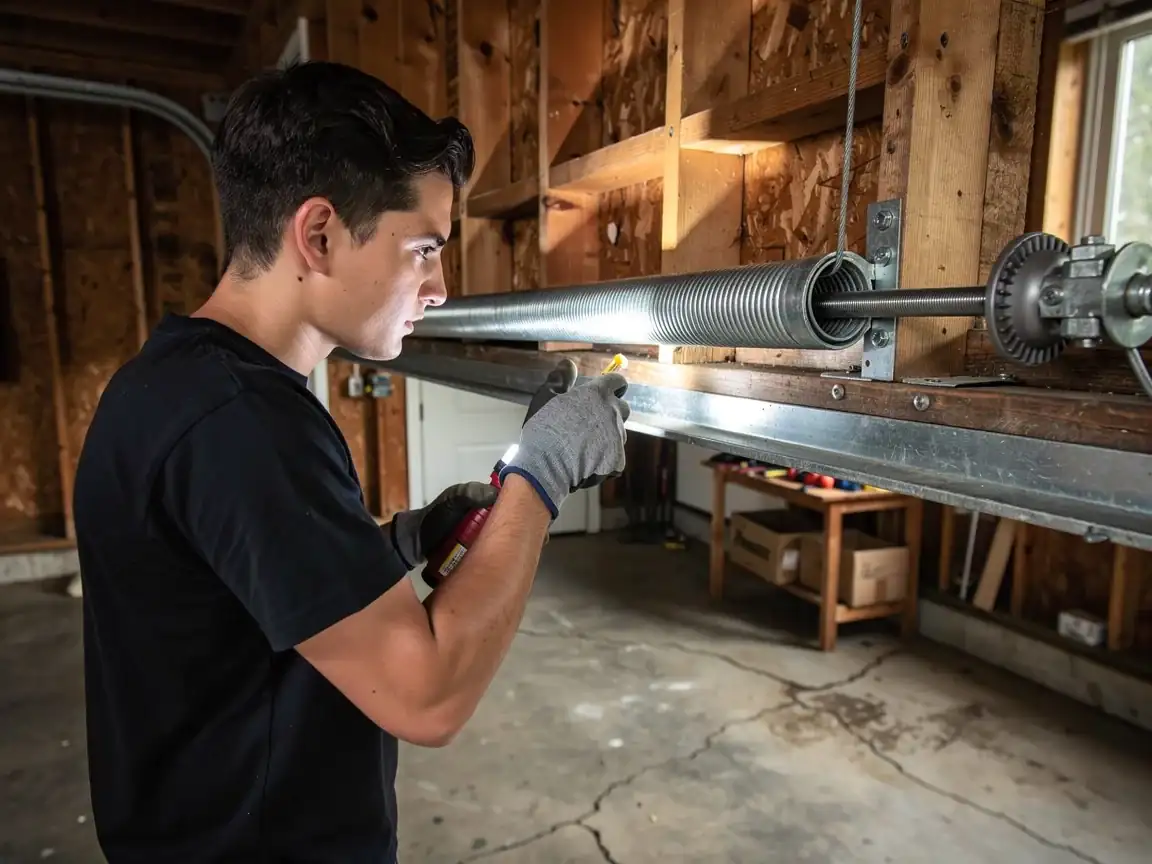
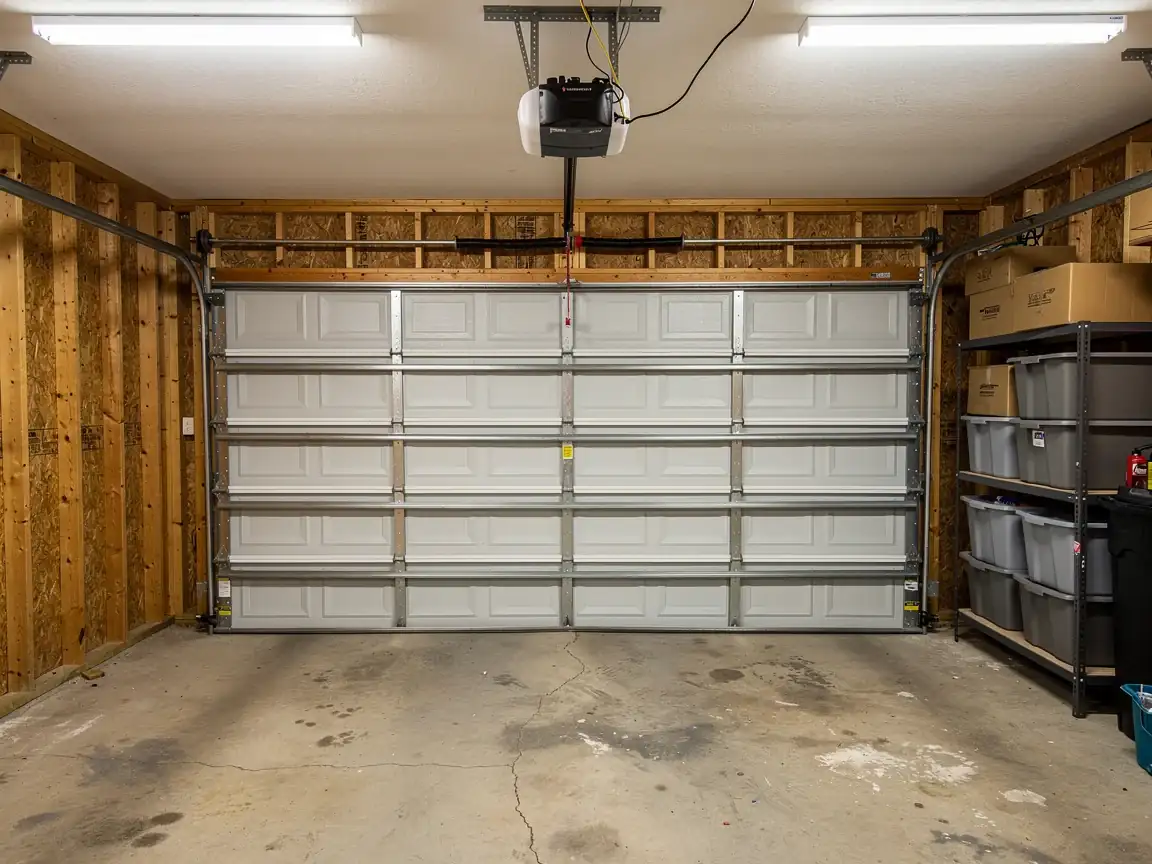
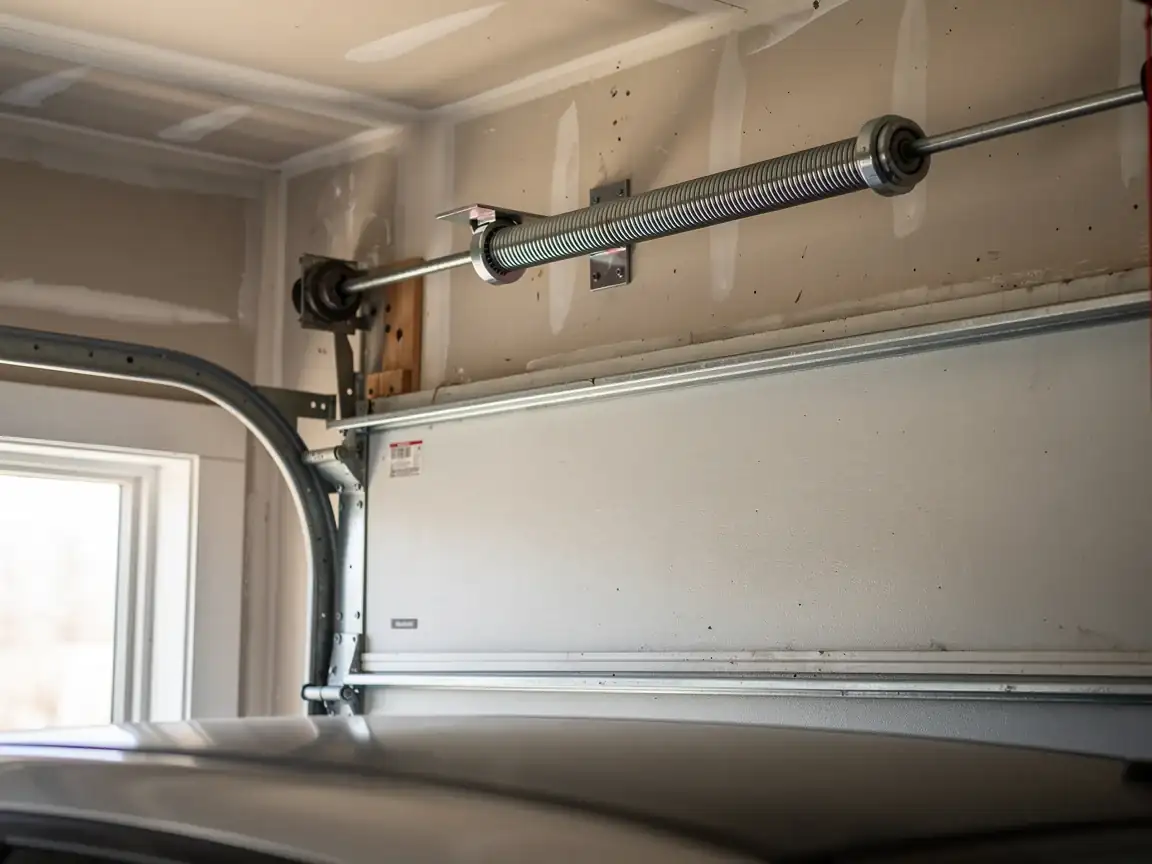
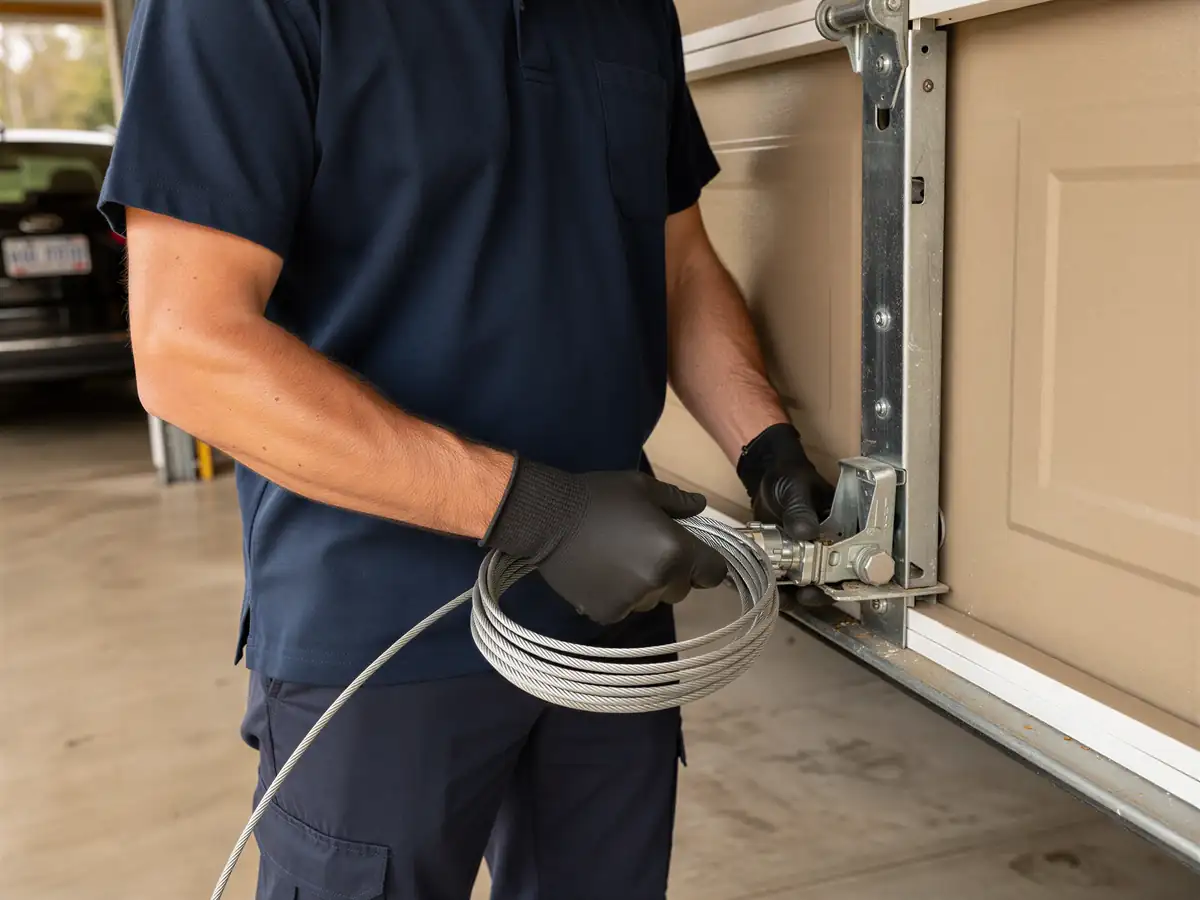
The door itself isn't the hard part - it's the torsion spring system above the opening. That spring is wound under enough tension to do real damage if it lets go while you're working on it, and setting the right wind for a door that matches your opening size and weight isn't guesswork, it's a measured job. Houses in this part of the valley mostly went up between 1962 and 2004, with the median build year landing at 1981, so a lot of original garage doors here are pushing past the end of their service life and the opening framing has settled a bit from square over the decades, which complicates a clean install.
We'll be straight with you: if your opening is slightly out of plumb or the header has shifted, a DIY install kit bought off a shelf won't account for that, and you'll end up with a door that binds on one side within a year. That's not a sales pitch, it's just how these old openings behave.
Why This Fails Locally
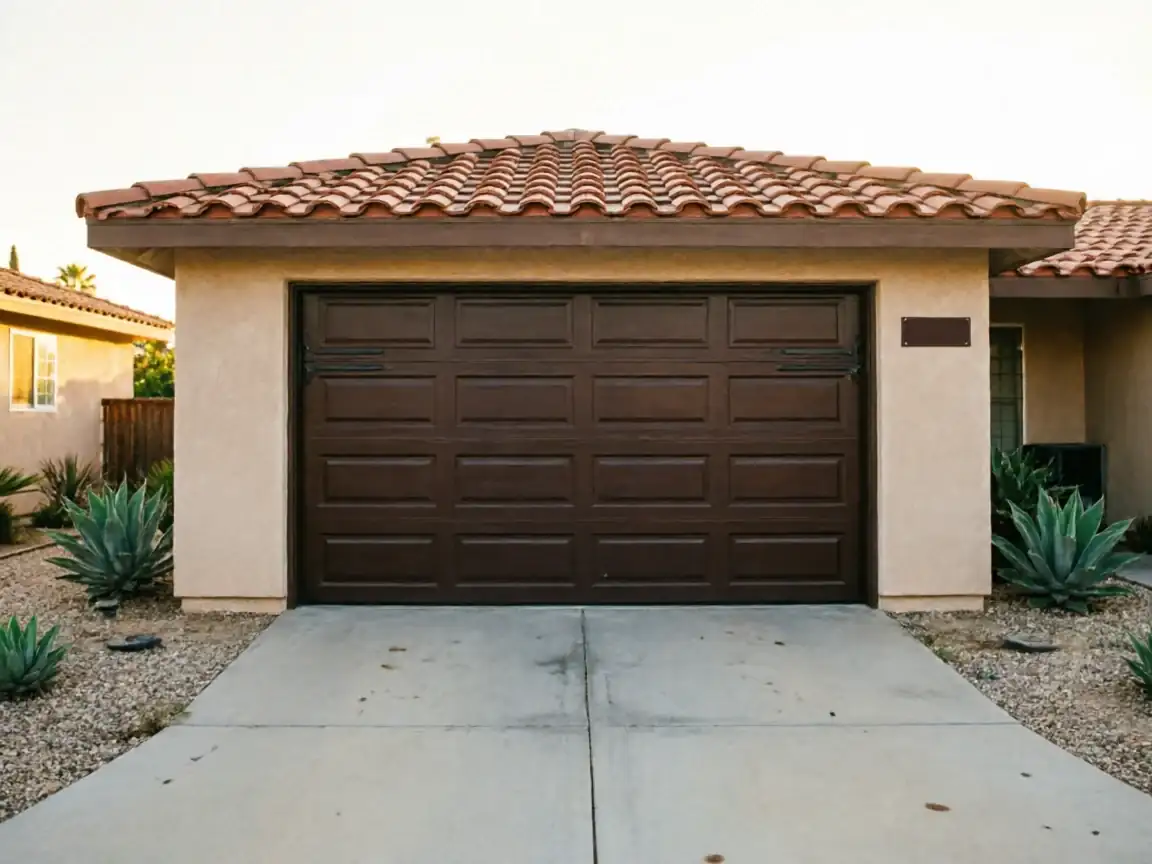
Across the 28 named communities we work in, the bulk of the housing stock dates to the 1980s and 90s, which means steel panel doors without foam-core insulation are still common on garages built during that stretch. Those doors weren't built for what Citrus Heights summers do to them.
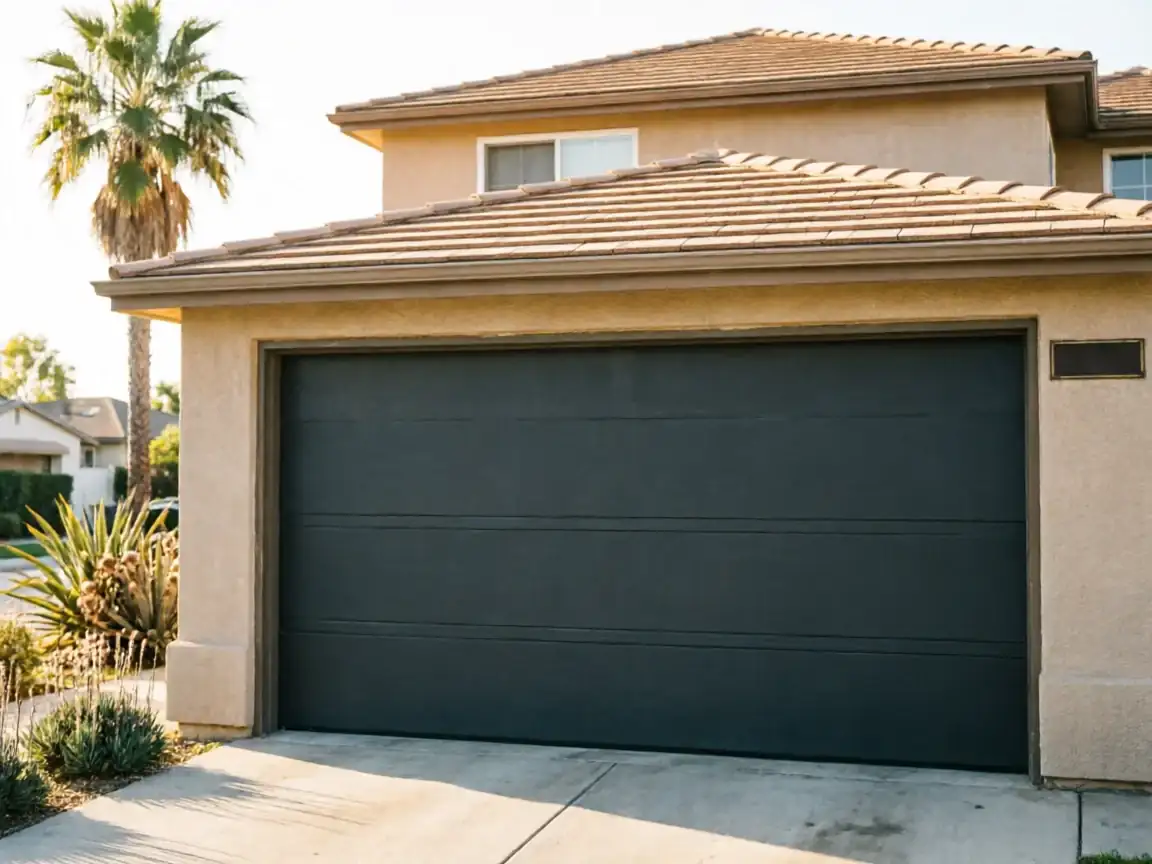
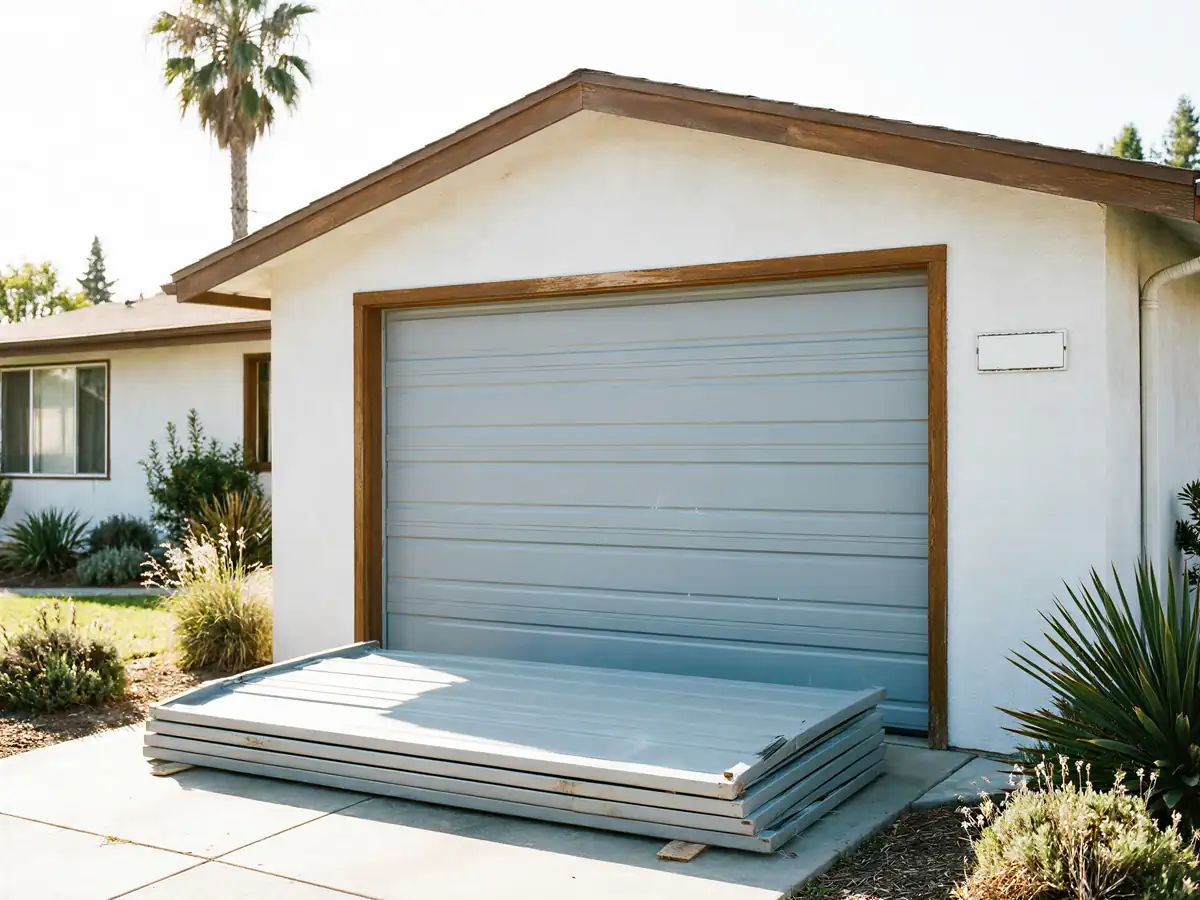
Citrus Heights sits in a severe-heat climate band, and uninsulated steel doors from that build era sag and bind at the top roller as the panels expand in the afternoon heat and contract overnight. Over enough summers that cycle works the hinges loose and warps the bottom panel, so the door that closed flush in April starts catching on the track by August. On a double-wide door, that uneven expansion is worse because there's more steel moving at once.
The fix isn't lubricant or a new roller. If the panel's warped, the door is done - a new install with a door rated for the swings we get here solves it for good instead of masking it for another season. That's the honest call more often than people want to hear, but patching a warped panel just moves the failure to next summer.
Getting It Booked In
If you're in Citrus Heights or nearby
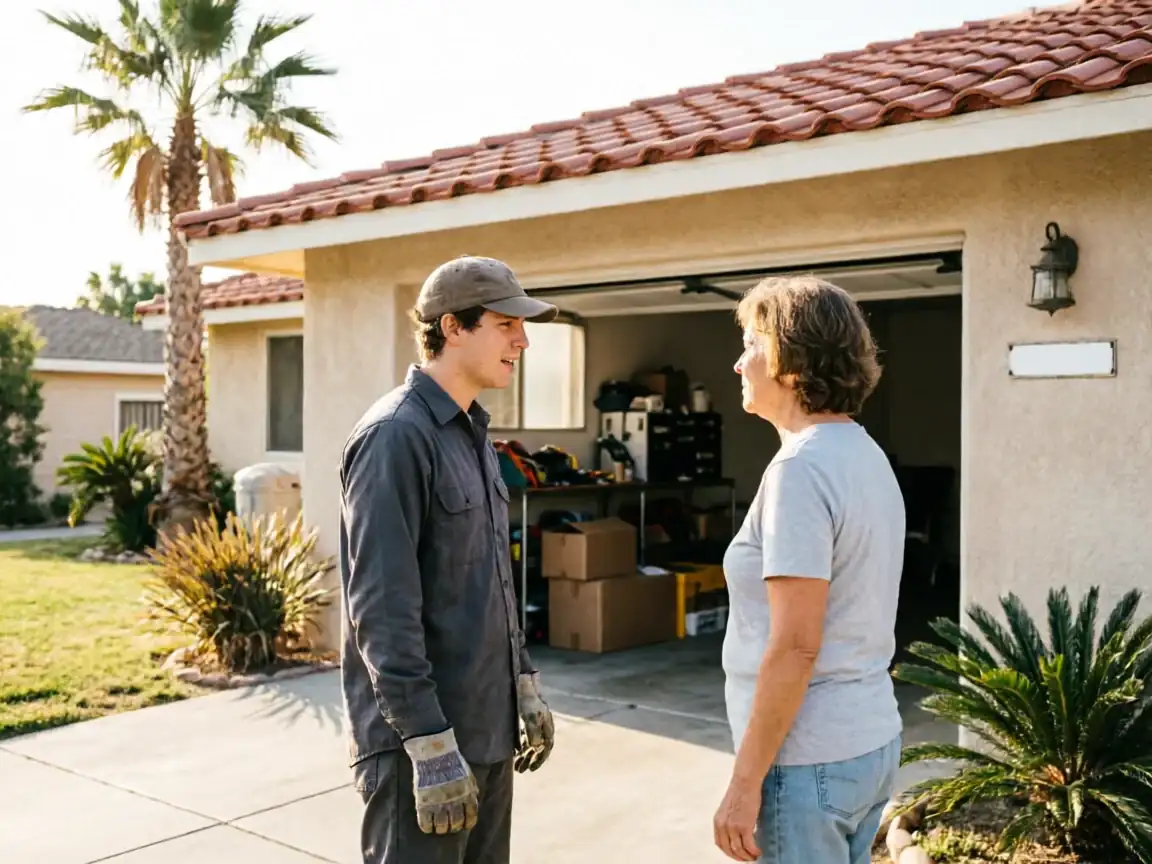
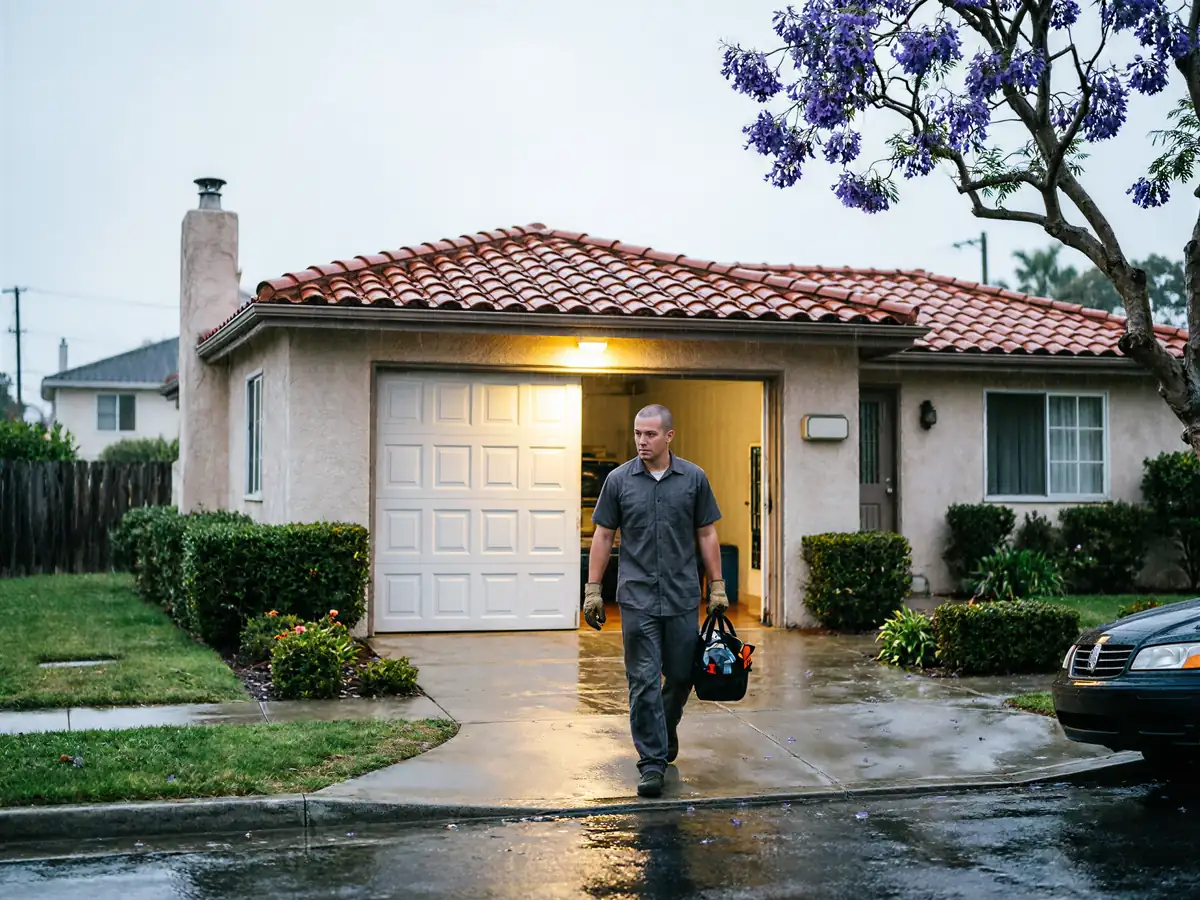
Foothill Farms, Orangevale, Fair Oaks, Antelope, North Highlands, Carmichael, or Gold River are all a short drive from us - booking an install starts with a look at your opening, not a quote off a phone call. Door sizes and spring setups from the 1962-2004 building stretch aren't all standard, so we measure before we order anything.
The service area runs wide, out to Rio Linda, Loomis, Mather, and Rosemont, and across it there are 213,532 households and 99,515 owner-occupied houses
A good number of them carrying a garage door original to a build decades before current spring and track hardware became standard. That's most of what we install: replacements, not new construction.
- 213,532 households
- 99,515 owner-occupied
One limitation worth saying up front
If your door is a non-standard width or a custom order color or window pattern, that's a special order and it won't ship same week. We'll tell you the lead time as soon as we know it rather than guess on the phone. For a standard steel or insulated door in a common width, we can usually move faster. You can see more about us at the home page: /
The Symptom
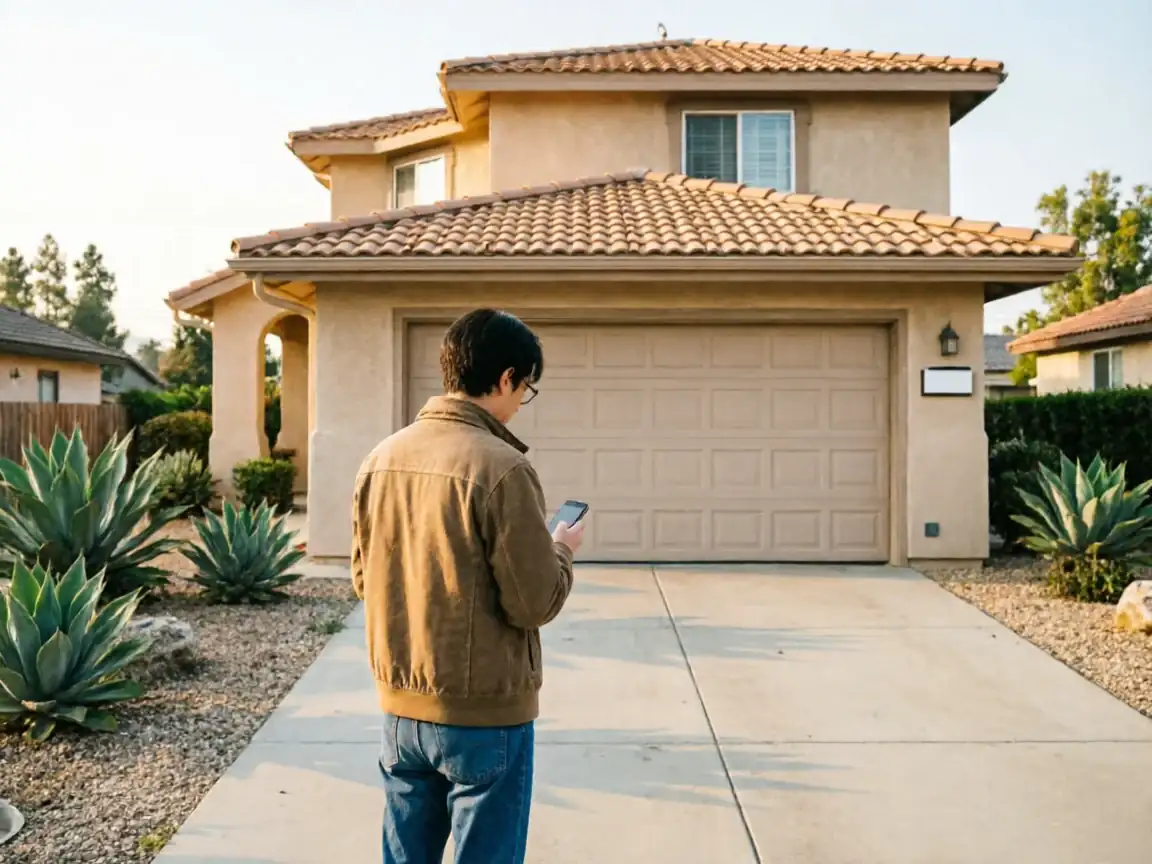
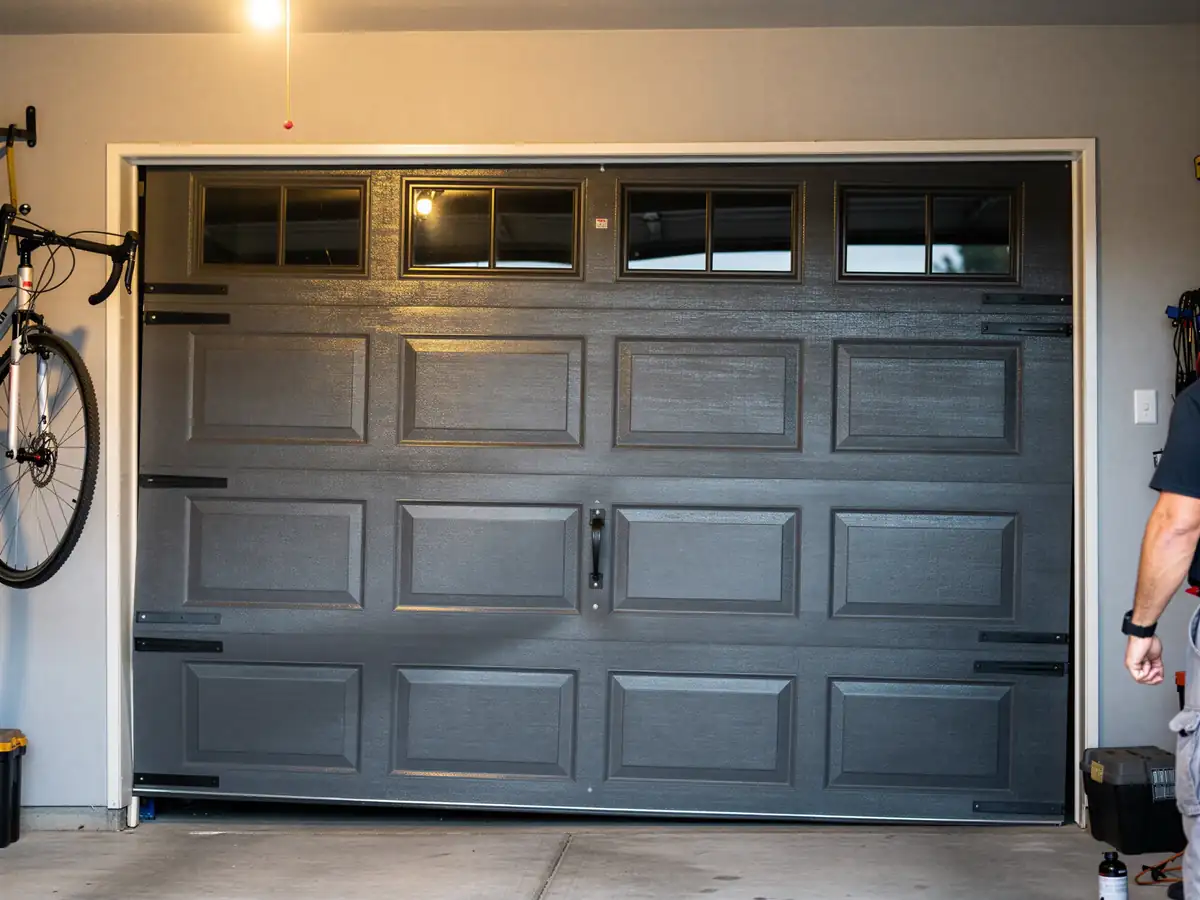
The call we get most often starts the same way: the door used to close flat and now it catches a few inches from the floor, or it closes crooked on one side. Sometimes it's a grinding sound at the top track that wasn't there last year. These aren't random failures - they track almost exactly with the age of the housing stock here.
With a median household income of $95,592 across the area, most of our calls are homeowners replacing a 20-to-40-year-old door rather than patching one that's already warped or cracked at a hinge point. If your door is sticking only in the afternoon and running fine in the morning, that's heat-driven panel expansion, and it's a sign the door's reaching the end of what it can take, not a track that needs grease.
A door that's merely noisy can often be saved with a repair. A door that's visibly bowed, or one where the bottom corner no longer sits square in the track no matter how you adjust it, is past that point. We'll tell you straight which one you've got instead of selling a repair that won't hold.