What the Weather Here Does to It
This area sits in a severe heat band, and that matters more to a garage door than most owners think. Steel panels expand in afternoon heat and contract overnight, and over enough summers that cycle works lubricant out of rollers and hinges faster than it does in milder climates. Nylon rollers get brittle. Opener logic boards, usually mounted right under an uninsulated roof deck, take a beating from months of triple-digit attic temperatures.
With housing built mostly between 1962 and 2004 (median year 1981), a lot of garages here were never built with that heat load in mind. Weatherstripping on a door from the 1980s or 90s was sized for a different era of expectations, and it's usually the first thing to fail - you'll see it crack and pull away from the bottom panel.
A service call in this kind of heat often starts with us checking the obvious: does the door bind at the top of travel once the track has had a full day of sun on it? Metal track bowed even slightly from heat can make a door that runs fine at 7am grind and stutter by 3pm. We check for that specifically, not just for whether the door opens.
What Is Going On
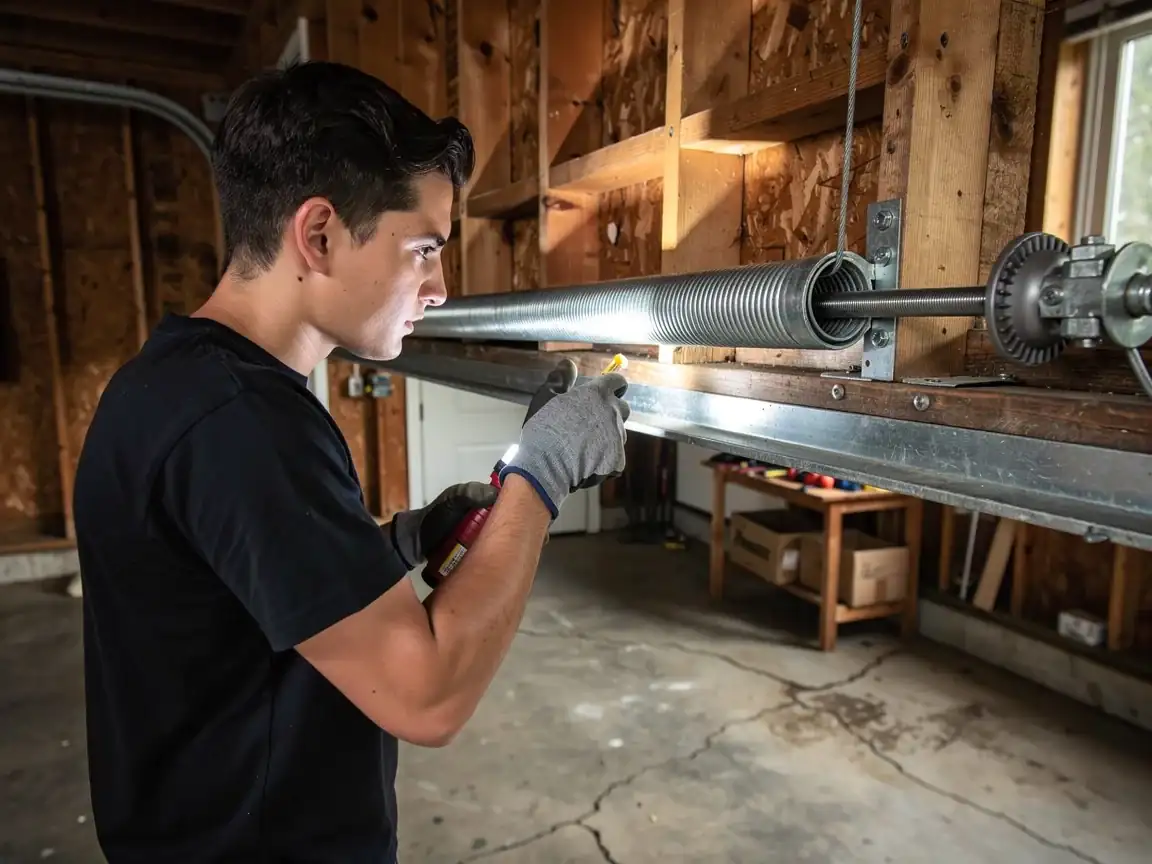
Most of what we get called out for on homes from this build era falls into a few buckets. Torsion springs on doors installed new in the 70s through 90s are often on their second or third spring already, since a spring is rated for a cycle count, not a calendar date - heat-driven expansion and contraction can shorten that lifespan some. Openers from the same vintage are frequently original or a first replacement, and parts for the oldest of those chain-drive units are getting hard to source.
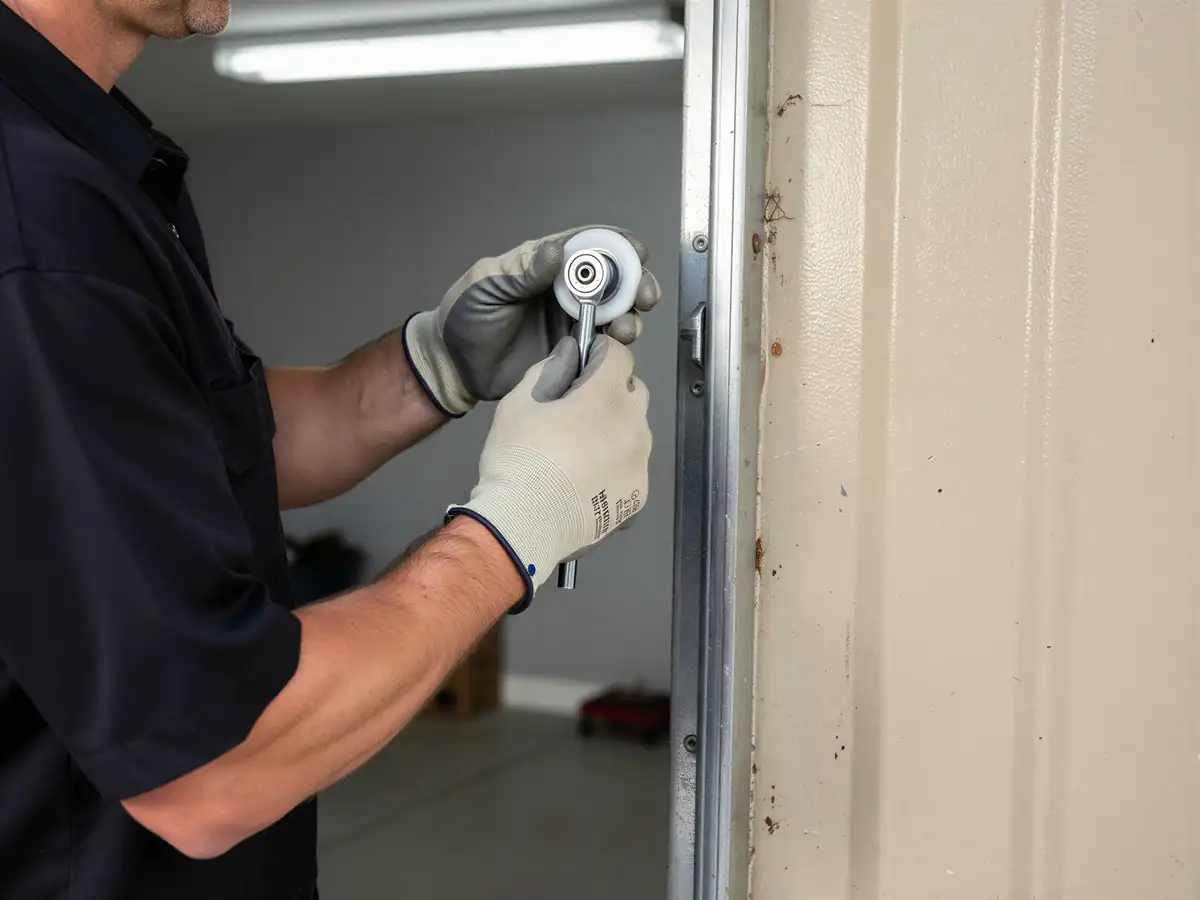
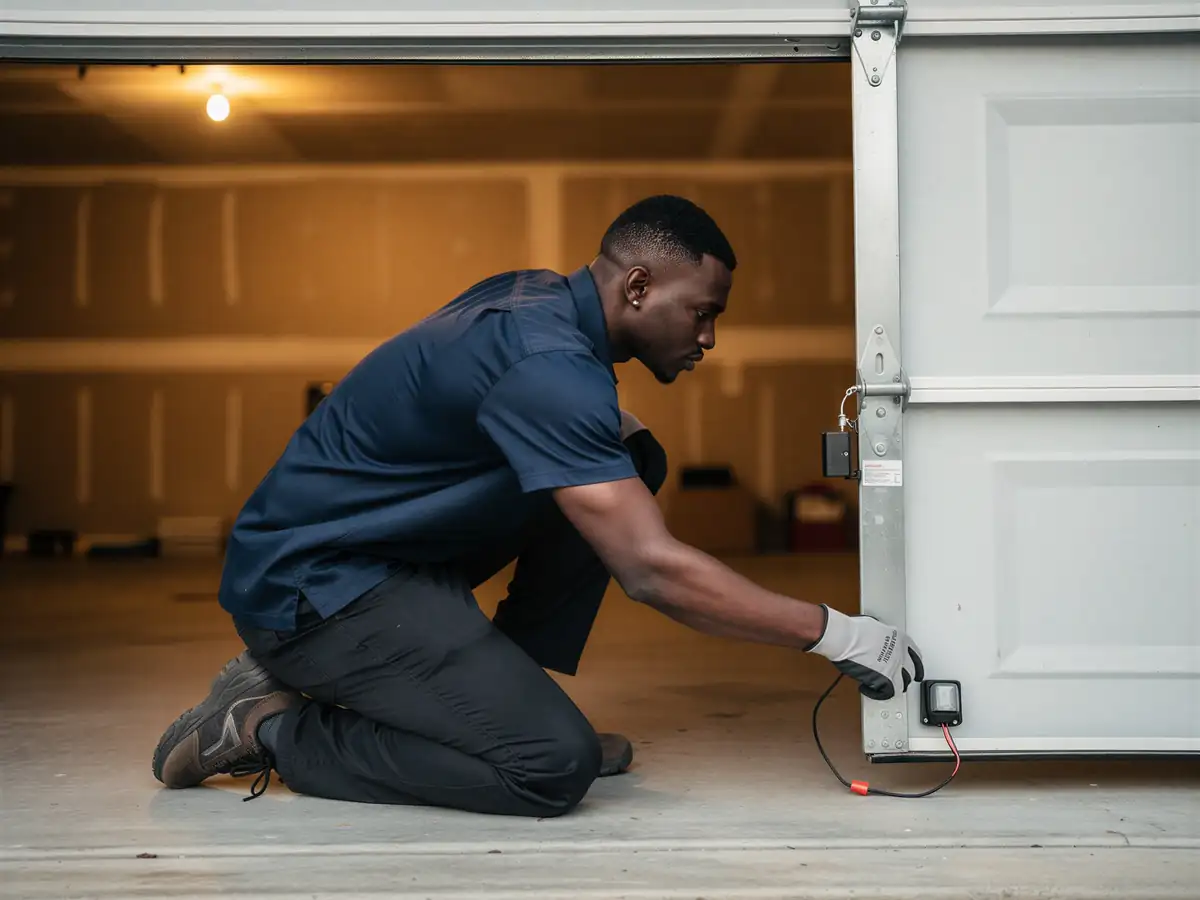
On the newer end of that 1962-2004 range, especially homes closer to 2000, we see more steel rollers that have simply worn their bearings out, and safety sensors that have drifted out of alignment from years of someone bumping a bike or a trash can into them.
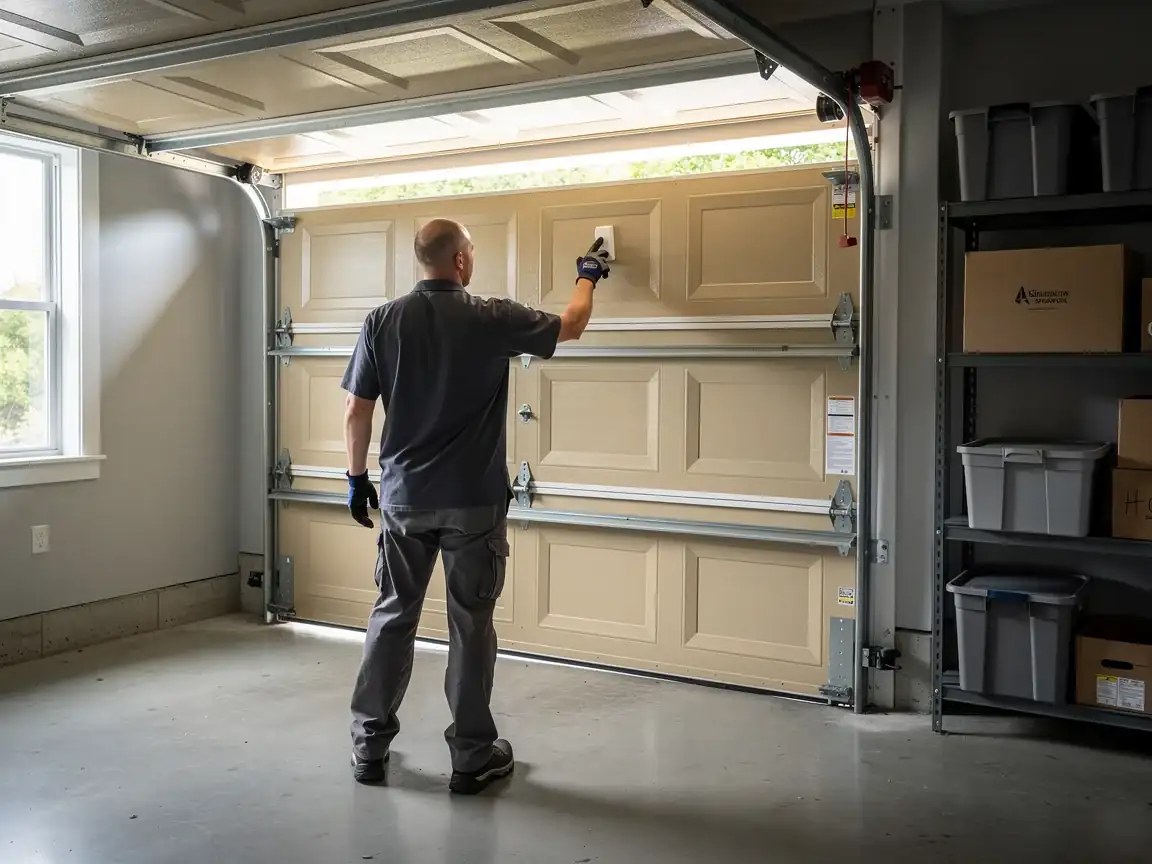
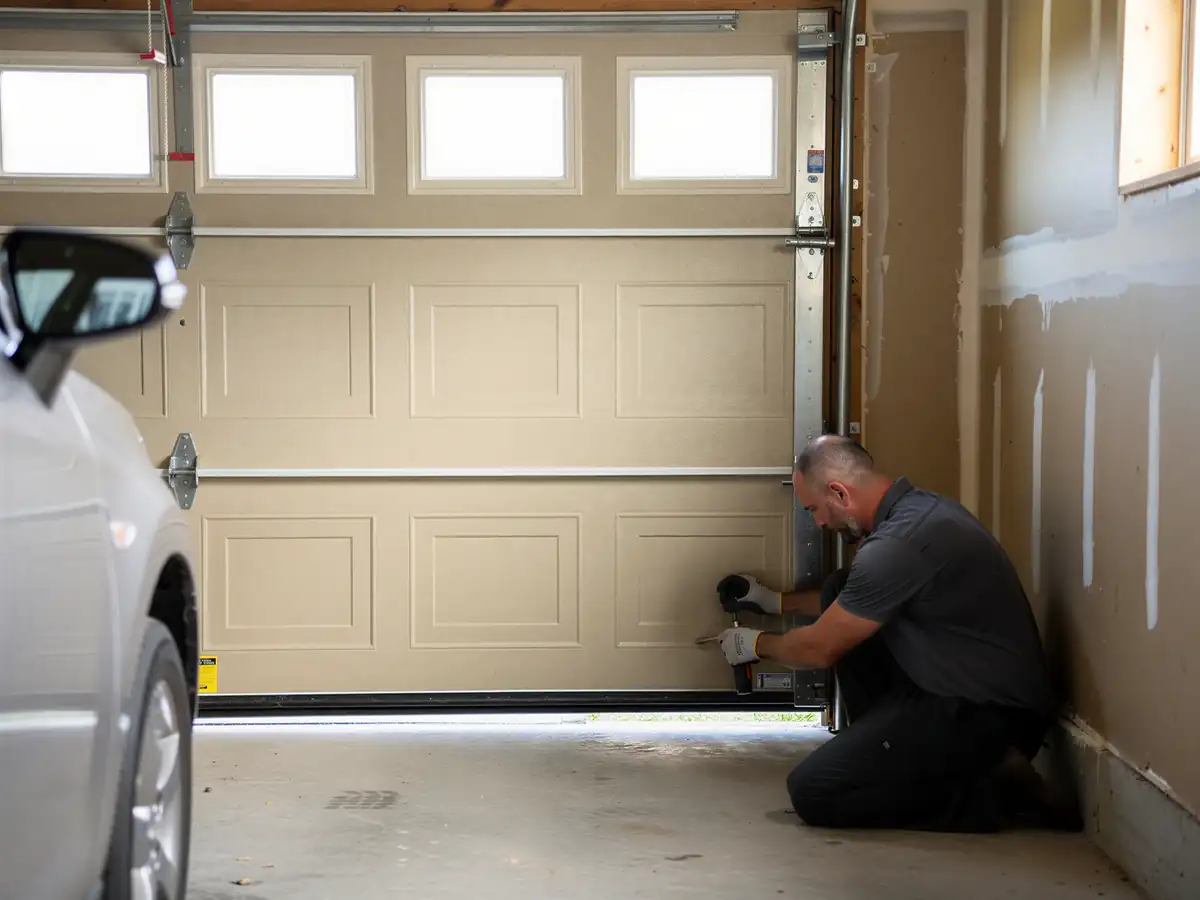
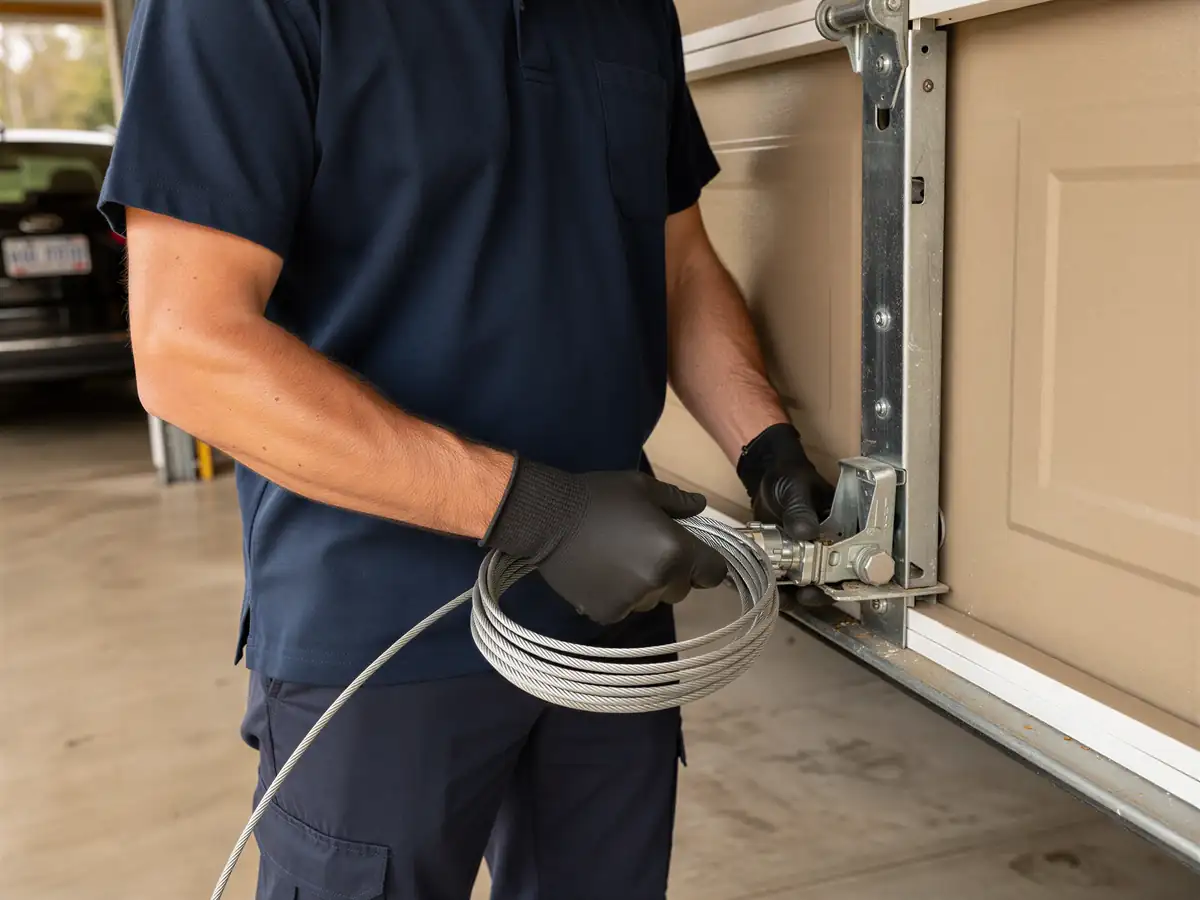
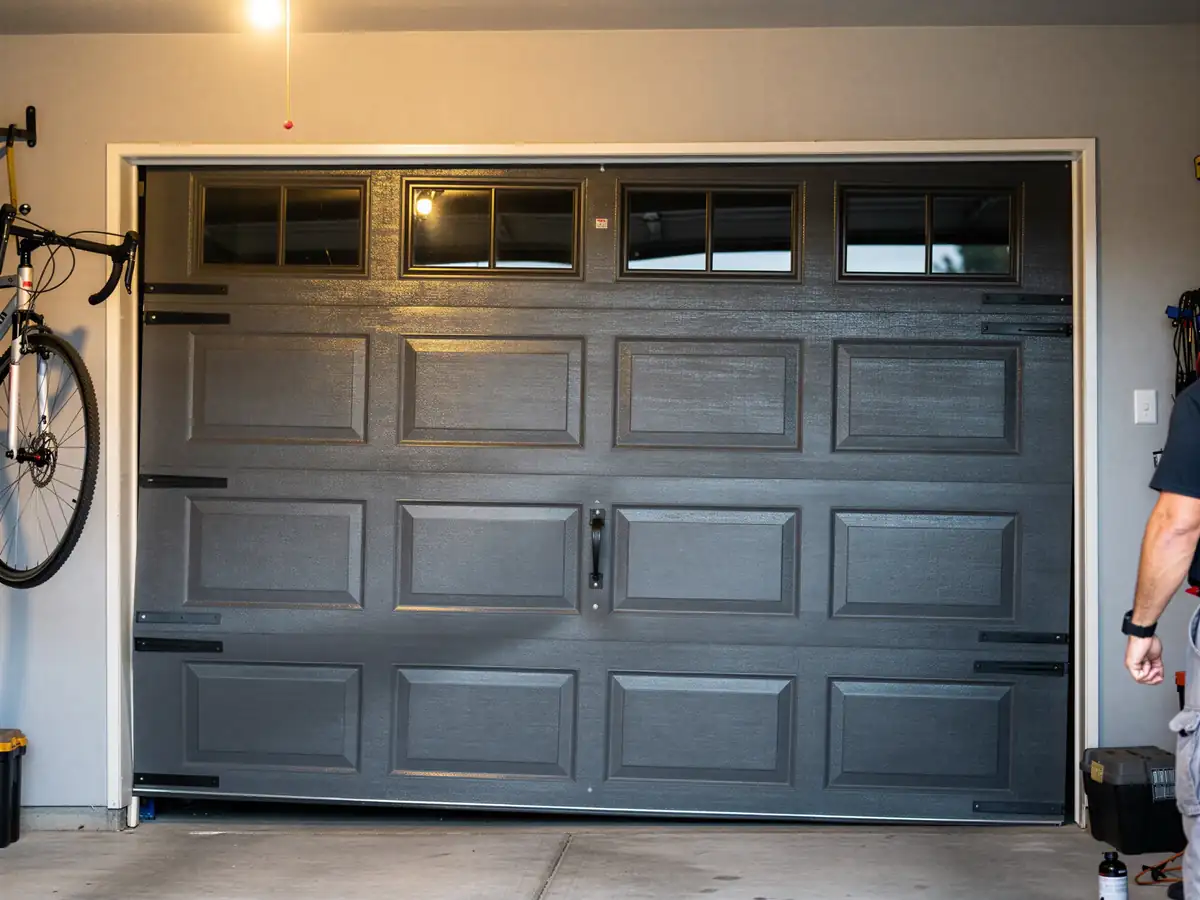
A service call starts with us running the door by hand off the opener, listening to the track, checking spring tension, and inspecting the bottom brackets and cables before touching anything electrical. We tell you what we find before we fix it. Sometimes that's a ten-minute lube-and-adjust. Sometimes it's a part that's failing and about to strand the door open or shut - and we'll say which one it is.
What It Costs
We don't publish a flat number here because what a call costs depends entirely on what's actually wrong
And we'd rather tell you that straight than guess low and surprise you. A spring replacement, a roller swap, and a full opener replacement are three very different jobs with three different parts lists.
What we can tell you is how we price it
Diagnosis first, a clear explanation of what's failing and why, then a quote before any repair work starts. If the fix is minor, we'll say so rather than upsell you into a bigger job. If a door is old enough and worn enough that repair costs start closing in on replacement cost, we'll tell you that too - that's not a call we make lightly, but it happens more on original doors from the earlier end of this area's 1962-2004 housing stock.
One honest limitation
We don't carry every part for every opener model on the truck, especially older ones. If yours is a less common brand or an older chain-drive unit, there can be a short wait on a specific part rather than a same-visit fix.
When Waiting Is Fine
Not every noise or stiff spot needs an emergency call. If a door is still opening and closing on command, tracking straight, and just sounds a little rougher than it used to, that's usually wear working its way in slowly - lubrication and an adjustment can buy real time. A door that's merely loud is not the same as a door that's unsafe.
Where we tell people not to wait: a cable that's frayed or has started to unravel, a spring that's visibly separated, a door that's off-track even slightly, or an opener that reverses without an obstruction. Those situations get worse fast, sometimes in one more cycle of the door.
Given the age range of a lot of housing stock around here, a yearly check before the heat sets in is worth more than it costs. Catching a spring that's near the end of its rated cycles before it lets go in July beats dealing with a door stuck open overnight in that same heat. If you're not sure which category you're in, that's a reasonable reason to call - we'd rather look and tell you it's fine than have you ignore something that isn't.