Can You Do This Yourself
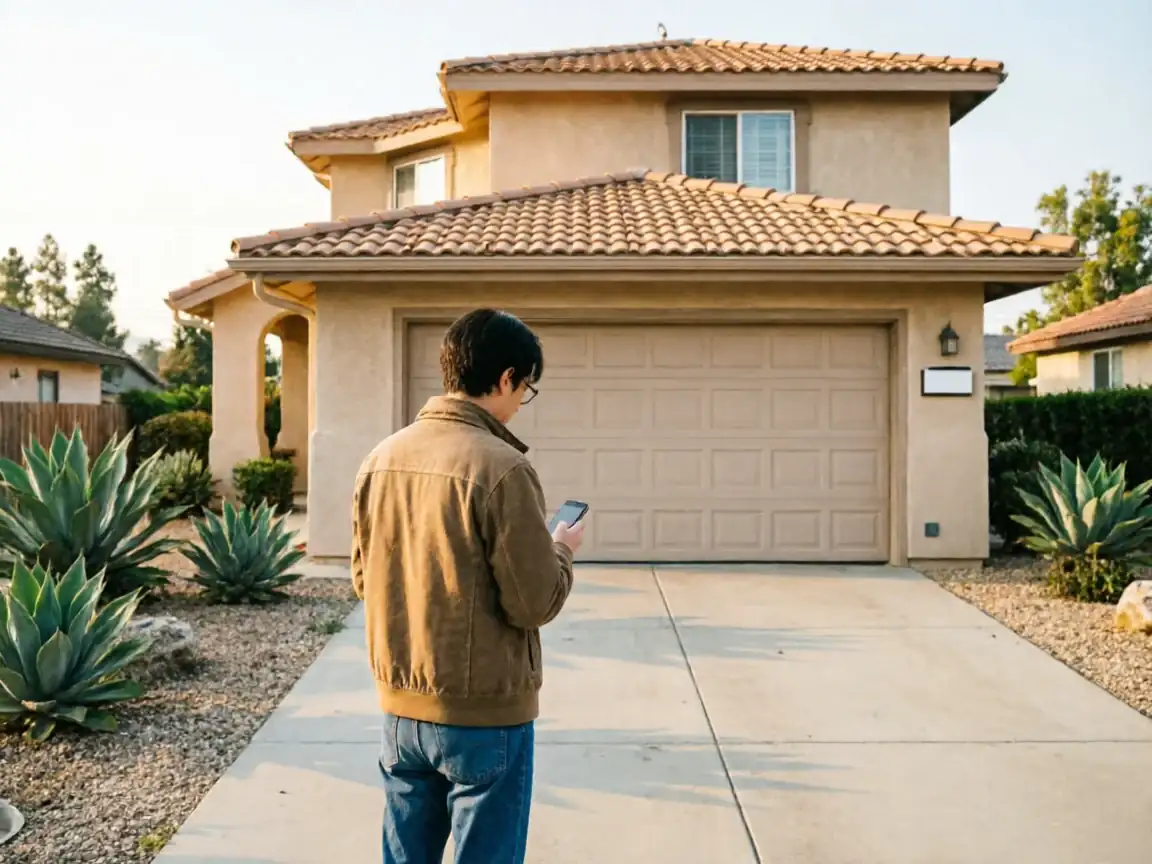
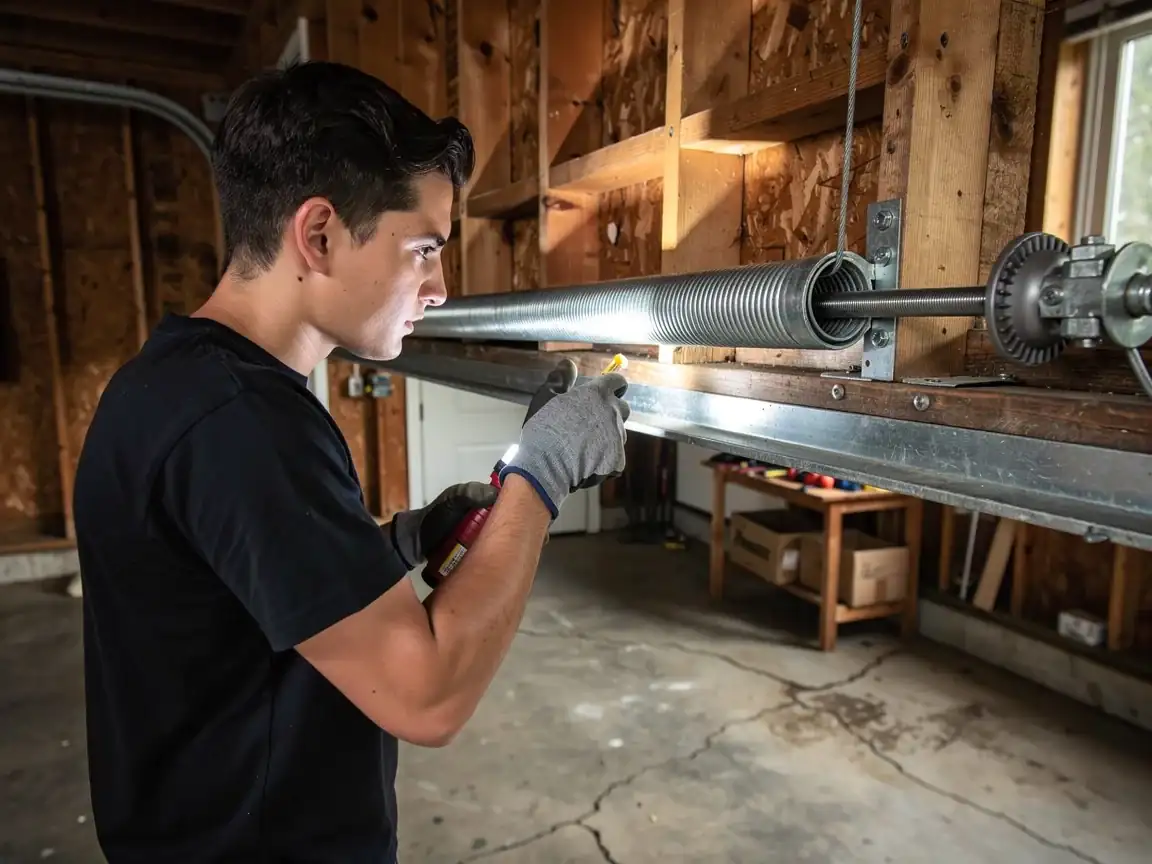
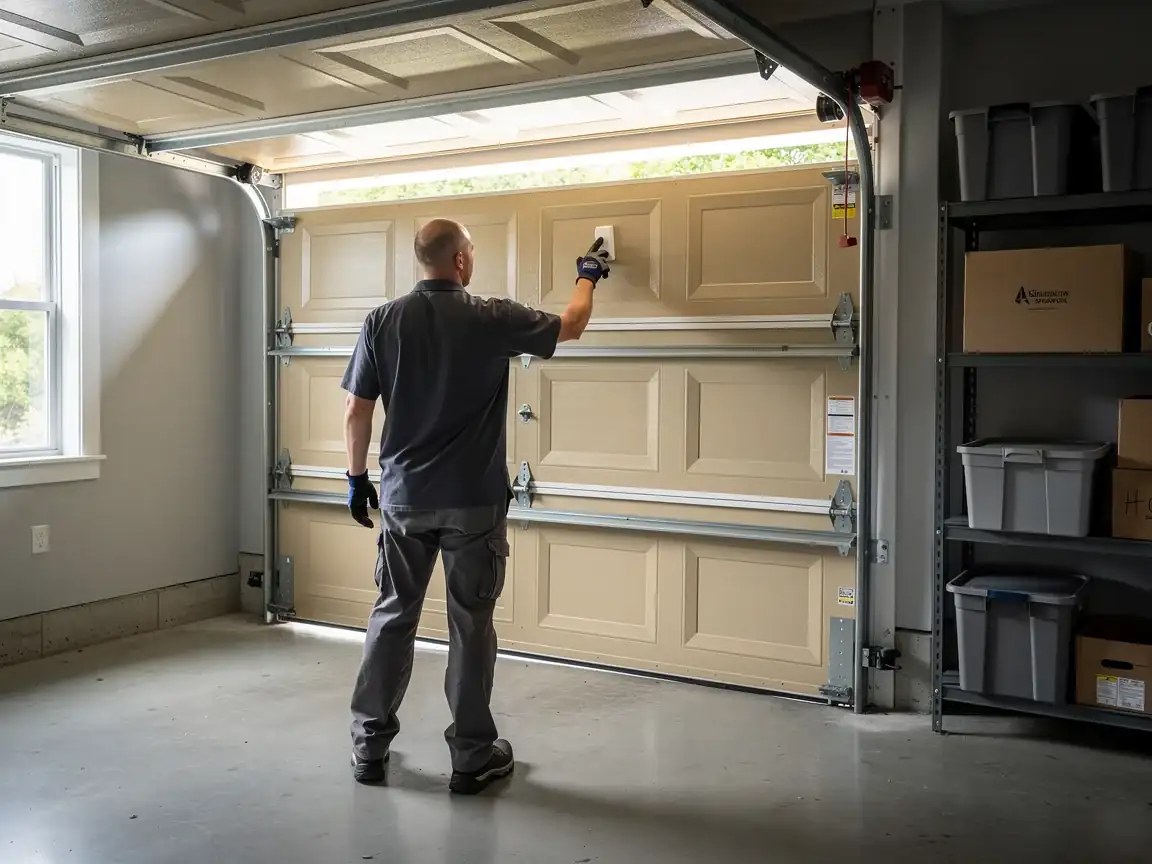
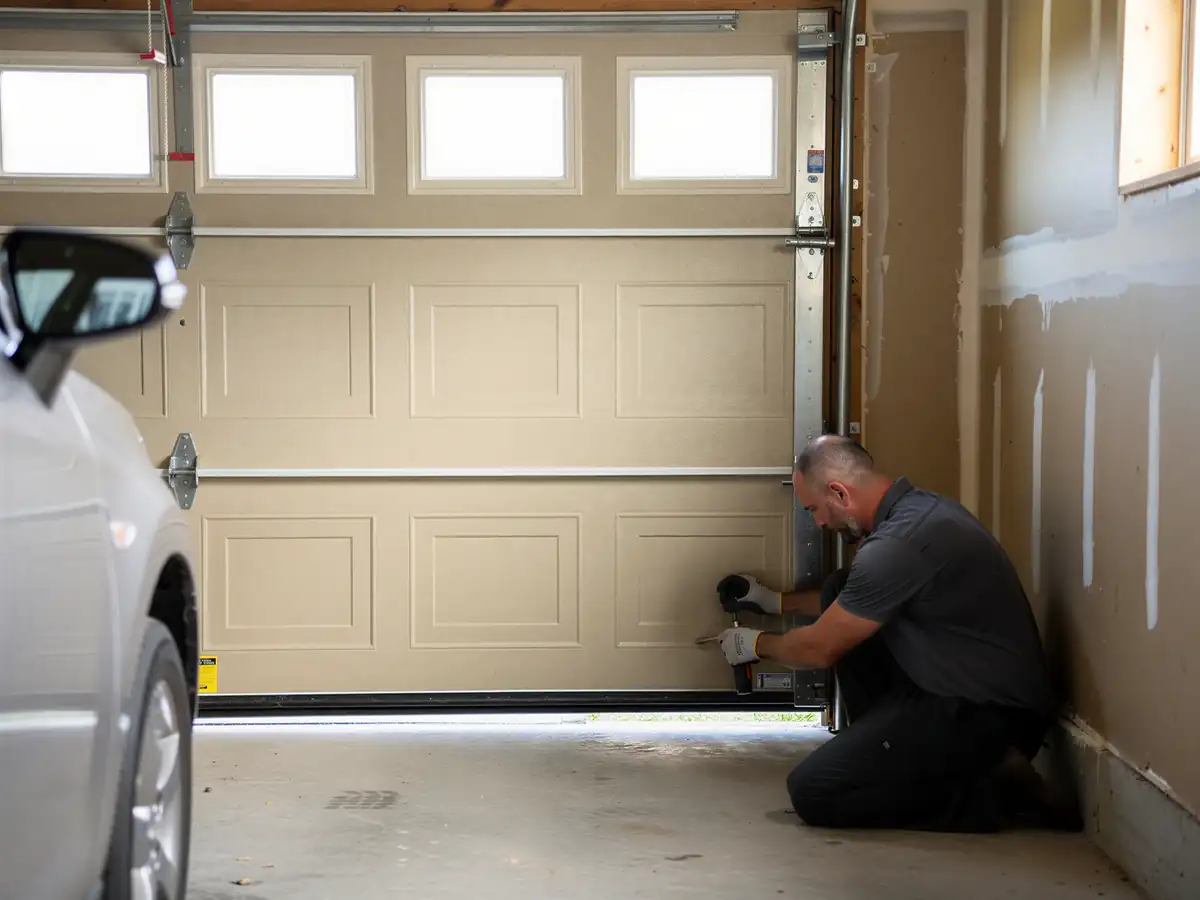
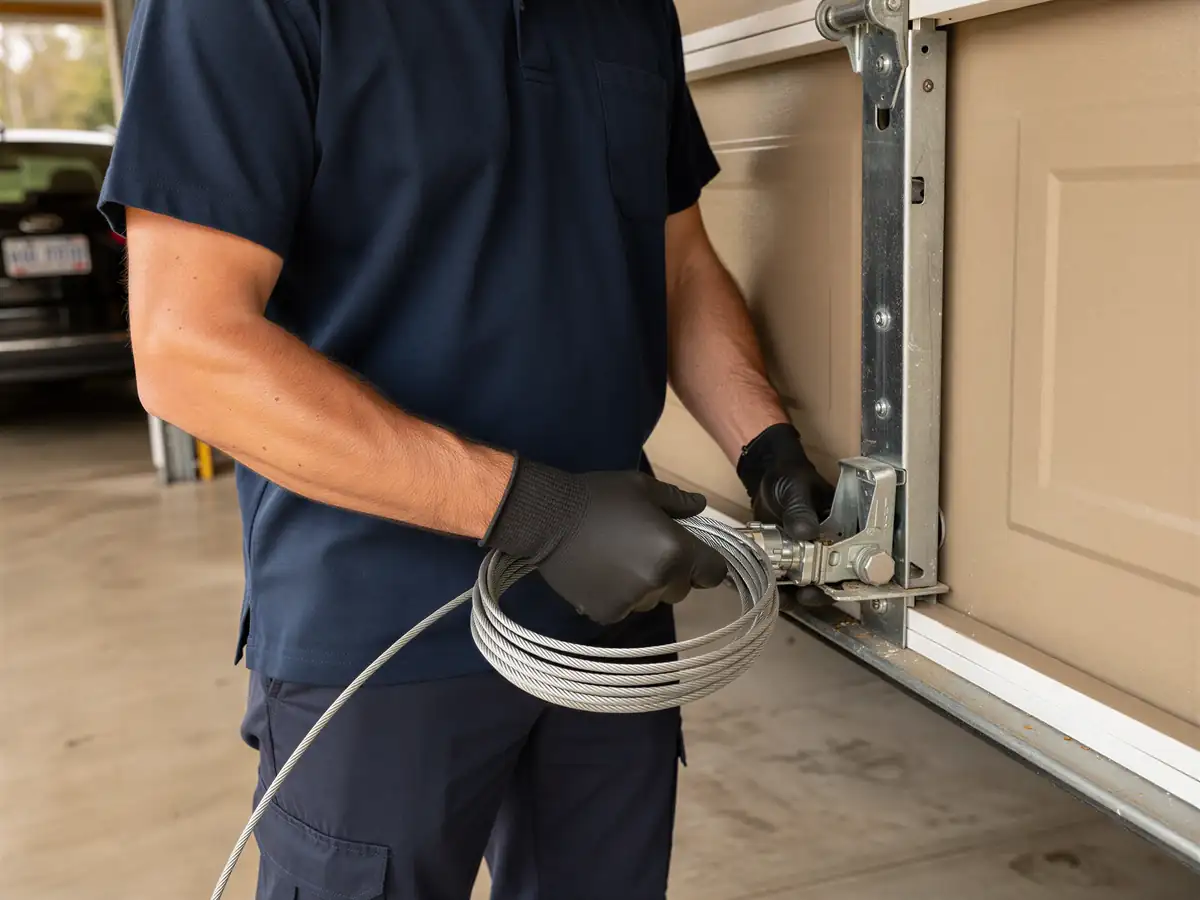
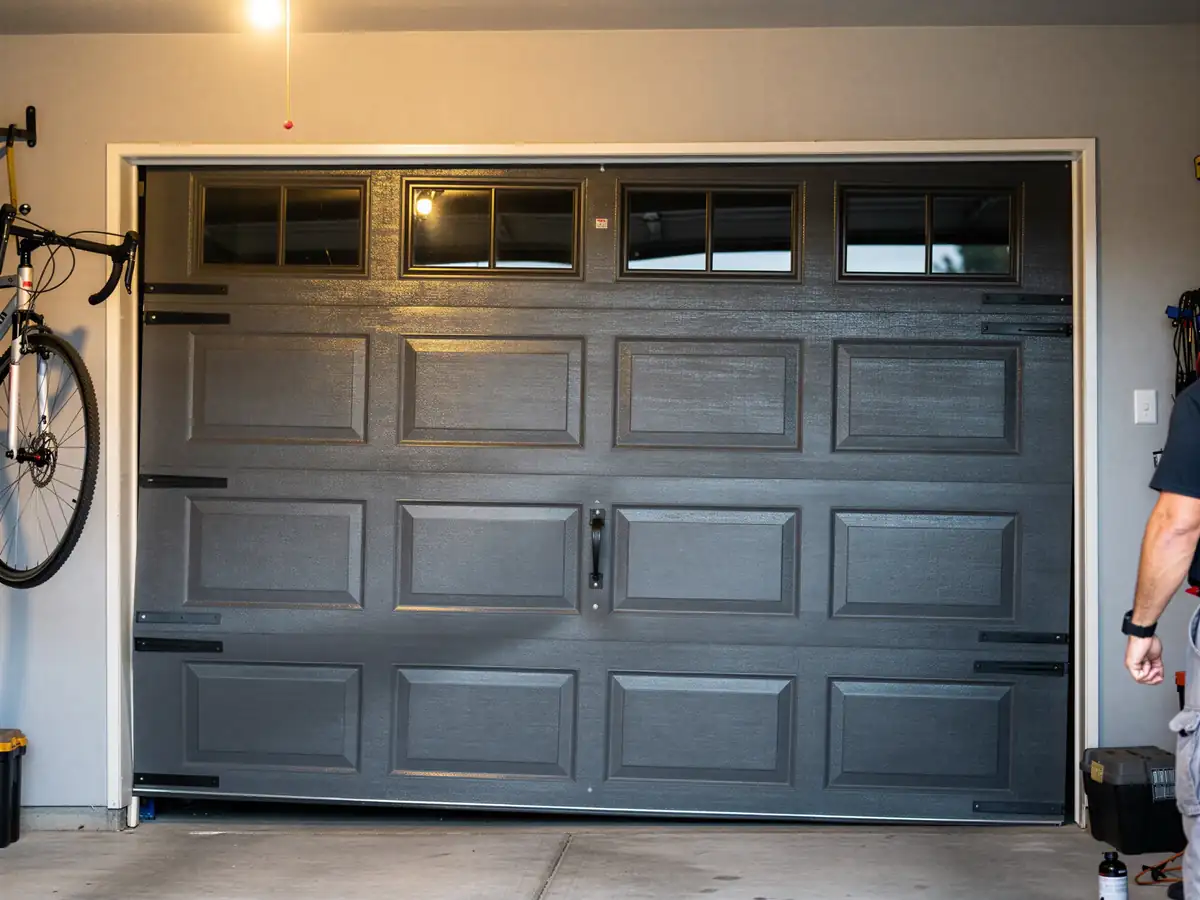
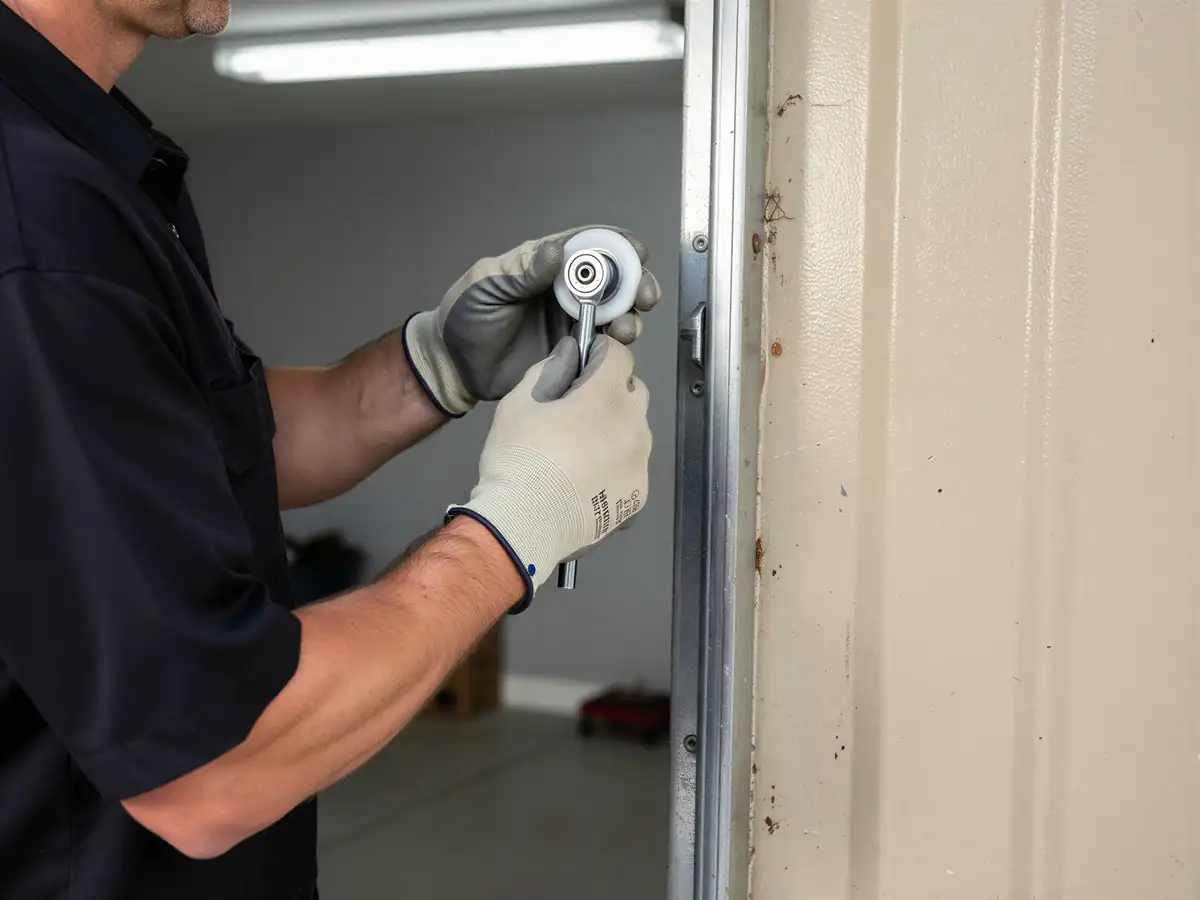
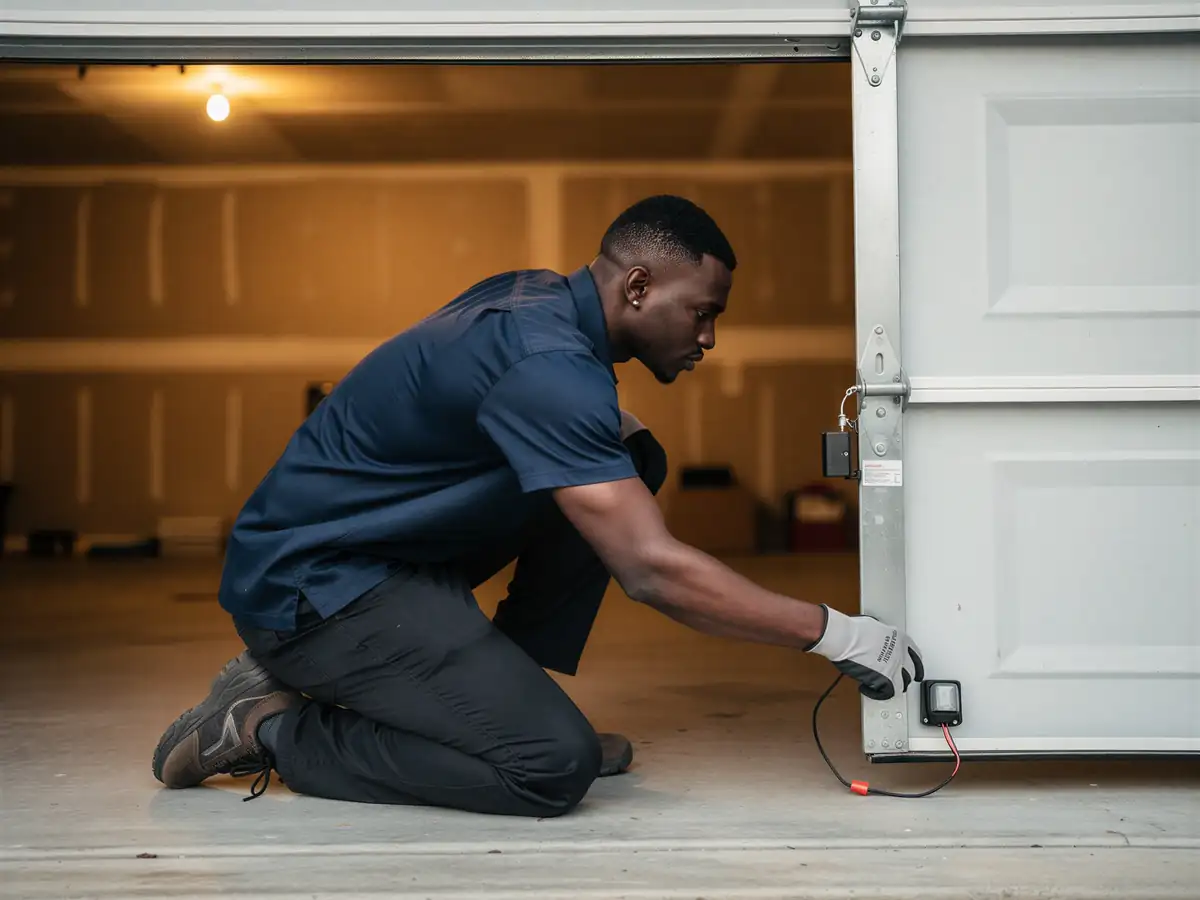
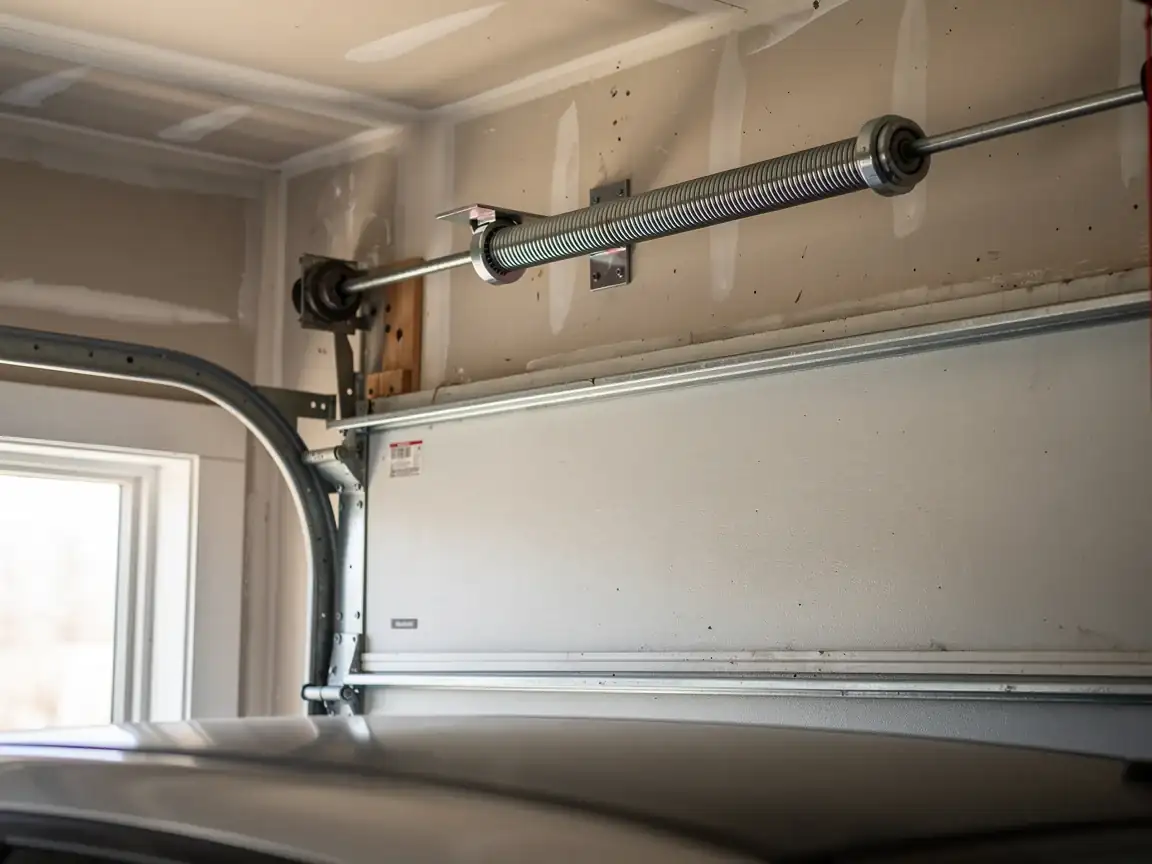
A broken torsion spring on a double door is not a weekend fix, and we'll say that plainly before you pull a ladder out. The spring is wound under enough tension to break a wrist or worse, and on the 1960s-through-1990s tract houses that make up most of this area, the hardware is original side-mounted torsion on a door that's been cycled for decades without a second spring for backup. If your opener is just clicking and the door won't move, you can usually rule out the circuit board and check the obvious: a disconnected safety sensor, a pulled release cord, or a track knocked loose by a car bumper. Those you can look at yourself. A snapped cable, a bent track, or a door that's off its rollers and hanging crooked in the opening is not a DIY job - that's a call. We'll also tell you straight that if your opener is original to a house built in the early 1980s, replacing it is often cheaper over time than chasing parts for a board nobody makes anymore. Knowing which kind of failure you've got is the first step, and it's usually obvious once you look.
Why This Fails Locally
Most of the housing stock in this service area went up between 1962 and 2004, with a median build year around 1981, and that matters for exactly one reason: torsion springs have a duty cycle, and a 40-plus-year-old spring on a door that's been through tens of thousands of open-close cycles is past its rated life whether or not it's ever been touched. Add a HEAT-severe climate band and you get a second failure mode layered on top - steel expands and contracts through brutal summer heat swings, and the galvanized coating on older springs degrades faster than people expect. Across the 28 named areas in this region, the pattern repeats: original springs, original openers, and tracks that were never resquared after a slow seasonal shift in the slab. None of that is a Citrus Heights-specific defect - it's what happens when a 1980s-median housing stock sits through decades of severe summer heat. It's also why the failures cluster: spring snap, cable fray at the drum, and opener logic boards cooked by a hot attic-mounted unit are the three calls we get most, in that order.
The Symptom
The call usually starts with one of a handful of sentences: the door won't go up, it went up but won't come down, there was a loud bang and now it's stuck, or the opener runs but the door doesn't move. Each of those points somewhere specific - a bang usually means a cable or spring, a door that runs the motor without moving is almost always a broken spring or a disengaged carriage, and a door that's stuck halfway is often a track that's bent or a roller that's jumped out. On the older end of the area's housing stock - homes from the early 1980s median build year - we also see opener logic failing outright after years of attic heat, which looks like 'nothing happens' rather than a mechanical jam. Tell us exactly what you heard and when it happened; that's more useful on the phone than a guess at what's broken, and it's usually enough for us to roll the right truck the first time instead of a second visit.