The Complications
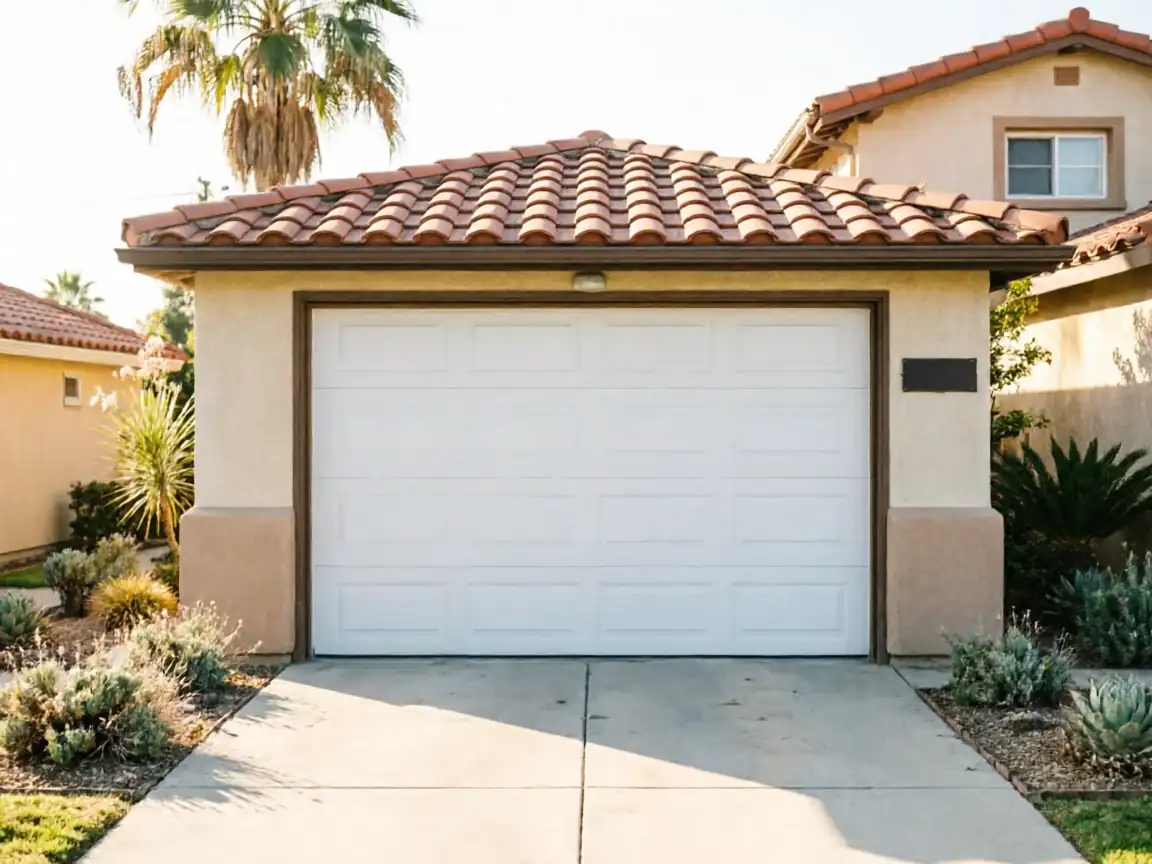
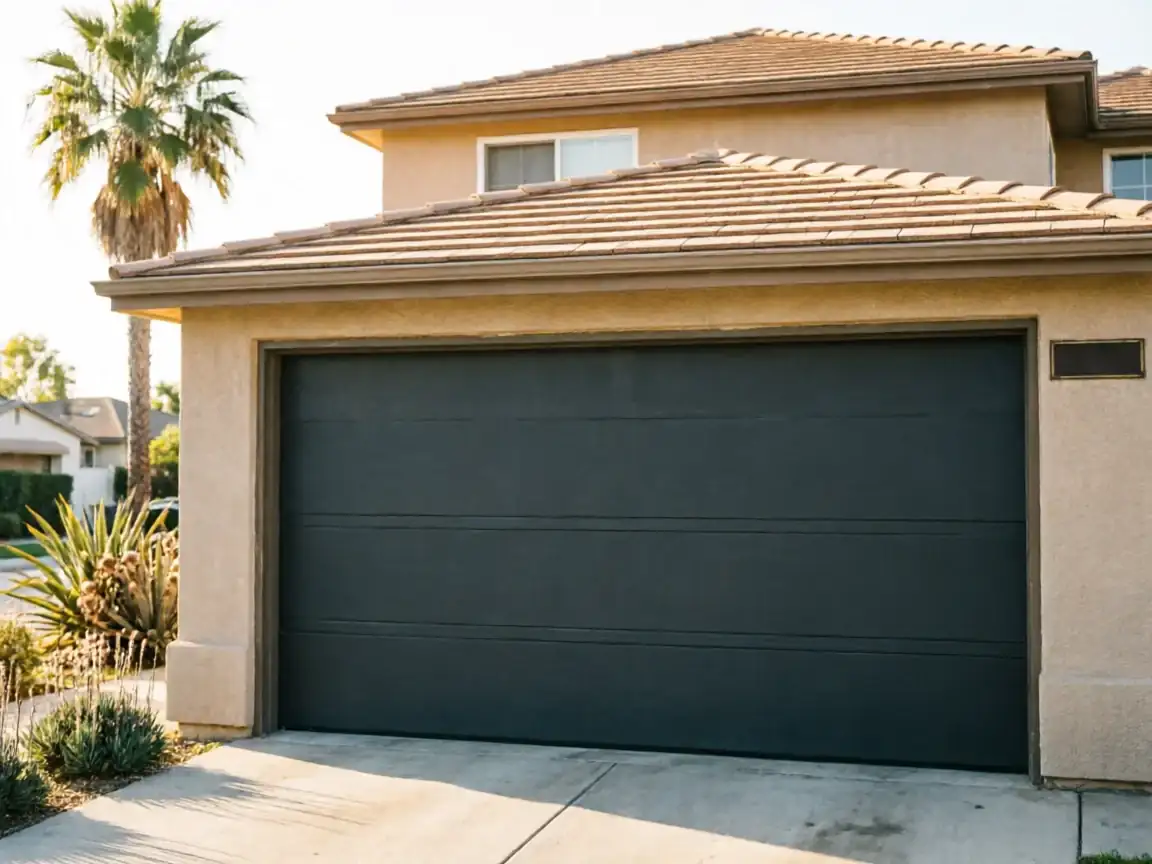
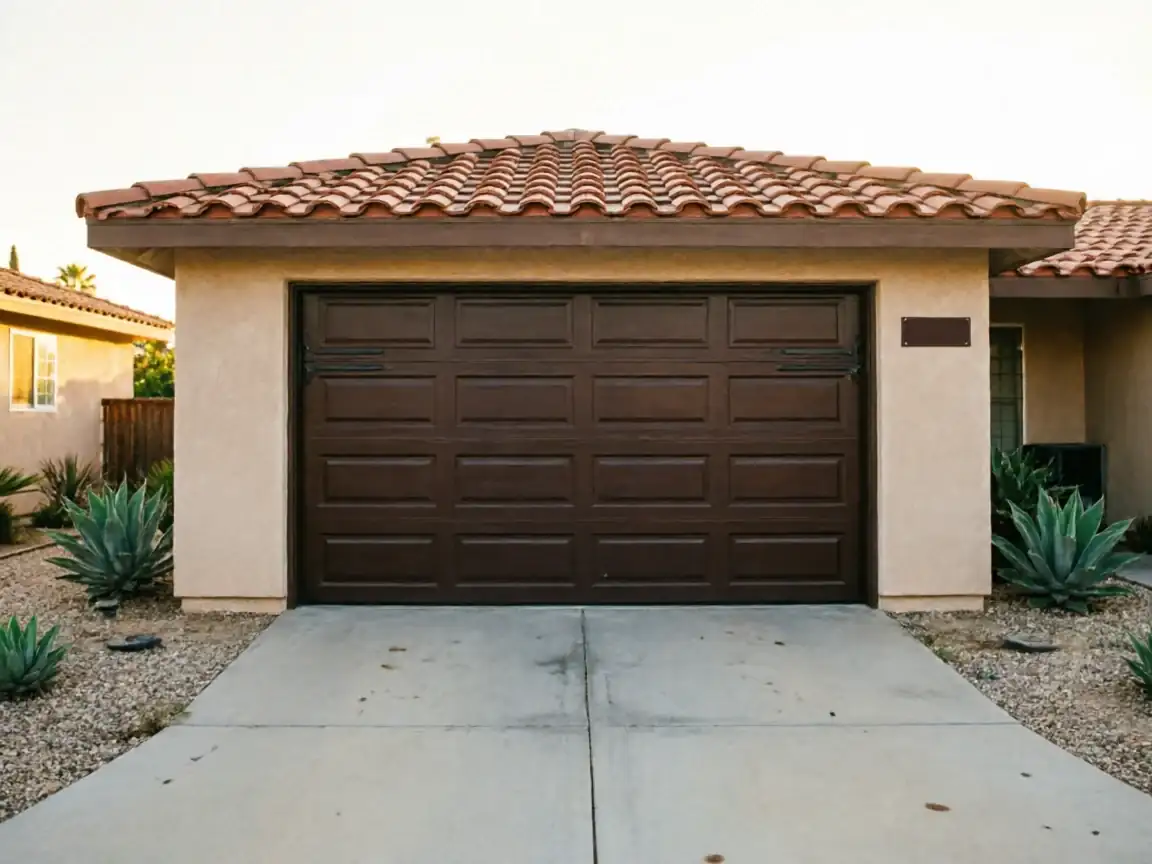
Most of the houses this company works on across the service area went up between 1962 and 2004, with a median build year of 1981. Vineyard sits on the other end of that range. The typical home here was built around 2000, which means you're not dealing with the original steel door and chain-drive opener that's common on the older side of the territory. You're more likely dealing with a door and opener that's already had one life, installed when the tract went in roughly two decades ago, now failing for ordinary reasons rather than for being ancient. The install conversation is different because of it: newer framing, newer wiring runs for the opener circuit, and in many cases a wider door opening than the 1960s-70s stock elsewhere in the territory used. A straight swap of what's there for something similar off the shelf doesn't always fit the opening or the header the way it would on an older, more standardized frame.
The Symptom
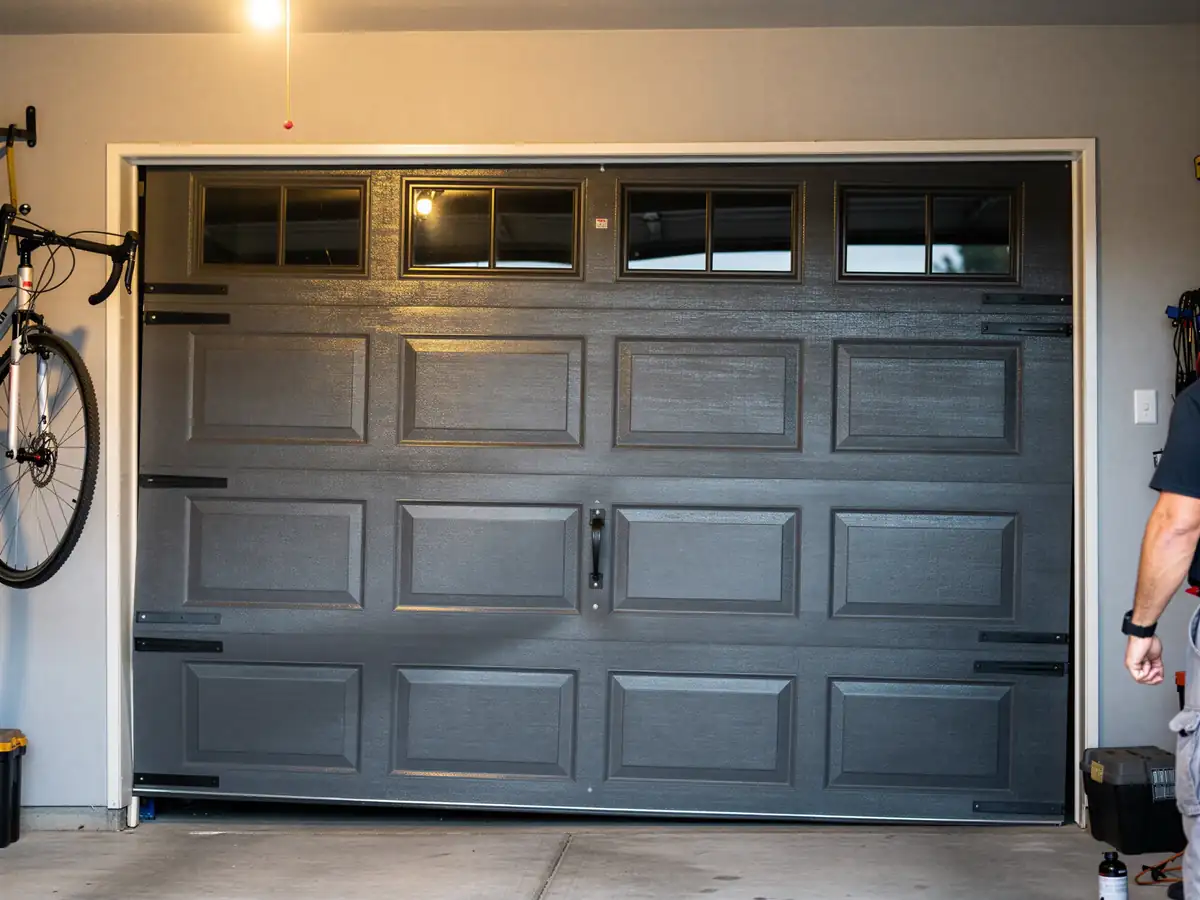
The signal that it's time for a new door rather than another repair usually isn't dramatic. It's a panel that's delaminating at the seams, a steel skin that's started to bow on the sun-facing side, or an opener that strains and reverses on hot afternoons. Vineyard sits in the same severe-heat climate band as the rest of the service area, and heat is hard on insulation foam and on the glue lines in older sandwich-panel doors. On a house built around 2000, that door is old enough for the foam core to have broken down without being old enough that the owner expects to replace it yet. That gap between expectation and reality is usually what triggers the call.
Why This Fails Locally
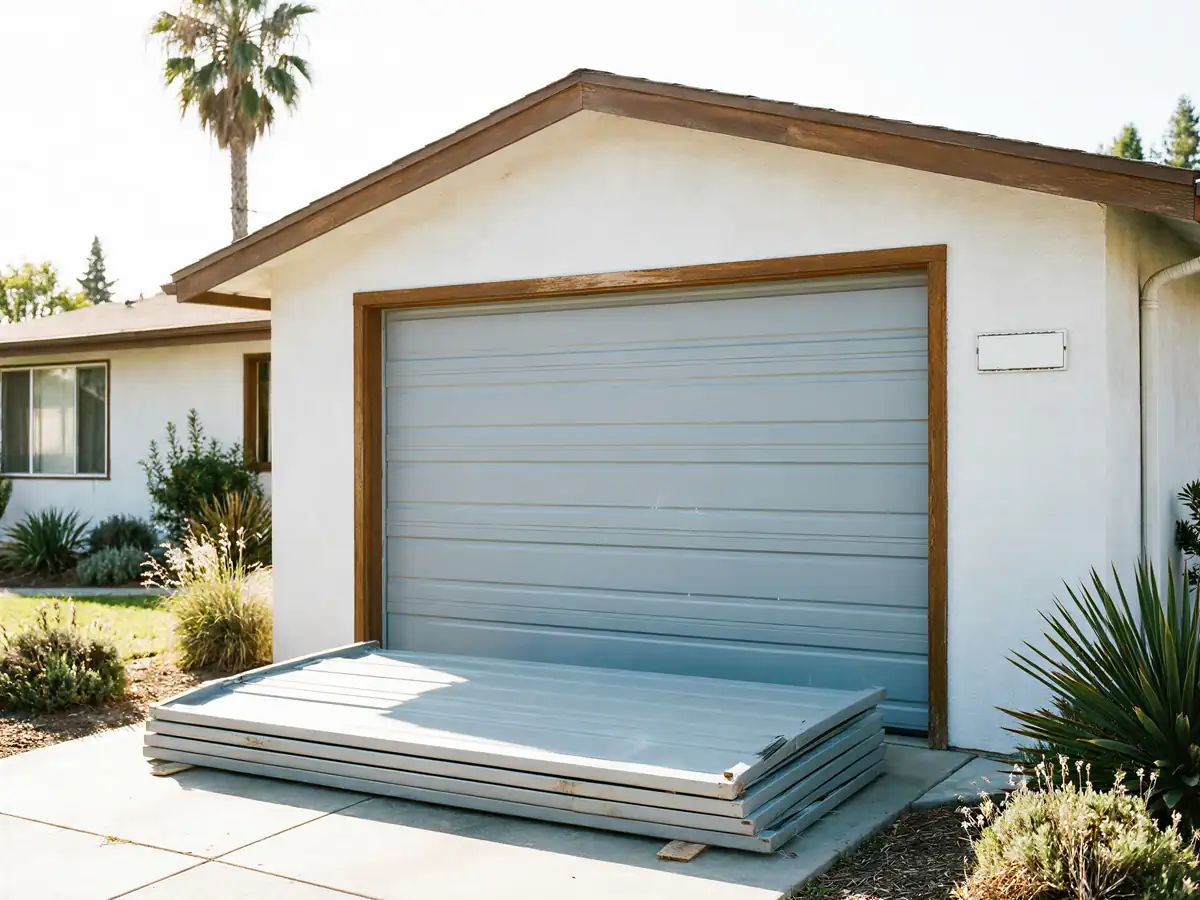
A new door on a 2000-era Vineyard house isn't a like-for-like swap the way it might be in the older parts of the territory. Openers installed around that build year are often older chain-drive units nearing the end of their service life, and local households here report a median income of $108,403, noticeably above the $95,592 median across the wider service area - which tends to mean owners replacing with a quieter belt-drive opener and a better-insulated door rather than the cheapest match. Across the roughly 12,491 households in Vineyard, the housing stock is consistent enough that this isn't a one-off: it's the pattern for most of the area. Installers working from older-stock assumptions size doors and openers for frames that don't match what's actually here.
What the Repair Takes
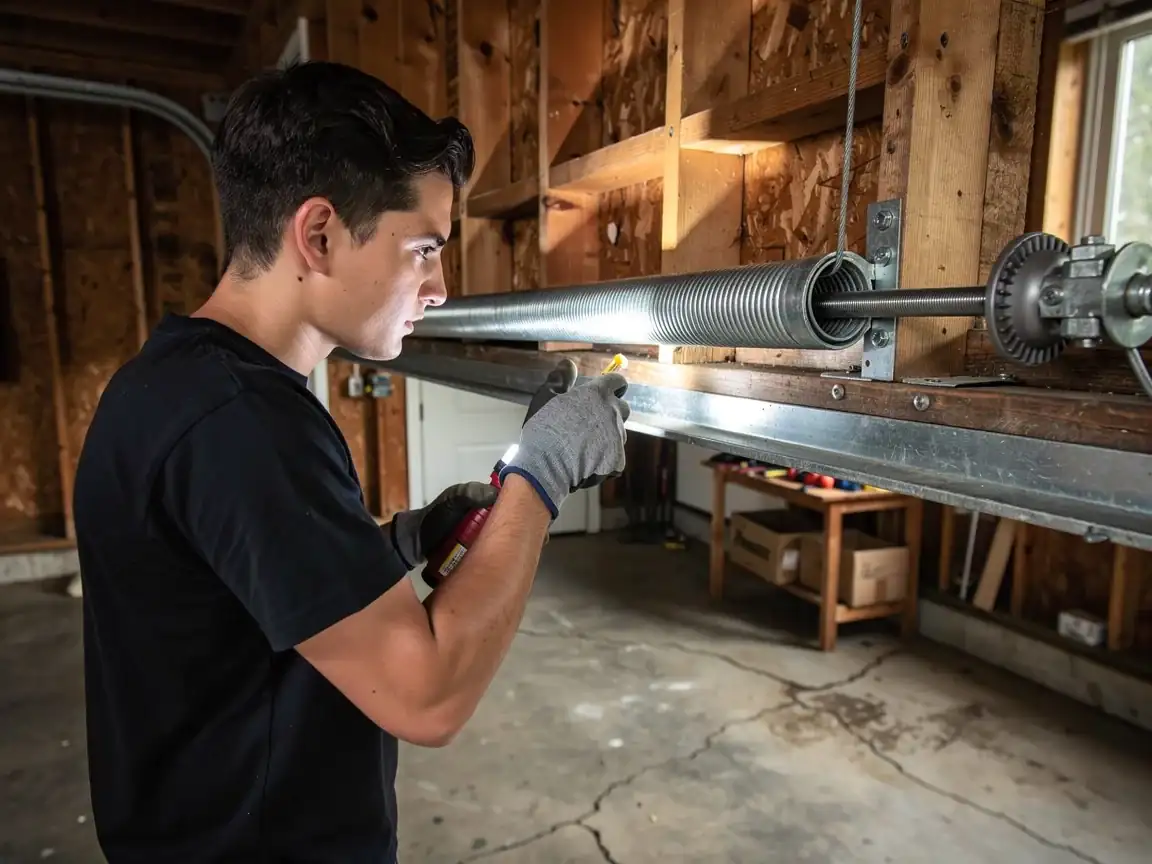
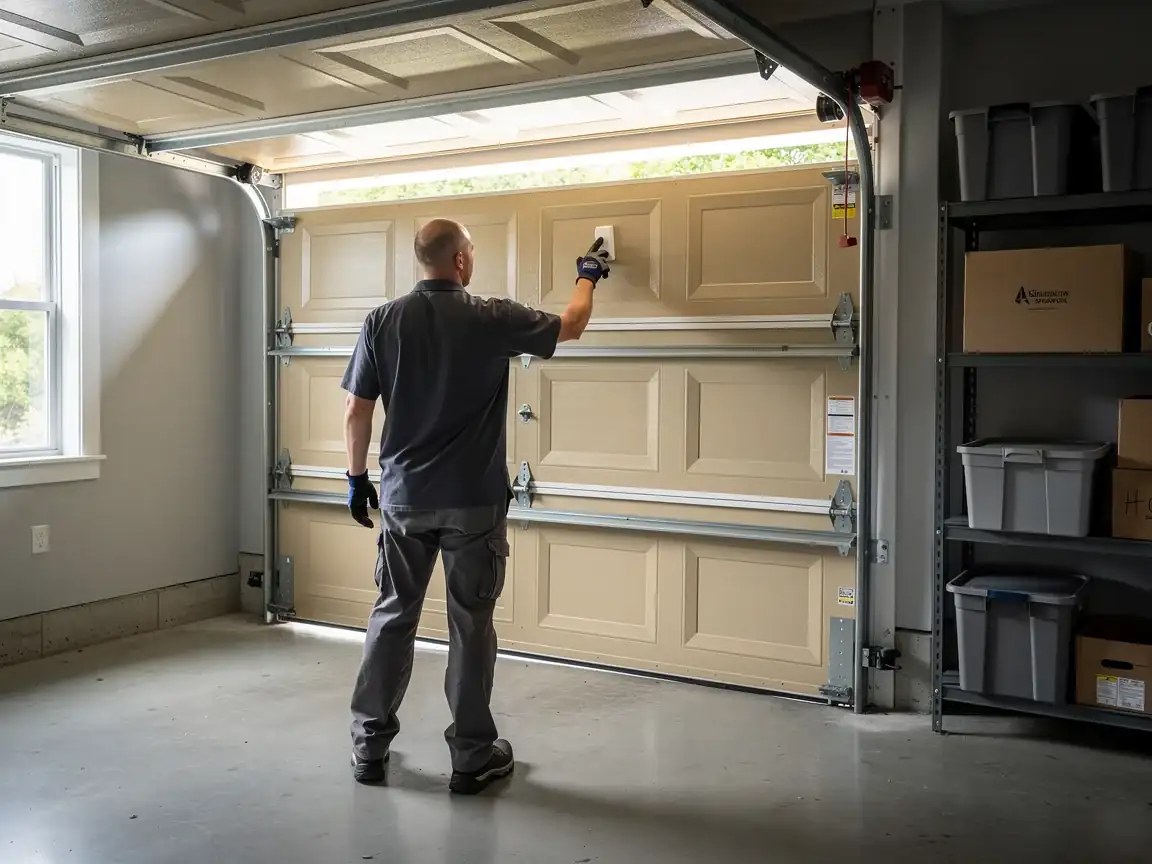
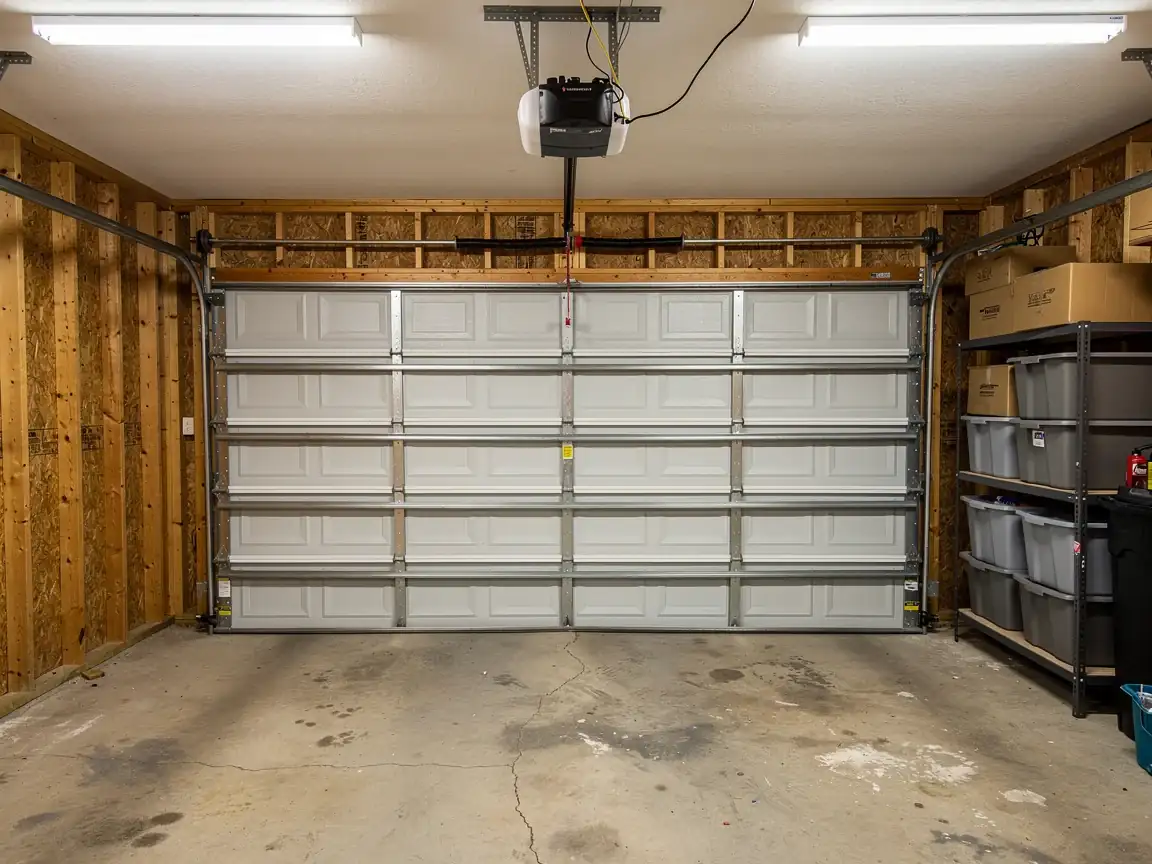
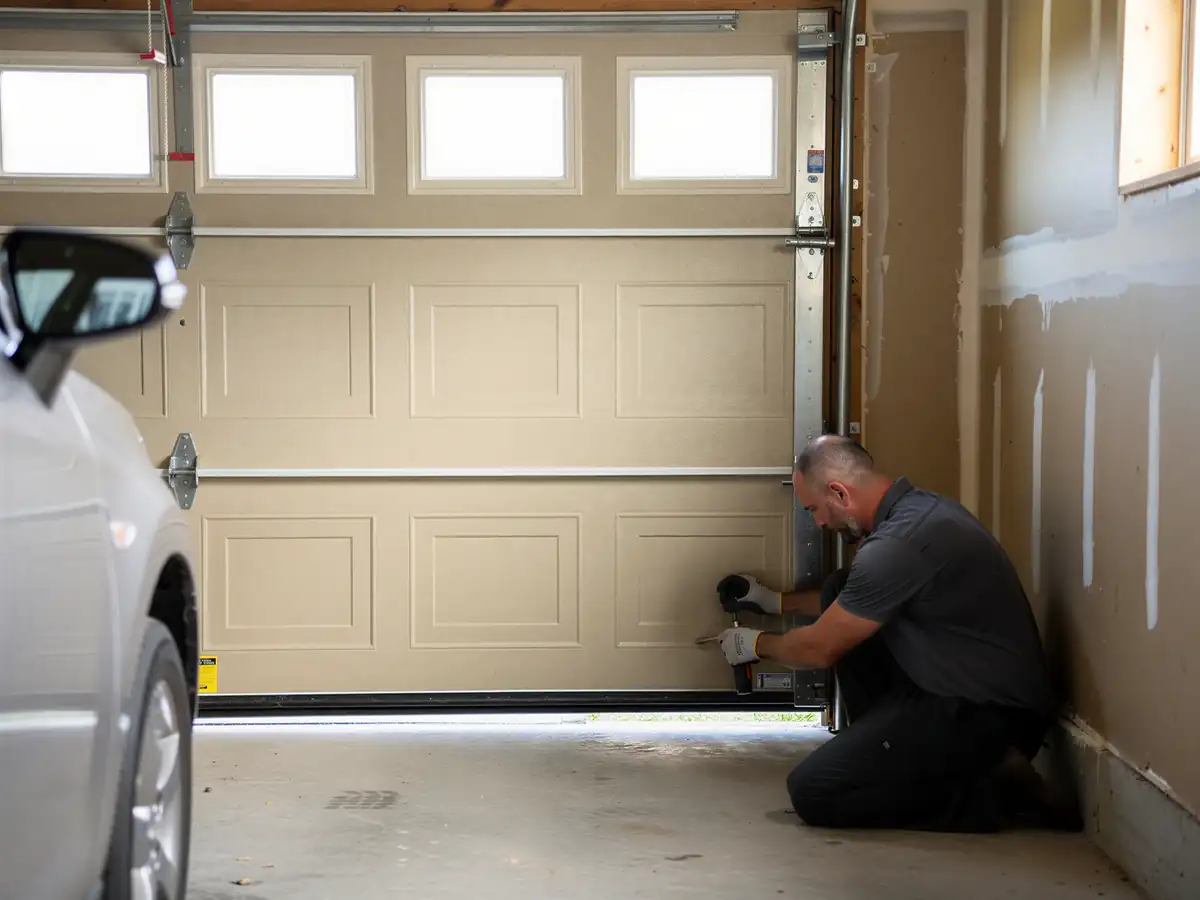
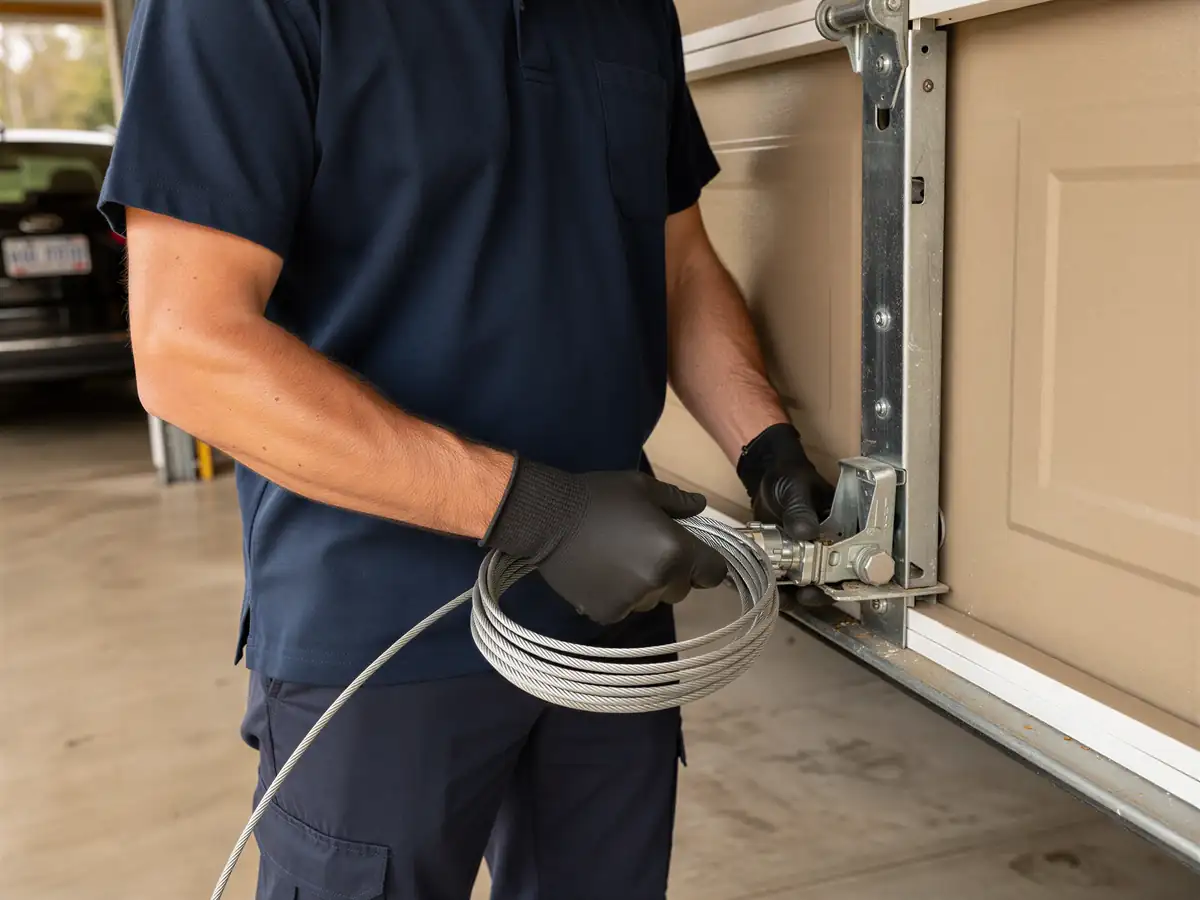
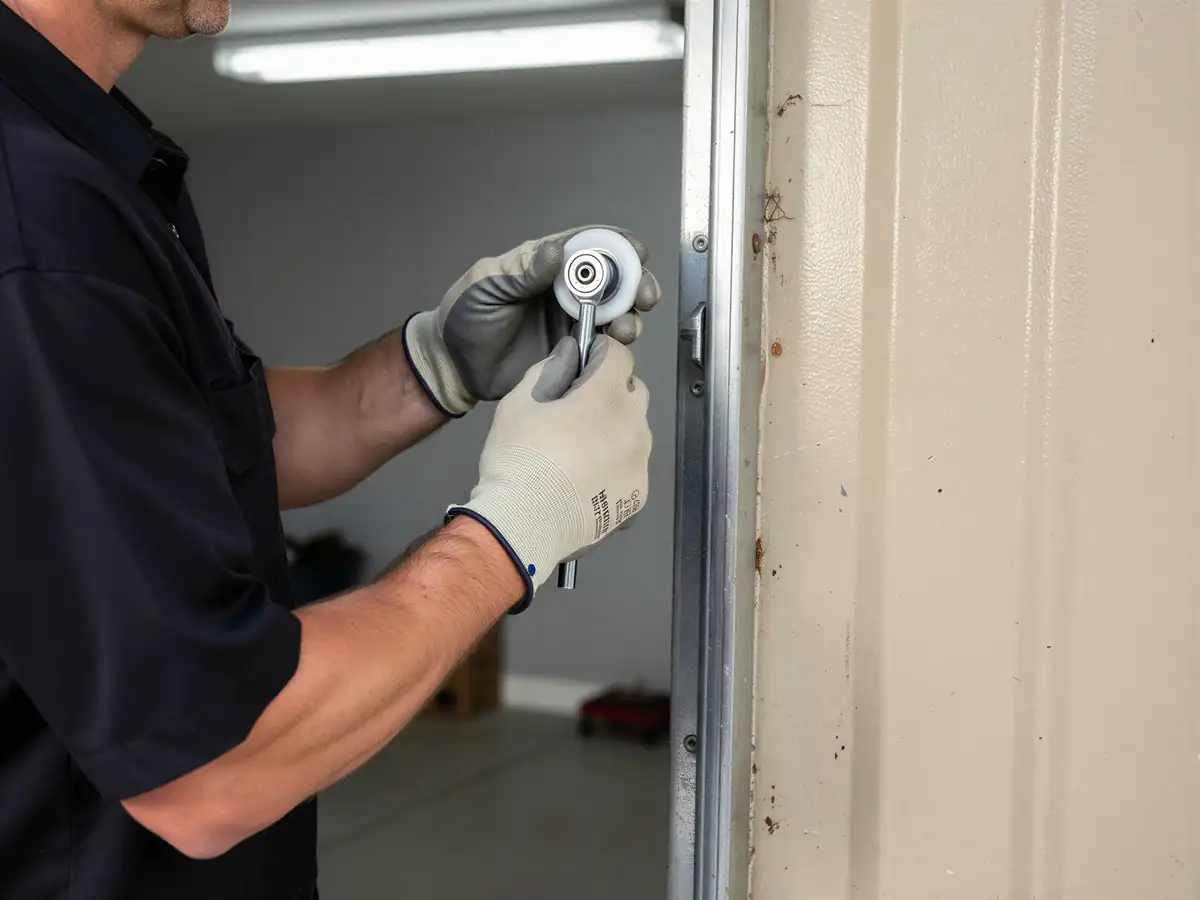
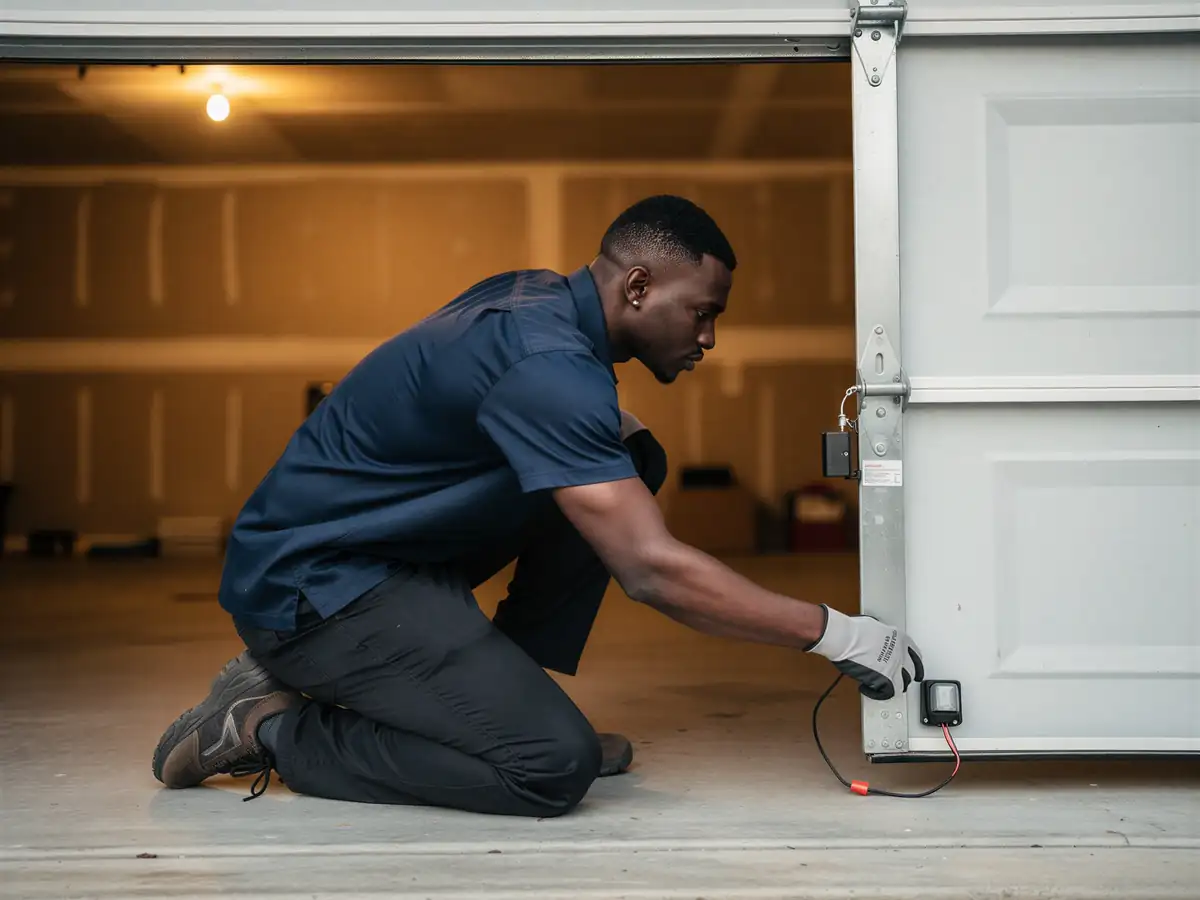
We work out of Citrus Heights, about 15 miles from Vineyard, so a new install here gets scheduled as a dedicated trip rather than a drop-in between closer jobs - plan on booking ahead rather than a same-day slot. The job itself is standard: measure the opening, pull the old door and track, set new jamb brackets if the header's out of square, hang the new sections, balance the spring to the door's actual weight, and program the opener to the house's wiring. On a 2000-era frame this usually goes faster than on an older one because the studs and header are still true. What it doesn't take is guessing at spring size from a chart - we weigh and balance on site, because a torsion spring sized for the wrong door is the most common comeback call we get, anywhere in the territory.