What the Weather Here Does to It
Citrus Heights sits in a climate band the federal data marks as severe heat, and that matters more to a garage door than most homeowners expect. A steel door skin expands and contracts every single day through the hot months, and that daily flex works on the seams, the hinges, and the glue line on any insulated panel long before the torsion spring finally gives out. Most of the houses in this service area went up between 1962 and 2004, with the median landing in 1981, so a lot of the doors still hanging on these garages were built for a milder expectation of what a Sacramento-area summer does over 40 years.
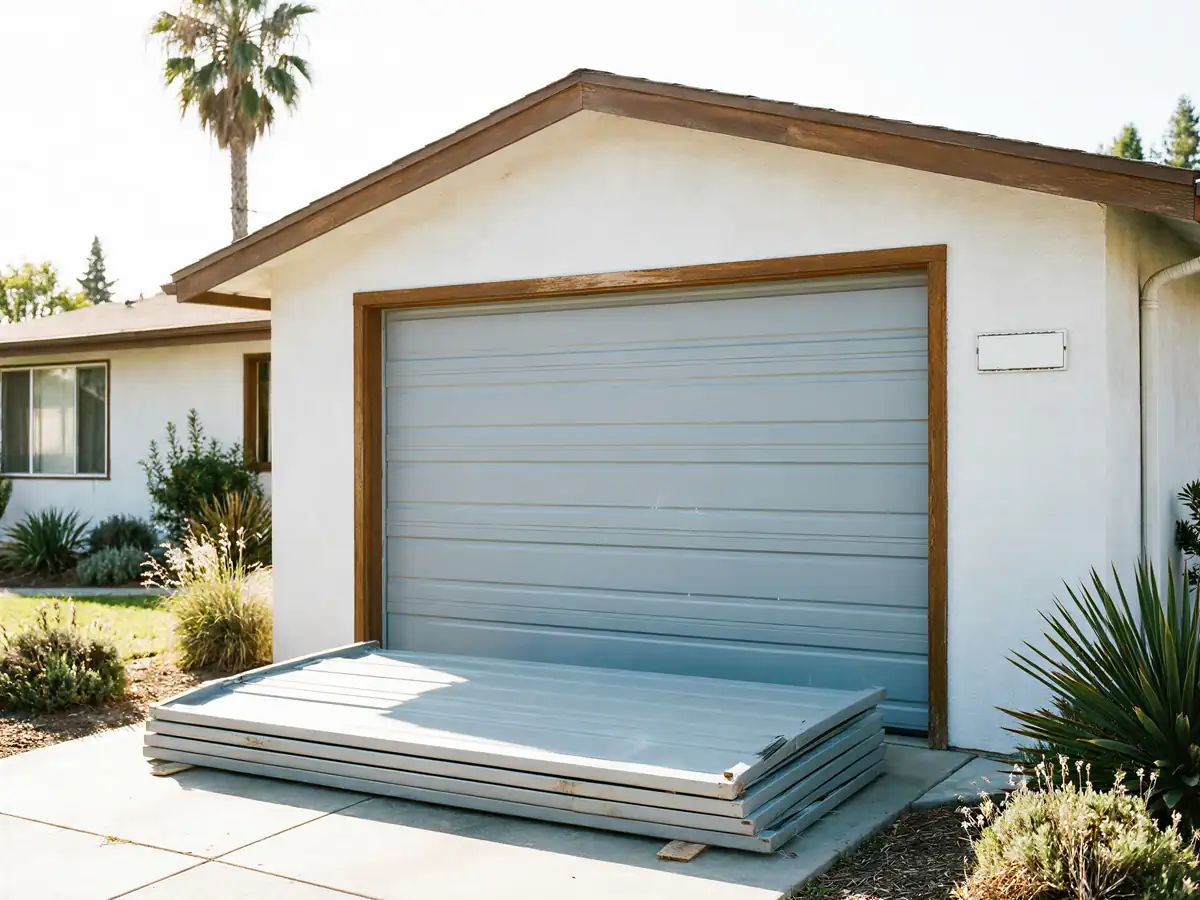
Wood doors from that era warp and the panels start to bow outward at the bottom. Steel doors without a thermal break turn into a slow oven for anything stored against the wall, and the opener's circuit board - mounted right under a hot roof deck - fails sooner than it should. None of this means a door is on borrowed time the moment it turns 20. It means the heat here does the aging for you, faster than it would somewhere with a milder band, and that's the baseline you should measure any door against before you decide to fix it again or replace it.
What Is Going On
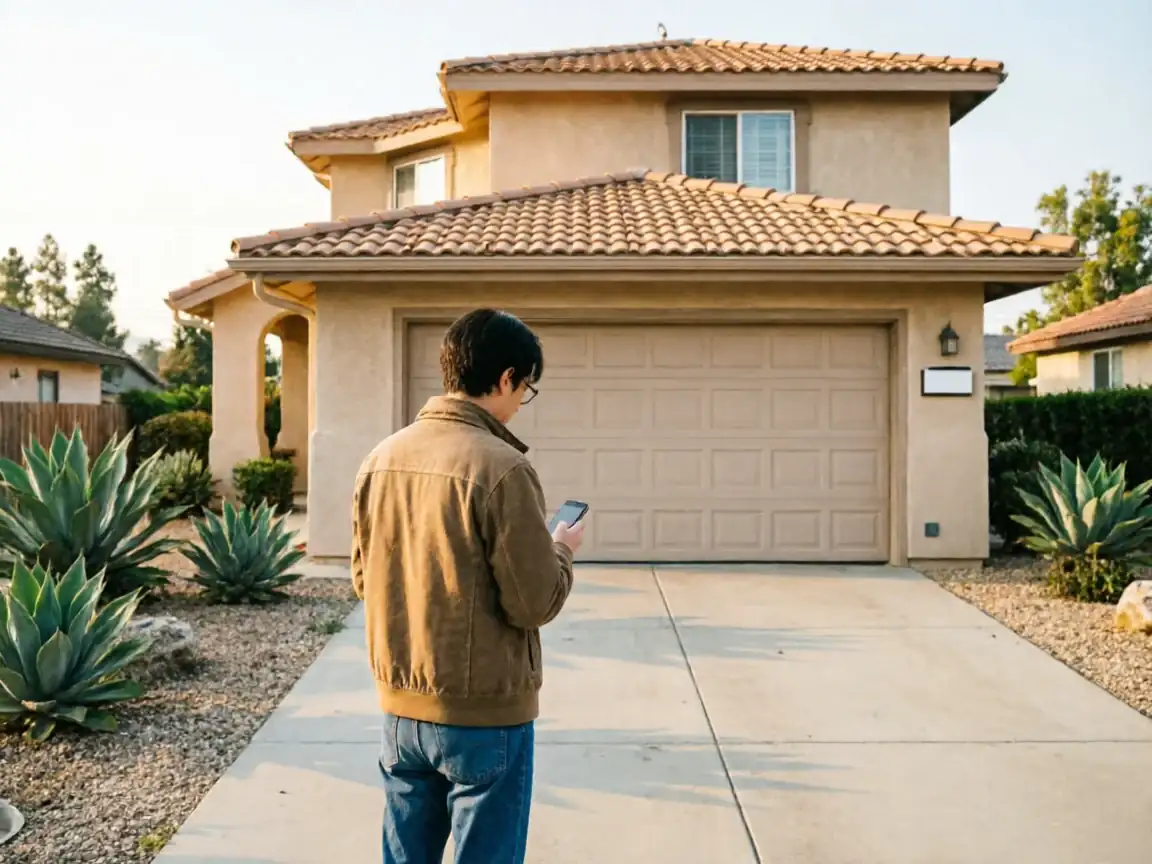
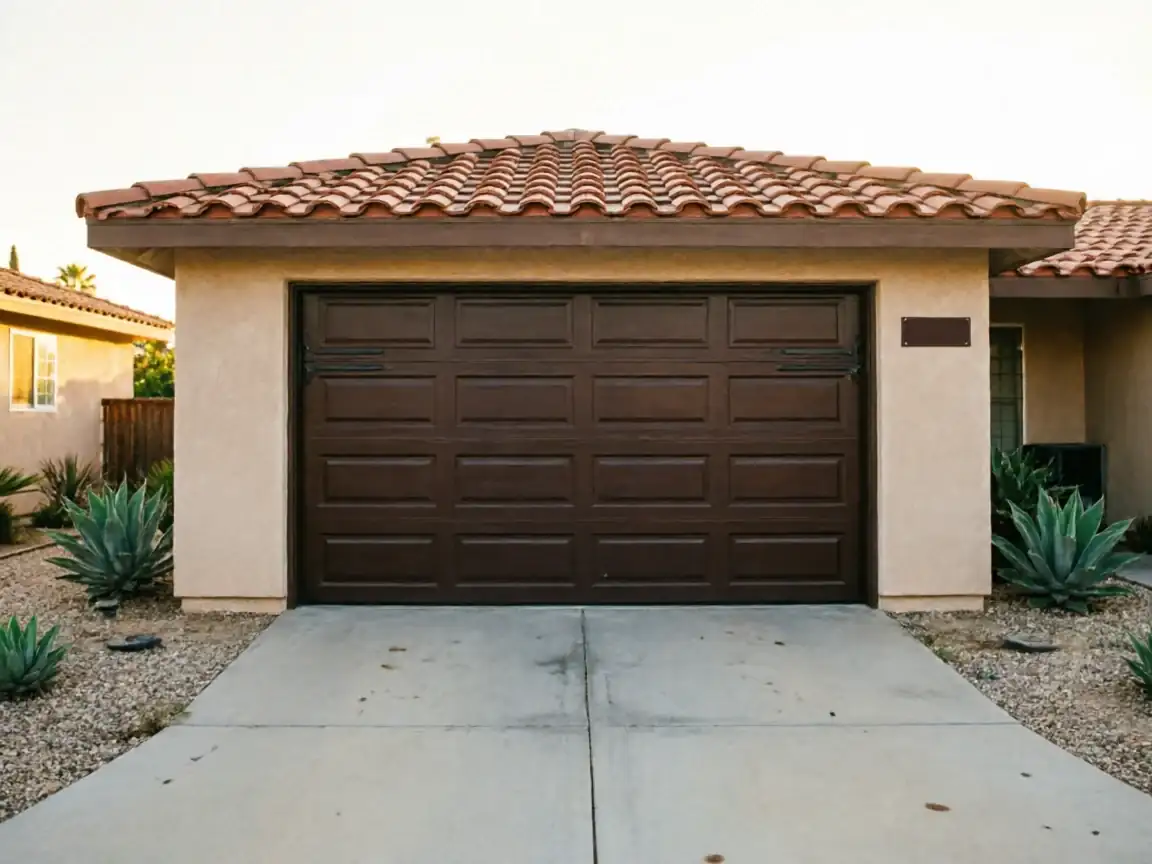
Across the 28 named areas that make up this part of the Sacramento valley, the typical door is a 1980s or 90s steel sectional running on a standard-lift track - not the insulated, high-cycle panel styles builders use now. That's not a flaw in the house; it's just what was standard when most of this stock was built, since the median year here is 1981. The hardware on those doors was sized for lighter use and a shorter expected life than what's sold today.
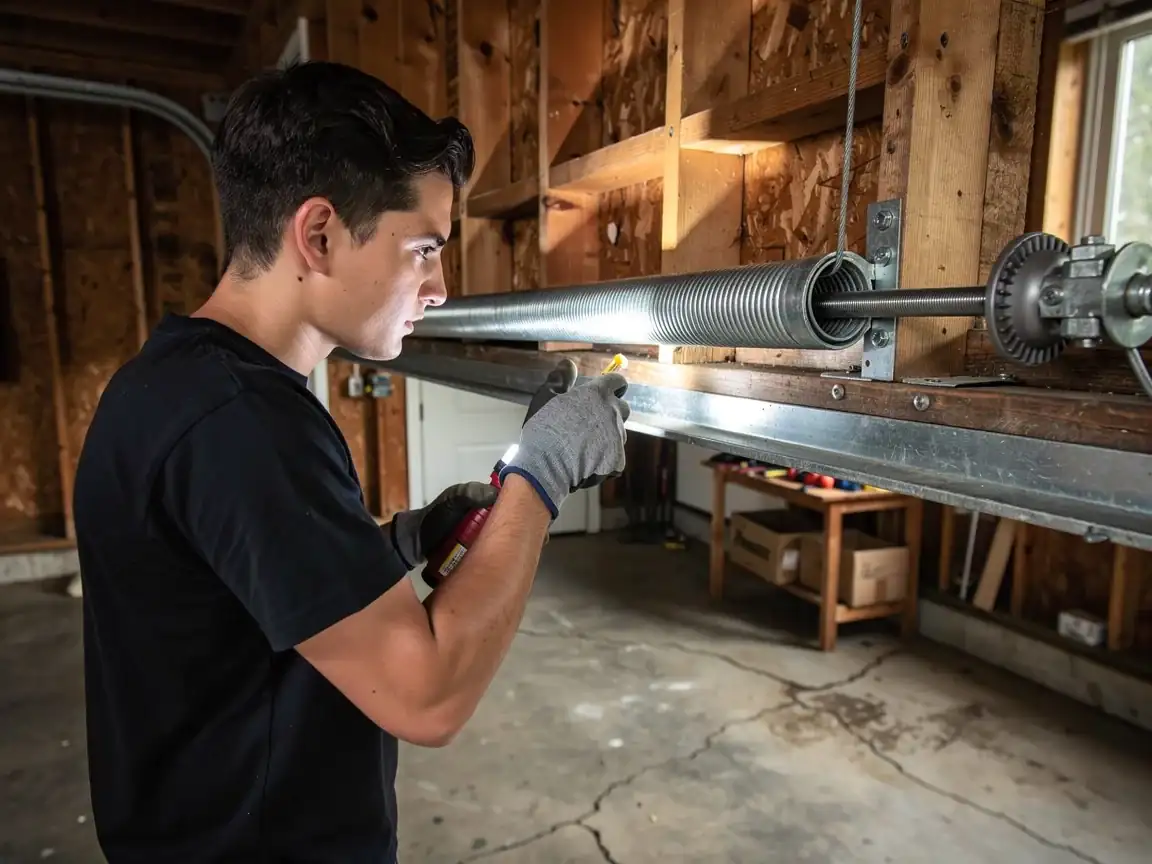
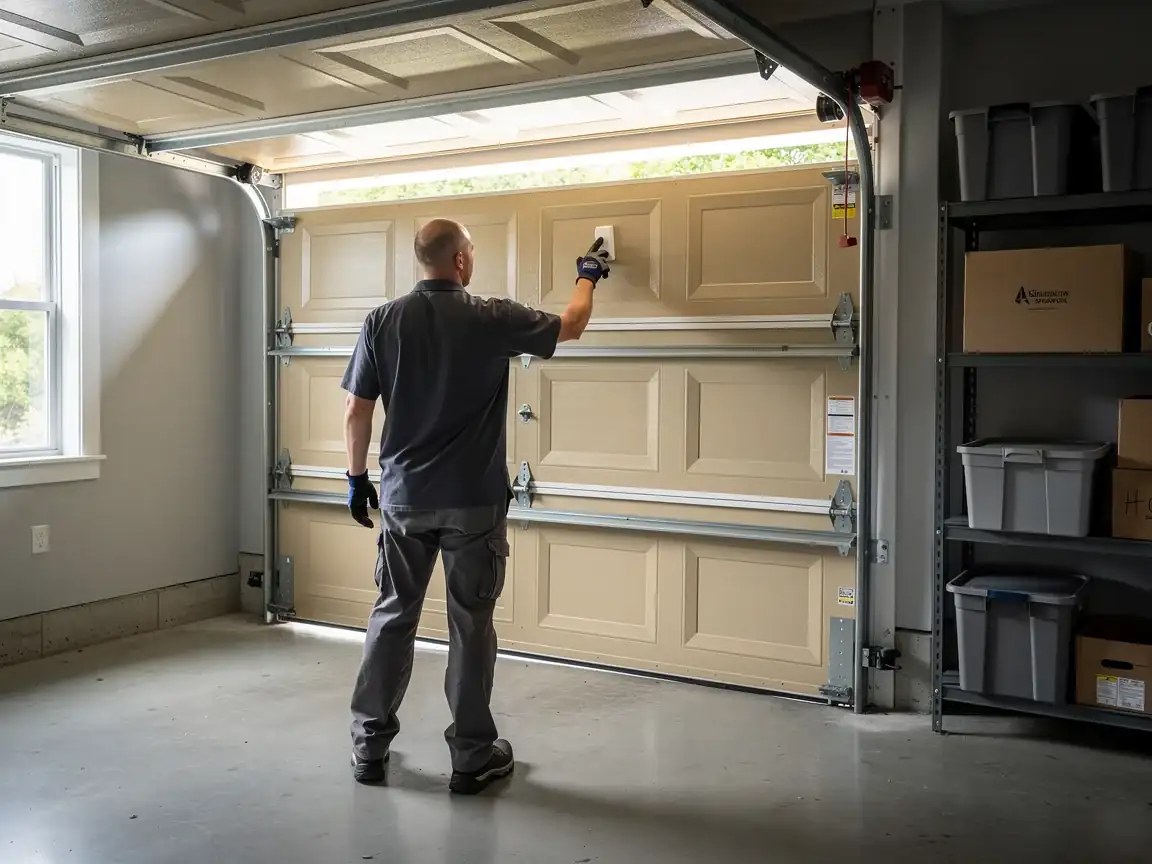
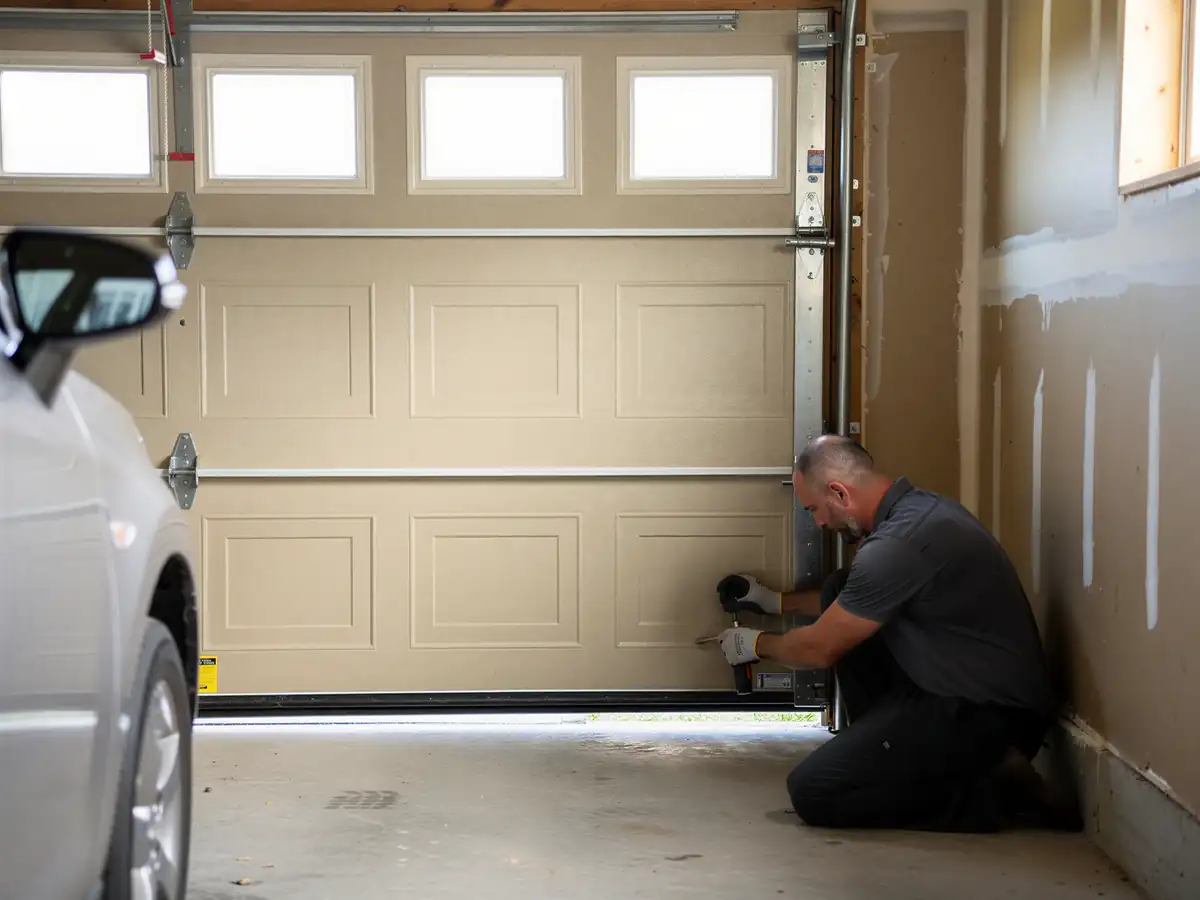
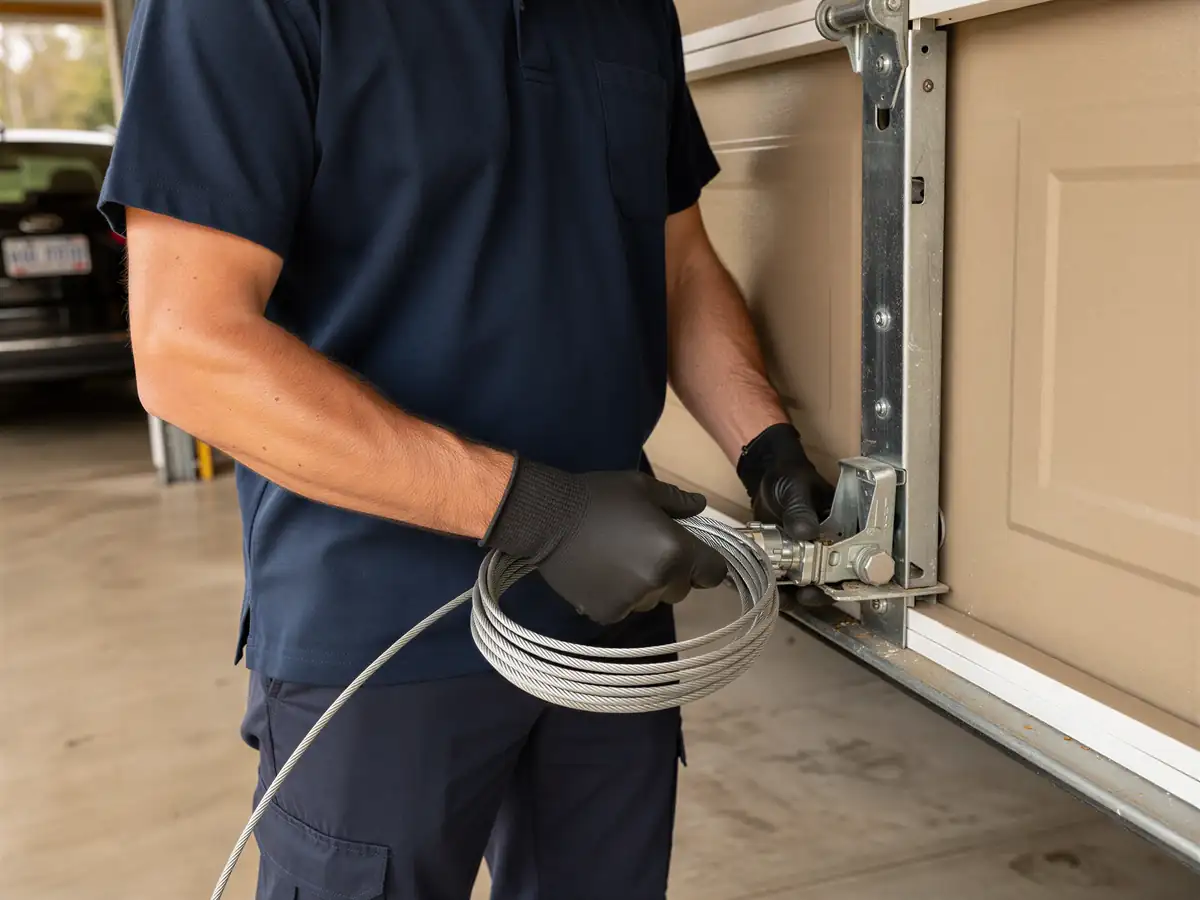
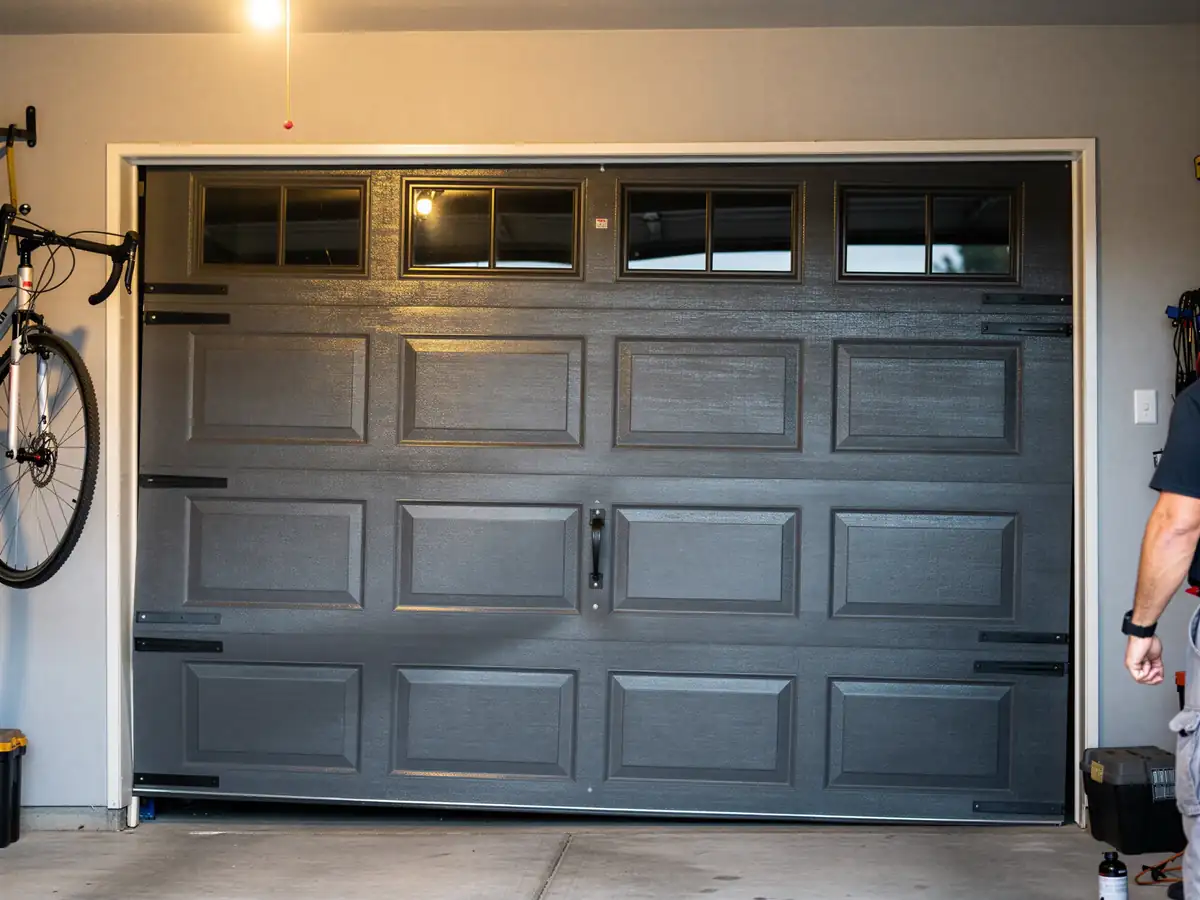
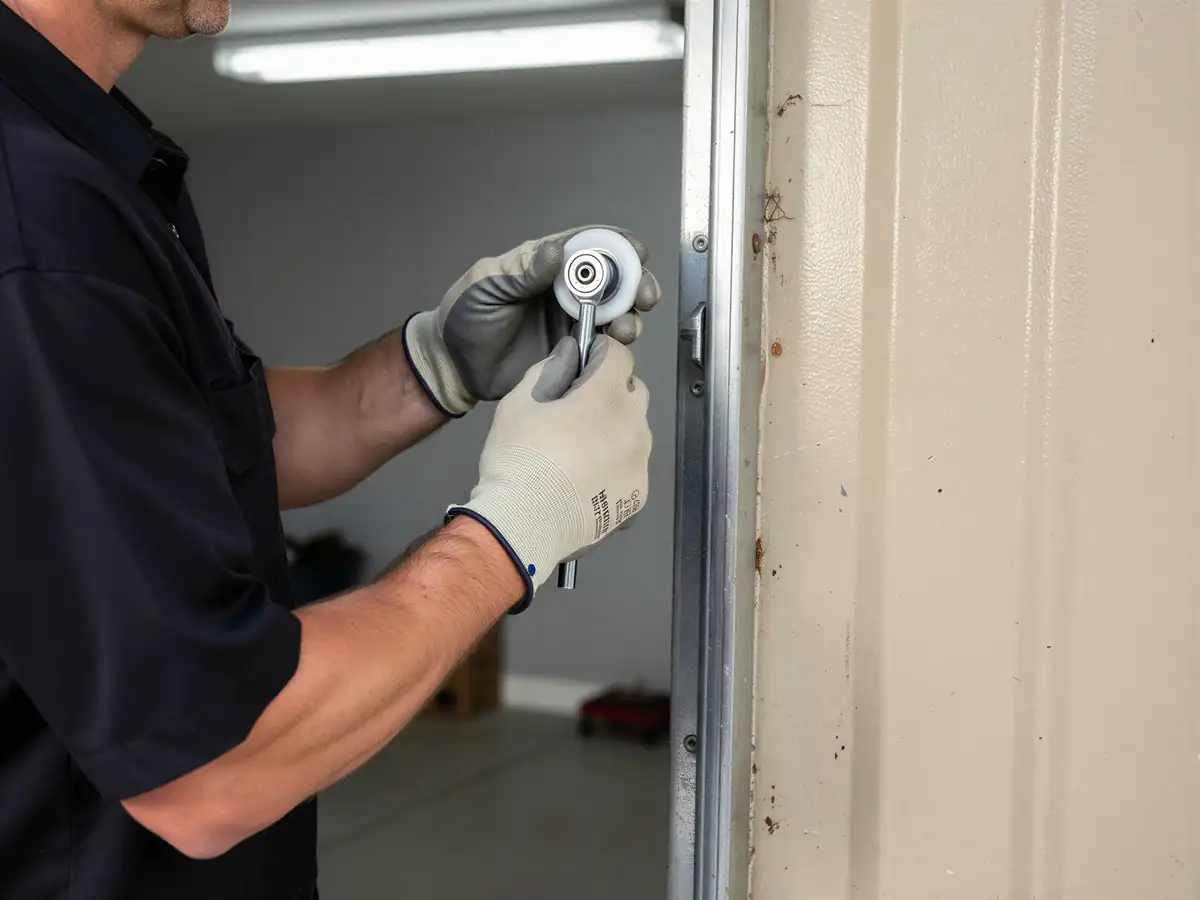
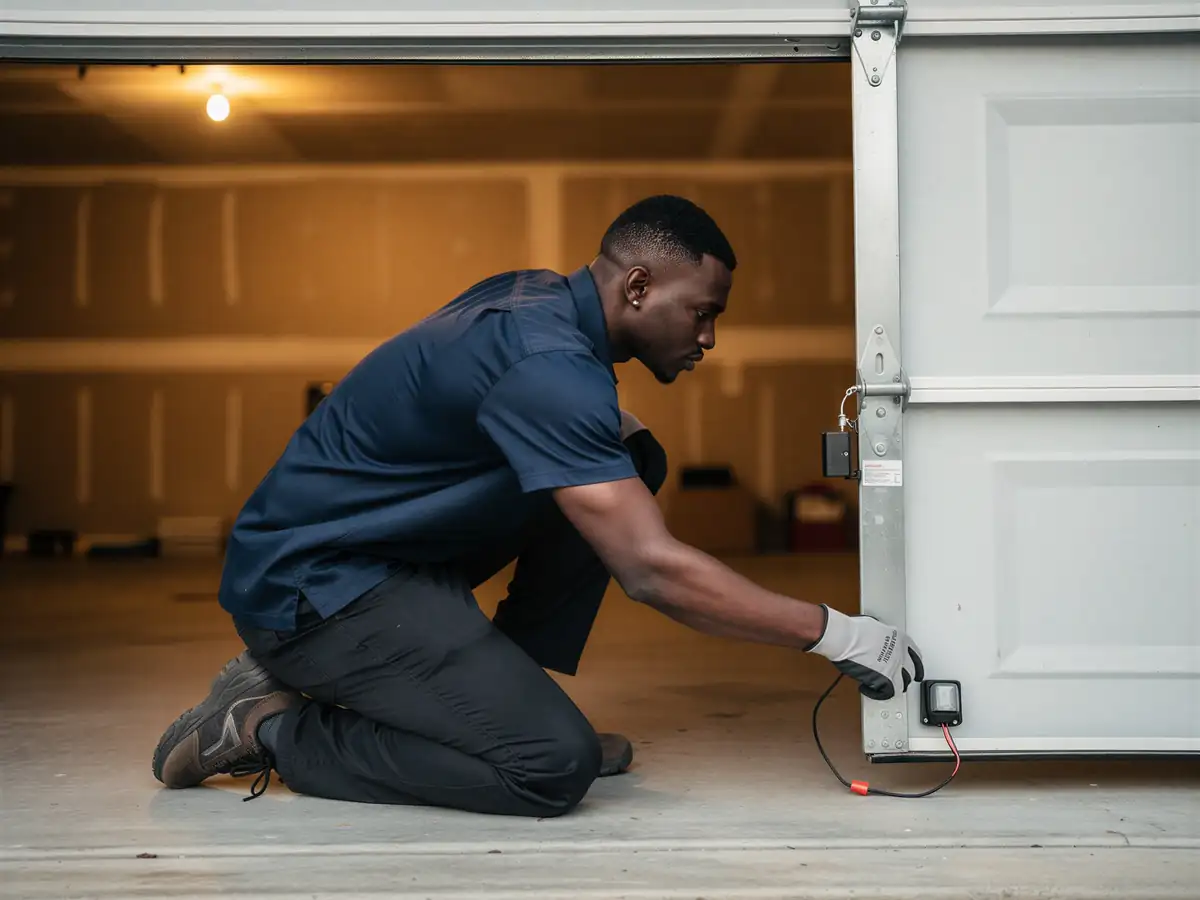
What we see most on calls to these houses isn't a single dramatic failure. It's a door that still closes but drags on one track, an opener that strains because the spring tension has drifted off what the door actually weighs now, or a bottom panel that's delaminating at the seam from 20-plus summers of heat cycling. Any one of those is a repair. Two or three happening at once on the same door, on hardware this old, is usually the point where a repair is just delaying the same conversation. We'll tell you straight which situation you're in rather than selling a new door to a house that only needs a spring.
What It Costs
We don't quote a number here
Because a fair price depends on the door size, the insulation level, whether the track and opener carry over, and what's actually failing - and none of that is something we can state as a flat figure without seeing the door. What we can tell you is how the local numbers shape the decision. The median household income across this service area is $95,592, which is enough for most households here to absorb a mid-range replacement door without financing, but it doesn't mean every door in a neighborhood built around 1981 needs replacing on a schedule. With 99,515 owner-occupied houses in this area, most built in that same 1962-2004 window, a lot of them are carrying doors near the end of a normal service life - but 'near the end' and 'needs replacing today' aren't the same sentence.
- 99,515 owner-occupied
The honest limitation
If your opener is newer than your door, or your track is in good shape, replacing the whole unit when only the panel has failed is money you didn't need to spend. We'll say so even when a new-door sale would be the easier conversation to have.
When Waiting Is Fine
Waiting is fine when the door still seals, the panels aren't cracking or delaminating, and the only issue is cosmetic - faded paint, a dented bottom panel from a mower, a dry hinge that just needs lubrication. None of that is urgent, and none of it means the door is failing. Across 213,532 households in this service area, a good number are sitting on doors that look tired but are structurally fine for several more years.
Waiting is not fine once the heat cycling we talked about starts showing up as real separation at the panel seams, or the opener is compensating for a spring that's drifted out of balance - that's a load problem, not a cosmetic one, and it gets worse on its own schedule, not yours. If your house falls into that median 1962-2004 build window and you haven't had the door looked at in several years, that's worth a call even if nothing looks obviously broken yet. We'd rather tell you it can wait than replace something that didn't need it.