What the Housing Means for Your Door
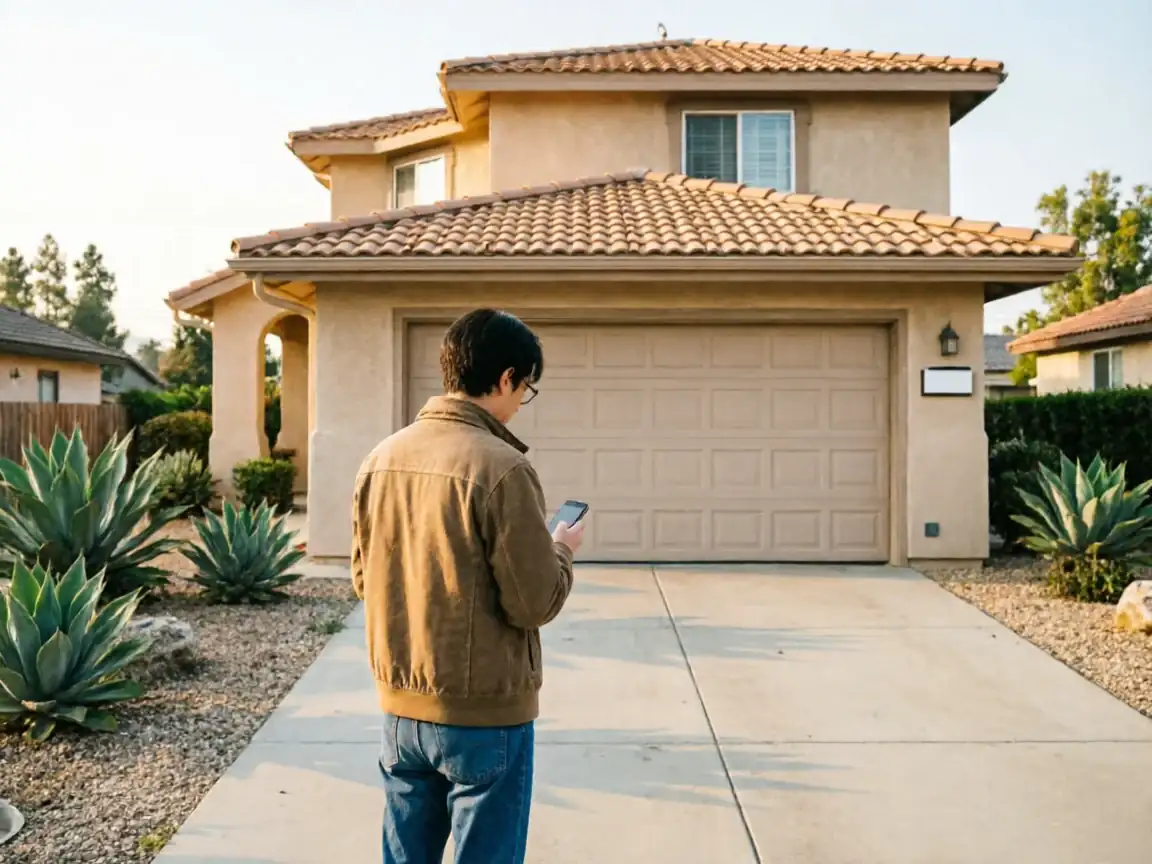
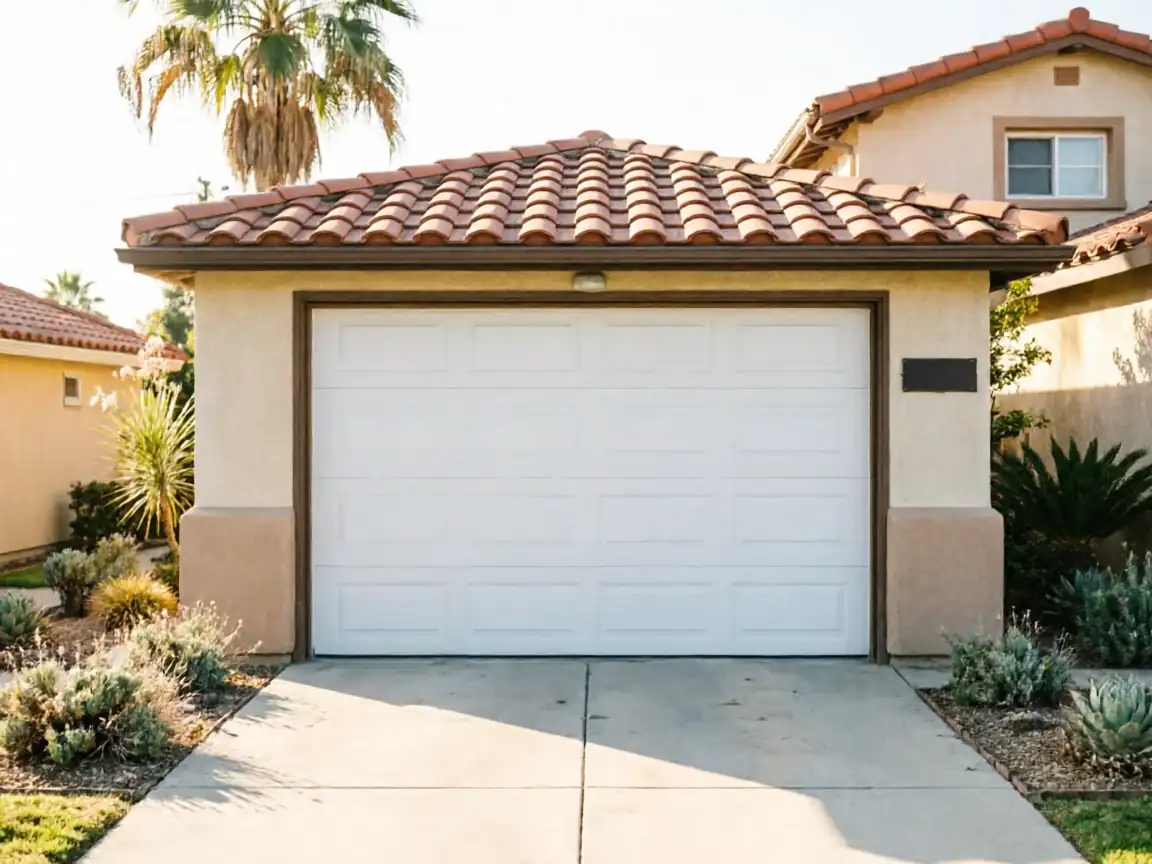
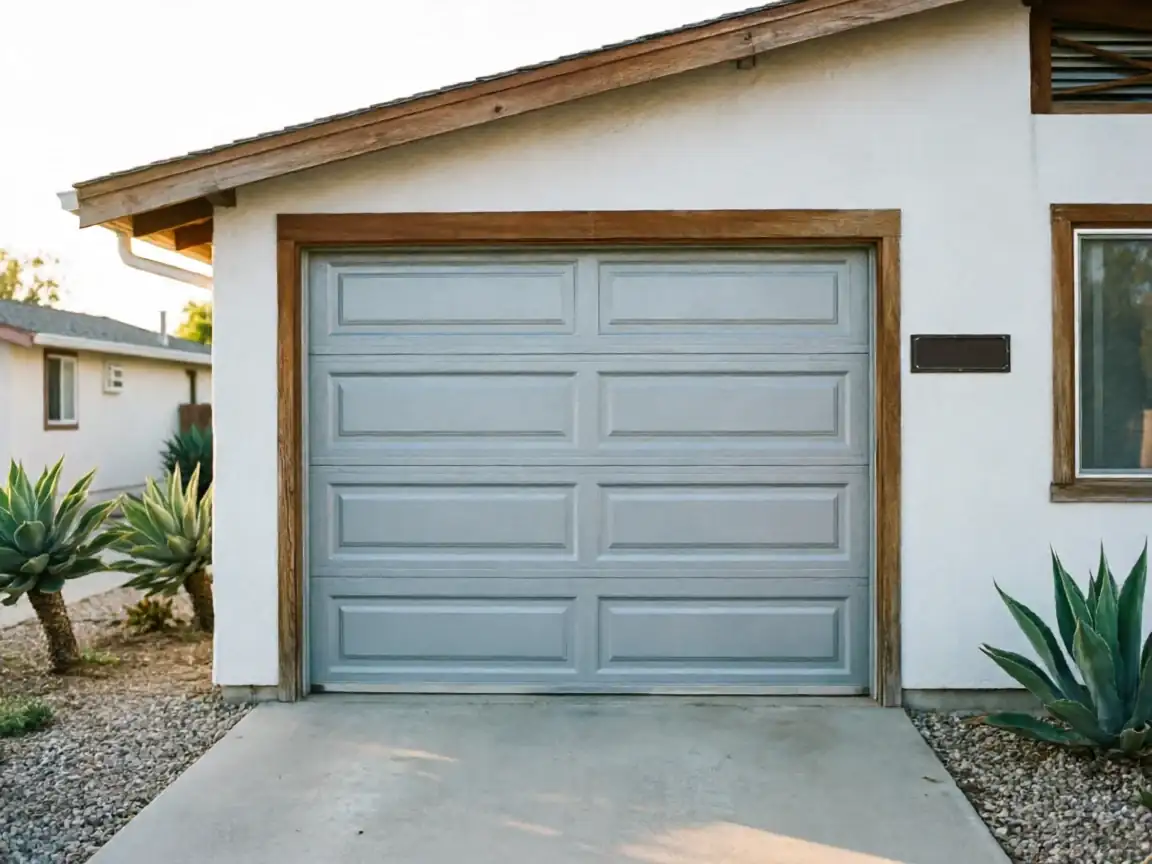
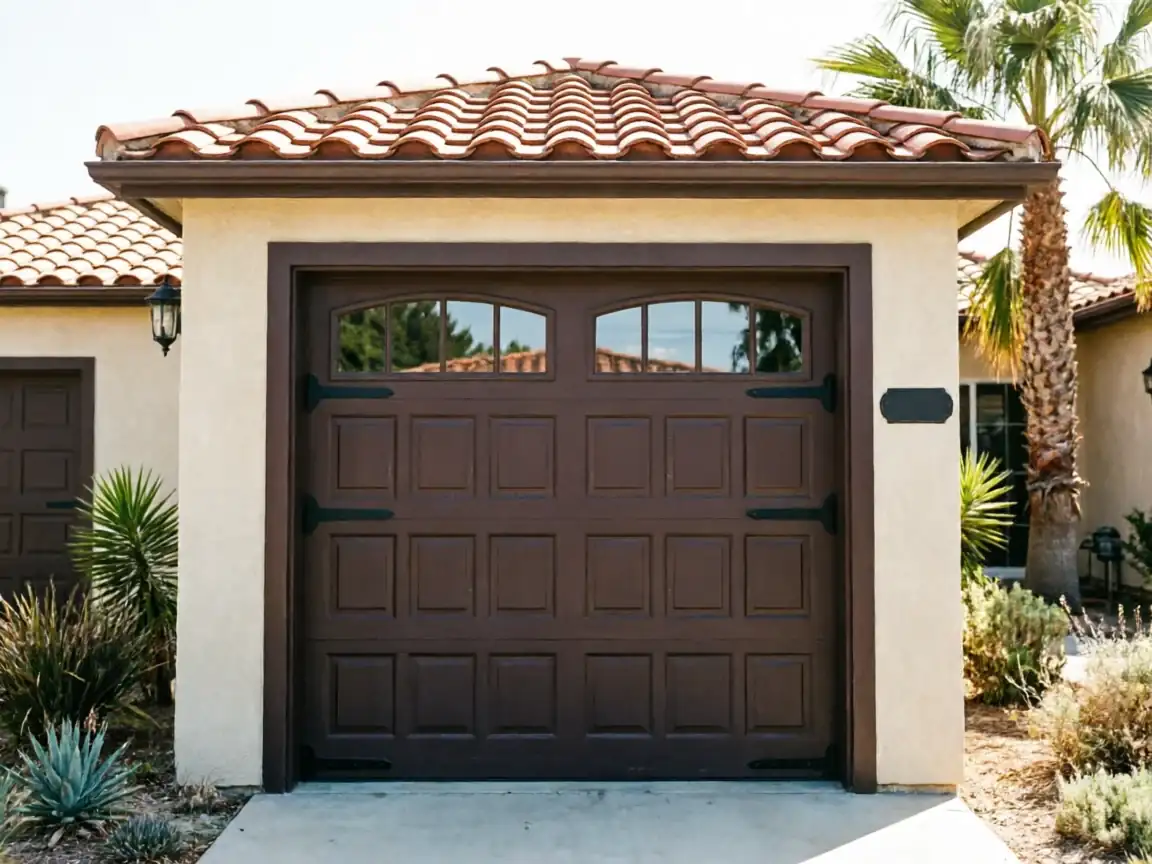
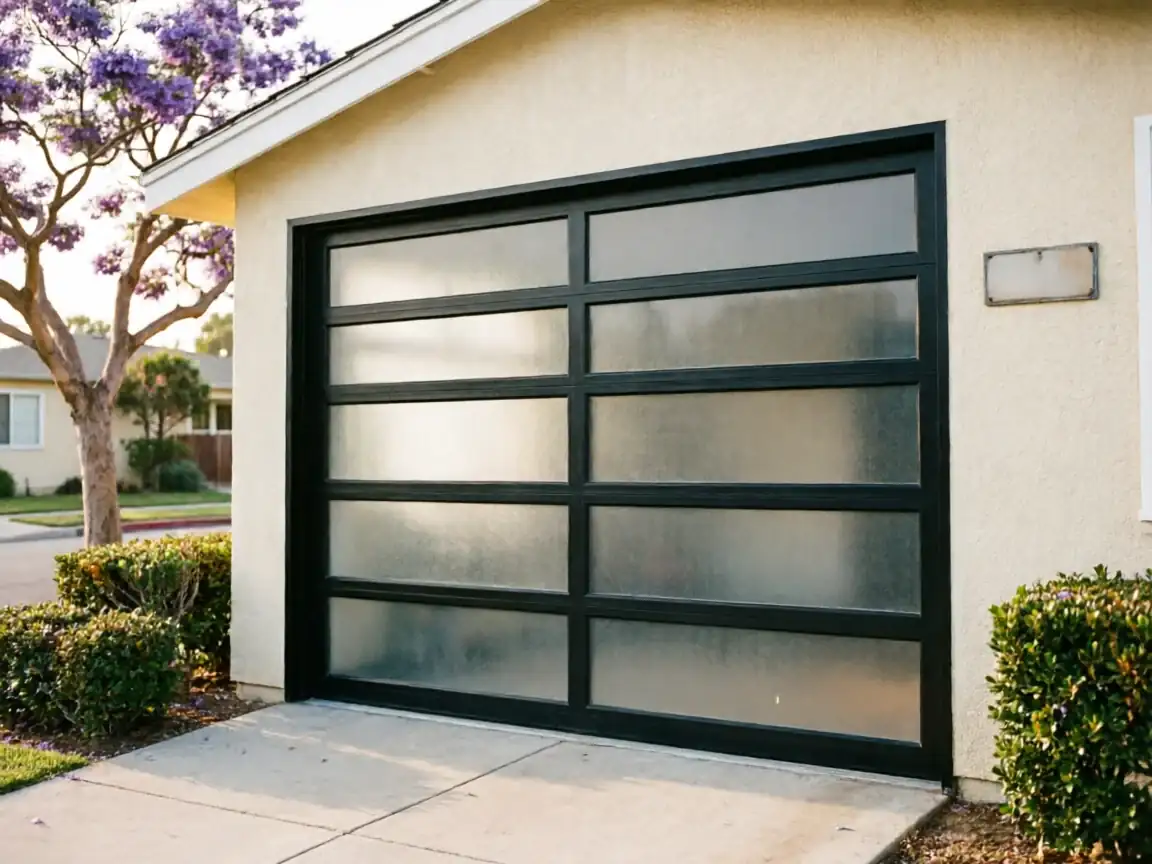
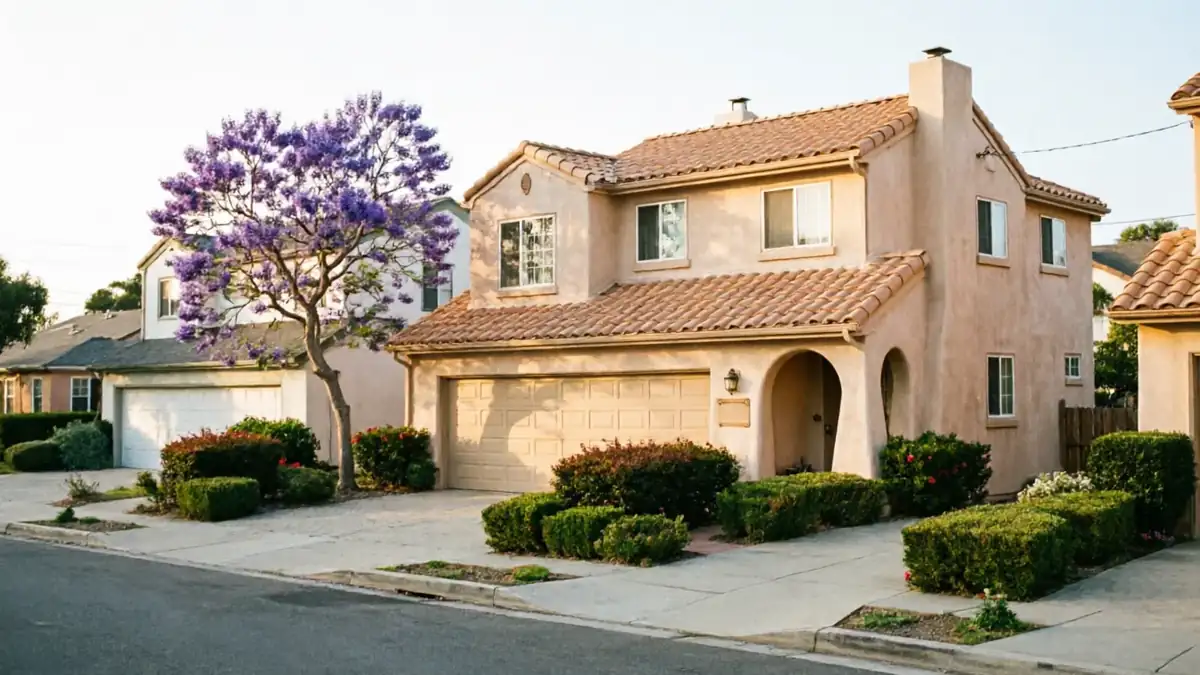
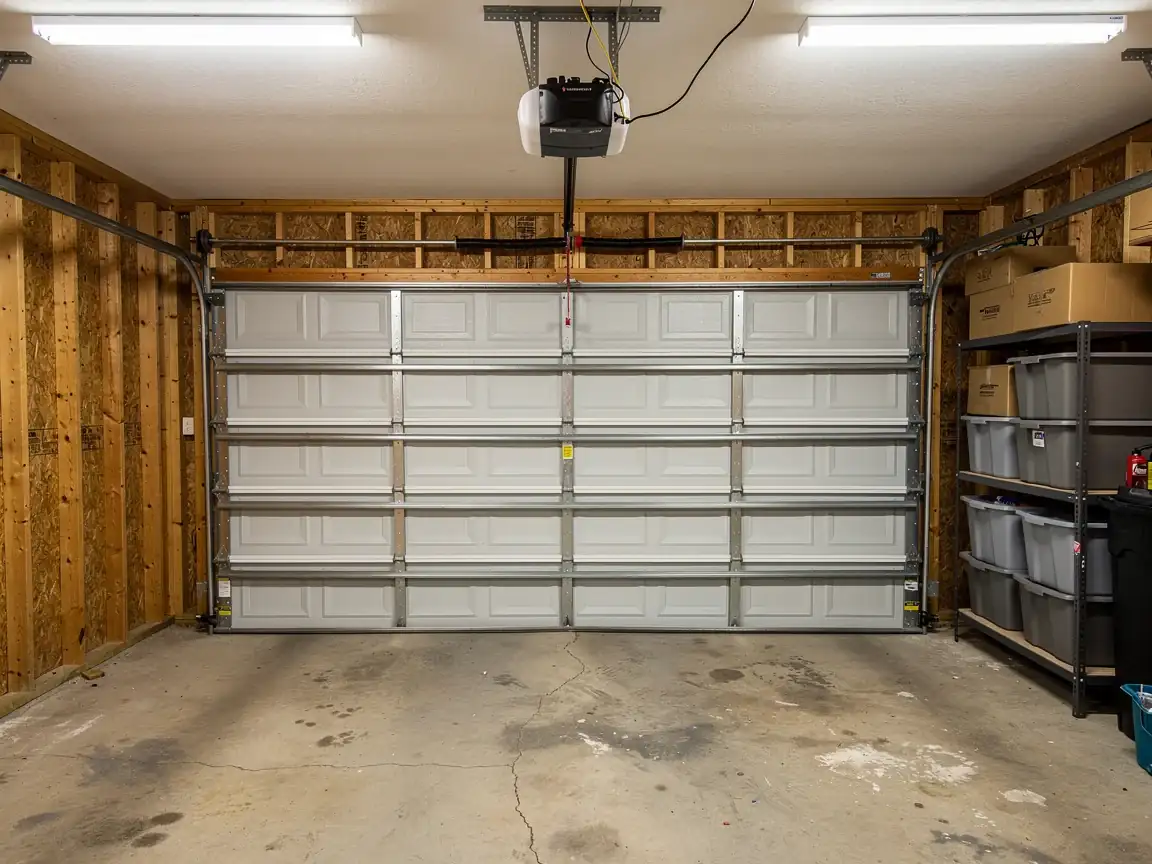
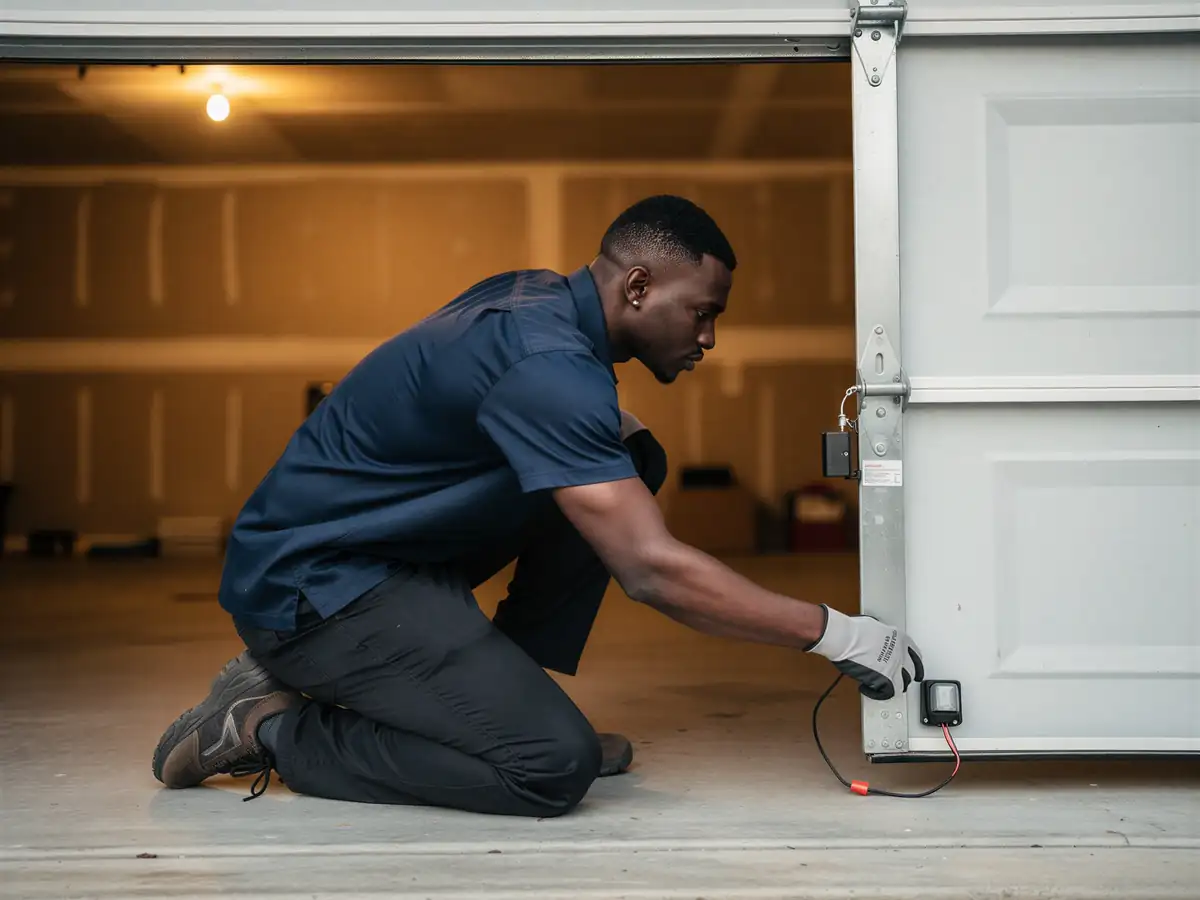
Granite Bay sits about 8 miles out from our Citrus Heights base, and the housing stock here runs newer than a lot of what we see closer in. The median build year in this area is 1987, which puts most garages on steel sectional doors with extension or torsion springs rated for taller openings than the older one-piece doors common in the 1960s and 70s tracts elsewhere in the service area. That's a different repair than what you'd find on pre-1980 construction: the drums, end bearings, and track gauge sized for an 1980s-era 7-foot or 8-foot door aren't interchangeable with the smaller hardware on older houses. If your opener is original to the house, it's likely a chain or belt drive from the late 80s or 90s - still common, still fixable, but the circuit boards and logic units in that era are getting harder to source new. We carry the universal replacements that cover most of what fails on them. One honest note: if your opener motor is original and has started grinding or stalling under load, replacing the motor head is usually cheaper and more reliable long-term than chasing a dying board with parts that may not exist anymore.
The Usual Work Here
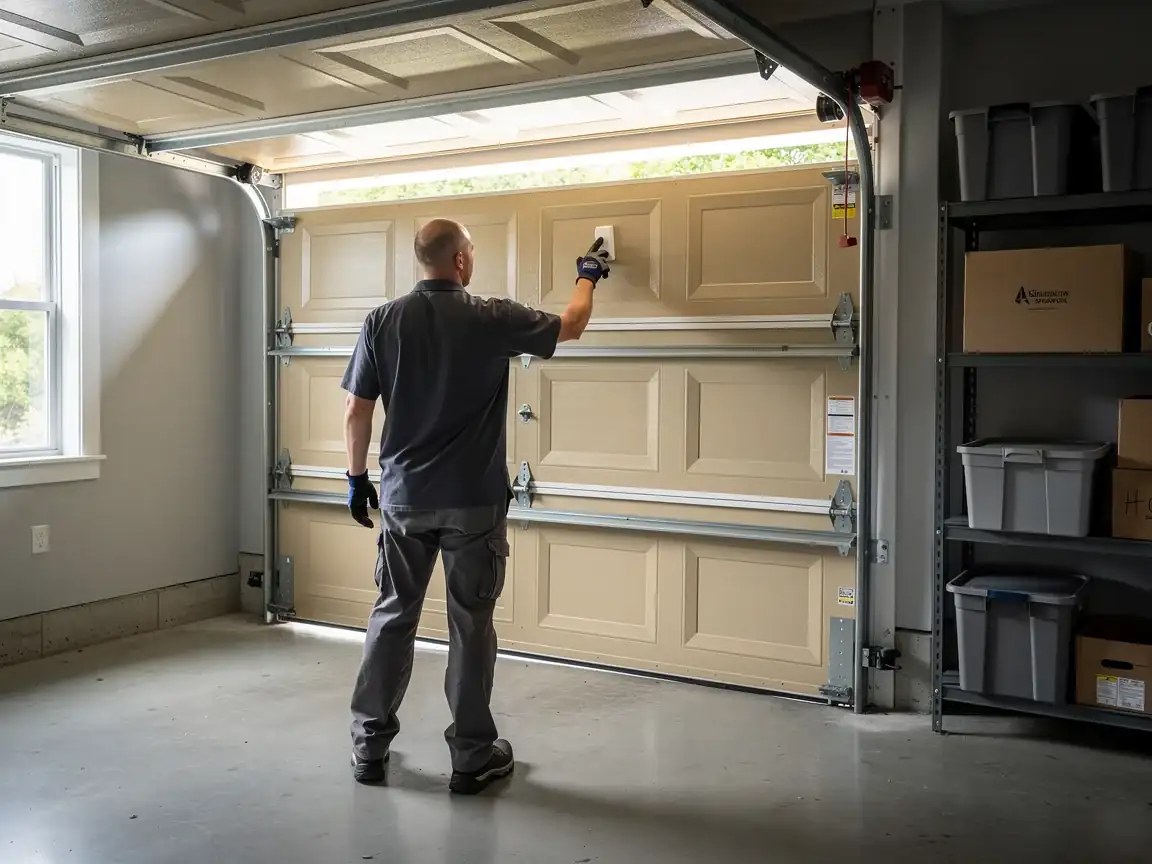
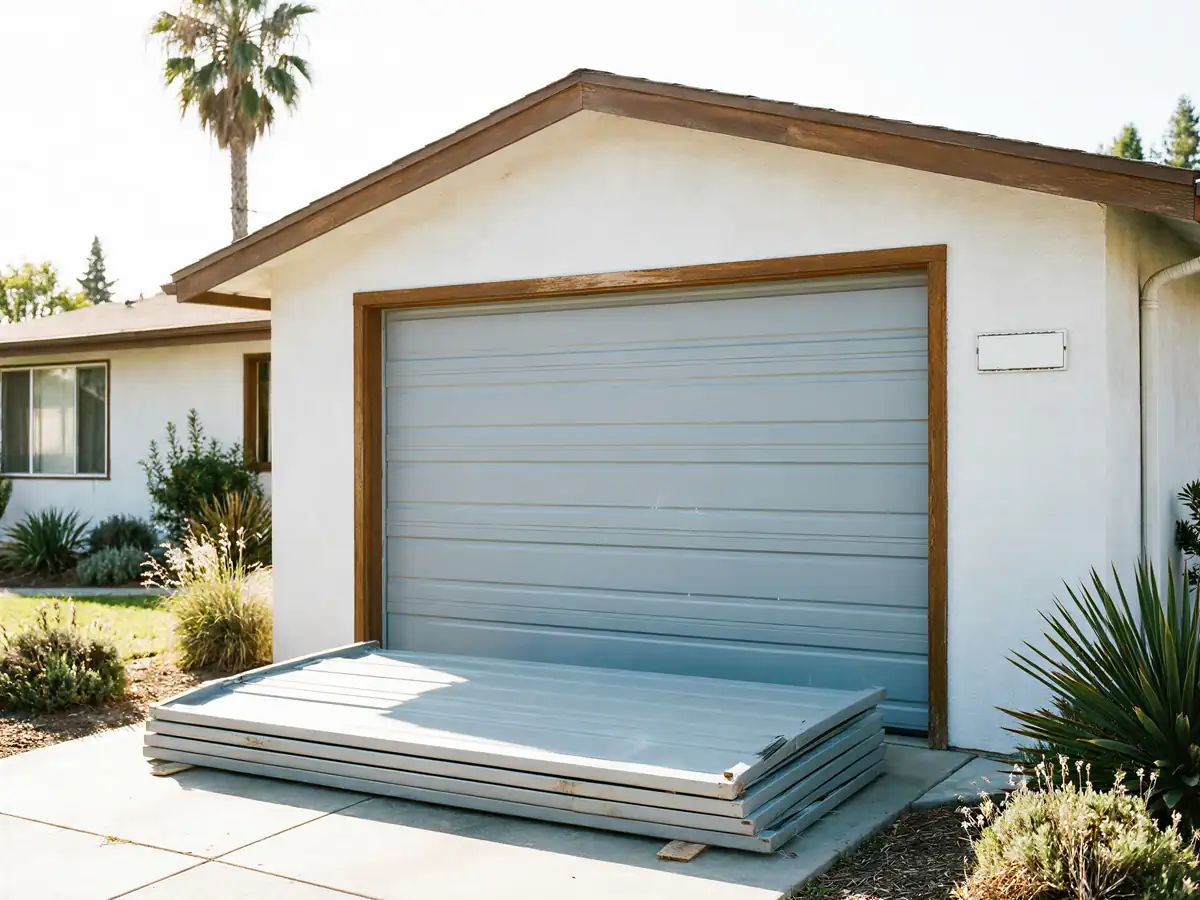
Granite Bay households skew higher-income than the broader service area - median household income here runs around $190,000, well above the $95,592 median across the full coverage footprint - and that shows up in the calls we get. Owners here are more likely to replace a failing opener outright rather than nurse it along, and more likely to ask about insulated steel doors or upgraded rollers when a spring job is already underway. We still see plenty of straightforward torsion spring replacements and broken cable calls, the same as anywhere, but the average job ticket tends to include an opener upgrade or a full hardware swap rather than a single-part patch. With roughly 7,476 households in this area, it's a smaller pocket than some of the denser tracts we cover, so we're not running multiple trucks through here daily - we plan the trip when we book the call.
What Neighbours Usually Call About
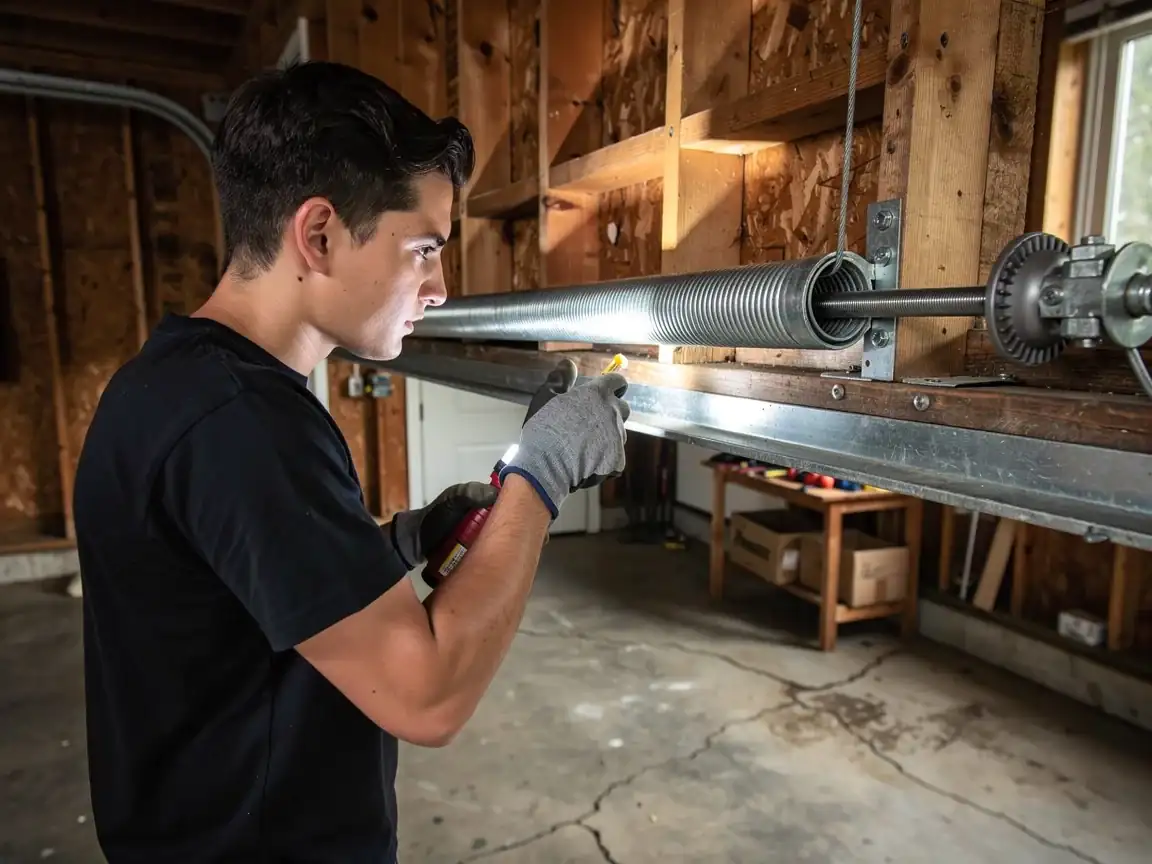
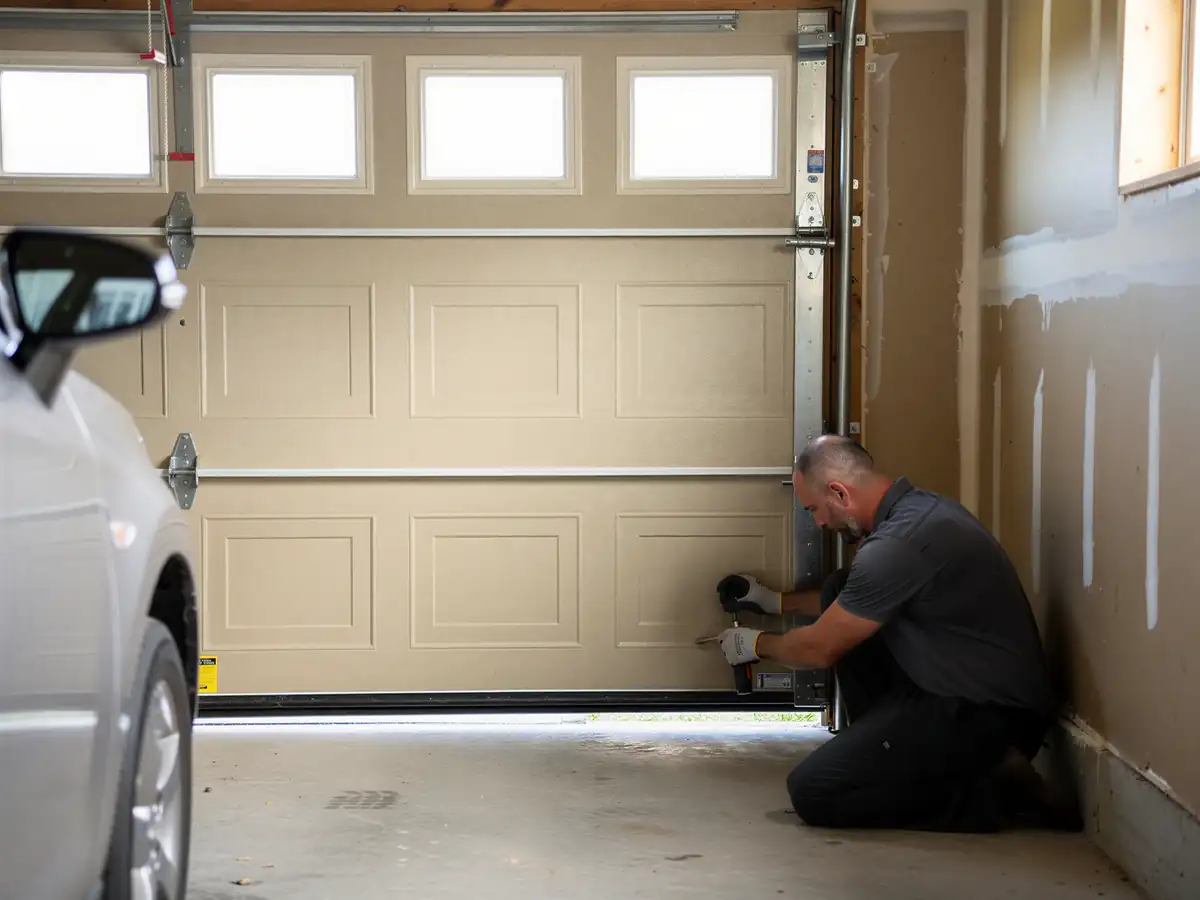
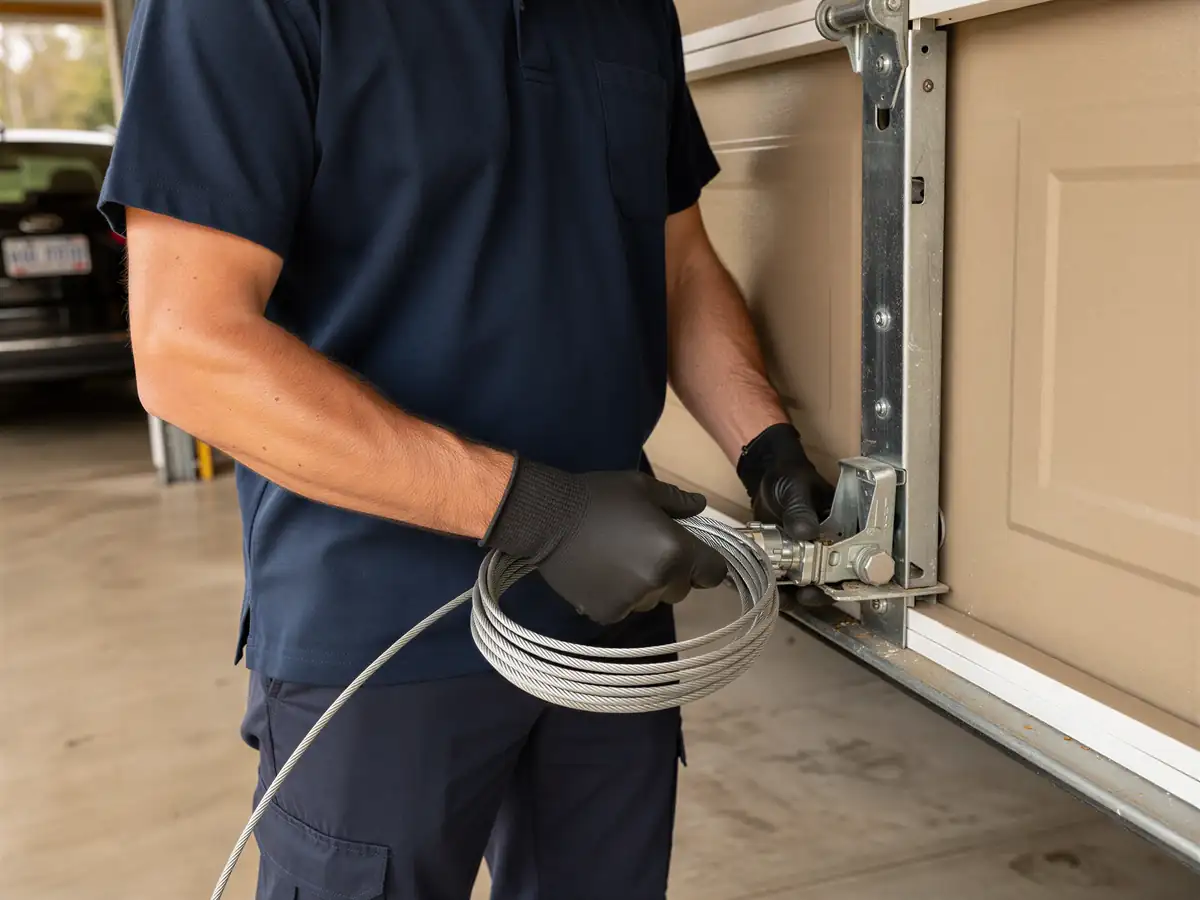
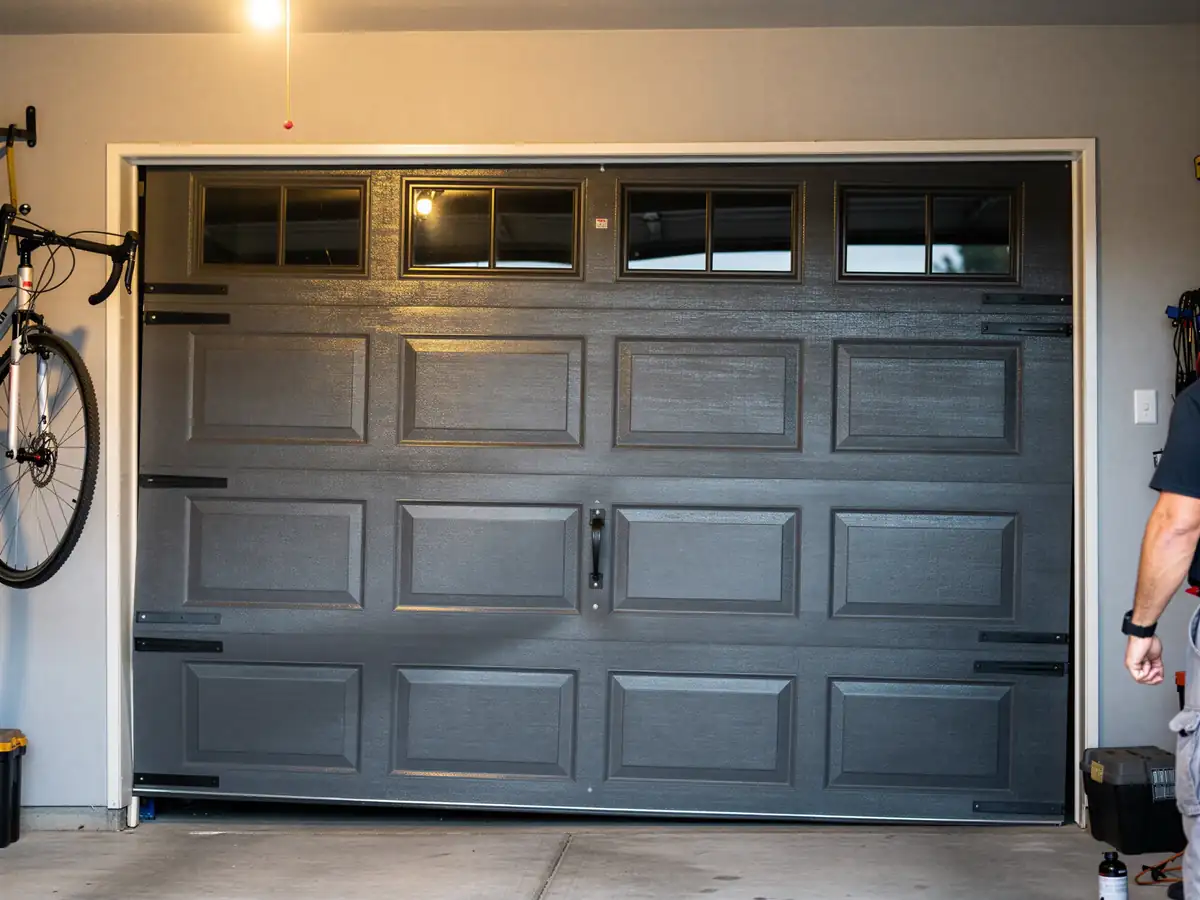
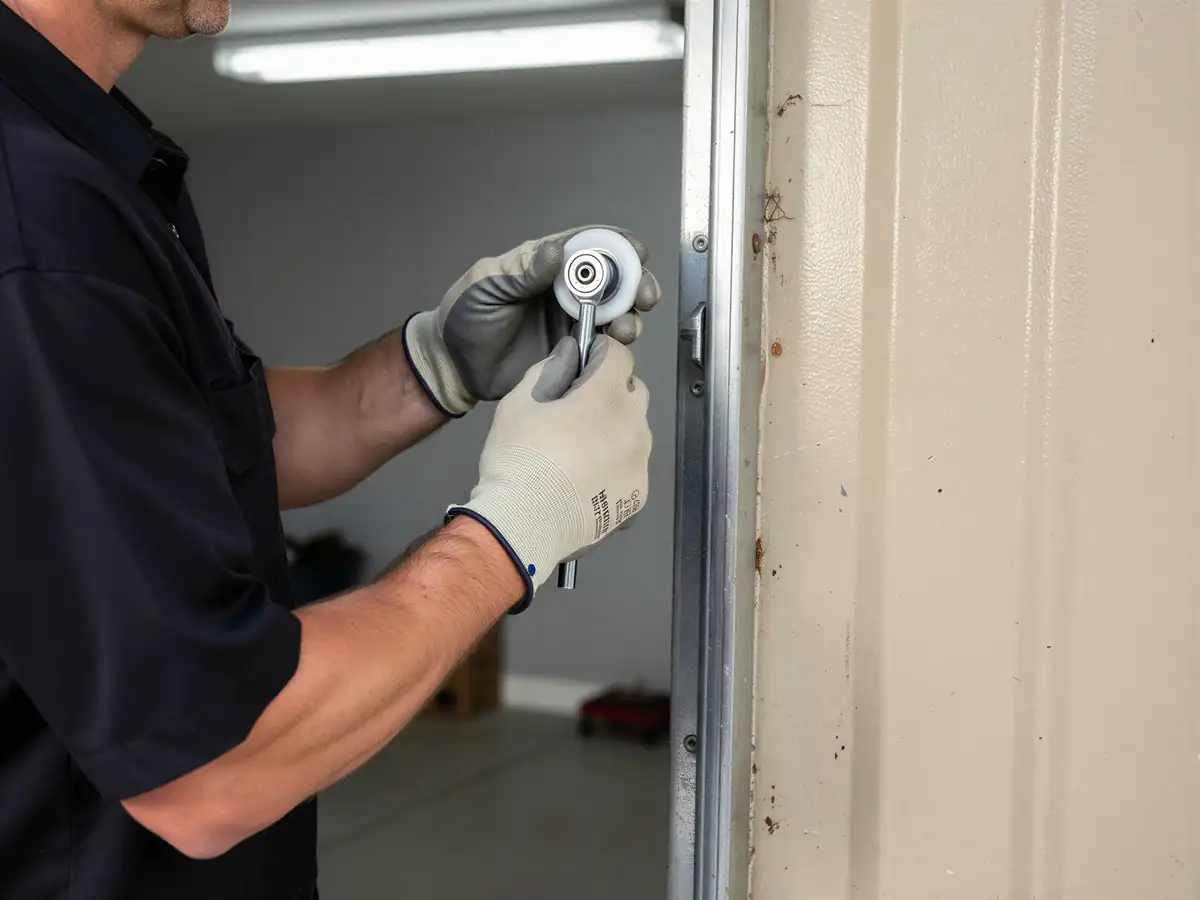
The most common call from this area is a torsion spring that's lost tension - the door feels heavy, won't stay up on its own, or the opener strains and reverses partway through closing. Second most common is a dead or failing opener logic board on a unit that's original to an 1980s or 90s-built house; by now those boards are near or past their expected service life. We also get calls about noisy rollers and tracks, which tracks back to the heat exposure this area gets - plastic and nylon rollers dry out and crack faster under repeated high-temperature cycles than they would somewhere cooler. Less common but not rare: a bent track from a car bump, or a cable that's frayed through after years of use without lubrication. What we don't do is chase a 30-year-old opener board indefinitely if a replacement head costs about the same and comes with a warranty - at some point patching an old unit stops making sense, and we'll tell you that straight instead of billing for a repair that won't hold.