What the Weather Here Does to It
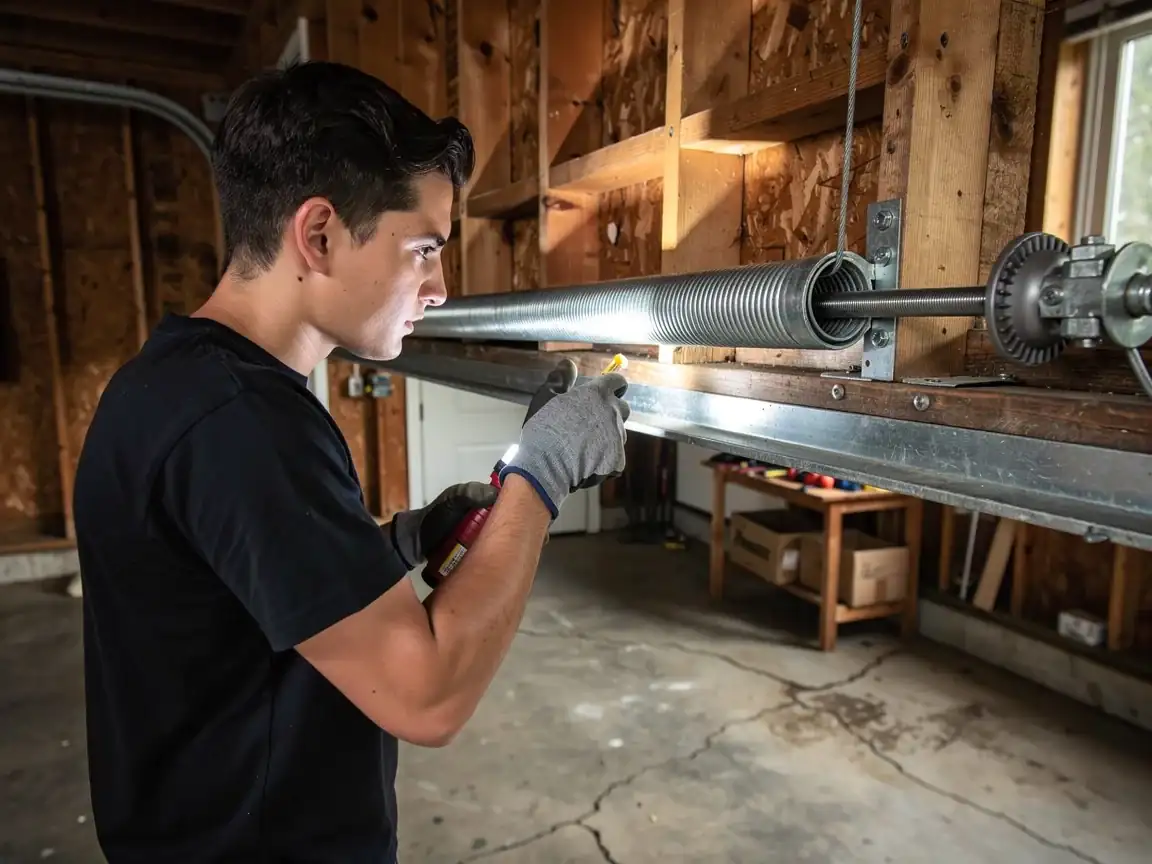
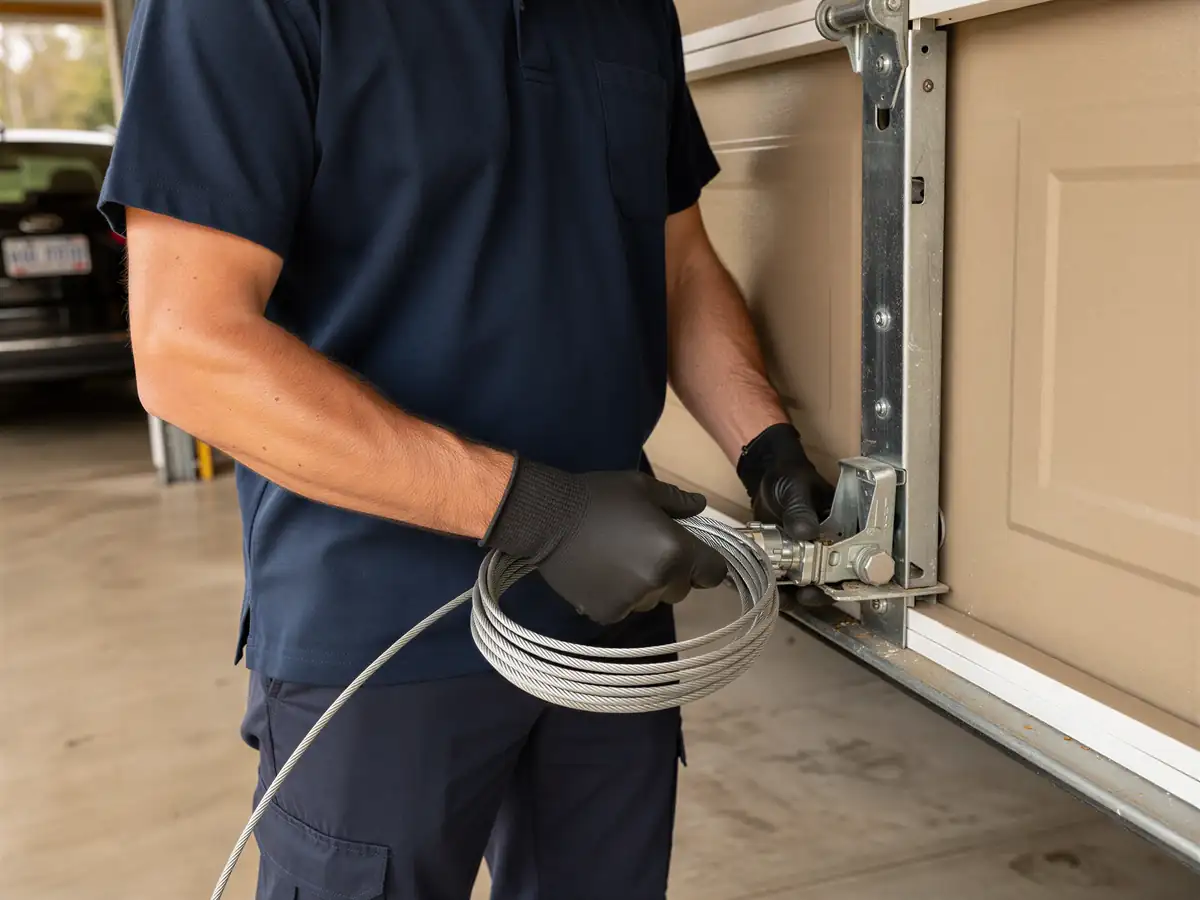
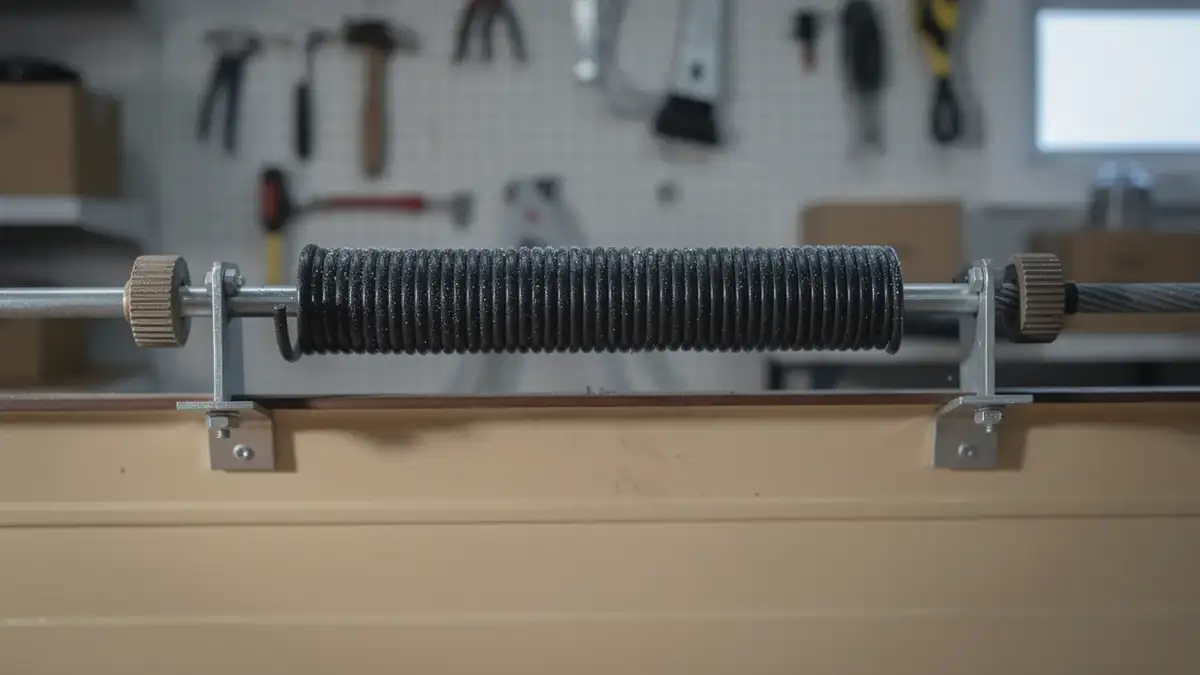
Citrus Heights sits in a severe-heat climate band, and that matters more to your garage door than most owners think. A torsion spring is a coil of tempered steel under constant tension, and heat is what accelerates the breakdown of that temper over years. Every summer the inside of an unconditioned garage here runs well past what the house itself sees, and that heat soak happens every single day for months. The spring doesn't fail because of one hot day - it fails because thousands of hot days wore the metal thin, cycle after cycle, until it's one cold morning away from snapping. That's the irony: the damage is done in July, but the break shows up in January, when a spring goes in cold weather because the metal contracts just enough to find the weak point heat already built. Openers see the same story. Gear-and-sprocket units with plastic components age faster in a hot garage, and the sensors and logic boards inside an opener housing that bakes all summer don't last as long as the spec sheet implies. None of this is unique to one house - it's baked into living here, full stop.
What Is Going On
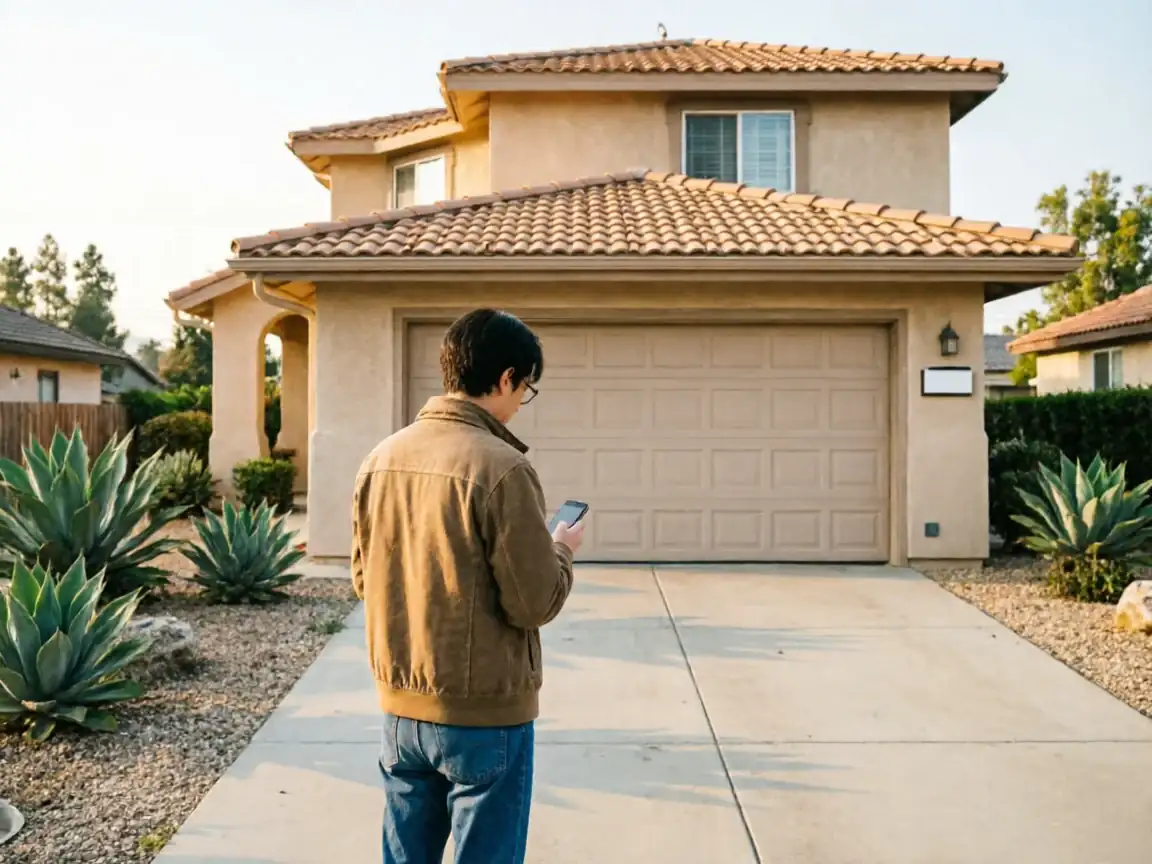
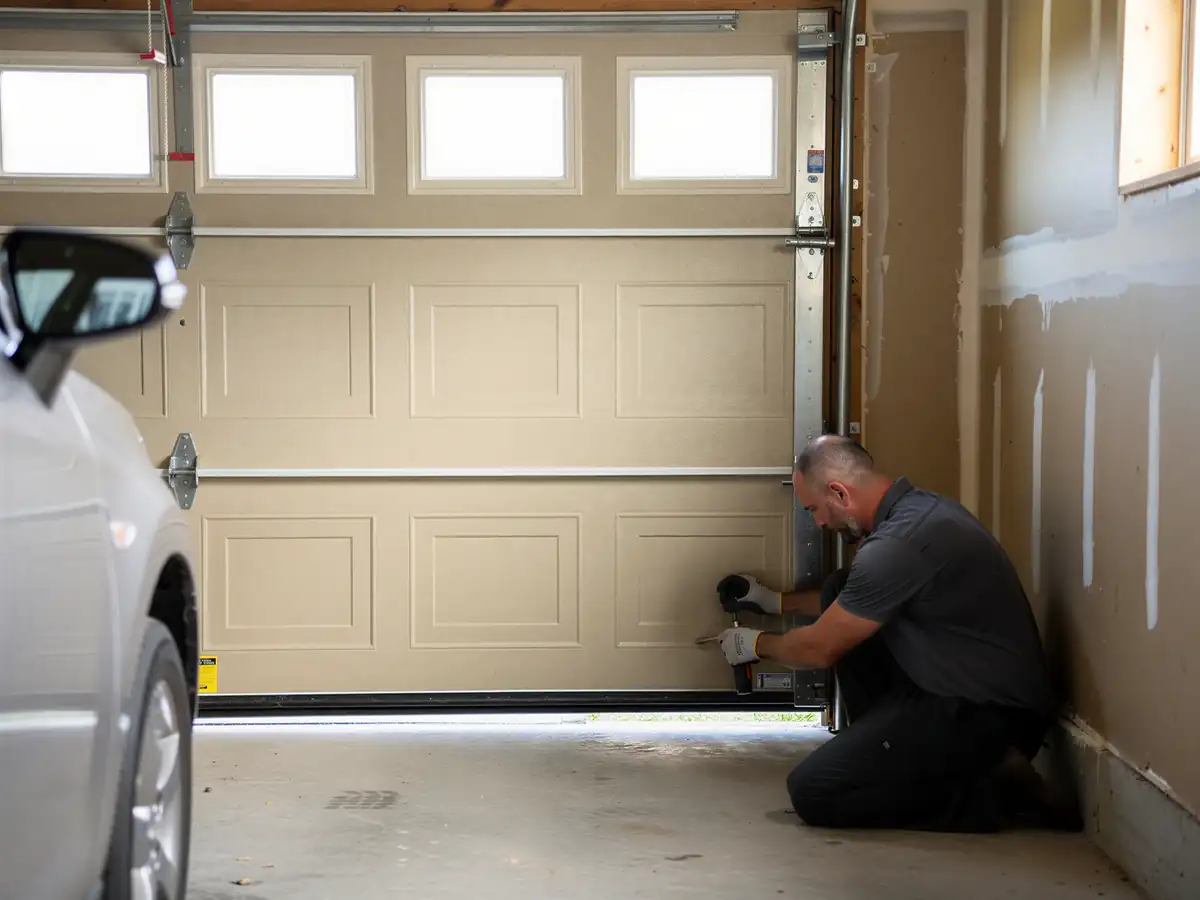
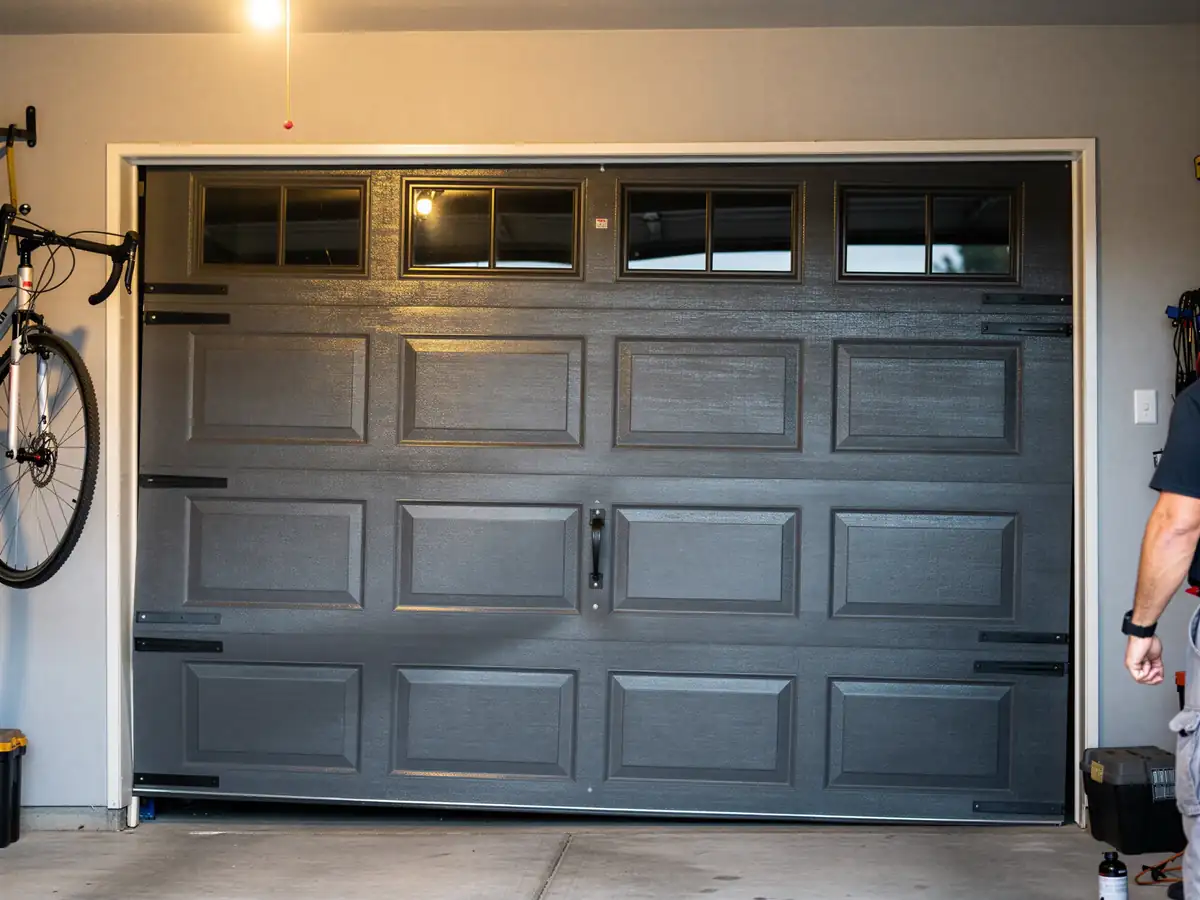
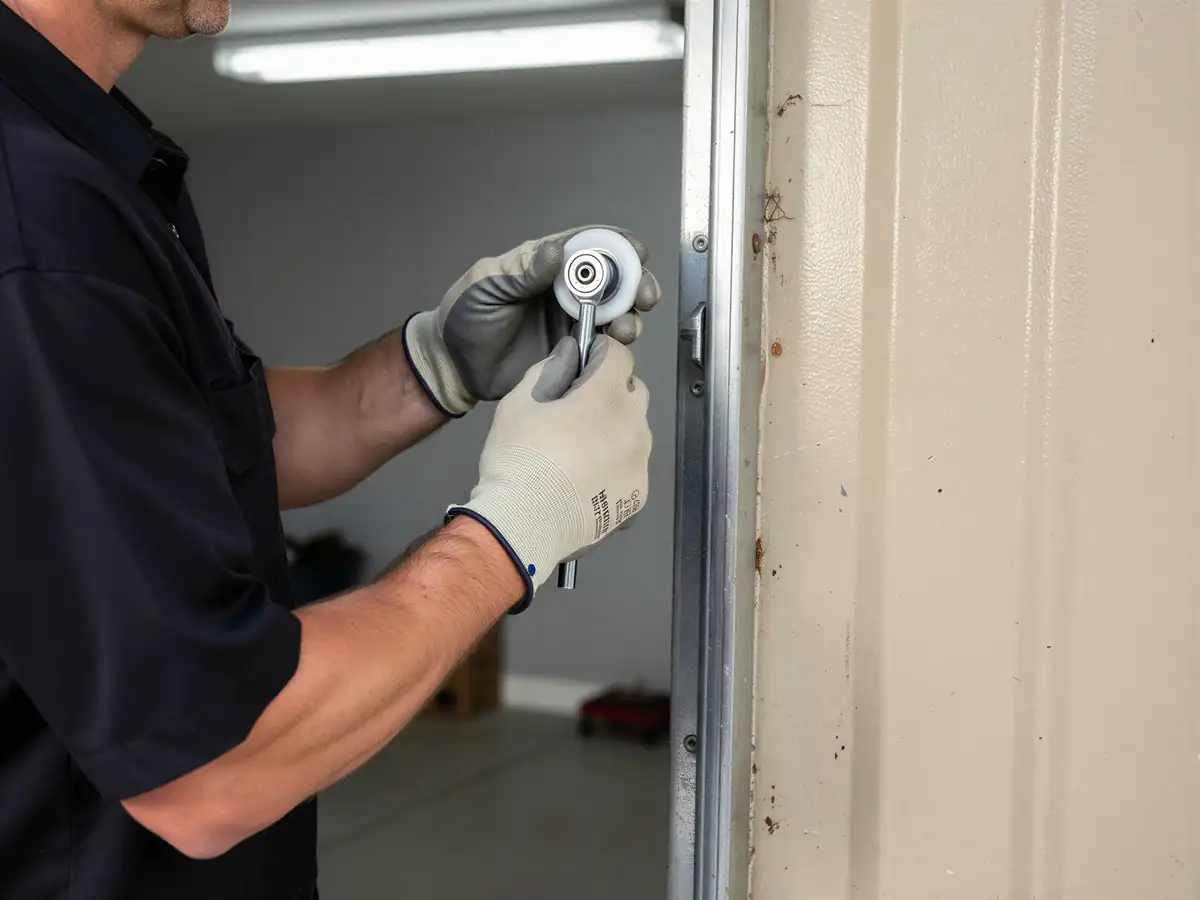
Most of the housing in this service area went up between 1962 and 2004, with the bulk of it dating to the 1980s and 90s across the 28 neighborhoods we cover, from Foothill Farms and Orangevale out to Antelope, North Highlands, and Carmichael. That means a huge share of the garage doors out there are original builder-grade hardware - the same torsion spring, the same steel rollers, the same relay-style opener that went in when the house was framed. A door that age has had thirty-plus summers of heat cycling on the same coil. We see the pattern constantly: a spring that looks fine, lifts the door fine, and then lets go on the first cold snap of the season. Tracks on houses from that era are also narrower than current code calls for, which means a slightly bent track - from a bumped car or a settling slab - binds harder and faster than it would on a newer install. If your house falls in that 1962-2004 window and nothing's been replaced, the hardware is doing exactly what thirty-year-old steel does.
When Waiting Is Fine
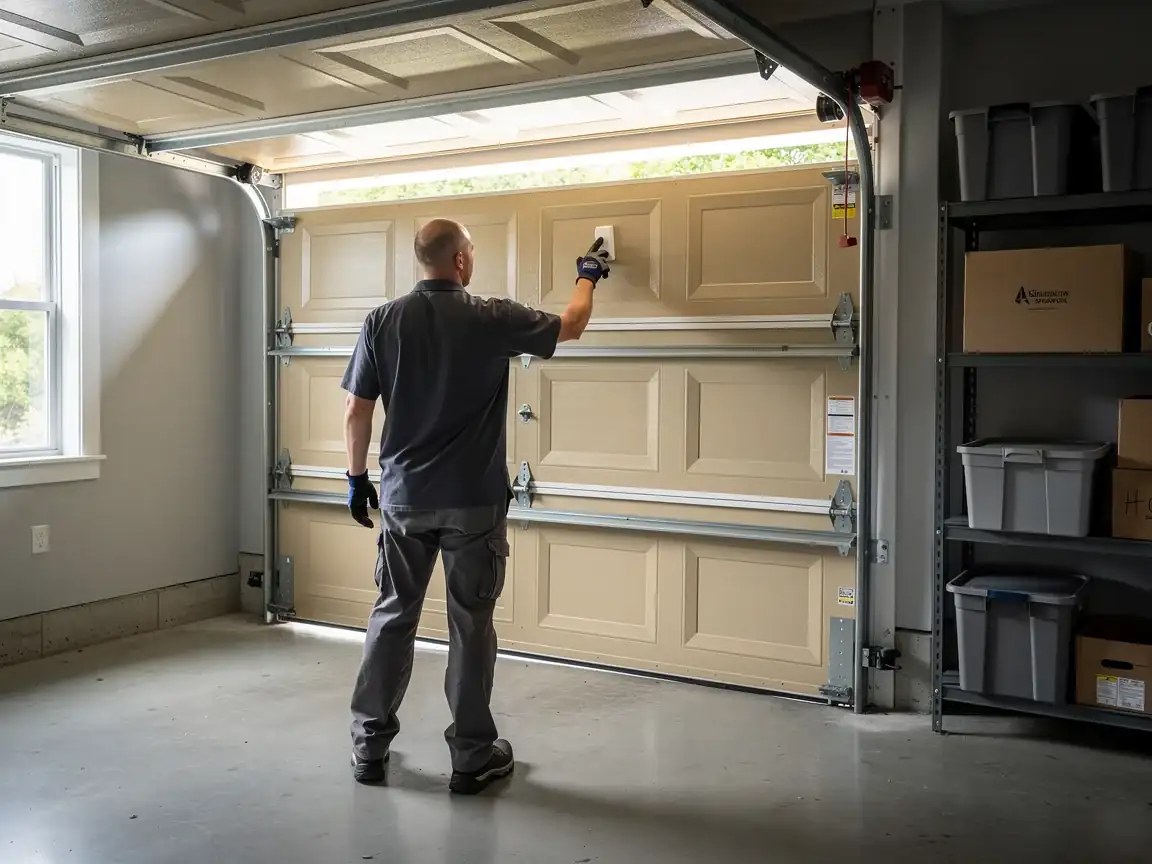
Not every noise or stiff spot means call today. If the door still opens and closes smoothly and you just noticed a little more noise on the lift, that's worth watching, not panicking over - especially if the door hasn't seen a full spring cycle count check in a while. If it's a two-car double door built in the 80s or 90s and it's still running on the original spring, you're closer to the end of that coil's life than the beginning, but a spring under tension can hold for weeks or months before it finally lets go. Where we'd tell you not to wait: if the door is noticeably harder to lift by hand than it used to be, or if you hear a loud bang and the door won't budge - that's the spring, and it's done, not slowing down. One honest limitation: we don't carry every obsolete bracket or drum size for every builder-grade door from this era off the truck, so a repair on an original 1960s-70s setup sometimes means a short wait on a part rather than a same-visit fix.