Can You Do This Yourself
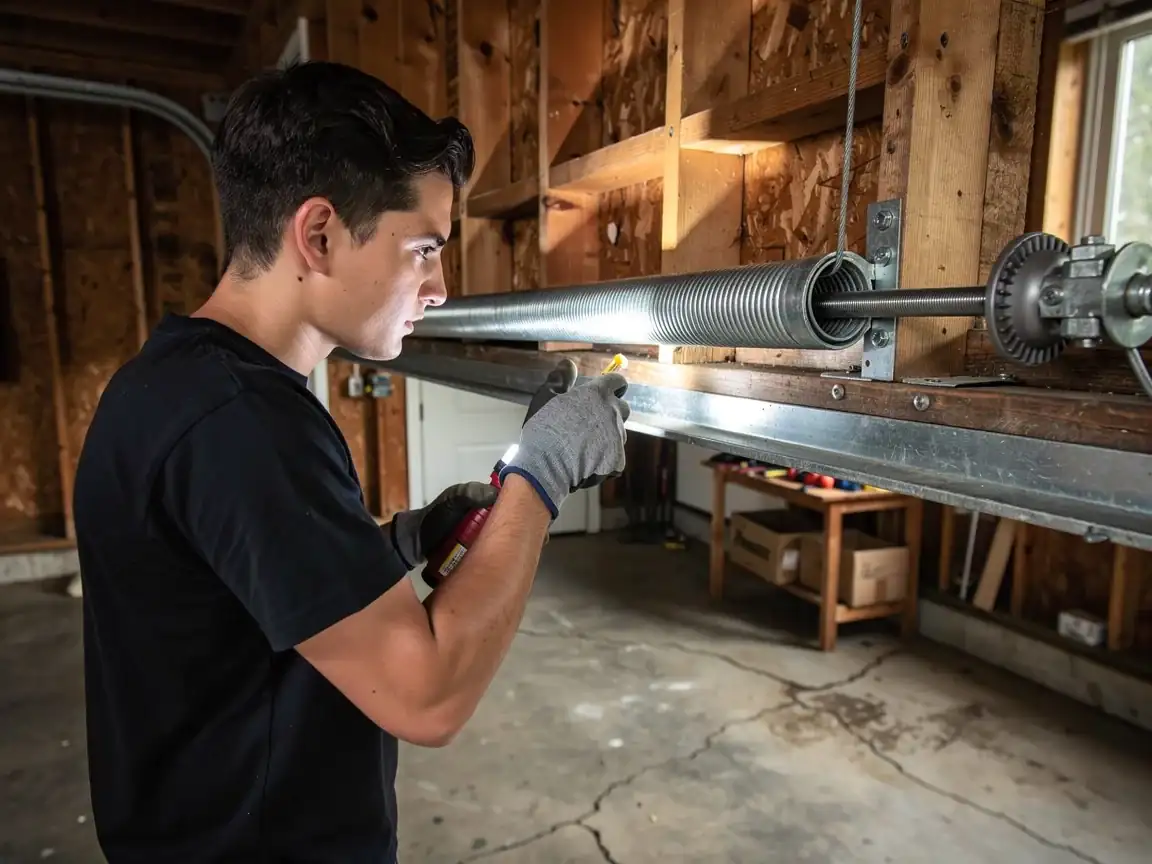
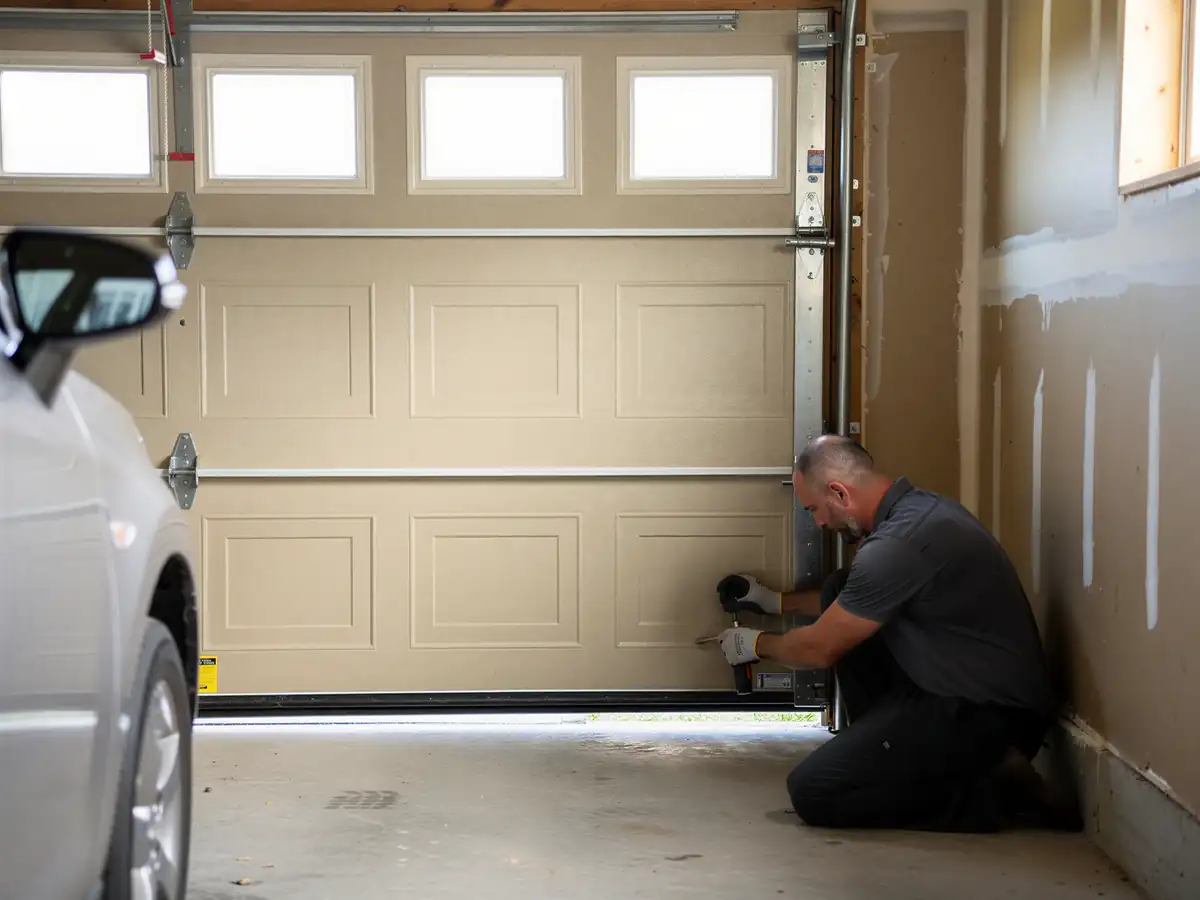
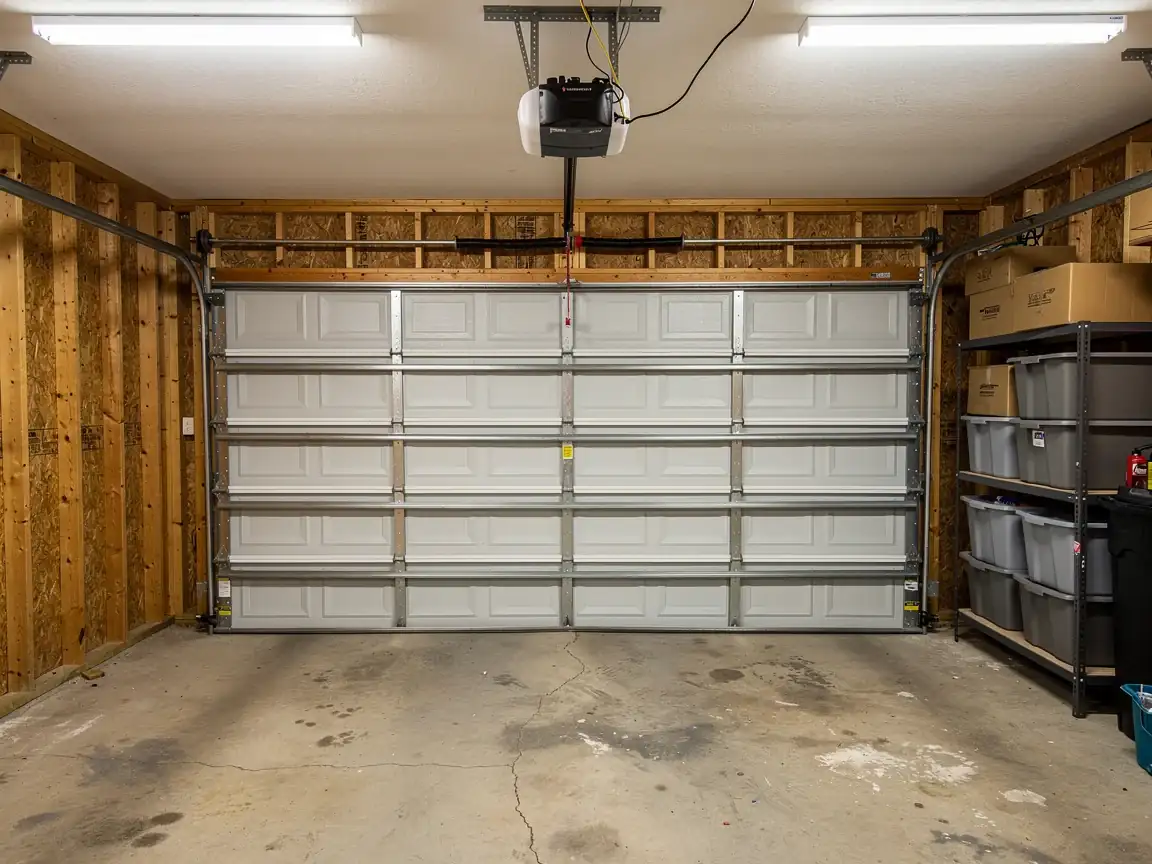
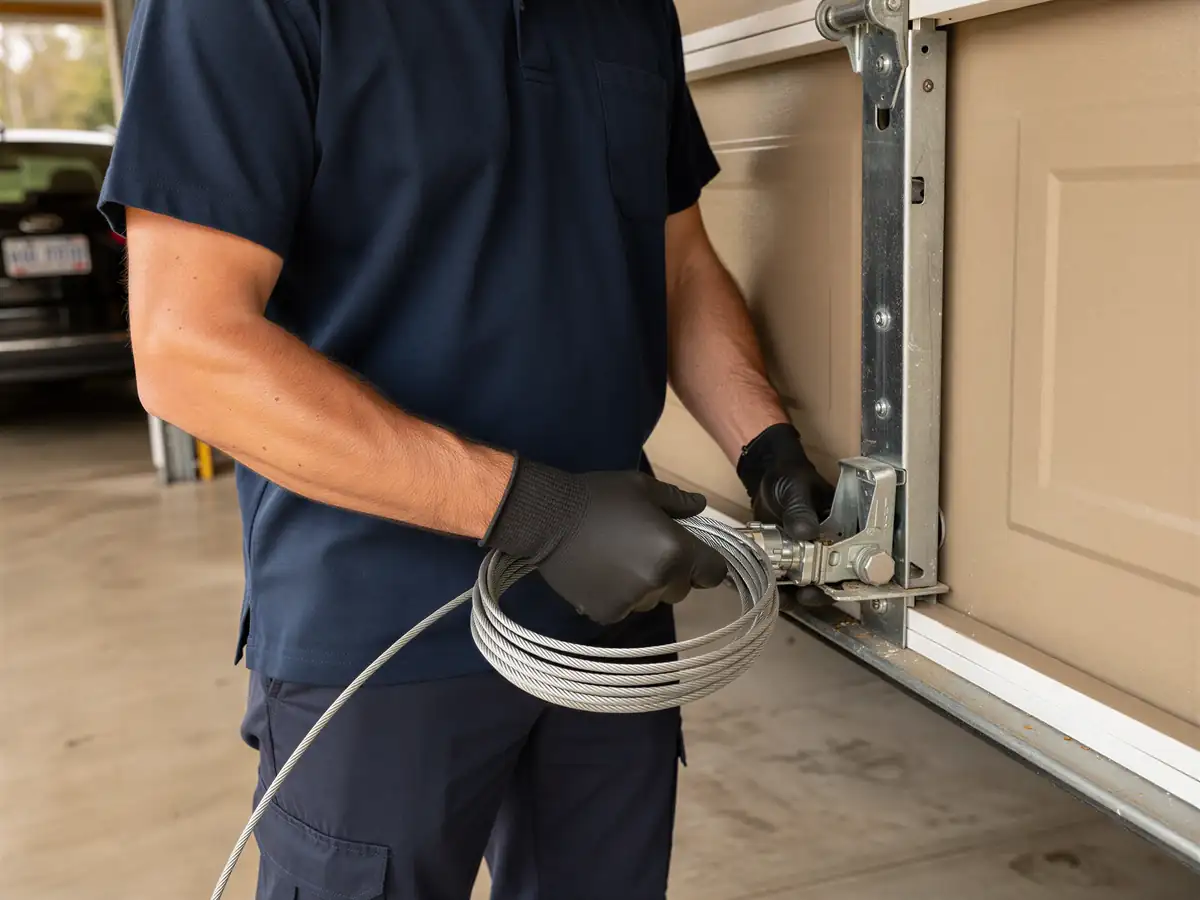
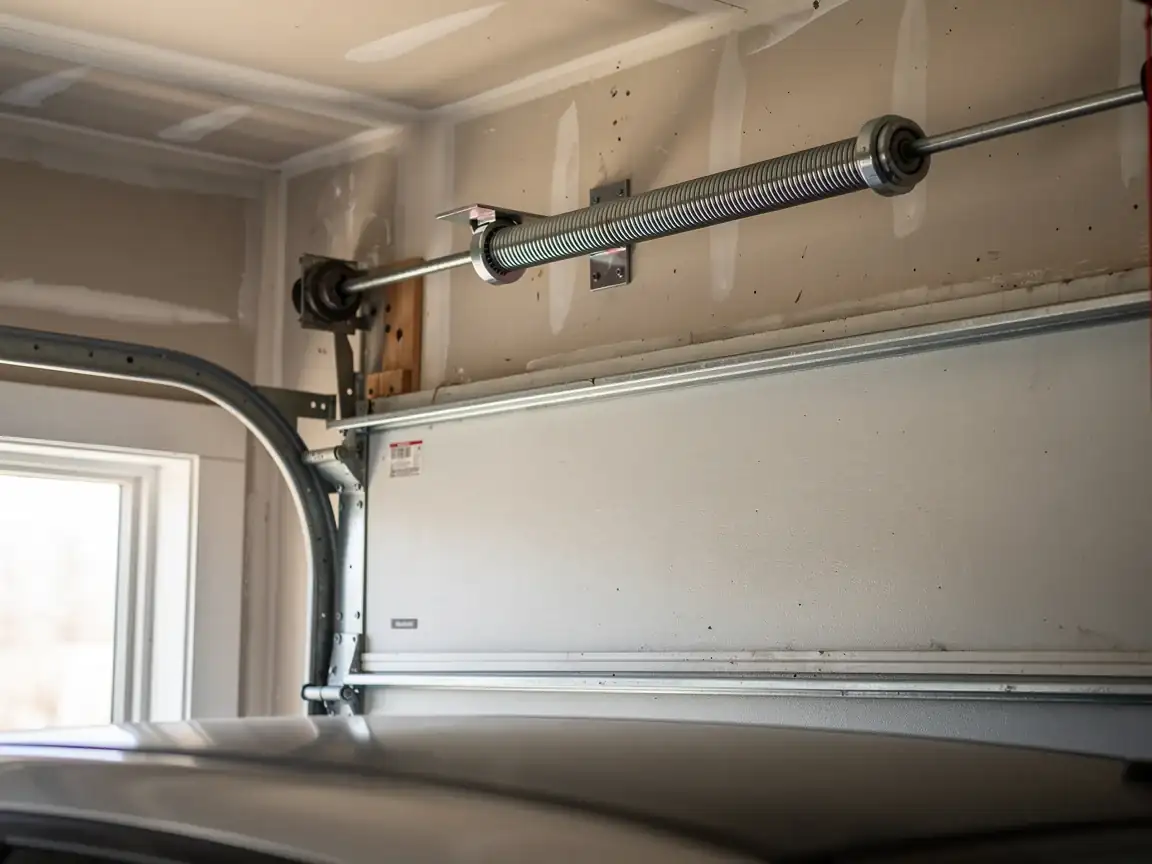
Some of it, yes. Tightening loose hinge bolts, clearing a dirty photo-eye sensor, lubricating hinges and rollers with the right product instead of WD-40 - that's homeowner work and it's worth doing twice a year. What isn't homeowner work is anything involving the torsion spring above the door. That spring is under enough tension to break a bone or worse if it lets go while you're near it. Same goes for cable replacement and any adjustment to the spring winding cones. If your door is one of the many in Citrus Heights built during the 1962-2004 boom, there's a decent chance the spring system is original or close to it, and a spring that old doesn't give much warning before it fails. If you're hearing a loud bang from the garage and the door won't budge, that's almost always a broken spring, not something to troubleshoot with a wrench. We'll be straight with you: a lot of service calls we get are for jobs a homeowner tried first and made worse, usually by forcing an opener that's fighting a broken spring. If you're not sure which category your problem falls into, call before you touch it.
Why This Fails Locally
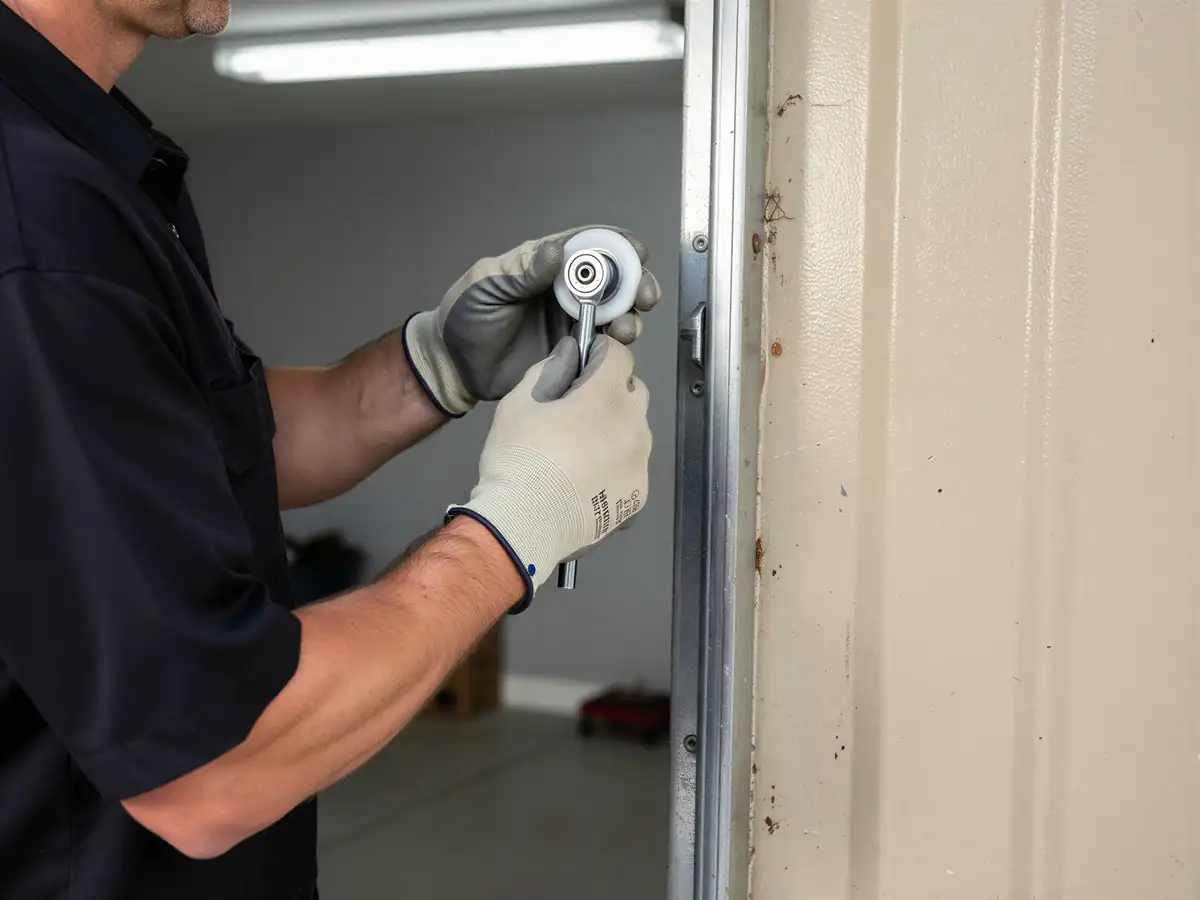
A big share of the houses in and around Citrus Heights went up between 1962 and 2004, with most of that stock dating to the 1980s and 90s across the 28 named neighborhoods in this service area. That means thousands of garages still running factory-original torsion springs, steel rollers, and openers that were never rated for the duty cycle a modern household puts on a door. Pair that housing age with our severe heat band and you get a specific failure pattern: steel springs that have cycled through 30-plus summers of expansion and contraction fatigue faster than the rated cycle count suggests, and nylon rollers that go brittle and crack rather than wearing down evenly. Openers from that era also used gear sets and capacitors that weren't built to run in a garage that regularly sits well above 100 degrees for stretches of the summer. None of this is a Citrus Heights-specific design flaw - it's just what 40-plus years of heat does to hardware nobody's replaced. The result is a town with a lot of doors that look fine, run fine, and then fail without warning on the hottest week of the year, which is exactly when we see call volume spike.
The Symptom
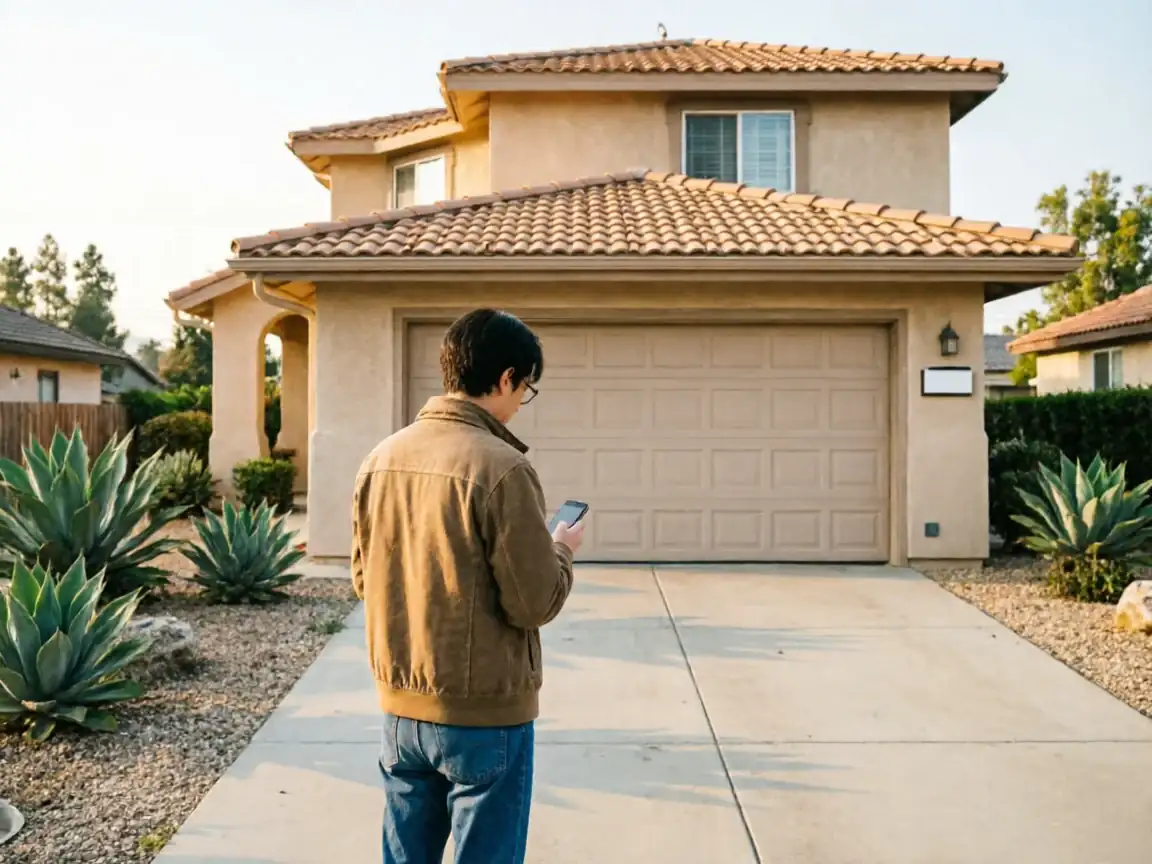
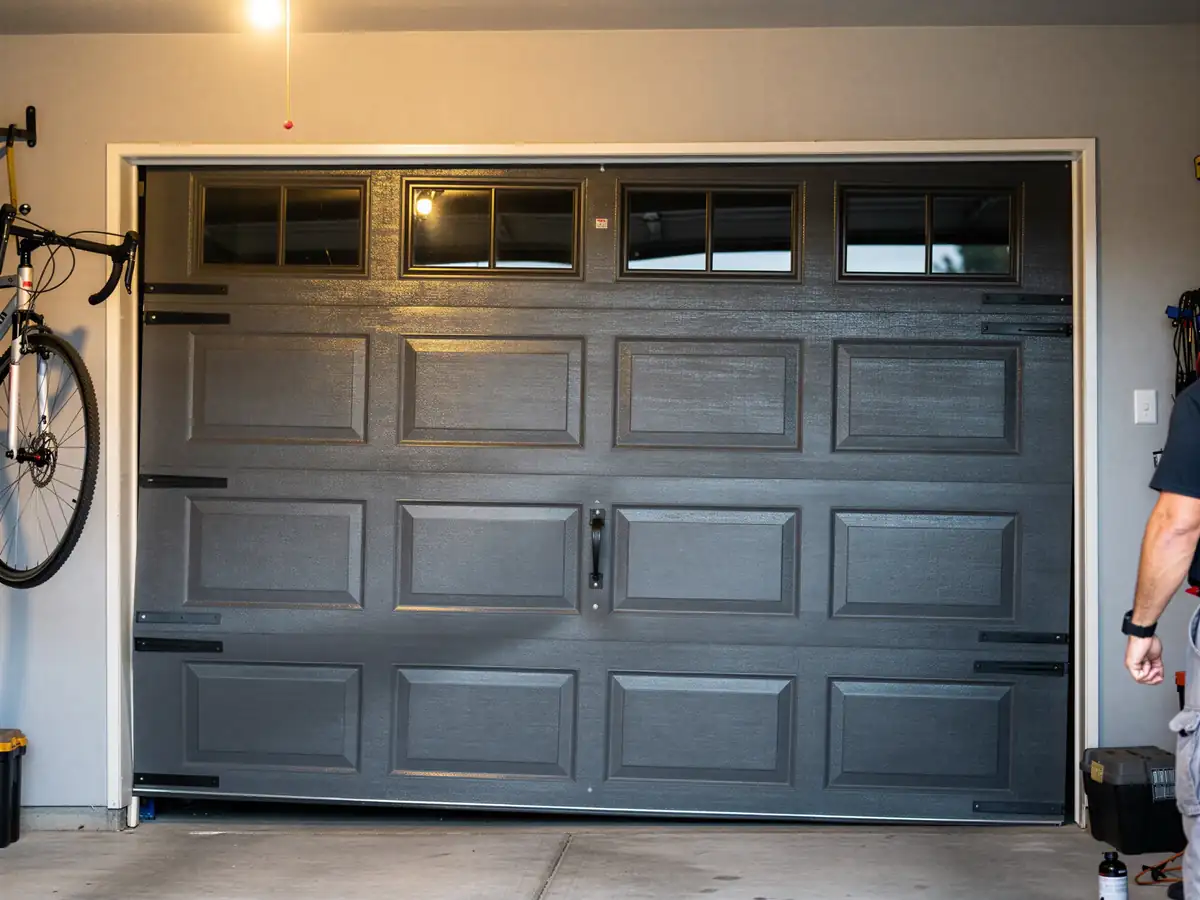
The most common call we get from this part of the service area is a door that was working fine, then suddenly won't lift, or lifts a few inches and stops, often right around the hottest part of the afternoon. That's consistent with a spring that's been quietly losing tension for years and finally lets go under heat-expanded metal and the load of the door. A second common pattern: the opener runs, you hear the motor, but the door doesn't move, or moves then reverses - that's usually a broken cable or a track that's bound up, not the opener itself. Given how much of the housing stock here dates to 1962-2004, both of these point back to the same root cause: original hardware that's simply aged out under a heat load it was never going to beat forever. If your door is doing either of these things, don't keep hitting the remote. Repeated attempts with a broken spring or cable put more strain on the opener's drive gear, and that turns a spring job into a spring-plus-opener job.