The Complications
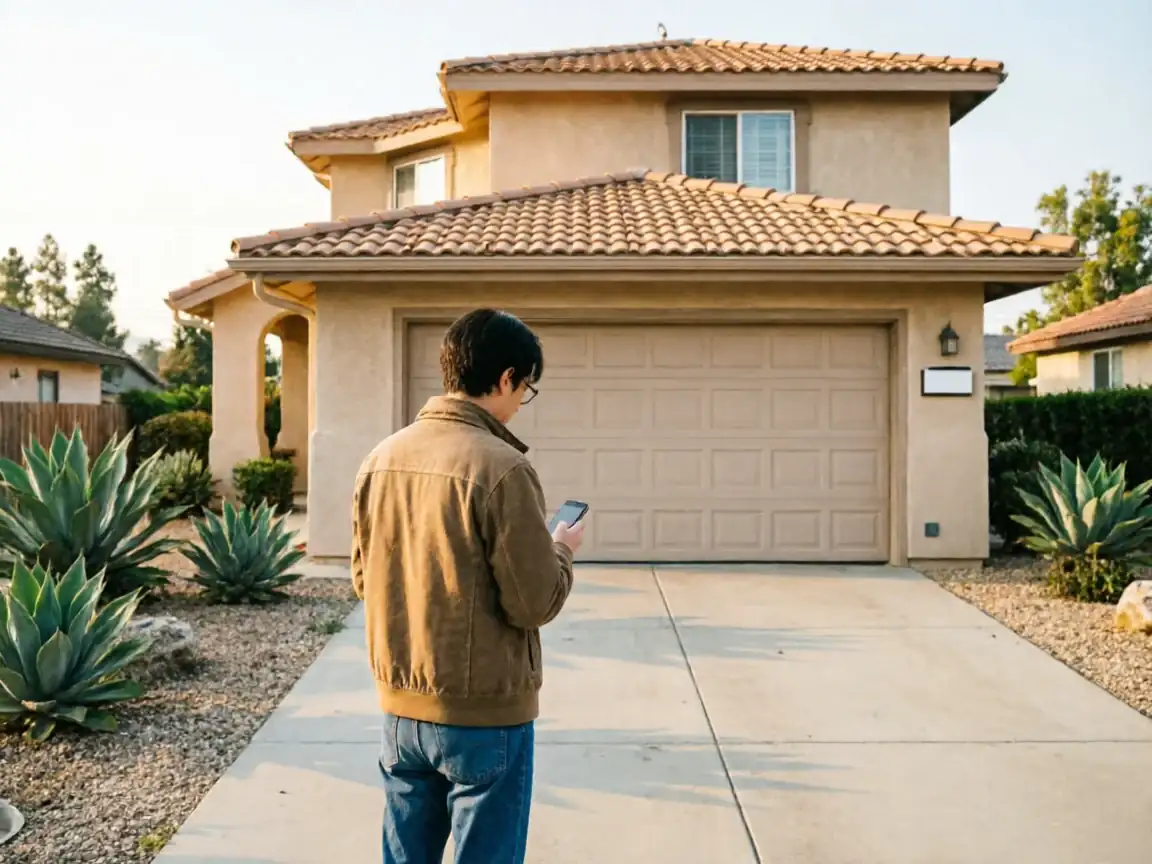
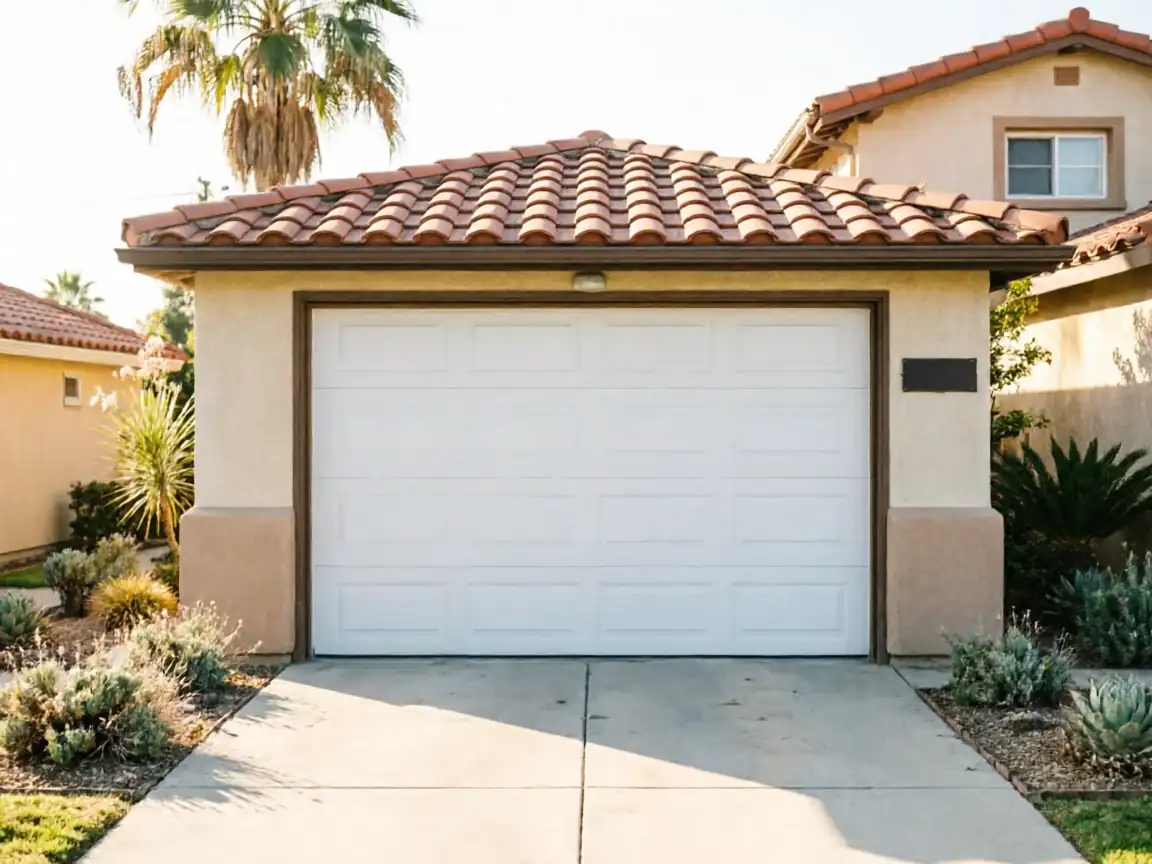
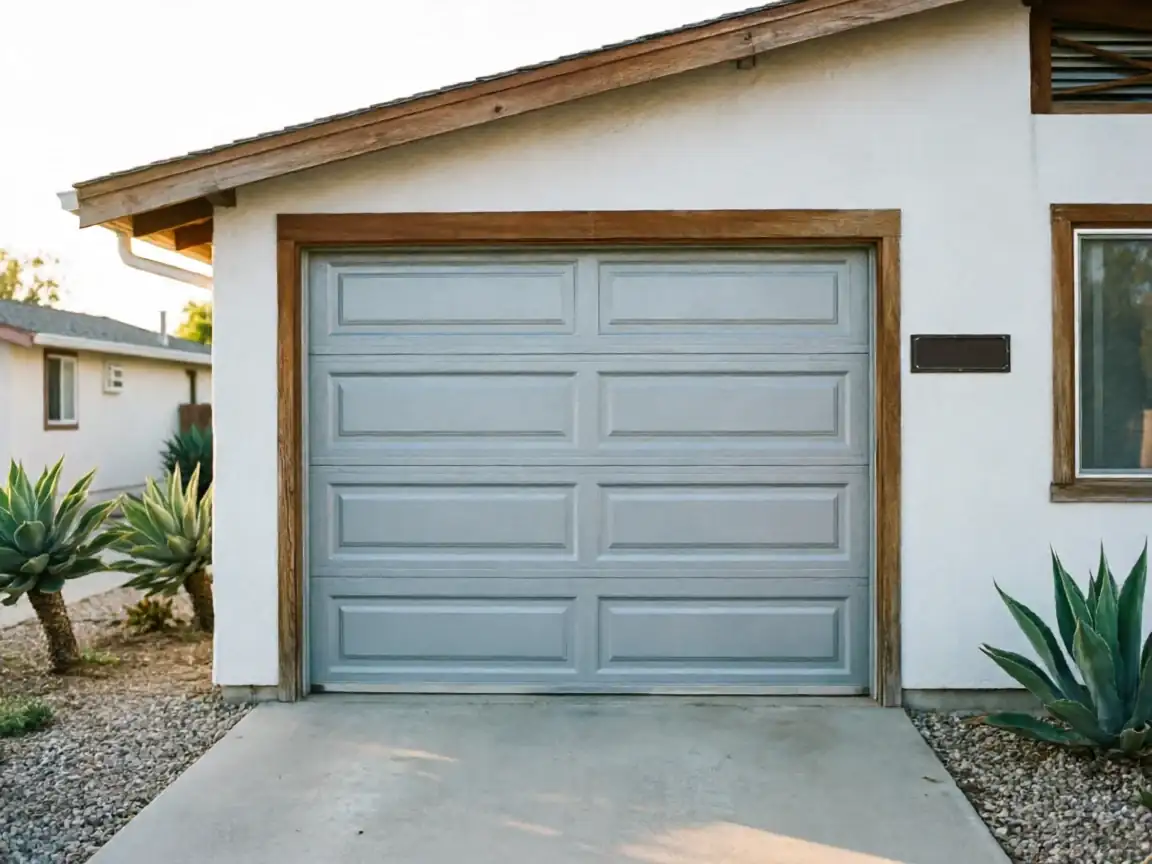
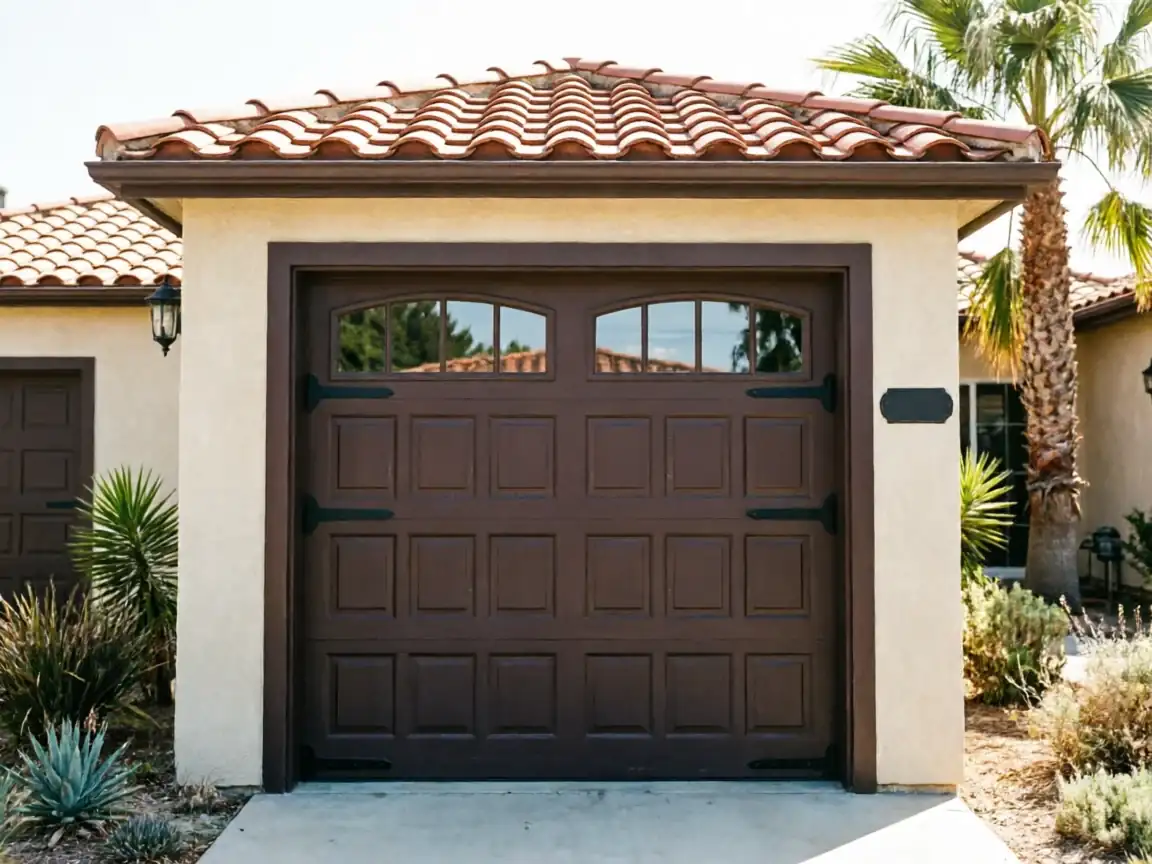
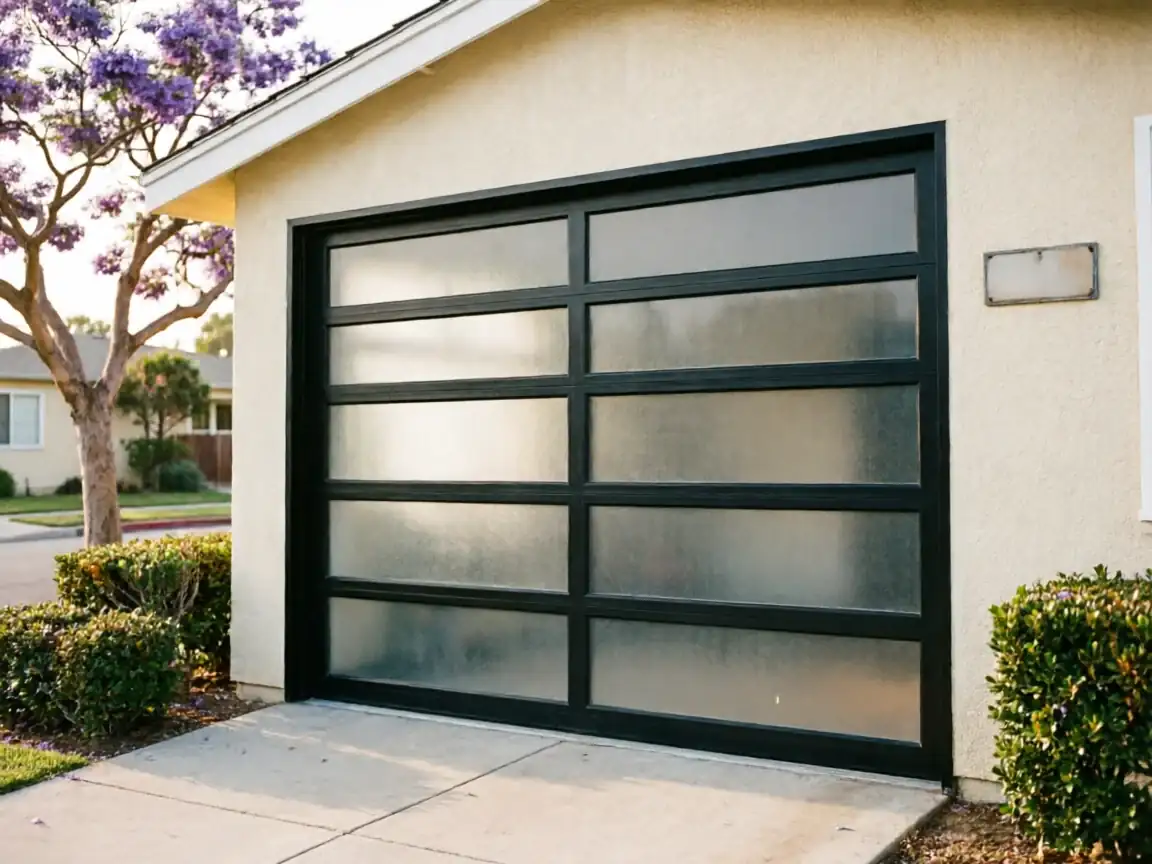
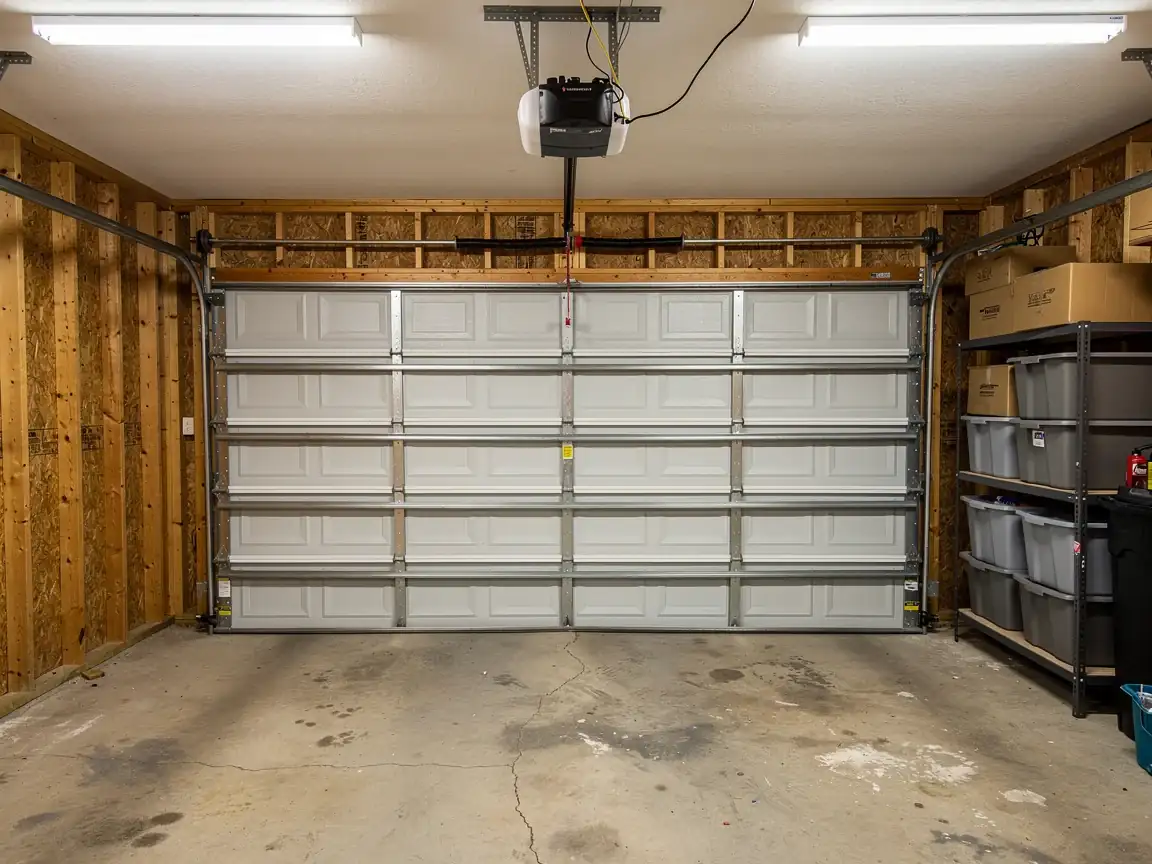
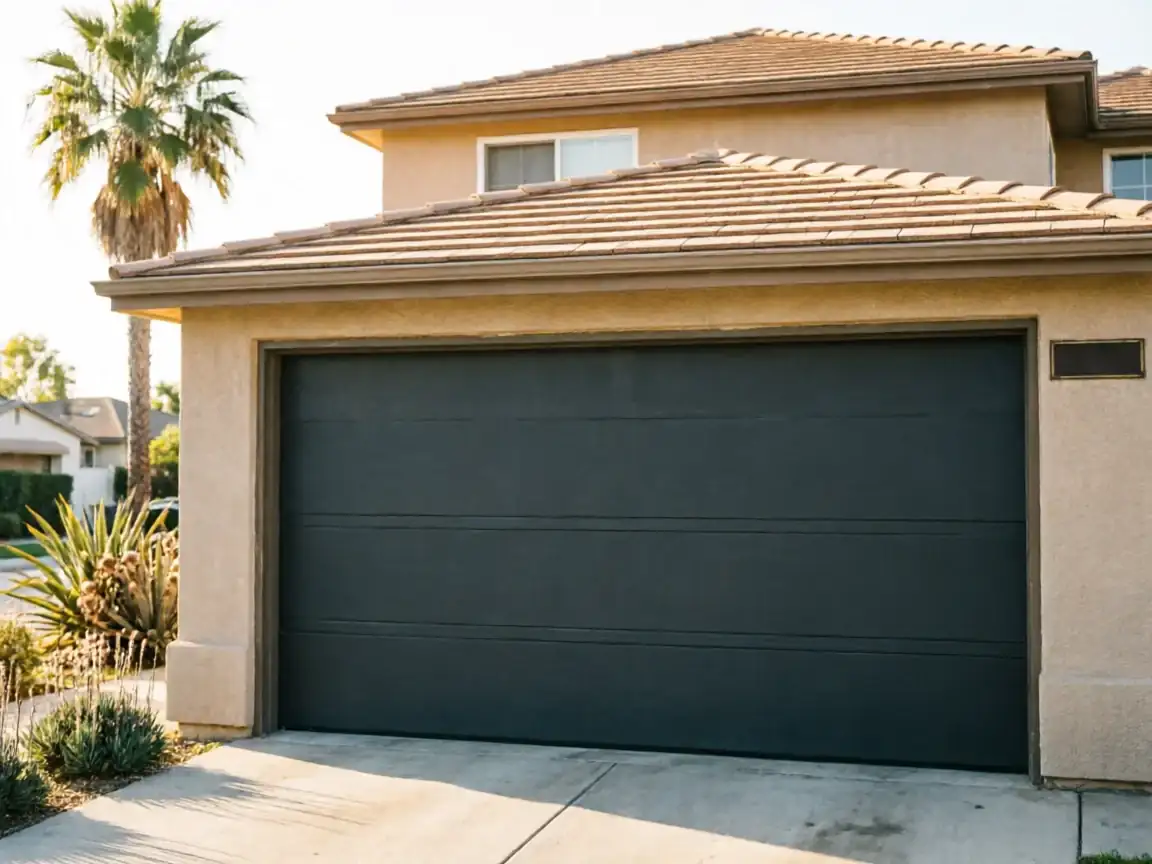
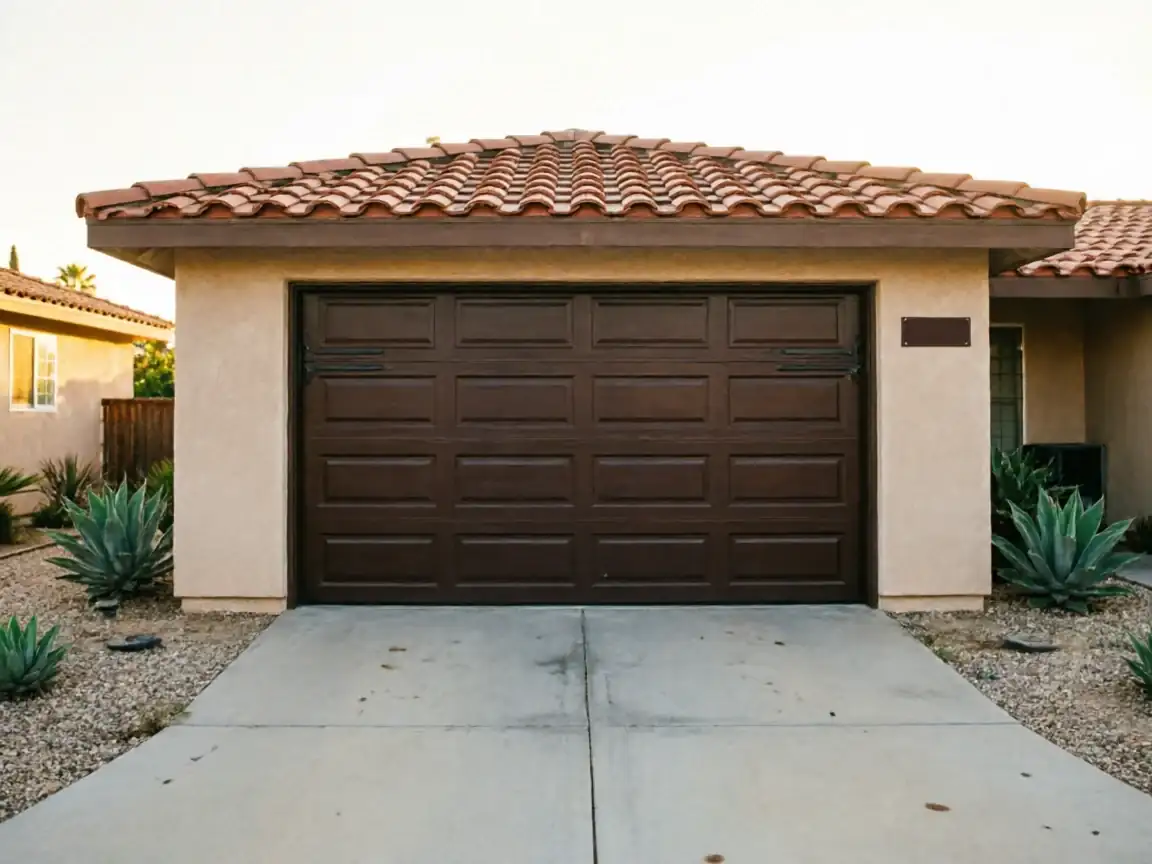
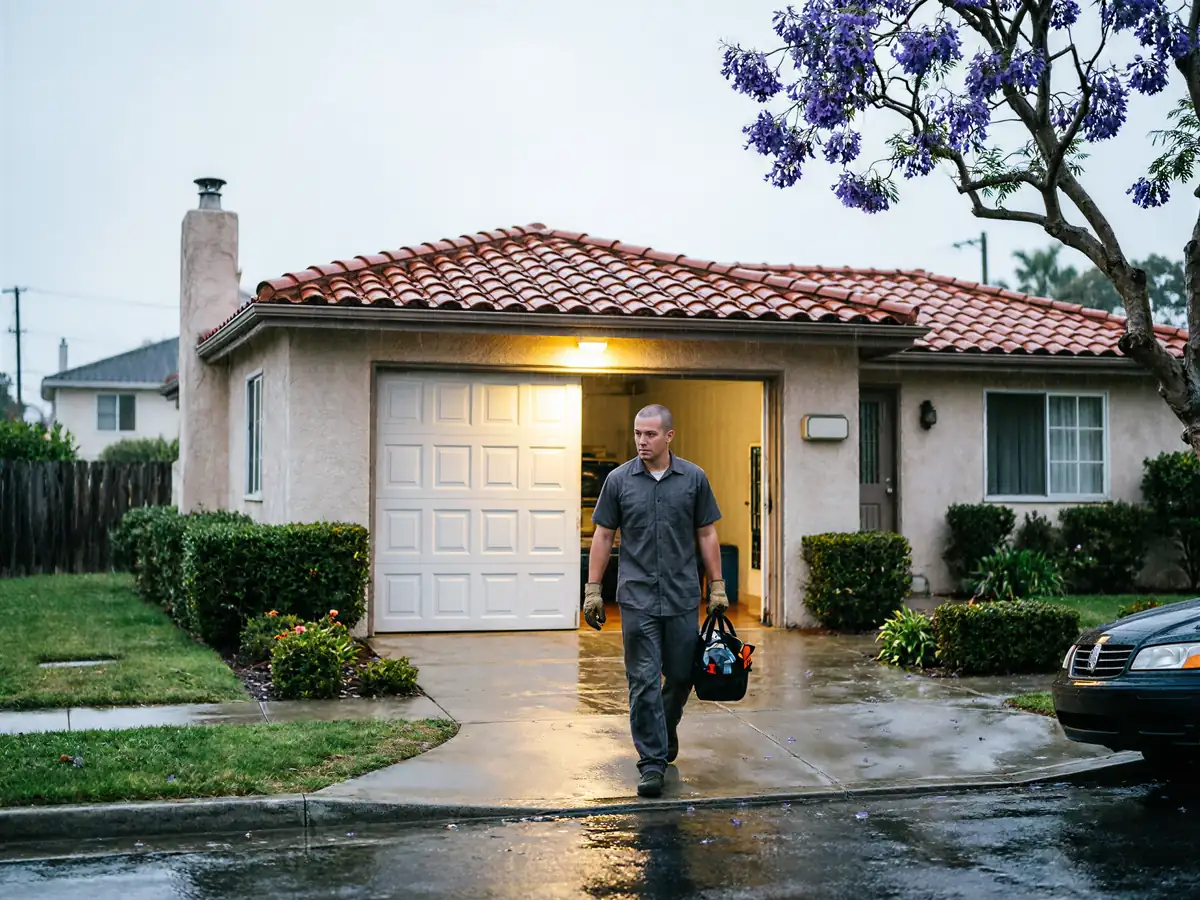
Vineyard's houses are younger than most of what we see across the rest of the service area. The median year built here is 2000, a good two decades newer than the service-area median of 1981. That means most garage doors in Vineyard aren't the heavy one-piece wood slabs from the 60s and 70s we find elsewhere - they're steel sectional doors, usually two-car width, hung on either extension or torsion spring systems that were standard factory setups around the turn of the millennium. The doors themselves are lighter and better insulated than older stock, but the hardware that came with a builder-grade install twenty-some years ago is now aging out everywhere in the subdivision at close to the same time. When one neighbor's rollers start grinding, the house two doors down usually isn't far behind - the parts went in on the same schedule.
We come out from Citrus Heights, about 15 miles away, so a maintenance visit here isn't a same-day drop-by. It's worth scheduling before something actually fails, not after.
The Symptom
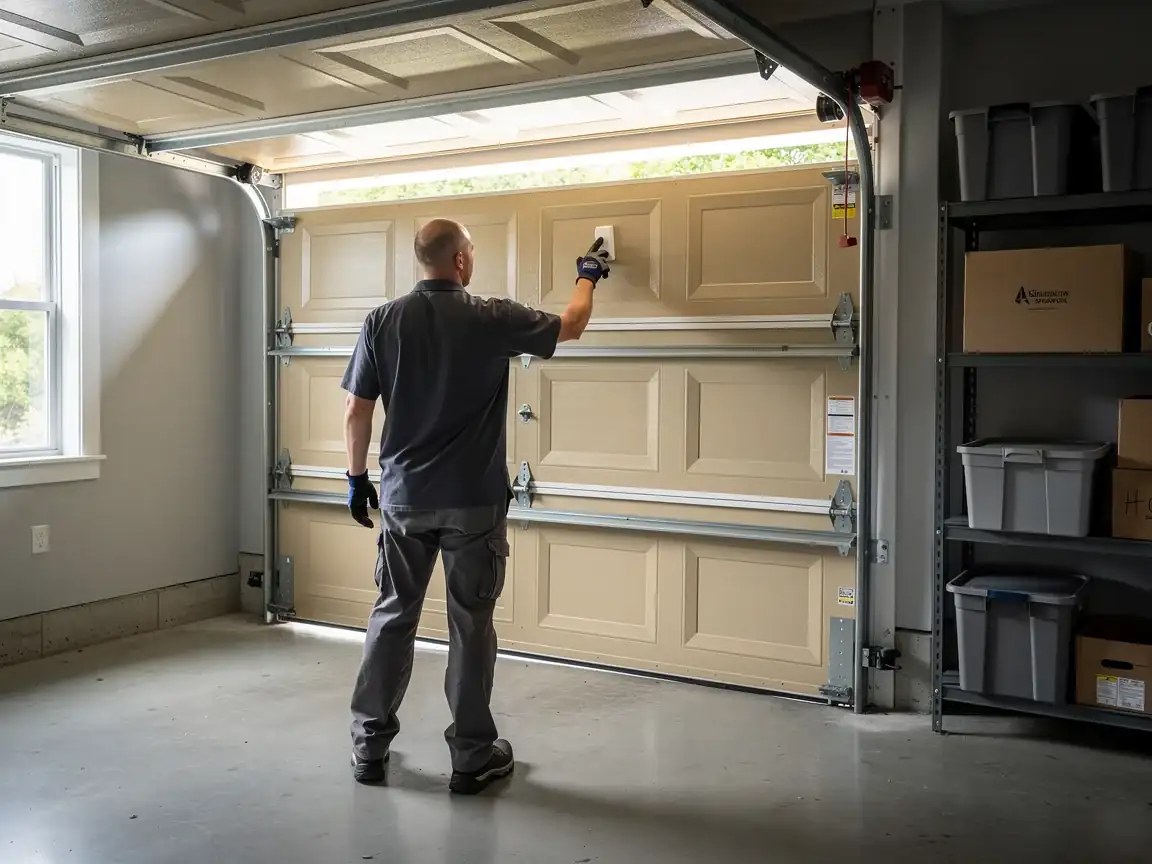
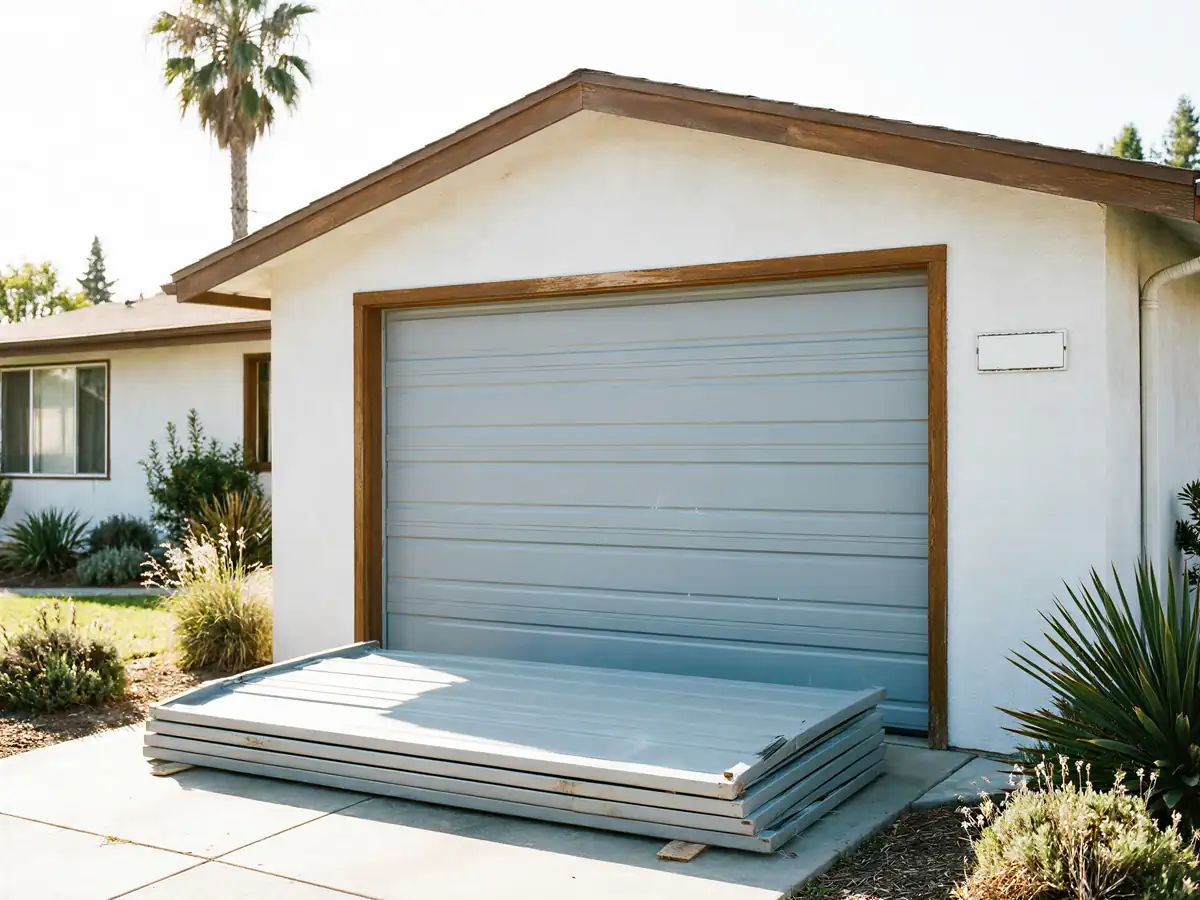
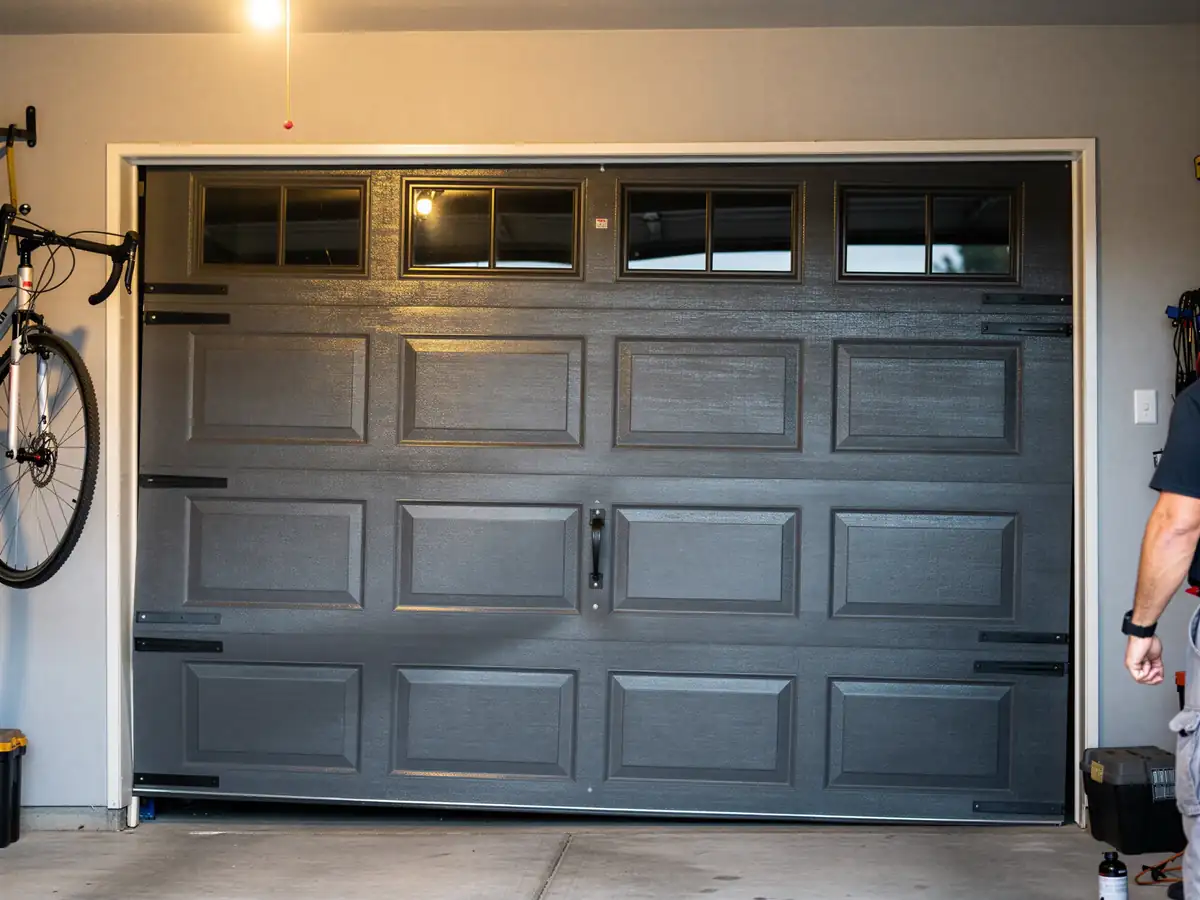
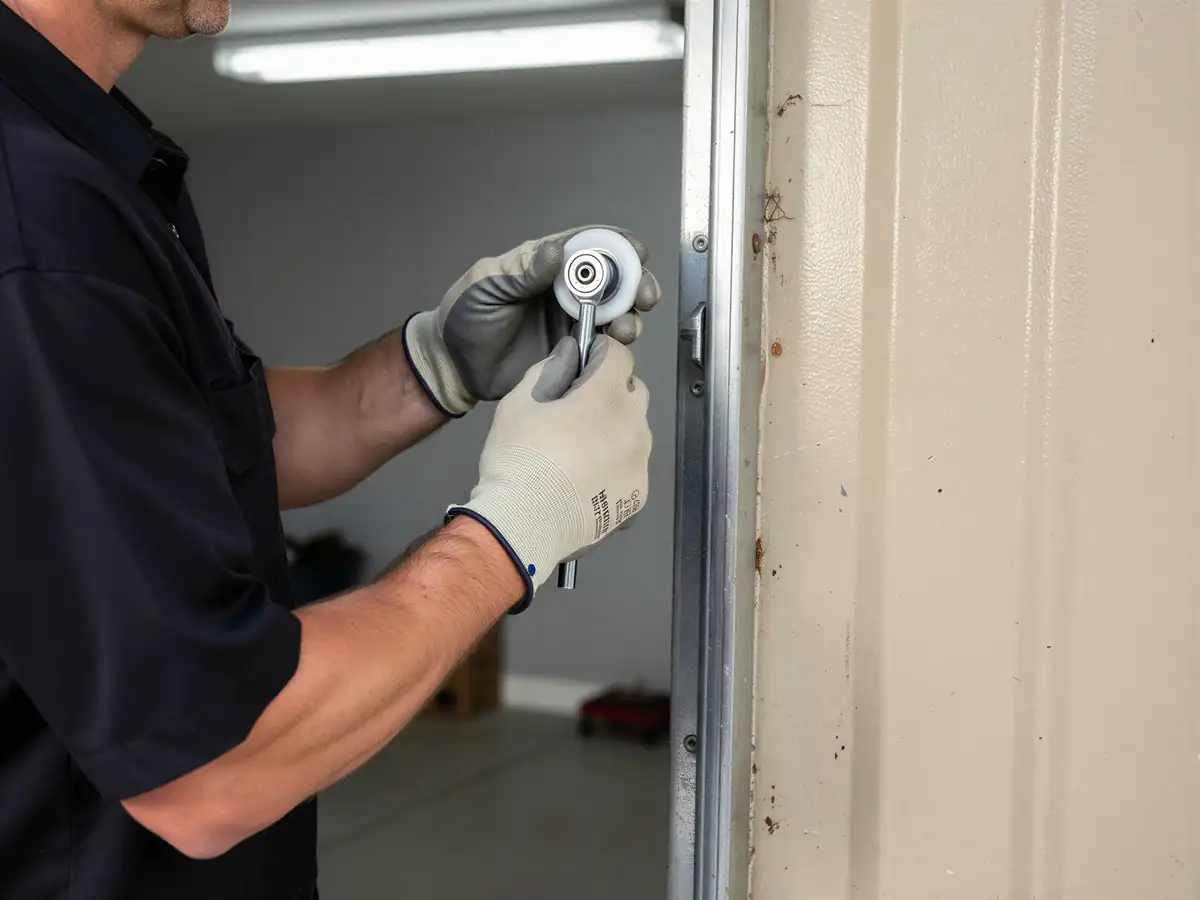
On a 2000-era steel door, the first sign is usually noise, not a stuck door. A faint squeal on the way up, a shudder as the panels pass the bottom roller track, or a door that closes a half-inch crooked before the opener's travel limit kicks in. These doors were built with factory lubrication that's long gone by now, and the nylon rollers common on builder-grade installs wear a flat spot that throws the whole travel out of alignment. In Vineyard's climate band, which the federal data classifies as severe heat, that wear accelerates - repeated summer heat cycles dry out grease and warp the thin steel skin on the sun-facing side of the door, which is often the garage's south or west wall depending on lot orientation. The opener itself usually isn't the problem. It's doing exactly what it's told; the door underneath it has drifted out of the shape the opener expects.
Why This Fails Locally
The reason this matters specifically in Vineyard, and not as a generic warning, comes down to timing. With a median build year of 2000, a large share of the neighborhood's original door hardware is now in its twenties - right in the window where extension springs and factory rollers reach the end of their rated cycle count. That's compounded by the area's household profile: 12,491 households with a median income of $108,403, which tends to mean two-car garages doing double duty as daily-use entries, not occasional-use doors. More open-close cycles per year means the hardware gets to its wear limit faster than the calendar alone would suggest. A door that looks fine in January can bind or drop in July once the heat has worked on dried-out grease and metal that's already fatigued.
What the Repair Takes
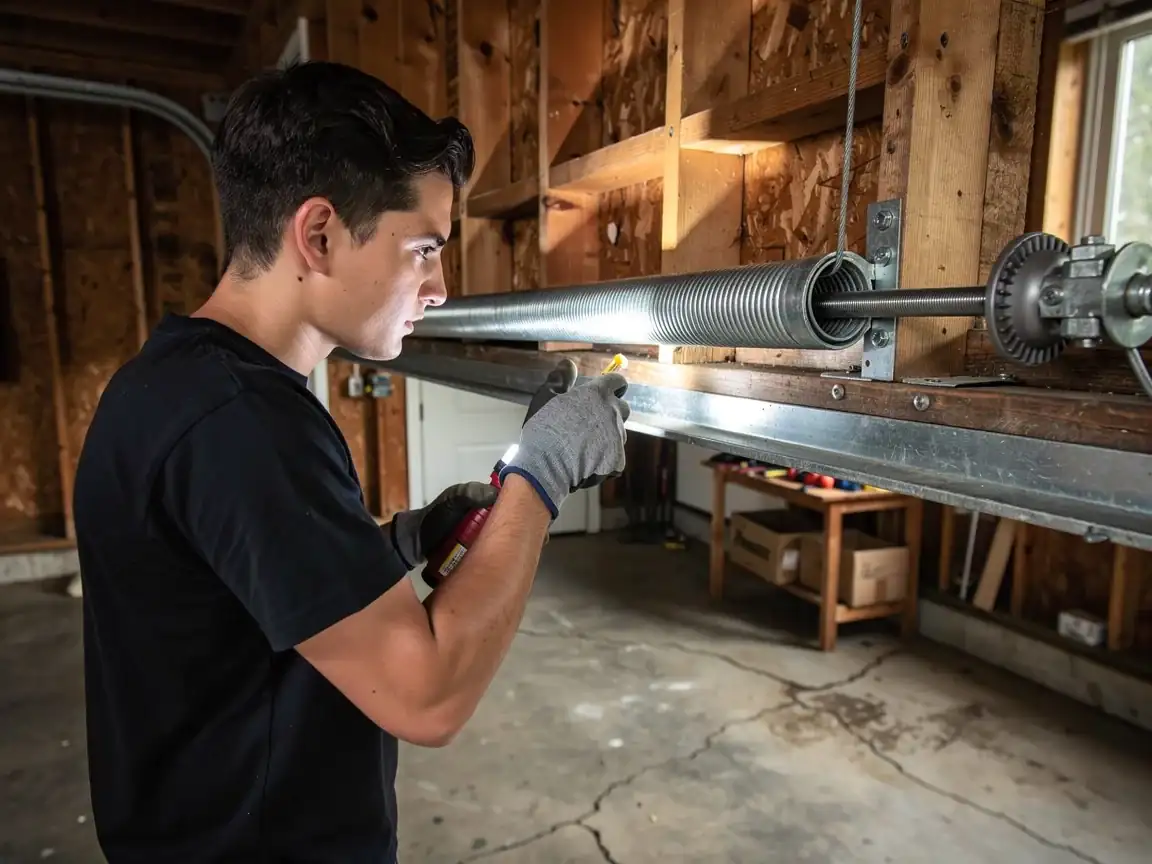
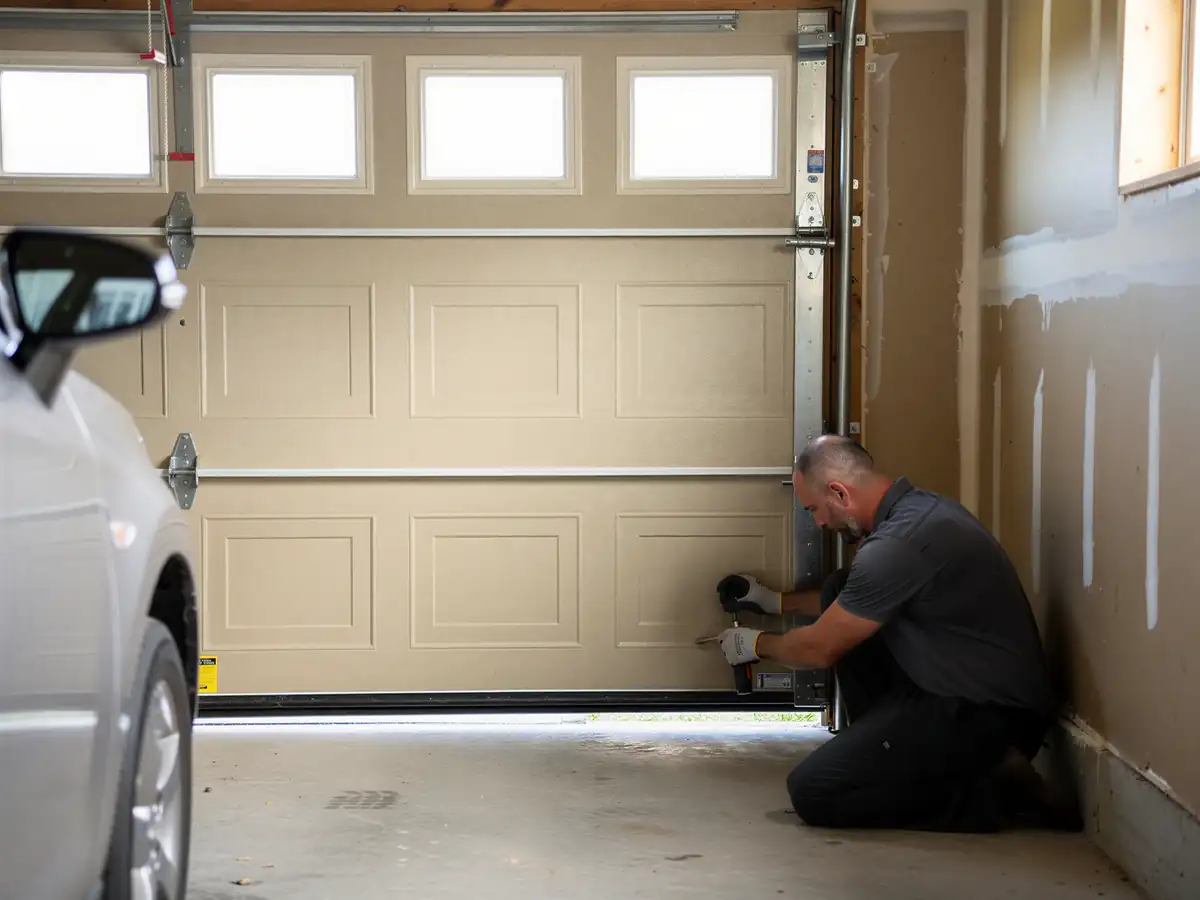
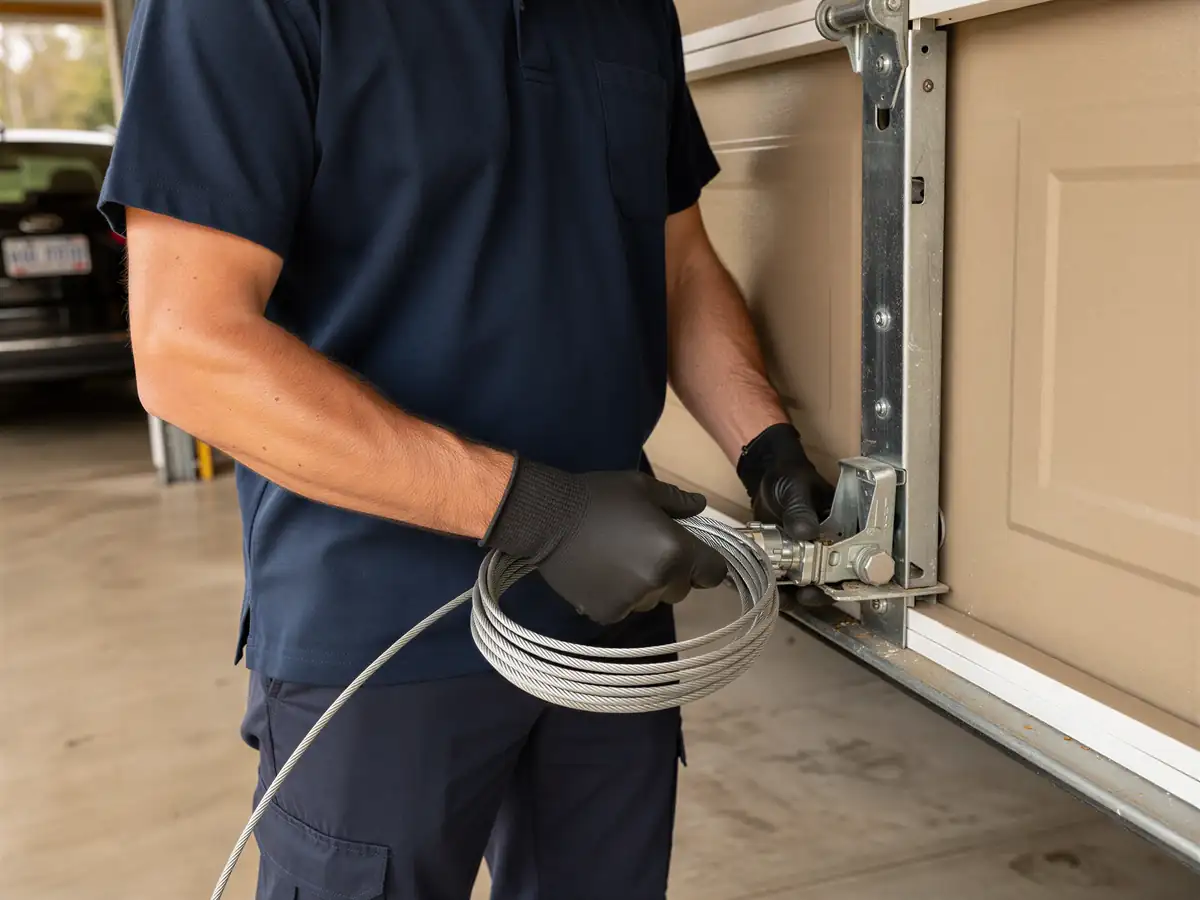
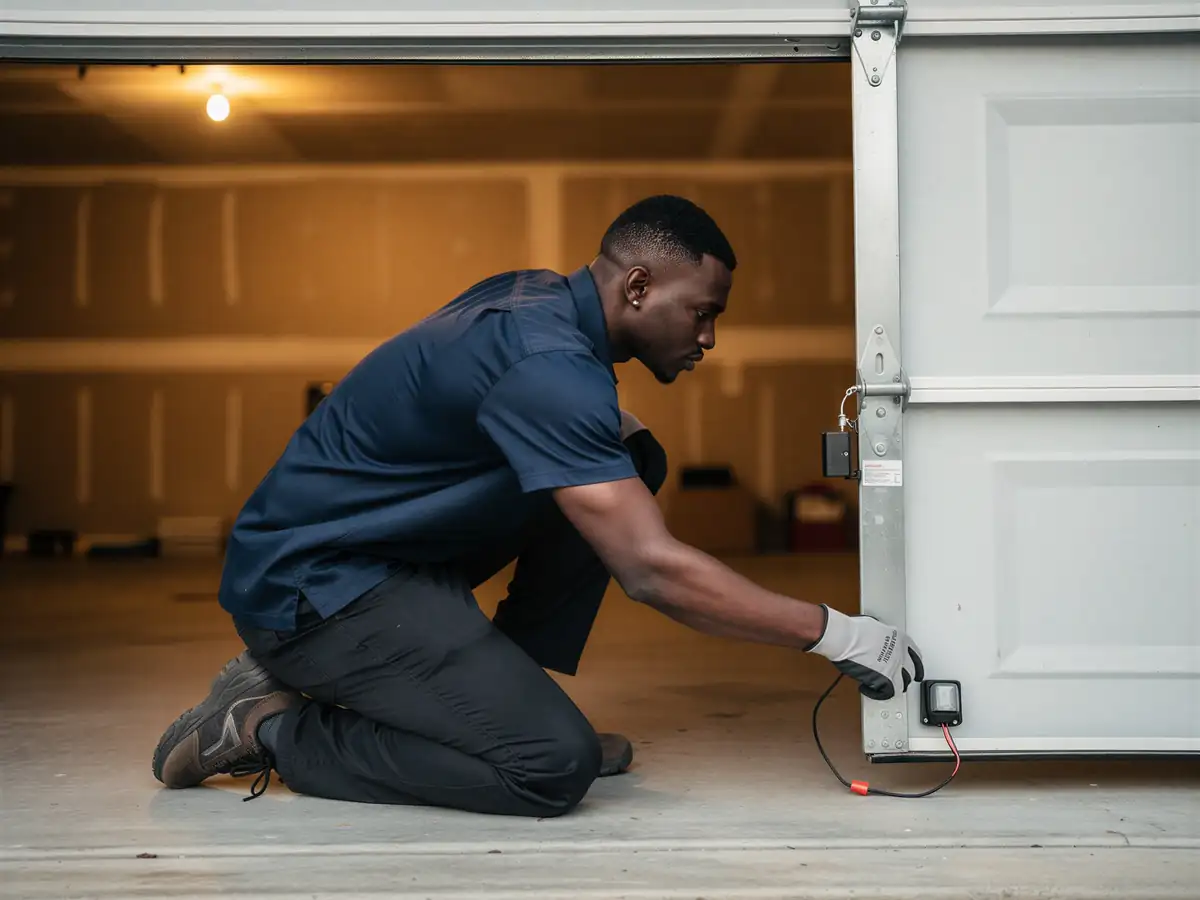
A standard maintenance visit covers spring tension check, track alignment, roller and hinge inspection, opener force and travel-limit adjustment, and relubrication of moving hardware. If we find a spring near the end of its life, we'll say so and quote replacement rather than patch it - stretched extension springs don't get safer with more cycles. One honest limit: we don't stock every roller or hinge size on the truck for every builder-era hardware package, so if your door uses a less common factory part, there can be a short order wait before the follow-up visit. We travel from Citrus Heights for every Vineyard call, so we schedule maintenance rather than treat it as a same-day drop-in.