What the Housing Means for Your Door
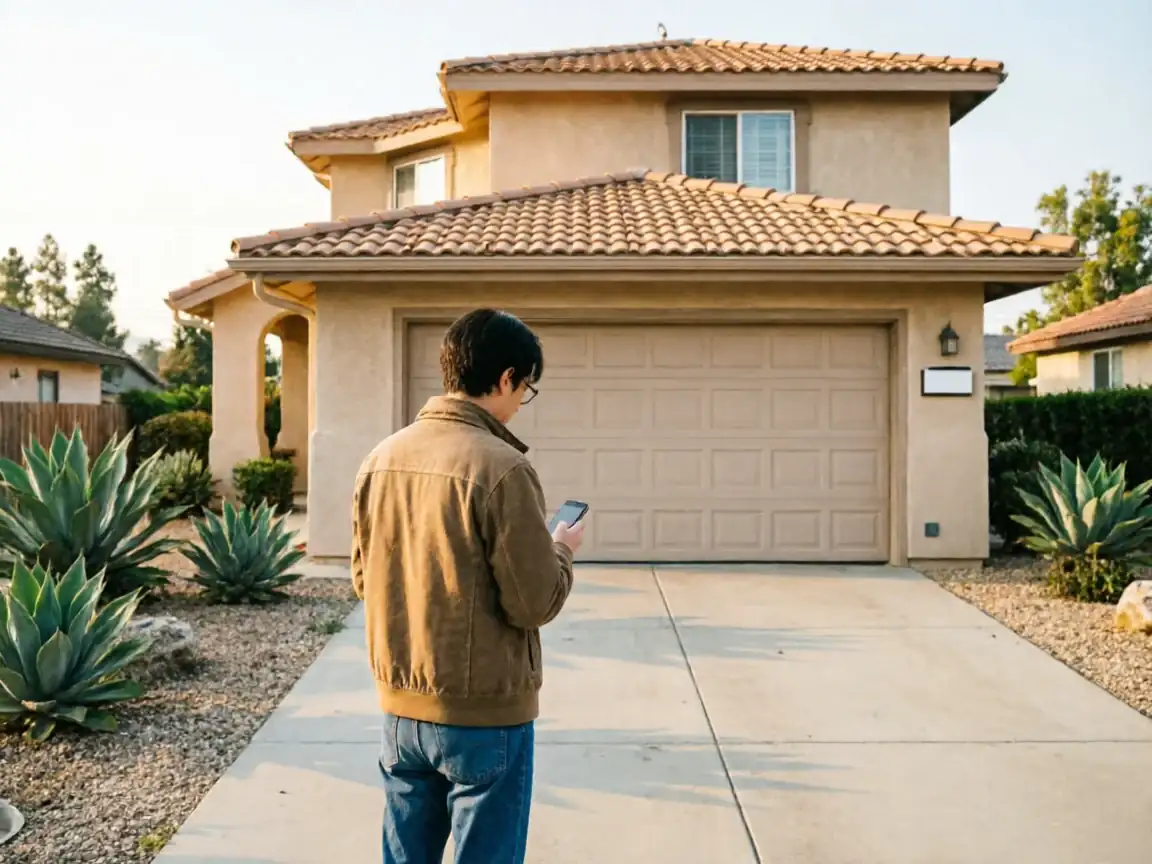
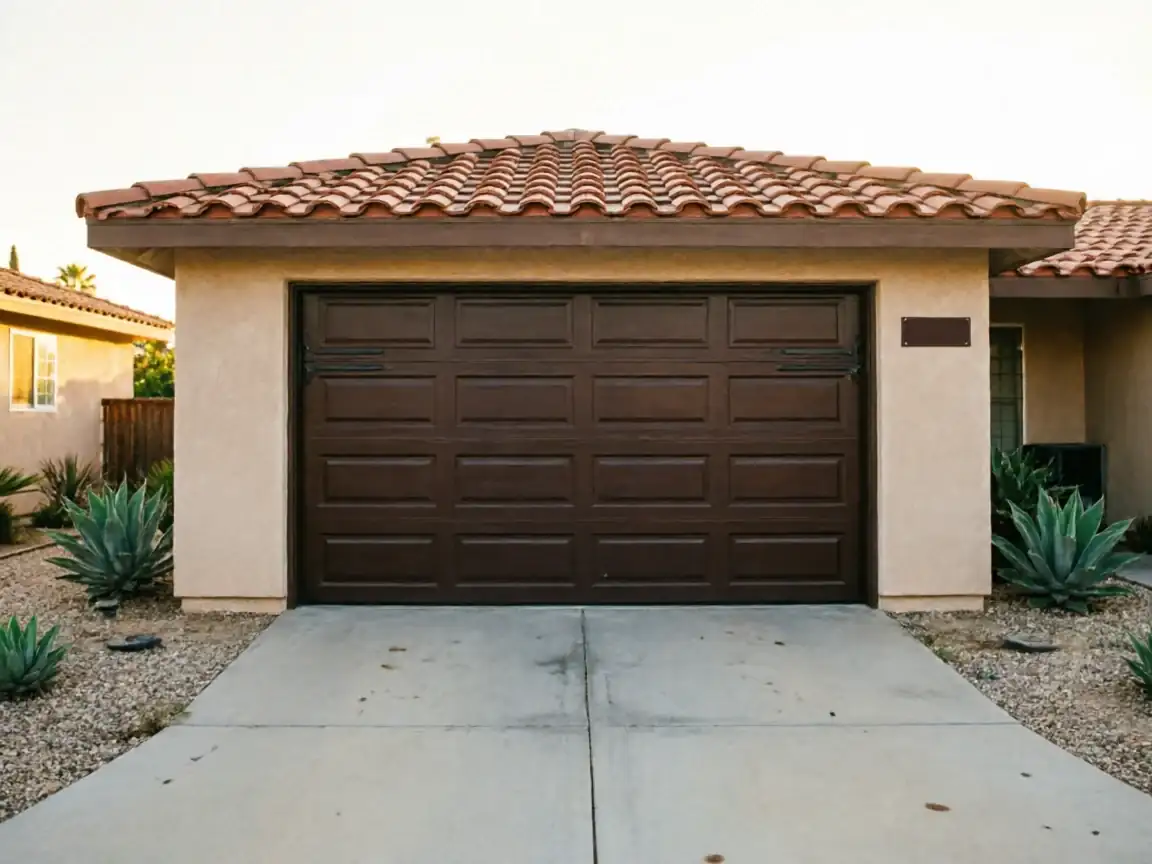
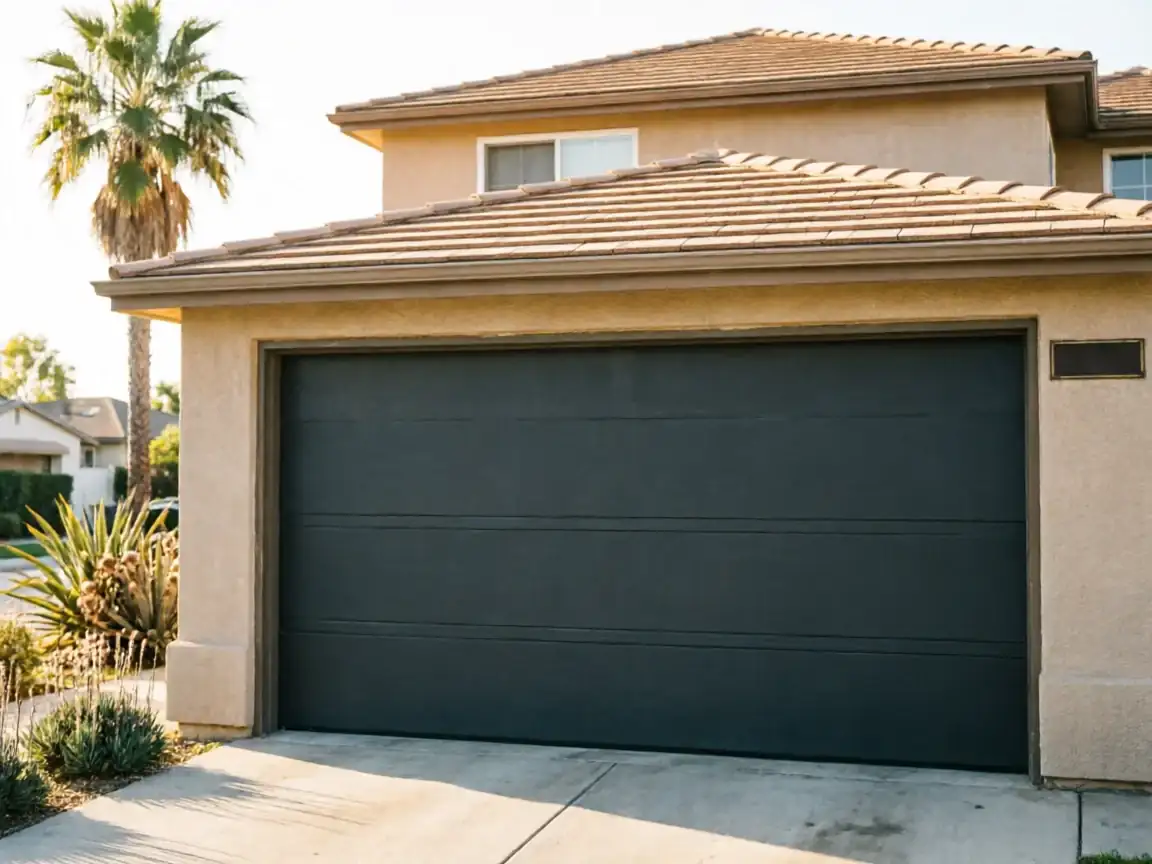
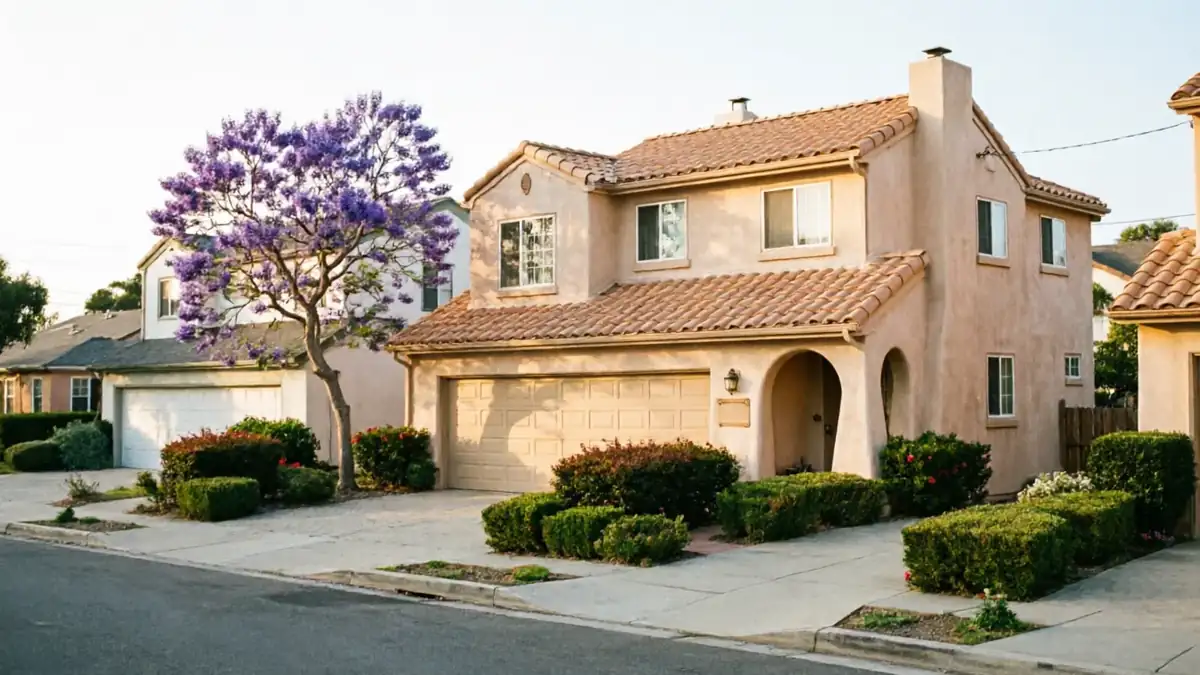
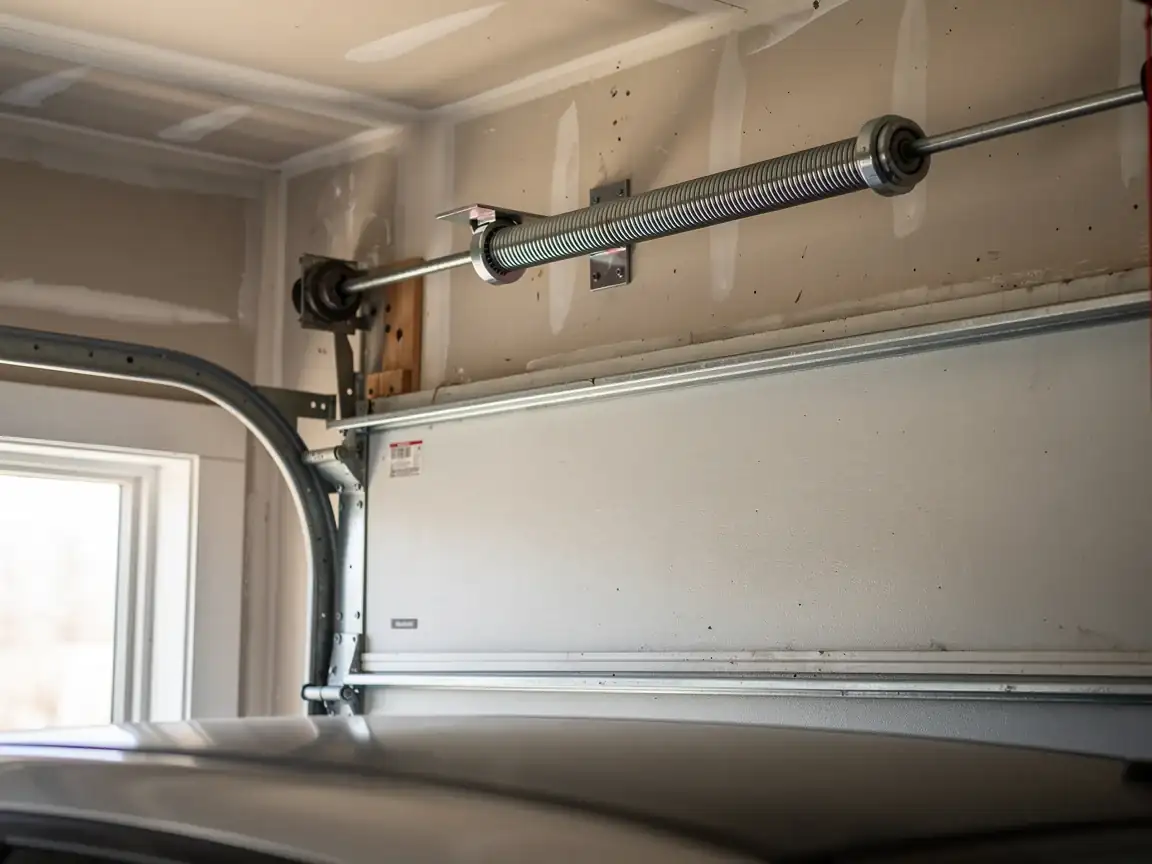
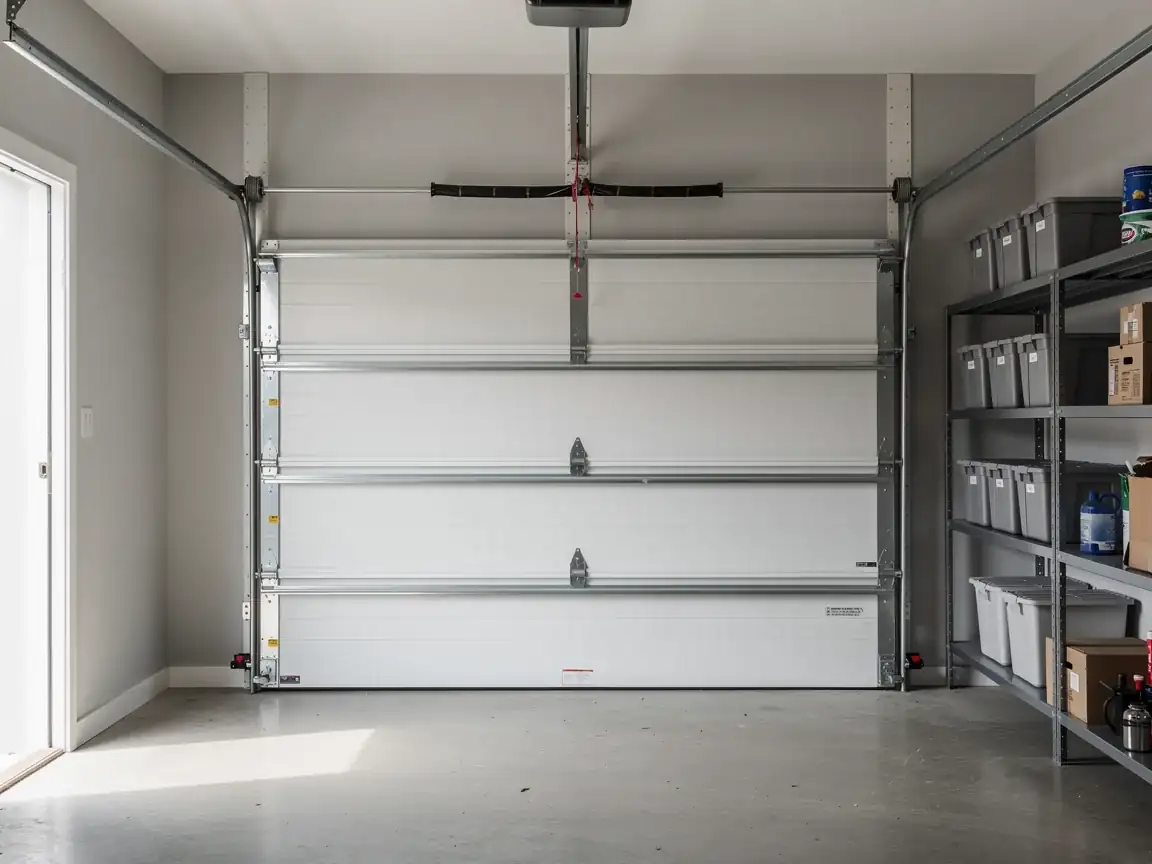
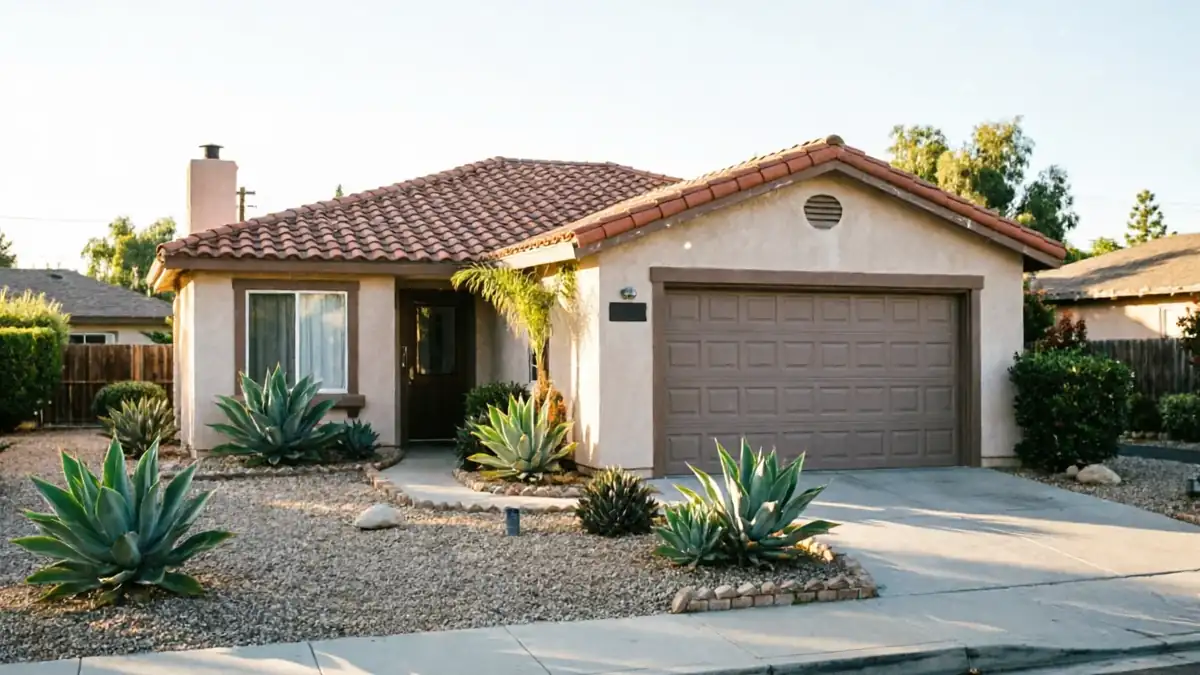
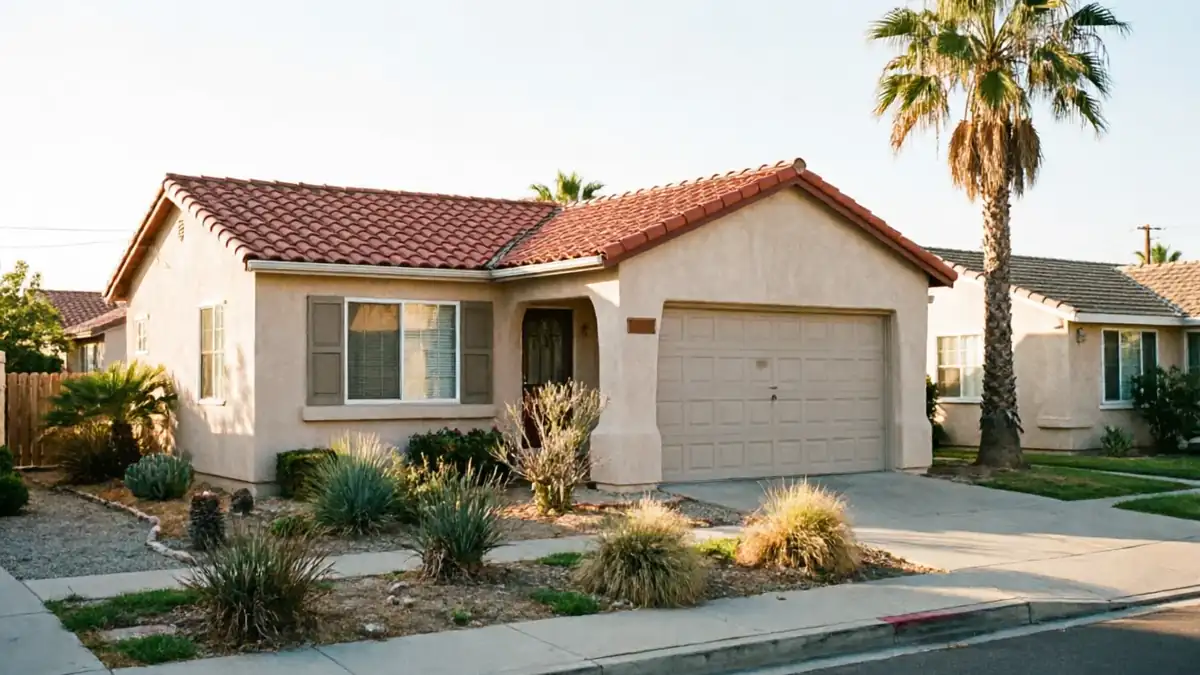
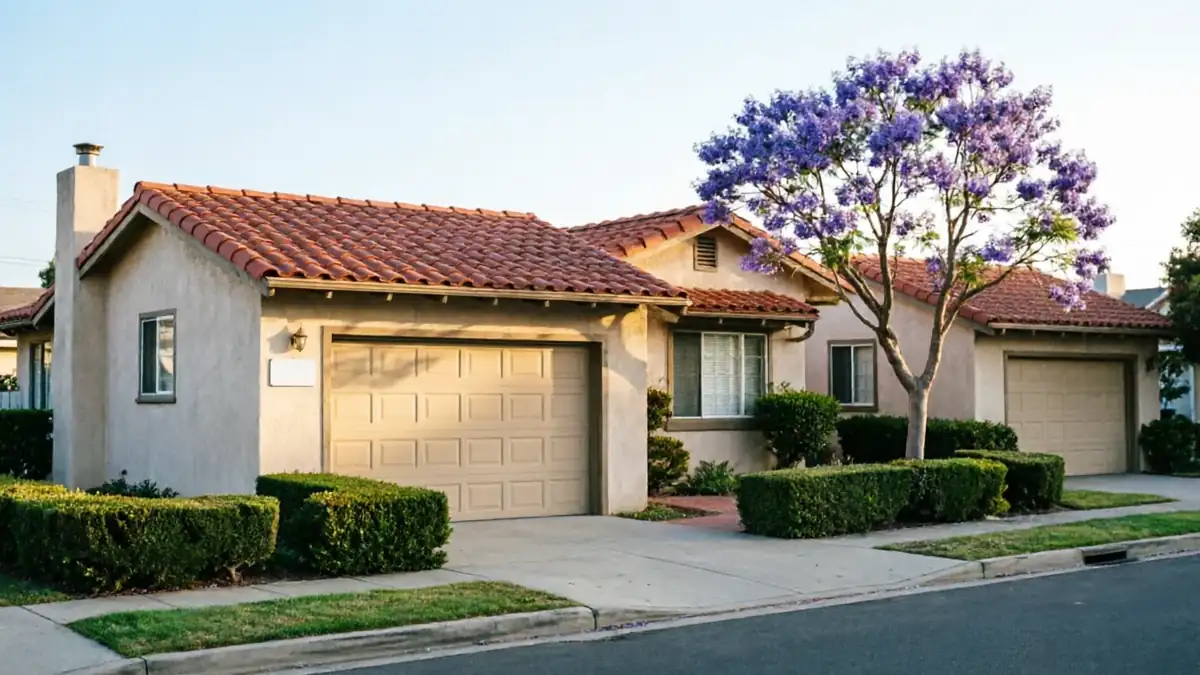
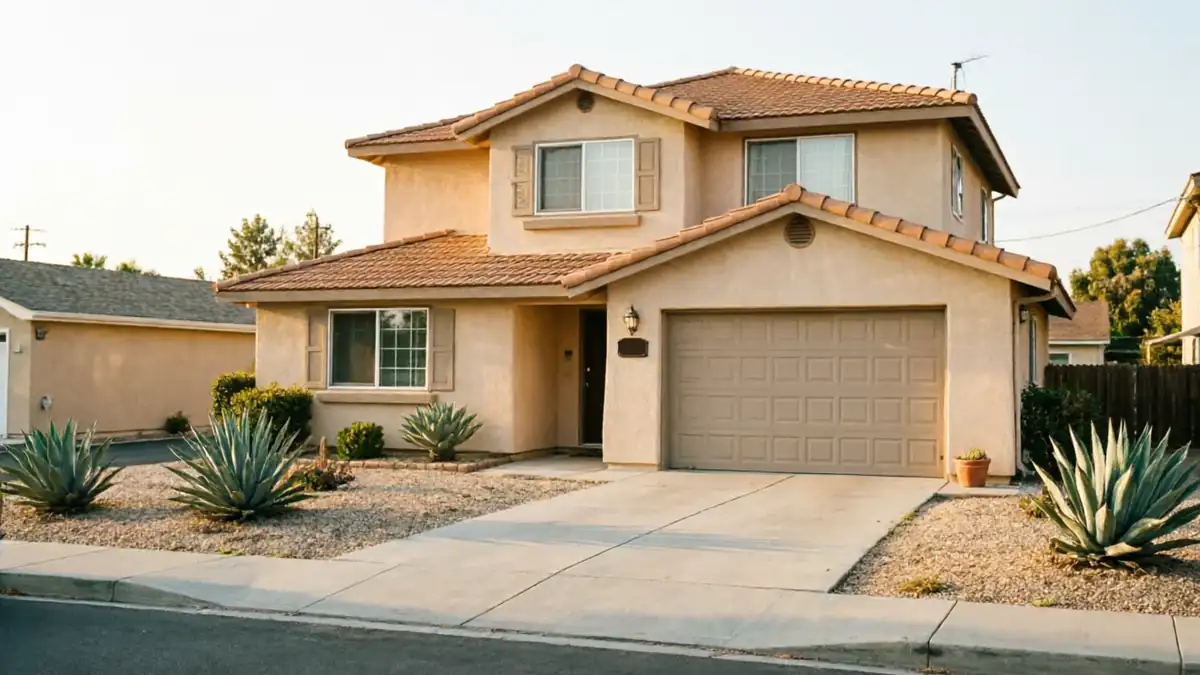
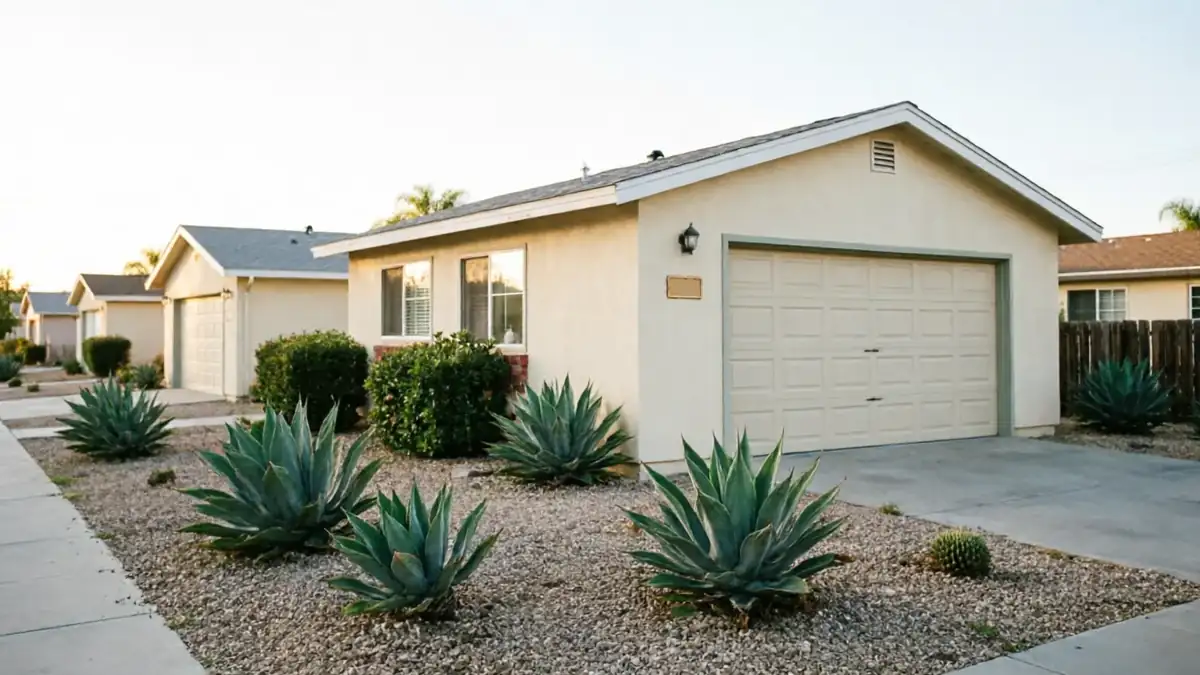
North Highlands sits at a median build year of 1970, a good decade ahead of the 1981 median for the rest of our service area. That gap matters more than it sounds. A house built in 1970 usually got a steel door on extension springs mounted above the horizontal track, not the torsion spring setup that shows up in the 1980s and 90s construction nearby. Extension spring systems age differently - the safety cables that keep a broken spring from whipping across the garage weren't standard equipment when these houses went up, and a lot of them never got retrofitted. If your door still has the original hardware, that's the first thing we check before anything else. Openers in these houses have usually been swapped at least once, sometimes twice, since the original chain-drive units from that period rarely last as long as the door itself. We're not guessing at this - it's just what houses from that build year tend to have, and it's why the work order here looks different from a call in a newer part of town. None of this means your door is unsafe. It means the parts on it are older than the parts on a house built fifteen years later, and the fixes aren't always interchangeable.
The Usual Work Here
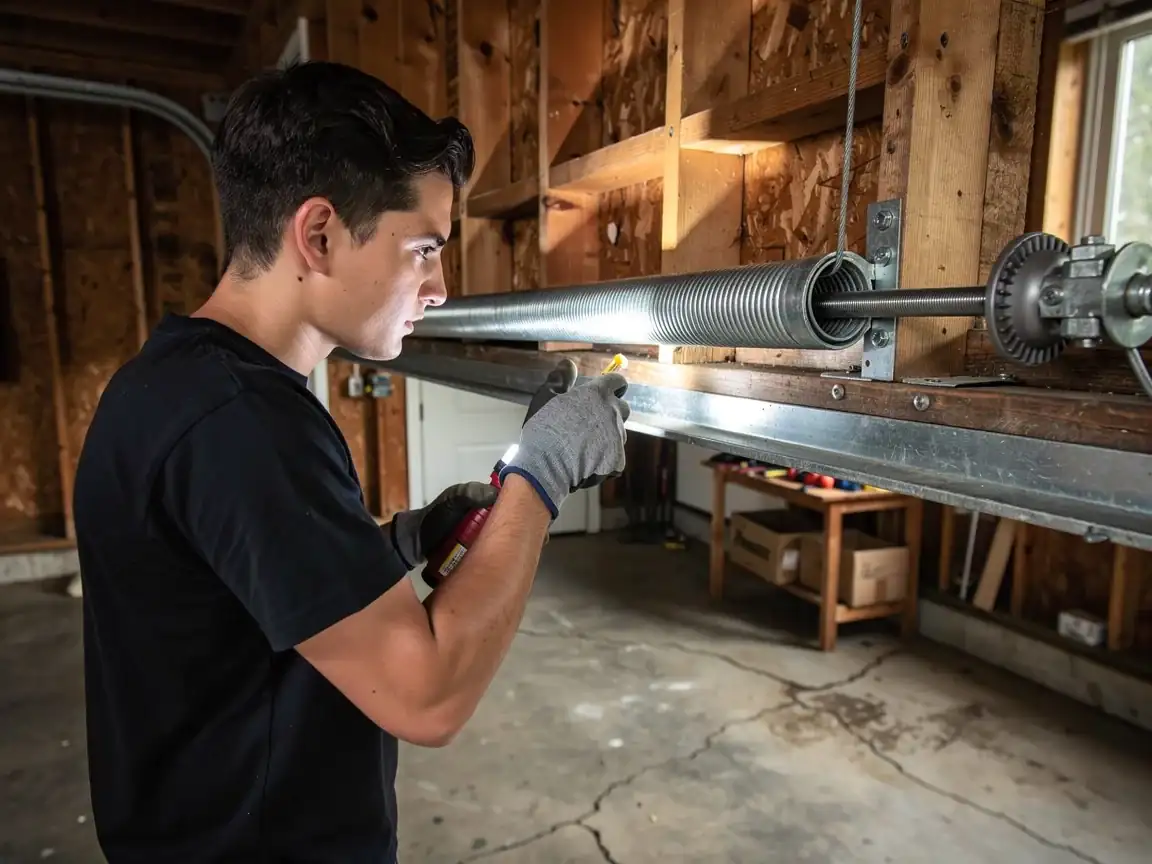
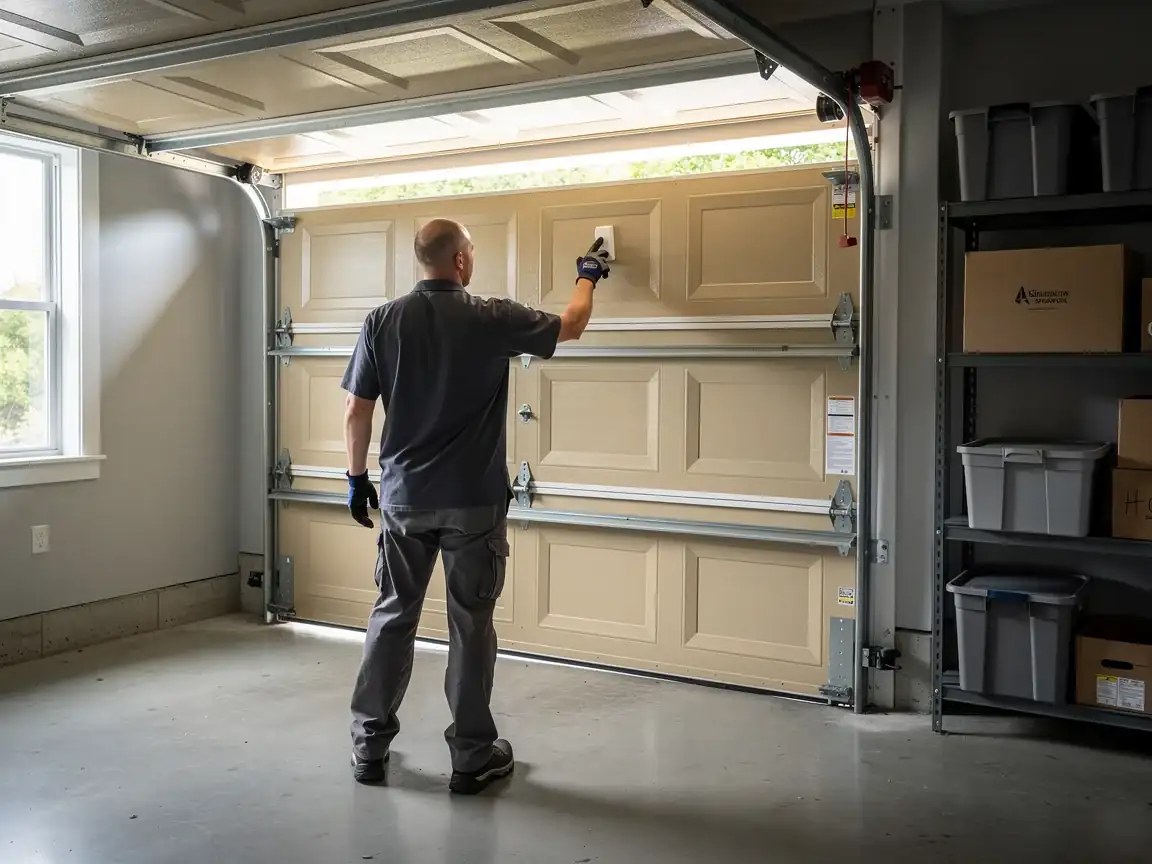
Extension spring replacement comes up often in North Highlands, more than torsion spring work, simply because of what's already on the door. We also see more track misalignment than in newer stock - the horizontal rails on these older setups were installed with less tolerance for a garage floor that's settled over fifty-plus years, and a door that drags on one side usually traces back to that. Given the severe summer heat this area deals with, we get calls about openers that cut out mid-cycle on the hottest days - heat-soaked circuit boards in an aging opener will do that, and sometimes the fix is a new opener rather than chasing a board problem. One thing we won't do is promise a same-day fix on a part we don't carry on the truck; extension spring sets and some older opener models aren't always in stock, and we'll tell you honestly if a part needs to be ordered before we start the job. That's not the answer anyone wants, but it beats a rushed repair with the wrong spring rating.
What Neighbours Usually Call About
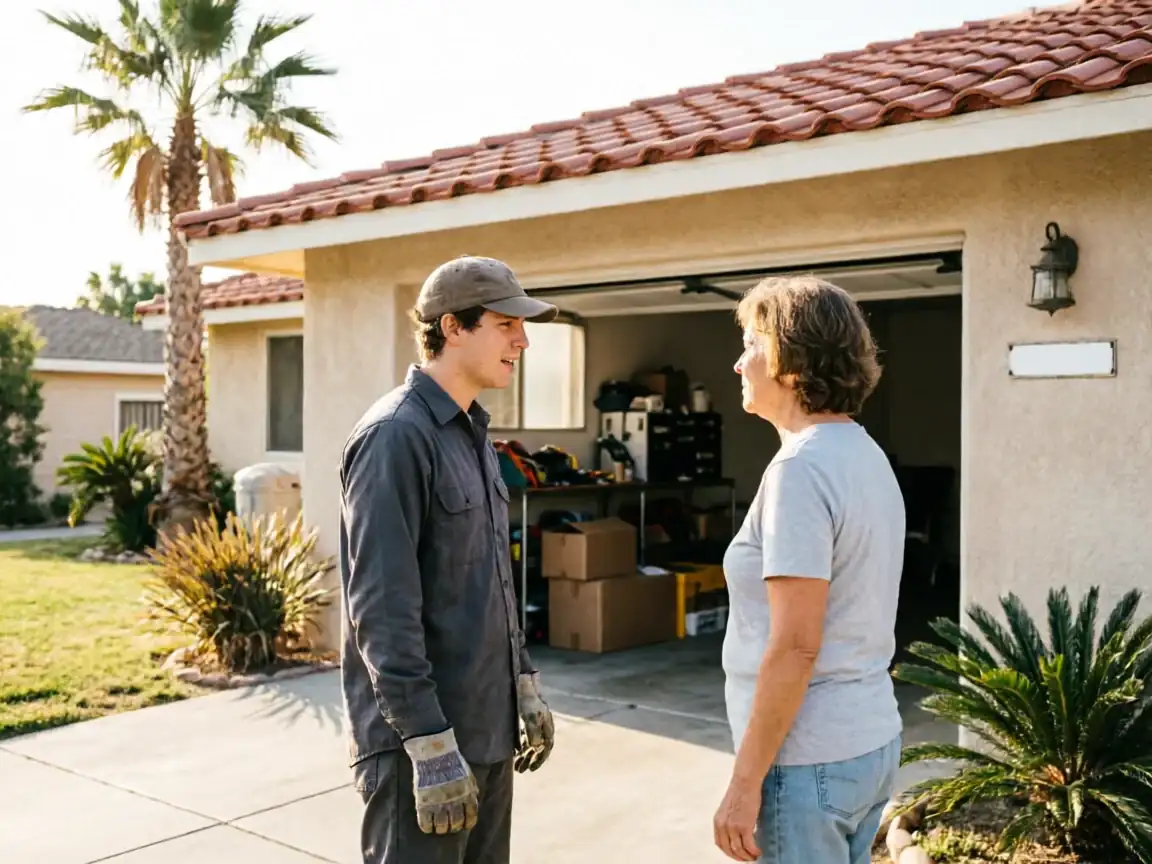
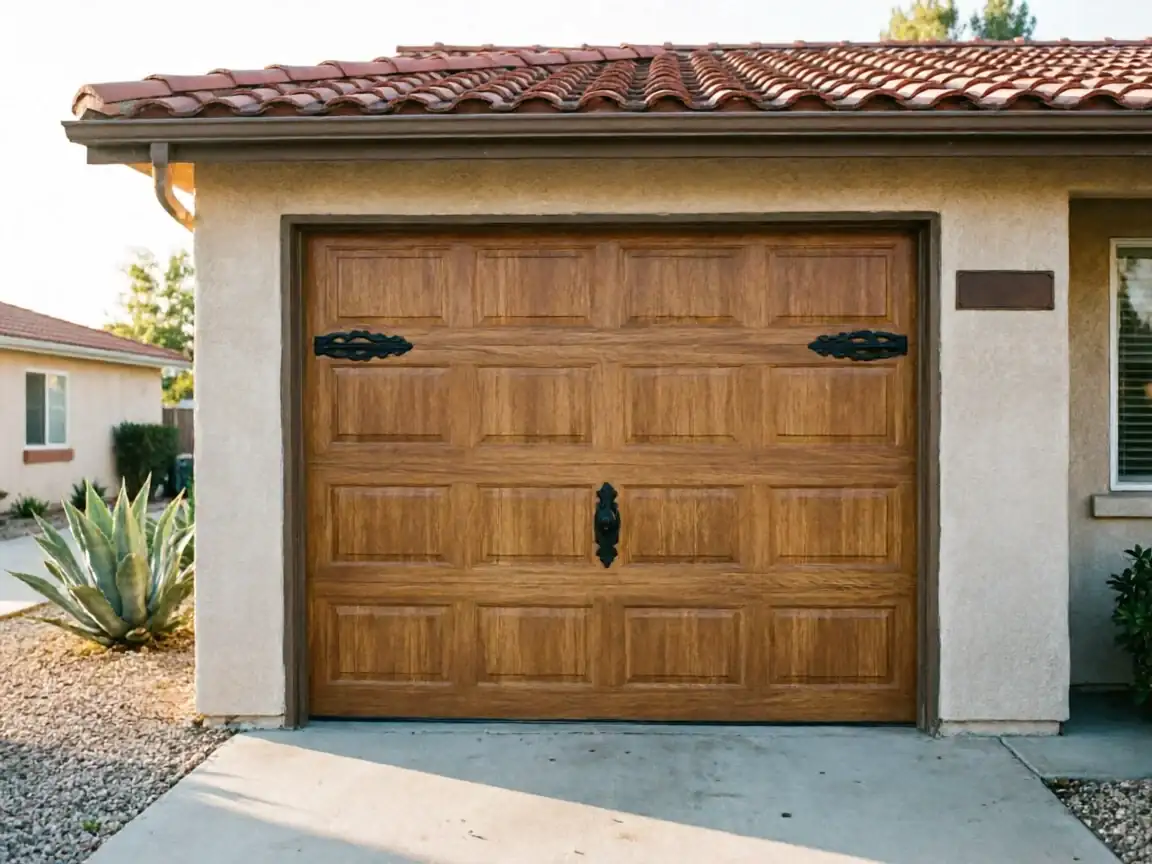
The most common call is a door that won't open because a cable has come off the drum - an extension-spring symptom, not something you'd expect as often on torsion setups. Close behind is a dead opener that worked fine in spring and quit once the heat set in for the summer, consistent with how badly aging circuit boards handle sustained high temperatures. We also hear from owners whose rollers are grinding in the track; on a door that's been running the same steel rollers since the 1970s, that's just wear catching up. Less common, but it comes up: a full door replacement when the panels have rusted through at the bottom, which tends to happen on the original steel doors from this era once the paint seal fails. If your door is still the one the house came with, that's worth mentioning when you call - it tells us which parts to bring.