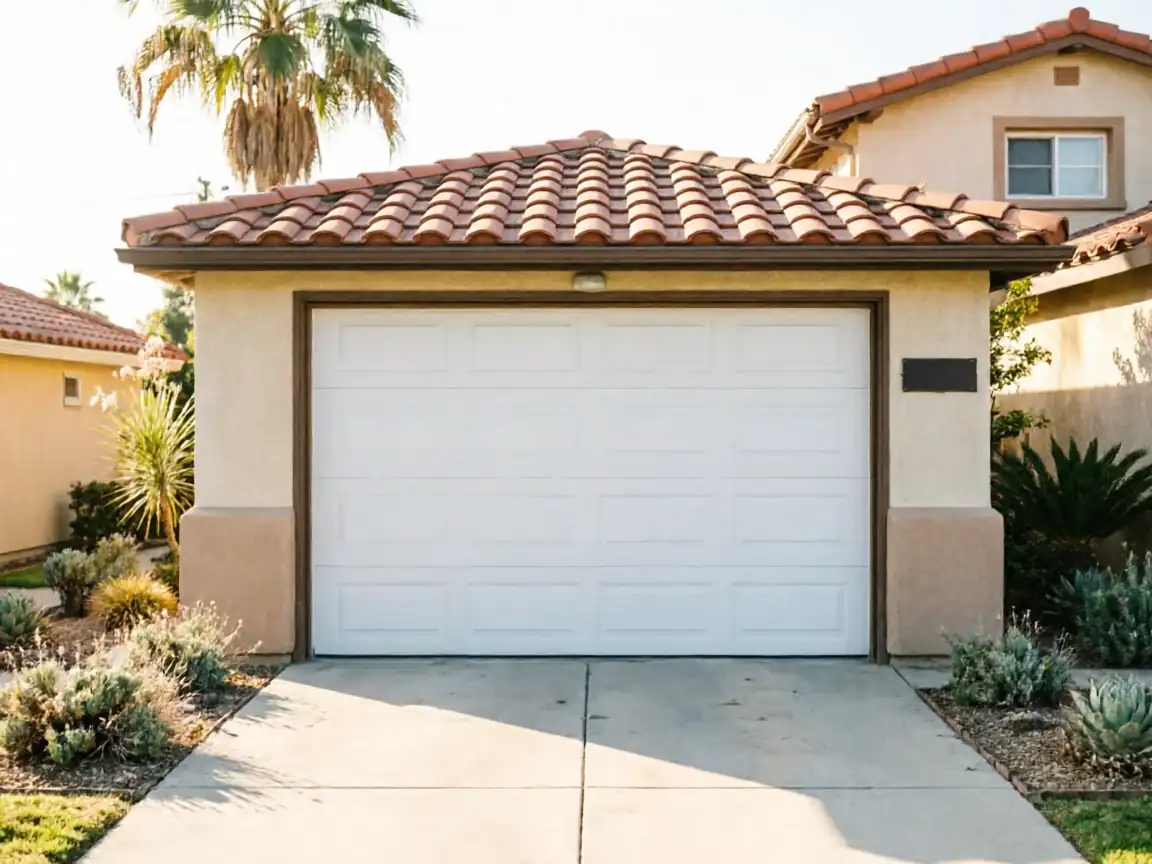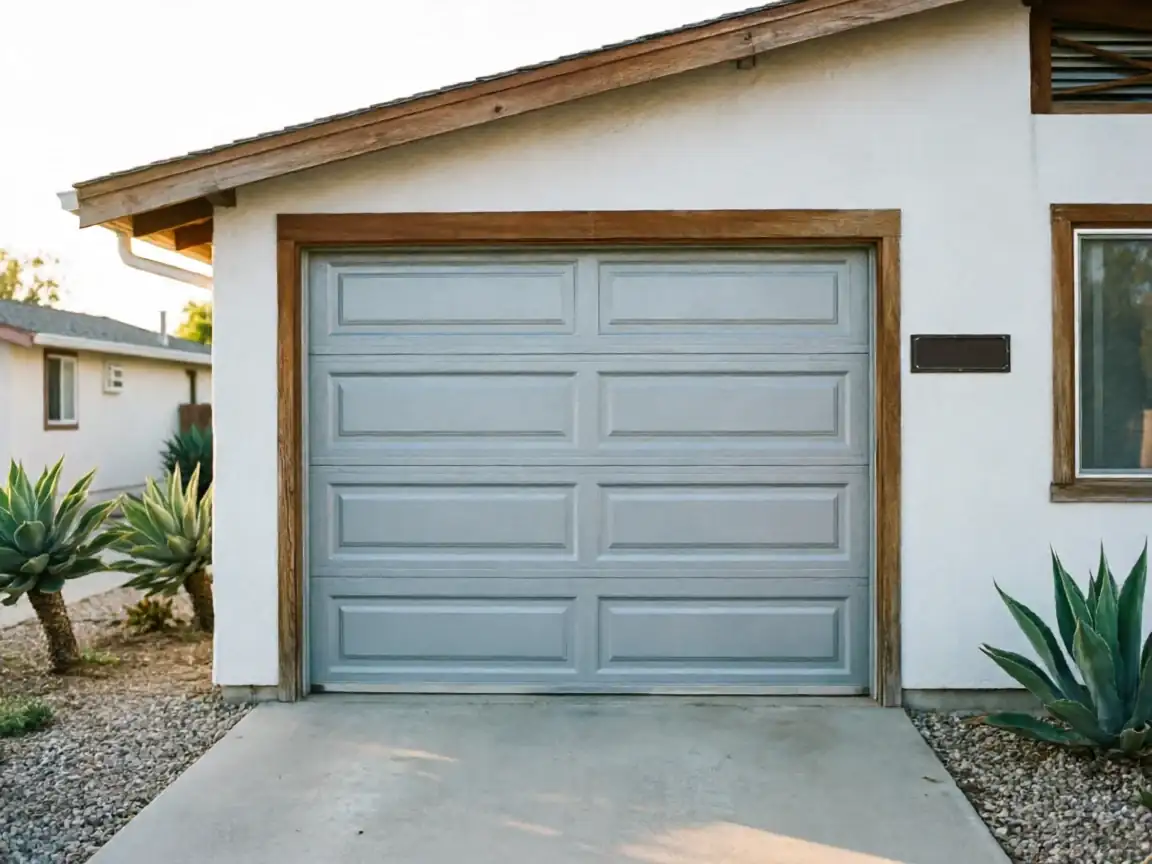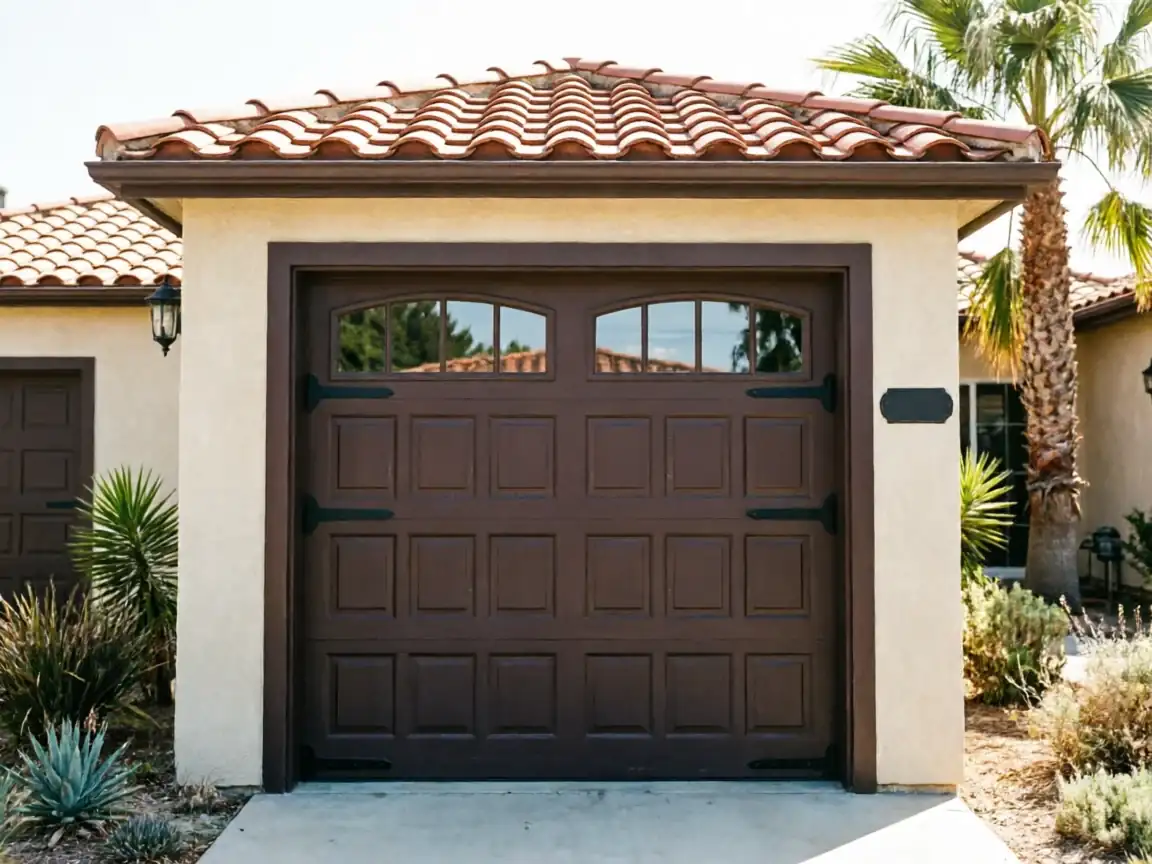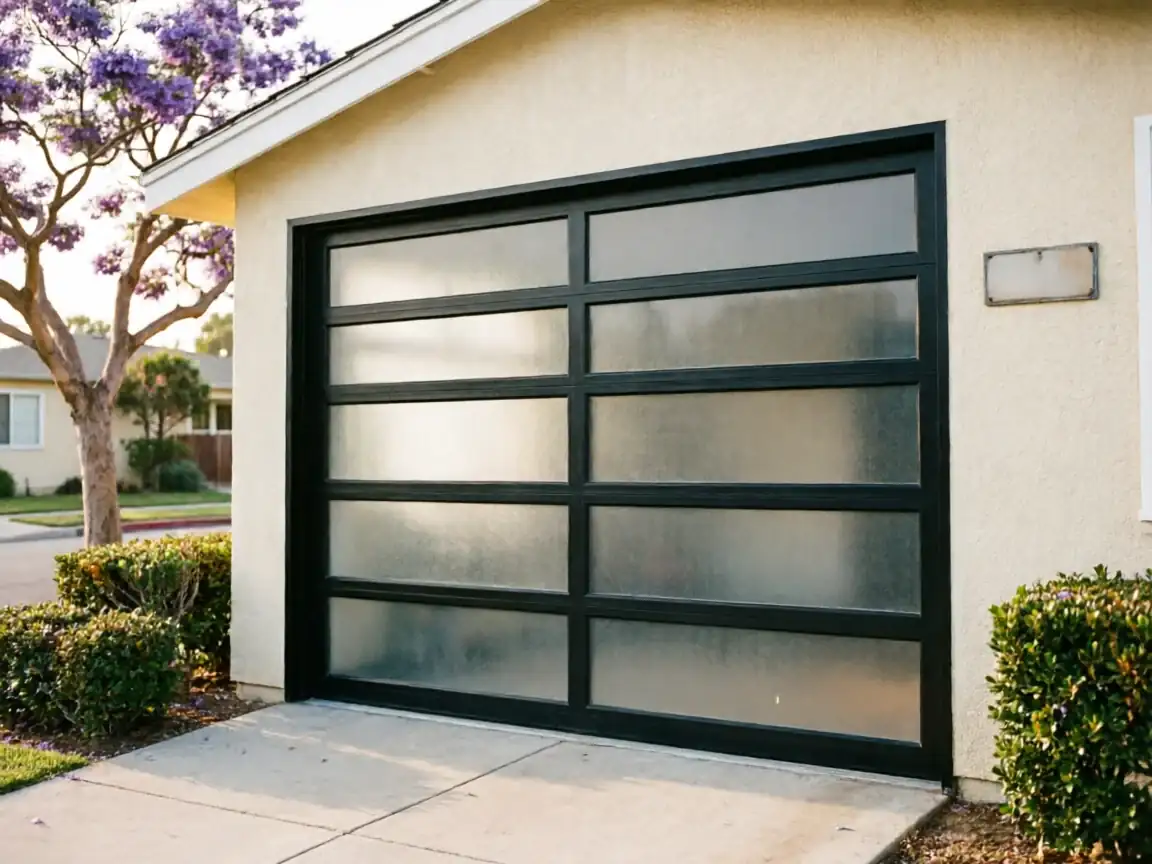
What the Housing Means for Your Door
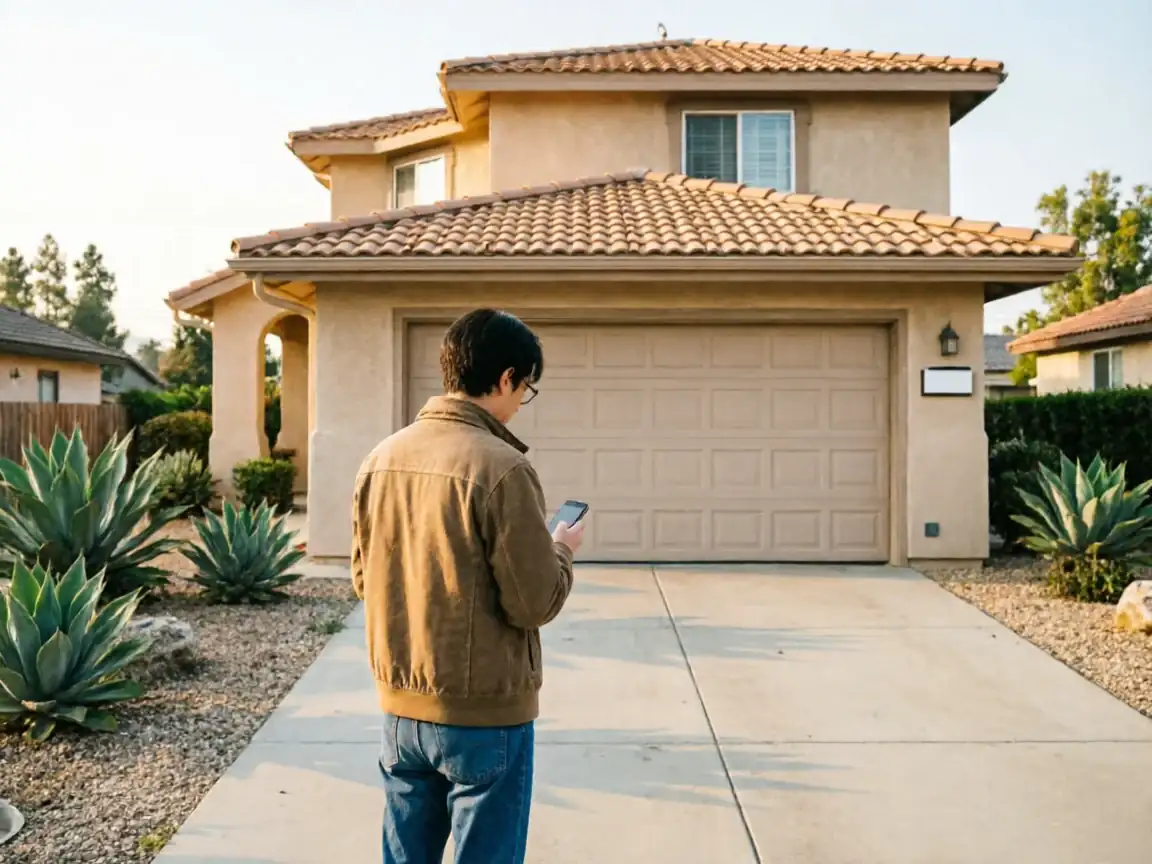
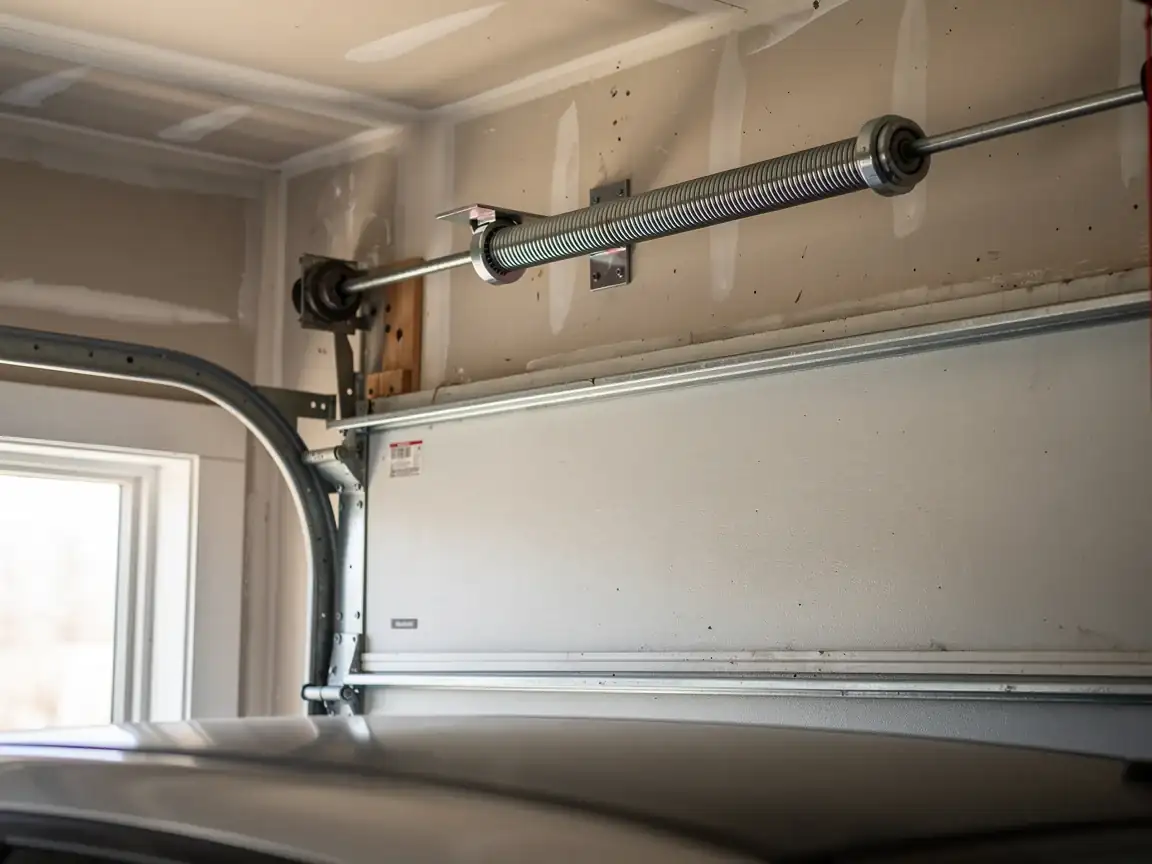
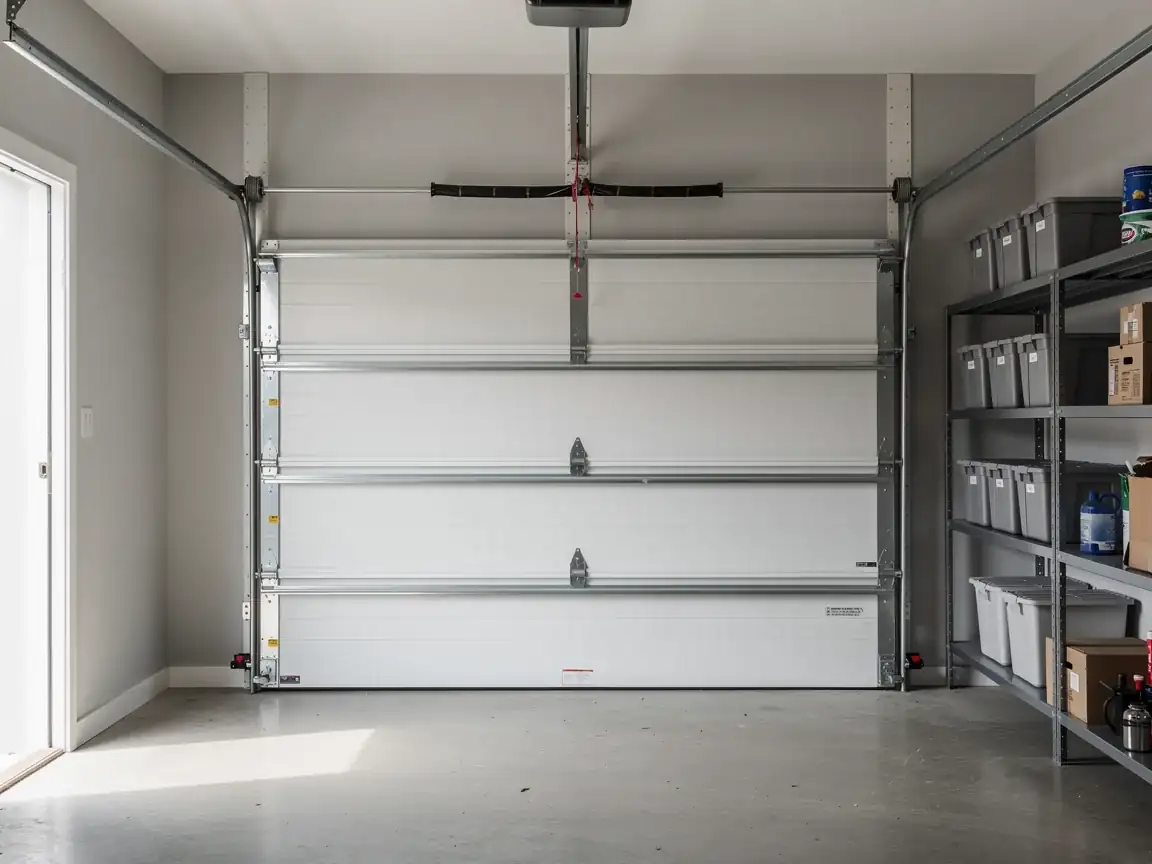
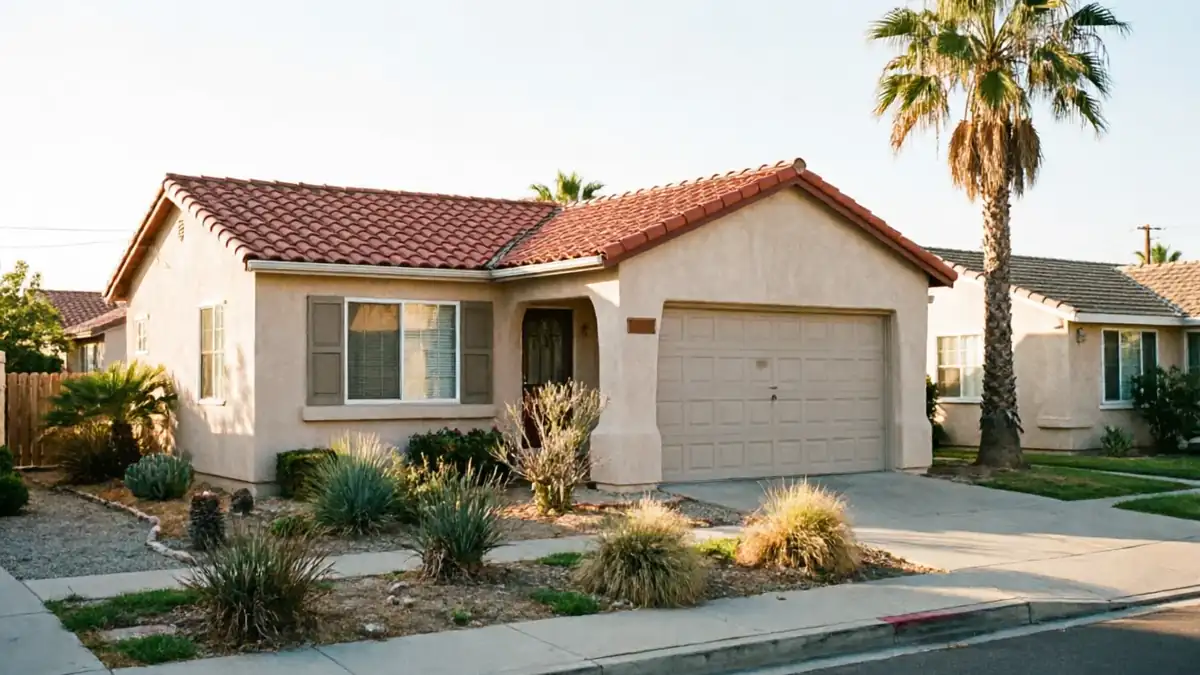
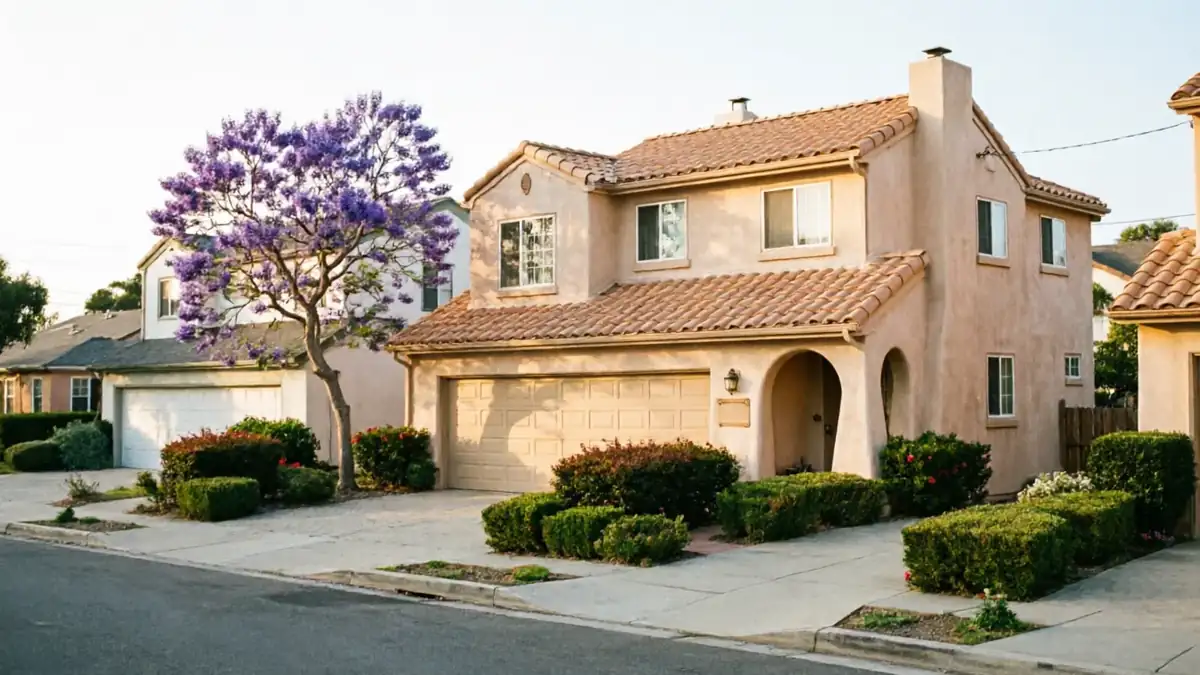
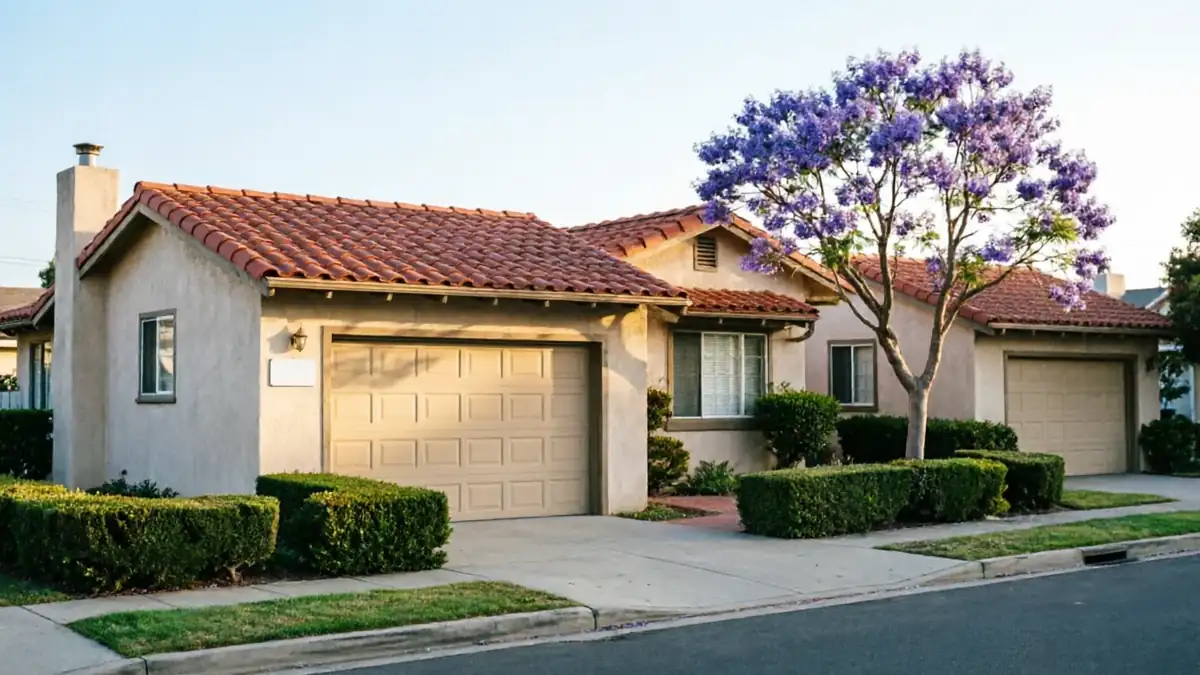
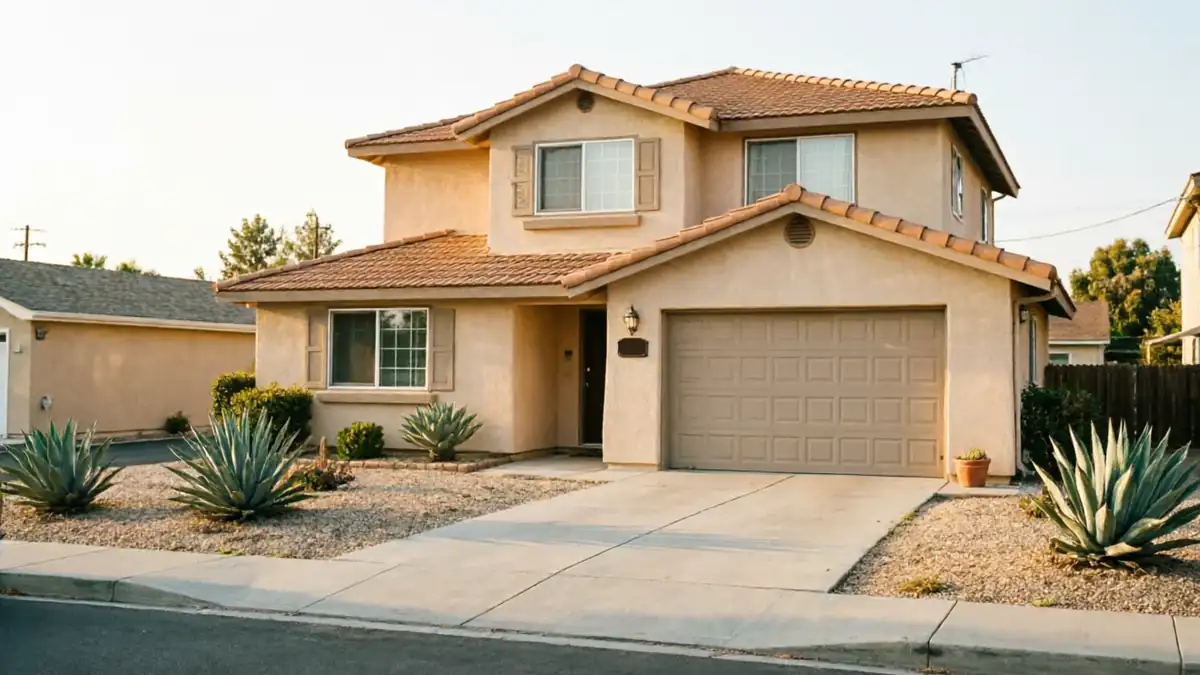
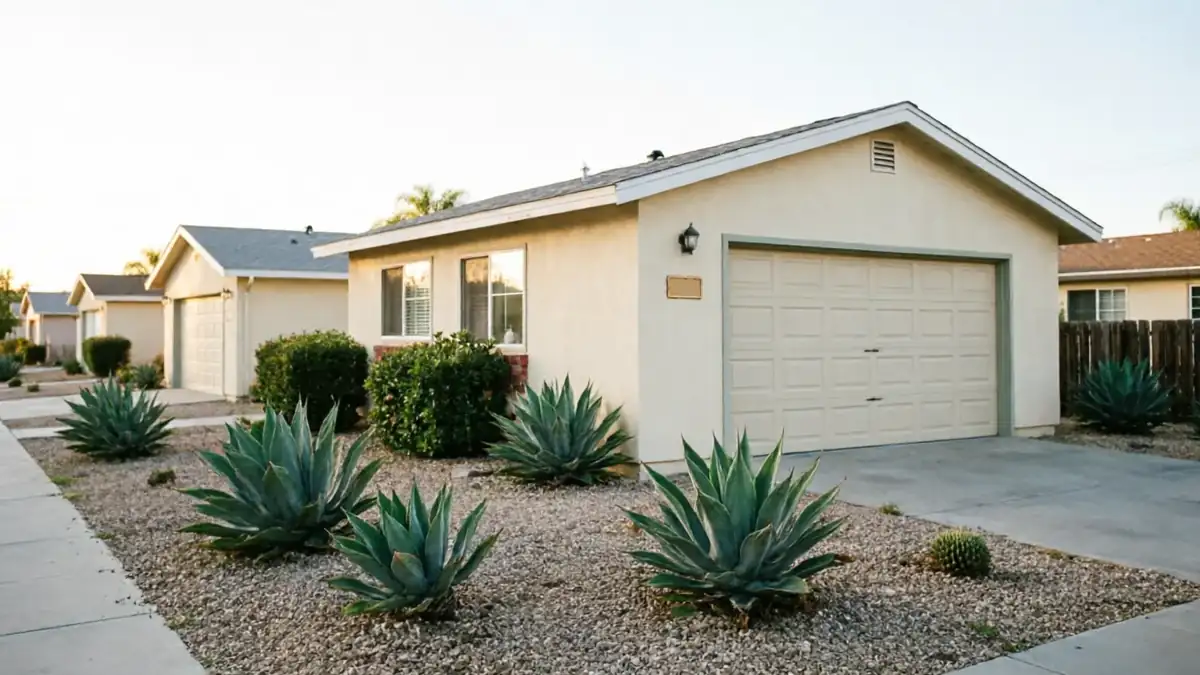
Foothill Farms homes cluster around a median build year of 1977, which puts most garages here a few years ahead of the wider service area's 1962-2004 span but still solidly in the original-hardware category. A door installed in 1977 has gone through at least one, often two, spring replacements by now, and a lot of these houses still carry the extension-spring setups and lighter steel sections that were standard before torsion conversions became common. If your opener is original to the house, it predates the safety-reversal sensors that became mandatory in 1993, which matters if you're trying to figure out why a newer opener won't pair with your old track. We see a mix of single-car and two-car configurations here, with the two-car doors usually showing more wear on the center support bracket because the original hardware wasn't sized for the wider span. None of this is exotic work, but it's not the same job as a house built in 2001, and knowing which decade your bracket came from saves a wasted trip.
The Usual Work Here
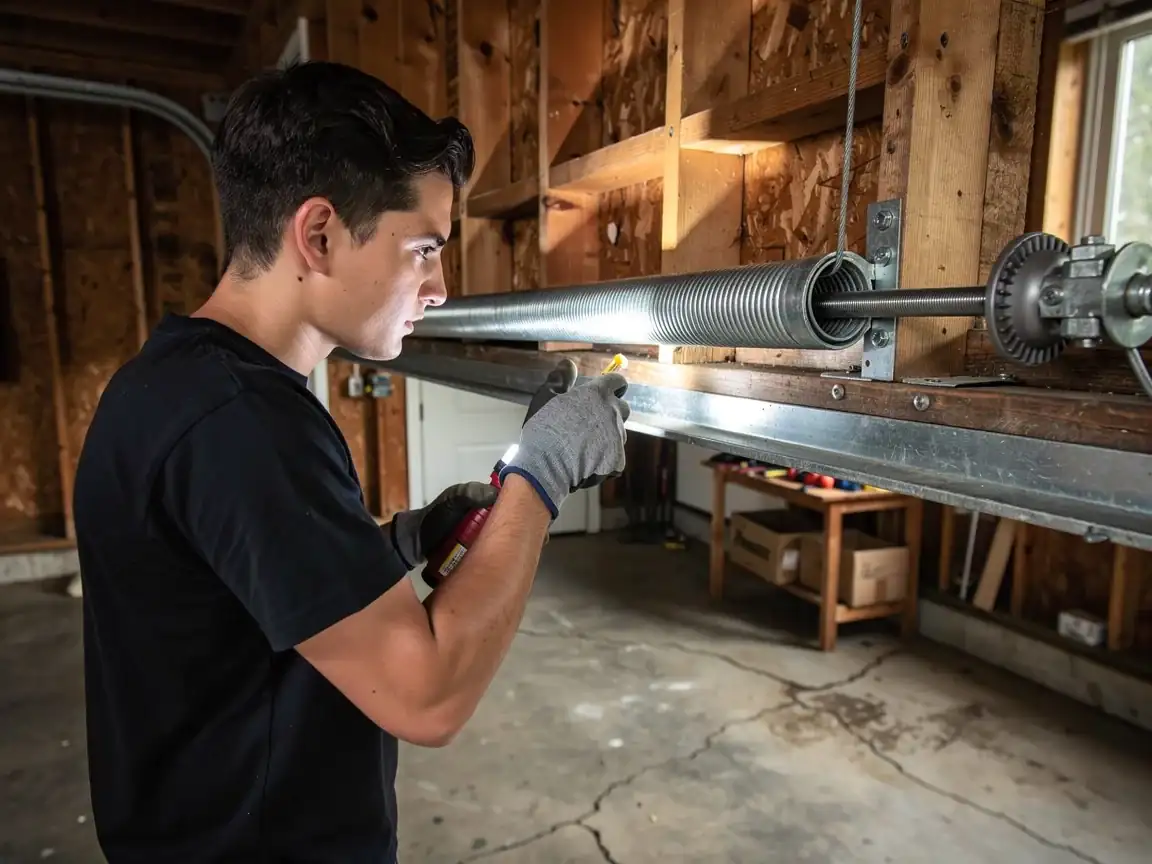
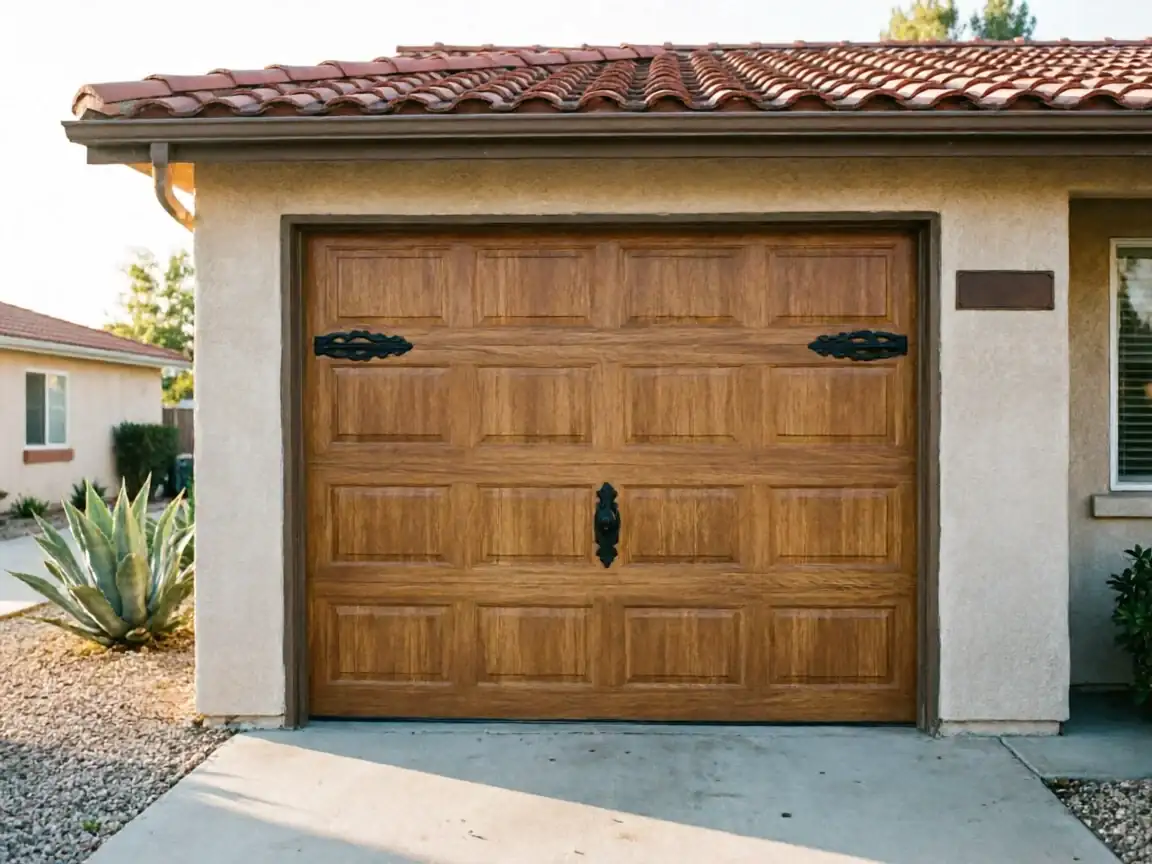
The calls we get from this area skew toward spring fatigue and roller wear rather than opener failure, which tracks with a neighborhood where the garage itself is older than the electronics inside it. Extension springs from the 1970s and early 80s don't have the cycle life of modern torsion springs, and once one side goes, the other is usually close behind - we'll tell you that straight rather than replace one and have you call back in a month. Track misalignment shows up often too, usually from a door that's been forced past a jammed roller for years before anyone calls. We also see garage doors used as a secondary entry more than in newer subdivisions, which adds wear on the bottom section and the weatherstrip faster than the rest of the door shows it. One thing we won't do is sell you a full replacement when a spring and a set of rollers will get another decade out of a sound door - that's a call we make at the house, not over the phone.
What Neighbours Usually Call About
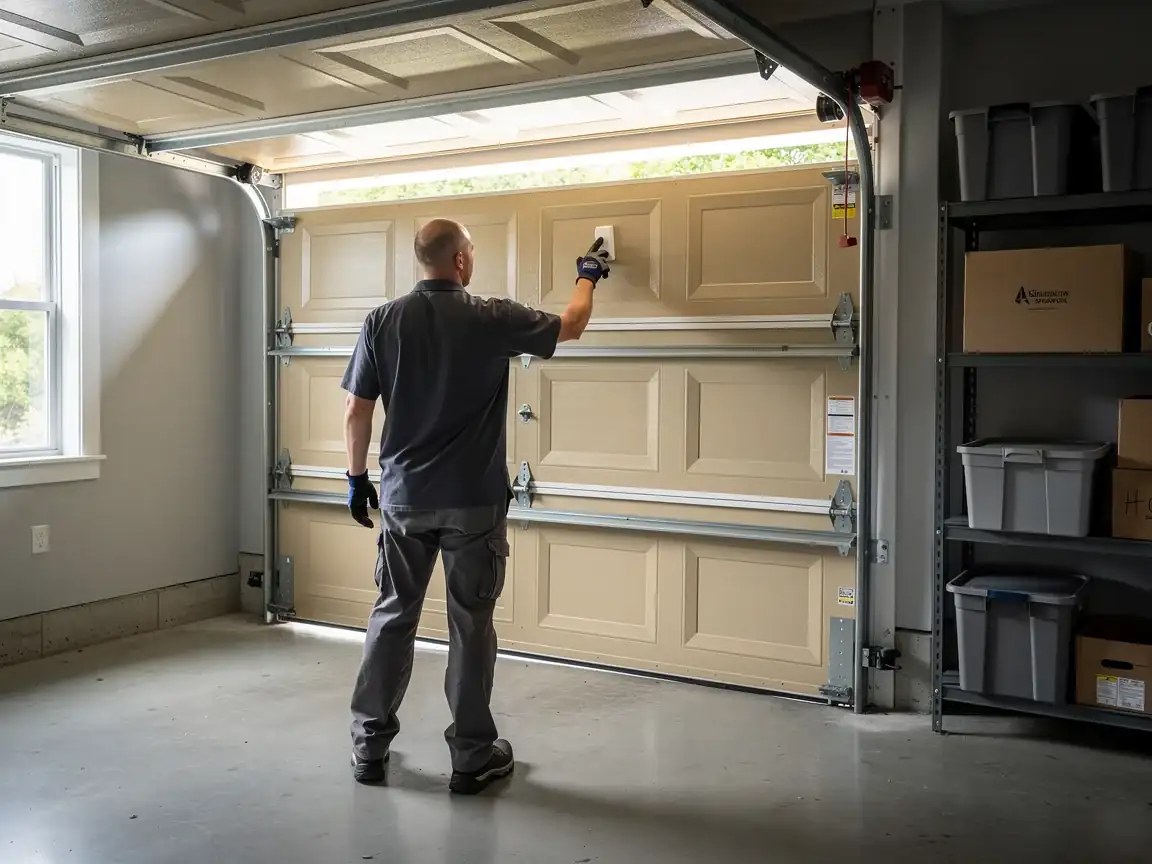
The most common call from this stretch of Foothill Farms is a door that's gotten heavy to lift by hand - almost always a spring that's lost tension, not a motor problem, even though people assume the opener is dying. Second most common is a door that reverses or won't close all the way, which on houses this age is often a sensor alignment issue layered on top of a track that's shifted slightly out of square over forty-plus years. We also hear from owners near the side of the area about noise - older rollers on steel wheels instead of nylon, which is a cheap fix but one people put off for years because the door still works. Less often, but worth naming honestly: if the bottom panel has rust damage from irrigation runoff or standing water at the slab, that's a case where we'll tell you replacement is the better money than another patch repair.