What the Housing Means for Your Door
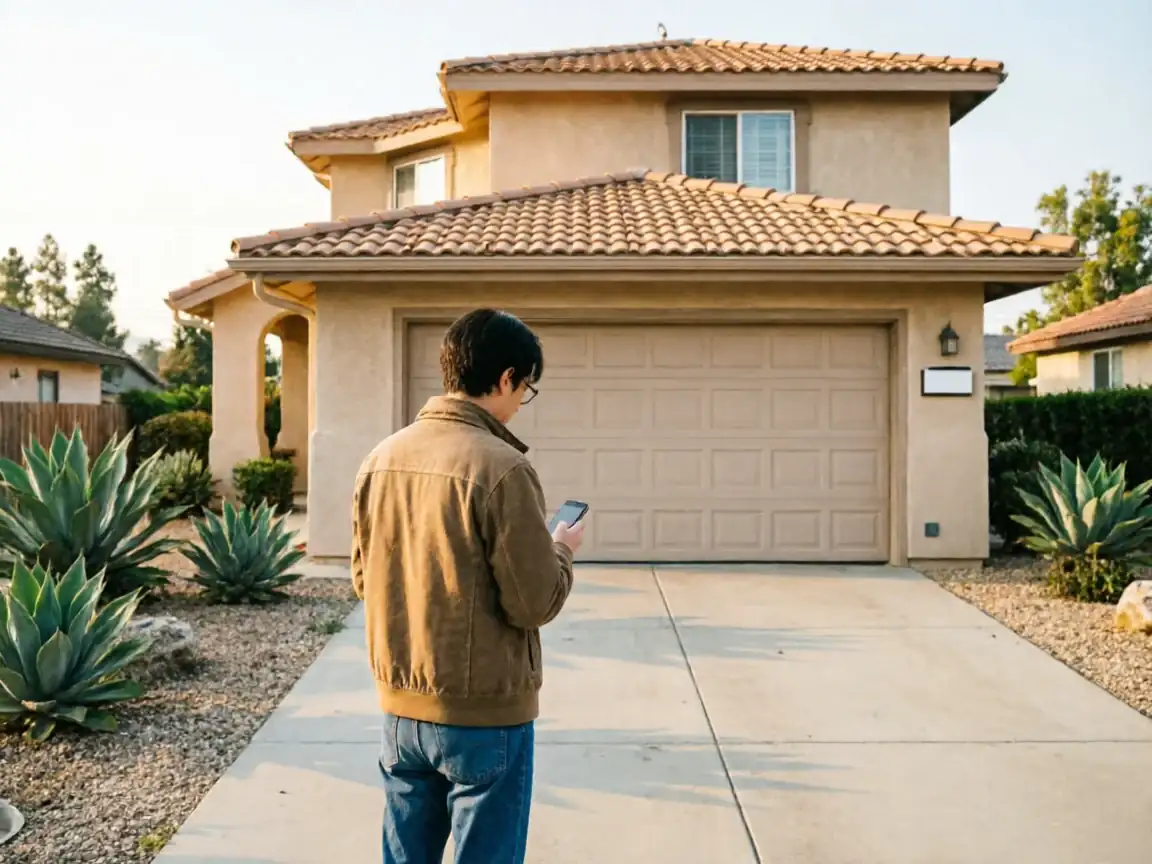
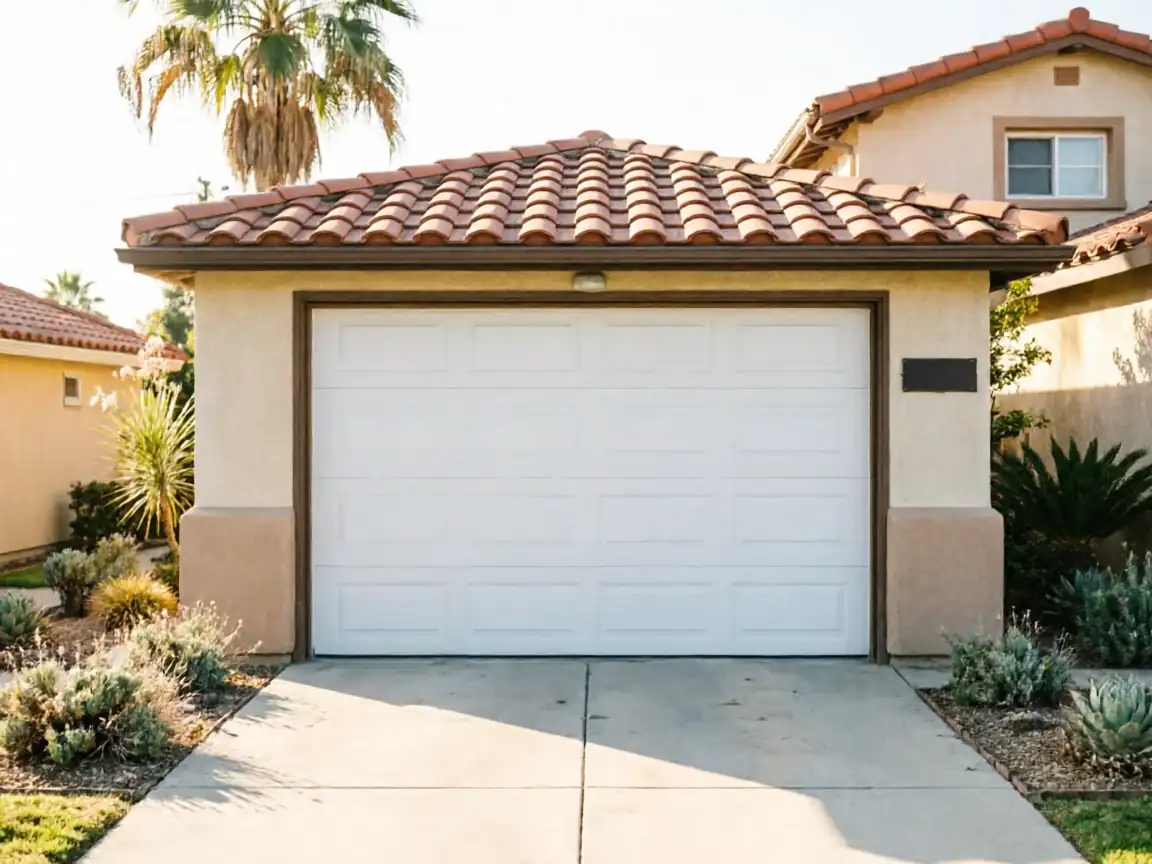
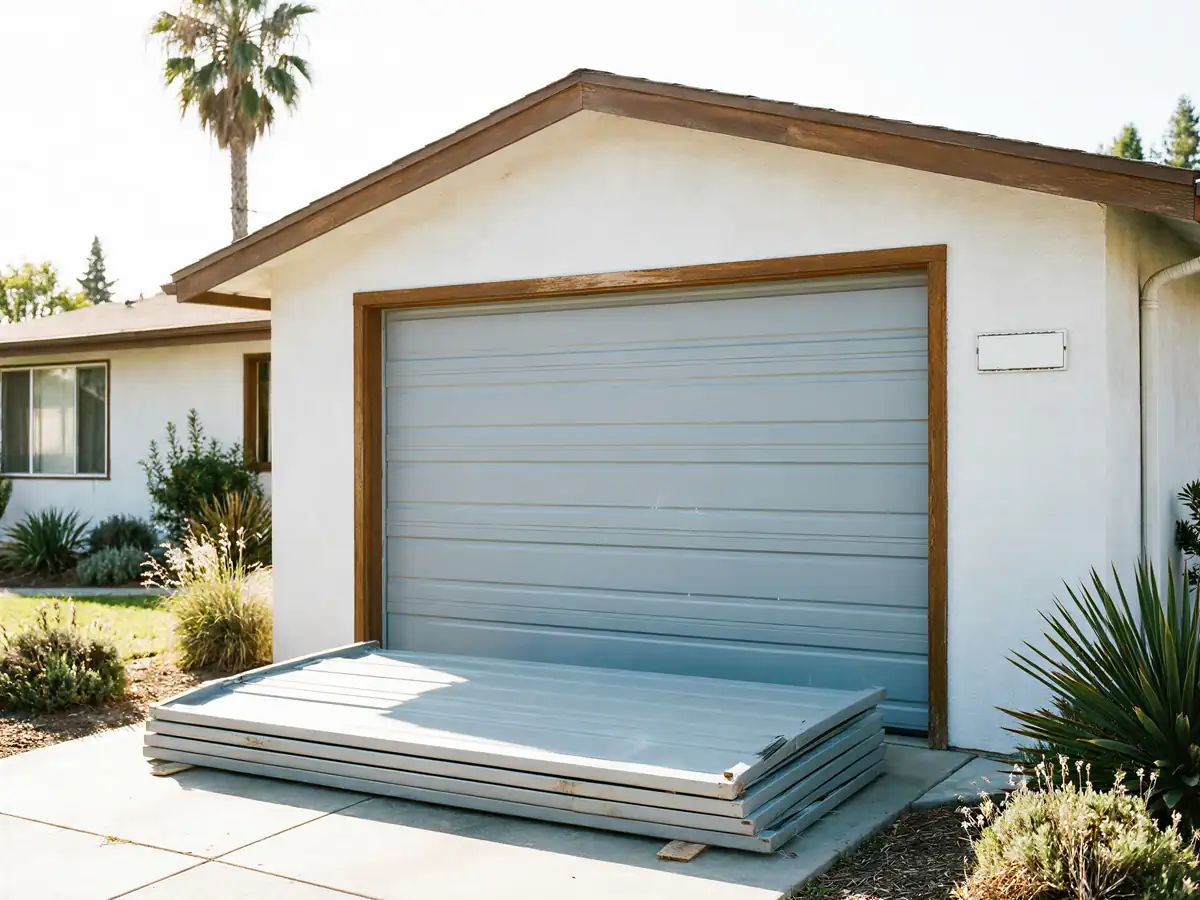
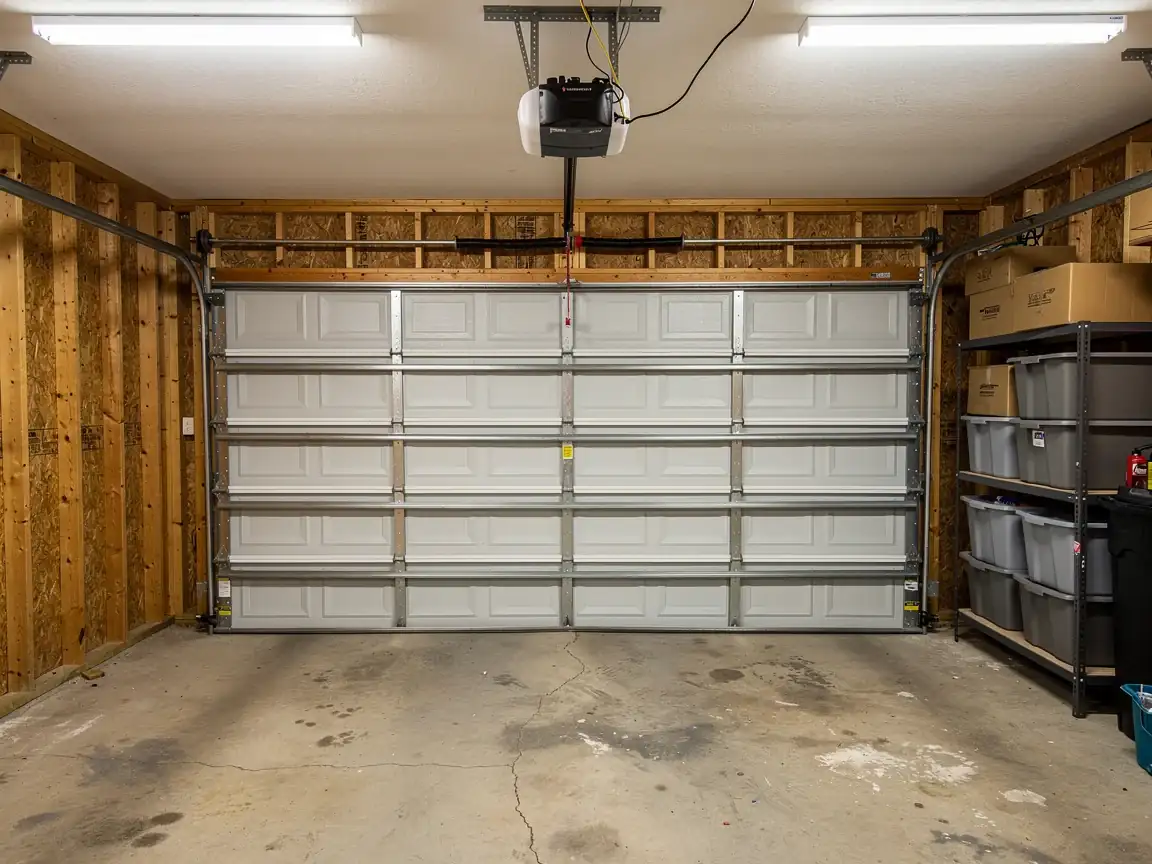
Antelope sits about 4 miles from our shop in Citrus Heights, and its housing is noticeably younger than a lot of what we work on elsewhere in the territory. Across the wider service area the median home was built in 1981, but Antelope's own median lands closer to 1993 - a solid decade later. That gap matters more than it sounds. Houses built in the early 90s came with steel sectional doors and chain-drive openers straight from the big-box era, not the heavier wood-look panels or the older torsion setups you'll find on 1970s stock a few miles away. The springs are lighter, the track is standard 2-inch galvanized, and the opener is almost always a half-horse chain unit bolted to a rafter. That's the baseline we expect to find before we even open the truck. It's not a bad baseline - these doors are simpler to work on than older ones - but it does mean the common failures here look different from a street built twenty years earlier. Know what era your door came from and you already know roughly what's going to wear out first.
The Usual Work Here
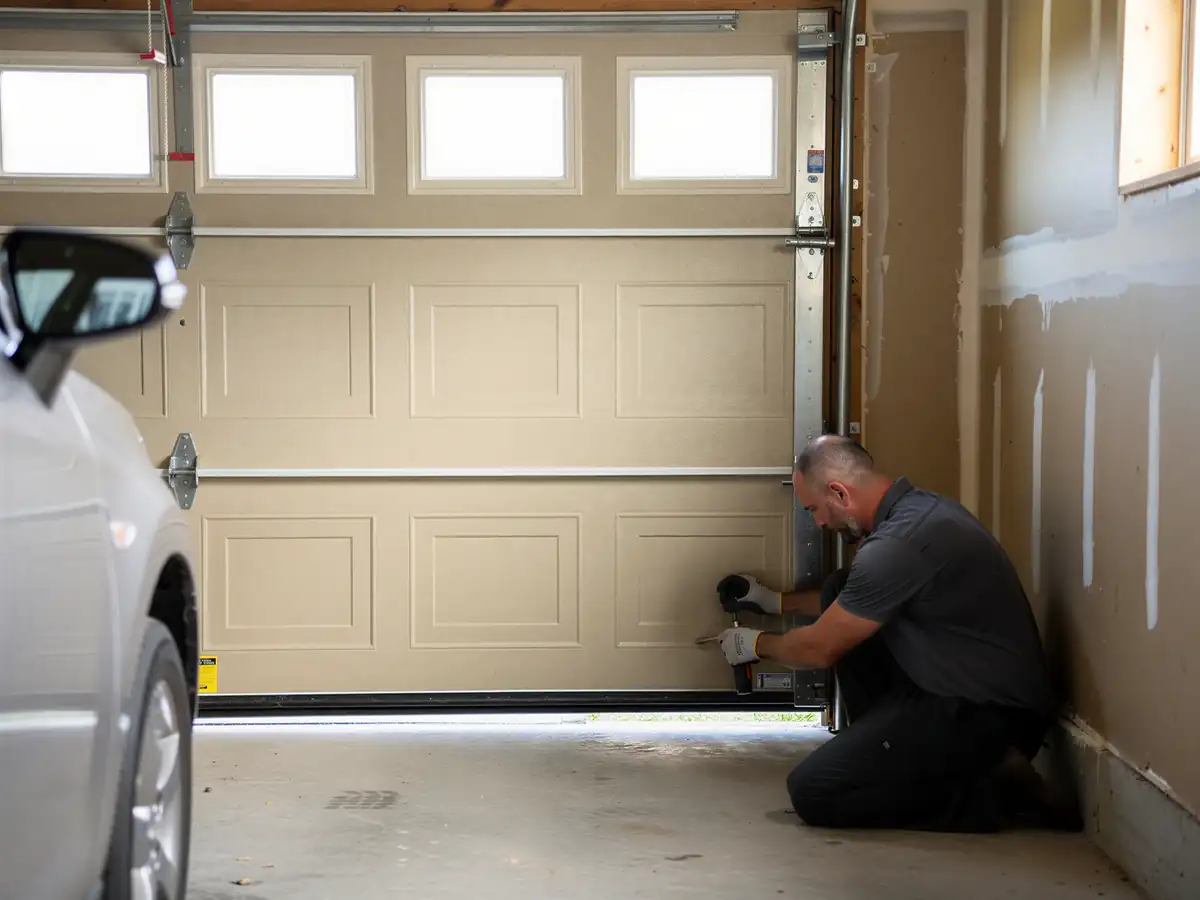
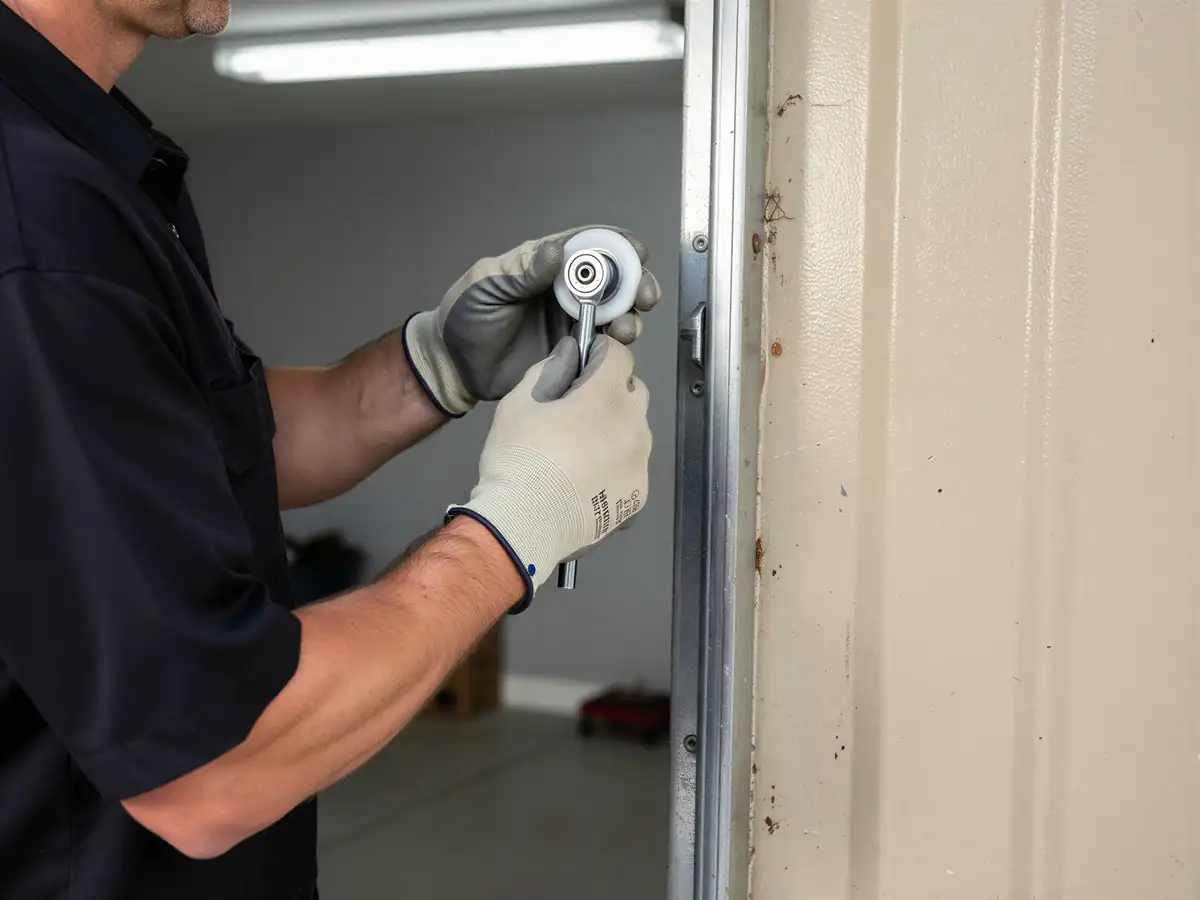
Doors from Antelope's build era tend to fail in a handful of predictable spots. The plastic idler pulleys and nylon rollers that shipped standard in the early 90s get brittle and crack, especially after a run of hot Sacramento-area summers. Chain-drive openers from that period are also reaching the end of a normal service life, and a lot of calls are the drive gear stripping inside the housing rather than anything wrong with the door itself. With a median household income near $95,102, we also see more owners here choosing to swap a tired chain-drive unit for a quieter belt-drive opener instead of nursing the old one along. That's a reasonable call once the gear's already gone. What we don't do is stock every opener logic board on the truck - some of the older chain-drive control boards are discontinued, and if yours is one of them, the honest answer is a new opener rather than a repair, because the part just isn't made anymore.
What Neighbours Usually Call About
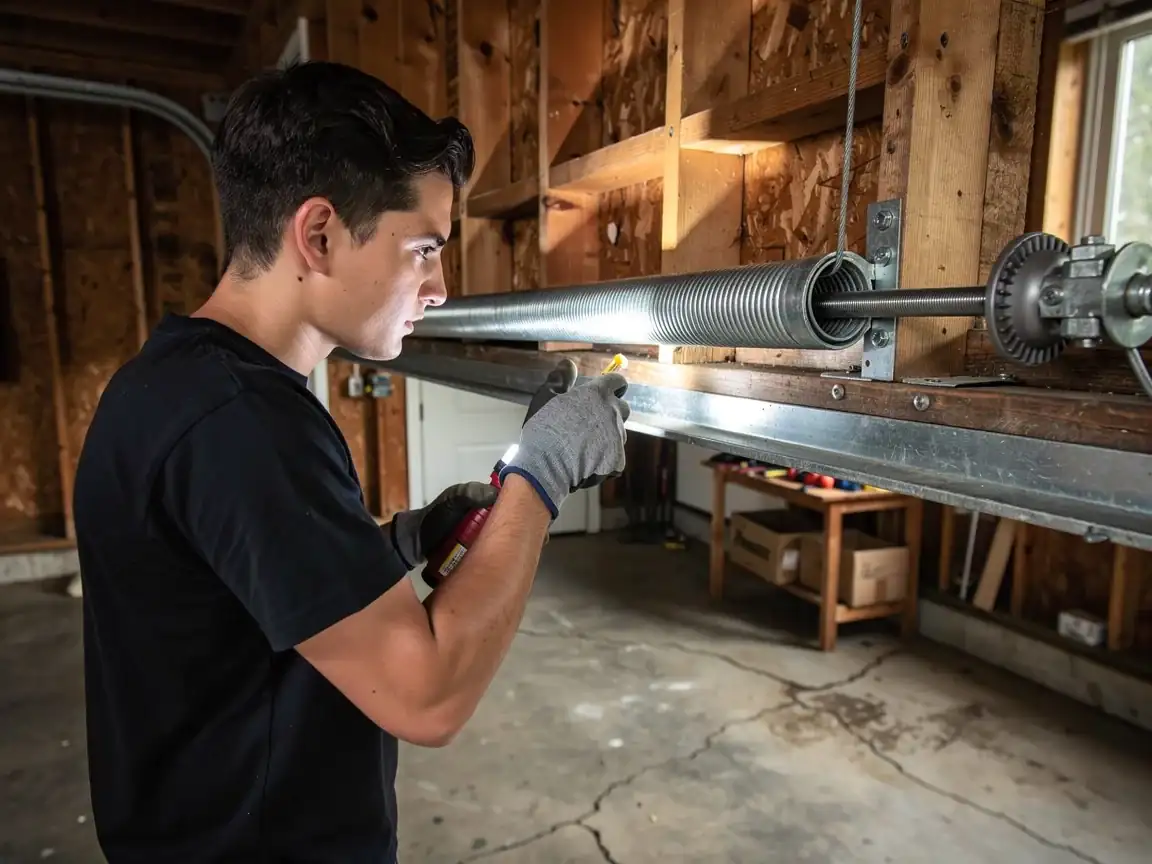
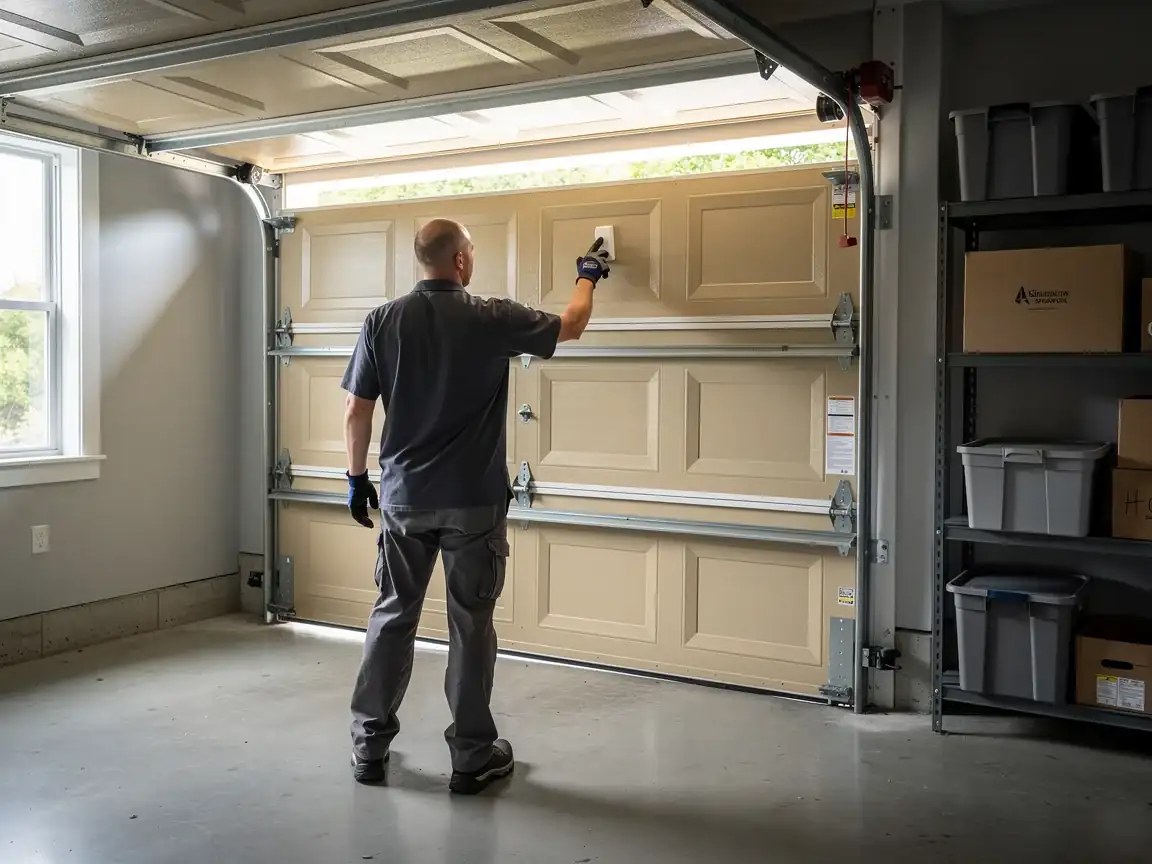
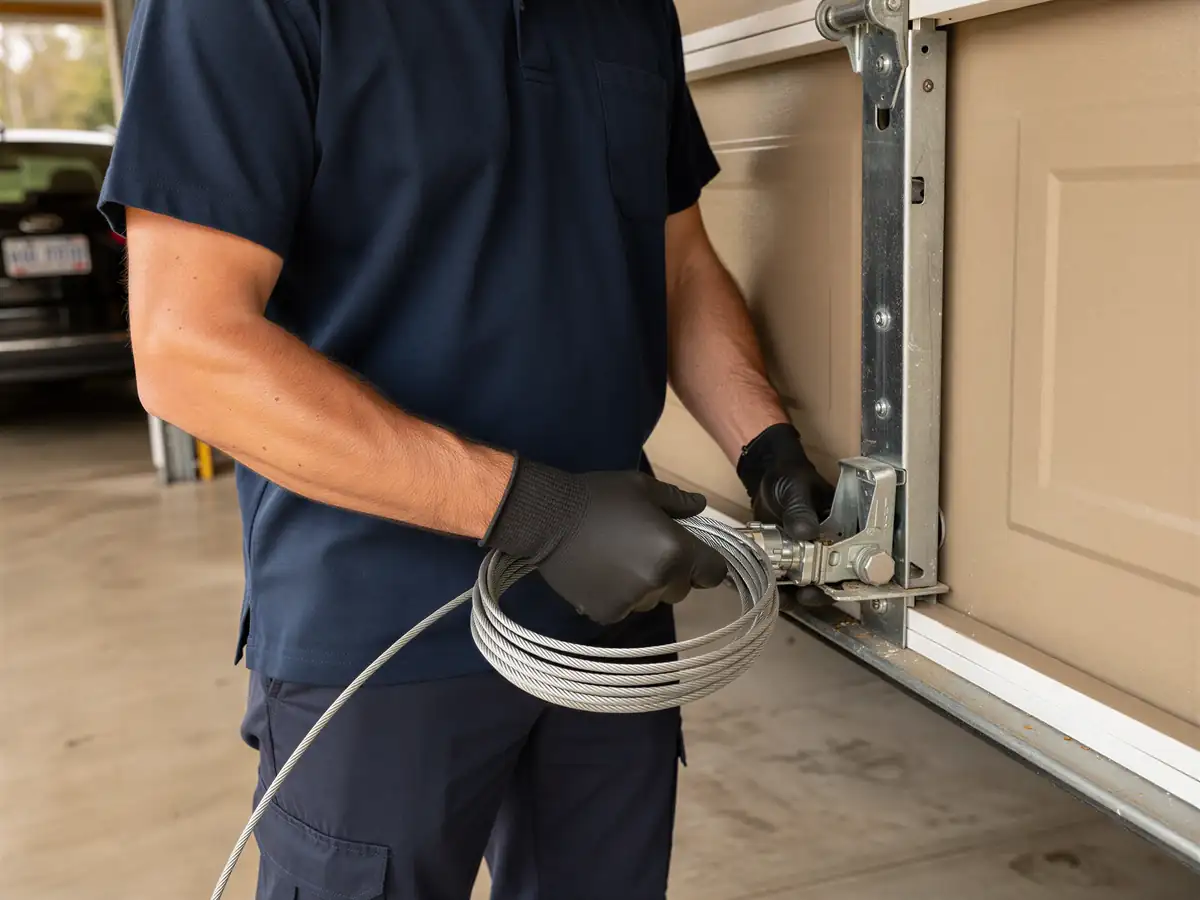
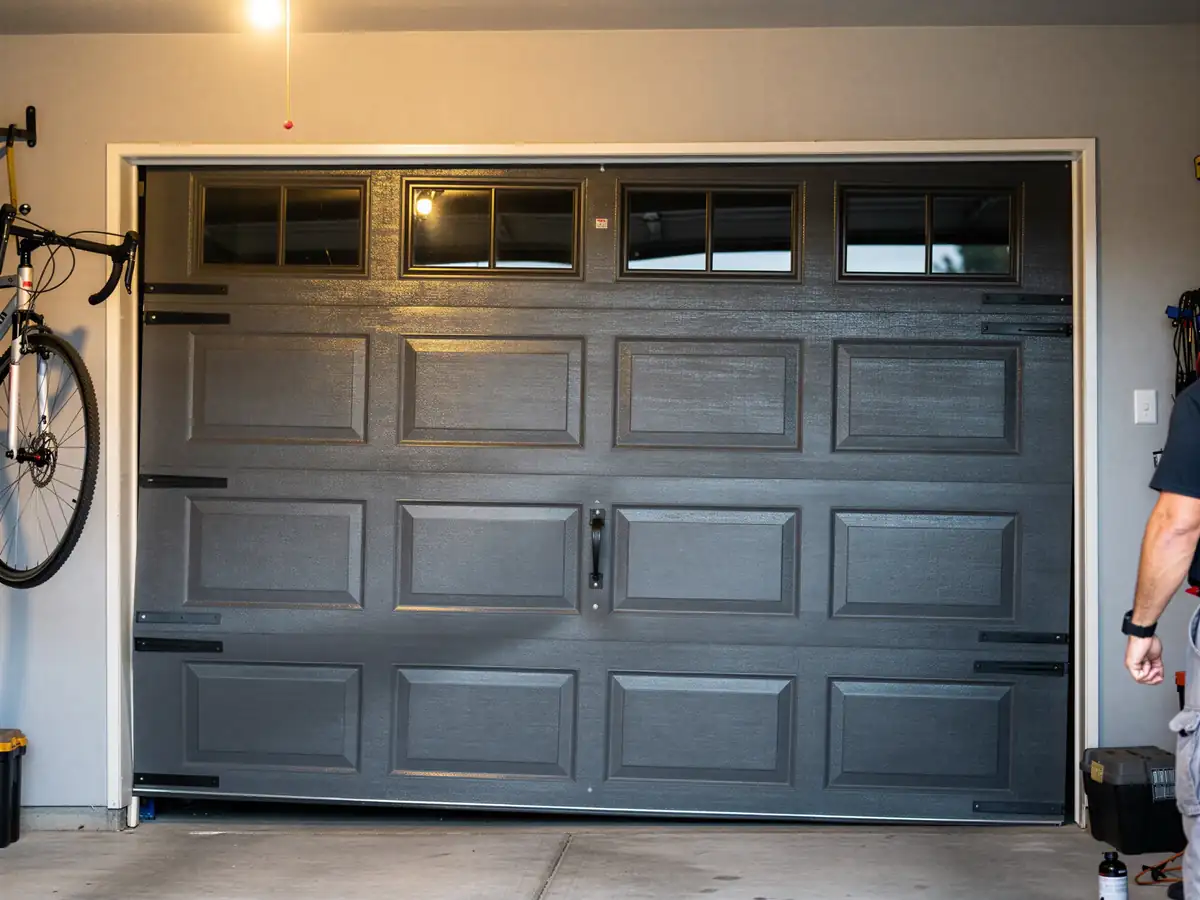
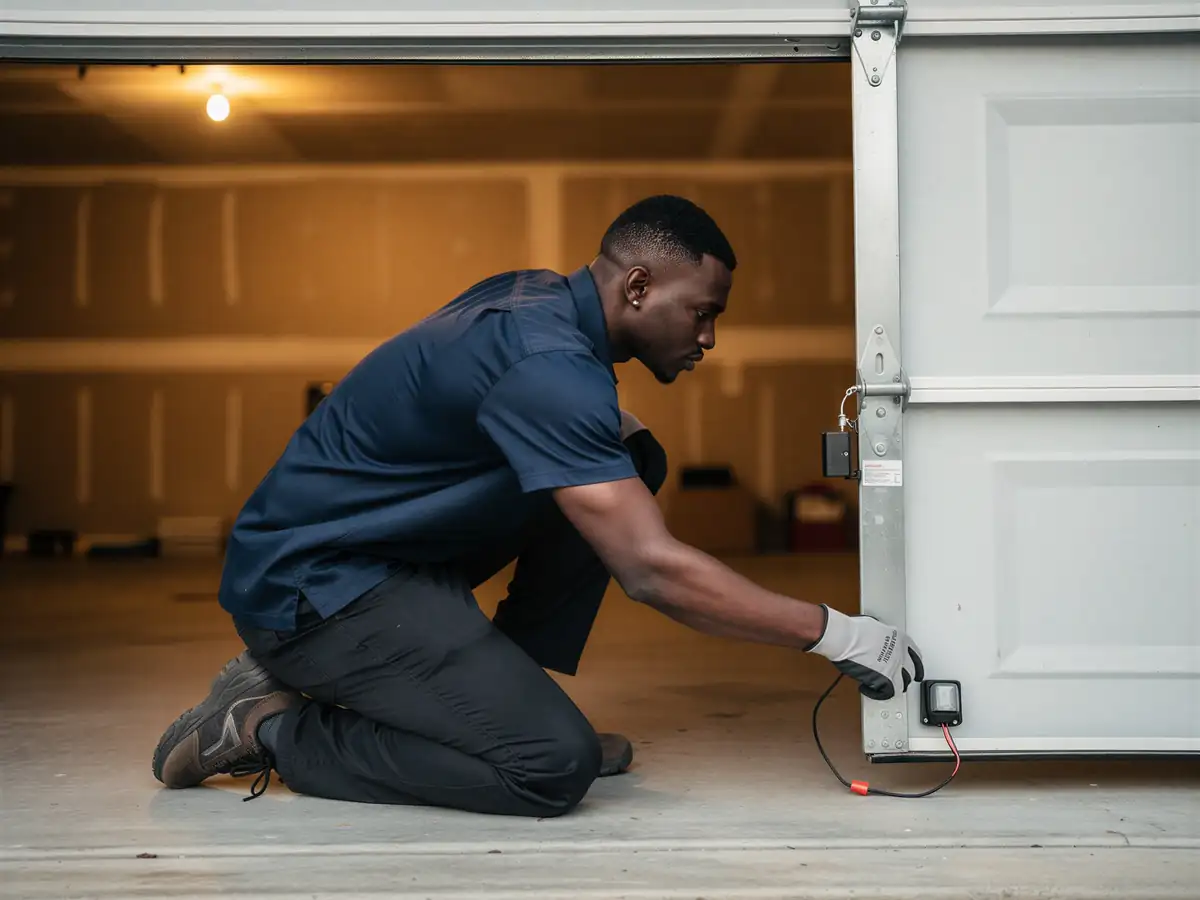
The most common call out of Antelope is a broken torsion spring on a double door - the standard-lift springs from this build era are sized for a specific door weight, and after two to three decades of summer heat cycling, they fatigue and snap, usually on the coldest morning of the year when the metal's stiffest. Second most common is an opener that runs but won't lift, which almost always traces back to a stripped drive gear in an aging chain-drive unit. We also get a fair number of calls about a door that reverses right before it closes - often just a sensor knocked out of alignment, but sometimes a sign the rollers have worn enough that the door binds in the track. None of these are unusual for a neighborhood built in the early 90s. What is worth flagging: if your opener's control board has failed and it's one of the older discontinued models, replacement is usually the better call than hunting for a part that isn't made anymore.