The Complications
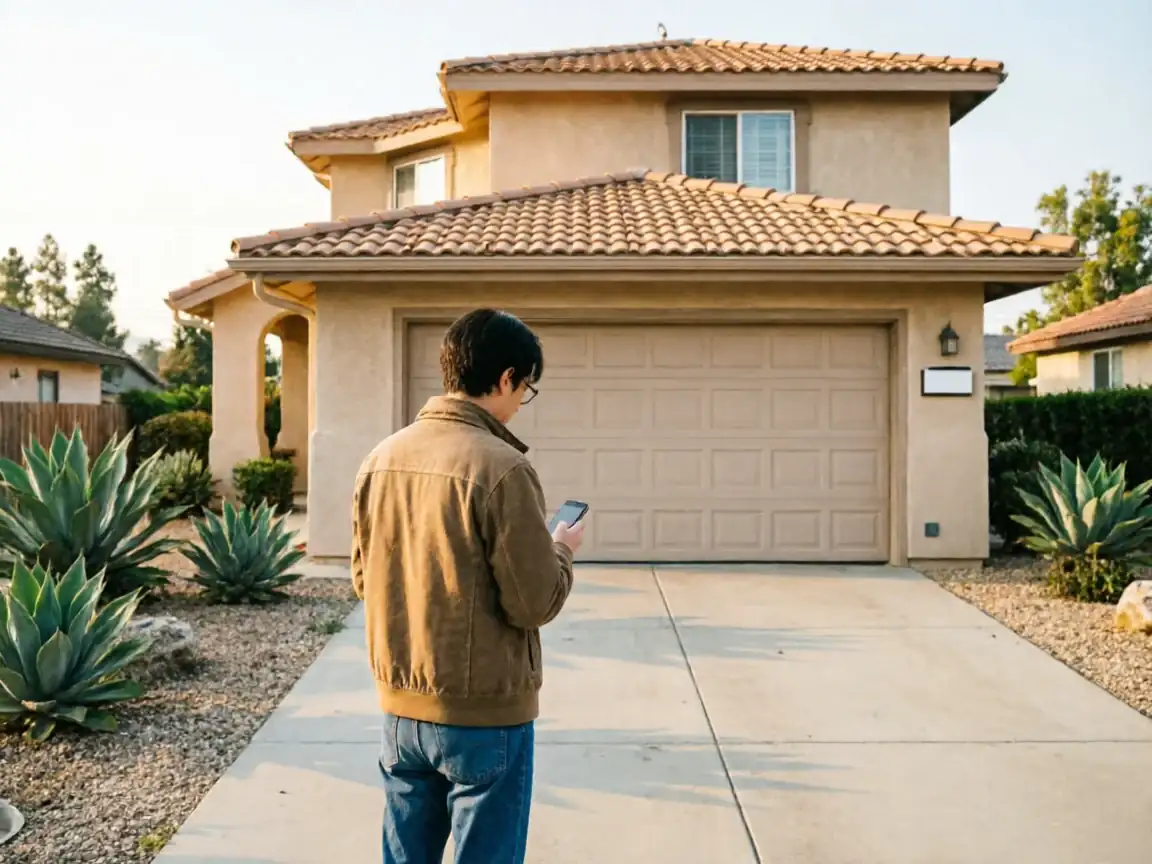
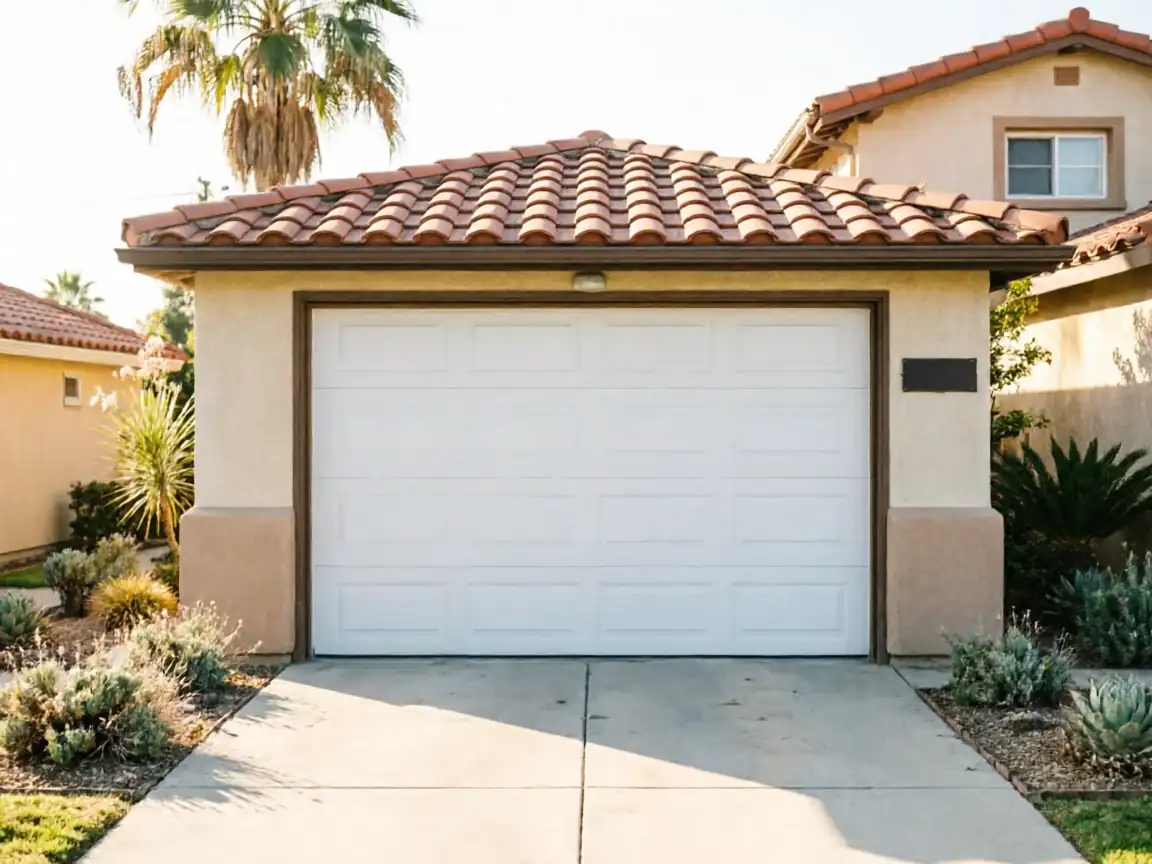
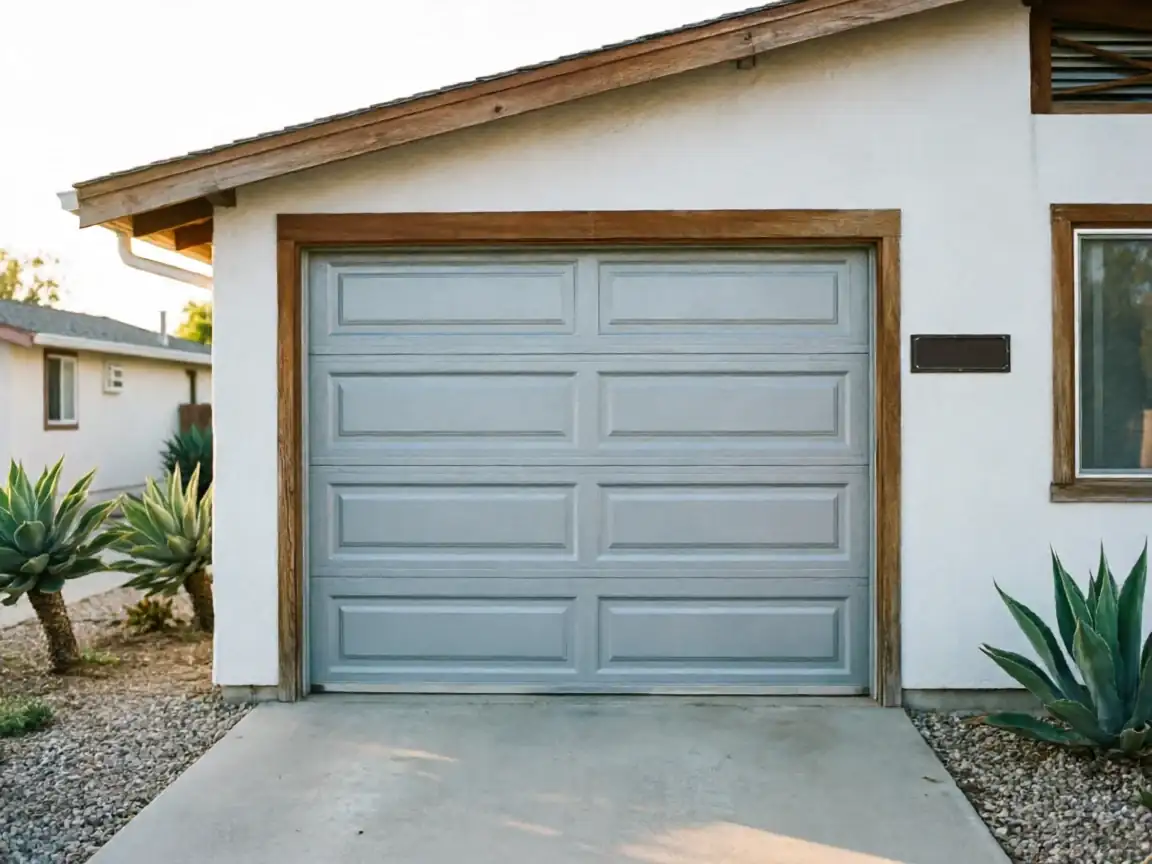
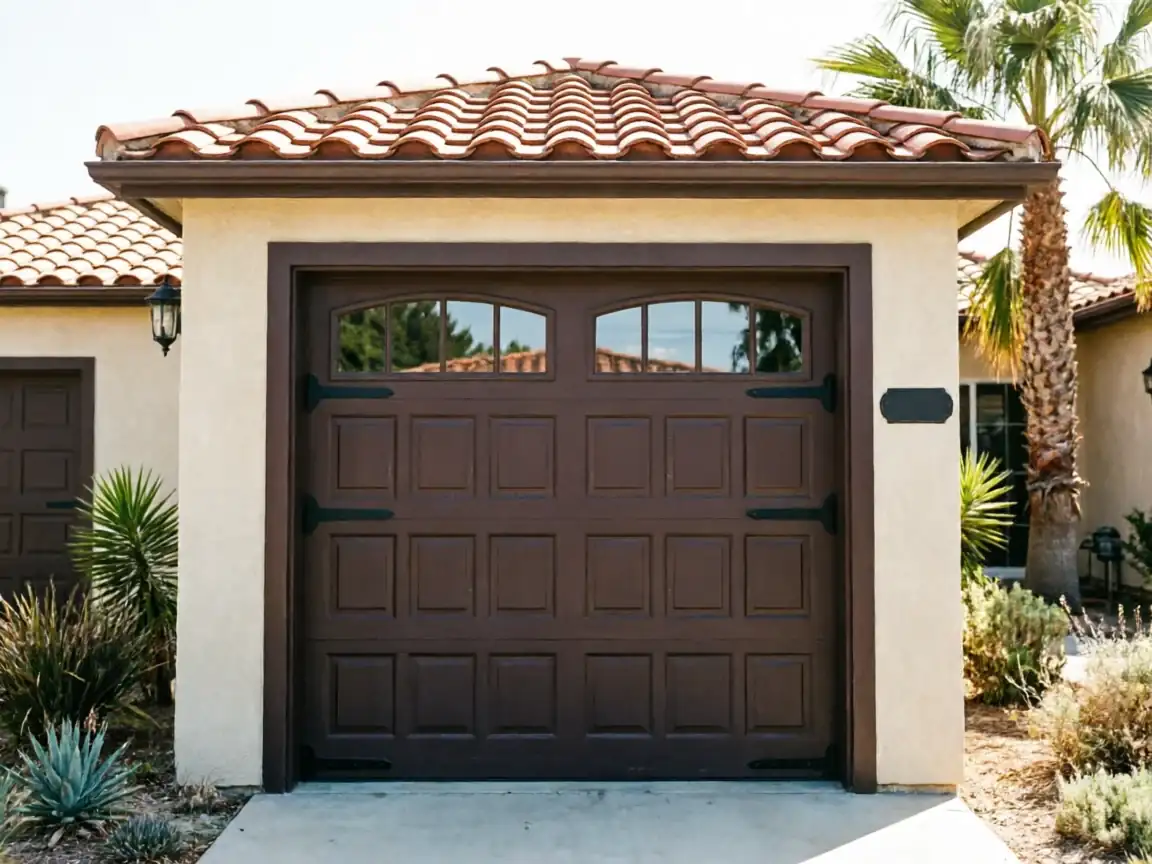
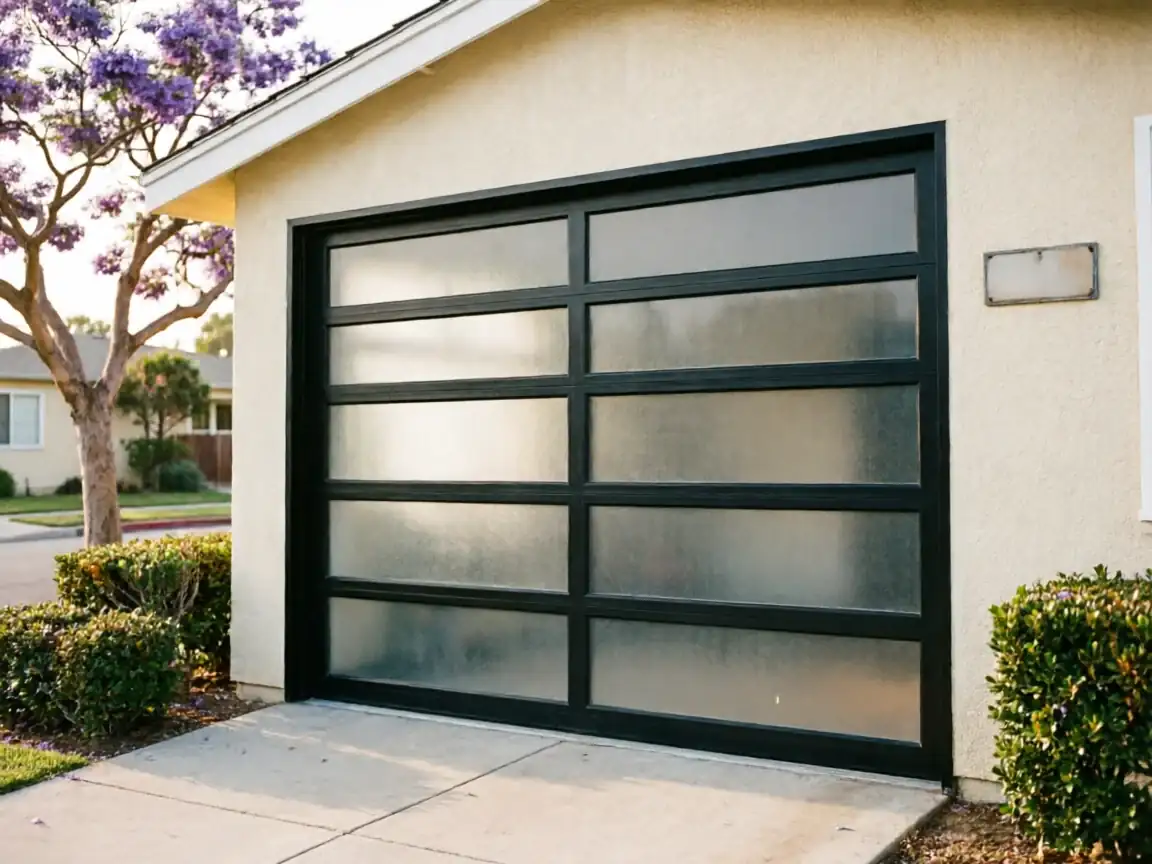
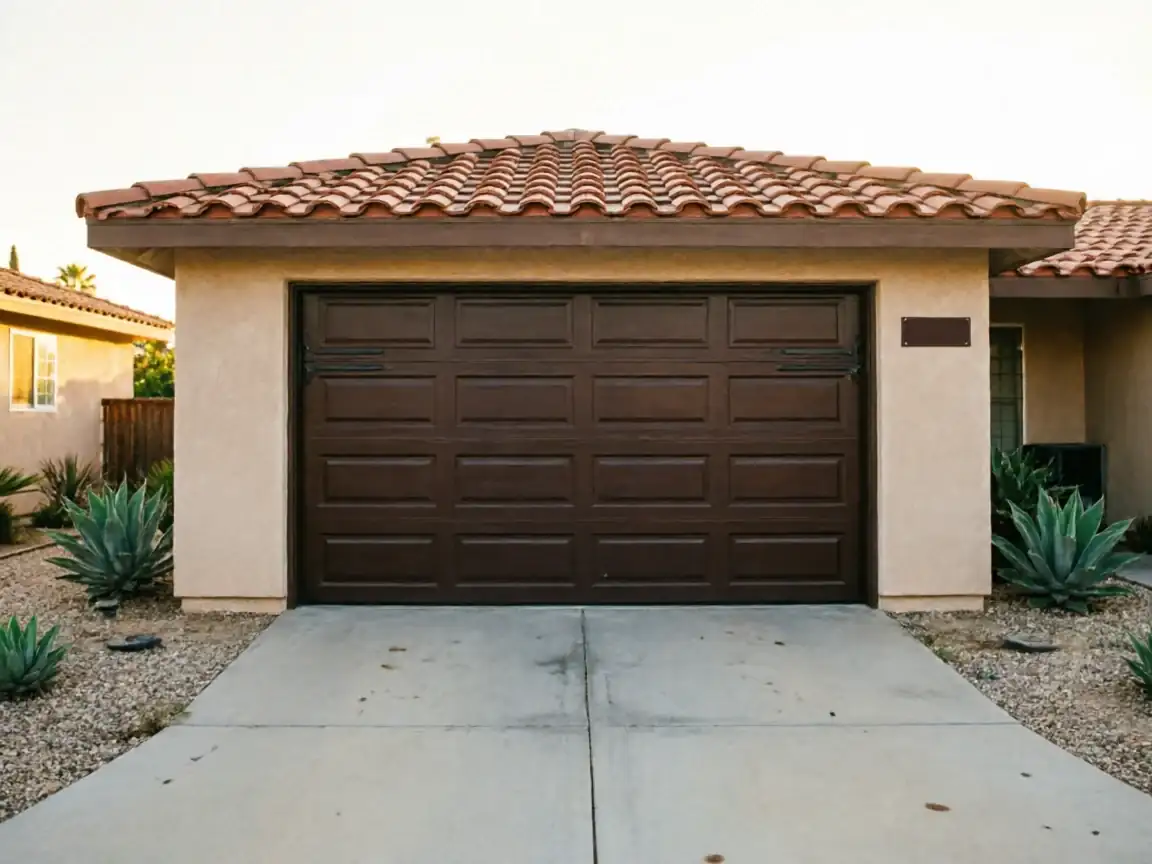
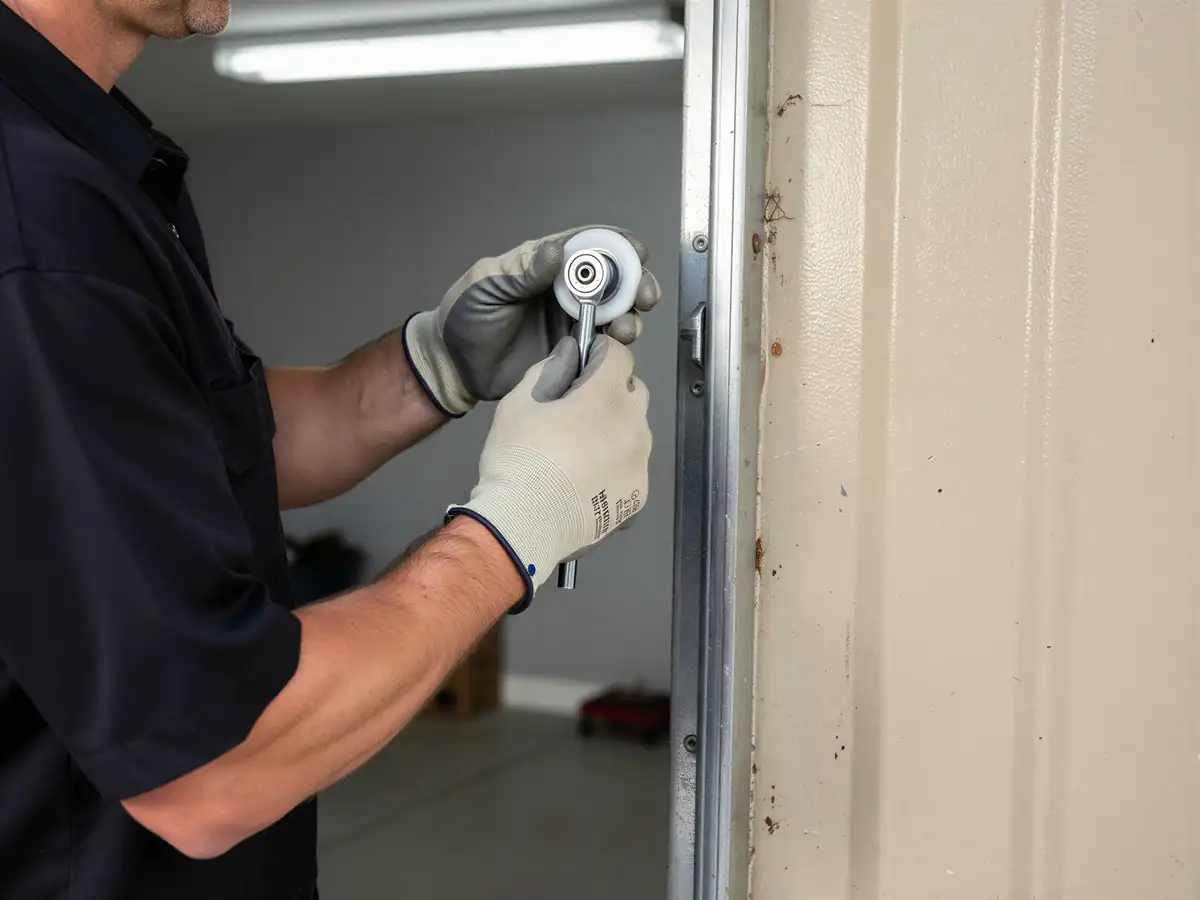
Vineyard's housing stock centers on the year 2000, which puts it a couple of decades newer than much of the rest of the area this company covers, where the median build year lands closer to 1981 and a lot of the stock dates back to the 1980s and 90s. That matters for off-track calls because doors built around 2000 usually came with galvanized steel tracks and nylon rollers as the standard setup, not the older steel-roller, loose-tolerance hardware you find on a house from 1965. The failure points are different. On a 2000-era door, off-track problems tend to start with a track bracket that's worked loose from twenty-plus years of door cycles, or a roller that's worn its nylon sleeve down to the stem and started riding rough in the channel. You don't get the warped, undersized track sections that plague the oldest doors in this territory, but you do get fatigue in hardware that was fine for the first fifteen years and isn't anymore.
The Symptom
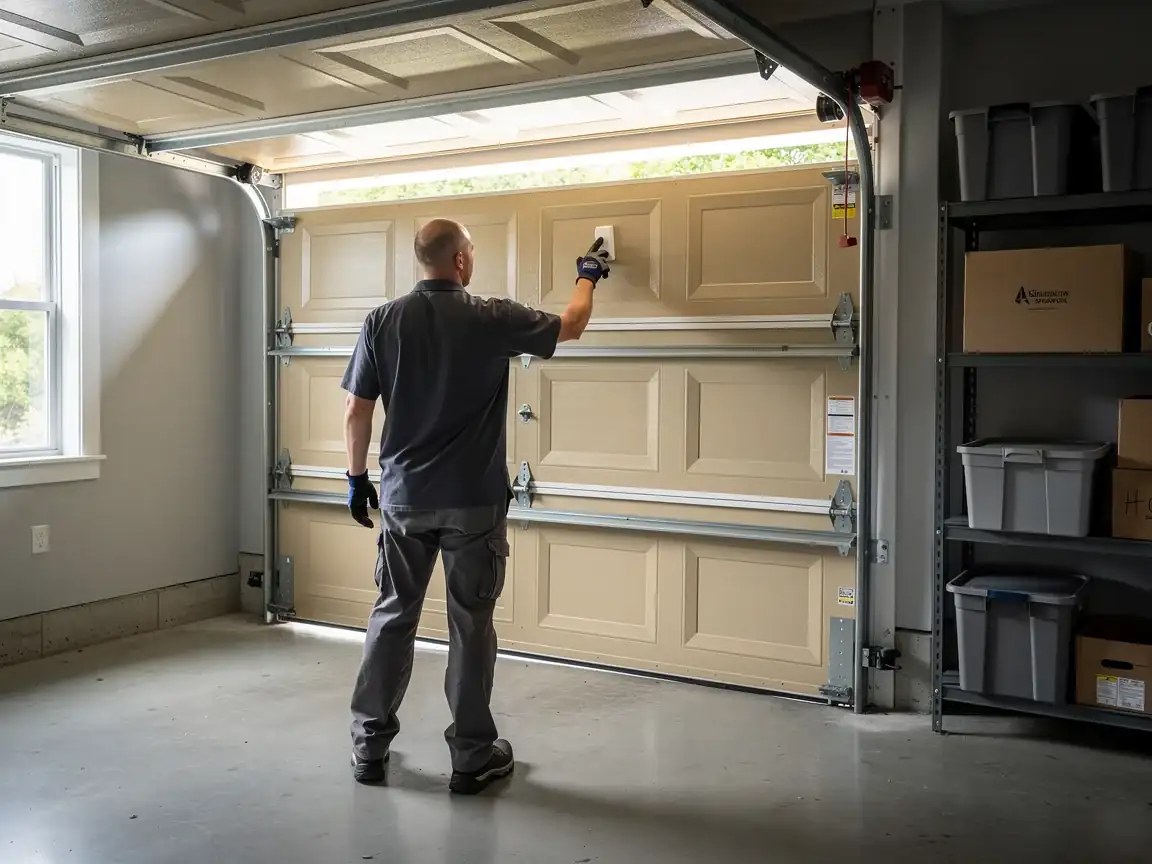
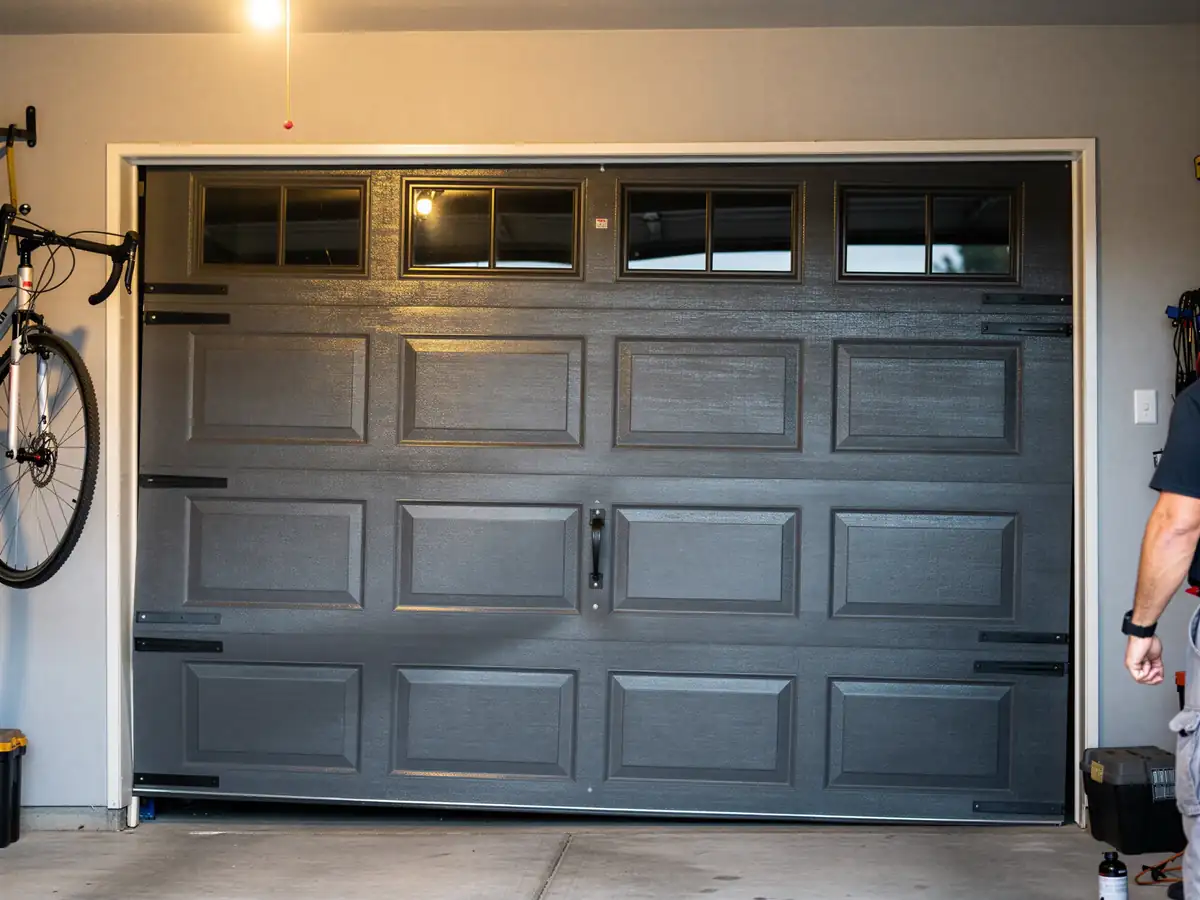
The door hangs crooked in the opening, or one side rides lower than the other when it's partway up. Sometimes it jumps the track with a bang and stops dead, opener still humming, door not moving. You might see a roller sitting outside the channel, or a track bent outward at one bracket. On some doors the symptom shows up slow: the door starts rubbing or squealing at the same spot every cycle for a week or two before it finally pops loose. Either way, the opener isn't the problem. The track and the rollers are.
Why This Fails Locally
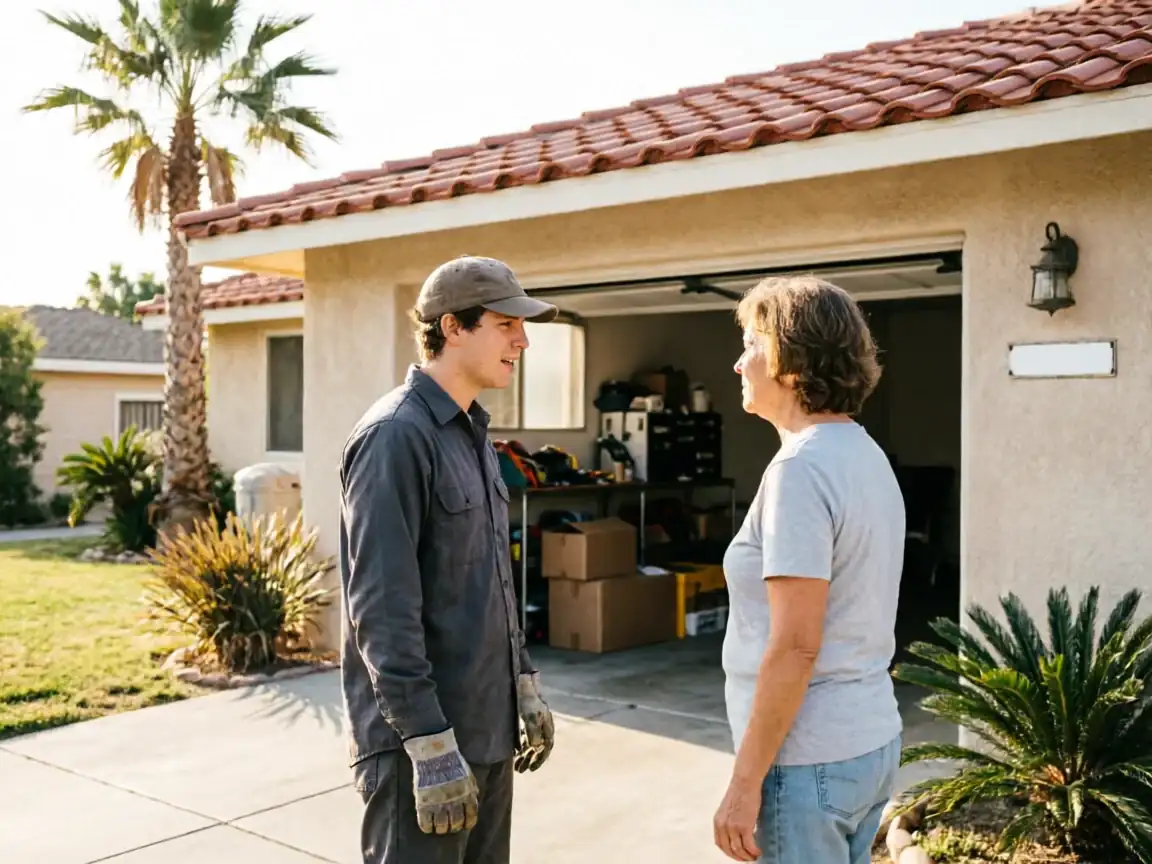
The climate here runs in the severe heat band, and twenty-plus summers of that on a garage that sits closed most of the day will loosen fasteners and dry out roller bearings faster than milder climates would. A door that went up around 2000 has had two decades of that cycle, which lines up with when nylon rollers typically start shedding material and brackets start backing out of the jamb. Vineyard's household income runs higher than the broader area average, $108,403 against $95,592, which doesn't change the physics of a worn roller, but it does mean more of these homes carry original builder-grade hardware rather than a mid-life upgrade, since there's been less financial pressure to defer the fix. One honest limit: we work out of Citrus Heights, about 15 miles off, so this isn't a same-day drop-in the way it might be for a closer suburb. We schedule it, we just don't pretend otherwise.
What the Repair Takes
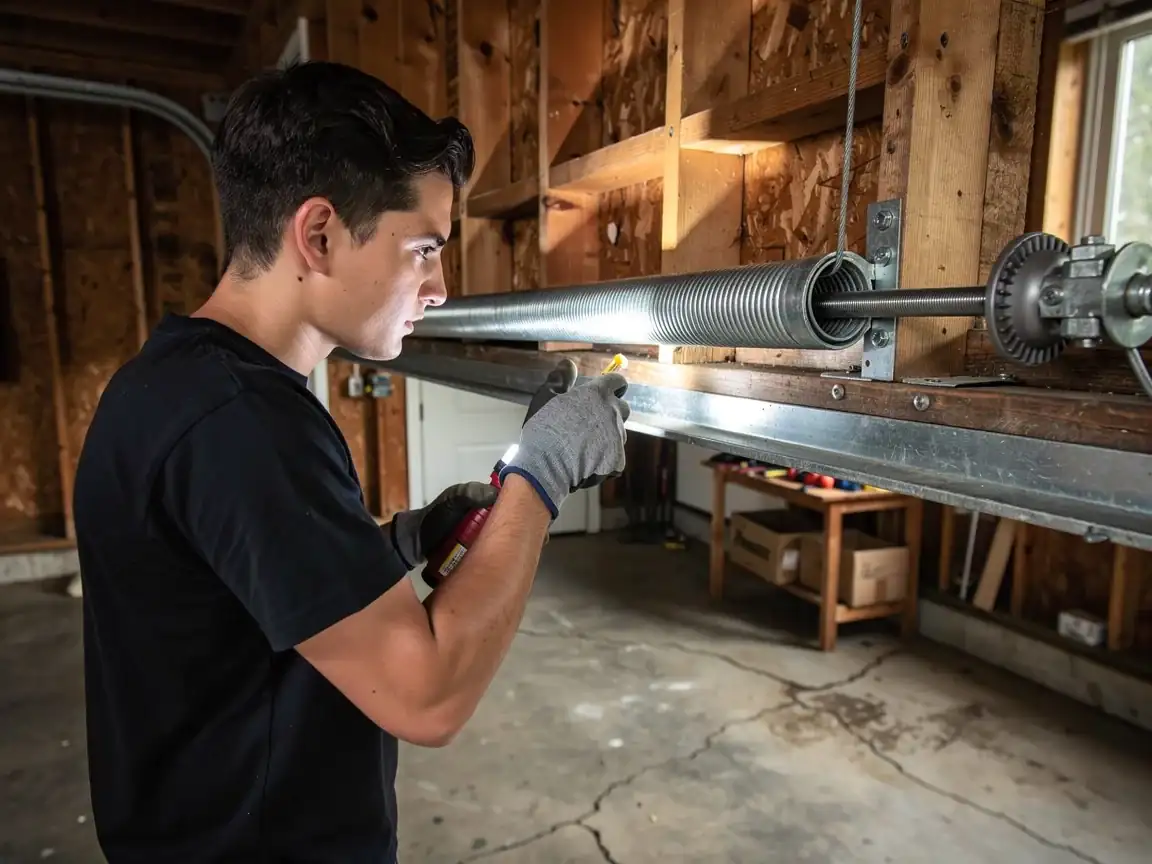
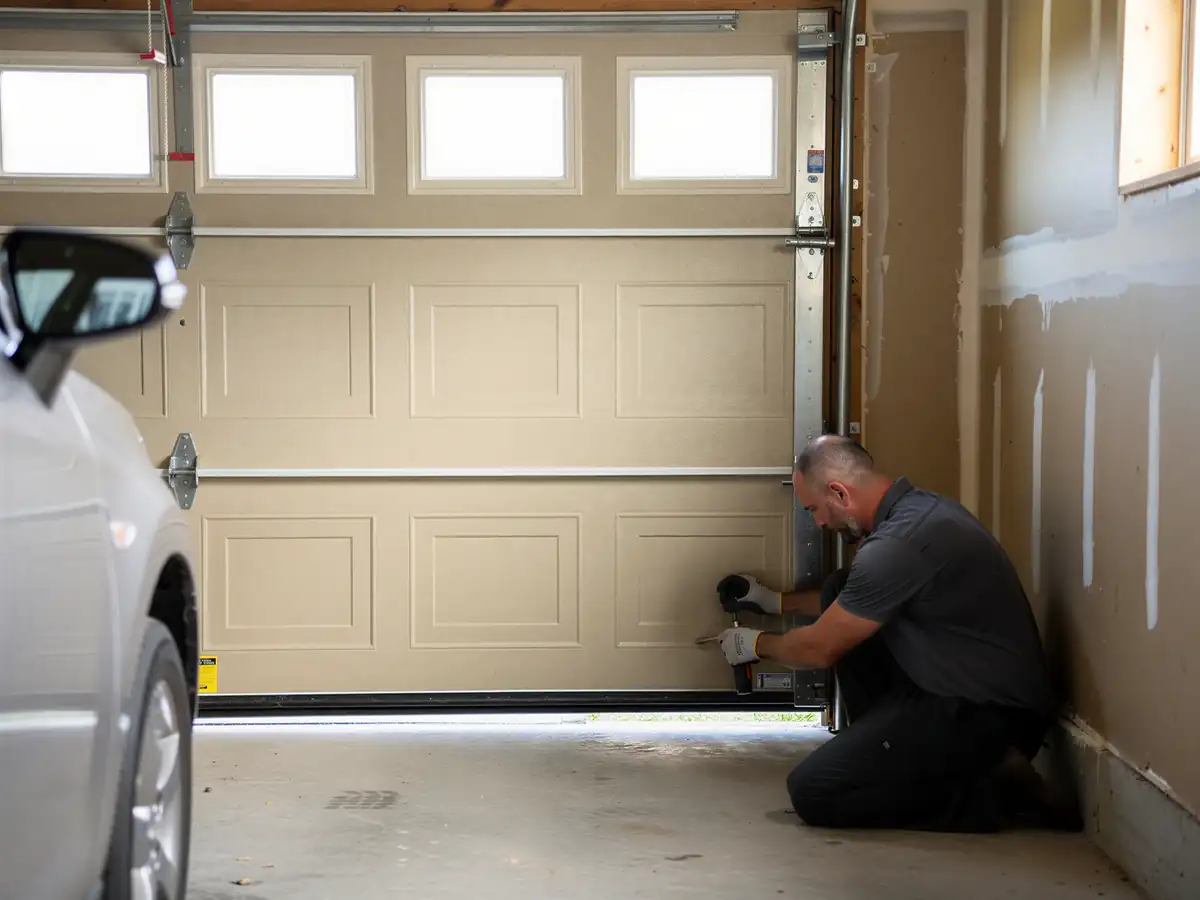
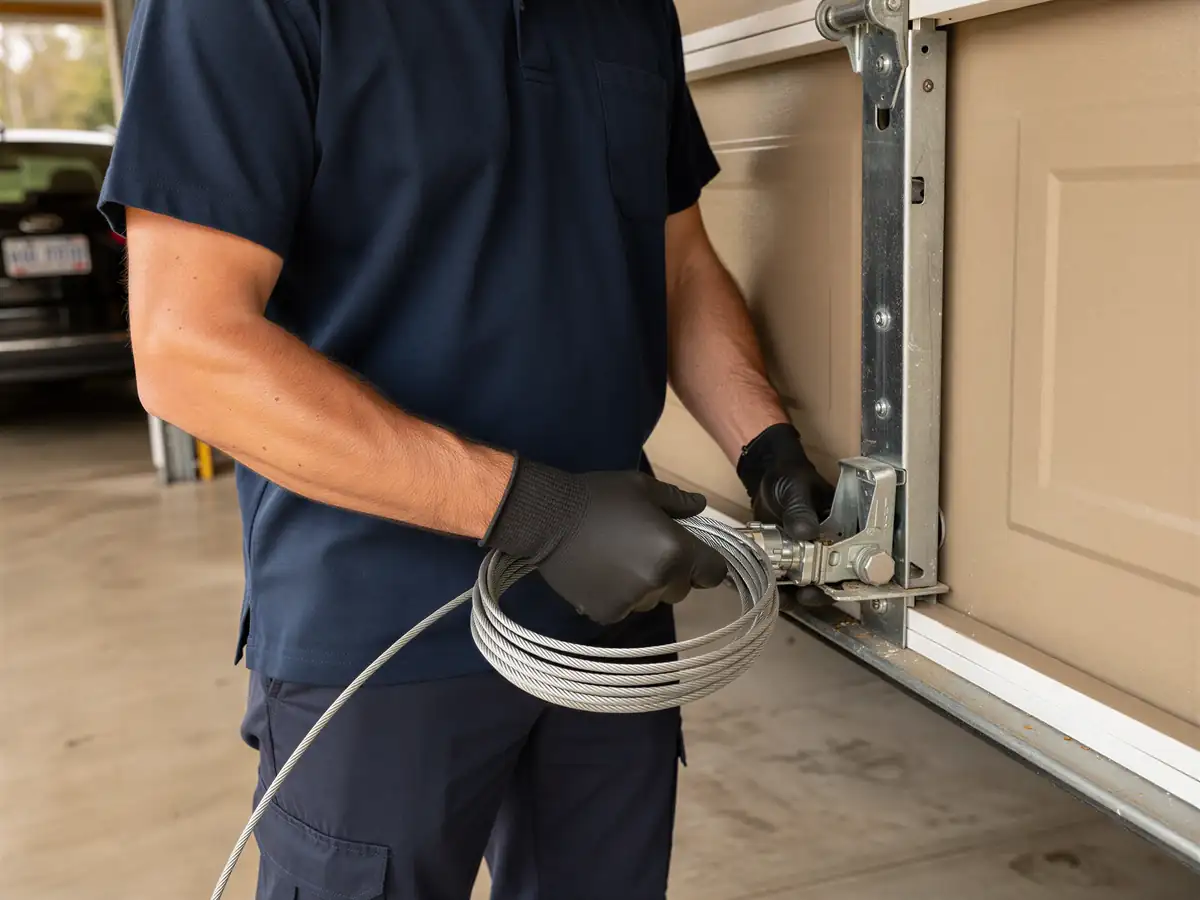
Most off-track calls on a 2000-era door start with taking the spring tension off safely, then checking every bracket along both tracks for play before touching the rollers. If the track itself is straight, the fix is usually bracket tightening or replacement and swapping the worn rollers, nylon for nylon since that's what the door was built around. If a panel's bent at the roller stem, that panel gets replaced rather than hammered back into shape. We don't re-use a roller that's shed its sleeve down to bare metal; it'll just come back off track in a few months. For the full rundown of what this company does across the area, see the Citrus Heights off-track page; for more on this town specifically, the Vineyard page has the rest.