What the Weather Here Does to It
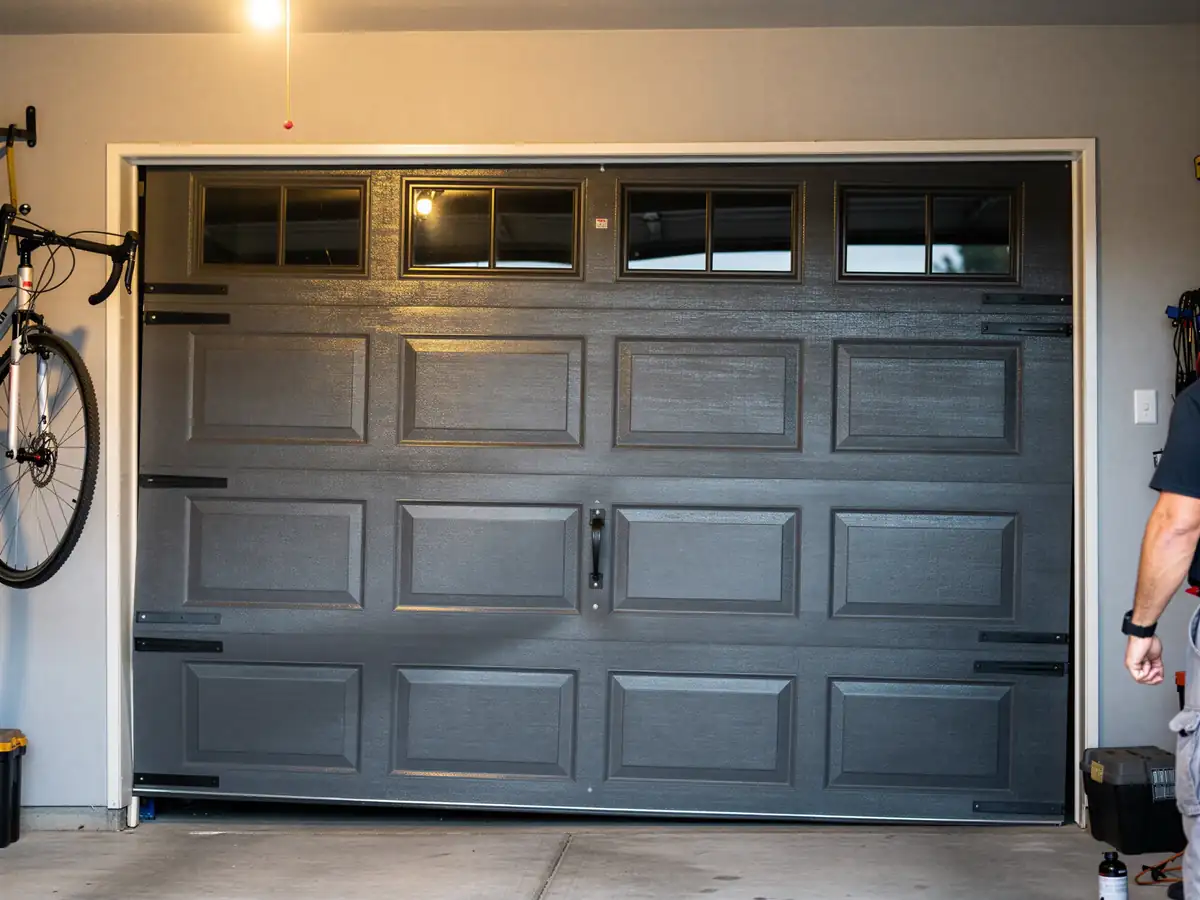
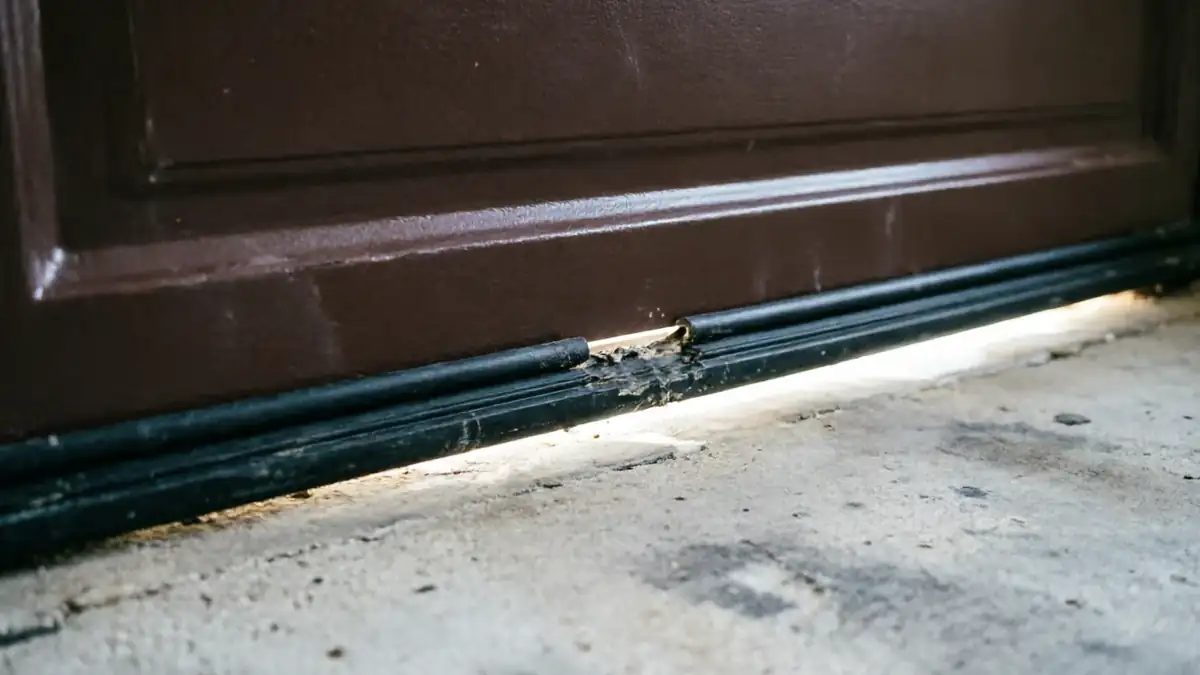
Citrus Heights sits in a severe heat band, and that matters more for a garage door than most people think. The bottom seal and the side weather stripping are vinyl or rubber, and both materials harden and crack under repeated heat cycling. A door that bakes in direct sun through a long Sacramento Valley summer, then cools overnight, is flexing that seal material every single day. Over enough seasons the vinyl stops gripping the slab edge and starts letting in dust, dry leaves, and the kind of hot air that pushes your garage temperature well past what the rest of the house sees.
This isn't a coastal-fog problem or a freeze-thaw problem - it's a dry-heat problem, and the fix has to match it. UV-stable bottom seals and track-mounted side seals hold up longer here than the bargain vinyl that's rated for a milder climate. If your garage backs onto a bedroom wall or holds anything heat-sensitive, a failed seal is doing more than letting in a draught - it's letting summer into the house.
What Is Going On
Most of the housing stock in this service area went up between 1962 and 2004, with the bulk of it dating to the 1980s and 90s across the named neighborhoods nearby - Foothill Farms, Orangevale, Fair Oaks, Antelope, and the rest. Doors and frames from that era were built to specs and seal profiles that were standard forty years ago, not to what's sold today. The track dimensions, the jamb gap, and the threshold shape on a lot of these original doors don't match a modern universal seal kit without some adjustment.
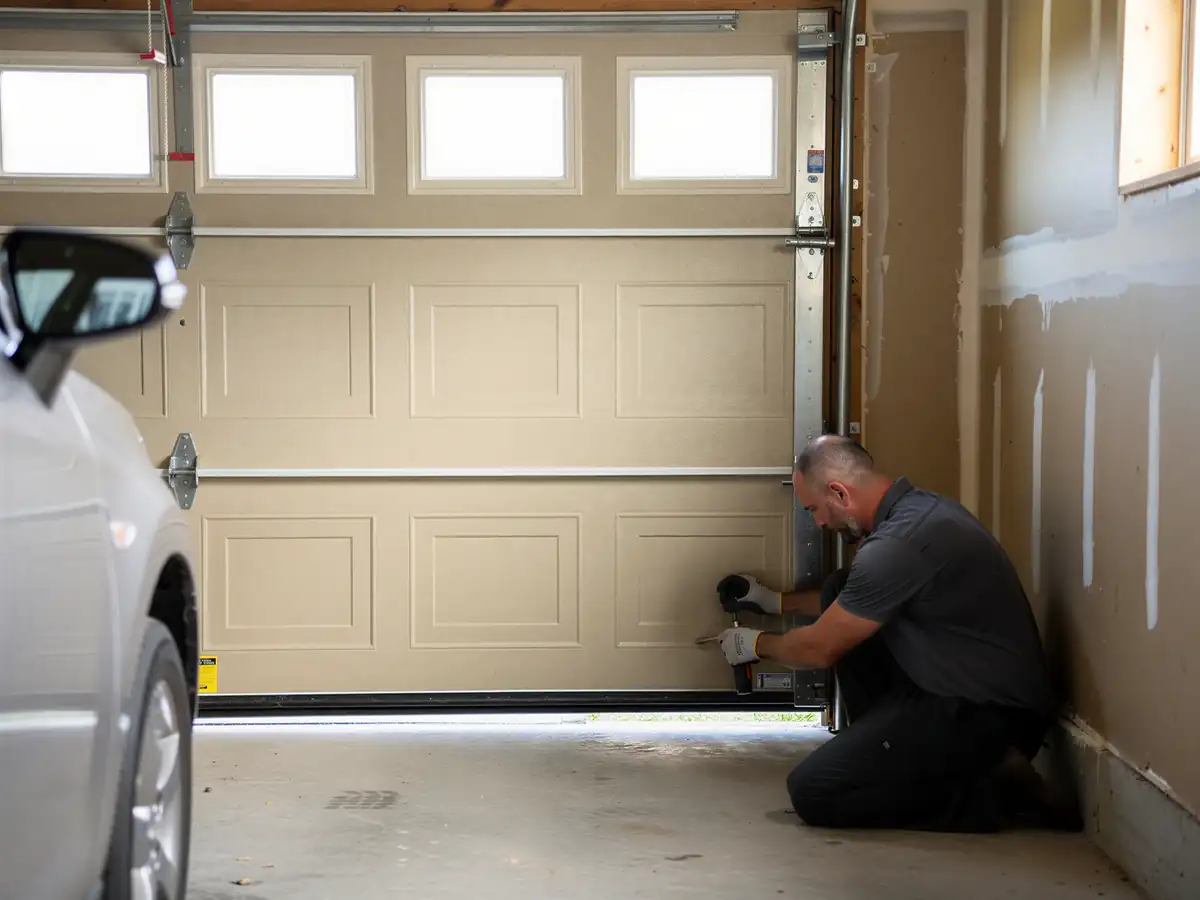
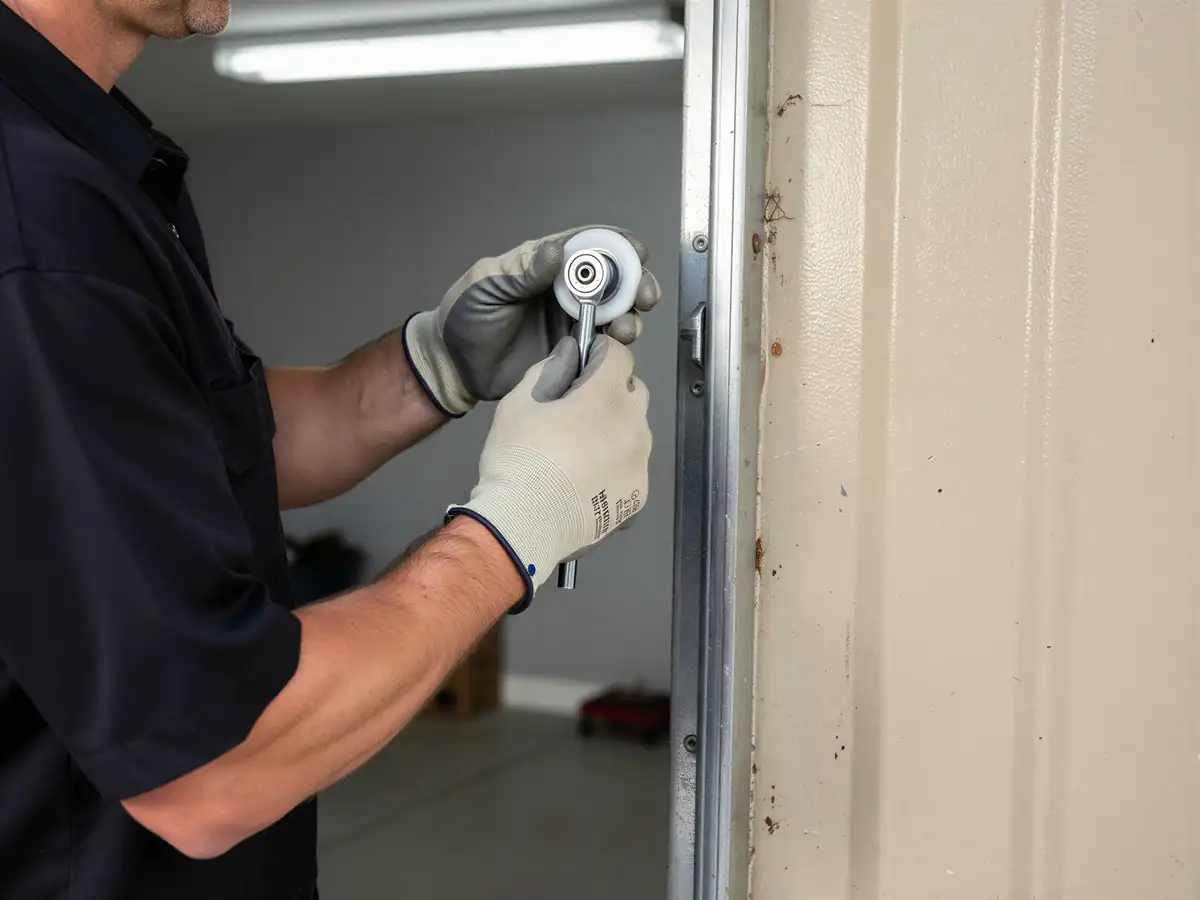
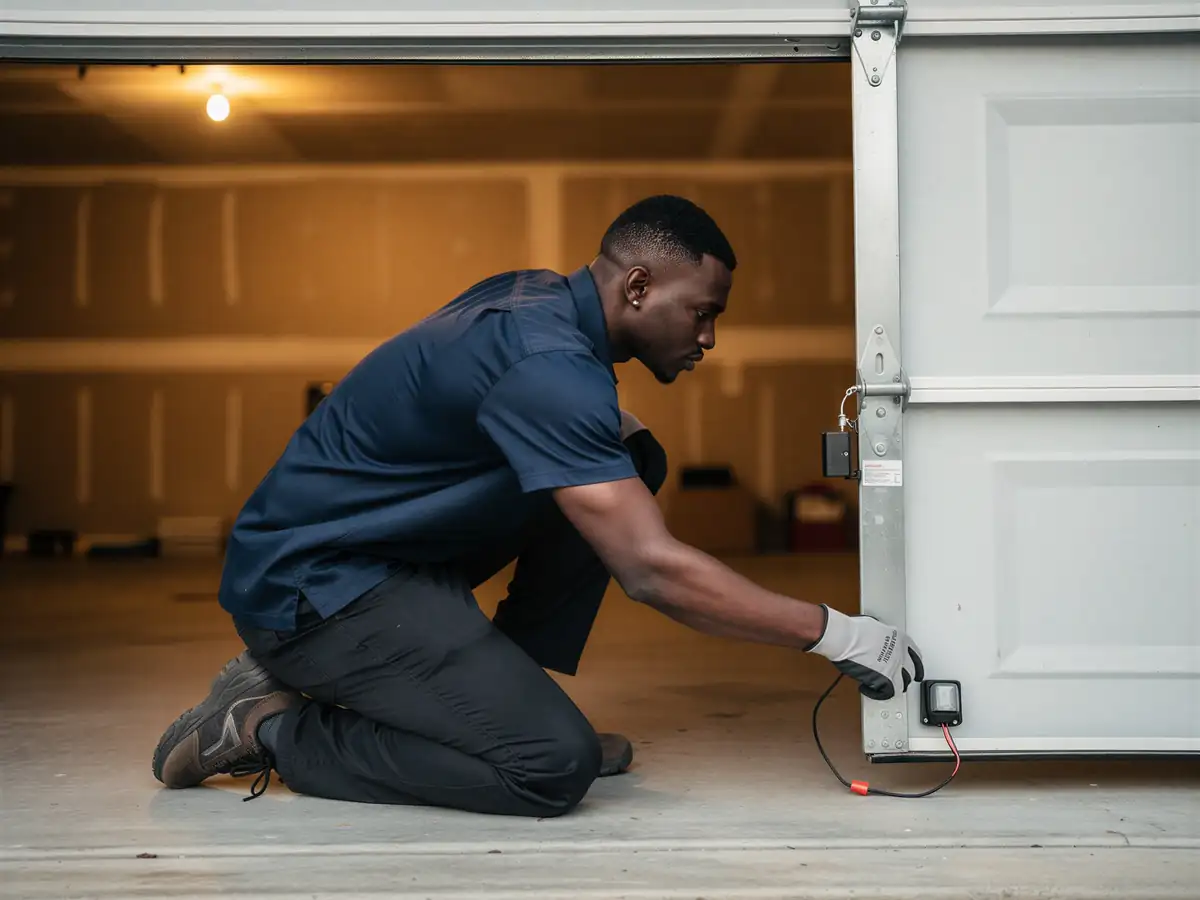
What you'll usually find on a house from that window is a bottom seal that's shrunk and pulled away from the slab, a side seal track that's lost its grip channel, or a top seal that was never replaced at all. None of that is a sign the door is failing - it's just the rubber reaching the end of what it can do after two or three decades of heat cycling. The fix is almost always a seal and weather stripping replacement sized to the actual track on the house, not a generic strip stapled over the gap.
What It Costs
I don't have a flat number to give you here
Because the cost depends on the door's age, the track profile, and whether the jamb itself has warped enough to need shimming before a new seal will sit flush. A straightforward bottom seal swap on a door that's otherwise sound is a different job from one where the side weather stripping track has deteriorated and needs replacing along with the rubber.
What drives the cost up on homes in this area is almost always the older
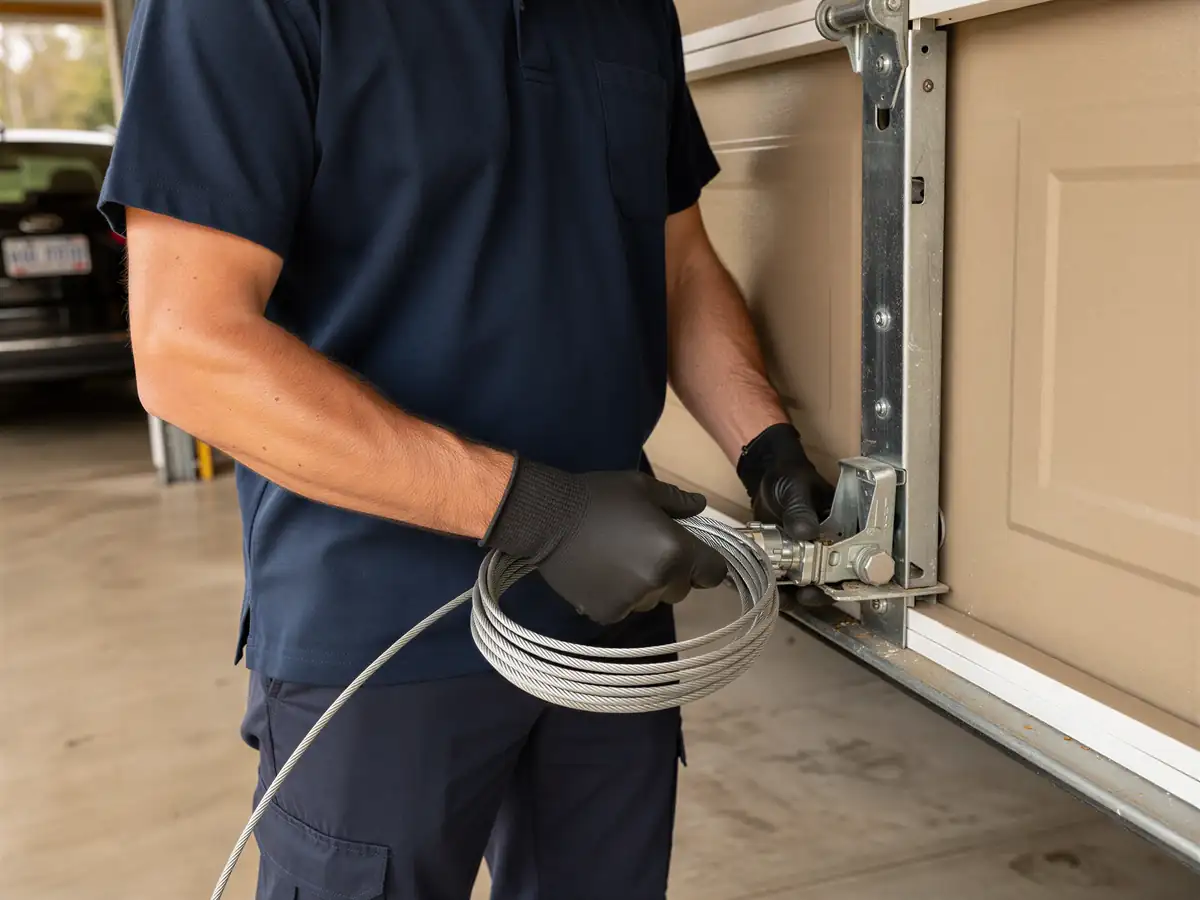
Non-standard track profiles common on houses built before the 2000s - matching a modern seal to a 1980s track sometimes means a track-mounted retrofit kit rather than an off-the-shelf strip. That's a labor and parts difference, not a markup. Ask for the number on your specific door before you compare it to a quote a neighbor got on a newer build.
When Waiting Is Fine
Not every draught needs a same-week fix. If you're only noticing a thin strip of daylight at one corner of the bottom seal and the garage still holds temperature reasonably well, that's a job you can schedule on your own timeline rather than treat as urgent. A seal that's degrading slowly, rather than torn or missing a section outright, usually has a few more months in it before dust and heat infiltration get bad enough to matter.
Where I'd push you to move sooner is if the garage shares a wall with living space, or if you're storing anything heat-sensitive in there, because this area's summer heat band makes that gap costlier than it looks. Otherwise, a cracked seal on a detached garage with nothing valuable inside is a fine thing to put on the list for your next slow week rather than calling it an emergency.