What the Weather Here Does to It
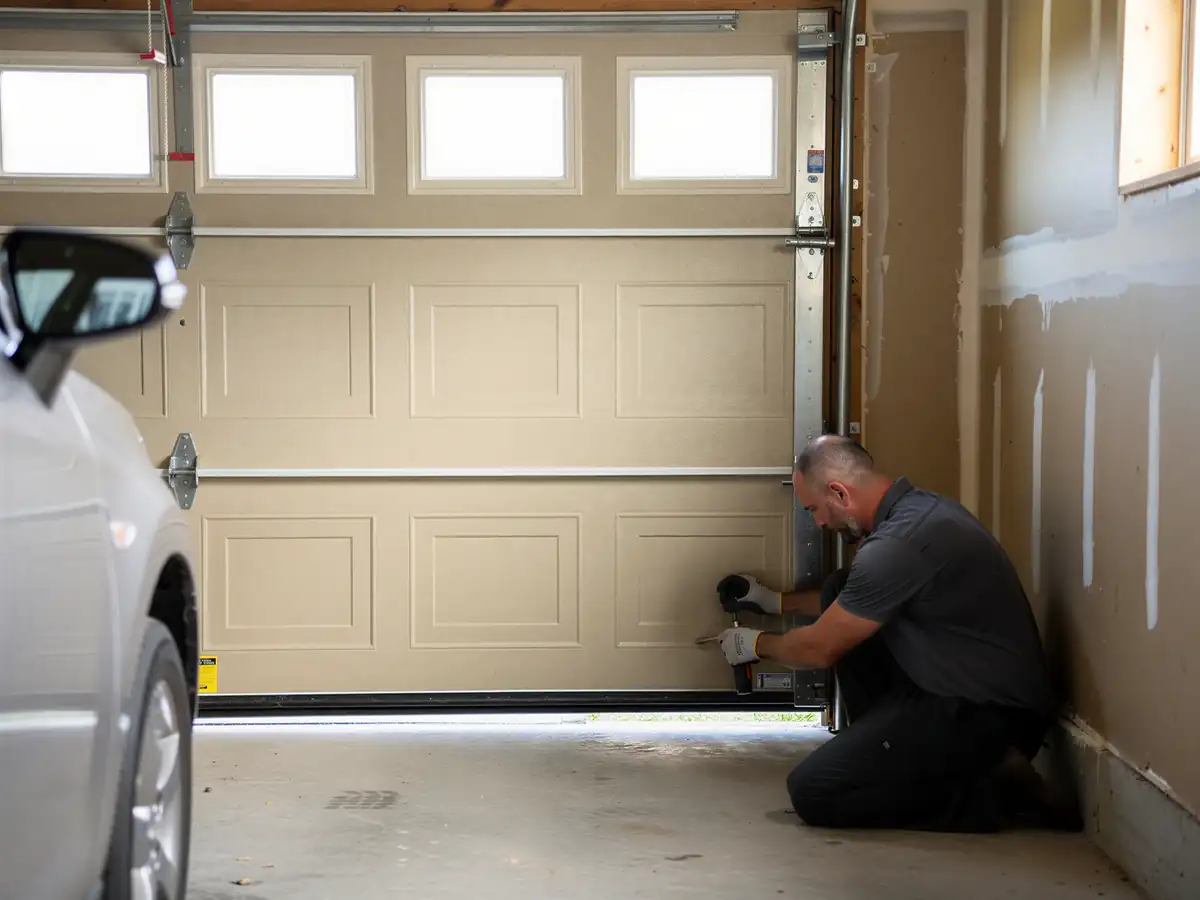
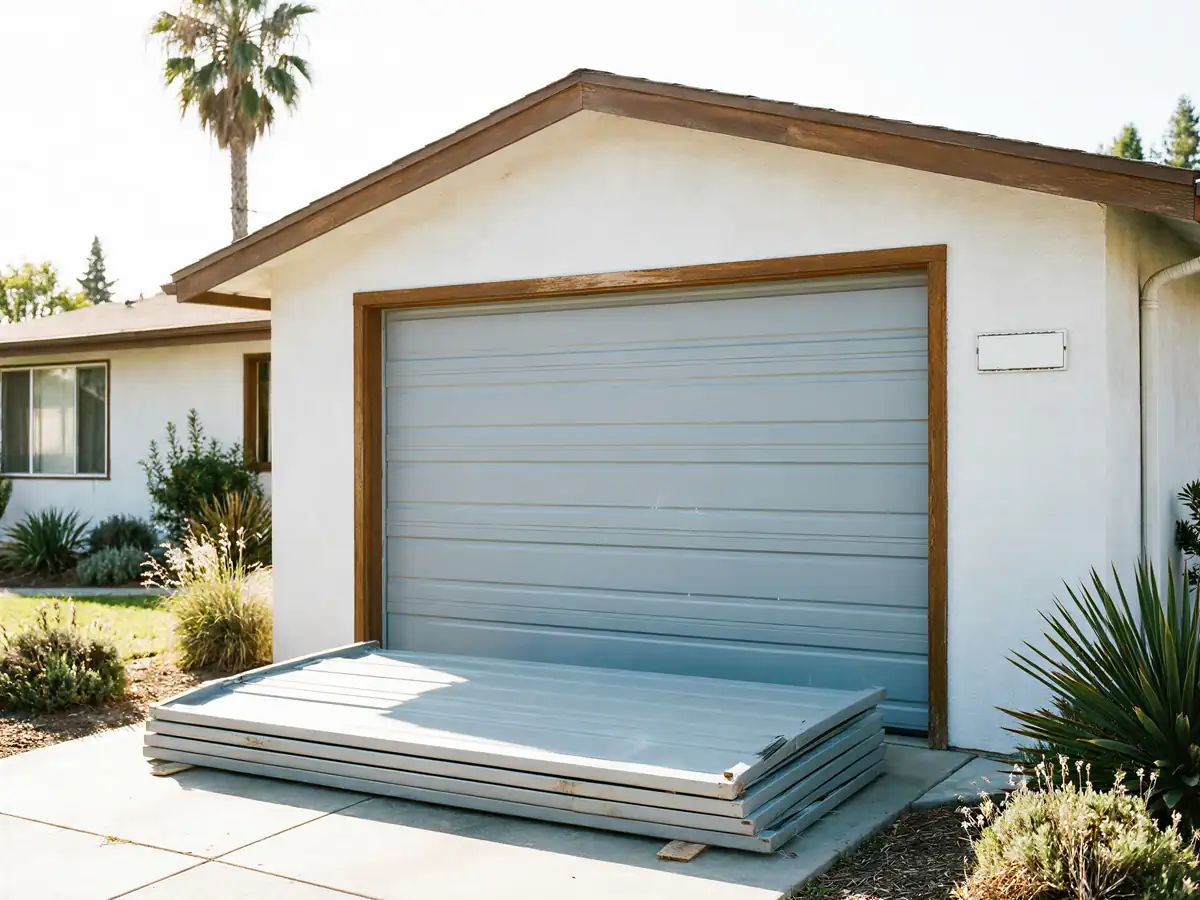
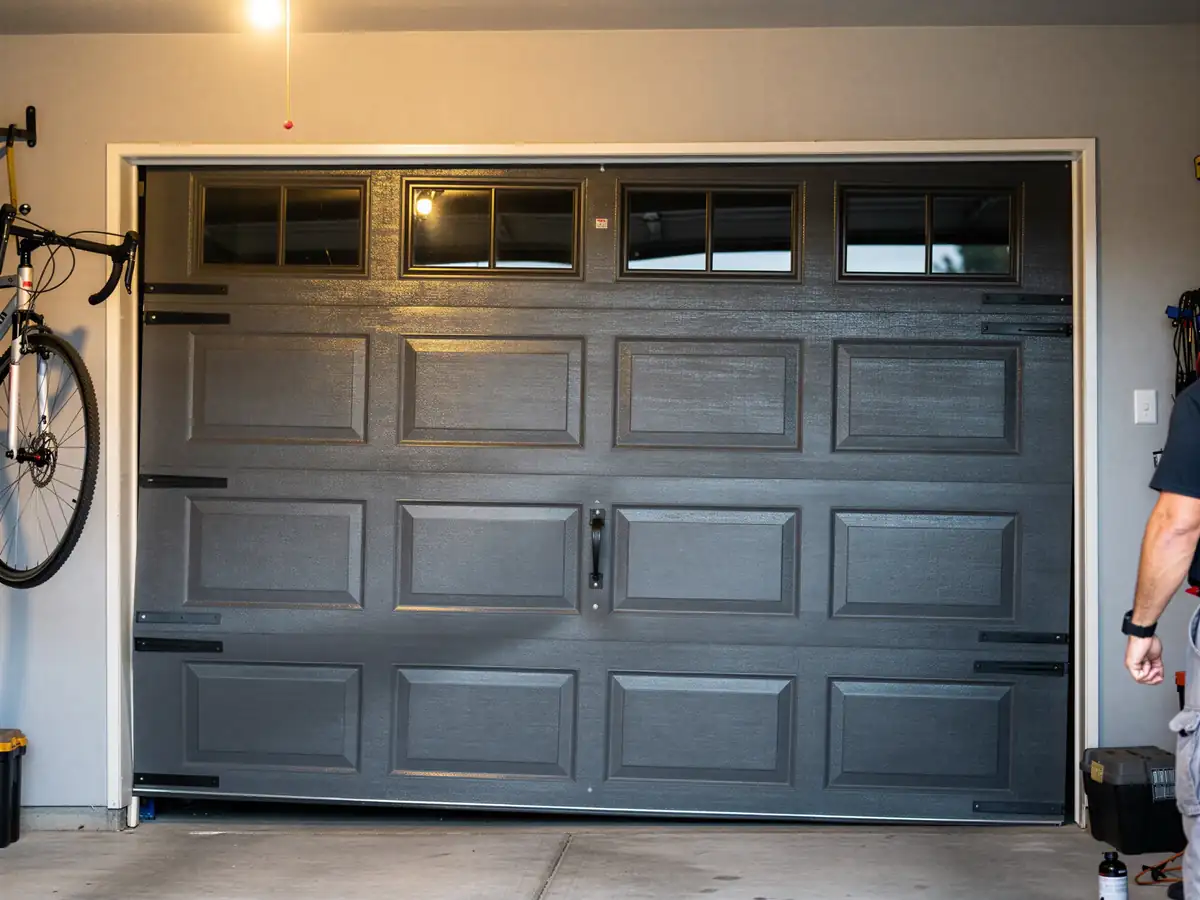
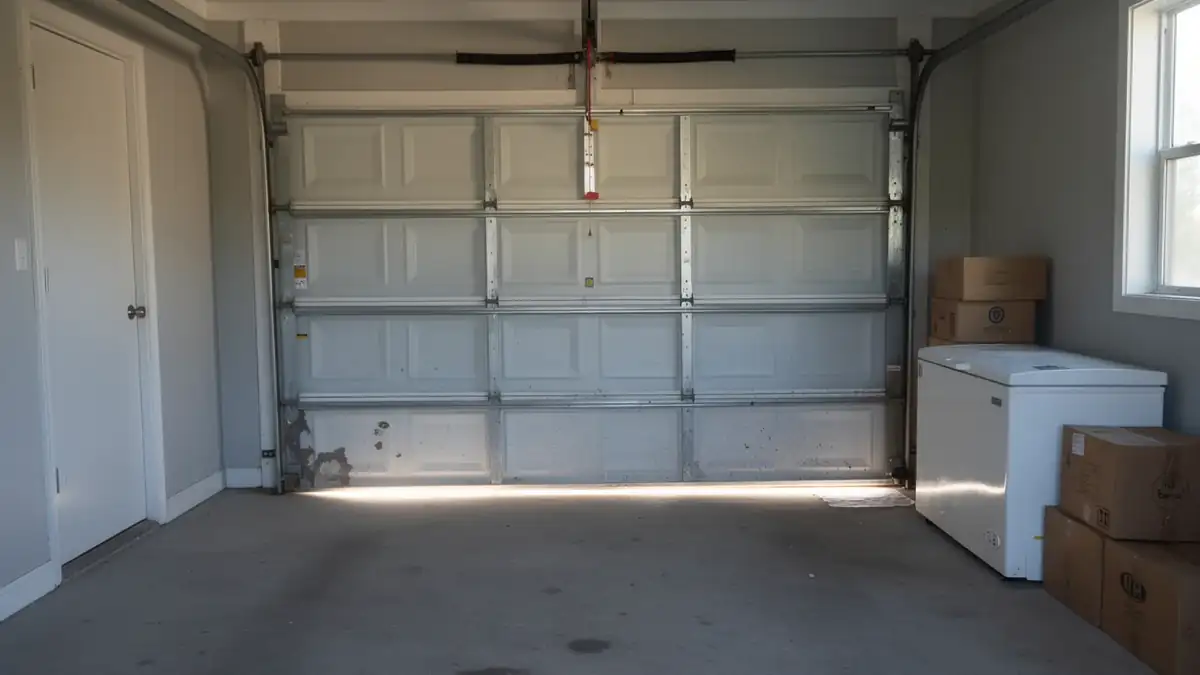
Citrus Heights sits in a climate band rated severe for heat, and that matters more for a garage door than most homeowners think. The door is the single largest moving panel on the house, and it spends every summer afternoon absorbing direct sun on one side while the garage interior stays warmer than the rest of the house. That heat cycle does two things to a door built in the 1962-2004 window that most homes here fall into: it dries out the lubricant in hinges and rollers faster than a mild climate would, and it expands and contracts steel panels enough to loosen the fasteners holding brackets to the track. On older sectional doors, especially the ones with thinner panel skins common in that era, you'll see the metal start to bow slightly where the sun hits hardest, usually the top two panels. We see more spring failures in late summer here than in spring, which is the opposite of what people expect - the heat doesn't break the spring directly, but it does make the door heavier to lift as hardware binds, and that's what finishes off a spring that was already near the end of its cycle.
What Is Going On
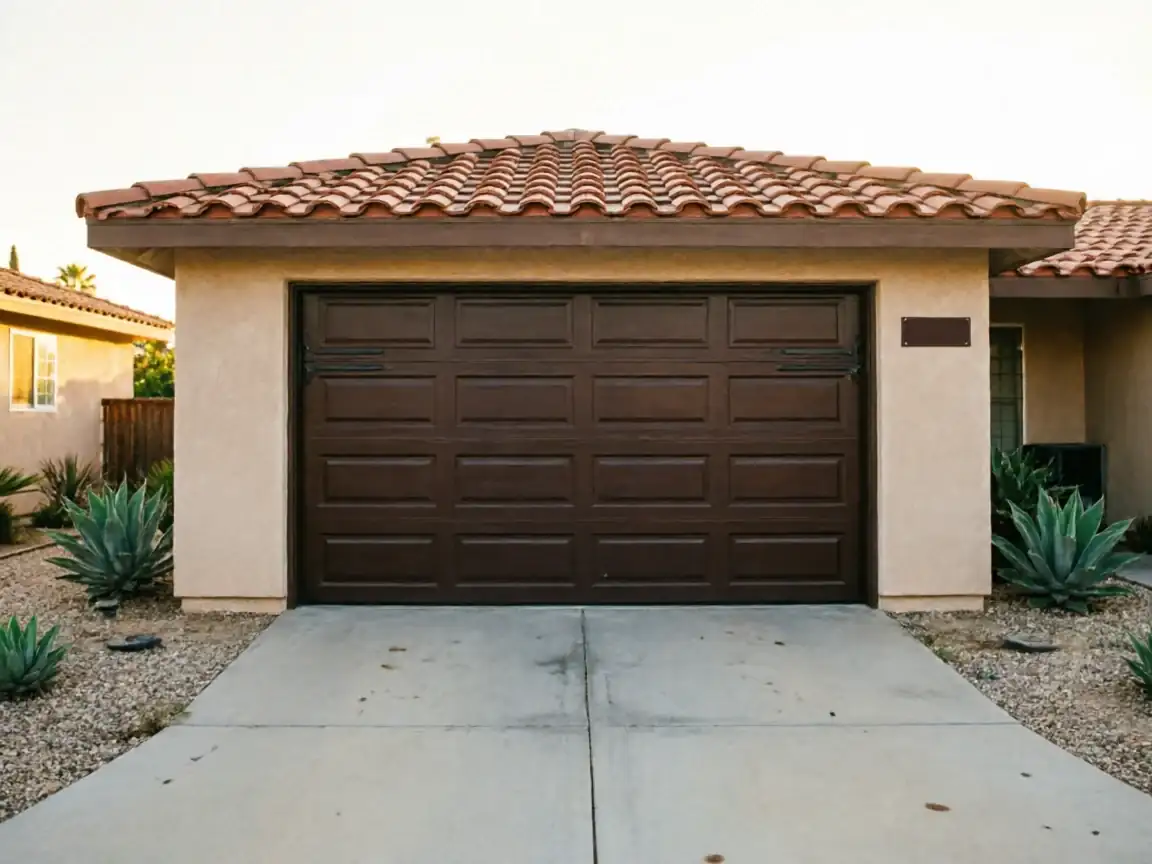
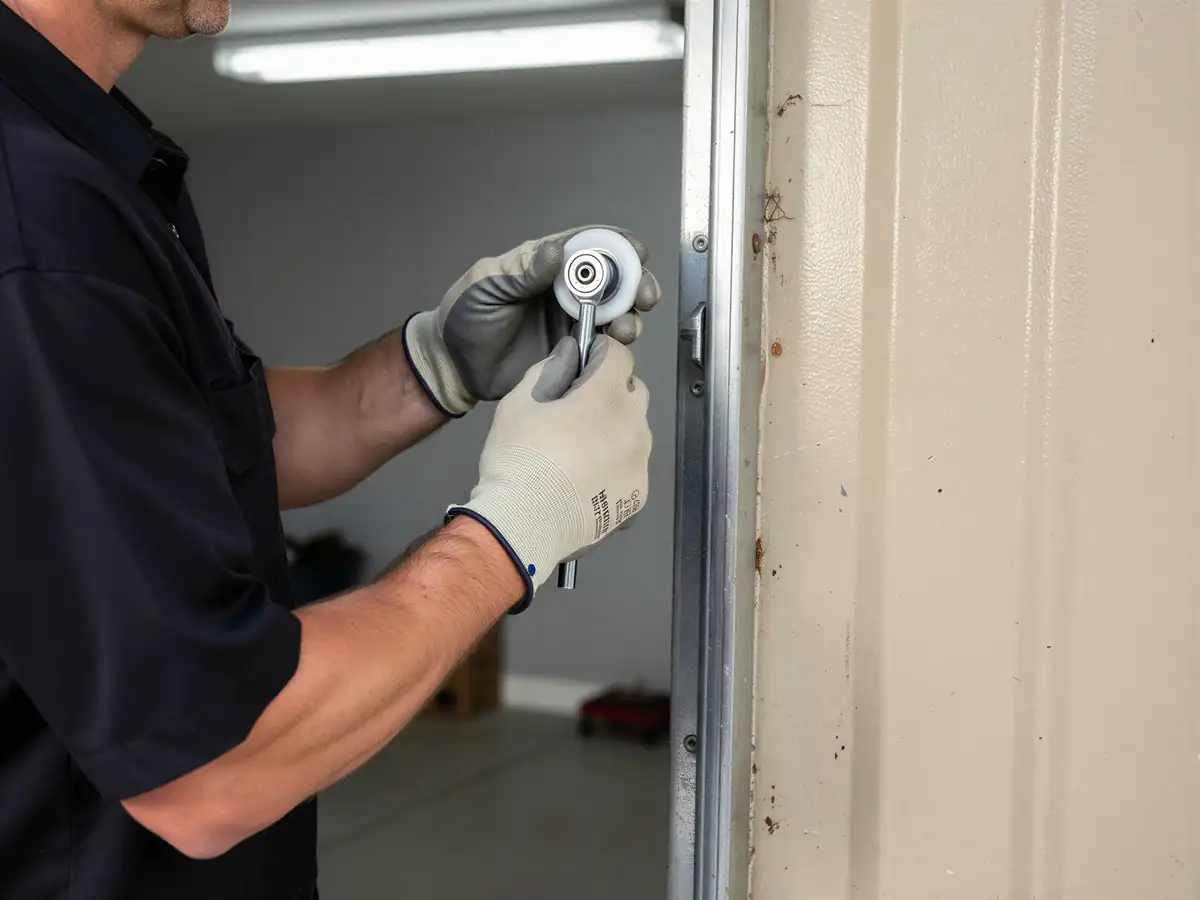
Most of the housing stock in Citrus Heights and the areas right around it - Foothill Farms, Orangevale, Antelope, Carmichael - went up between 1962 and 2004, with the median build year landing around 1981. That means a lot of garage doors out there are original or close to it, running on hardware that predates the lighter, better-balanced torsion systems you'd find on a door installed in the last ten years. The 28 named pockets across this service area share that same 1980s-90s build pattern, so the failure points repeat house to house: galvanized springs that have lost tension, steel rollers (not nylon) grinding in tracks, and openers from an earlier generation of chain-drive units that are louder and slower to respond than what's sold now. Across the roughly 99,515 owner-occupied houses in this broader service area, that's a lot of doors built to a spec from forty years ago still doing daily work. None of this means the door is unsafe to use - it means parts wear on a schedule tied to when the house was built, and knowing that schedule tells you what's likely to go next before it strands your car in the garage.
When Waiting Is Fine
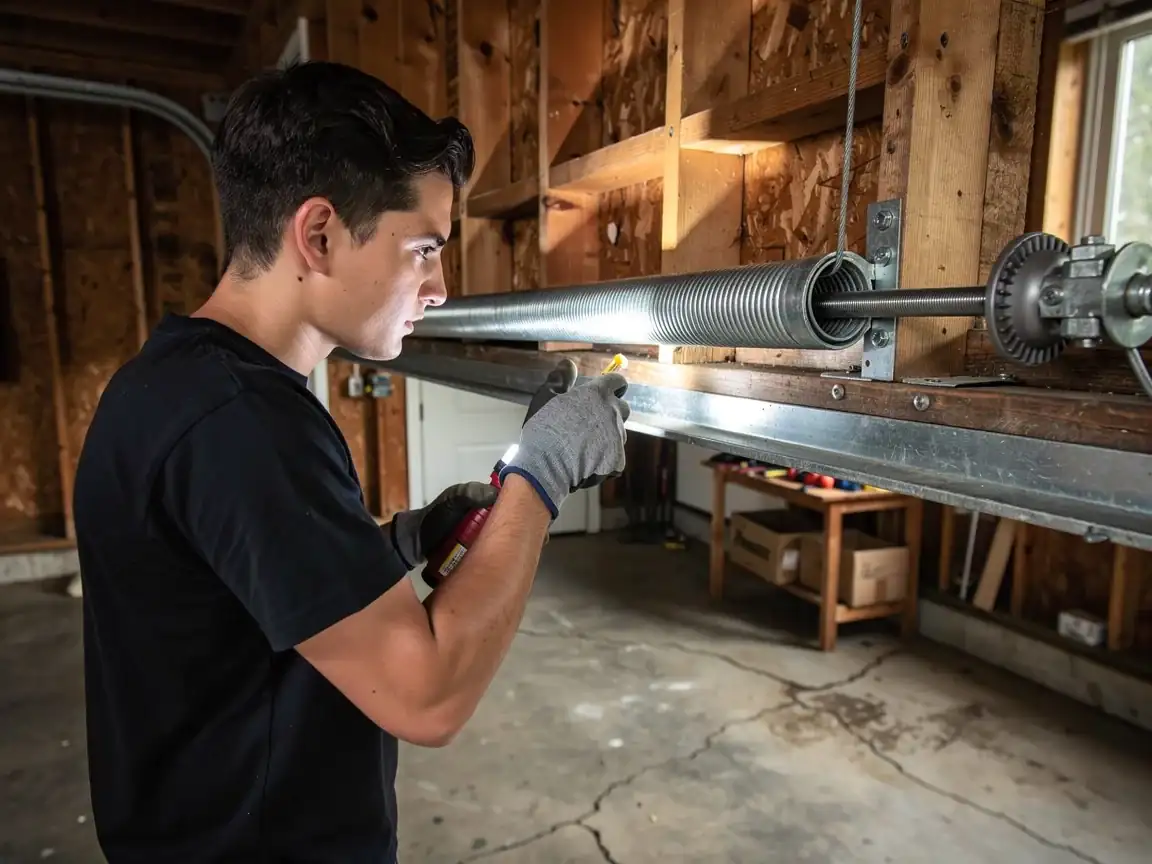
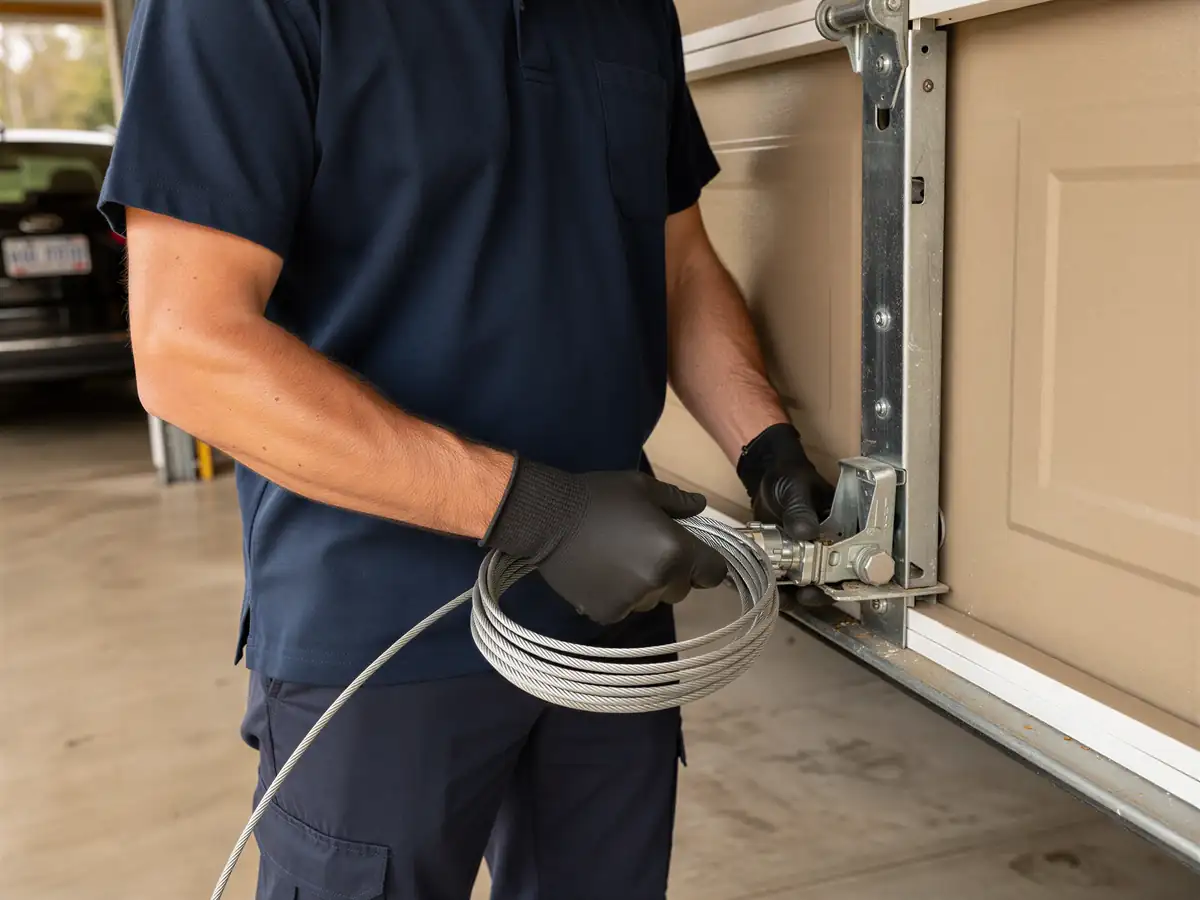
Not every noise is an emergency, and on a door this age you'll hear some noise. A dry squeak from a roller on a hot afternoon is wear, not failure - lubricate it and watch it, you don't need a same-week call for that. A door that's slightly harder to lift by hand than it was last summer is also something you can live with for a while, as long as the opener isn't straining or reversing on its own. What I'd move on faster: any cable that's frayed or a spring with a visible gap where it's separated, because those are the parts that fail suddenly rather than gradually, and on a 1980s torsion system under tension, a sudden failure can bend the track on the way down. If your door is still original to a house built in that 1962-2004 run and you haven't had the hardware looked at, that's worth doing before next summer's heat, not during it - working on tensioned hardware is easier and safer in cooler weather than at the end of a hot afternoon.