Serving Citrus Heights, CA & nearby
(916) 570-7644
Citrus Heights, CA

What Your Garage Door Is Trying to Tell You in Citrus Heights

A Citrus Heights guide to the squeals, bangs, and grinds that come from 1960s-2000s garage doors baking through our severe summer heat - and which ones to ignore.

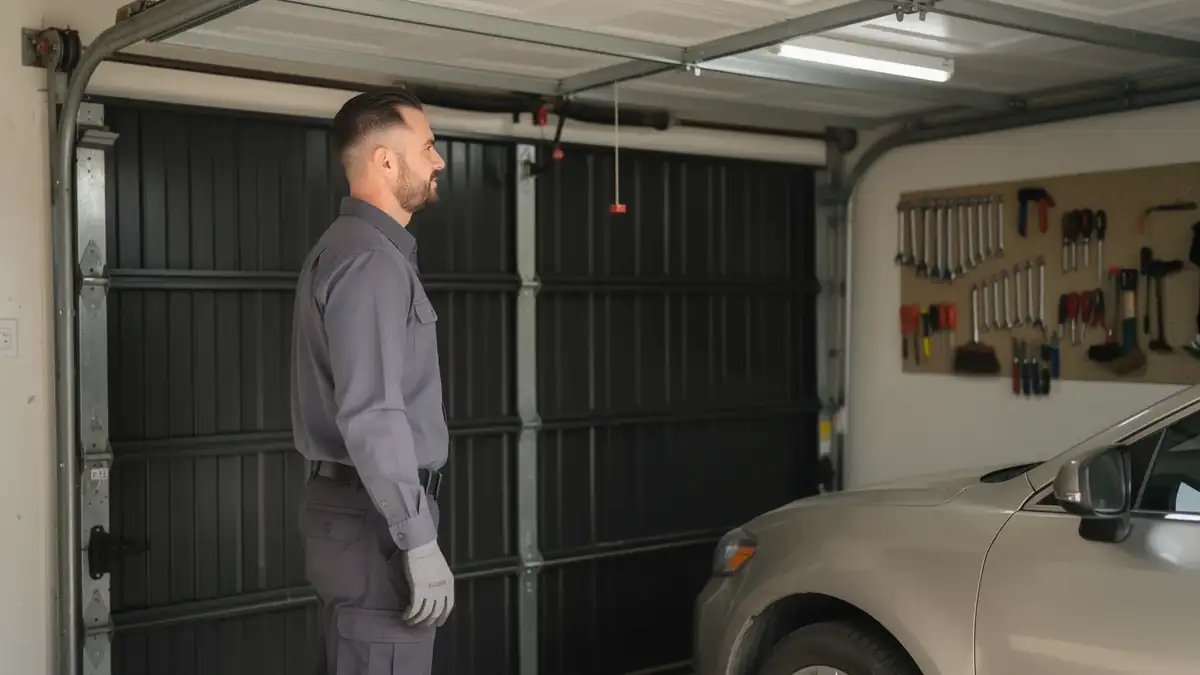
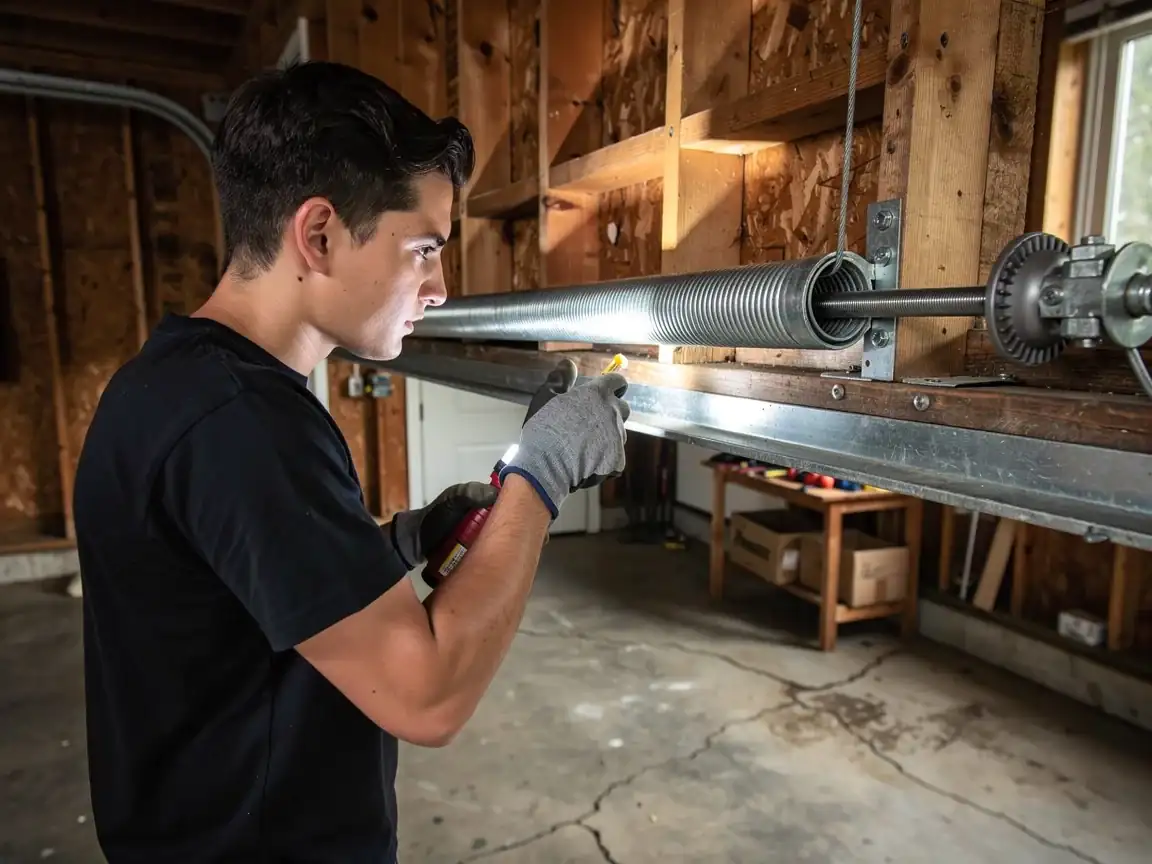
A technician stands in a garage with a dark gray garage door and a car.

What the Weather Here Does to It

Citrus Heights sits in a climate band the federal data flags as severe heat, and that matters more for a garage door than most people think. Steel expands and contracts all day long when the sun hits a west-facing door, and the hardware holding that door up does not expand at the same rate as the steel it's bolted to. Torsion springs lose a little temper every time they heat-cycle through a Sacramento Valley summer. Track brackets that were torqued down tight in 1985 work themselves a sixteenth of an inch loose by the time they've baked through forty more summers.

That's the mechanical reason a door that was dead silent in March starts groaning by July. It's not usually one dramatic failure - it's cumulative heat fatigue showing up as sound before it shows up as a breakdown. A door that chirps on the way up in the morning and goes quiet by afternoon is telling you the metal is still moving as it warms. One that grinds consistently, hot or cold, has moved past thermal noise into something wearing out.

We can't tell you the exact day a given spring will go from noisy to broken. What we can tell you is that in this climate, the noise almost always shows up well before the snap, which is the one piece of good news in this whole conversation.

What Is Going On

Most houses in Citrus Heights went up between 1962 and 2004, with the median build year landing around 1981, and that era of construction shows up directly in the hardware still hanging on these doors. A lot of it is original or close to it: steel sectional doors on extension or torsion springs, roller tracks sized for the lighter doors that were standard across Citrus Heights and the other mostly-1980s-and-90s neighborhoods nearby. That generation of hardware uses parts that newer doors don't.

A rhythmic thump once per rotation usually means a flat spot on a roller - common on the nylon rollers that started replacing steel in houses built later in that window. A sharp bang is almost always a spring, and on a door this age it's worth checking whether it's the original spring or a replacement, because replacements from different decades don't always match the door's weight. A scraping or rattling along the sides points to track bolts that have backed out over the years, which happens faster in houses that have been through more heat cycles than houses somewhere milder.

Grinding from the opener itself is a different animal - usually the gear inside the unit, not the door. If your opener predates the door's last spring service, that's often the mismatch causing the noise.

What It Costs

  1. We're not going to put a number here that doesn't hold up once we're standing in your driveway

    Because the honest answer depends on what's actually wrong and how old the hardware is. What we can tell you is what drives the cost up or down on a house like the ones here. A door running original 1980s or 90s hardware sometimes needs a part that isn't stocked on the truck the way current parts are - that can mean a short wait, not a same-day fix, and it's the one limitation worth saying plainly before you book anything.

  2. With a median household income of $95,592 across the service area

    Most owners we talk to choose to fix the spring or the roller set rather than let the problem run until the opener or the panel goes with it. That's usually the cheaper path, not just the quicker one. A full replacement only makes sense when the door itself is warped, rusted through at the bottom panel, or the track is bent beyond adjustment - not just because it's noisy.

    • $95,592 median household income
  3. Ask for a written number before any work starts

    If a shop won't give you one over the phone once they know the symptom, that's worth noting.

When Waiting Is Fine

Not every noise is a call-today noise. A door that chirps only on the first open of the morning, when the metal is coolest and tightest, is doing exactly what a forty-year-old steel door does in this climate - it's not an emergency, and WD-40 on the hinges and rollers (never the torsion spring itself) usually quiets it down for weeks.

Three miles south in Foothill Farms or four miles east in Orangevale, you'll find the same era of tract housing, which means the same noises for the same reasons - this isn't a Citrus Heights-specific flaw, it's what this generation of door does as it ages in valley heat. If the sound is steady, not getting louder week to week, and the door still opens smooth and level, you likely have time to schedule rather than scramble.

What shouldn't wait: a bang followed by the door feeling heavier to lift by hand, a cable that looks frayed or kinked, or a door that's started to hang unevenly on one side. Those are spring and cable symptoms, and a spring under tension that fails the rest of the way can take a finger or a windshield with it. Noise you can live with. A door that's stopped moving true, you can't.
How it works

From “it’s stuck” to “it’s fixed”

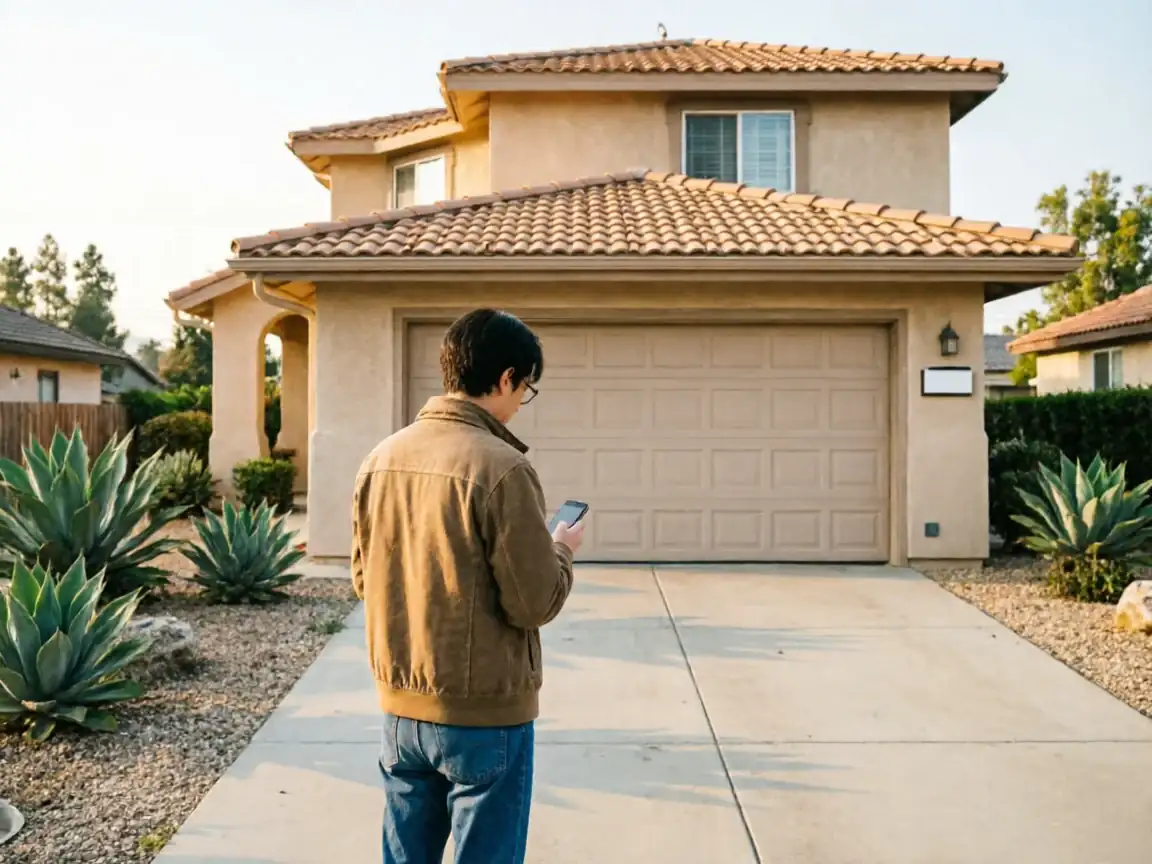
A person stands in a driveway, looking at a phone in front of a house with a garage door.

Tell us what’s wrong

Describe the symptom - won’t open, loud bang, opener runs but the door won’t move.

A technician shines a flashlight on a garage door torsion spring.

On-site diagnosis

A technician tests the door under power and by hand and finds what actually failed.

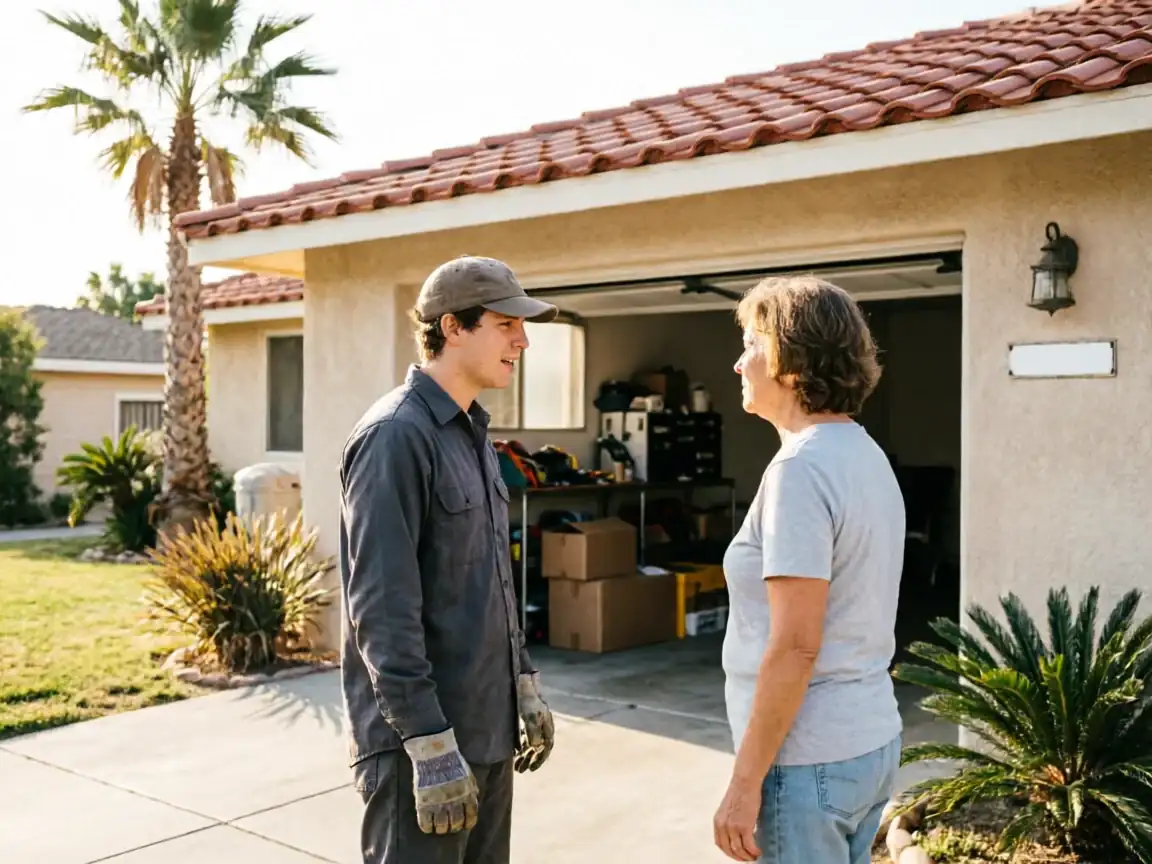
A technician in a cap and gloves talks to a woman in front of a house.

Clear, up-front plan

You get the fix that’s needed and what drives the cost - before any work starts.

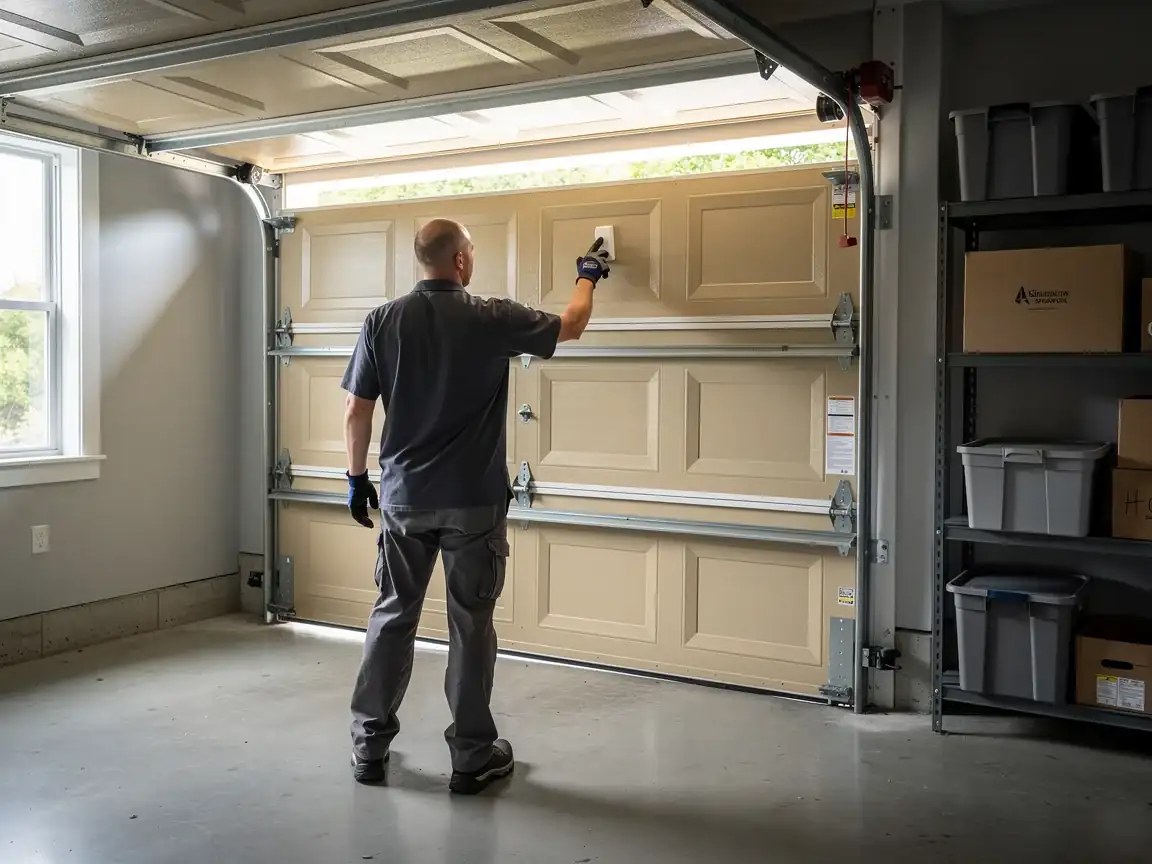
A technician in a gray uniform is pressing a button on a beige garage door.

Repaired & tested

The repair is done, the door is set true and tested, and the work area left clean.

Not sure which repair your door needs in Citrus Heights, CA? Describe what it’s doing - every job starts with a diagnosis.

How we work

What to expect

A straight, honest approach on every Citrus Heights job - diagnosis first, the right parts, and clean work.

01

Diagnosis first

Every visit starts by finding what actually failed - not a pre-written parts list.

02

The right part for the door

Springs and openers matched to the door’s weight and age, so the fix holds up.

03

Straight answers

When a repair makes more sense than a replacement - or the reverse - you hear it plainly.

04

Clean, careful work

Tension released safely, hardware set true, the door tested under power before we leave.

What we do

Garage Door Services

Repair and installation work for Citrus Heights homes and businesses.

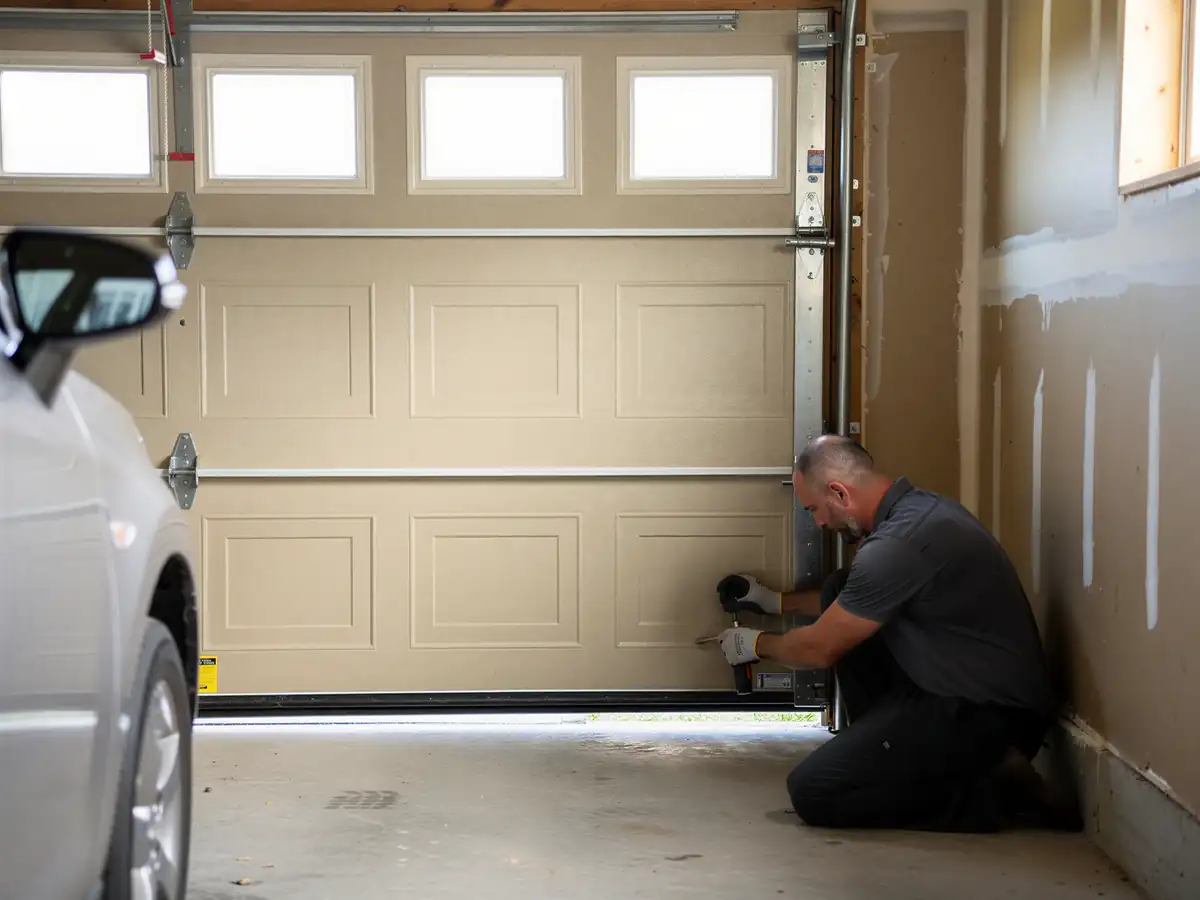
A technician kneels to work on the bottom panel of a beige garage door.

Garage Door Repair

Garage door repair for Citrus Heights homes built 1962-2004, where original hardware and valley heat wear out springs and openers faster than the manuals say.

Learn more
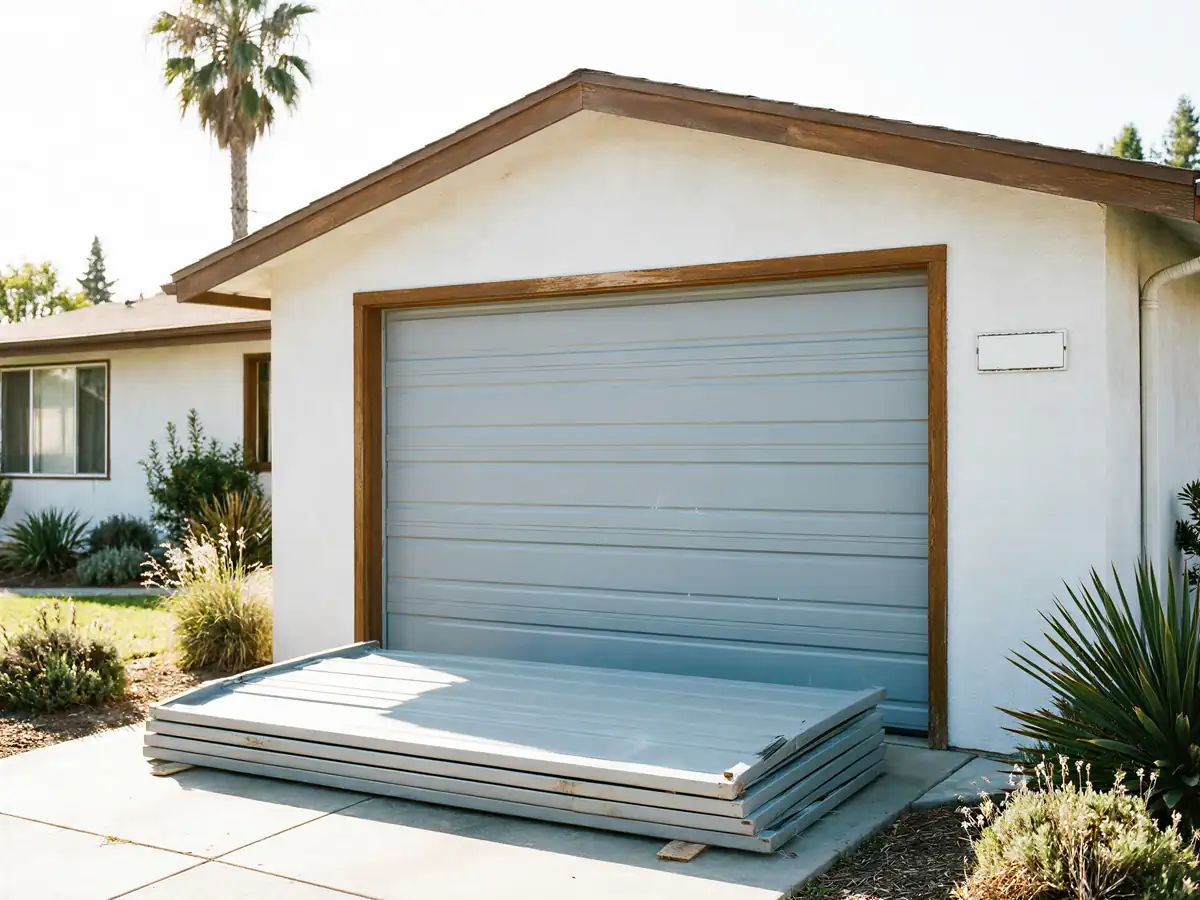
A gray garage door is installed, and old gray garage door panels are stacked on the driveway.

Garage Door Installation

New garage door installation in Citrus Heights, CA, sized for 1960s-2000s tract homes and built for Central Valley summer heat. Straight talk, no upsell.

Learn more
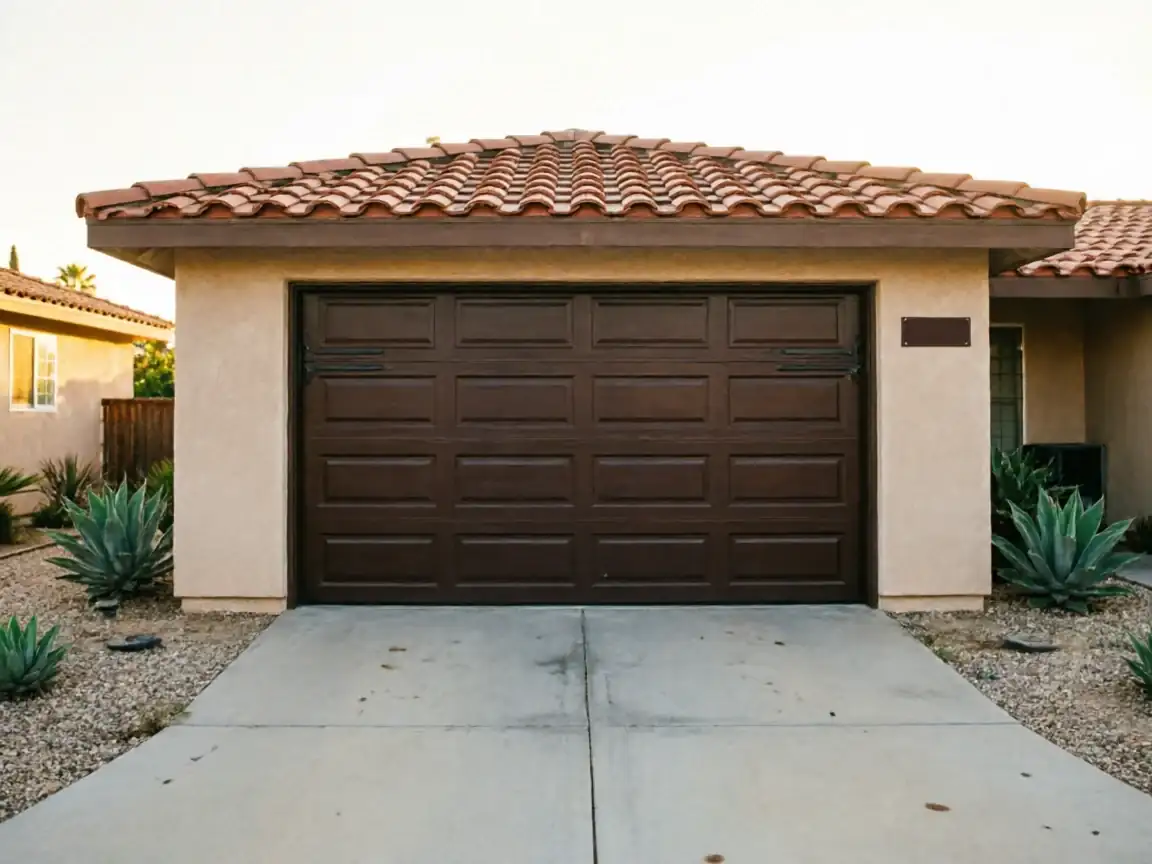
A brown garage door is on a stucco house with a red tile roof.

Garage Door Service

Citrus Heights homes built between 1962 and 2004 carry original hardware that wasn't built for our summer heat. We service springs, openers, and tracks across the area.

Learn more
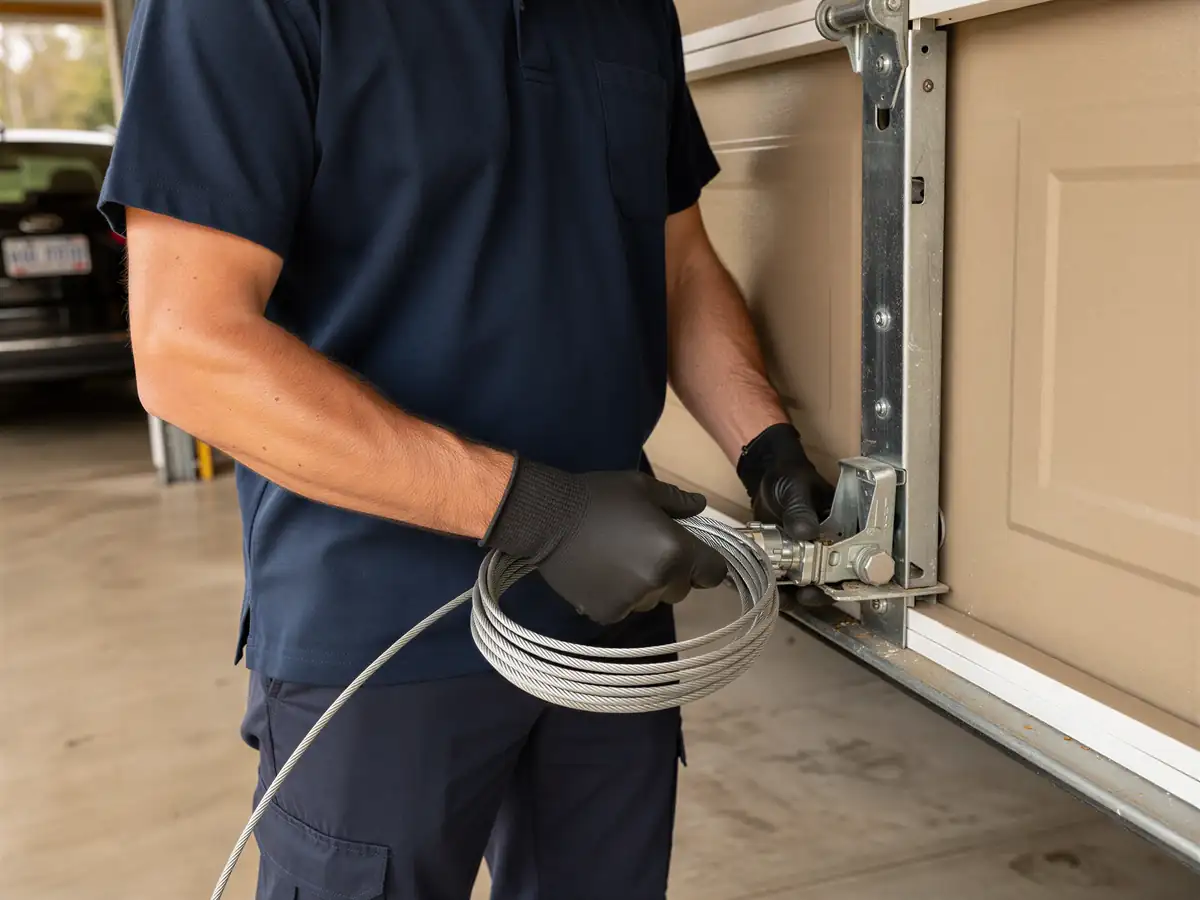
A technician in black gloves holds a coiled cable near a garage door.

Cable Repair

Broken or frayed garage door cables are common in homes built 1962-2004 across the Citrus Heights area. Same-area cable repair and replacement, done right.

Learn more
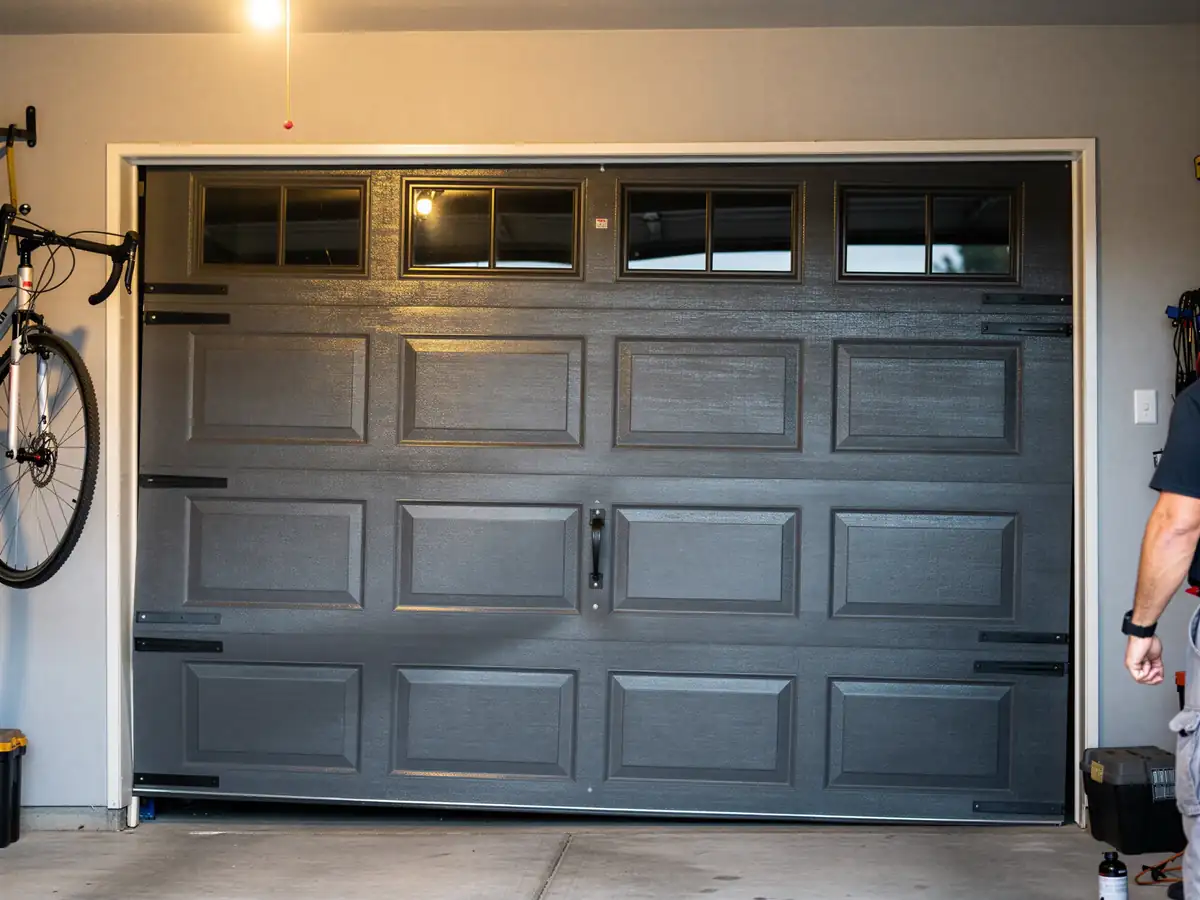
A dark gray garage door with windows and decorative hardware is slightly ajar.

Off-Track Repair

Most Citrus Heights homes date to the 1962-2004 building boom, and original track hardware plus severe summer heat are why doors jump track here. Same area, real fix.

Learn more
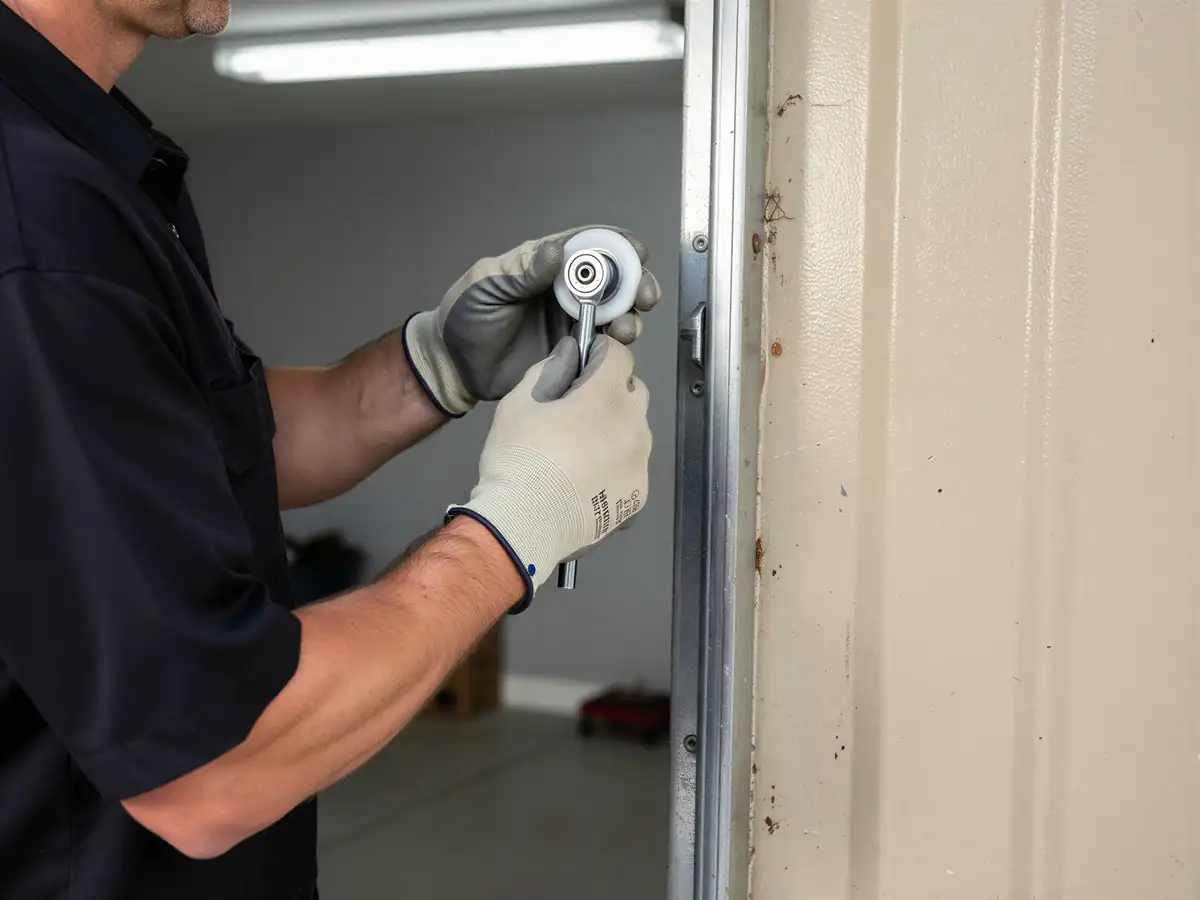
A technician wearing gloves holds a new roller next to a garage door track.

Roller Replacement

Rollers wear out fast on the 1962-2004 housing stock that fills Citrus Heights and nearby areas, especially with the severe summer heat here. Here's what the job actually involves.

Learn more
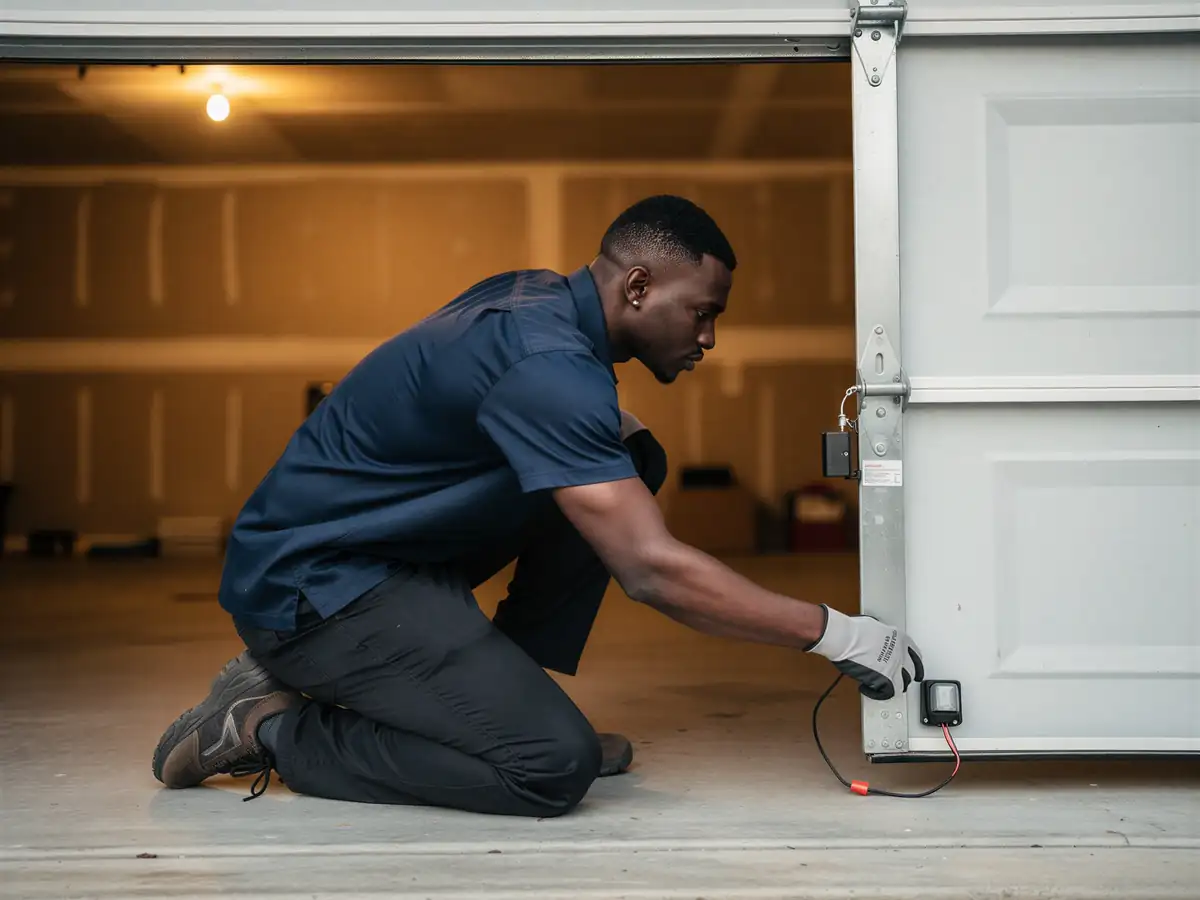
A technician kneels, adjusting a safety sensor on a white garage door.

Maintenance

Garage door maintenance in Citrus Heights built around 1962-2004 housing stock and severe summer heat, covering the service area from Foothill Farms to Rosemont.

Learn more
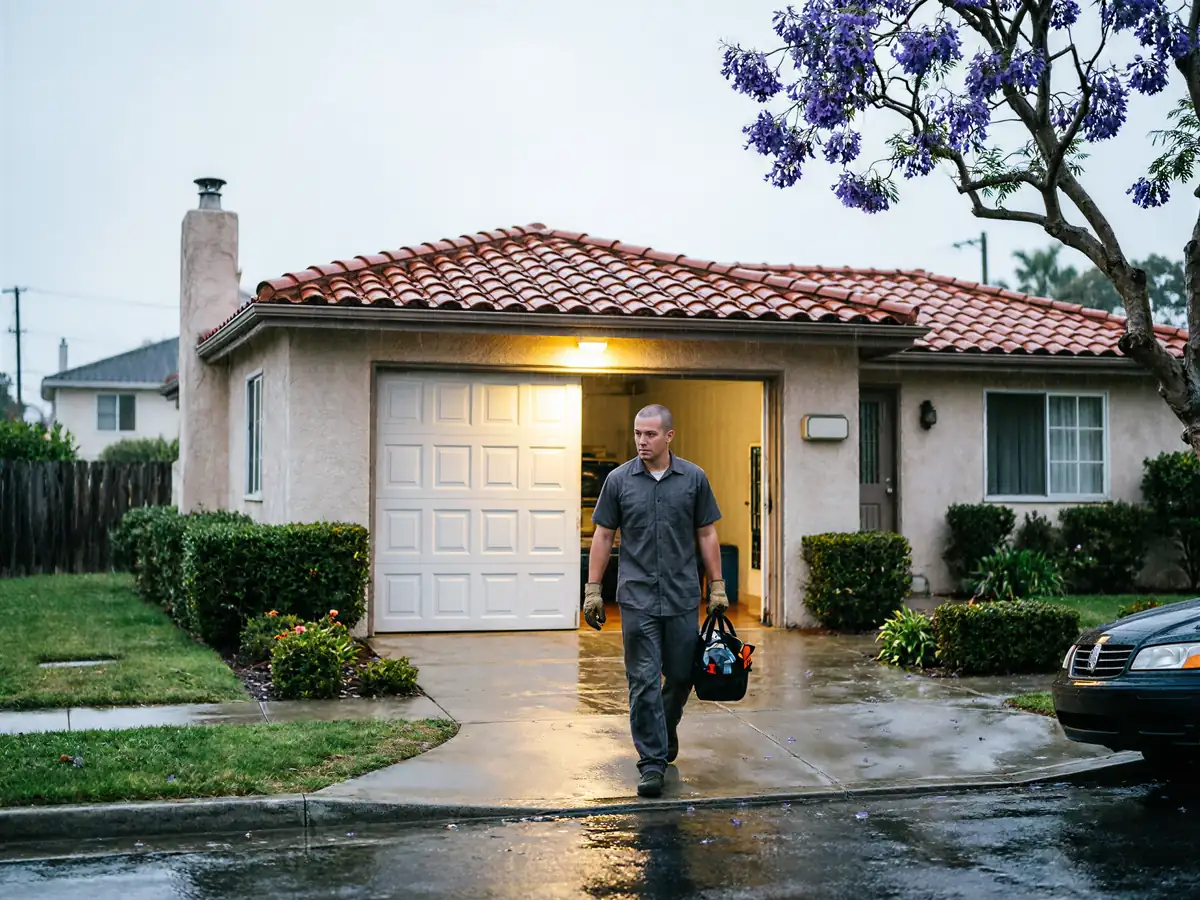
A technician walks out of a garage with a toolbox on a rainy day.

Emergency Garage Door Repair

Citrus Heights homes from the 1962-2004 building boom fail at the spring and opener in predictable ways. Same-day emergency repair across the service area.

Learn more
Questions

Frequently asked

Straight answers about garage door repair in Citrus Heights. Still unsure? Ask us directly.

Why does my garage door only squeal in the afternoon?

Heat. Steel track and torsion hardware expand as the day warms up, and a door that's quiet at 7am can start squealing by 3pm once the metal's fully heat-soaked. It's one of the most common complaints we hear in Citrus Heights during summer, and it's usually just lubrication, not a failing part - unless it's also getting louder week over week.

My door is original to a 1980s house - is that why parts are hard to find?

Often, yes. A lot of Citrus Heights houses were built in the 1980s and 90s, and some still run original rollers, hinges, or springs sized for door weights that aren't standard anymore. We can usually source a match, but it sometimes takes longer than a same-day repair on newer hardware.

Is a loud bang always a broken spring?

Almost always, yes, especially on a double door. If the door suddenly feels much heavier to lift by hand and you heard a bang beforehand, treat it as a broken torsion spring and don't force the opener to lift it - that strains the opener and can bend the track.

How do I know if the noise is the door or the opener?

Pull the release cord and move the door by hand. If it's quiet and moves smooth, the noise is almost certainly the opener's gear or chain. If it's still rough or grinding by hand, the problem is in the door hardware itself - rollers, track, or springs.

Ready to get your garage door sorted?

Tell us what it’s doing and where you are in Citrus Heights - we’ll take it from there.

Request a QuoteCall