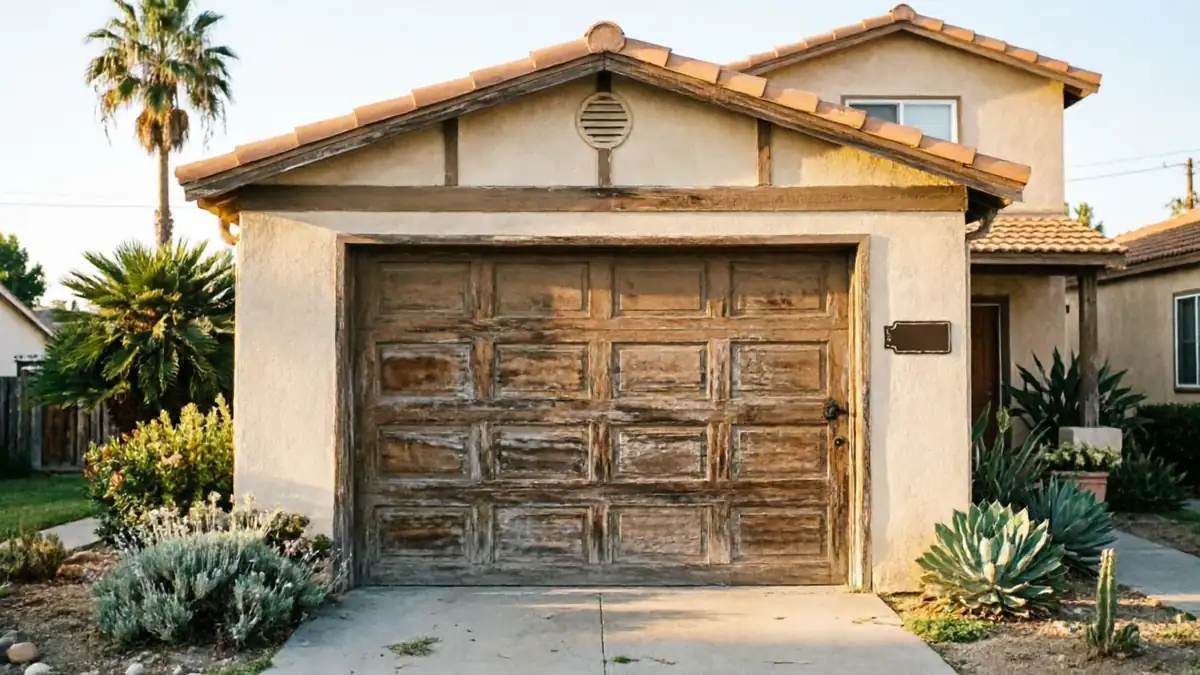
What the Weather Here Does to It
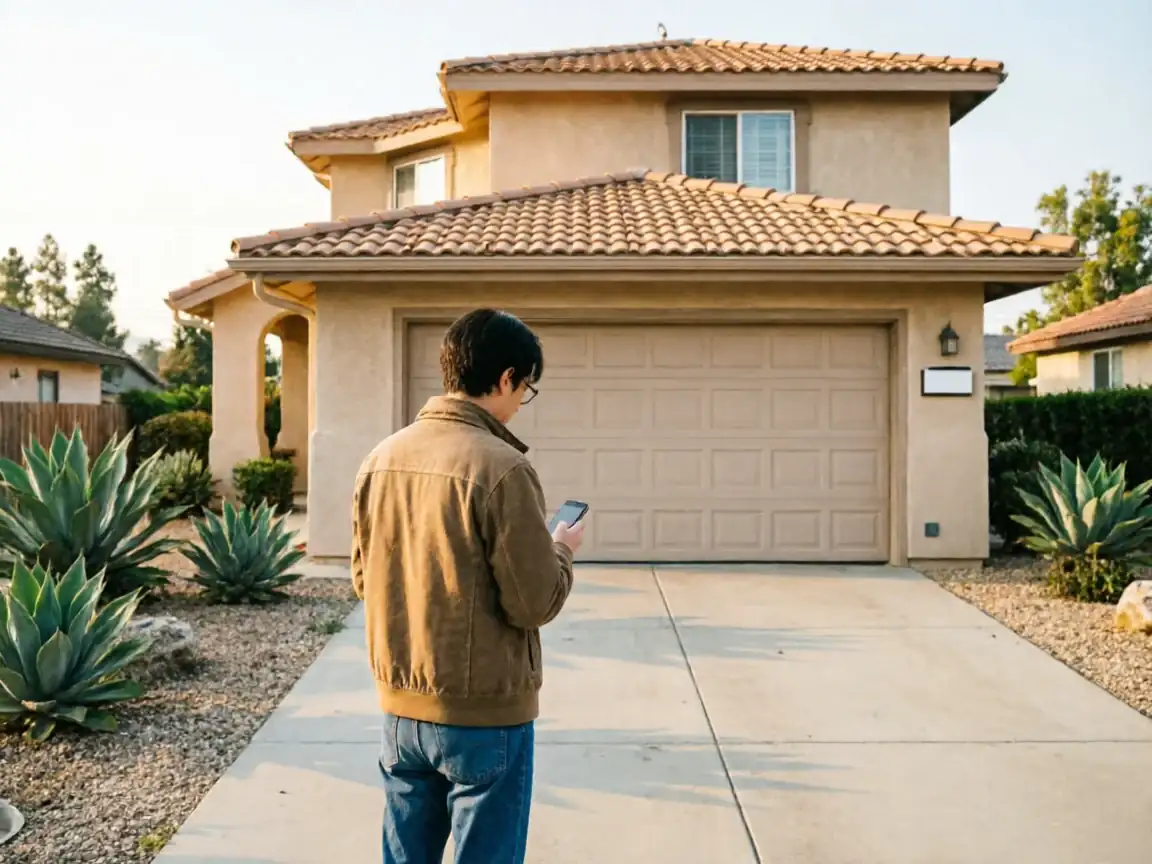
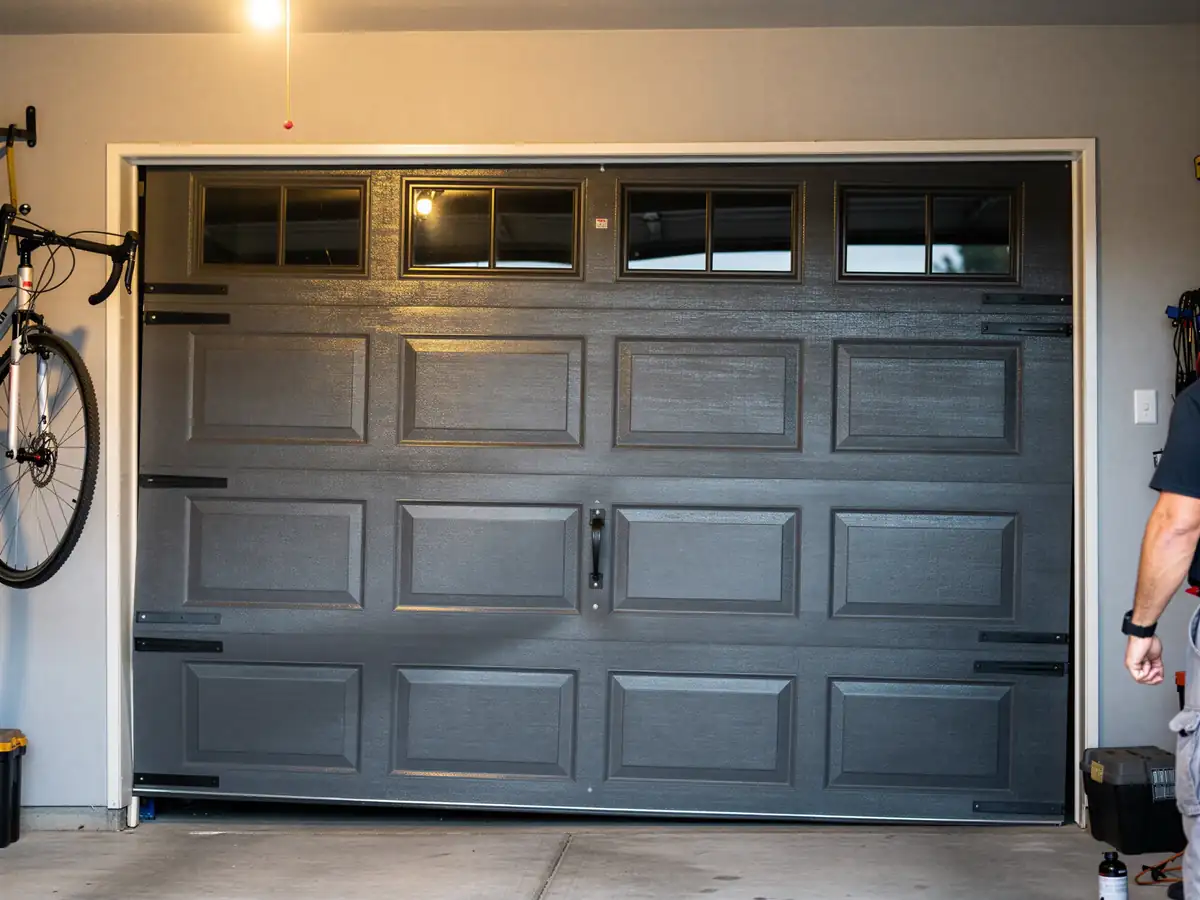
Citrus Heights sits in a severe-heat band, and that matters more to a garage door than most owners think. Summer heat swells wood panels, dries out the lubricant in rollers and hinges, and bakes the lift springs through dozens of expansion-contraction cycles every season. On steel doors, the heat softens old weatherstrip and warps thin panel skins, especially on the side that takes afternoon sun. None of this is dramatic - it's slow fatigue, and it shows up as a door that starts hanging up a few inches from the floor or that growls louder than it used to.
The practical effect: springs and rollers wear out faster here than they would in a milder climate, and that wear is cumulative across the life of the door. If your door was installed anywhere near when the house was built, the hardware has already been through a lot of hot summers. That's not a reason to panic, but it is a reason to treat a slow, sticky door as something worth a look rather than something to keep forcing.
What Is Going On
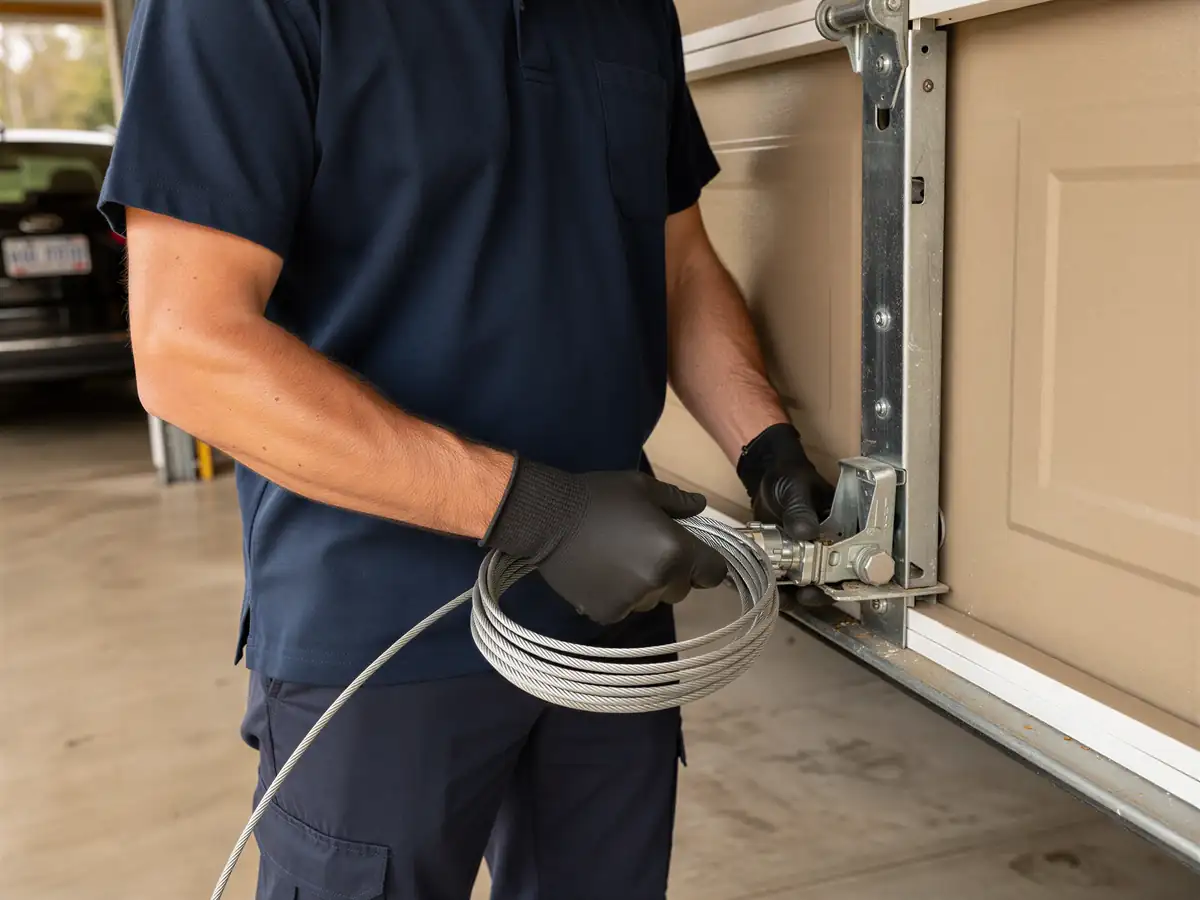
Most houses in this part of the county were built between 1962 and 2004, with the bulk of that stock going up in the 1980s and 90s - we see it across the named neighborhoods from Foothill Farms to Antelope to Rio Linda. That matters because a door installed with the house in, say, 1985 is now well past the point where springs, cables, and the opener's original drive gear were engineered to last. A door that age with its original torsion spring is running on borrowed time, and the symptoms - slow close, uneven lift, a loud bang when it finally gives - are mechanical, not cosmetic.
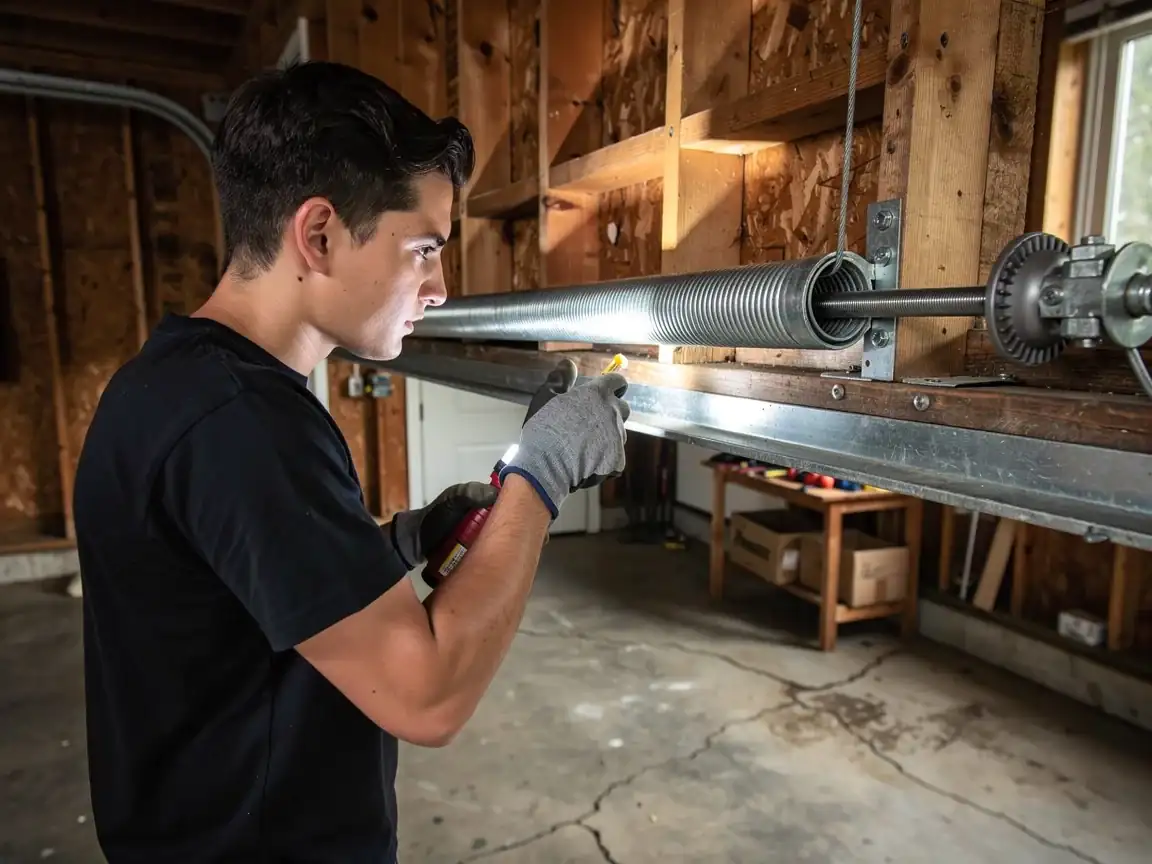
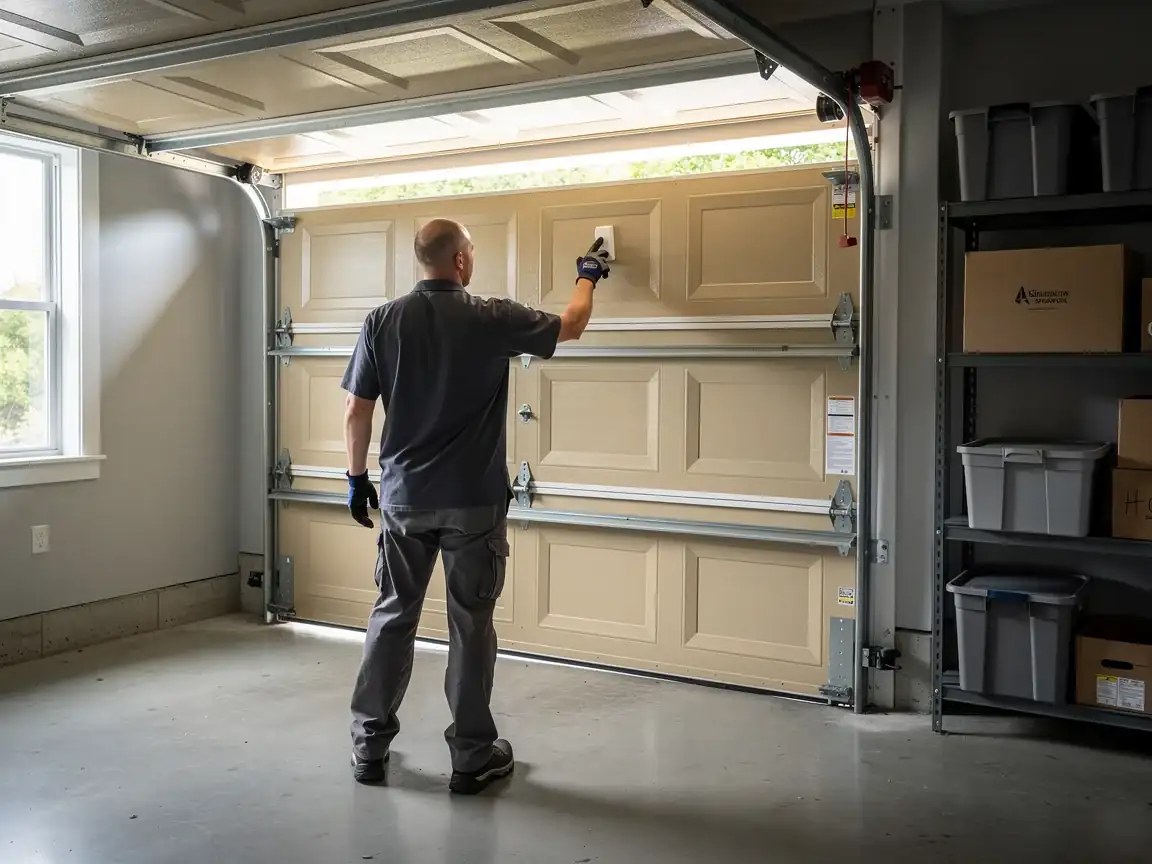
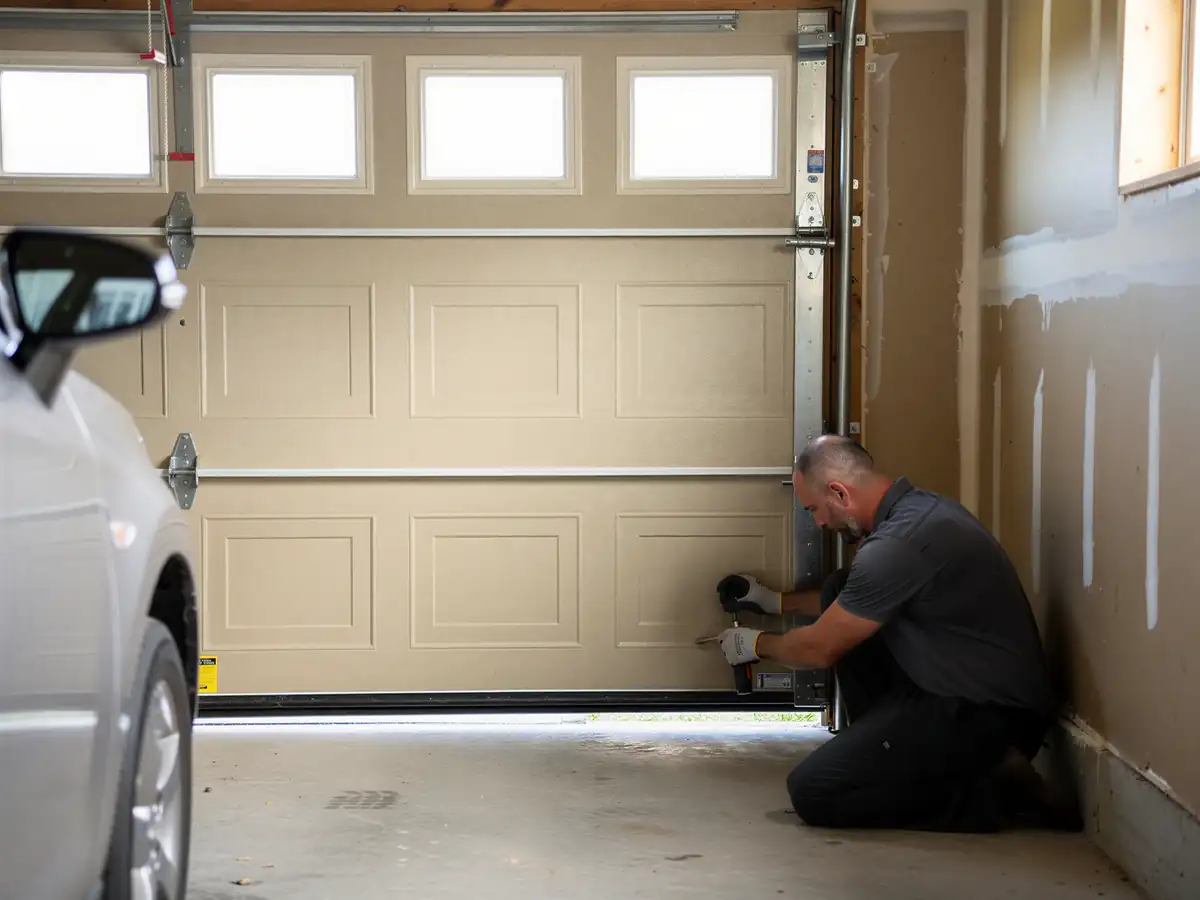
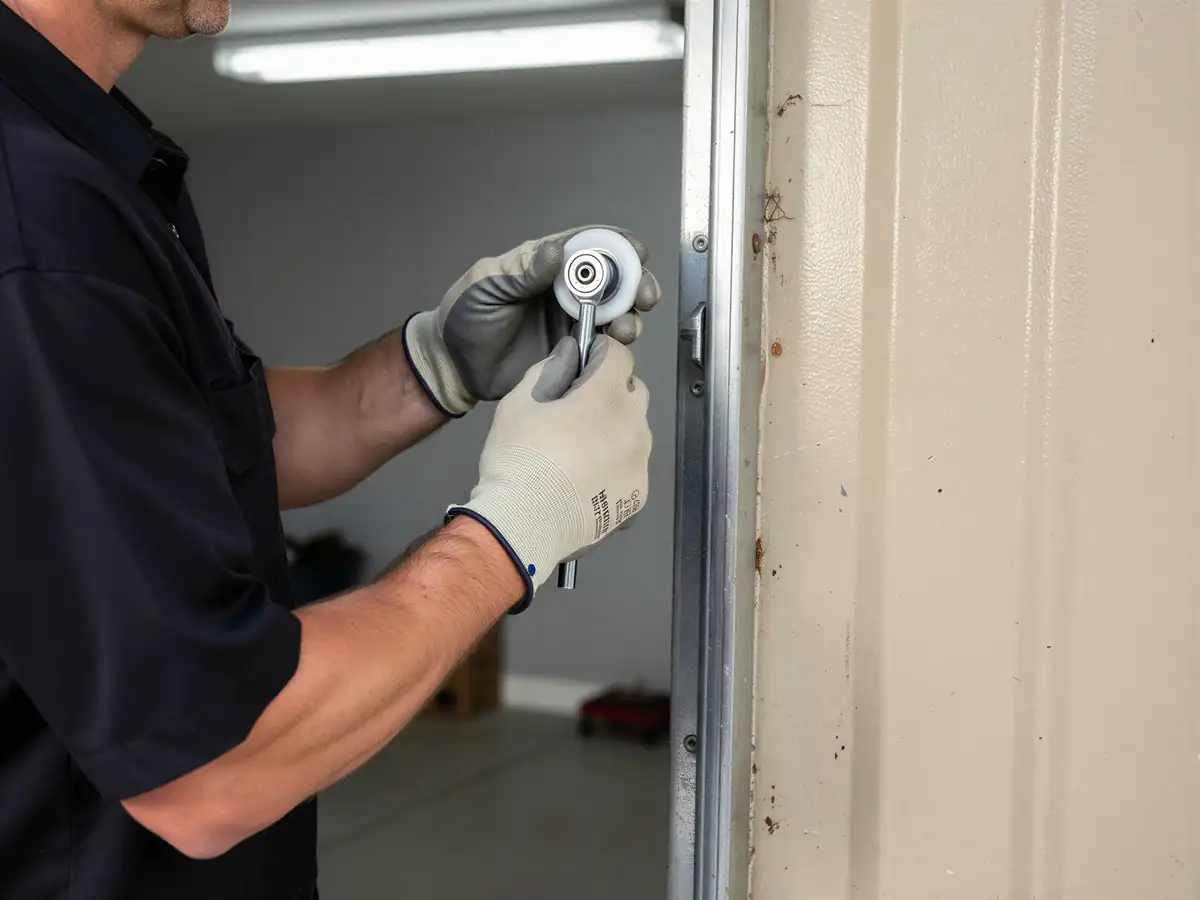
What's actually failing is rarely the door panel itself. Steel and wood sectional doors from that era were built heavier than a lot of what's sold today, and the panels often outlast the hardware around them. The spring, the rollers, the bottom bracket, and the opener's gear kit are the parts that give out first. That's the real diagnosis question on a house this age: is it the door, or is it everything attached to the door.
What It Costs
We don't publish a flat number here because the honest answer depends on what's actually wrong
And on a house built decades ago that's rarely just one thing. A broken spring on an otherwise sound 1980s-era door is a different job than a door whose track, rollers, and opener are all original and failing together. Age by itself doesn't set the price - what sets it is how many of those original parts are still in play.
Households in this area have decent room in the budget to choose repair over replacement when repair makes sense
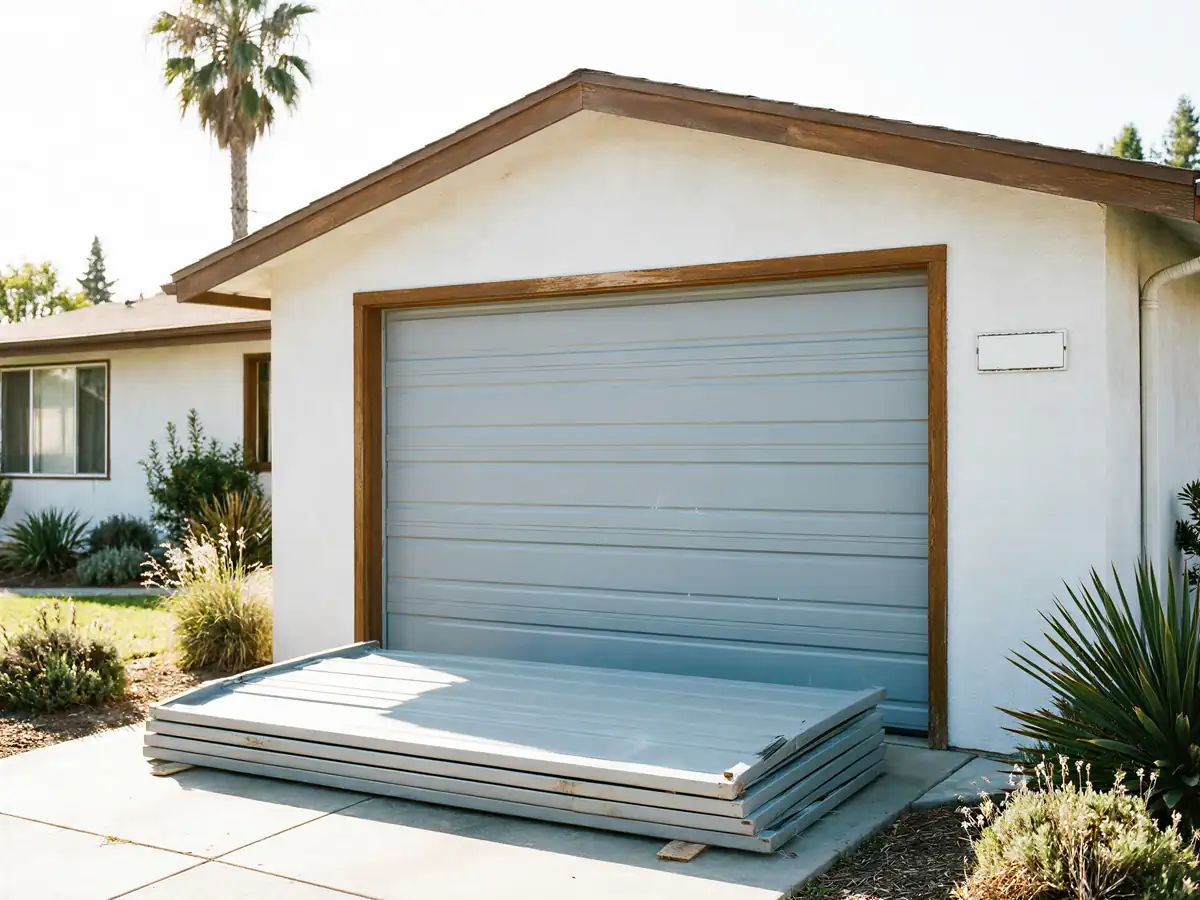
And for a lot of these doors it does. A new spring set and a roller tune-up on a heavy old steel door usually costs less than full replacement and buys several more years, especially if the panels themselves are still straight and not sun-warped. We'll tell you straight if a door has crossed the line into