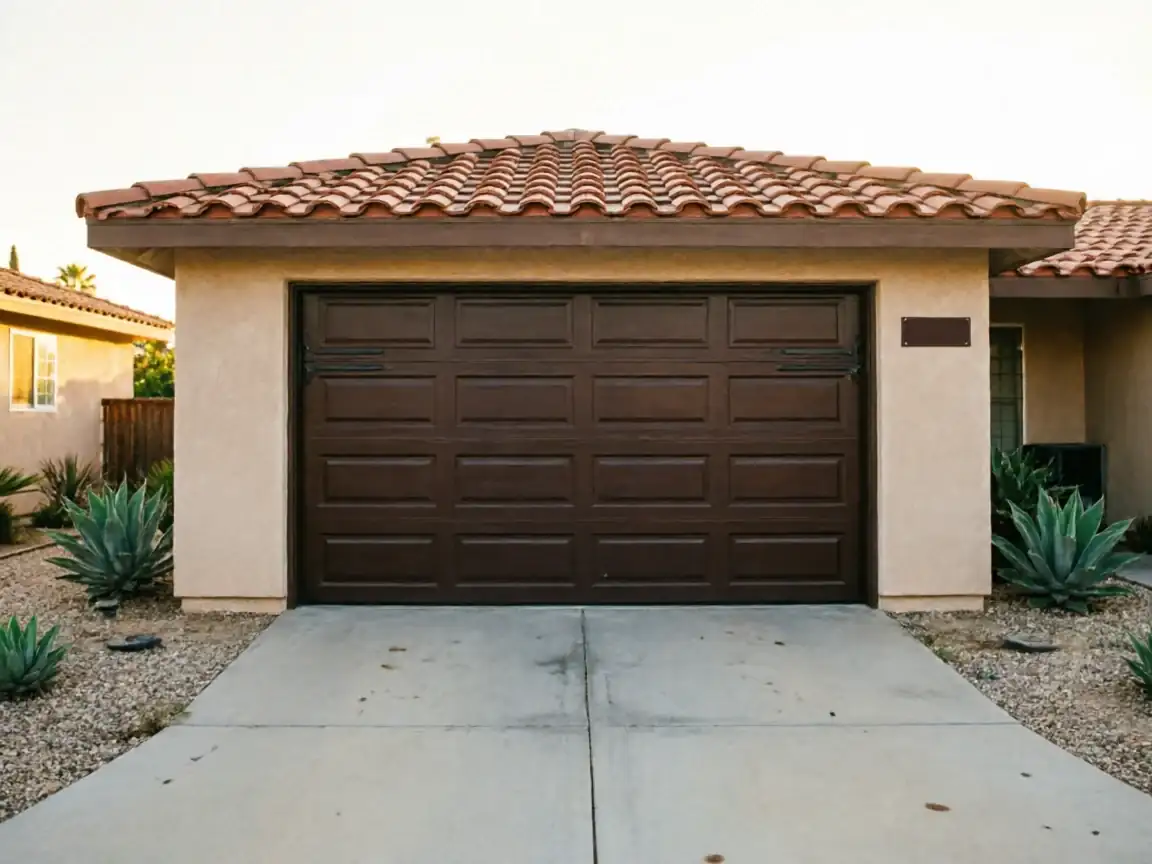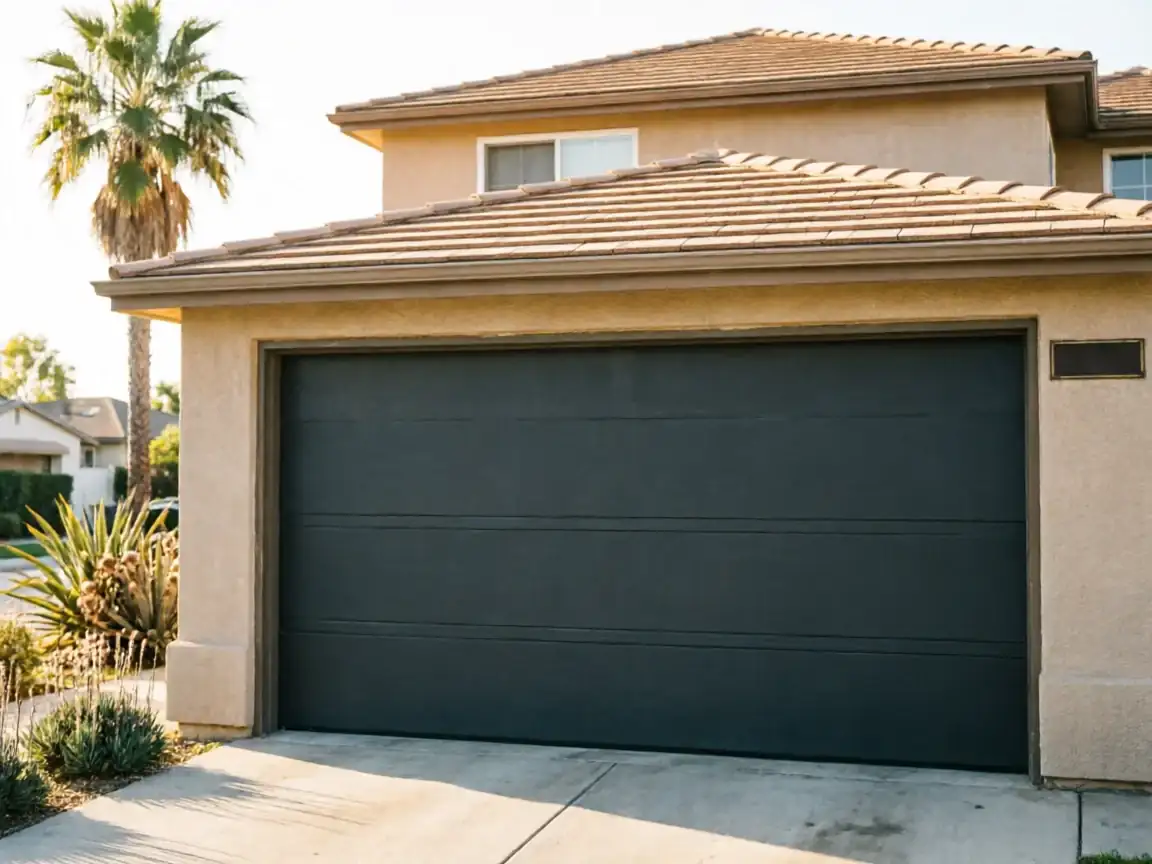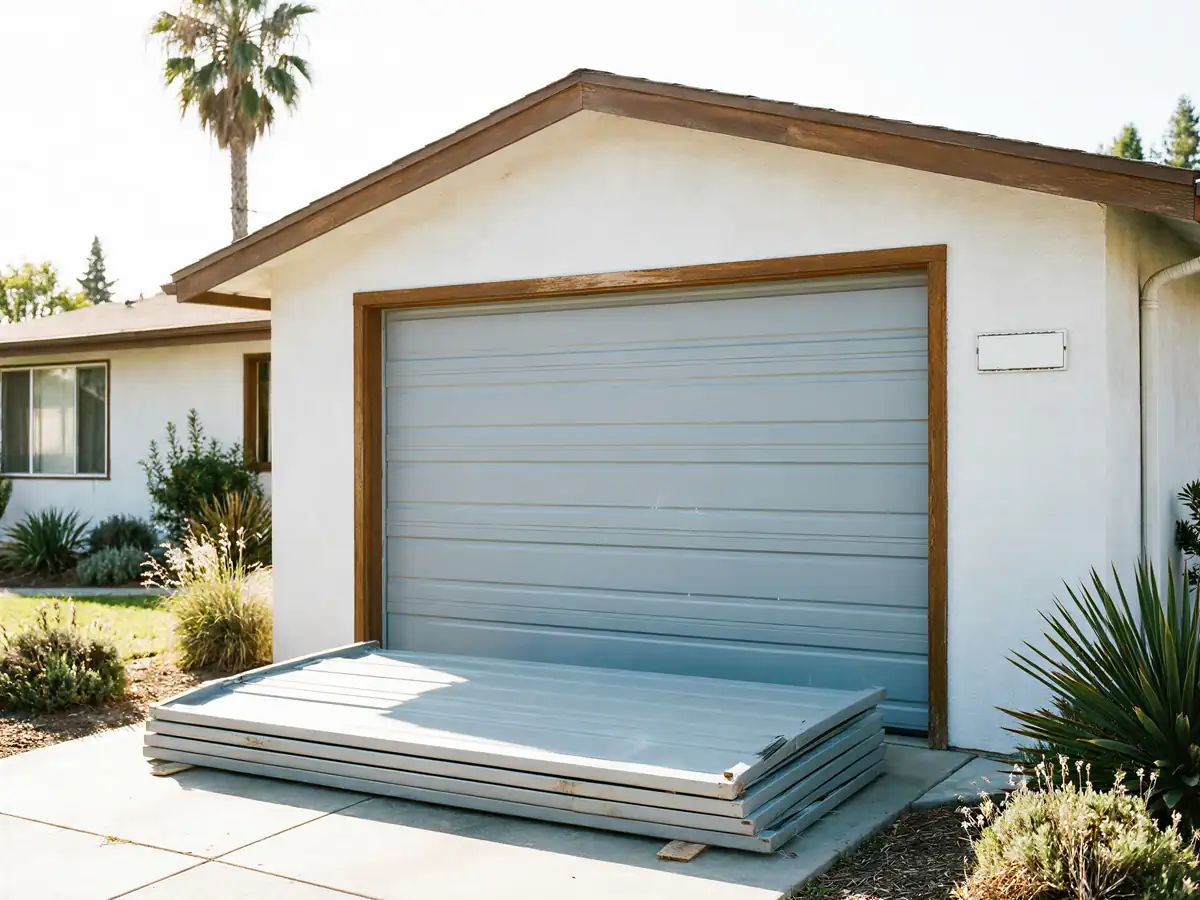
Can You Do This Yourself
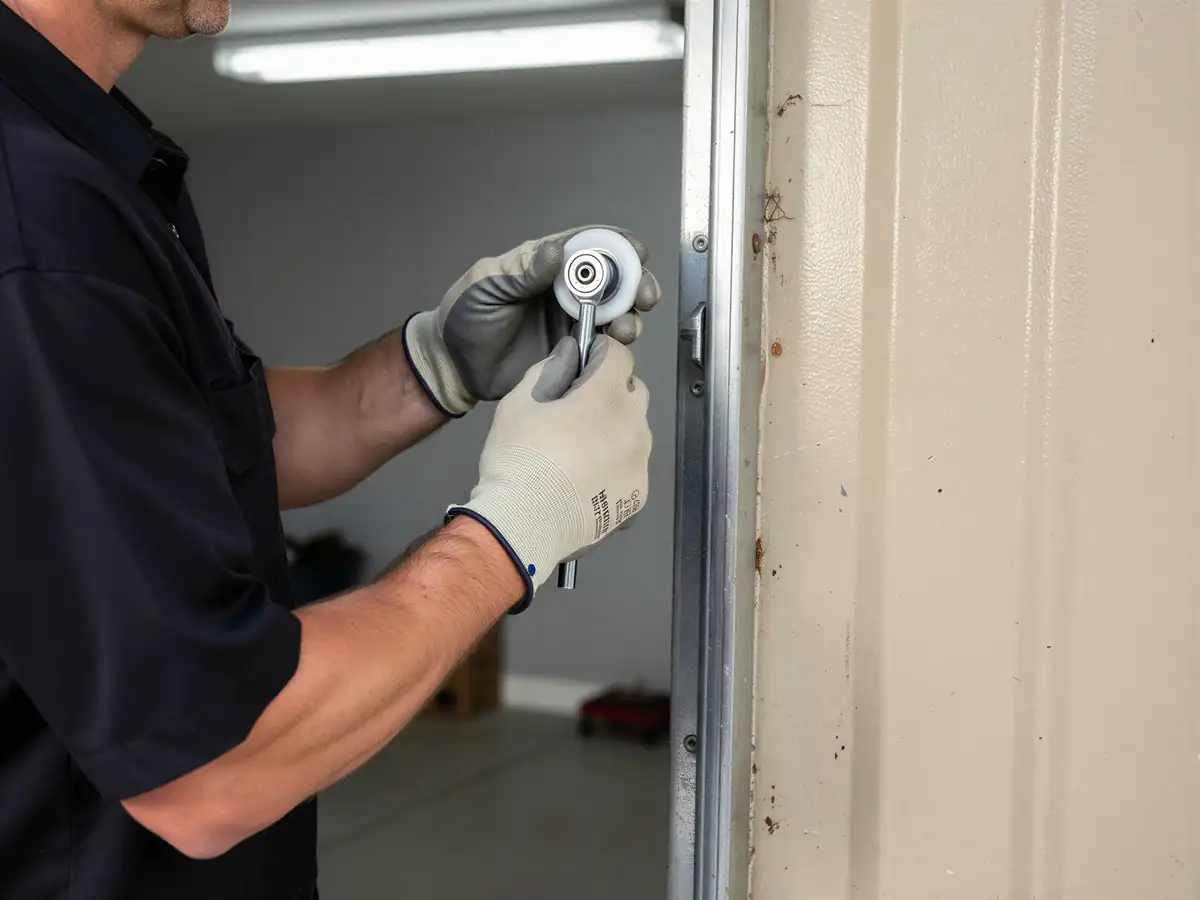
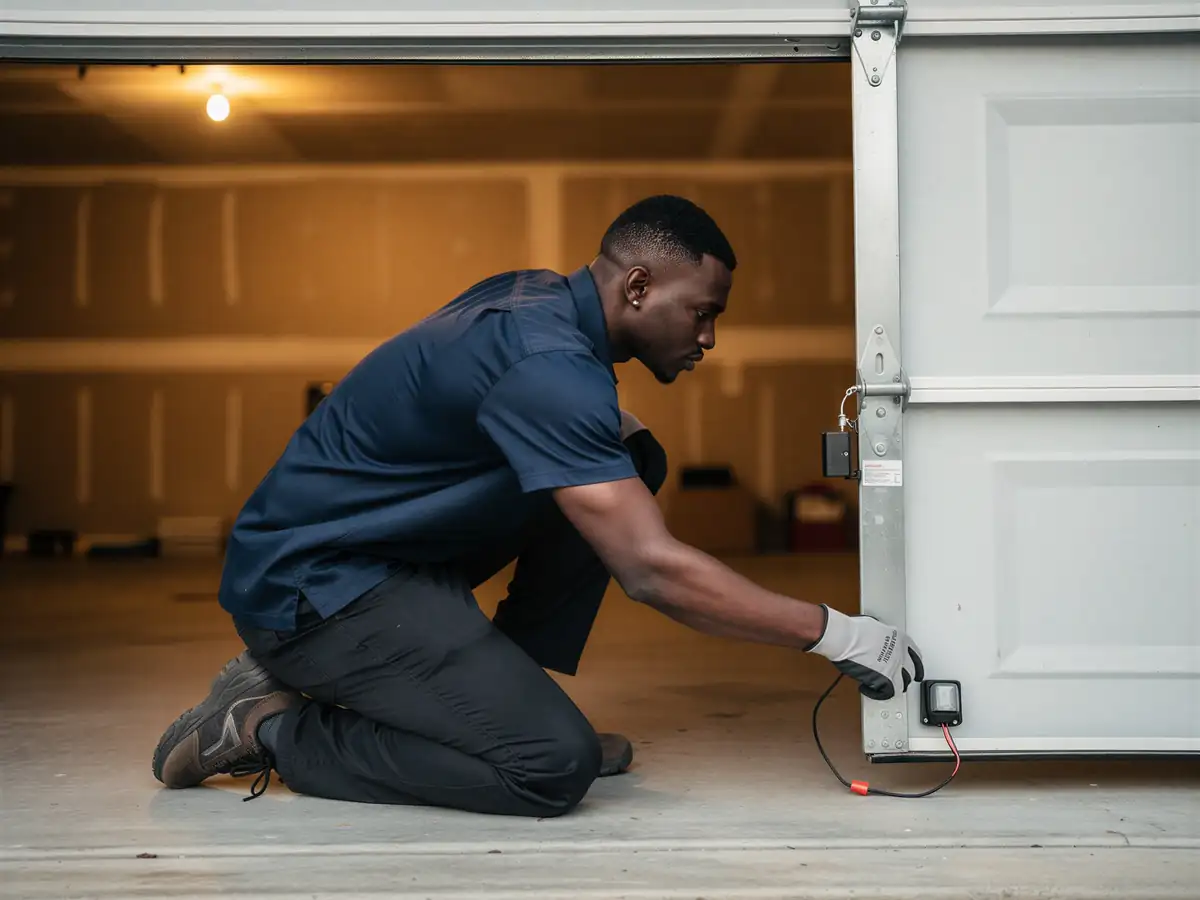
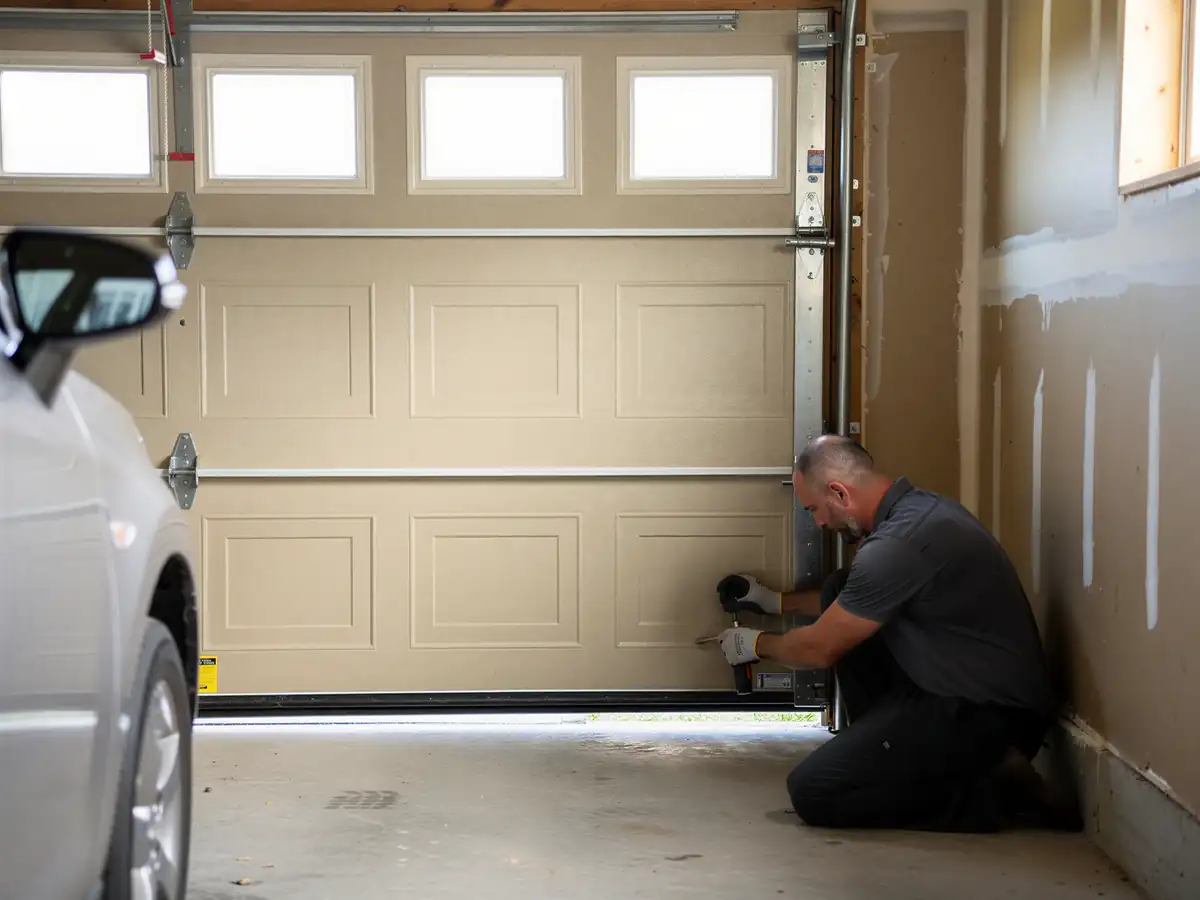
Some of it, yes. Tightening a loose hinge bolt, swapping the photo-eye if it's just dirty, lubing rollers with the right grease instead of WD-40 - that's homeowner work and we'd rather you save the call-out fee.
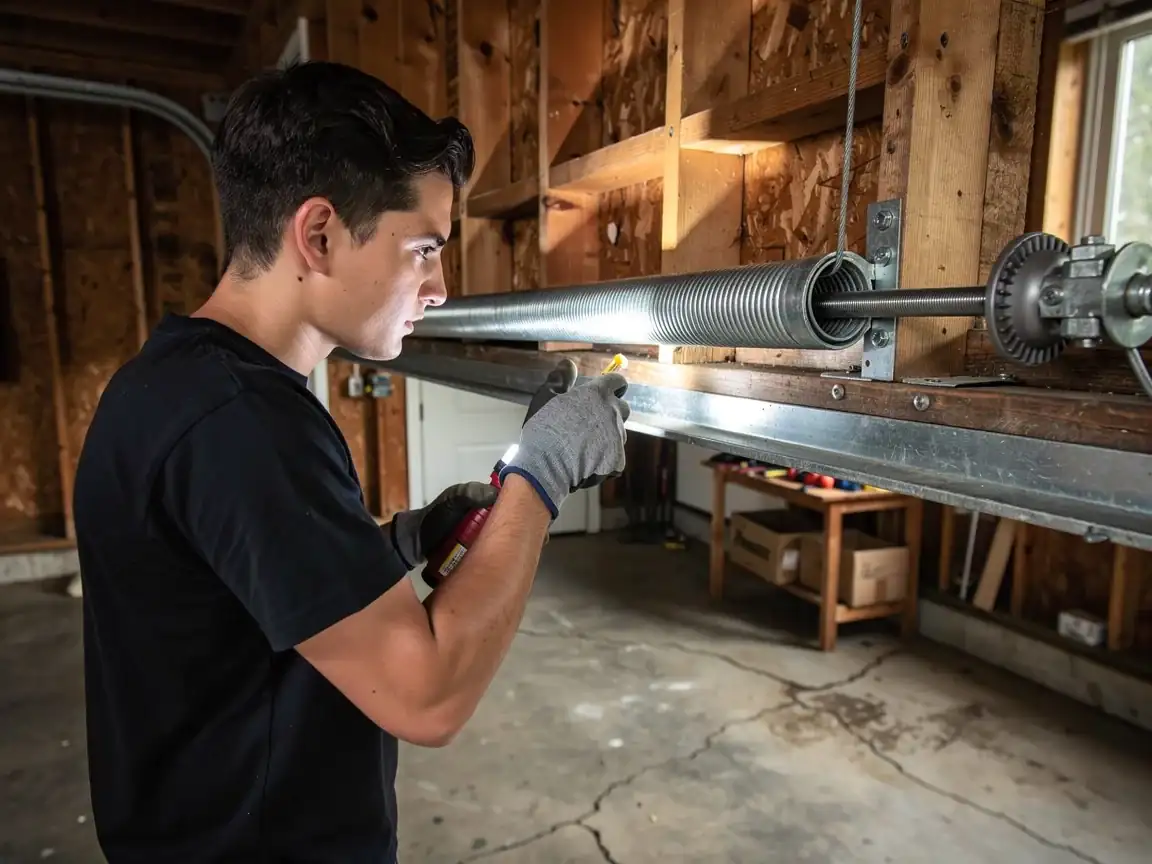
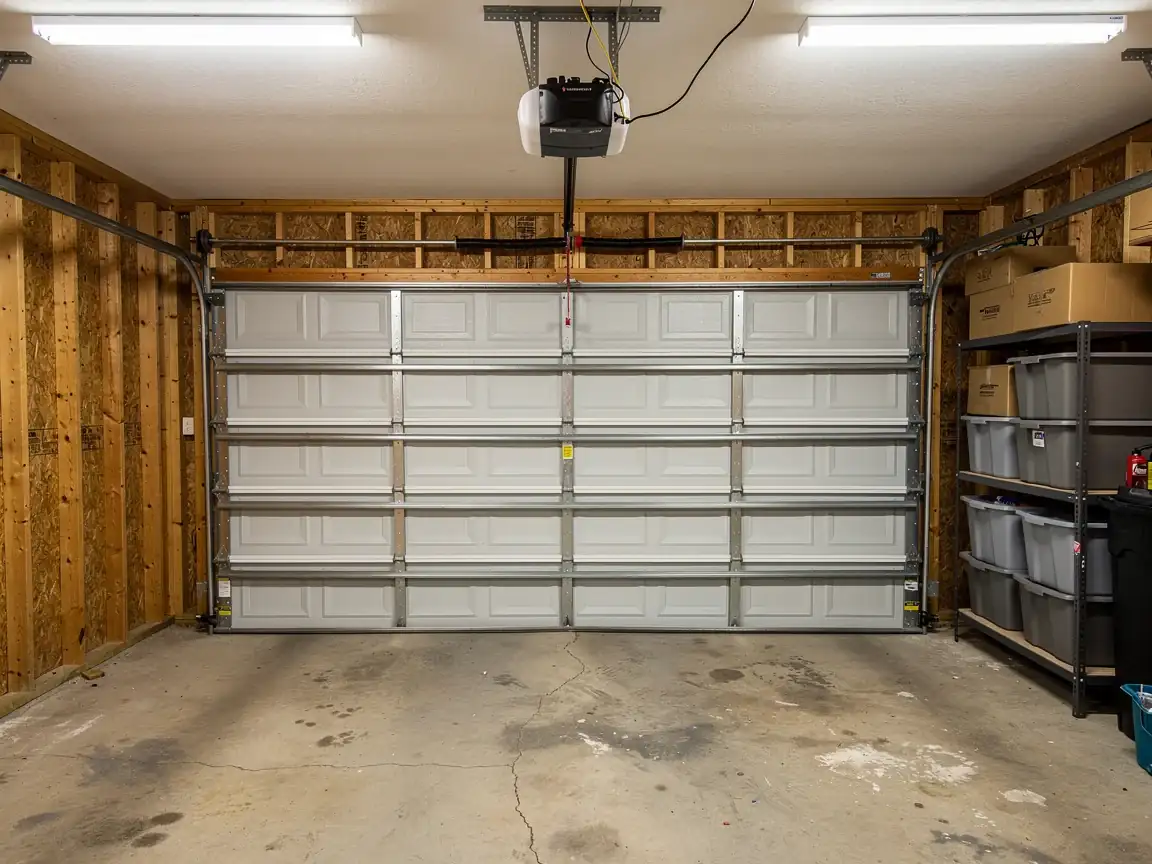
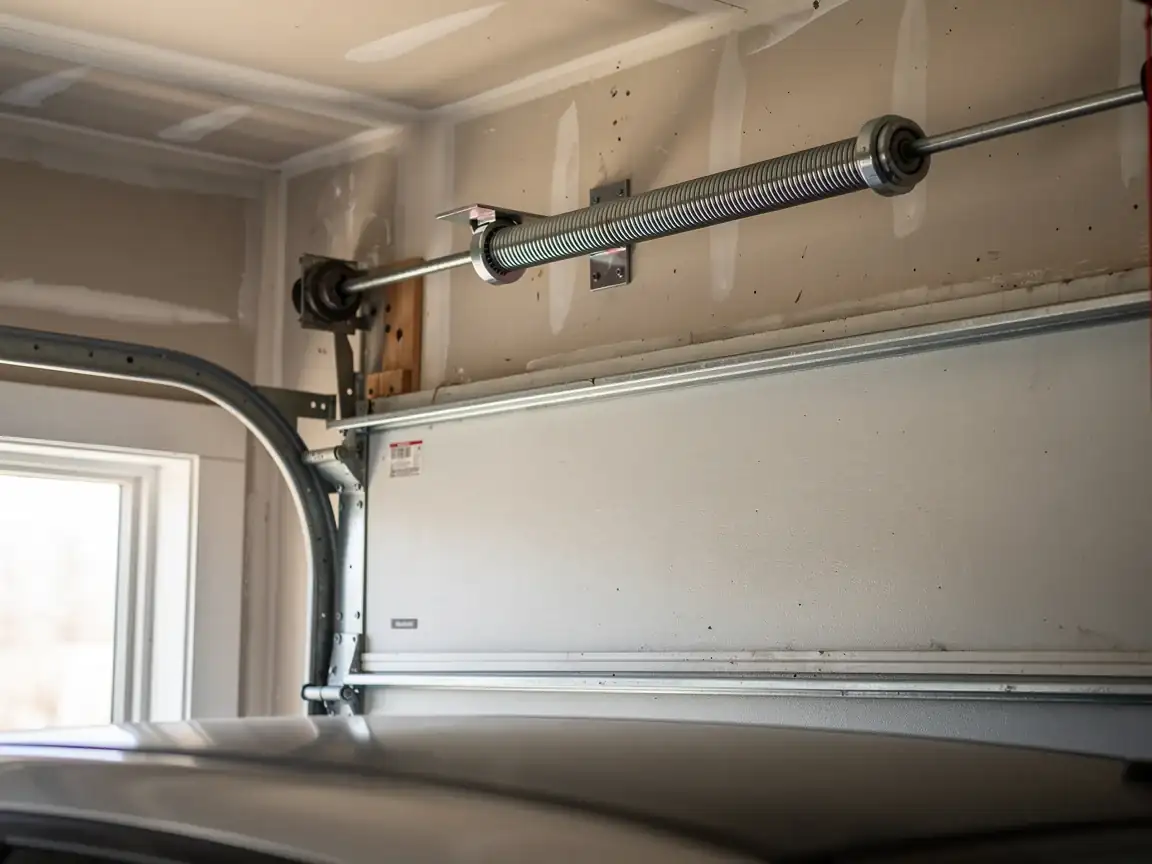
What you shouldn't touch is the torsion spring. Most houses in Citrus Heights went up between 1962 and 2004, median around 1981, and the bulk of that stock is 1980s-90s builds spread across the area's 28 named neighborhoods. That means a lot of original or first-replacement torsion springs are still sitting on the header above the door, wound tight enough to break a wrist or worse if you don't know the drill-bar sequence. If the spring is broken - you'll see a gap in the coil, or the door won't lift past a foot without the opener straining - that's a call, not a project.
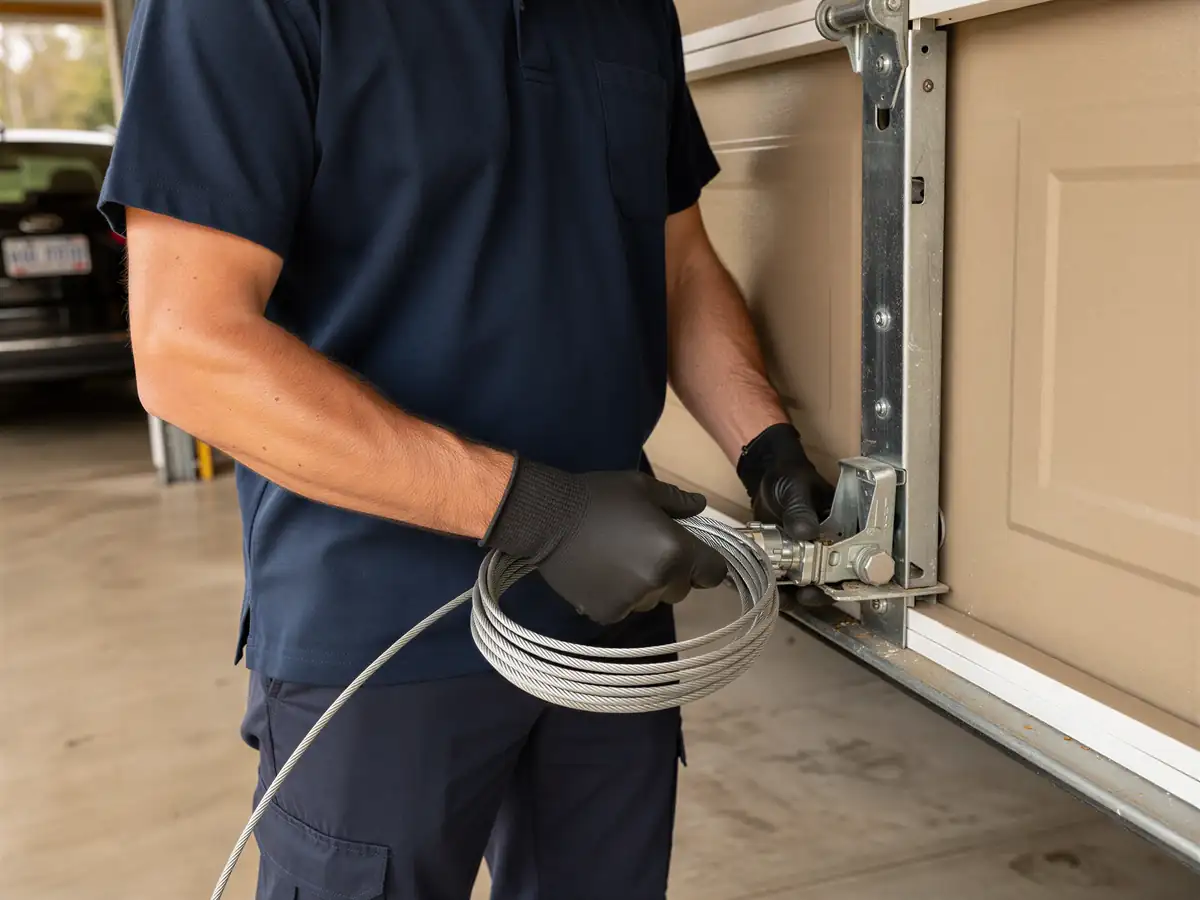
Same goes for cable replacement and anything involving the bottom bracket, which stays under spring tension even with the door down. If you're not sure which side of that line you're on, describe what you see when you call and we'll tell you straight whether it's a five-minute fix or not.
Why This Fails Locally
Citrus Heights sits in a severe-heat climate band, and that matters more for garage doors than people expect. A steel door baking on the west side of the house all afternoon expands, then contracts hard once the sun drops - and an attached opener motor mounted in that same garage is working in ambient temps that climb well past what the bearings were rated for when the house was built in the early 80s.
On homes from that 1962-2004 window, the common failure isn't the door panel, it's the spring and the drum. Decades of thermal cycling dry out the lubricant inside the coil, the steel fatigues, and it snaps - usually on the first cold snap after a long hot stretch, or the first really hot week after a mild spring. We see this pattern repeat across the 1980s-90s stock that makes up most of the area: original torsion hardware, never replaced, finally giving out right when the temperature swings hardest.
Openers fail for a related reason. A motor designed for a garage that holds steady at 70 degrees doesn't love sitting at 100-plus for weeks, and the gear and capacitor wear faster than the sticker warranty assumes. That's not a Citrus Heights-specific design flaw - it's just what severe heat does to 40-year-old hardware that was never swapped out.
Getting It Booked In
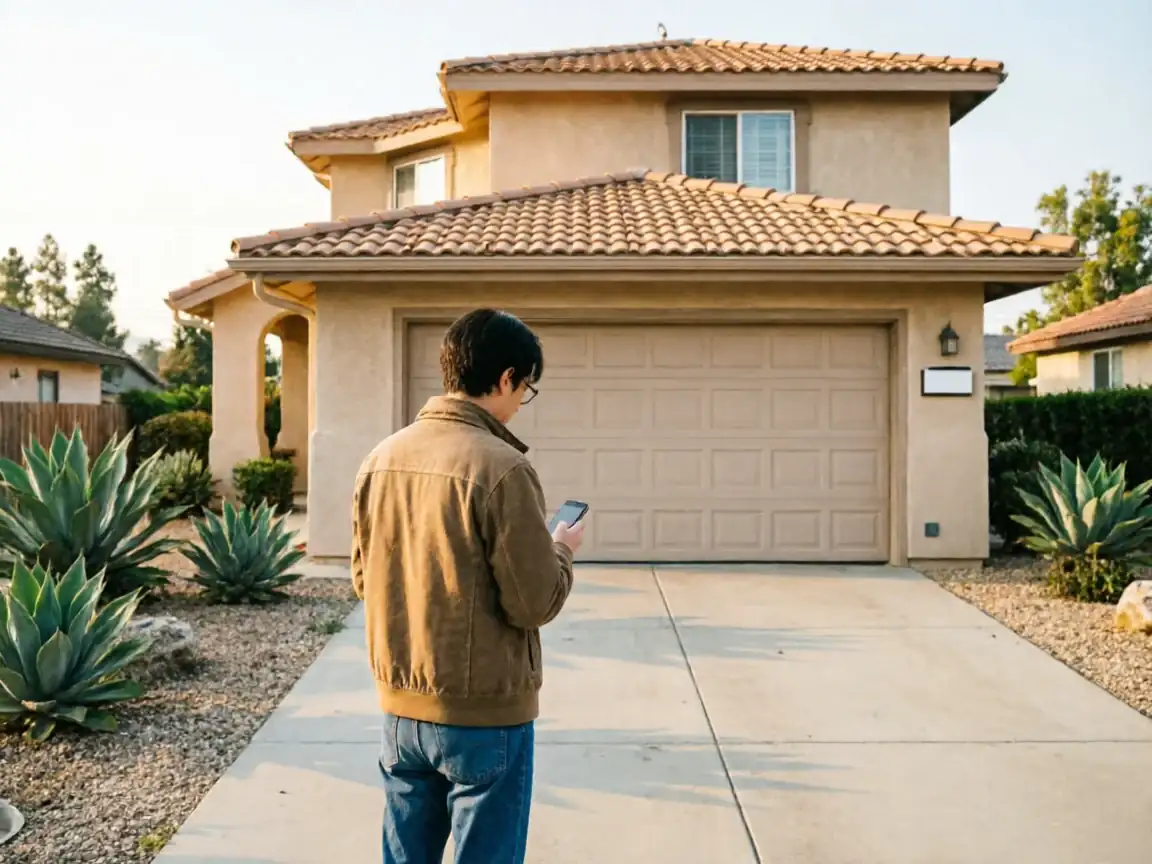
Tell us the age of the house if you know it
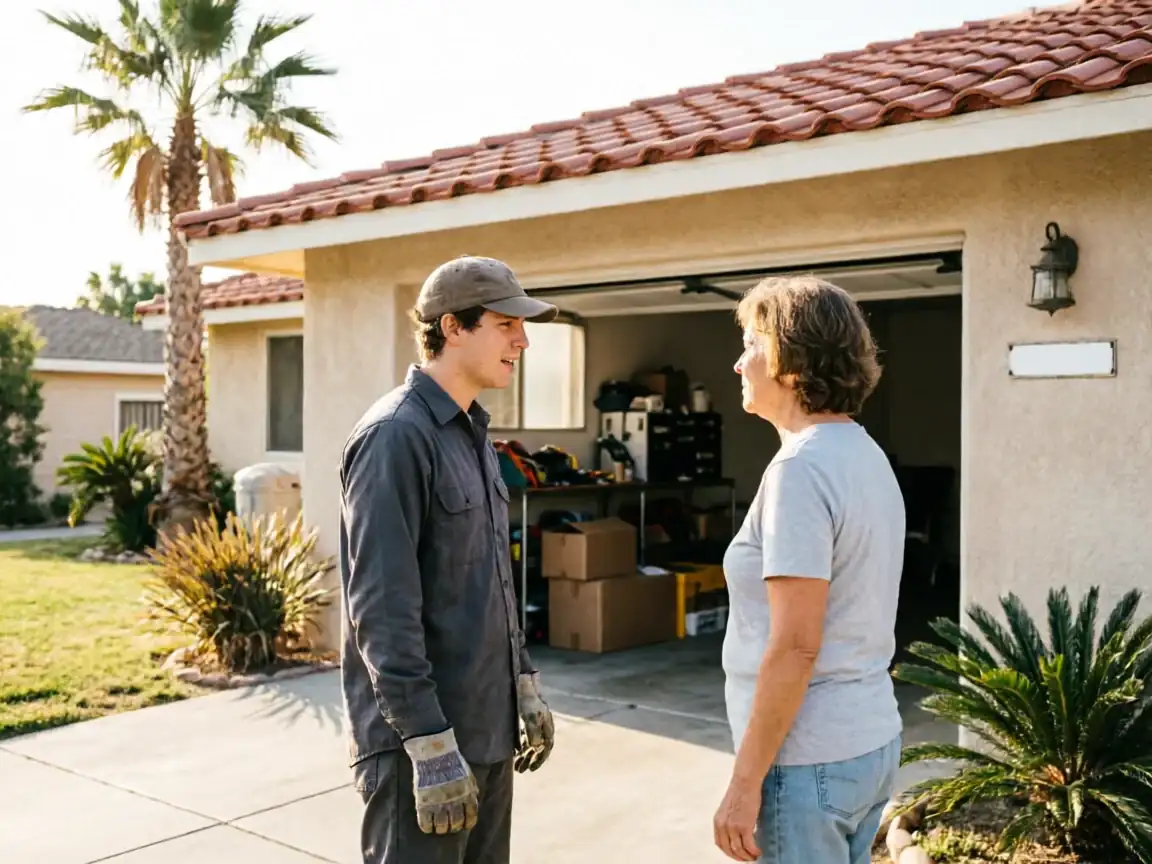
Or just the neighborhood - whether you're closer to Foothill Farms, near the side, or over toward - and we can usually guess what's on the header before we open the garage. That's not a guarantee, it's a starting point so we bring the right spring size and cable length on the truck instead of making a second trip.
Most calls here are springs, cables, or opener failures tied to the heat cycling described above
Not full door replacements. We'll tell you on the phone if what you're describing sounds like a $20 part or a job that's going to need us to see it in person first.
One honest limit: if your door is an older wood-composite panel from the early end of that 1962-2004 range and the springs are a discontinued size
We may need to order the part rather than fix it same-day. We'd rather tell you that up front than have you wait on a truck that shows up without what it needs.
The Symptom
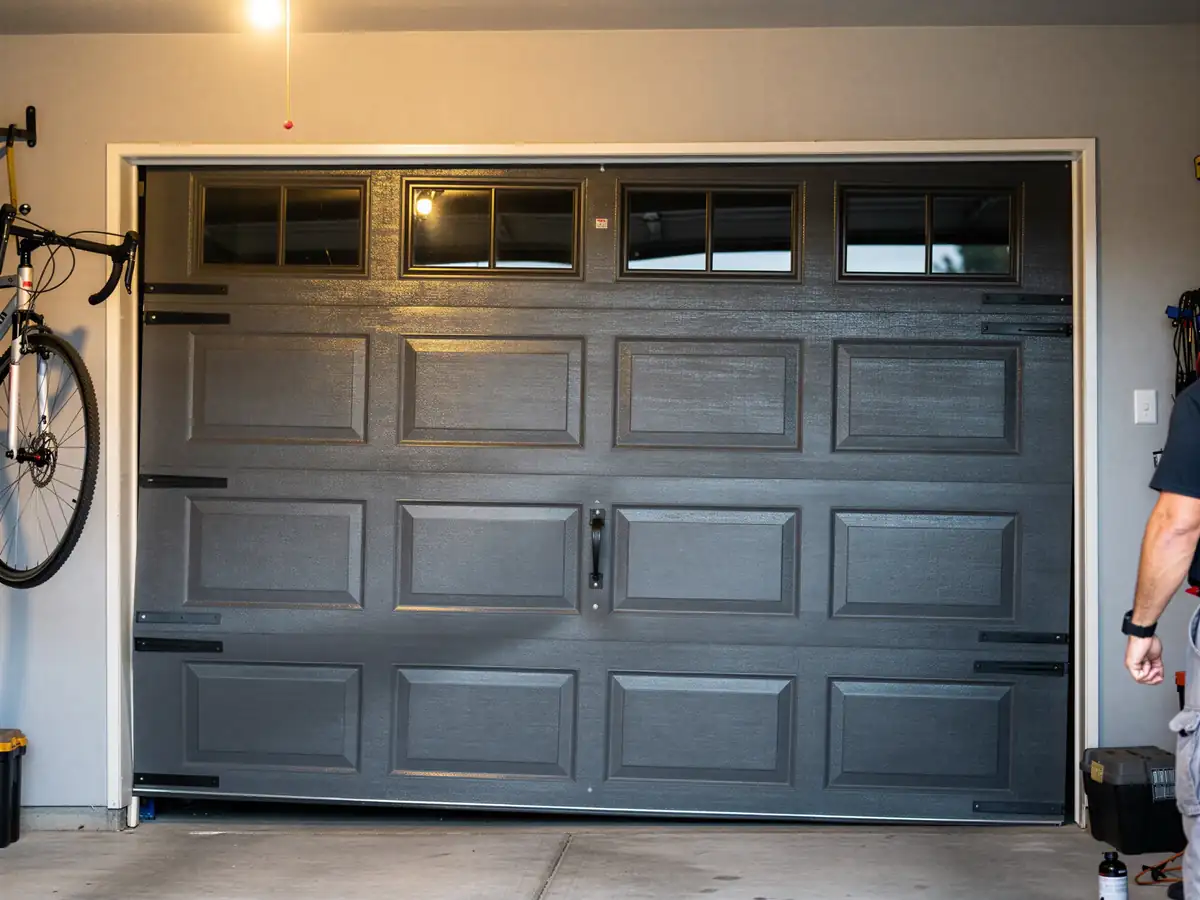
The door that won't open past a foot, then stalls and the opener motor hums - that's a broken or badly unbalanced torsion spring, full stop. Don't keep hitting the button. Every cycle after that first stall puts the opener's gear under load it wasn't built to carry, and you'll turn a spring job into a spring-and-opener job.
A door that opens fine in the morning but drags or binds by mid-afternoon is usually the steel frame or track expanding in the heat against a mount that's shifted slightly over the decades - common on the older end of the 1962-2004 housing stock. A loud bang followed by the door refusing to move at all is almost always the spring snapping outright.
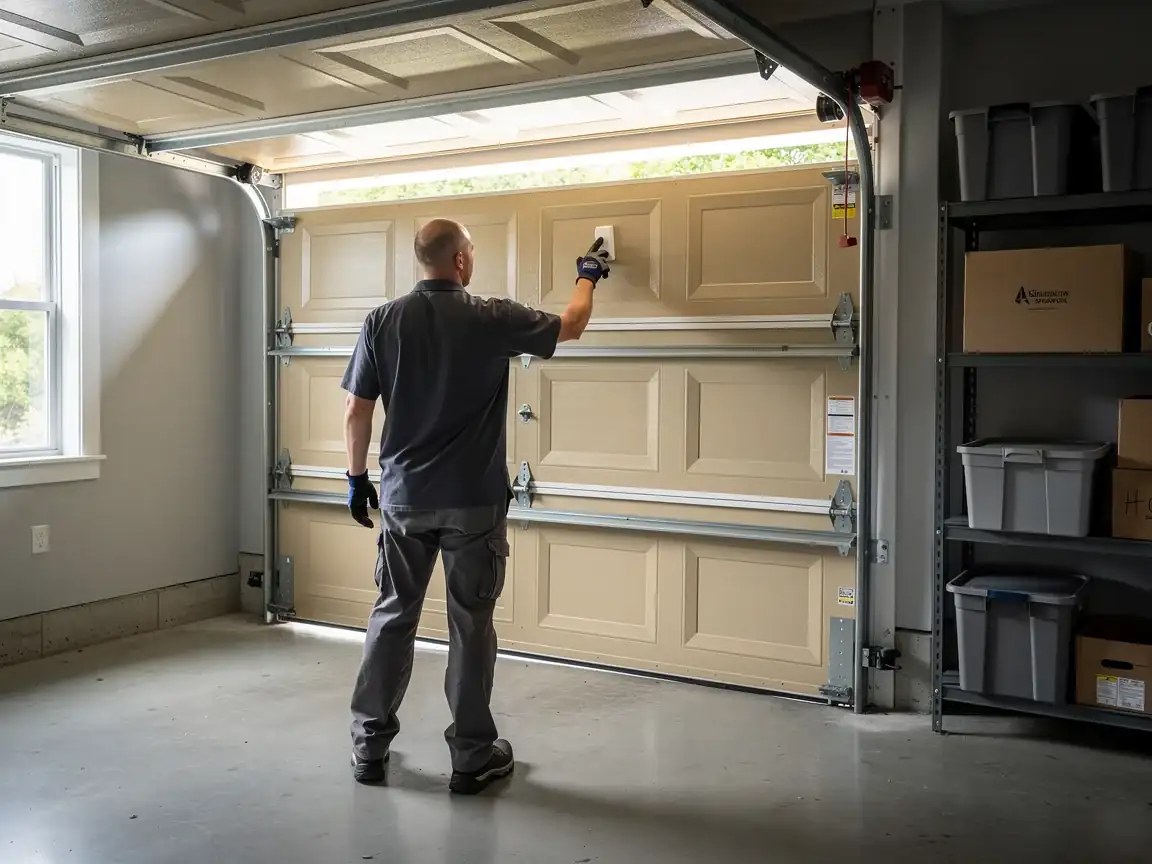
If the opener light blinks and the door won't respond to the remote at all, check the wall switch first - that's sometimes a dead photo-eye, not a motor failure, and it's a five-dollar fix instead of a service call.