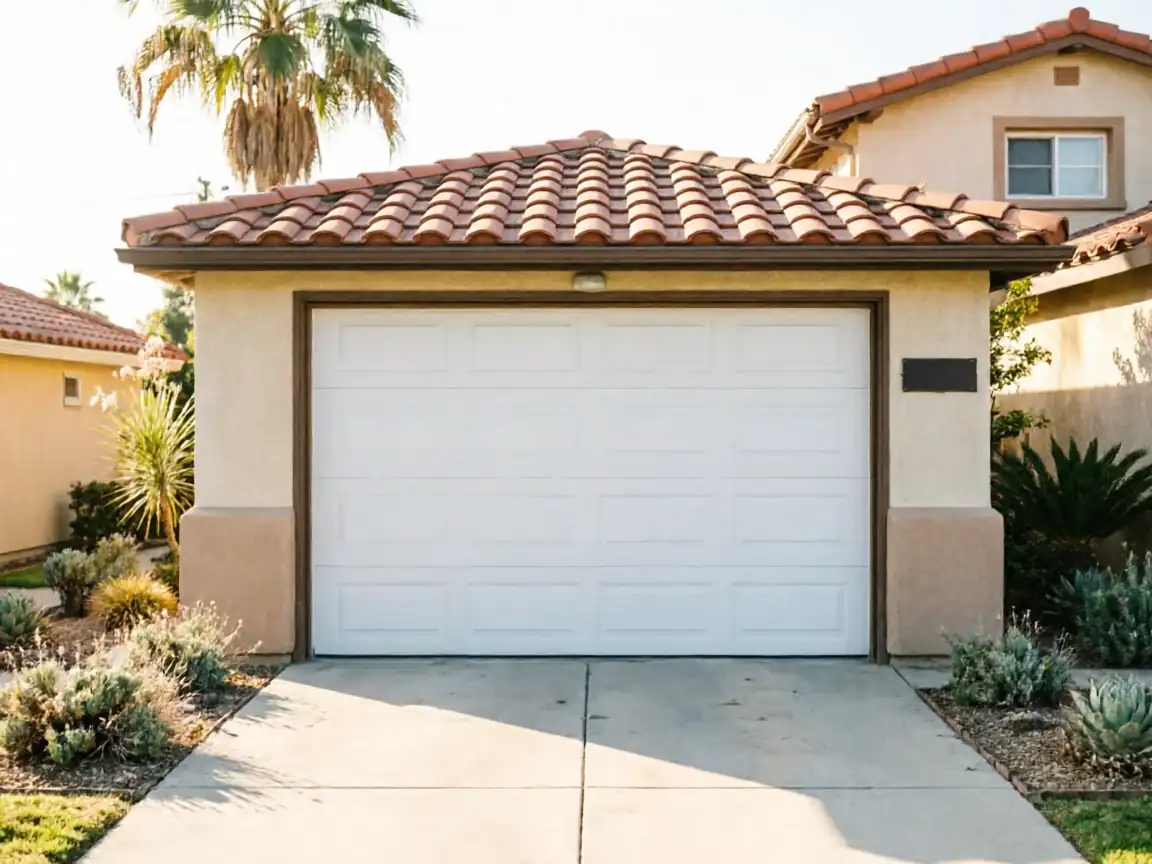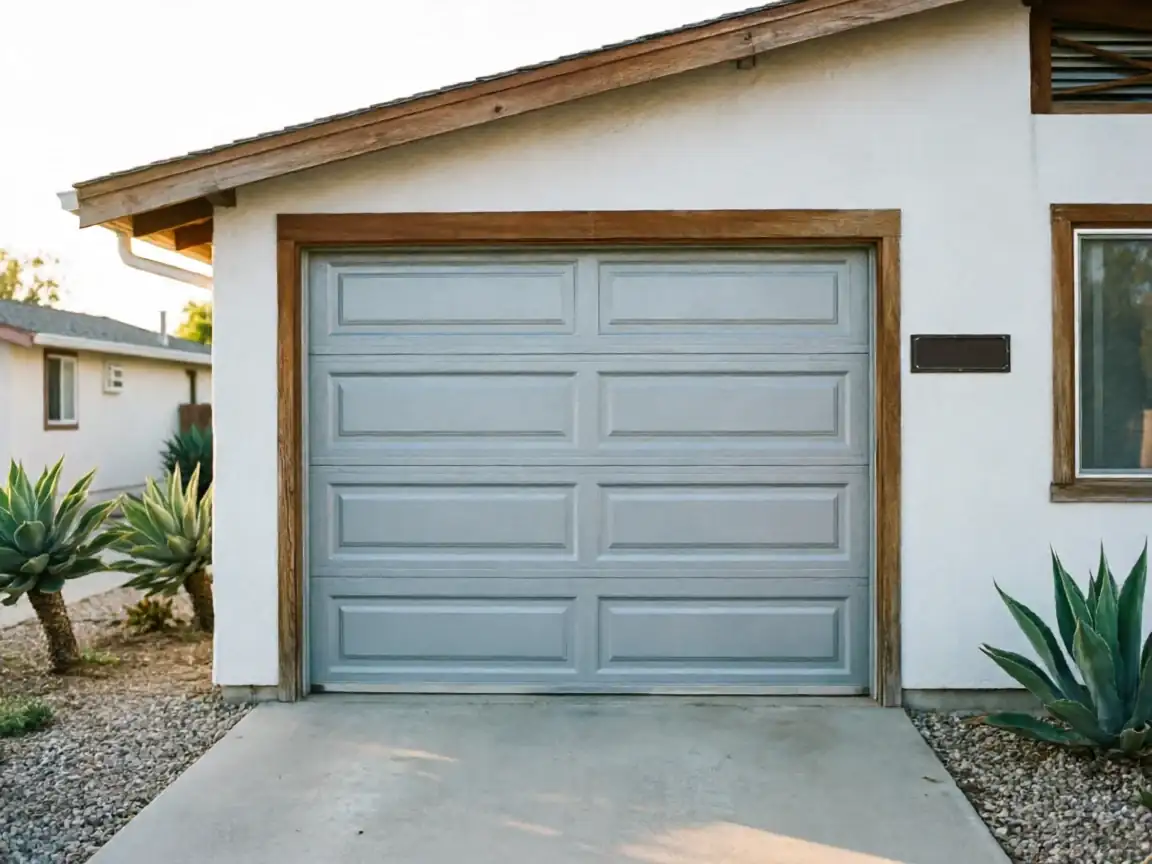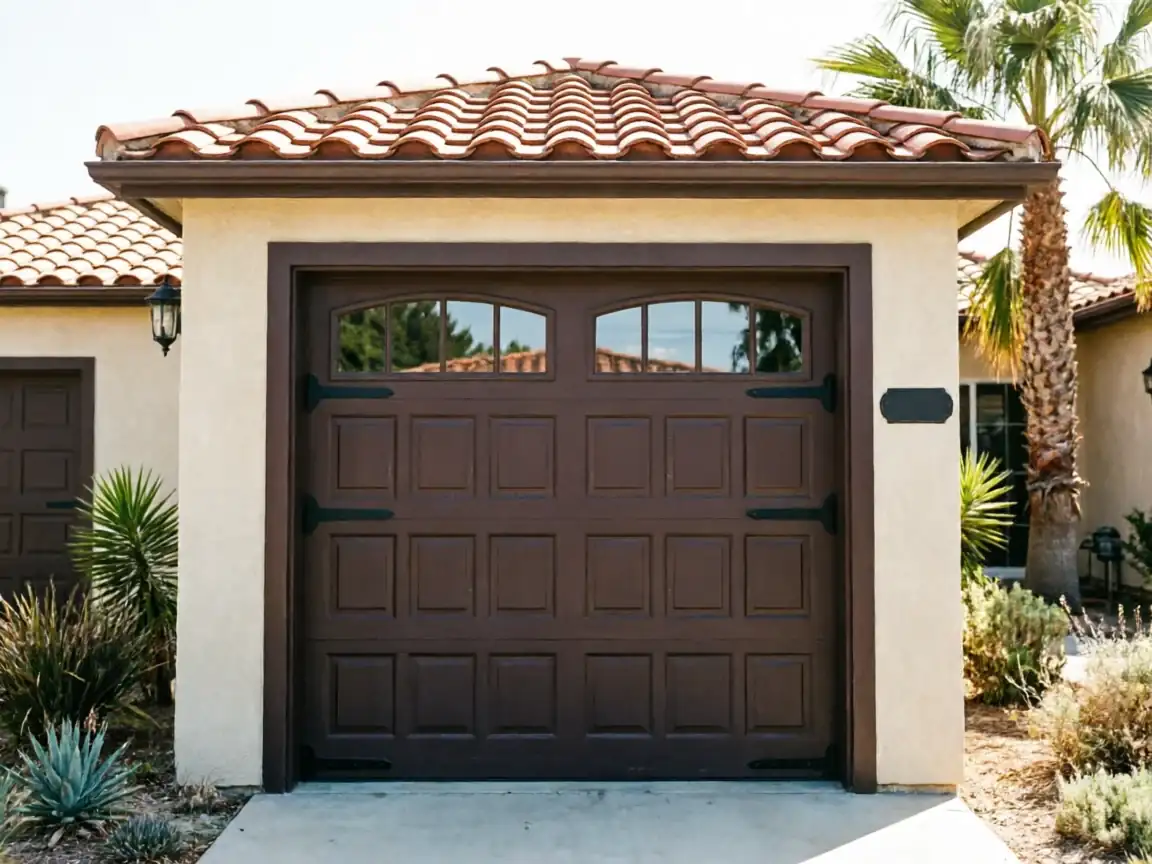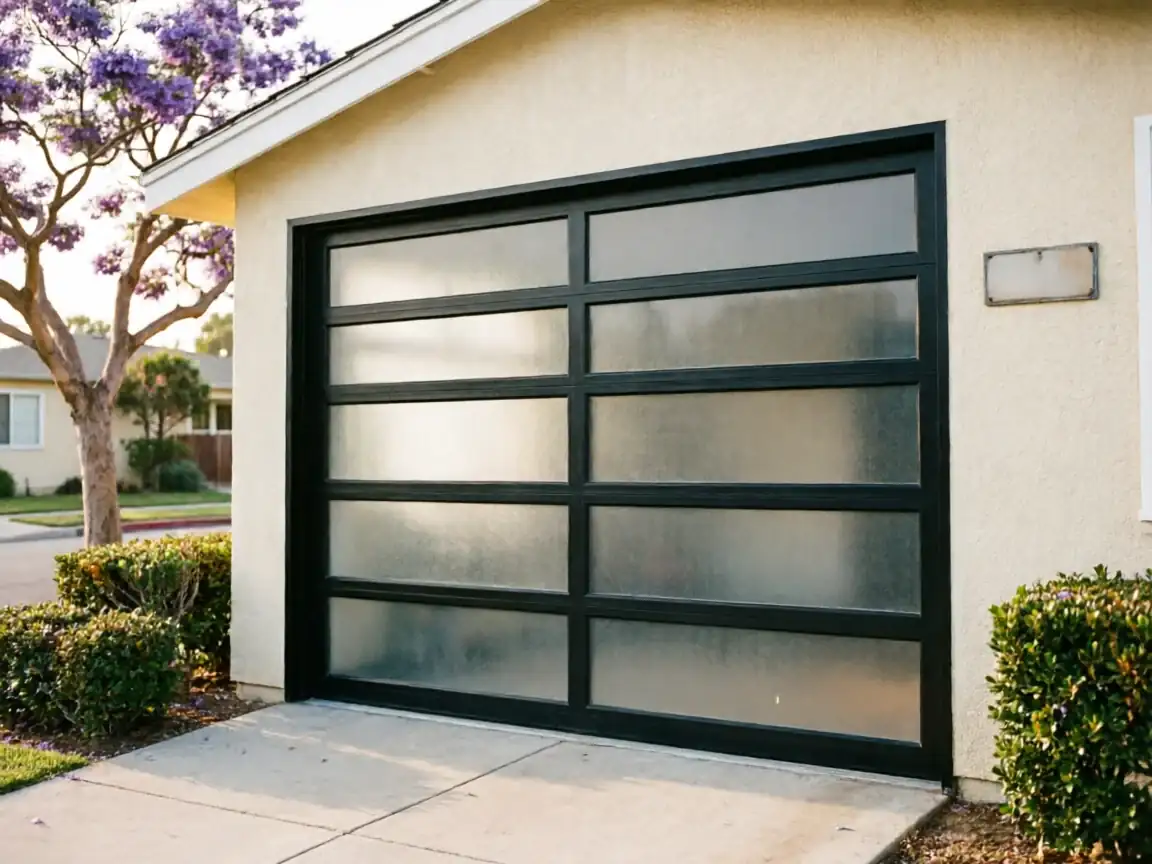
Parts We Carry
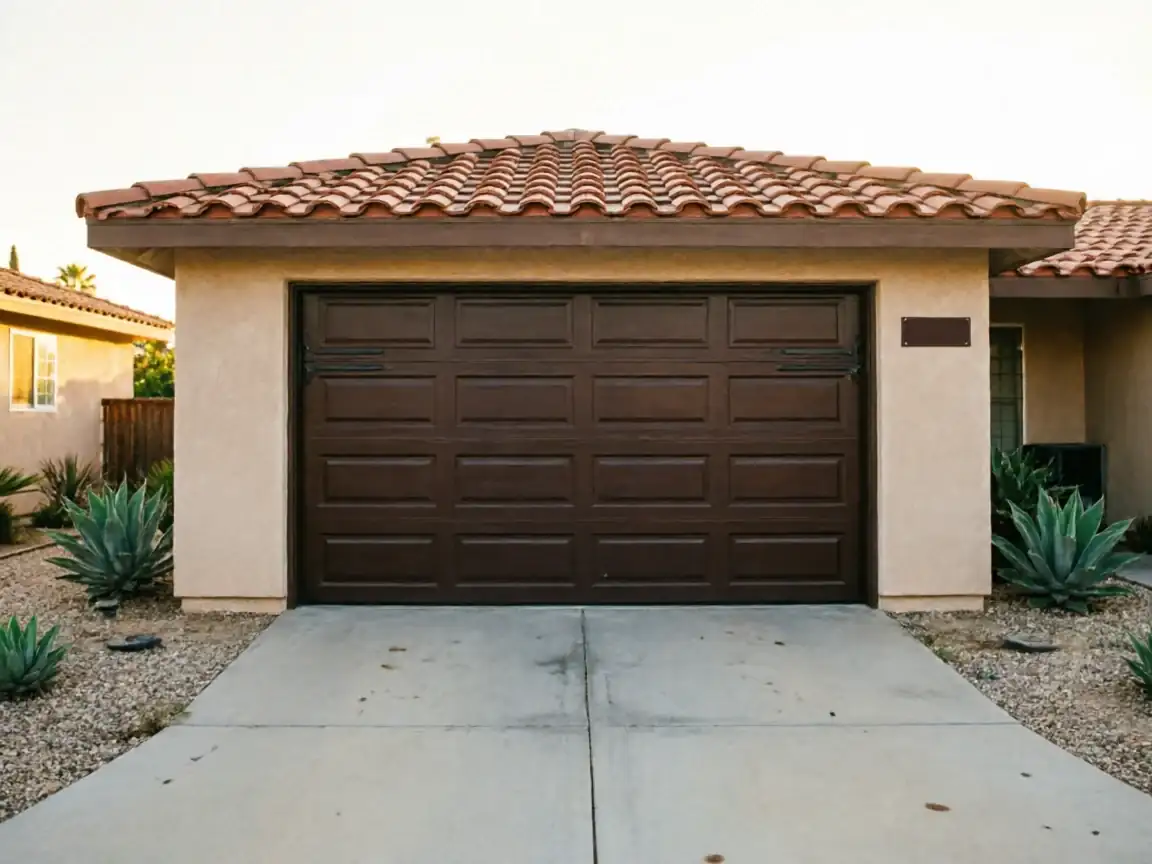
North Highlands has about 15,938 households, which is a smaller, tighter pocket than the wider service area's roughly 213,532. That size matters because it means the calls we get here cluster around a narrower band of hardware instead of forty years of mixed construction. Most houses in North Highlands went up around 1970 - a decade or more ahead of the service area's 1962-2004 range and median build year of 1981. That earlier build date means more homes still running original torsion springs, older-style extension spring setups on older tracks, and openers that have already been swapped once or twice since the house was built.
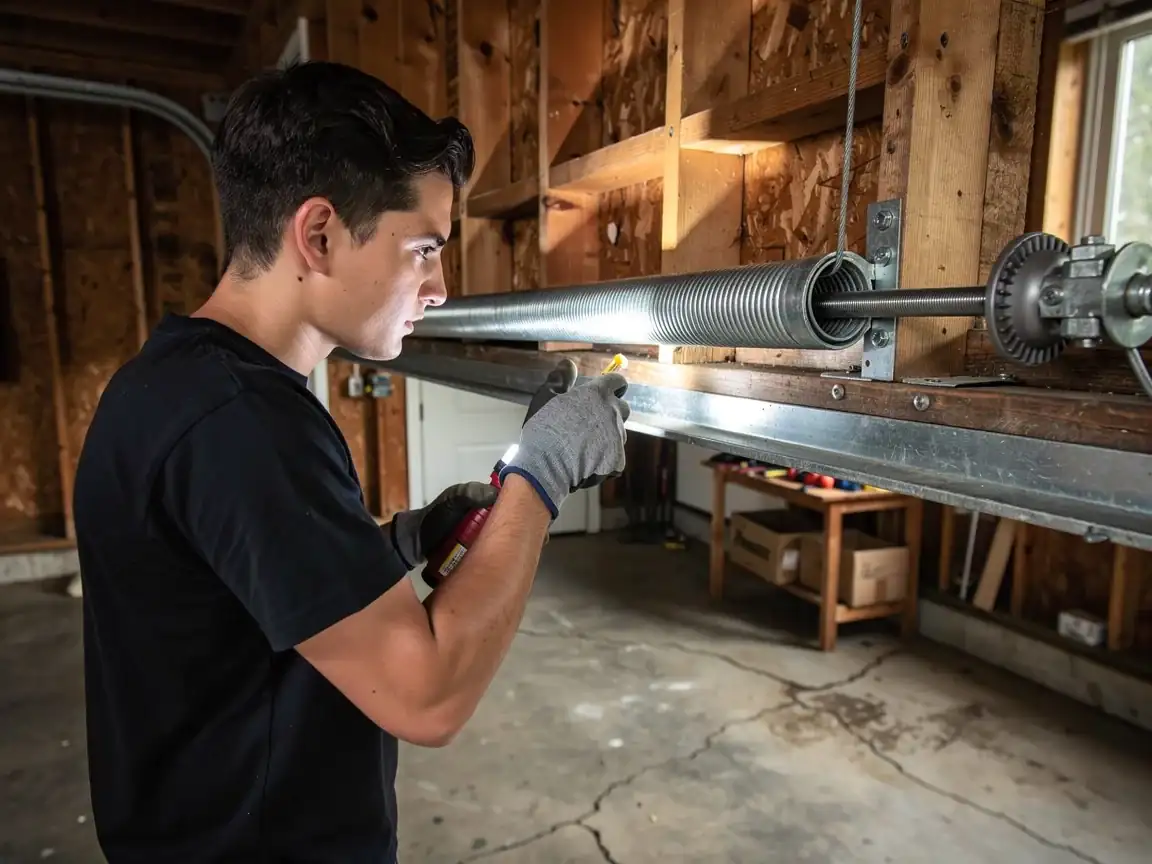
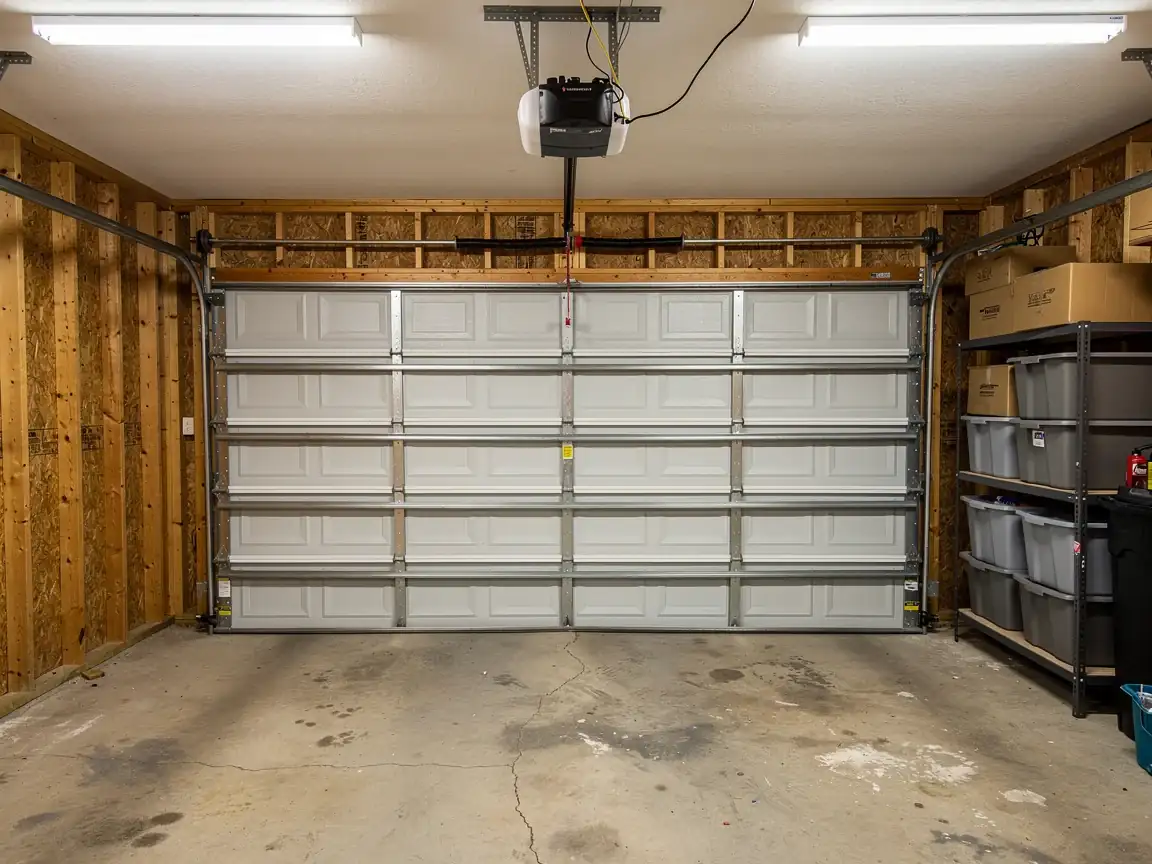
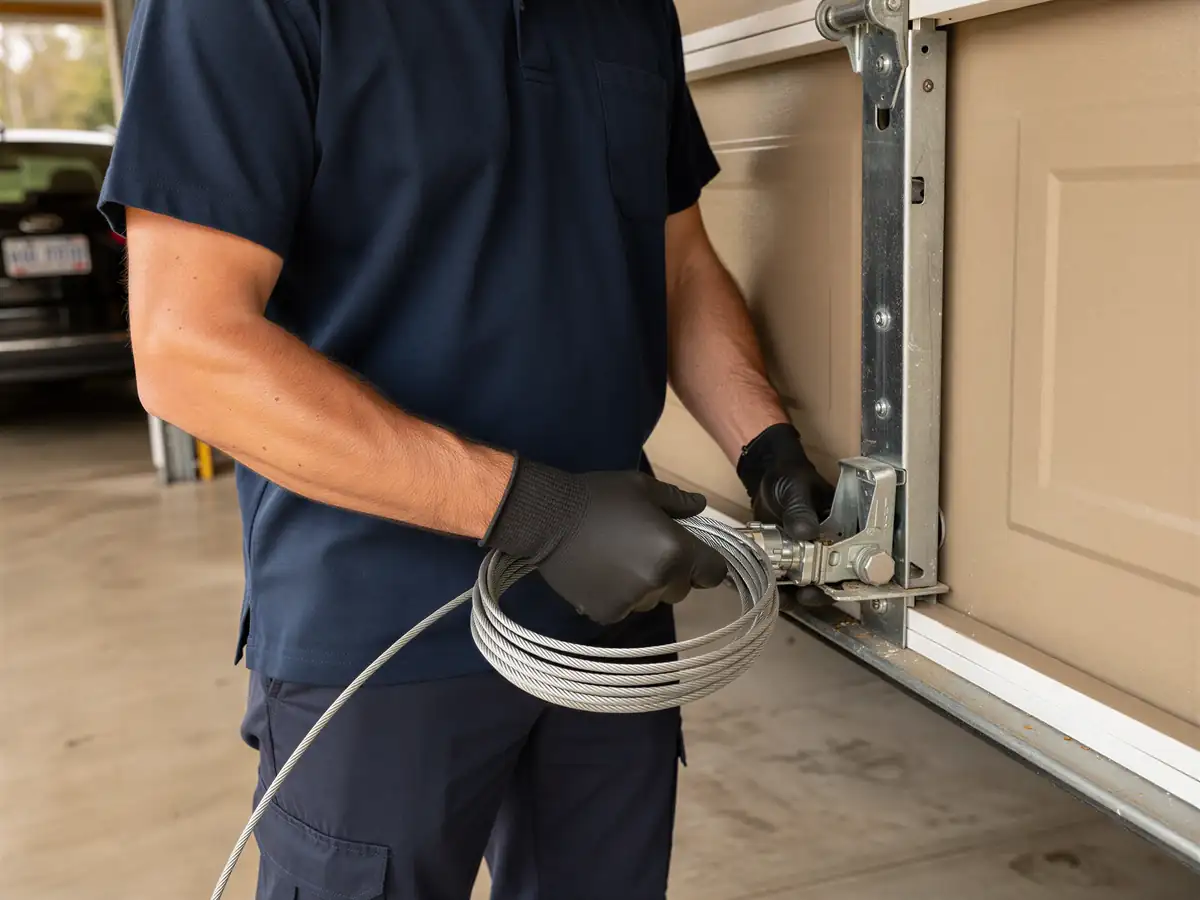
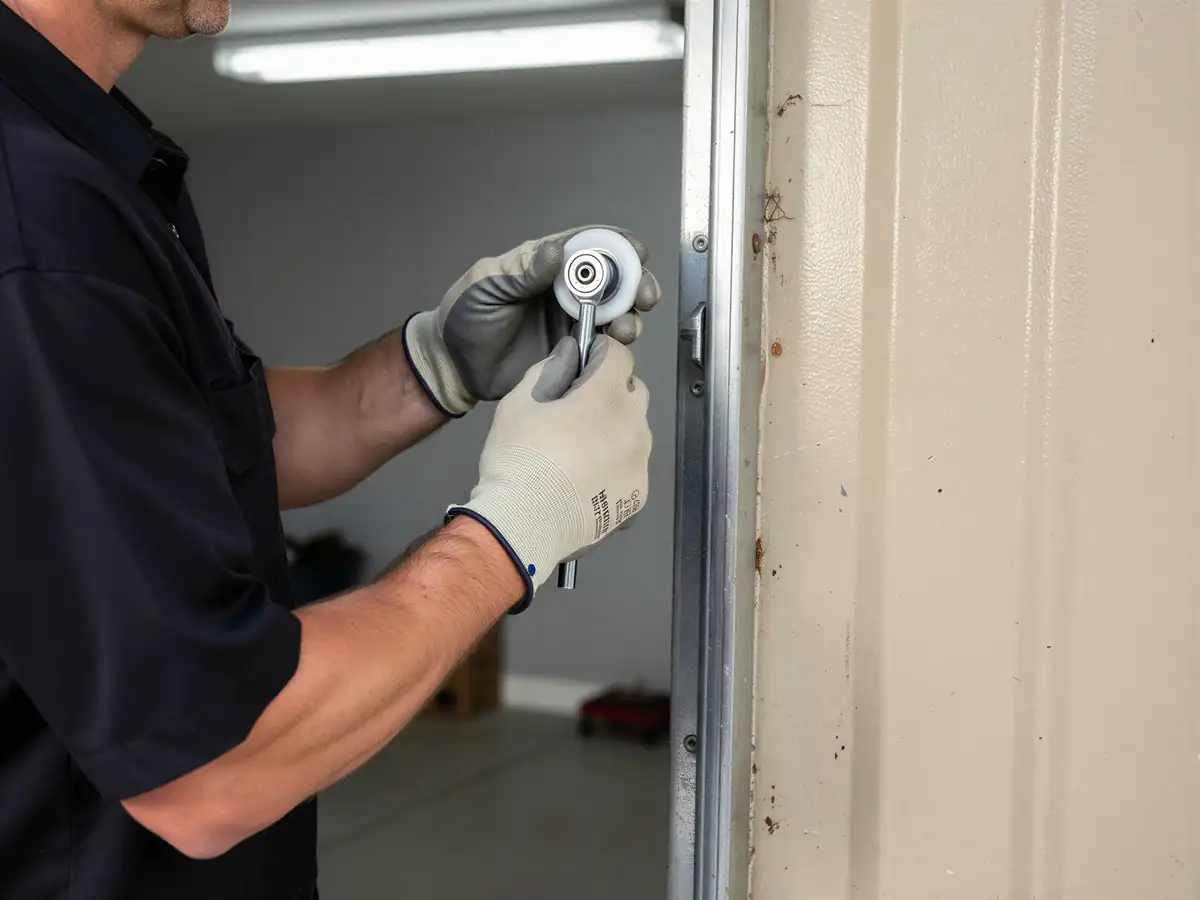
We carry torsion springs sized for the shorter, lighter doors common to that era, along with the rollers, cables, and drums that wear out first on hardware this old. We also stock replacement openers and the mounting brackets that older ceiling joists need, since a lot of these garages were framed before openers were standard equipment. What we don't carry on the truck is anything specialty - a custom-width door or an odd commercial track. If your door falls into that category, we'll tell you straight instead of making you wait on a part we don't have.
The Complications
A house built around 1970 has had five full decades of Sacramento-area heat cycling through its garage. This region sits in a severe heat band, and that kind of repeated expansion and contraction is hard on spring steel and on the nylon or plastic parts inside older openers. Springs here tend to fatigue and snap rather than slip gradually, which is why the failure often looks sudden even though it's been building for years.
The other complication is wiring and wall switches that predate modern safety codes - no photo-eye sensors, no auto-reverse, sometimes no dedicated circuit for the opener at all. Bringing a door up to a safe working standard here can mean more than swapping the broken part; it can mean adding sensors or rewiring the opener circuit, work that wasn't needed on a 1990s door. We'll flag that before we start, not after the invoice.
The Symptom
The most common call out of North Highlands is a door that won't move at all
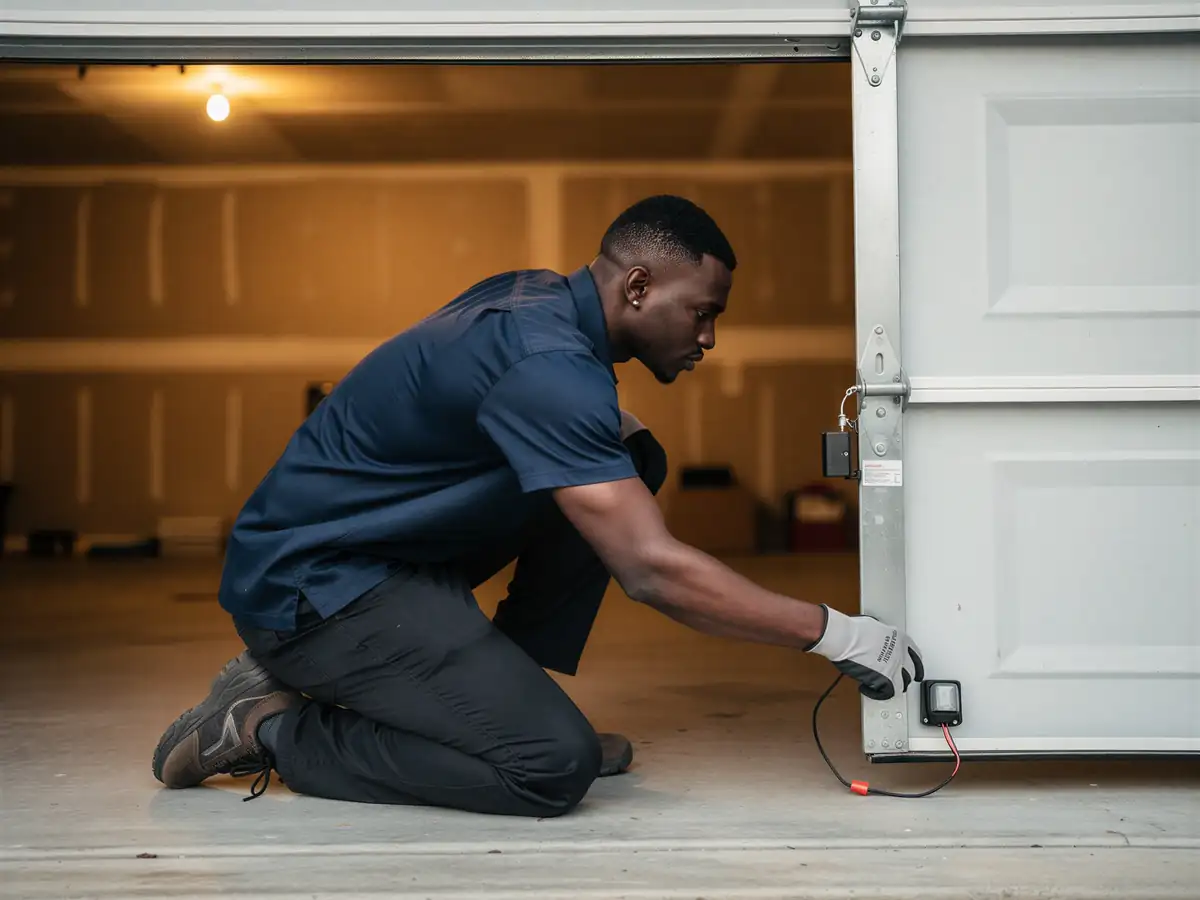
With a loud bang heard right before it stopped - that's a torsion spring letting go under tension built up over fifty years of summer heat and winter damp. Second most common: an opener that runs but the door barely lifts, which on houses this age usually means the spring has lost tension gradually rather than snapped, and the opener motor has been doing a spring's job for months before anyone calls.
We also see cables fraying at the drum on doors that still use the original steel track hardware
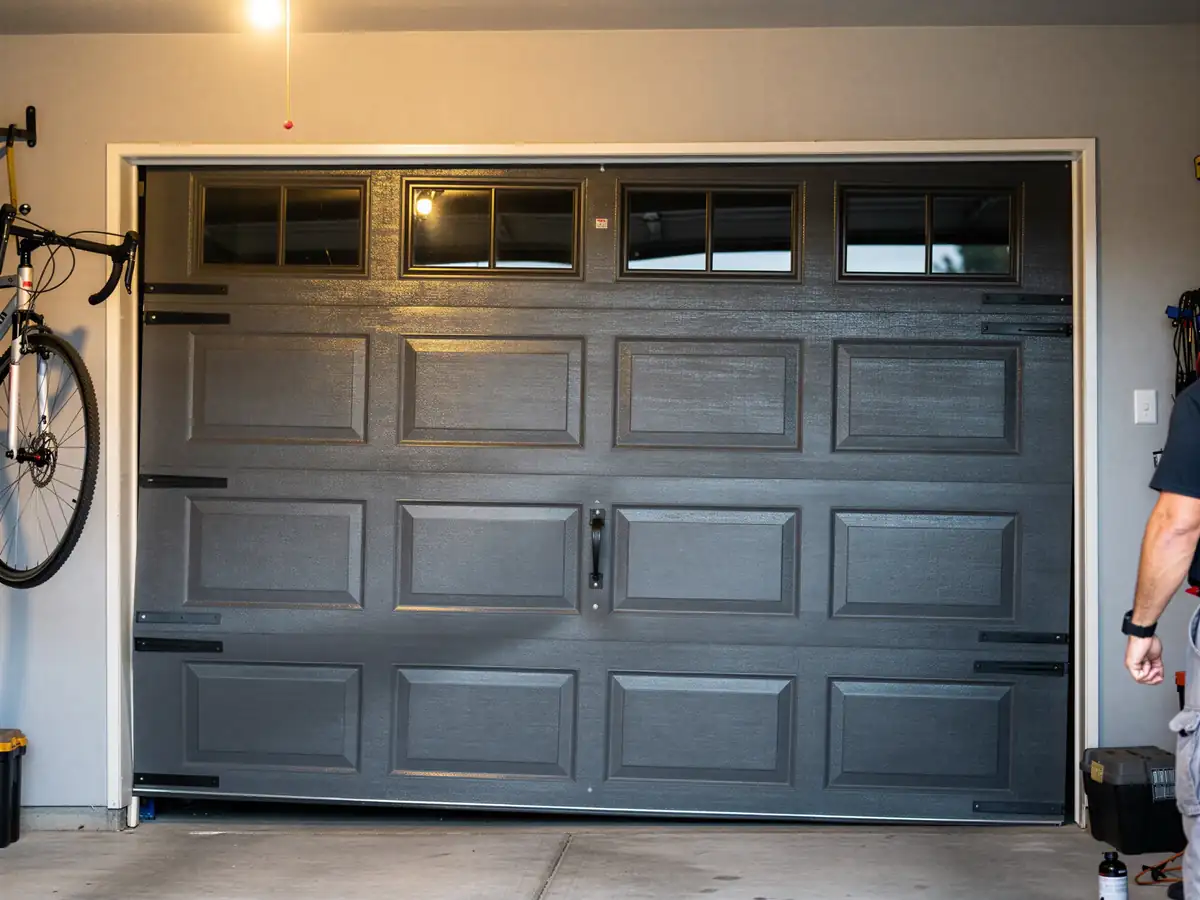
And panels that have warped slightly out of true from decades of heat exposure, which makes the door bind on one side of the track. Each of these shows up differently depending on how old the specific door is, which is why we ask for the symptom and the rough age of the door before we load the truck.
What the Repair Takes
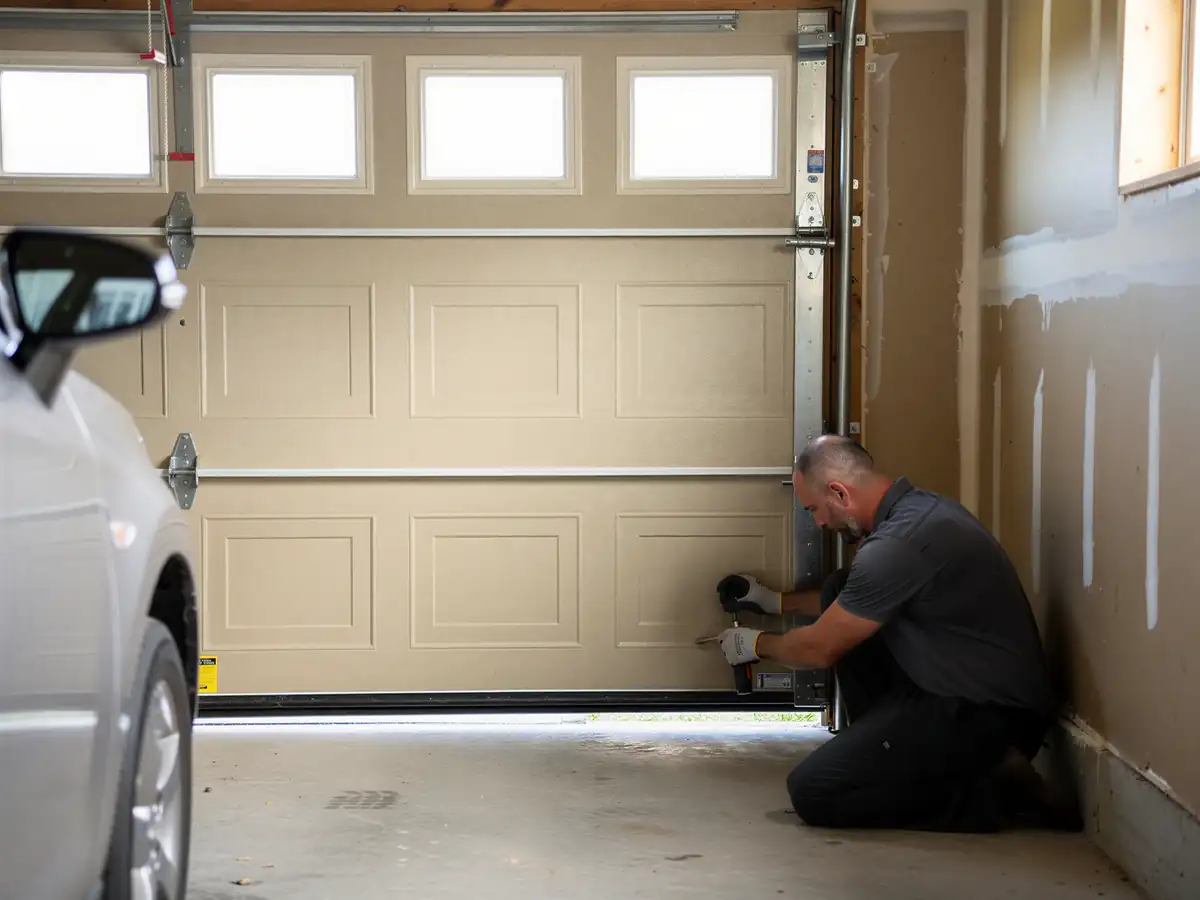
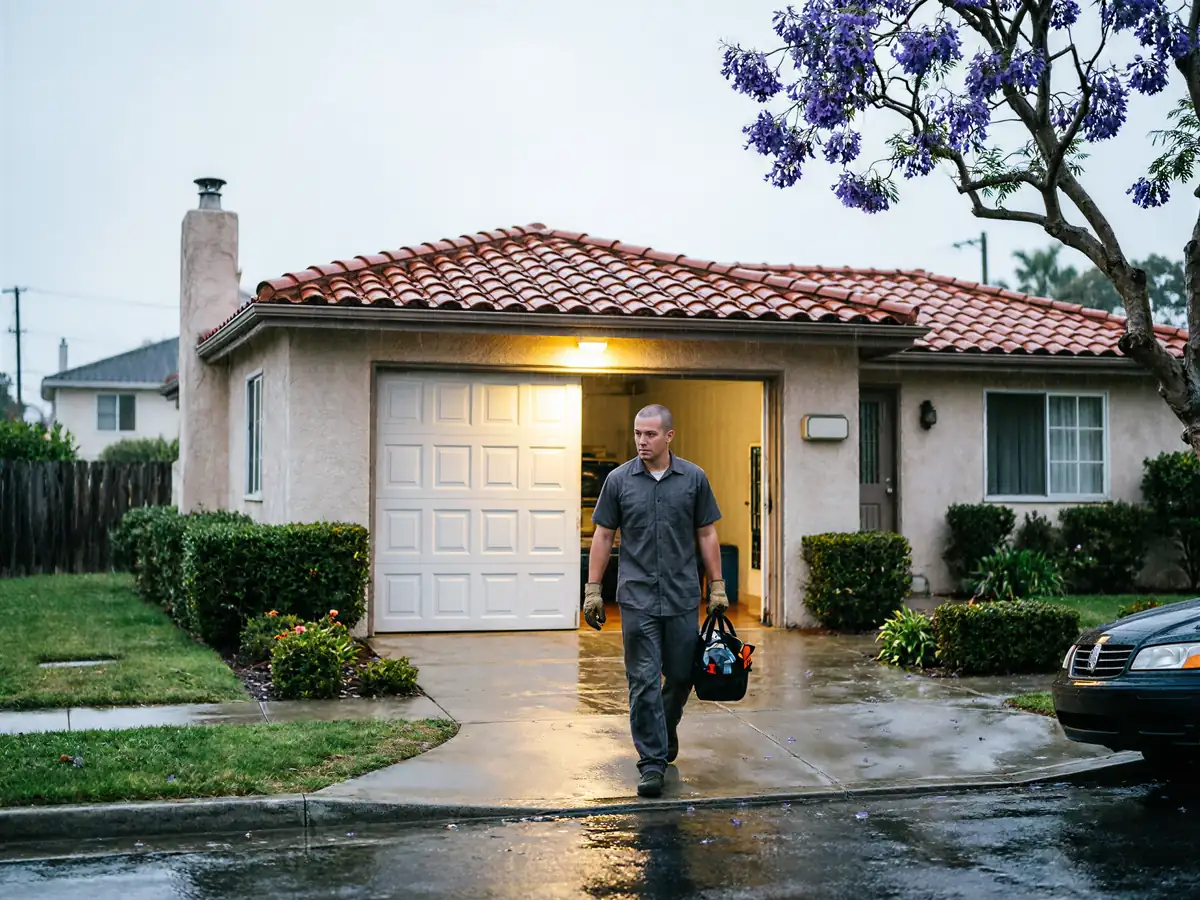
We work out of Citrus Heights, about 5 miles from North Highlands, so the drive itself isn't the bottleneck - the job is. A straightforward torsion spring swap on a door this age usually runs under an hour once we're on site, assuming the drums and cables are in decent shape. If the cables are frayed or the rollers are shot too, which is common on hardware that's never been serviced, that adds time because we're replacing wear parts together rather than coming back next month for the next failure.
Opener issues take longer to diagnose than to fix. On a house this age, a dead opener is often a burned-out capacitor or a worn gear, not a wiring fault, but we still have to rule out the wiring given how old some of these circuits are. We won't guess at a part number over the phone for a door we haven't seen - we confirm spring size and opener model on site before quoting the fix.
What It Costs
We don't publish flat prices here because spring size, cable length, and opener age all swing the number, and quoting blind on a door we haven't inspected does nobody any favors. What we can say is that North Highlands' median household income sits around $65,090, noticeably below the wider service area's $95,592, and we price the same parts and labor here as anywhere else we drive to - the job doesn't cost more because the neighborhood does.
What does change the bill is what we find once the door's open: a clean spring swap costs less than a spring-plus-cables-plus-rollers job, and an opener replacement costs more than an opener repair. We'll give you the actual number before any work starts, not an estimate that grows once we're inside the garage.
Can You Do This Yourself
Replacing rollers or tightening loose track bolts is reasonable DIY territory if you're comfortable on a ladder
A torsion spring is not. These springs hold enough stored tension to break a hand or worse, and on a door built around 1970 you're also dealing with hardware that's had fifty years to corrode or seize, which makes it behave less predictably than new stock. If the door won't budge and you hear a bang before it stopped, that's a spring job - leave it alone and call someone who carries a winding bar and clamps for that specific spring size.
We'll also tell you honestly when replacement beats repair
If the opener's original to the house and the motor's gone, patching it with used parts isn't worth the labor compared to a new unit that'll run quieter and safer for the next few decades.