Parts We Carry
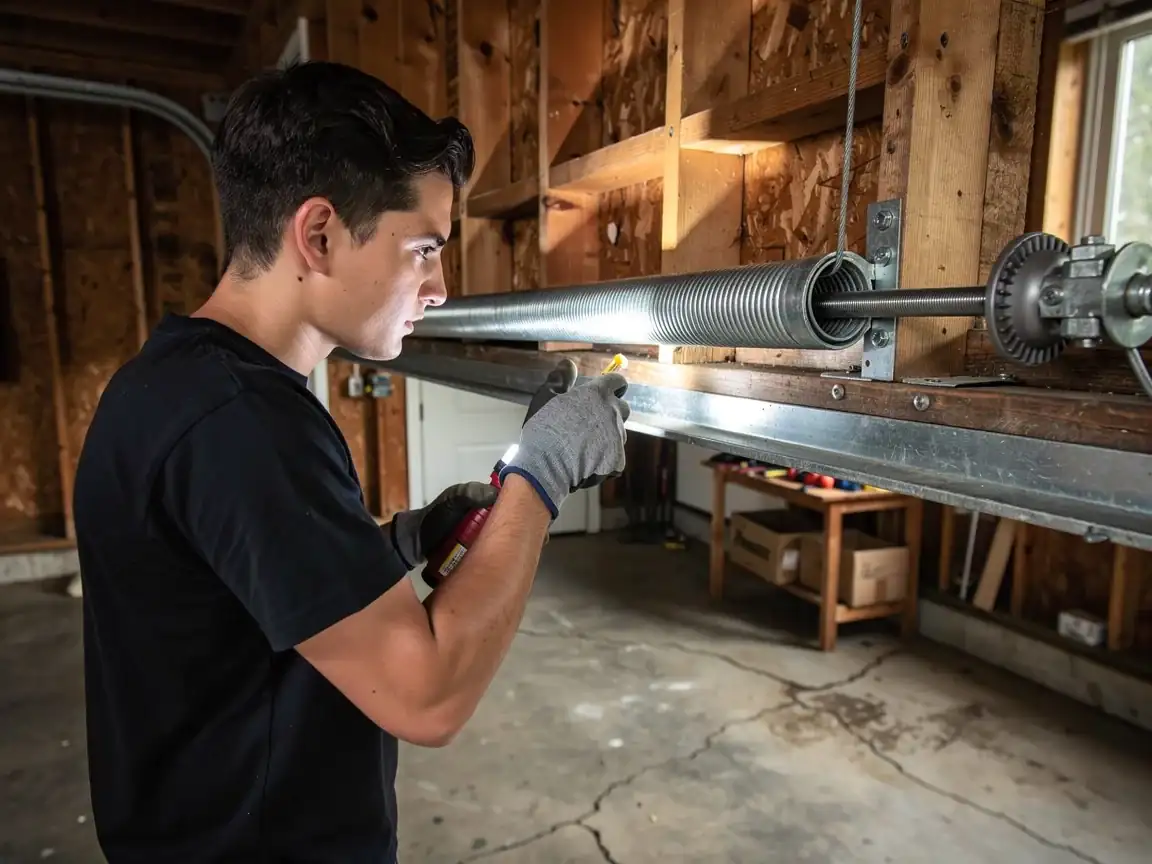
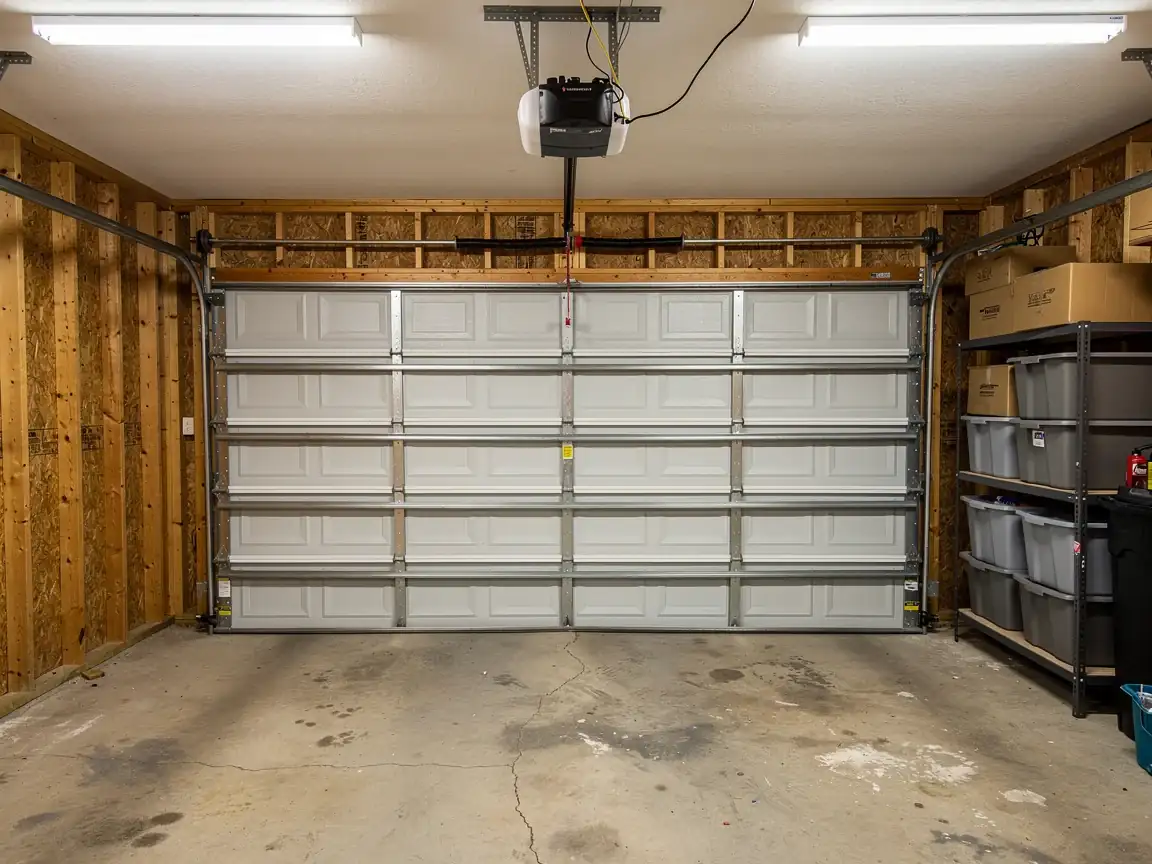
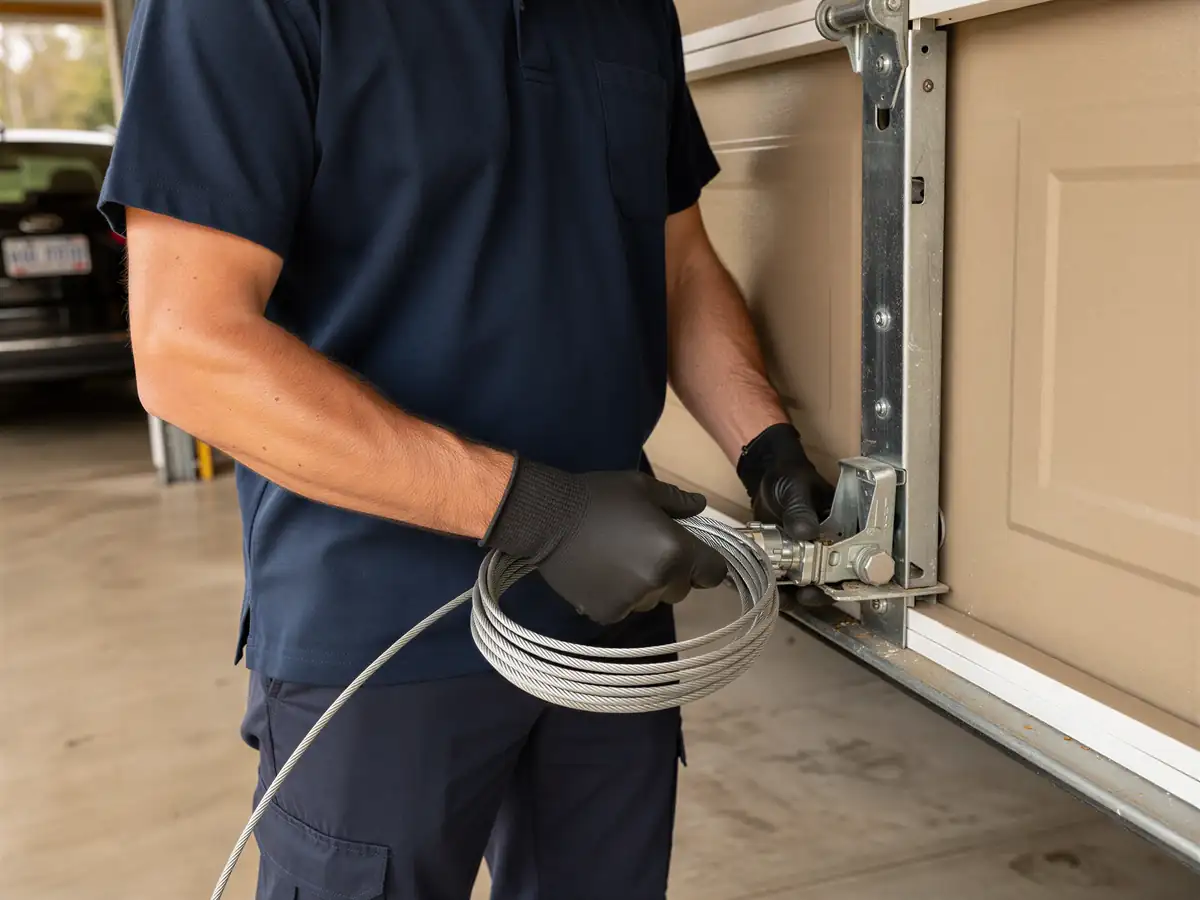
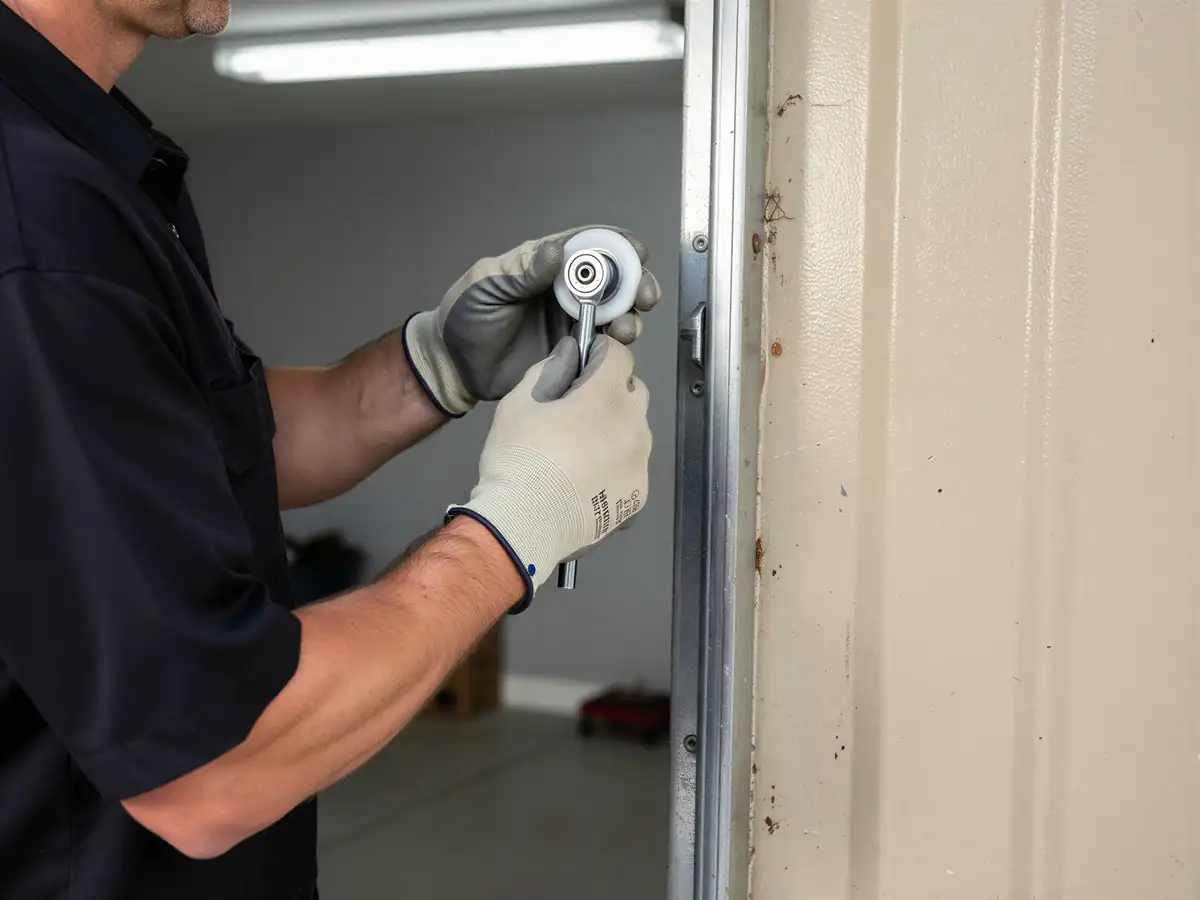
We stock track sections, nylon and steel rollers, and the hinges that connect panel to roller, because those are the parts an off-track door actually needs. In North Highlands the median home dates to 1970, about a decade older than the 1981 median across the wider Citrus Heights service area. That gap matters here: doors from this era were more often set up with galvanized steel track and plain steel rollers rather than the nylon rollers that became common later. When one of those rollers wears a groove or the track takes a hit from a car bumper, the door jumps the rail instead of riding it. We carry the older-style flag brackets and roller carriages that this vintage hardware uses, not just the newer sealed-bearing versions, because showing up with only the newer parts means a second trip.
The Complications
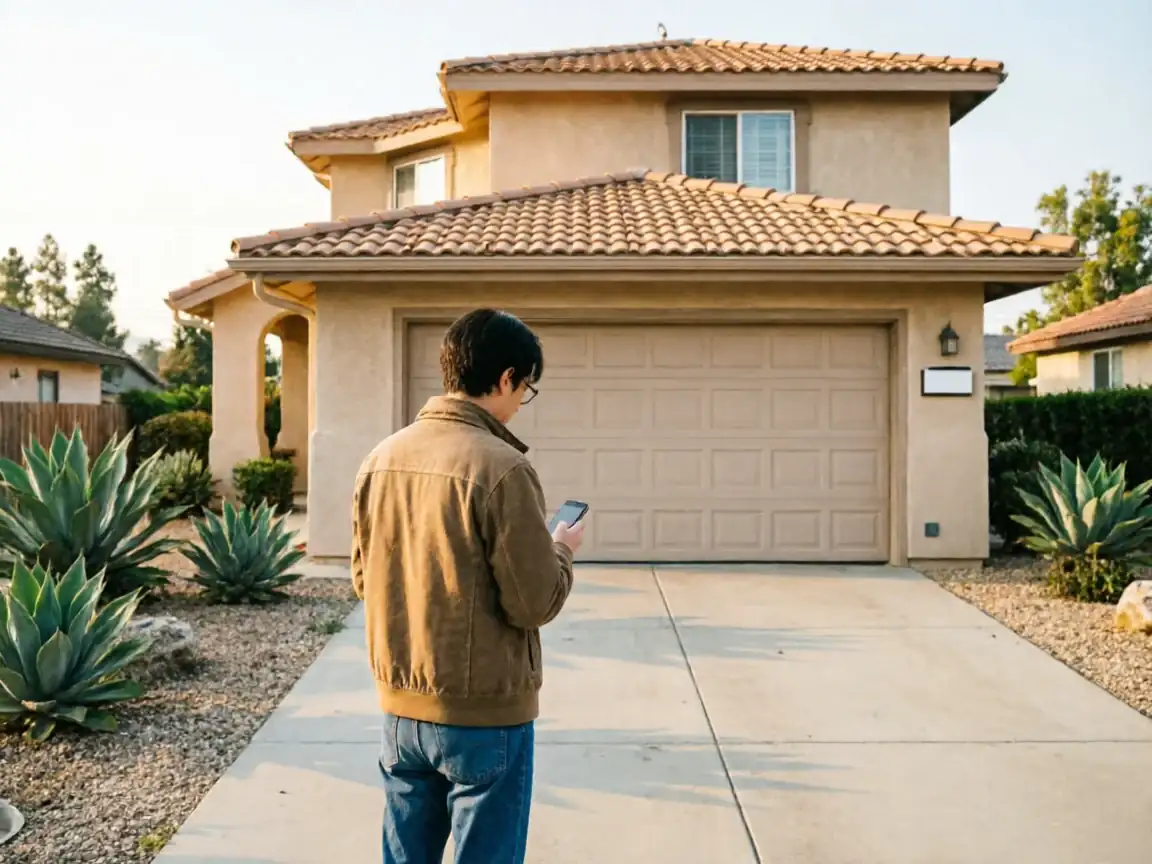
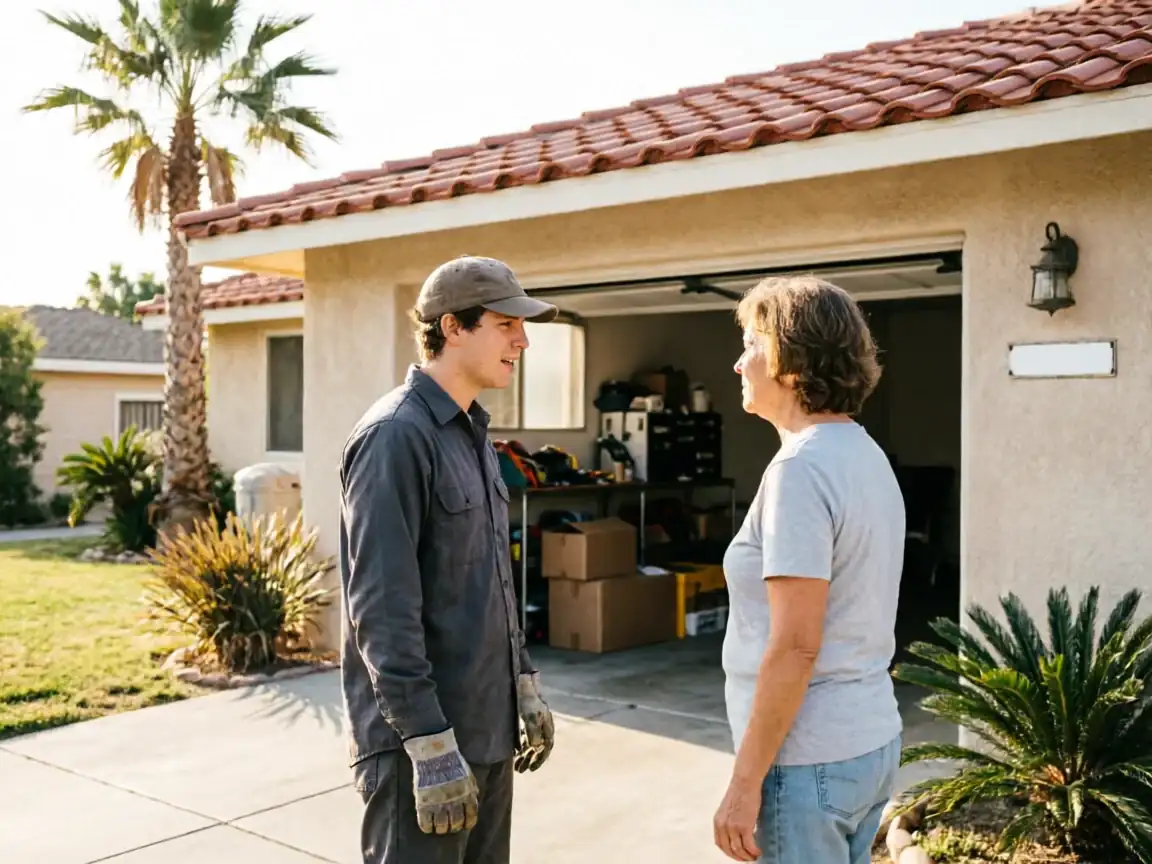
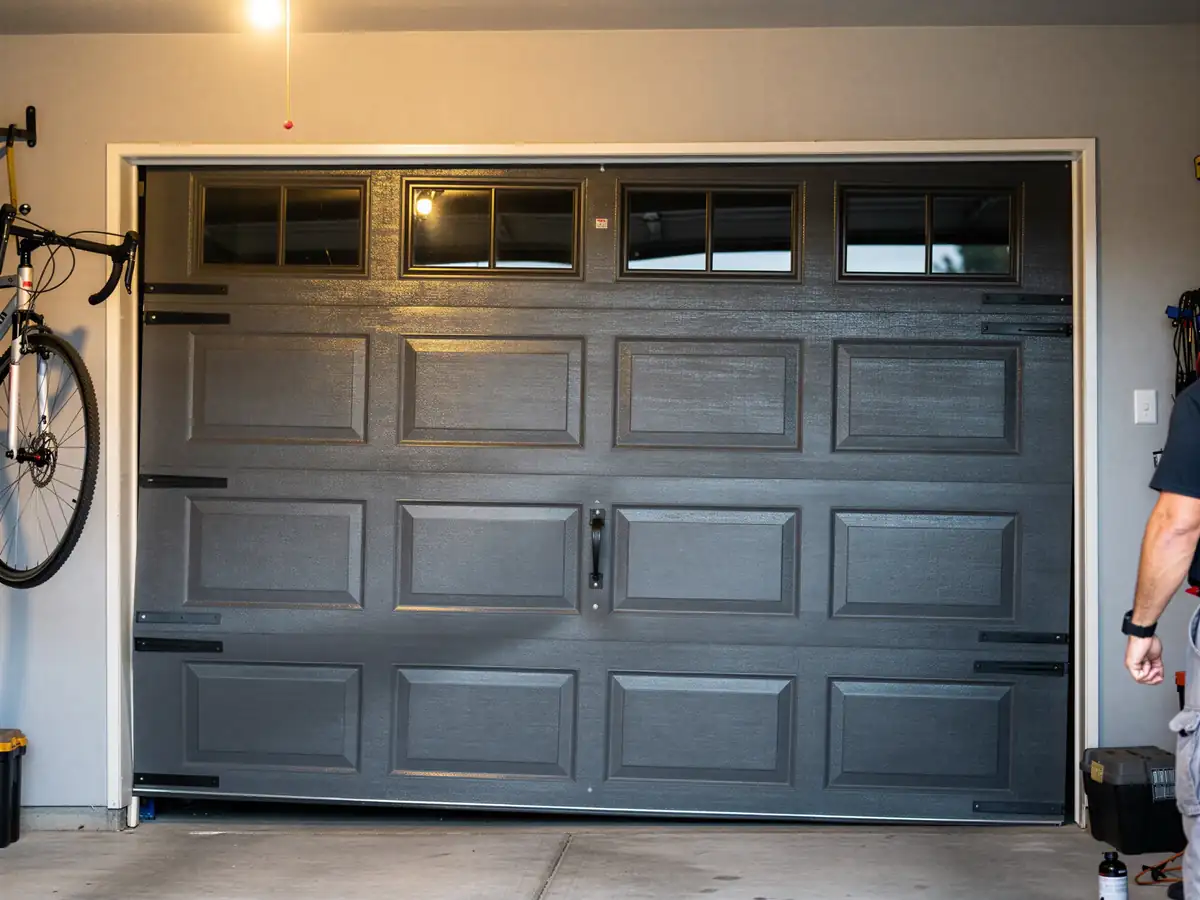
North Highlands sits about 5 miles from our Citrus Heights base, which isn't far, but it means every job here starts with a drive, not a walk from a shop door. The bigger complication is the hardware itself. On a 1970-built house, track brackets were often lag-bolted straight into jamb framing that's shifted a little over 50-plus years, so when a track comes loose, the holes underneath it are frequently stripped or enlarged. We can't just rehang the bracket in the same holes and call it fixed - it needs to move to solid wood or get a backing plate, or the door will walk off the rail again in a few months. Severe summer heat in this region also works on steel track and fasteners over decades, expanding and contracting the metal enough to loosen bolts gradually, not all at once. That's a slow failure, and it's part of why an off-track complaint here is rarely just "put it back on."
What the Repair Takes
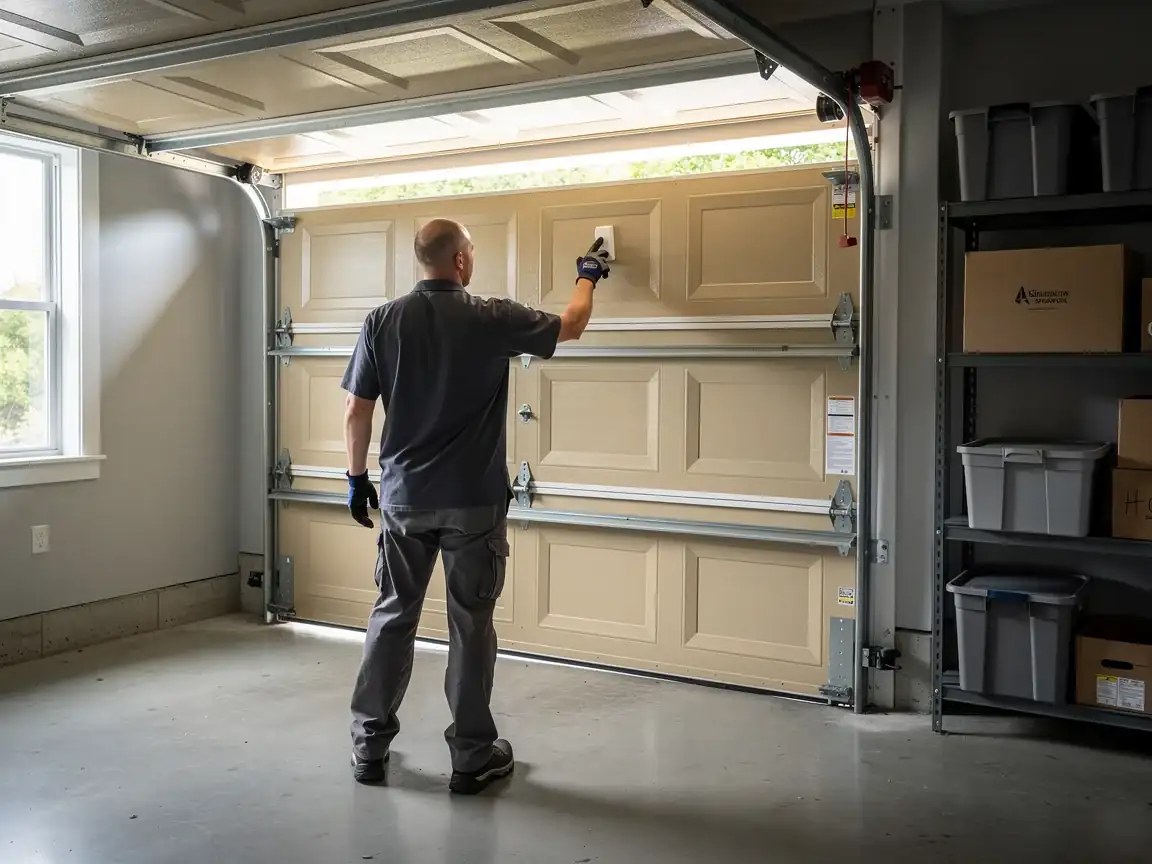
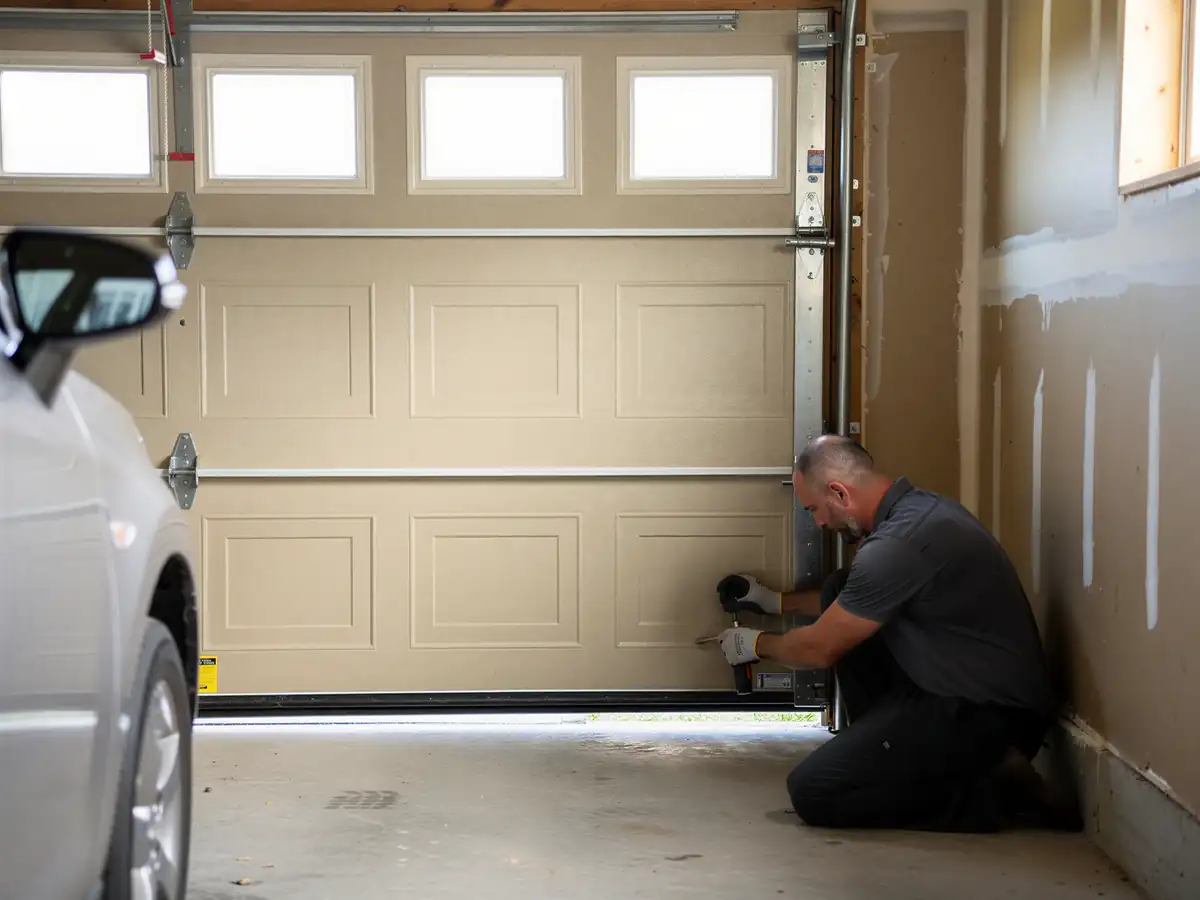
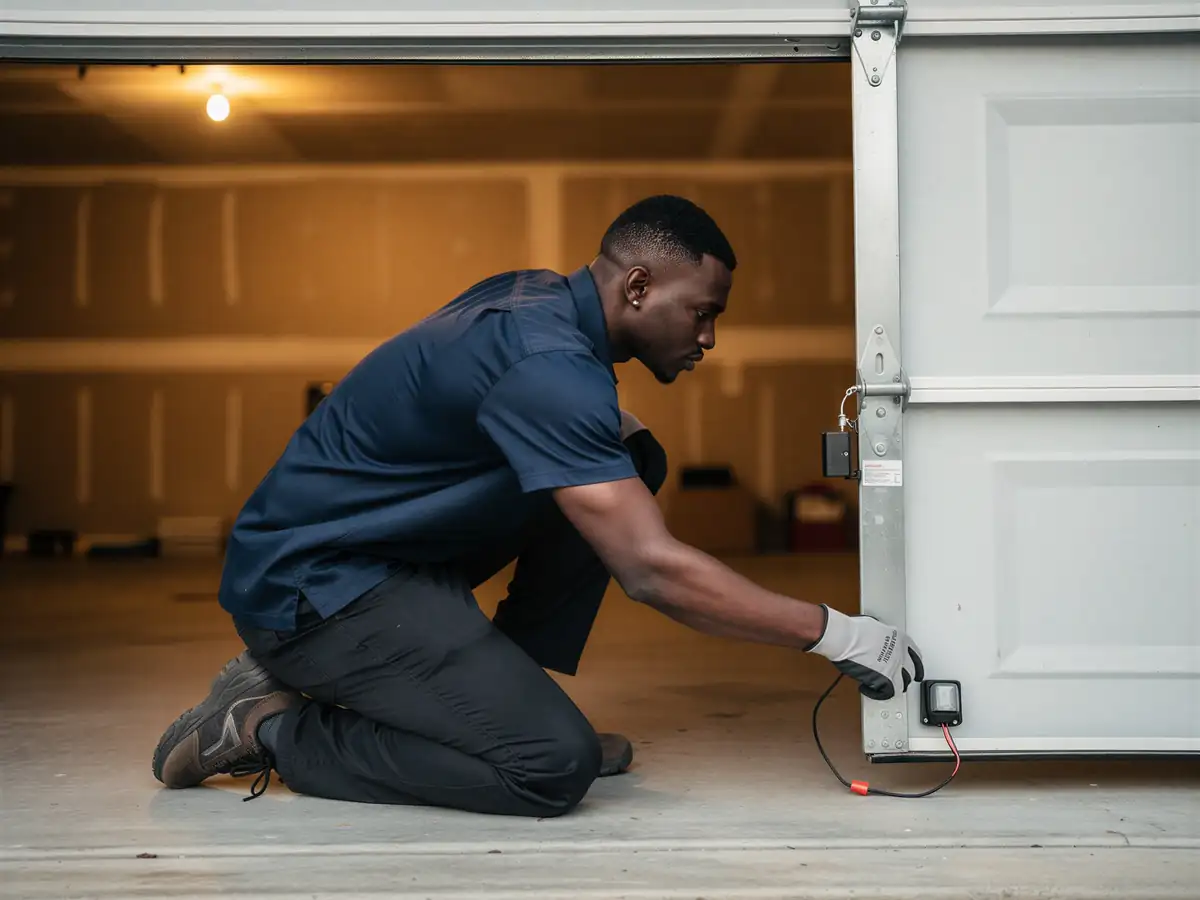
Realigning a track that's merely bent or loose is usually a same-visit fix: loosen the brackets, reset the rail square to the door, re-torque into sound framing, and check roller travel through a full cycle. Where the bracket holes in a 1970-era jamb are stripped, we add a backing plate or relocate the bracket into solid wood before resetting the track, which adds time but is the difference between a fix that holds and one that doesn't. If a roller is worn enough to have caused the derailment, we swap it while the track is open rather than leaving a known-bad part in a system we just squared up. A full cycle test at the end, both directions, is non-negotiable before we call it done.
What It Costs
We don't publish a flat number for off-track repair here because the spot work (simple realignment versus damaged bracket holes versus a worn roller needing replacement) changes the labor and parts involved. What we can say is that the age of the housing stock in North Highlands, averaging around 1970, makes bracket and jamb damage a more common part of this job than it would be on a newer door, and that adds time the simplest version of this repair doesn't need.