Parts We Carry
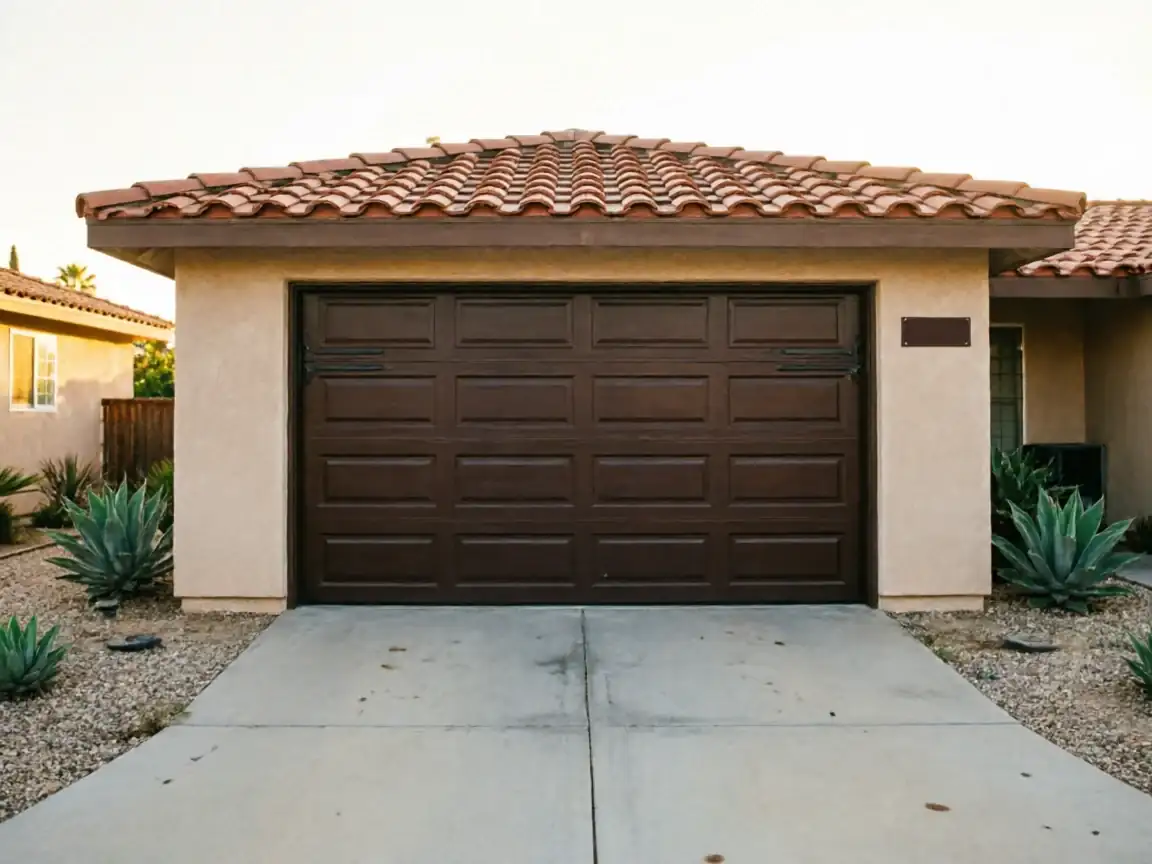
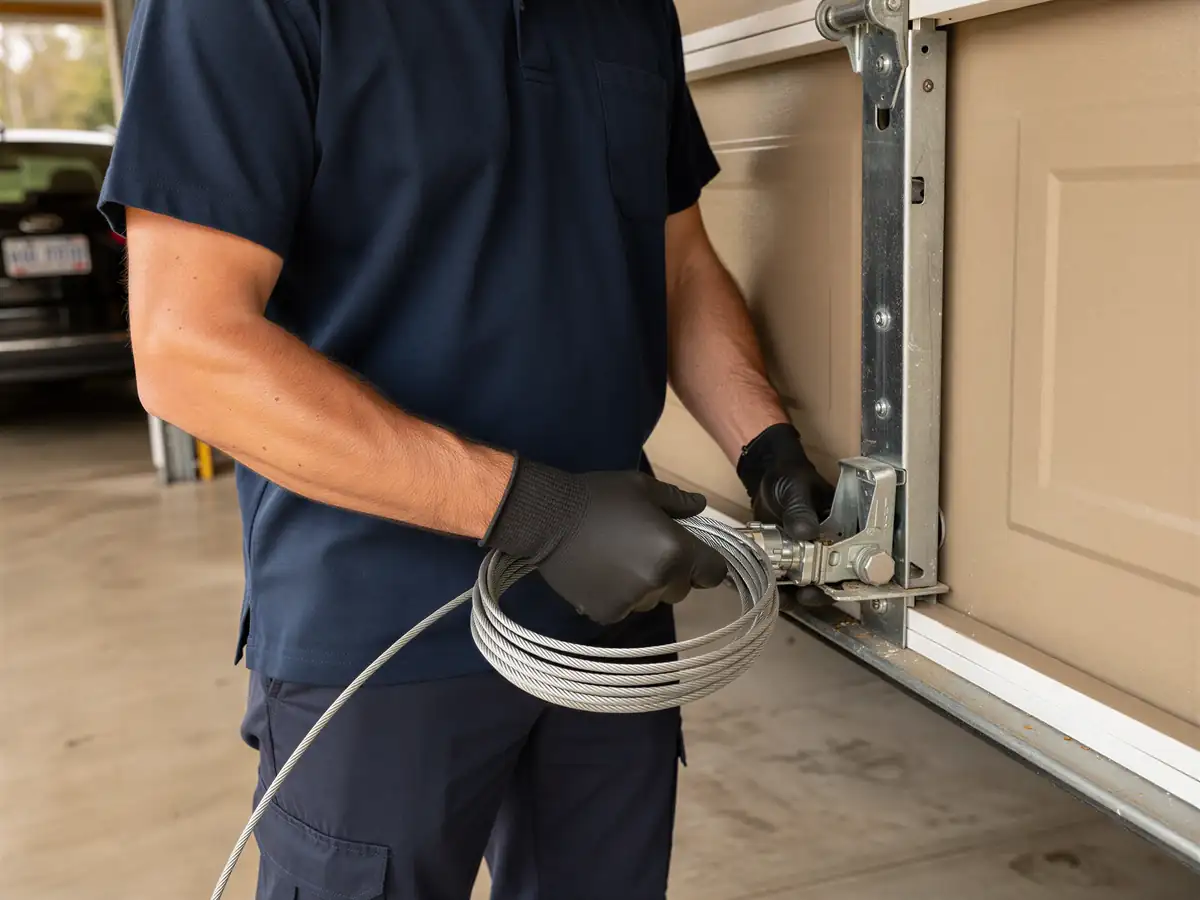
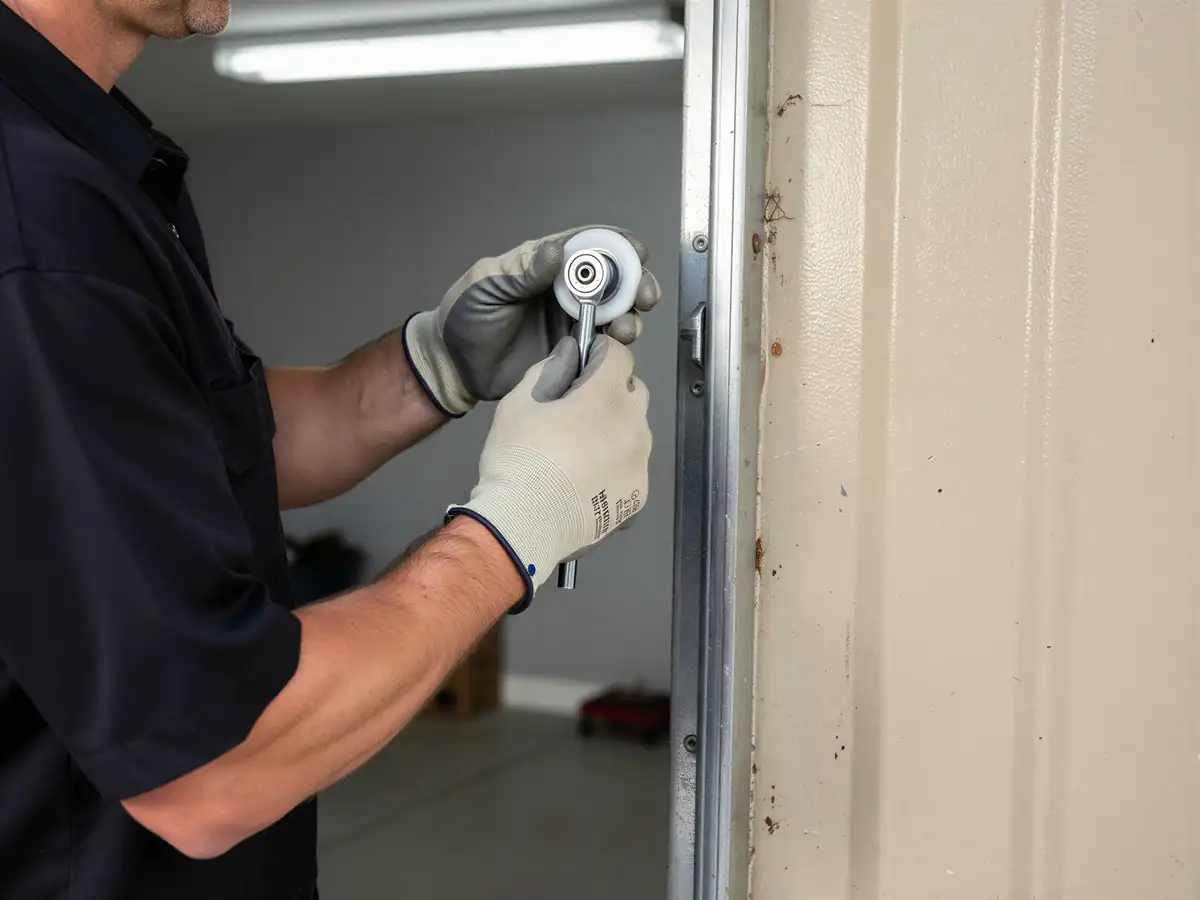
North Highlands sits about 5 miles from our Citrus Heights shop, and the houses we see out here were mostly built around 1970 - squarely inside the 1962-2004 window that covers this whole service area. That build year matters for rollers specifically: a lot of these garages still run the original 7-ball steel rollers on raw stems, riding in a narrower track profile than you'll find on anything built after the mid-80s. We stock standard 2-inch and 2-inch-plus steel rollers to match that older track width, along with sealed-bearing nylon rollers for owners upgrading off steel. We also carry the stems and hinges that mount them, because a stretched or bent stem is usually what killed the old roller in the first place. We don't carry odd specialty rollers for imported or architectural doors - if yours is one of those, we'll tell you straight that it may need a special order, and we'd rather say that up front than swap in something that doesn't fit.
The Complications
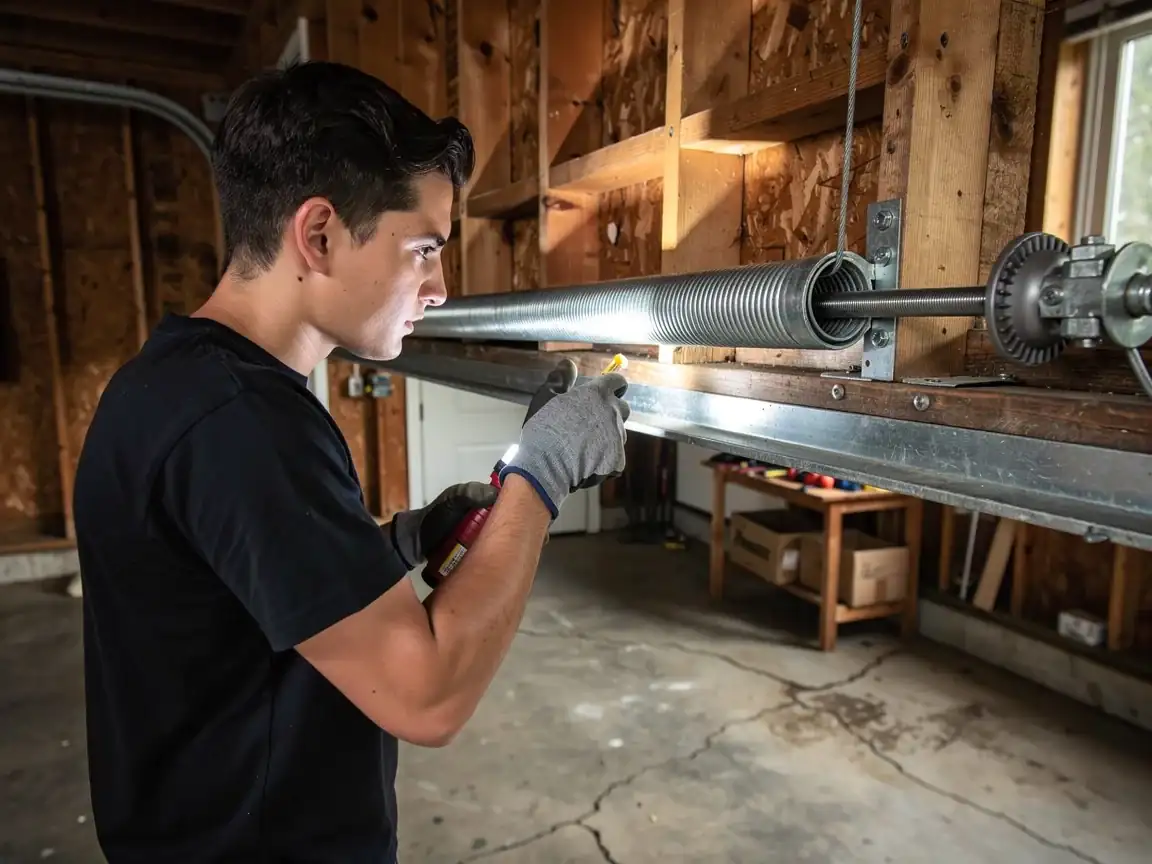
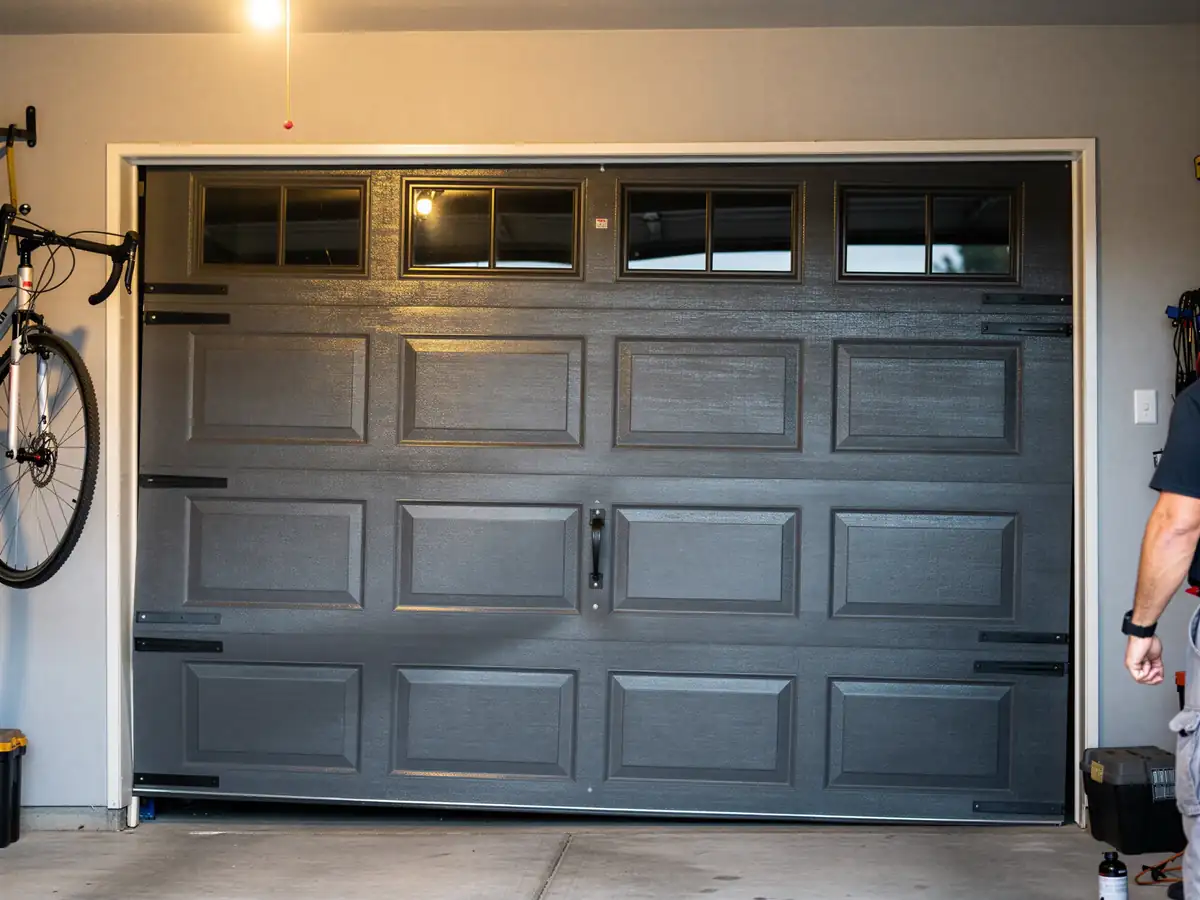
Steel rollers on a 1970-built track wear differently than the newer nylon-roller doors going up around the rest of the region. The track itself has usually narrowed slightly from decades of flexing, and on houses this age the roller stems were rarely greased after install - most owners never knew to. Add in the heat: this part of the valley runs a severe heat band most of the year, and that heat dries out whatever grease is left in the bearing, so the roller starts riding dry on steel, which is what actually eats the track. We also see track brackets that have loosened as the framing has settled over 50-plus years, which means a roller swap sometimes turns into a track realignment job once we're in there. We won't pretend that's always a quick in-and-out - on these older openings it sometimes isn't, and we'd rather tell you that before we start than surprise you at the end.
What the Repair Takes
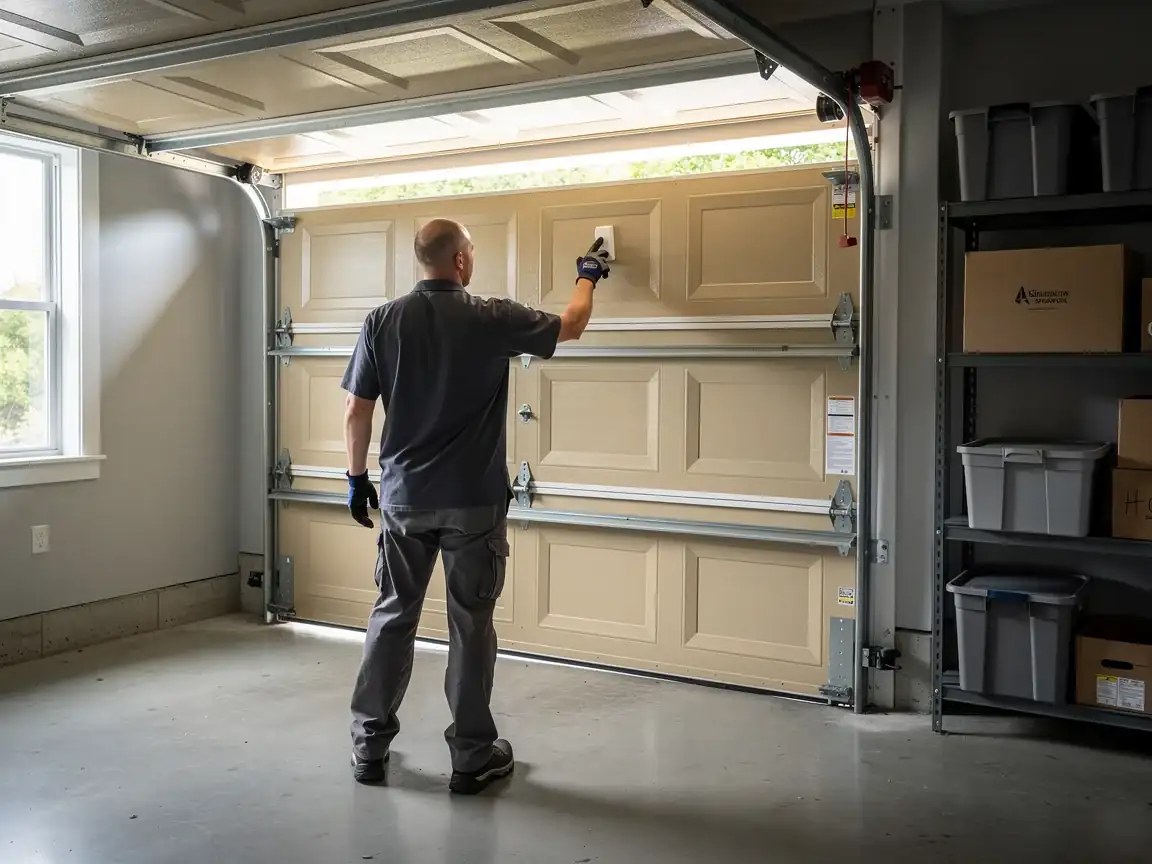
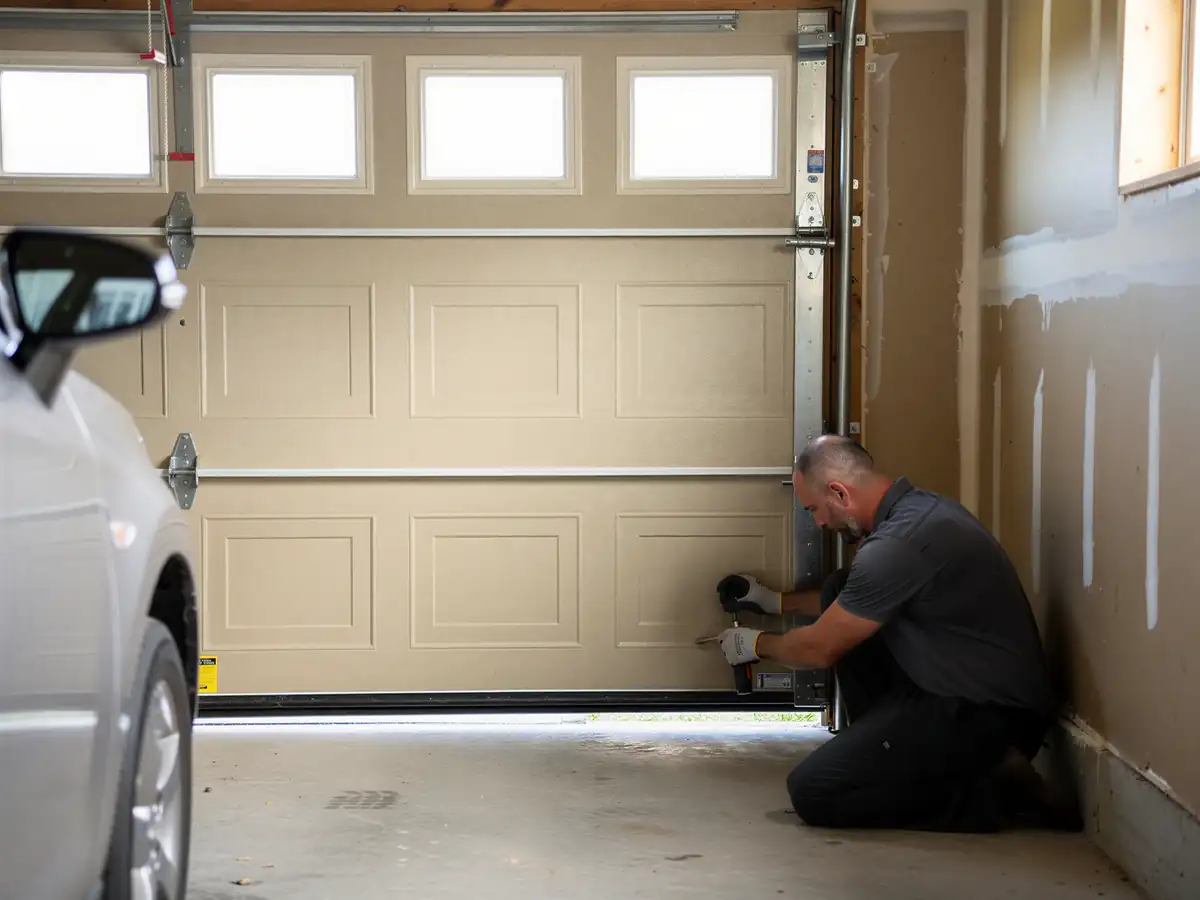
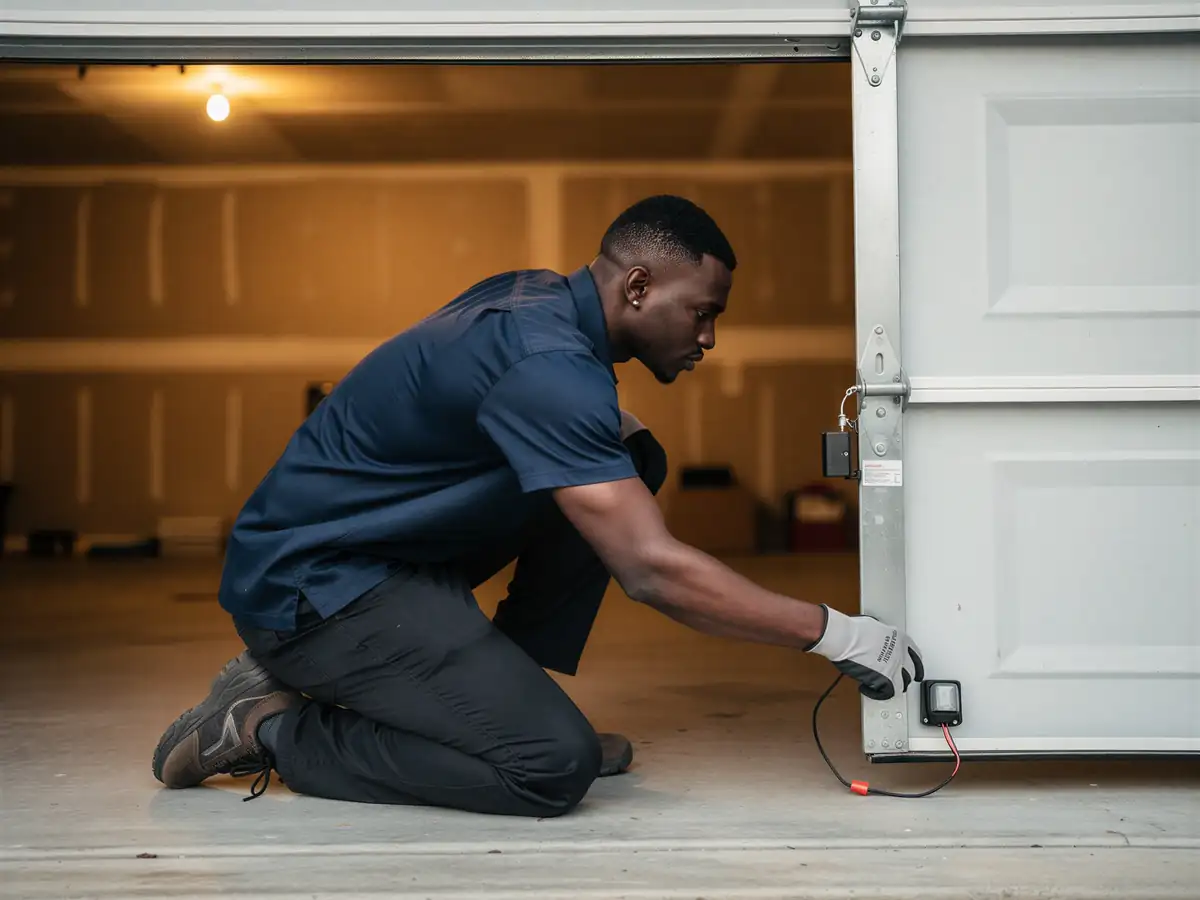
We replace rollers as a full set on each side rather than swapping the one that failed, because if one roller on a 1970-era track has worn out, the other nine have usually logged the same miles in the same heat. While we're in there we check the track for the narrowing and bracket looseness mentioned above, since a new roller in a bad track just wears out again fast. On most jobs that's a straightforward swap. On a door where the track brackets have pulled away from old, settled framing, we'll re-anchor or realign the track before setting new rollers, which adds time. We travel out from Citrus Heights for the job - there's no branch location in North Highlands itself, so we schedule the visit rather than offering a walk-in counter.
What It Costs
We don't publish a flat number here because the spread between a straight 10-roller swap and a swap-plus-track-realignment job is real, and quoting one price for both would be misleading. What we can tell you is that steel rollers cost less than sealed nylon, and that on a house this age, spending a bit more up front on sealed bearings usually pays off given how hard the heat here is on open bearings. Median household income in North Highlands runs lower than some of the surrounding service area, and we keep that in mind when we lay out options - we'll always show you the steel-roller price alongside the nylon upgrade and let you pick, rather than pushing the upgrade by default.