Parts We Carry
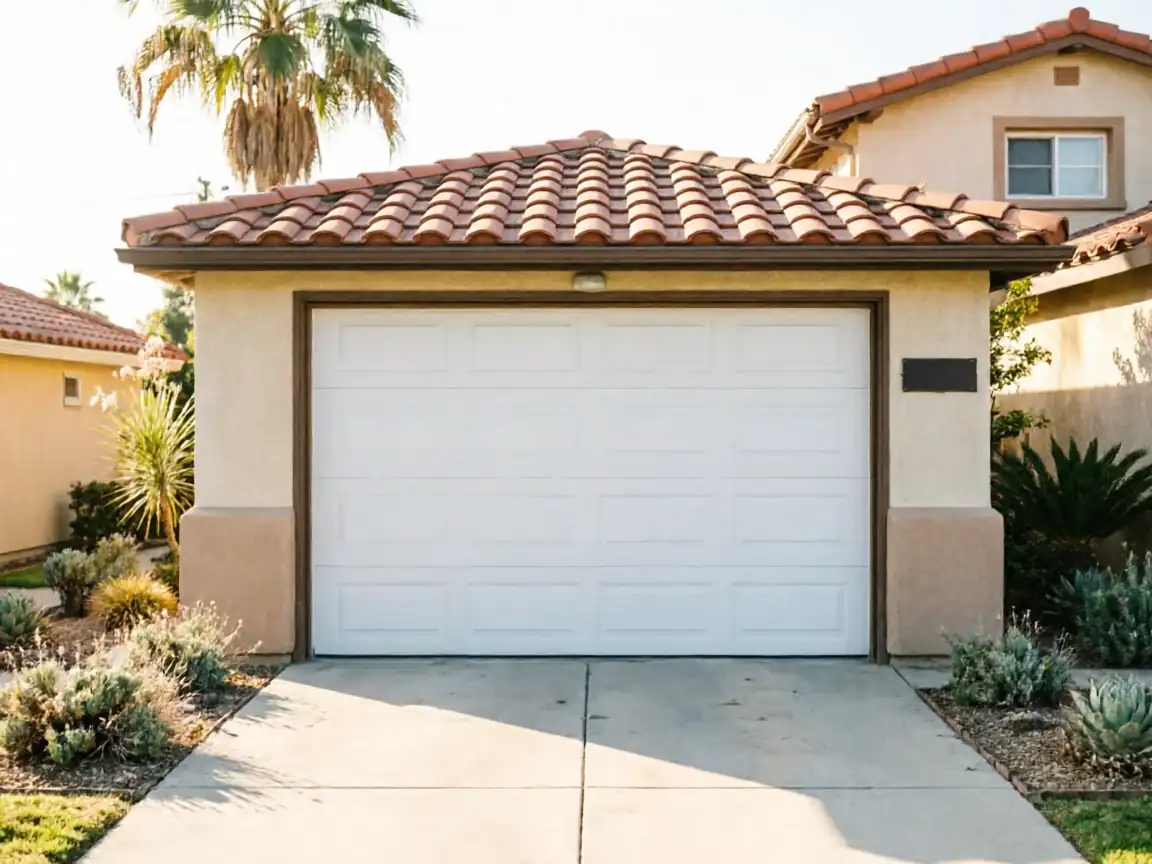
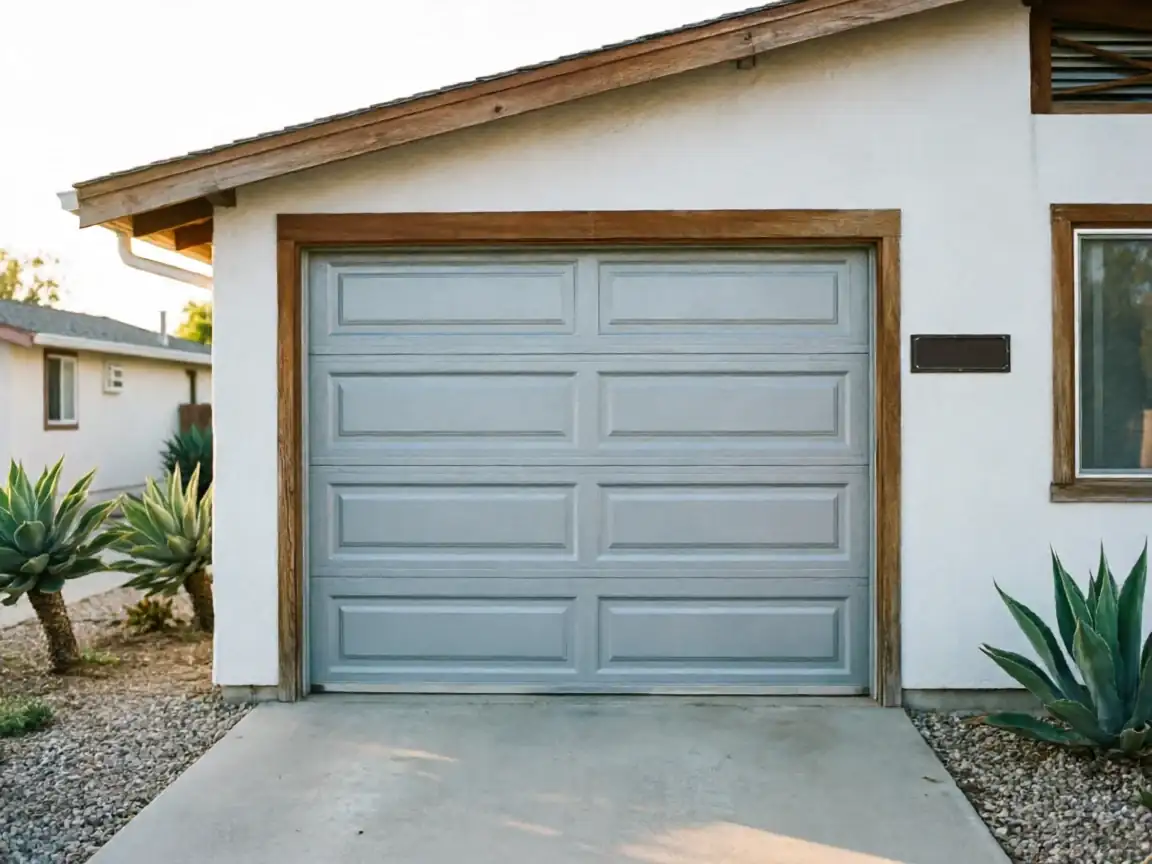
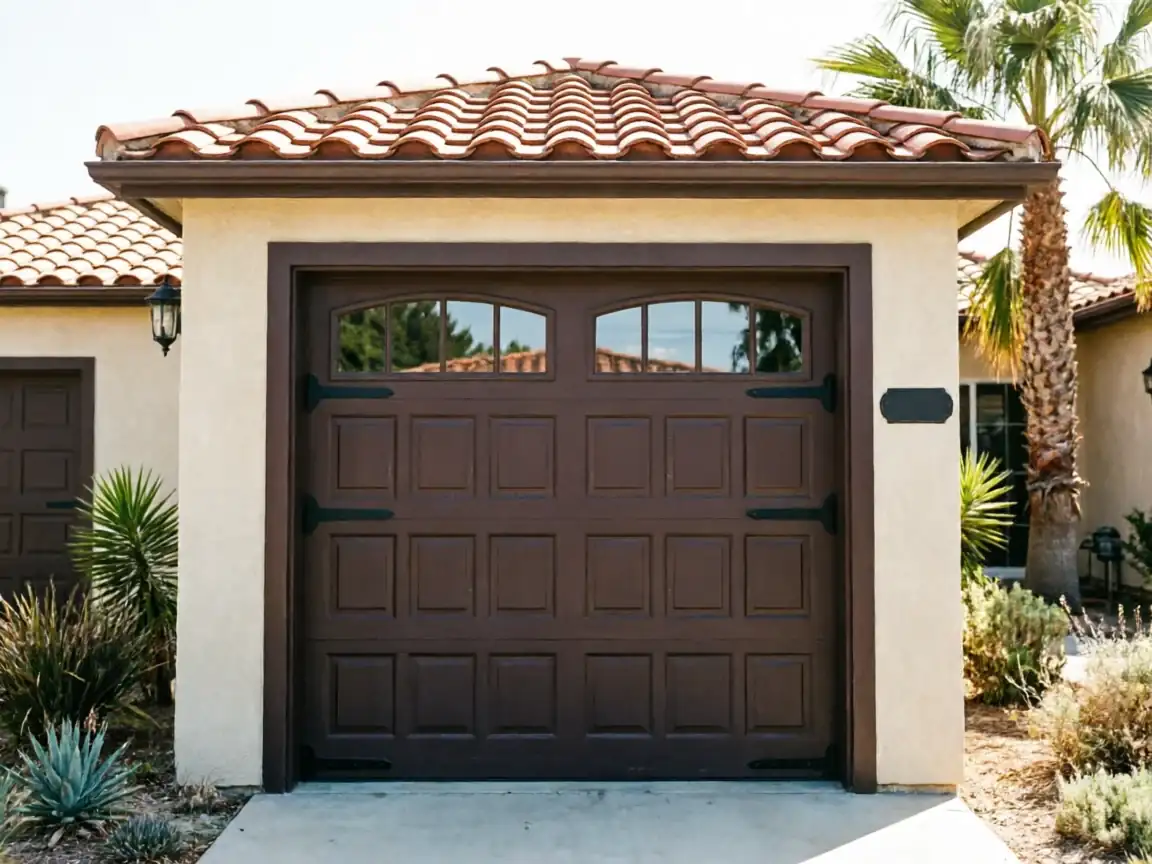
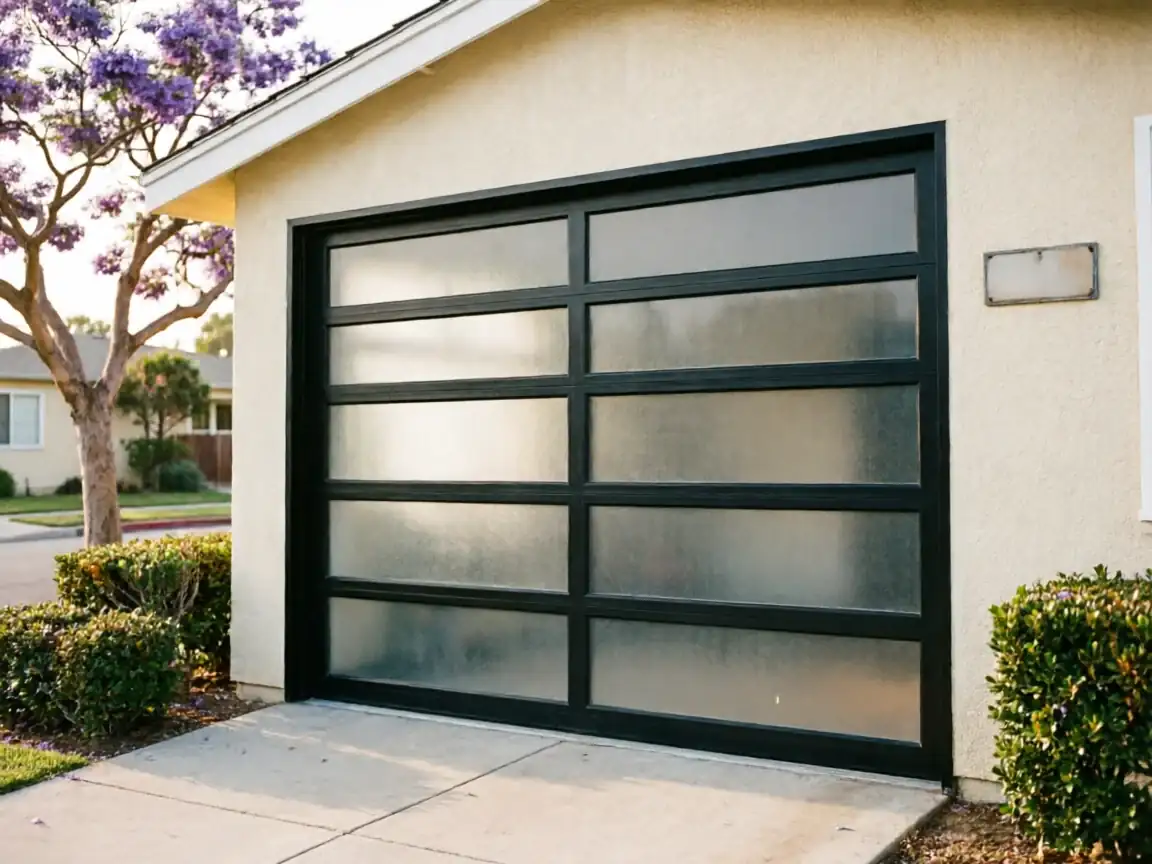
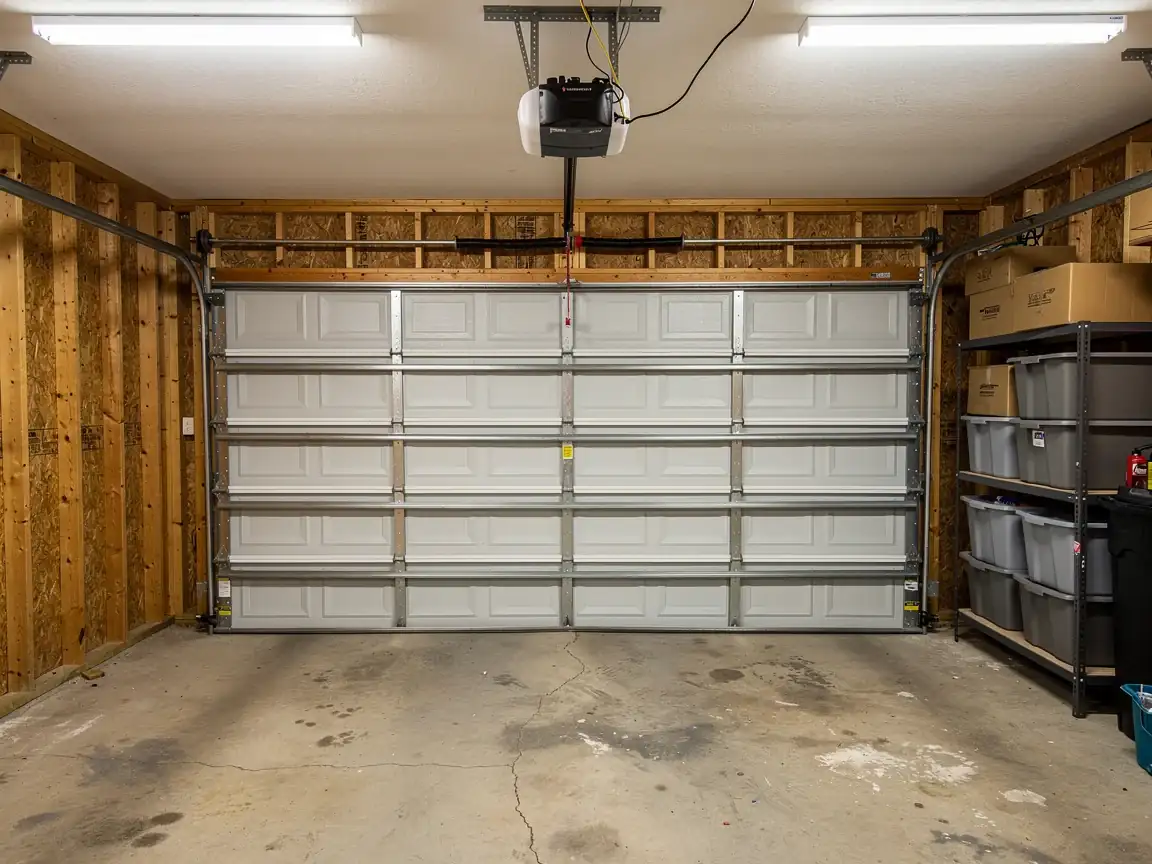
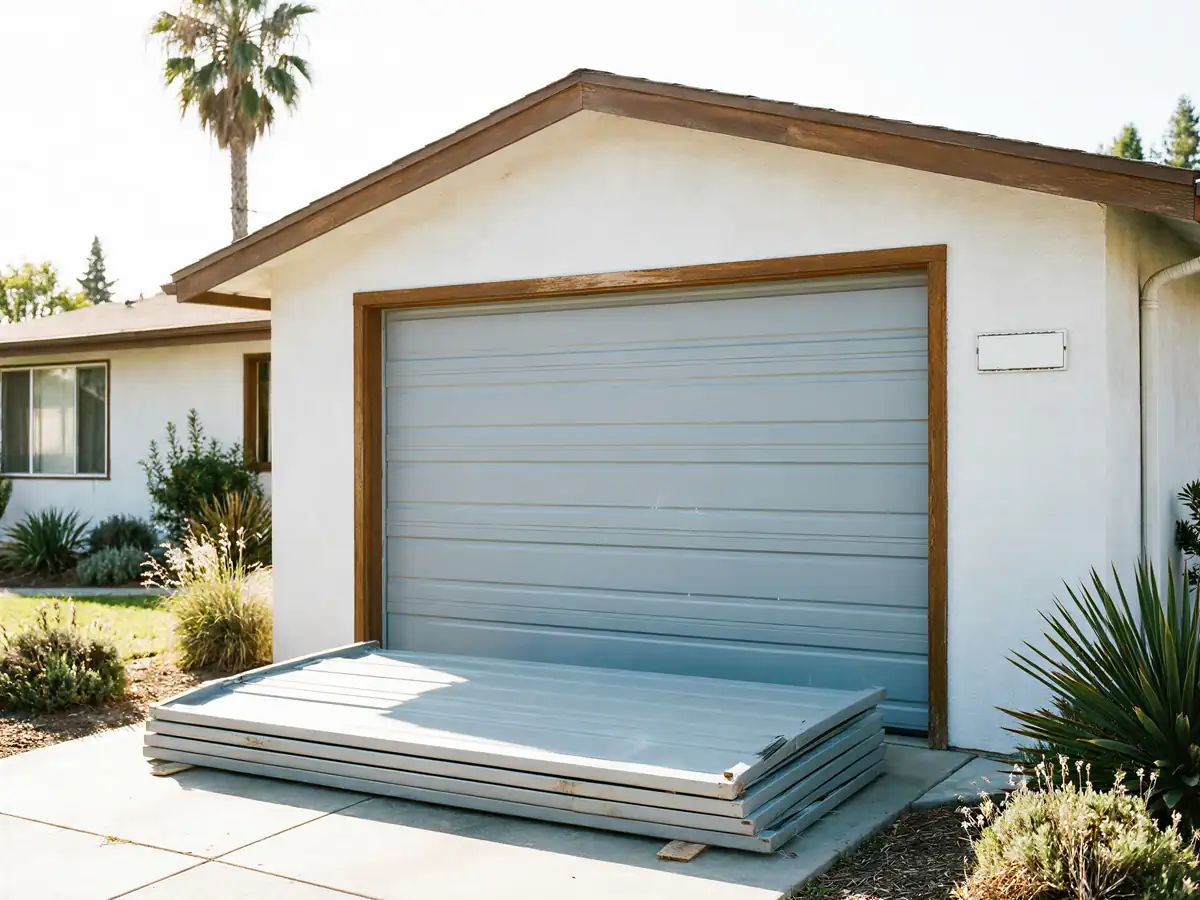
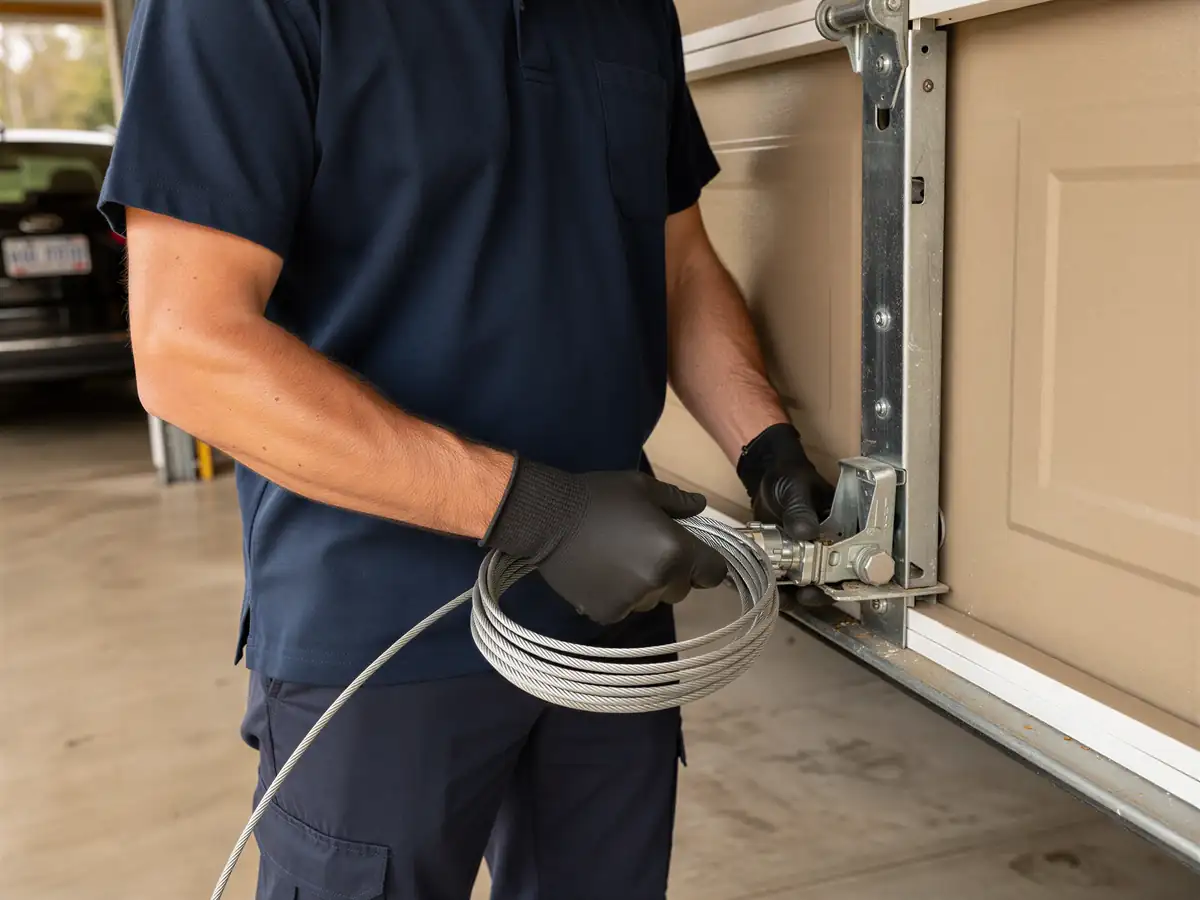
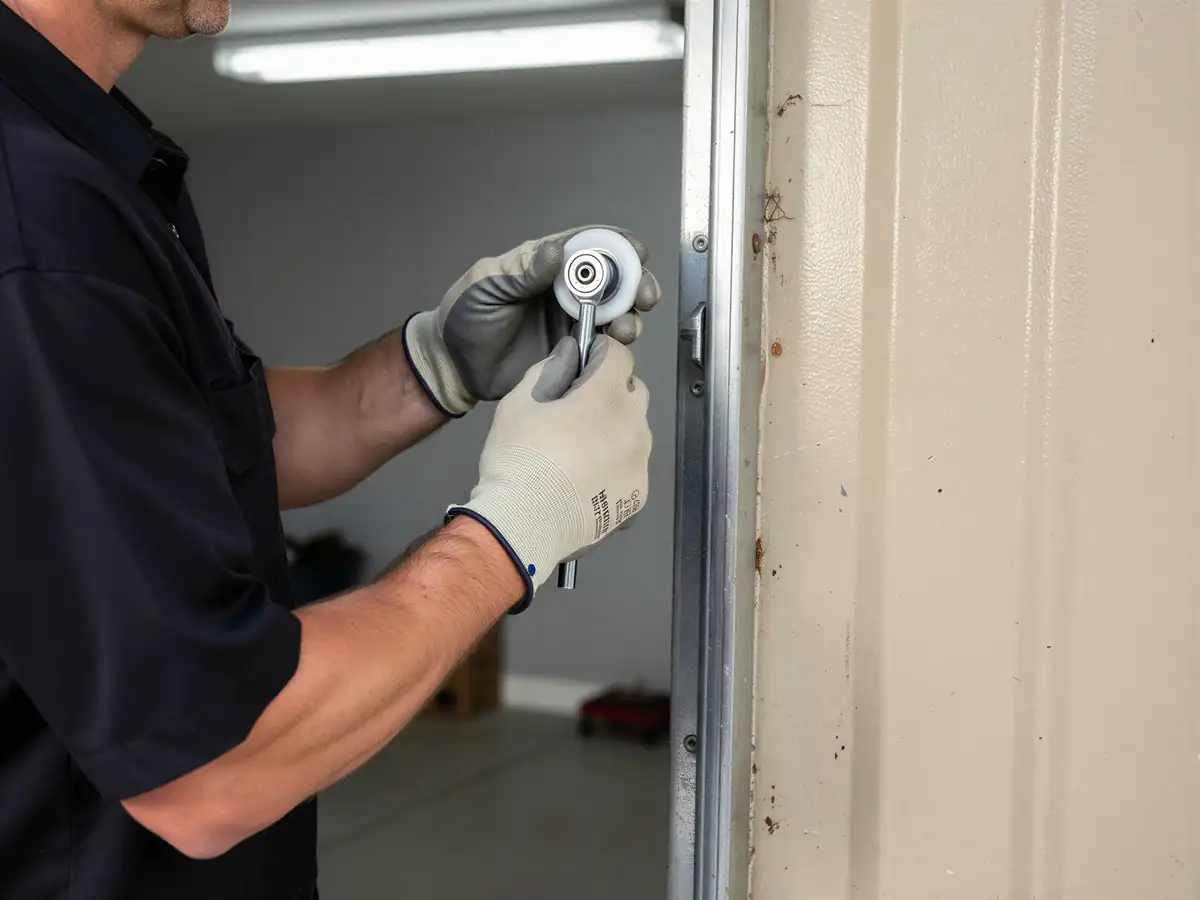
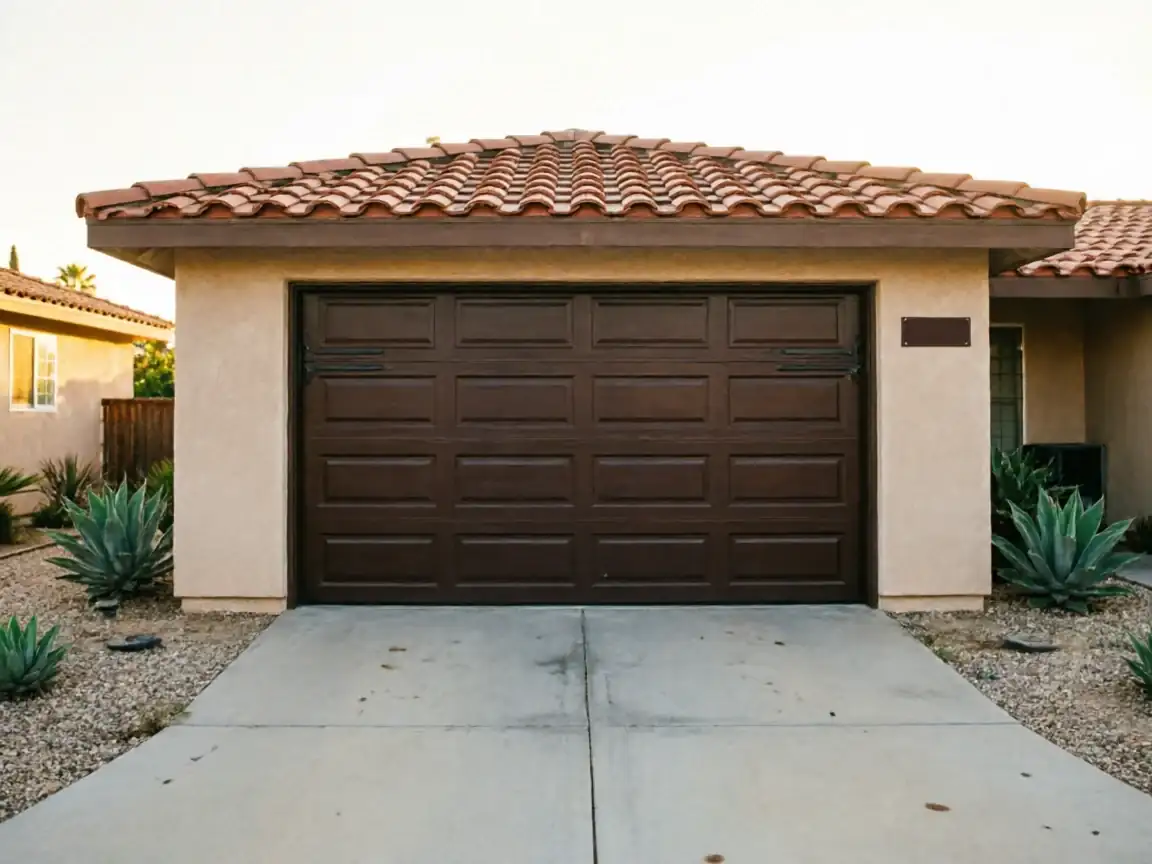
North Highlands sits about 5 miles from our shop in Citrus Heights, and the housing stock here runs older than a lot of what's around it - median build year 1970, well ahead of the 1981 median for the wider service area. That means a lot of original steel doors: single-layer, no foam core, 7-foot sections on the single-car openings that were standard for the era, with some wider doubles on the ranch-style lots. These were built before insulated doors were common and often paired with extension springs mounted along the horizontal track rather than the torsion springs you see on newer builds. We carry extension spring sets in the common lengths for that door width, the stamped steel hinges and end bearings that wear out on these older tracks, and replacement rollers sized for the narrower track channel this generation of door uses. We also stock torsion conversion hardware for owners who want off the extension-spring system entirely - more on why below. What we don't always have on the truck is a drum or pulley for a door track nobody trimmed down to; if your door has been modified over the decades, that part may need to be ordered.
The Complications
Extension springs on a 1970-built door system stretch along the track above the door, and in a house that's had one owner or several, that hardware has usually had one of two things happen to it: either it was never upgraded with a safety cable, or a past repair added mismatched springs that don't match the door's weight. Sacramento-area summers push a lot of thermal cycling into steel - the severe heat band this region sits in means the metal expands and contracts hard every day for months, and that fatigues spring coils and dries out cable fittings faster than it does in milder climates. Combine 50-plus years of that cycling with an extension spring system that's rarely been serviced, and failure doesn't come as a slow squeak - it comes as a sudden snap, often with the door half open. On a street income median of $65,090, we also see more doors kept running past the point where Citrus Heights homeowners further from the core, at the area's $95,592 median, would have already replaced them. That's not a knock on anyone - it just changes what we're called out for.
What the Repair Takes
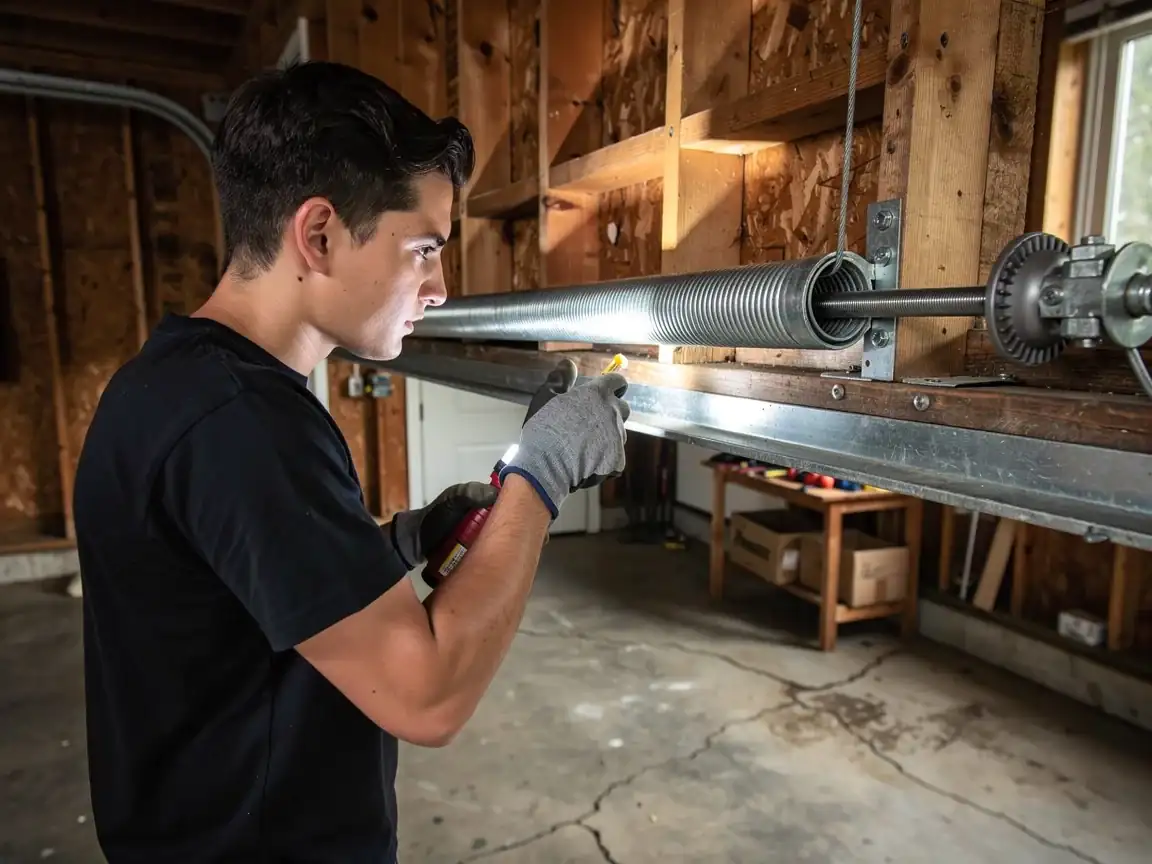
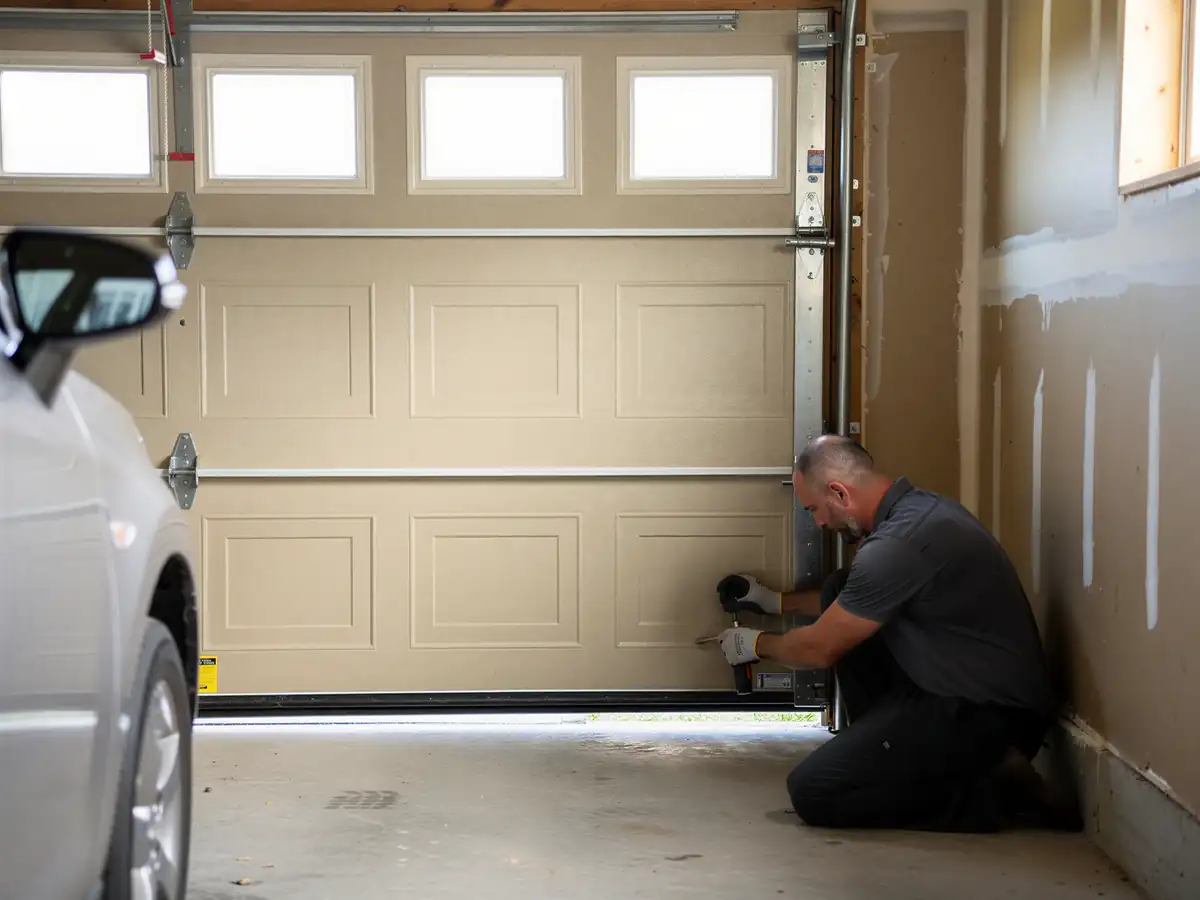
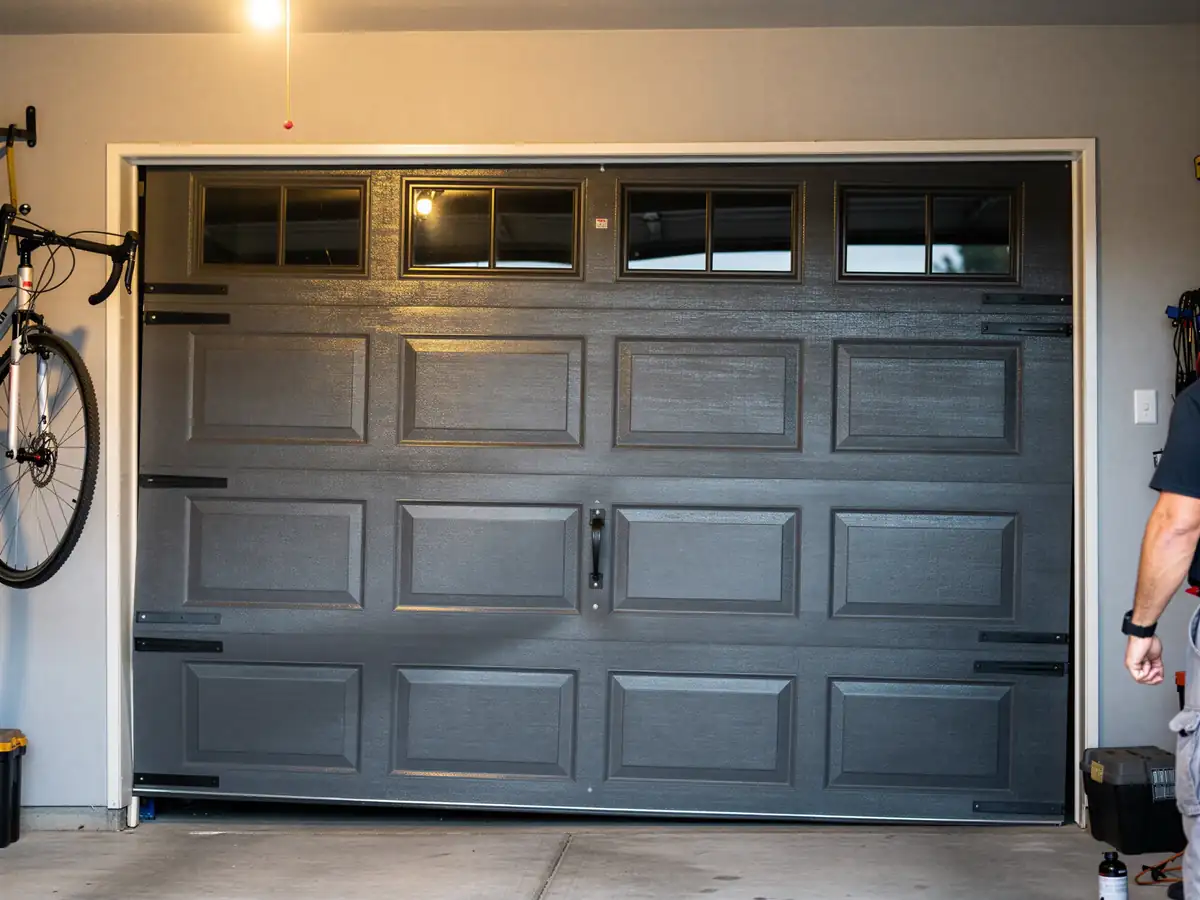
For a straightforward extension spring replacement, we're pulling both springs as a set even if only one failed, since the surviving spring is the same age and close behind it. We check the pulleys, the end bearing plates, and whether a safety cable is present - if it isn't, we add one, because an extension spring under tension with no cable is the single most dangerous thing on an older door. If the door's uneven closing points to unequal spring tension rather than a break, we rebalance the set rather than just swapping parts. A full conversion to torsion springs is a bigger job - new header bracket, torsion tube, drums - and it's worth discussing for a door that's had repeated extension spring failures, since torsion systems last longer and don't have a bar flying loose above the door if a spring lets go. We're honest that conversion isn't needed on every door; plenty of these systems run fine for years once properly balanced and cabled.
What It Costs
We don't have a posted price list for North Highlands jobs here - every one of these doors has a different track condition, spring count, and whether a torsion conversion makes more sense than a repair, and we'd rather quote it looking at the actual door than publish a number that doesn't hold up. What we can say is that a door running two mismatched or undersized extension springs usually needs both replaced to be done right, not a single-spring patch, and that adding the safety cable is not optional on our jobs regardless of what the door had before.