Parts We Carry
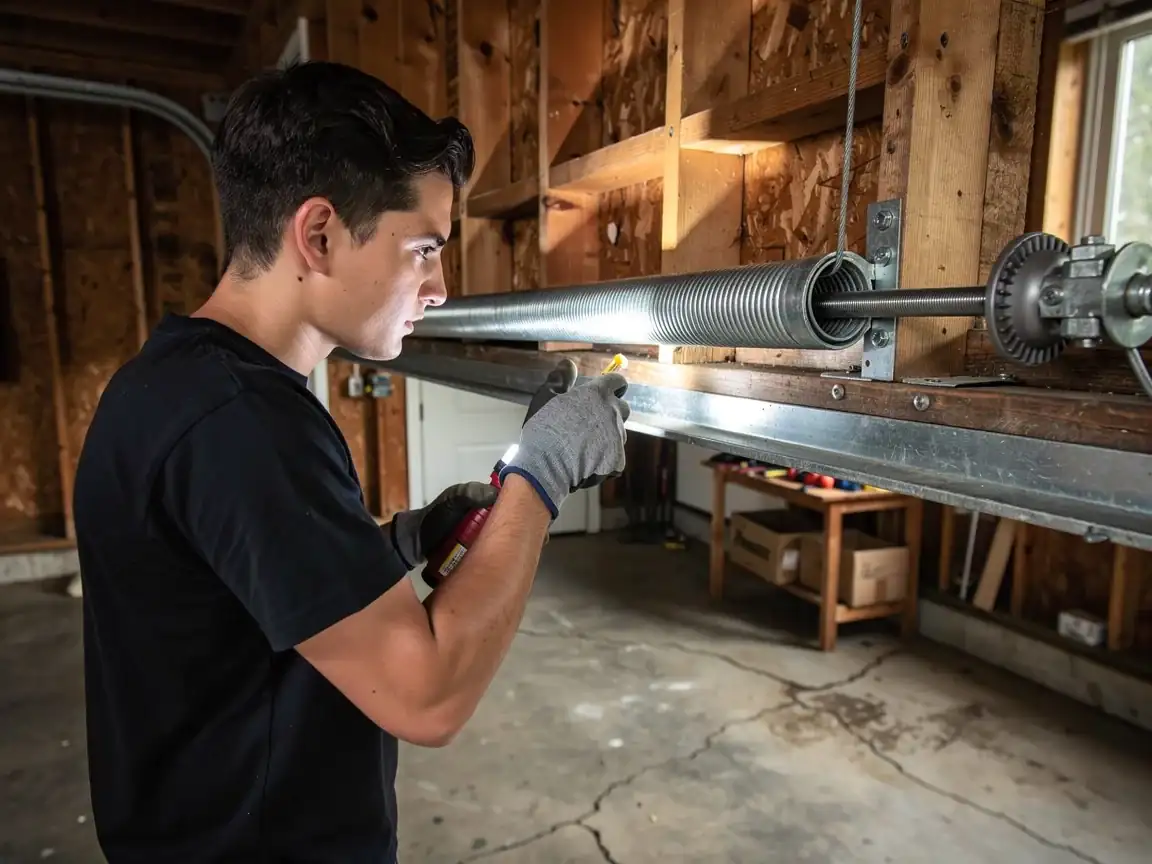
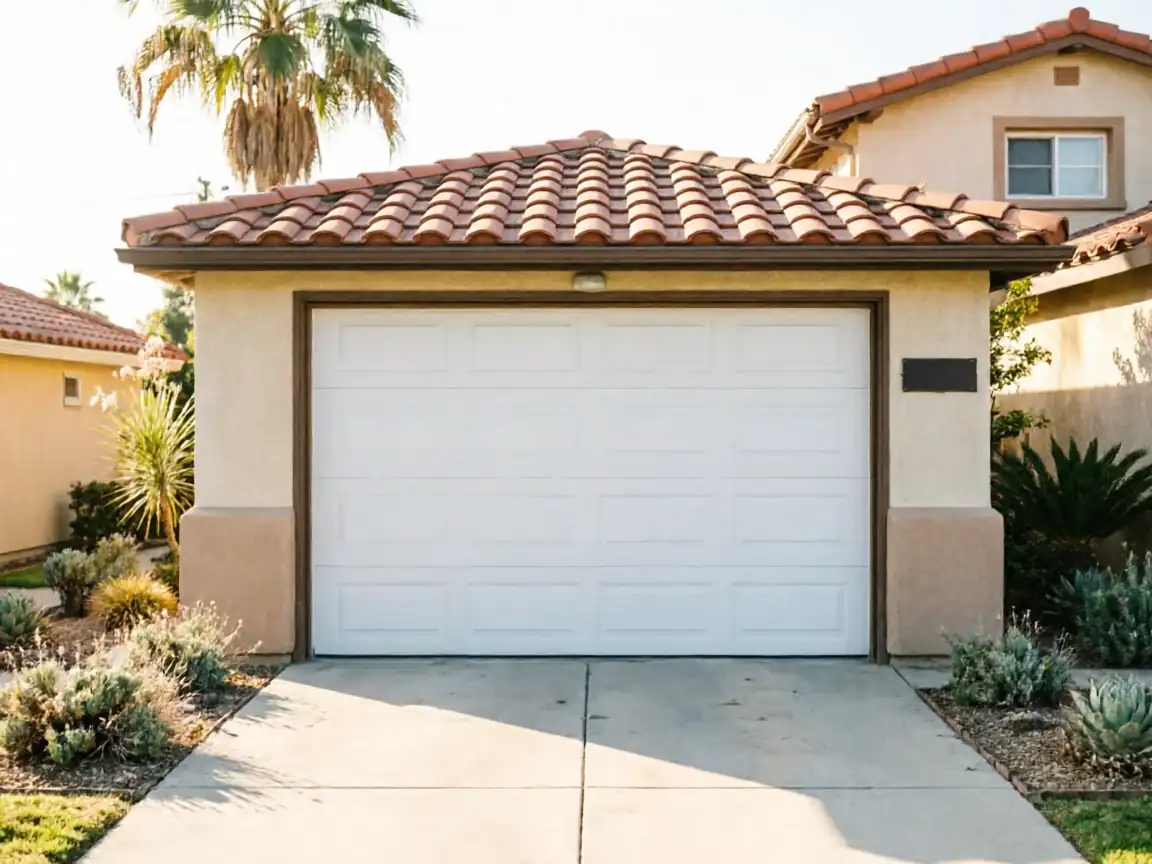
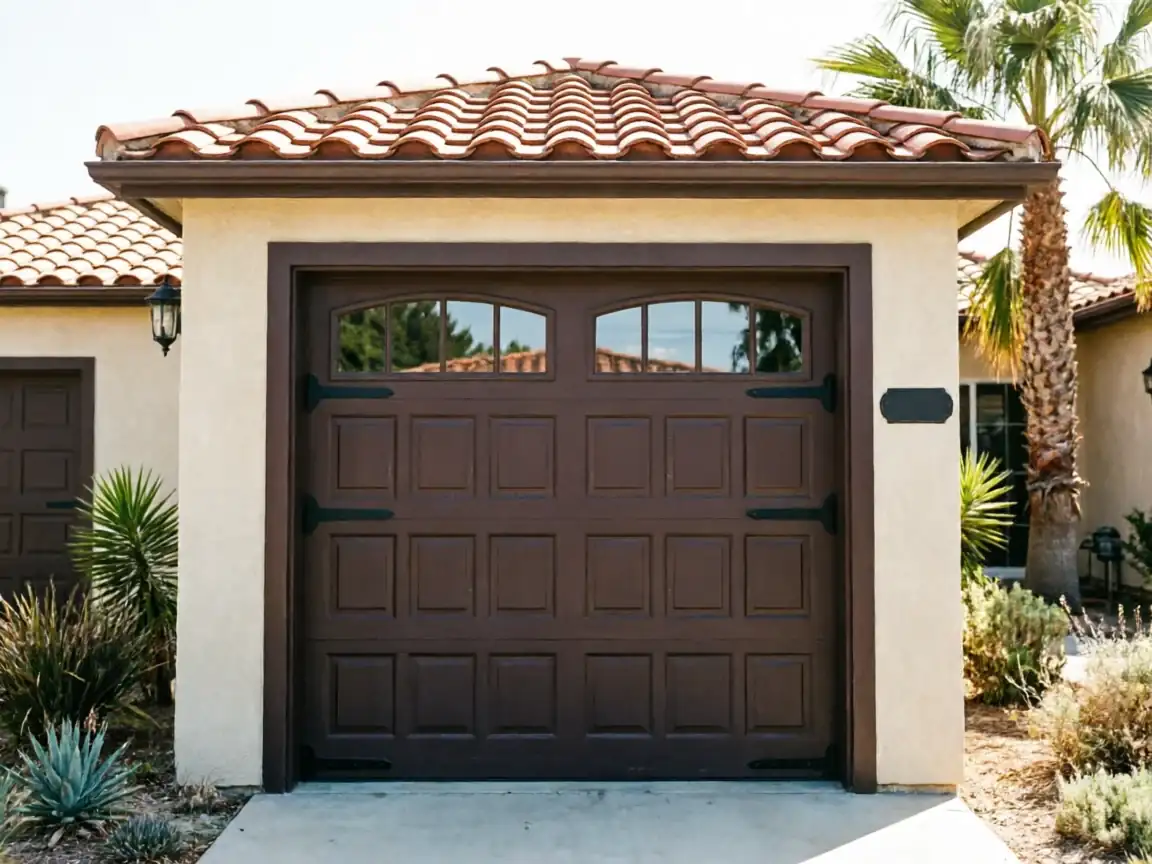
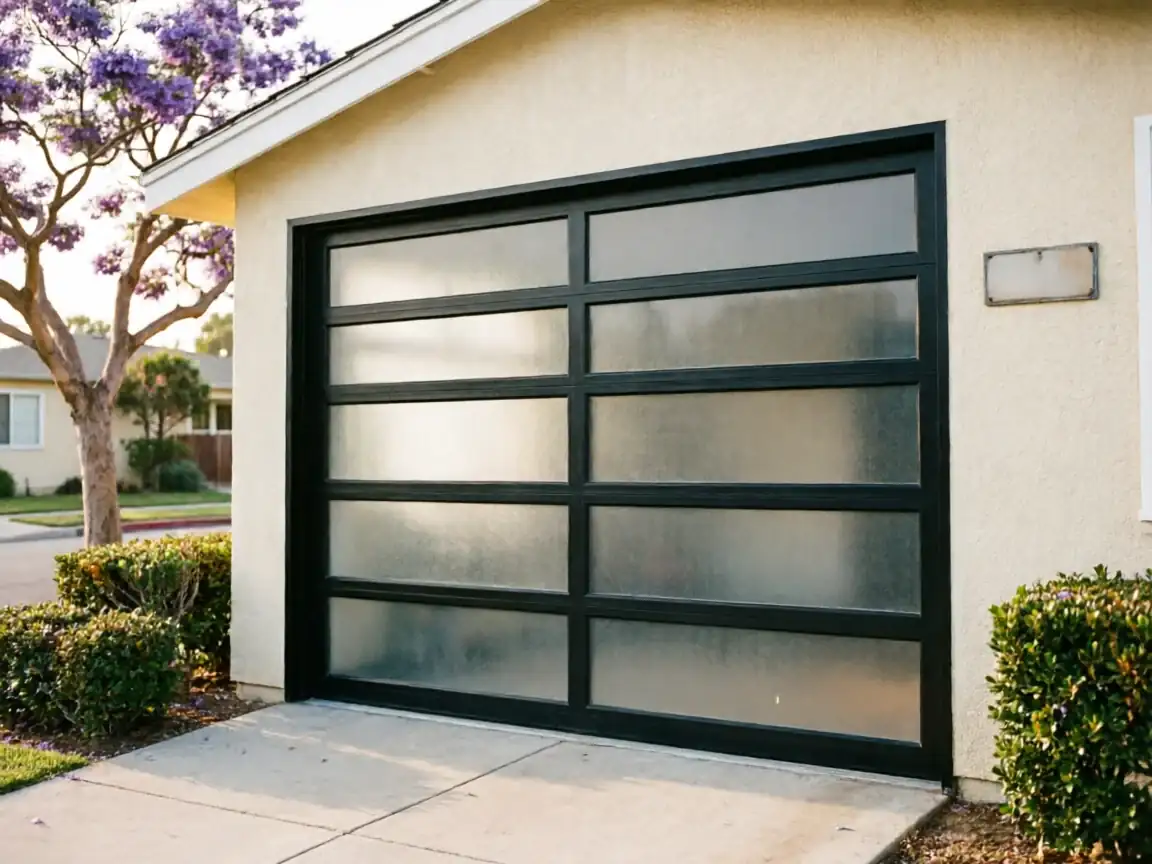
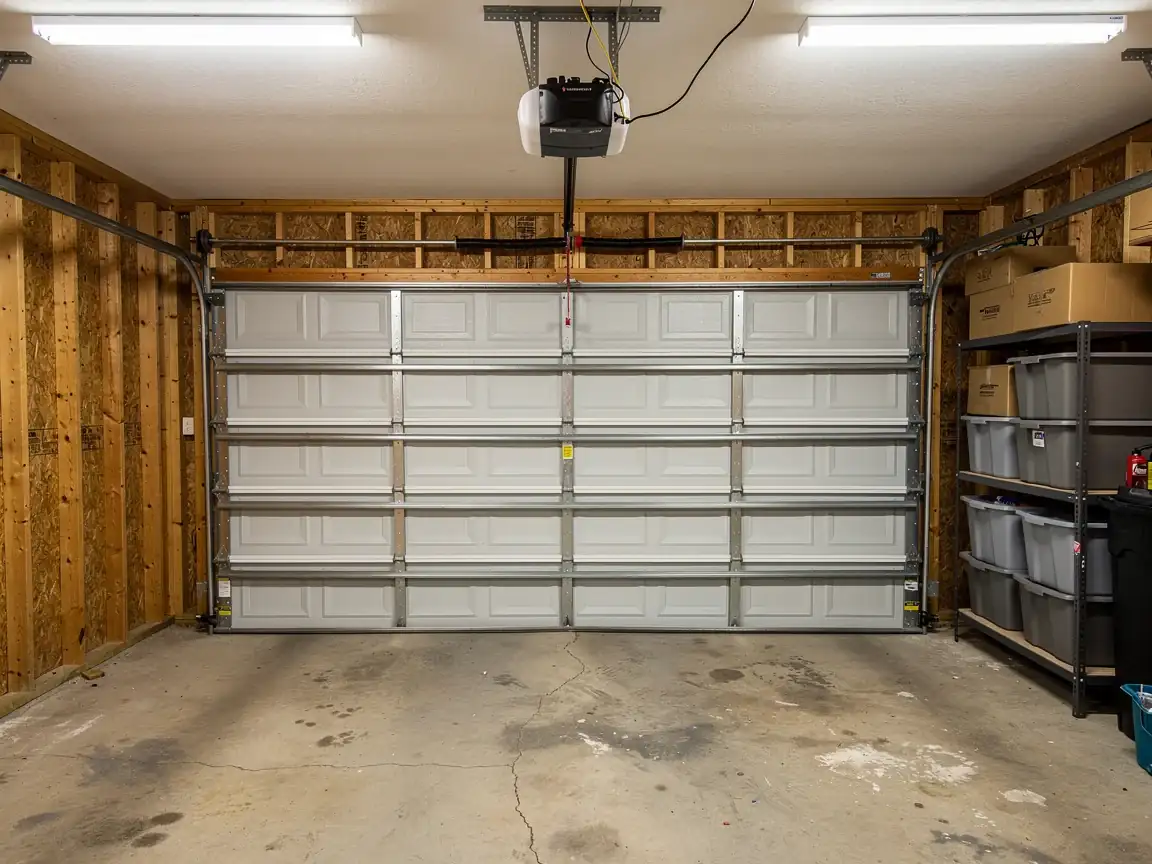
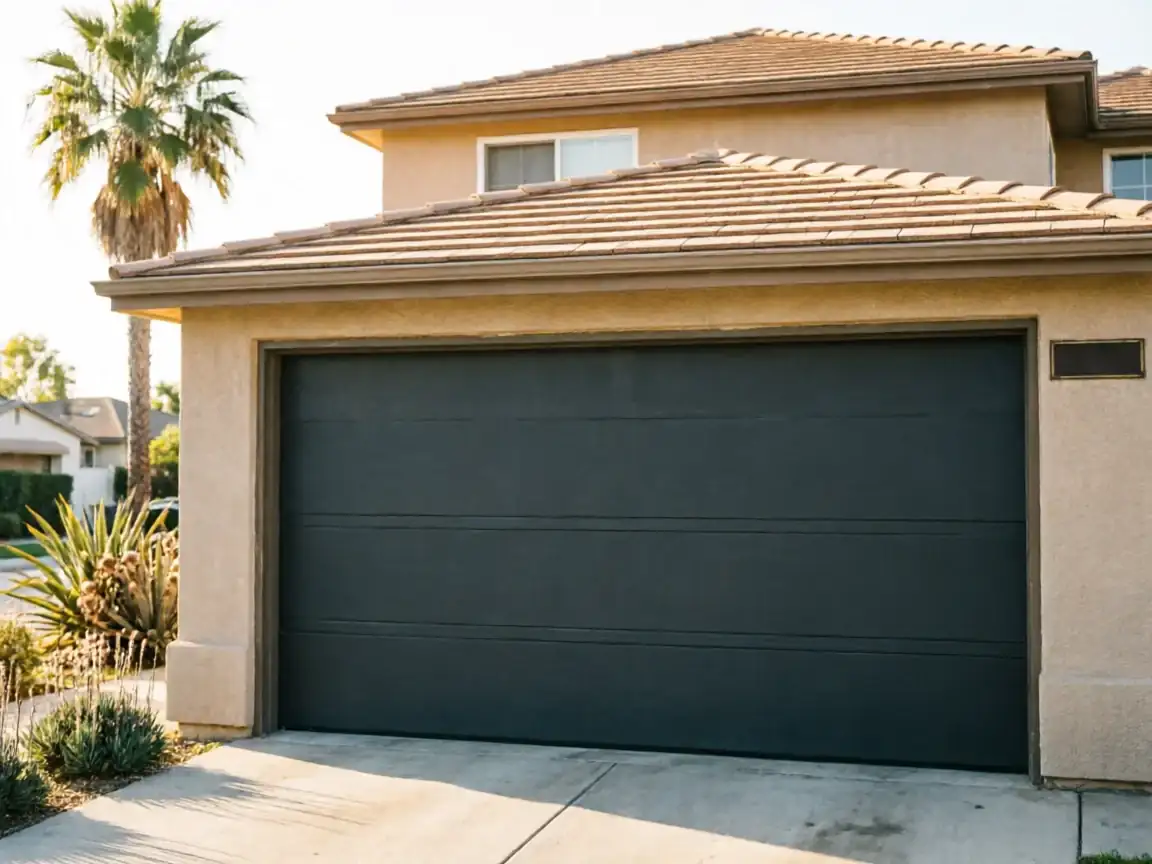
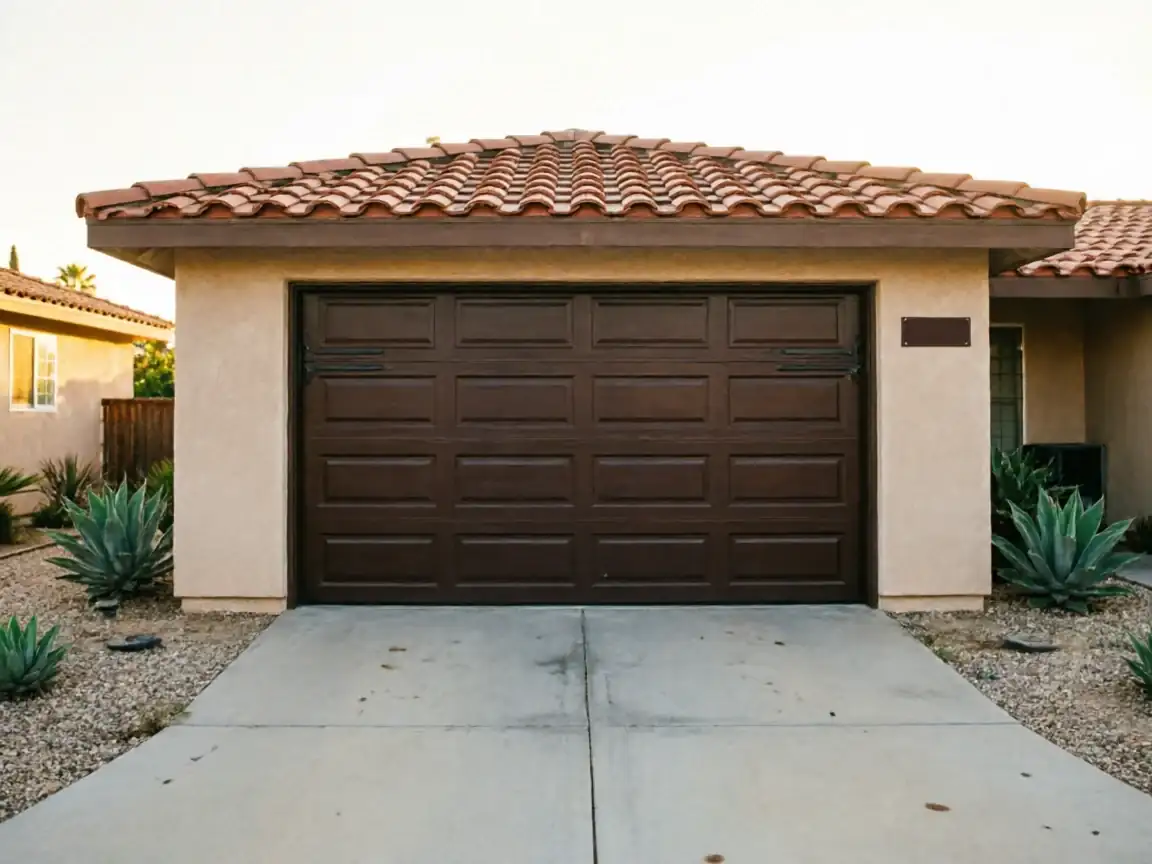
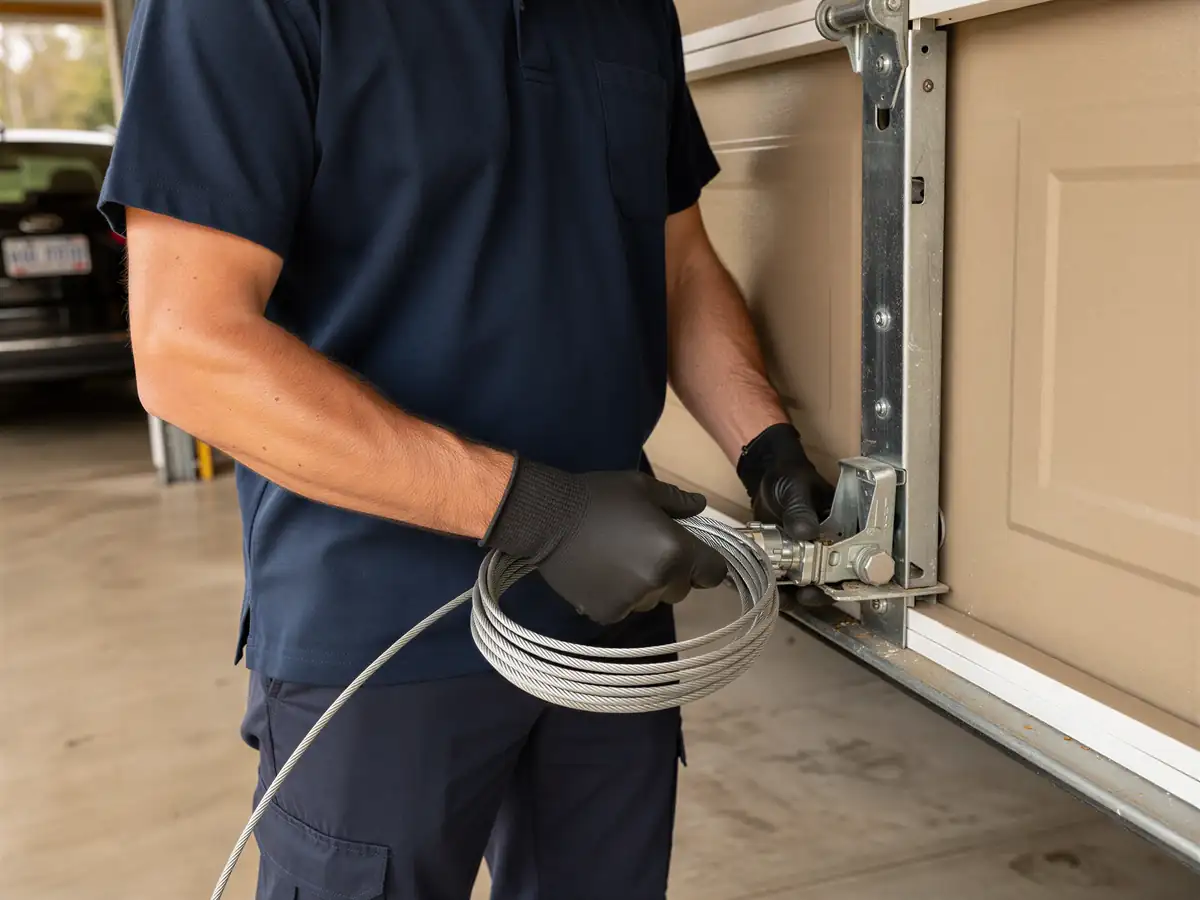
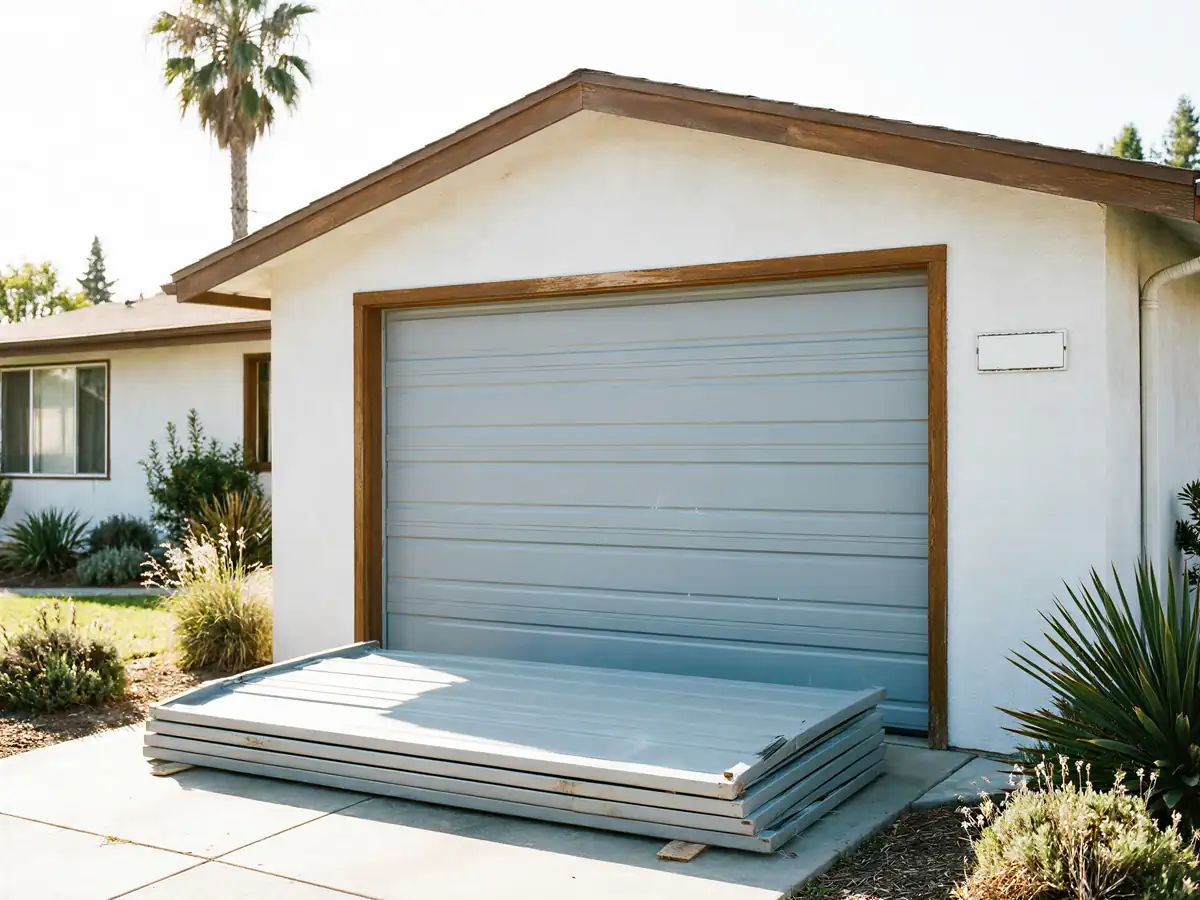
Most houses in North Highlands went up around 1970, which puts them at the early end of the wider 1962-2004 build range you see across this part of the service area. A door from that era is almost always a single-layer steel or wood panel on a torsion spring sized for a lighter door than what's sold today. When we install new, we're not just dropping in a modern door - we're matching the opening to the original header and checking whether the track width and spring size from 1970 construction can even take a current insulated panel without reinforcing the jamb. We carry torsion springs in a range of wind-up sizes, steel and insulated composite panels, and openers rated for the belt or chain drives that fit older rail lengths. The climate here runs hot and severe through summer, so we lean toward doors with a higher R-value core rather than the thin single-skin steel that was standard when these homes were framed. We don't stock every panel color or window-lite pattern on the truck - special orders on trim and glass inserts take longer than a same-day swap.
The Complications
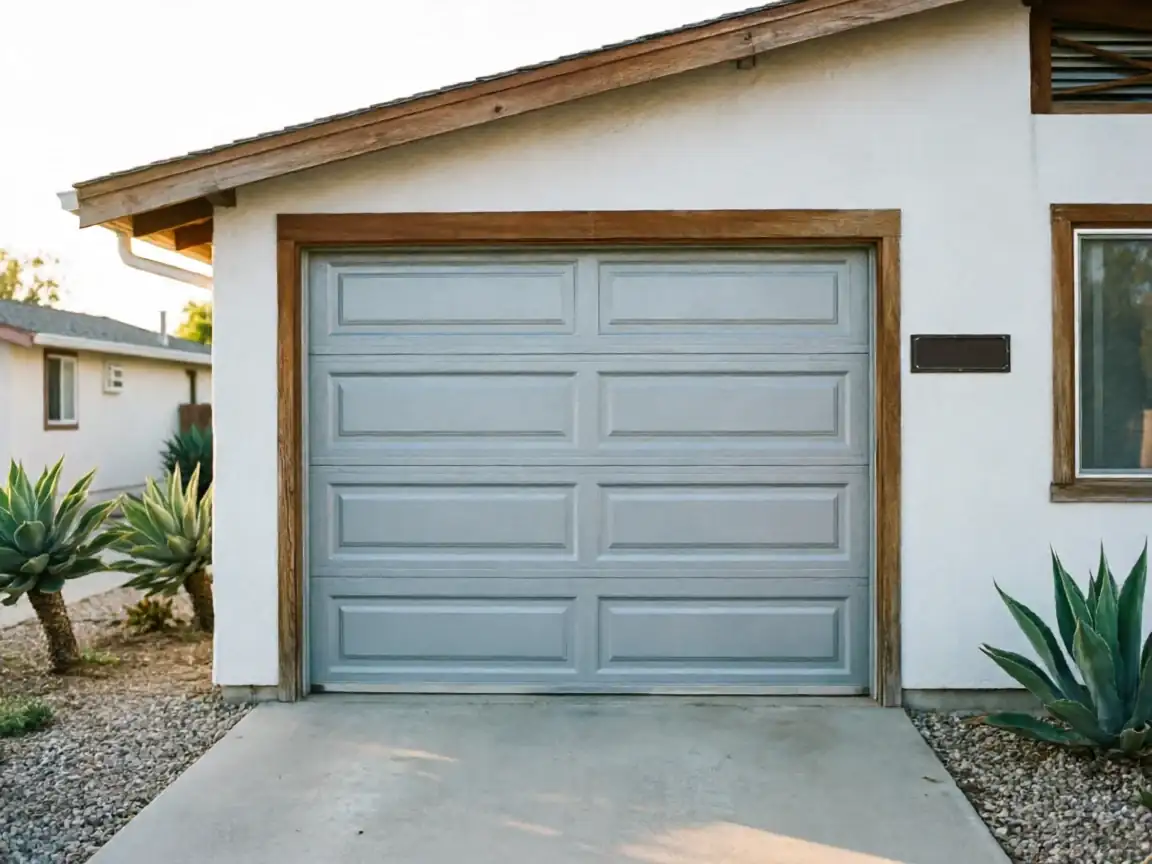
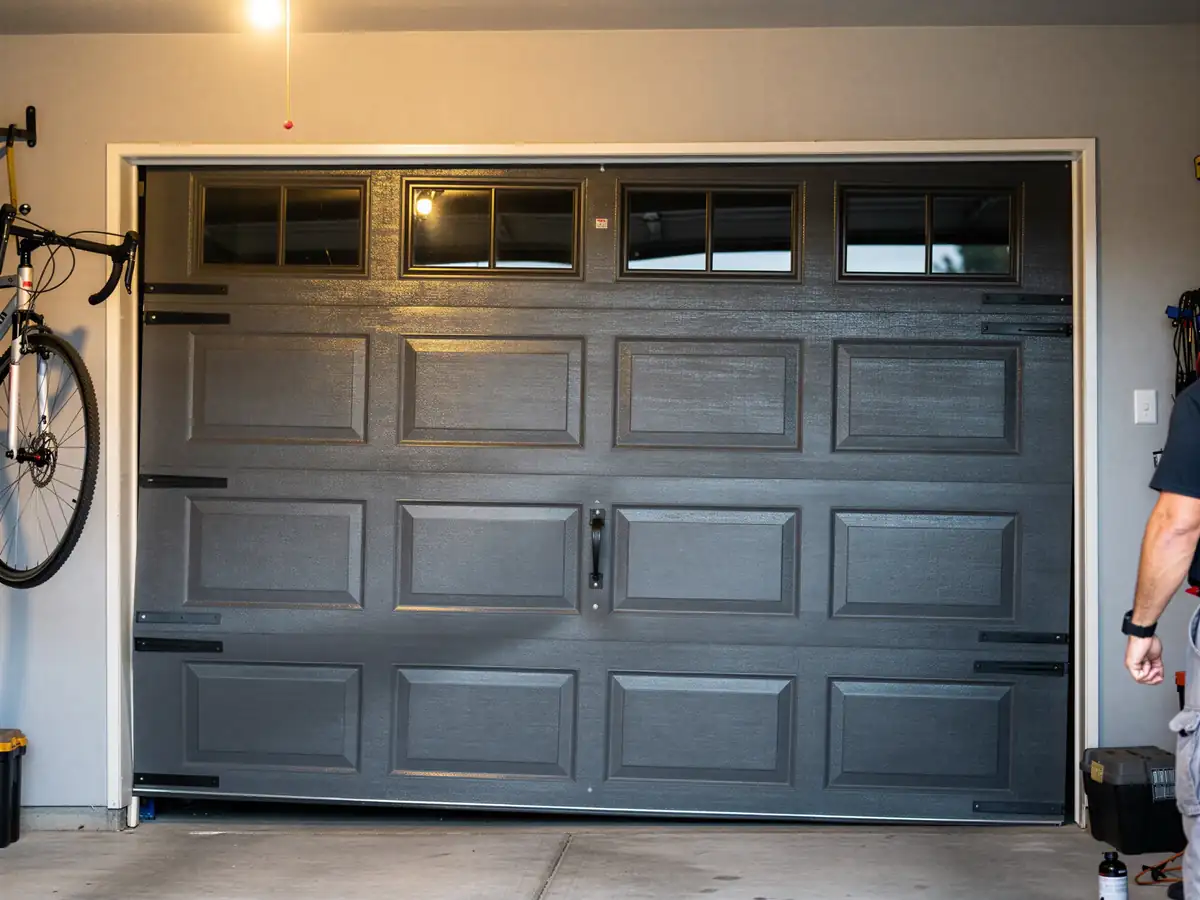
A 1970 opening wasn't built to current code tolerances, and after fifty-plus years the framing has usually settled a little, which throws off plumb on the jamb. That's the main complication on an install here: squaring a new door to an opening that's shifted since it was framed. North Highlands also runs on older electrical panels in a lot of these houses, and a new opener draws differently than the chain-driven units from decades back - sometimes the circuit needs a look before we mount anything. Median household income here is $65,090, noticeably below the $95,592 median across the wider service area, and that gap shows up in which upgrades people choose - insulated steel over wood composite, standard lift over a heavier counterbalance kit. We don't push the premium tier if the opening and the budget don't call for it. One real limitation: if the header is rotted or the jamb is out of square by more than about half an inch, that's carpentry work before door work, and we'll say so rather than force a door into a bad frame.
What the Repair Takes
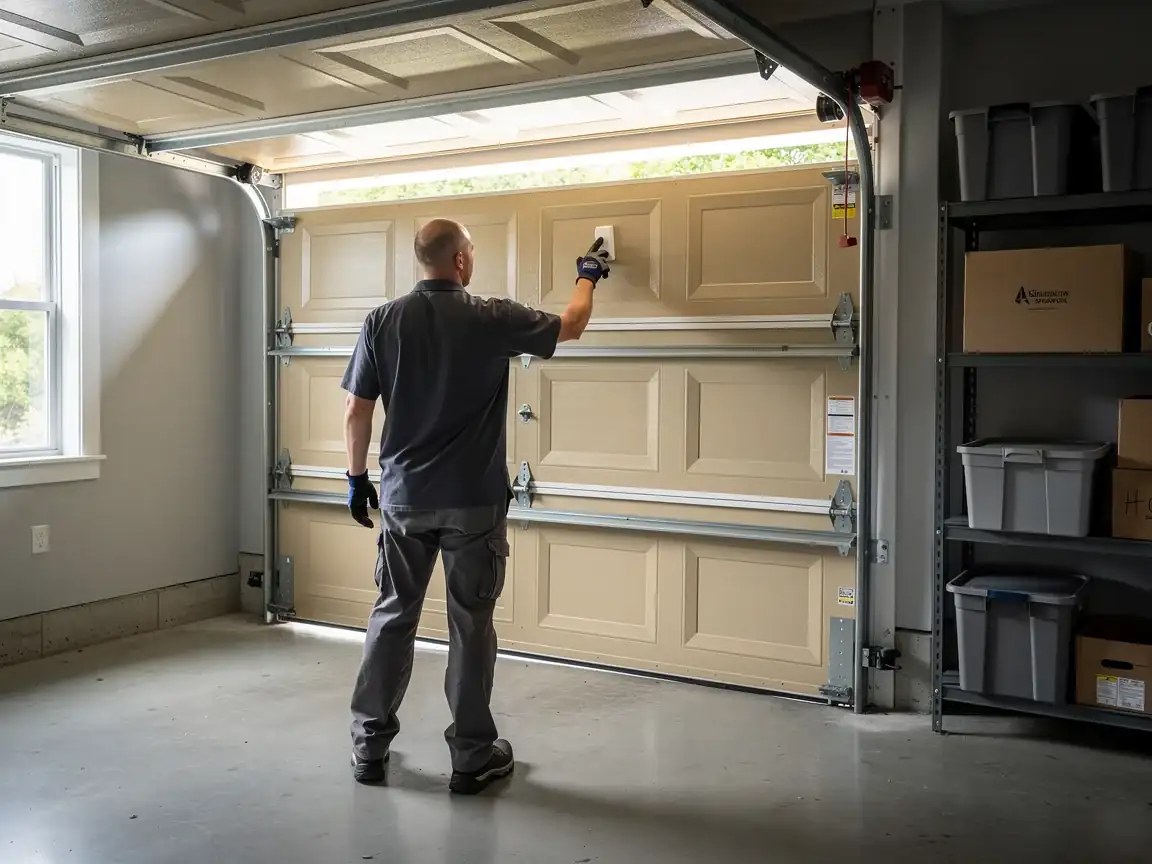
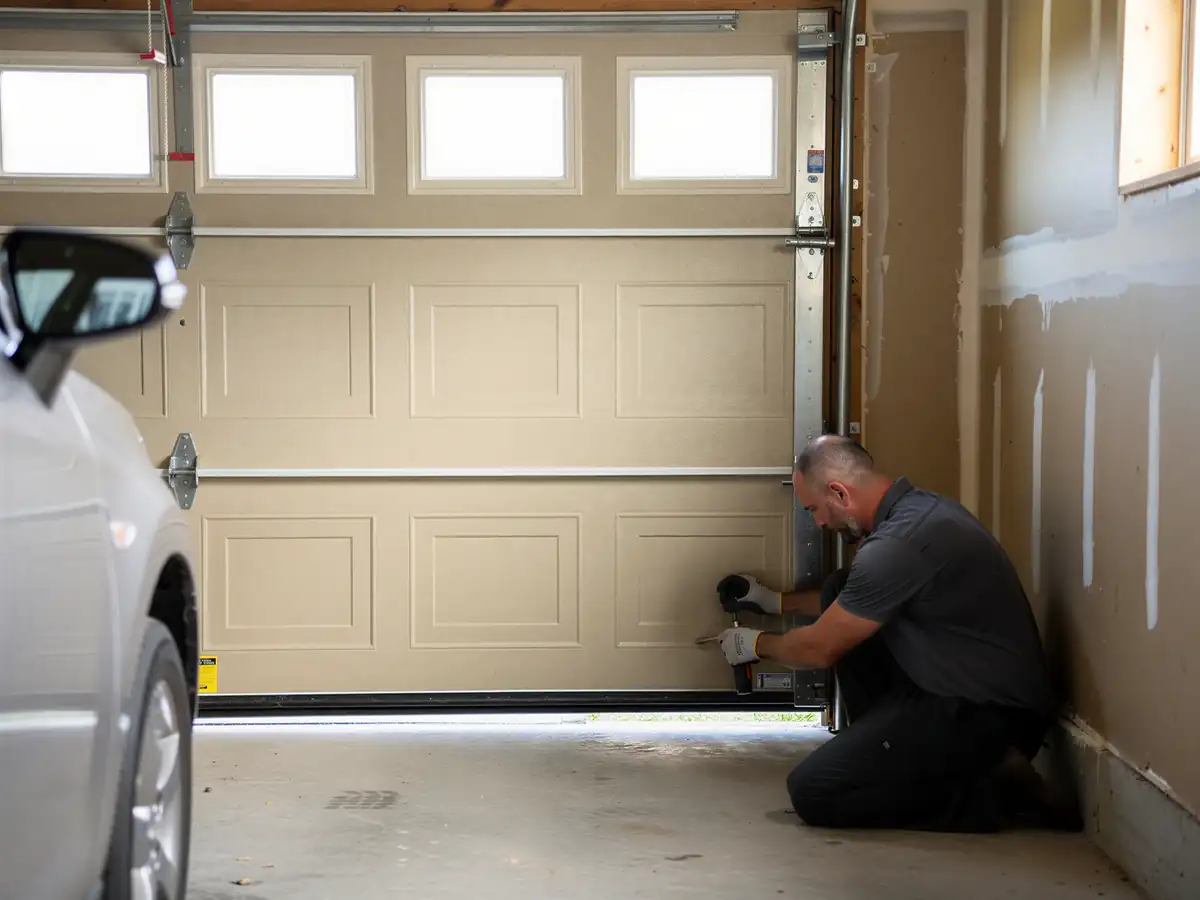
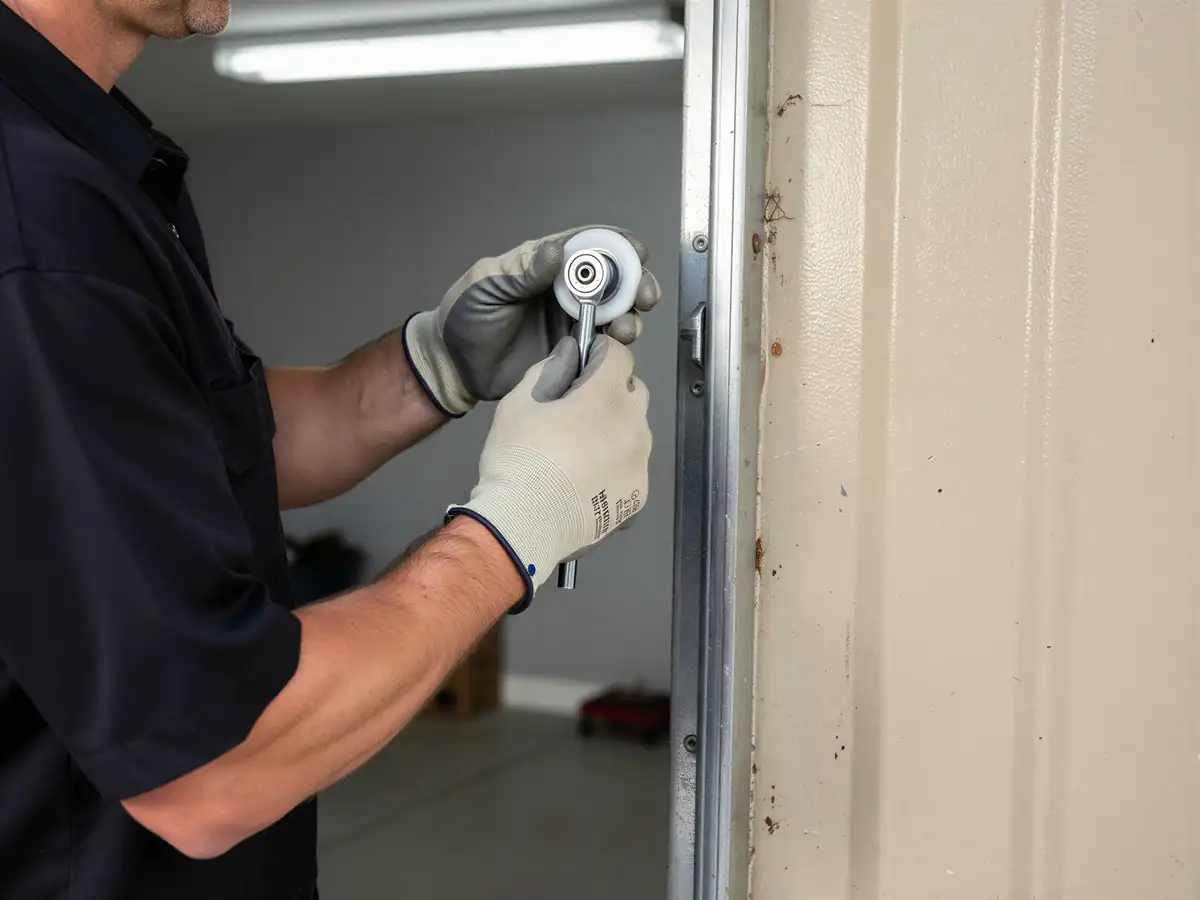
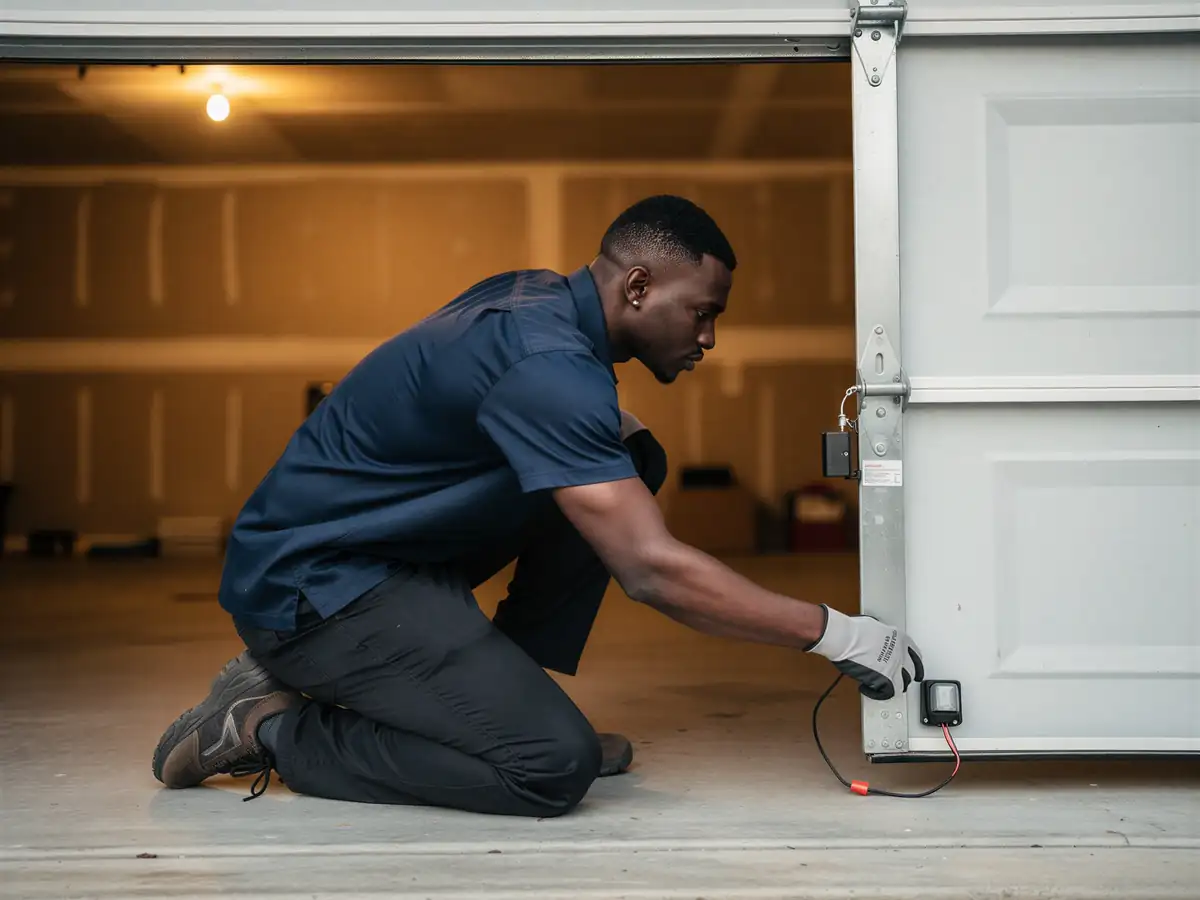
For an install on a house built around 1970, we start by pulling the old door and opener completely so we can see the header and jamb bare - that's the only way to know if the opening needs shimming before a new door goes in square. From there it's measuring for the new track, setting new vertical tracks if the old ones are pitted or bent, hanging panels, and balancing the spring to the actual weight of the new door, not the weight of the old one. New opener installs include running a dedicated circuit check, since older North Highlands wiring sometimes isn't set up for a modern opener's draw. We test full cycle - open, close, auto-reverse, photo-eye alignment - before we call it done. A straightforward swap on a square opening takes one visit. An opening with framing issues takes longer, and we'll tell you that before we start, not after.
What It Costs
We don't have a fixed number to quote here without seeing the opening - door size, insulation level, spring configuration, and whether the jamb needs work all move the price. What we can tell you is that with median household income in North Highlands at $65,090, a fair number of the jobs we quote here lean toward a standard insulated steel door with a single torsion spring rather than the higher-end wood composite or dual-spring setups we see more often in the wealthier pockets of the service area. That's not a knock on the neighborhood - it's just what fits the budget most owners here are working with, and a standard door does the job for decades if it's installed square and balanced right.