Why This Fails Locally
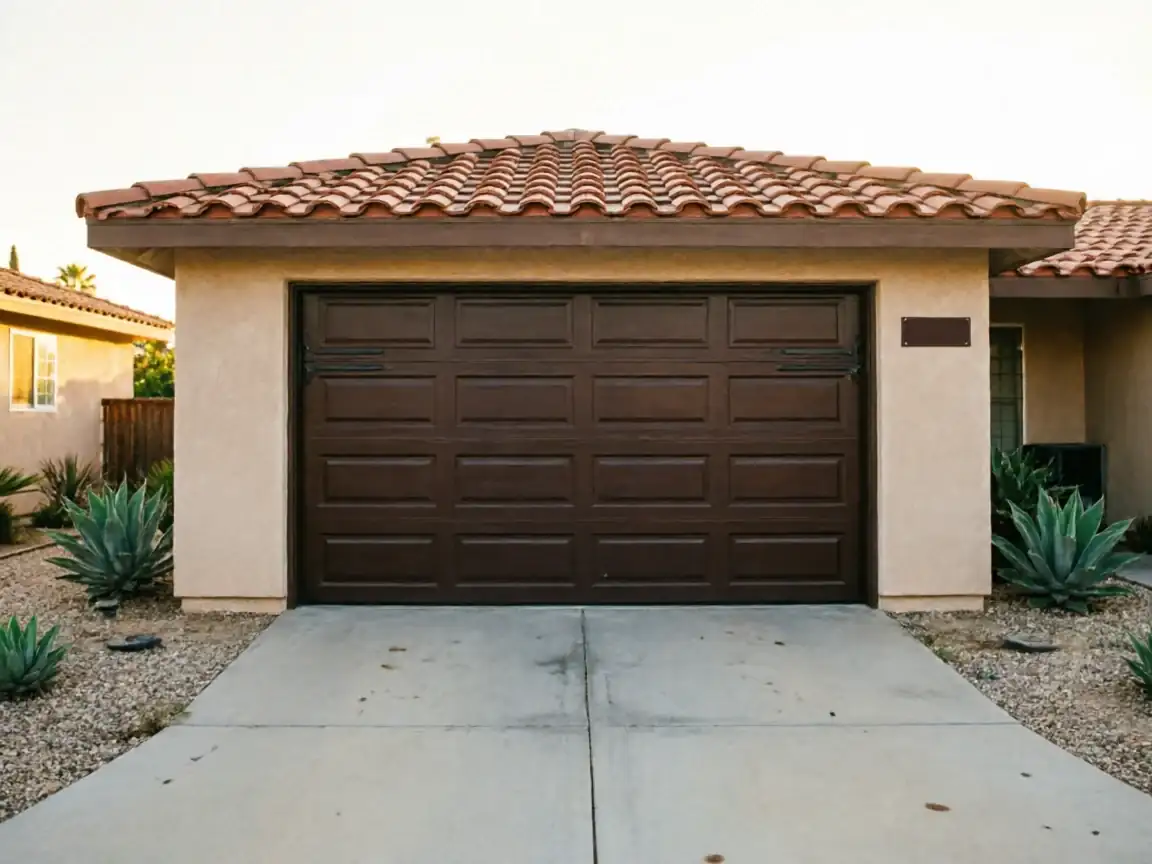
Granite Bay's housing stock centers on 1987, about six years newer than the 1981 median across the whole Citrus Heights service area, which otherwise runs 1962 through 2004. That gap matters more than it sounds like it should. The broader service area is a mix of eras across its named pockets, but Granite Bay sits later in that window, in the stretch where steel sectional doors on torsion spring hardware had already become the standard, replacing the older side-mounted extension spring setups still common in older sections nearby.
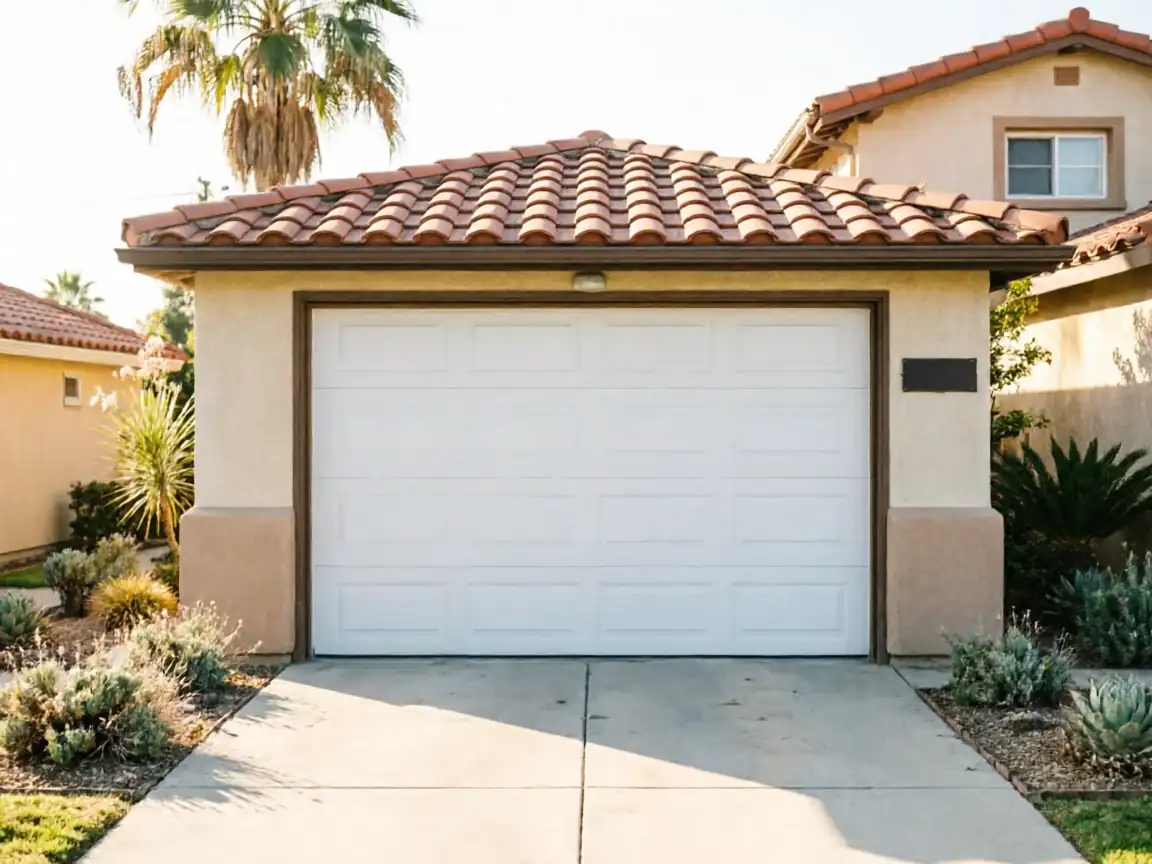
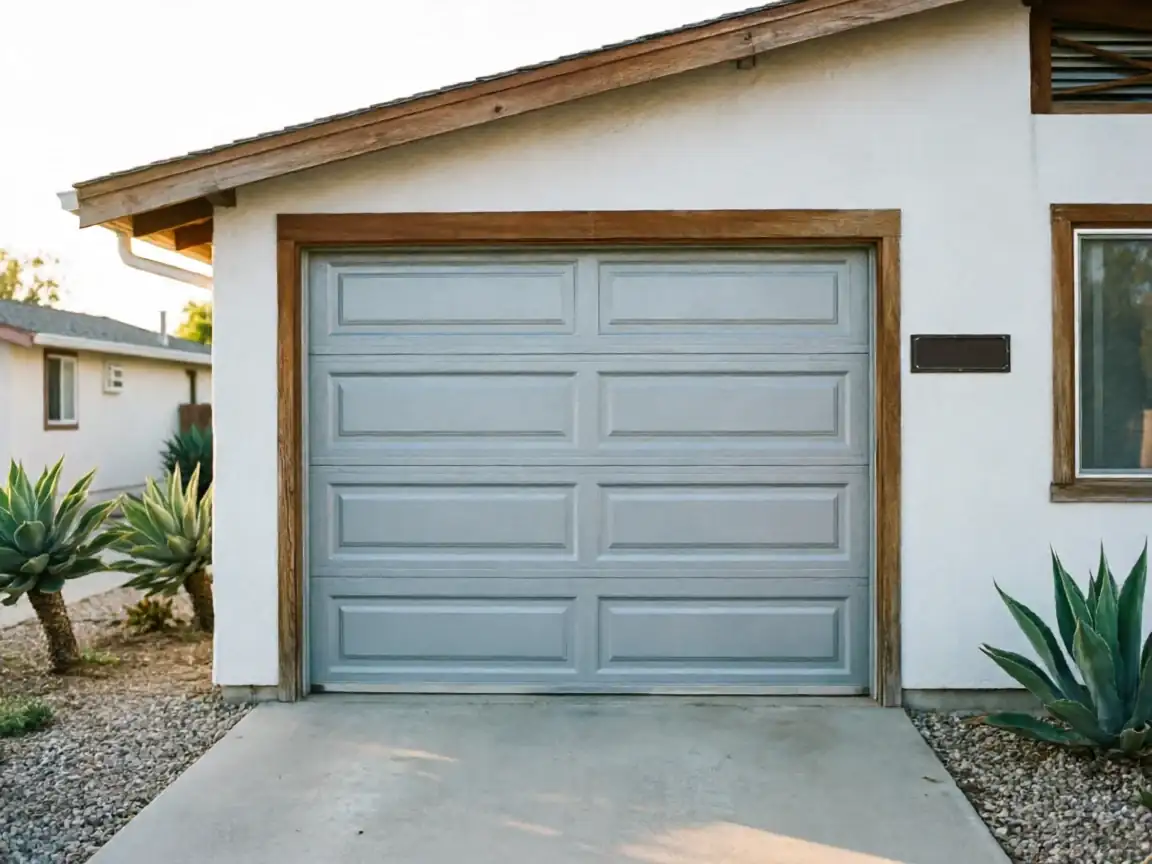
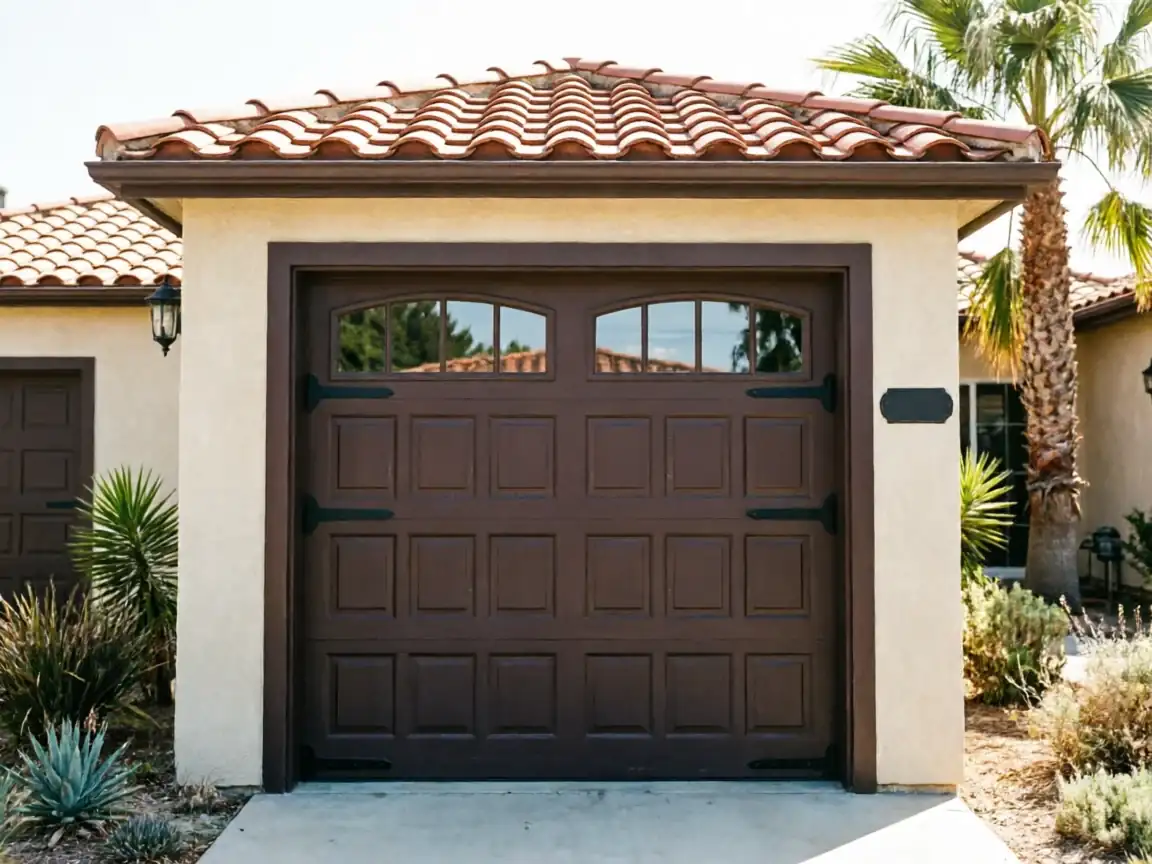
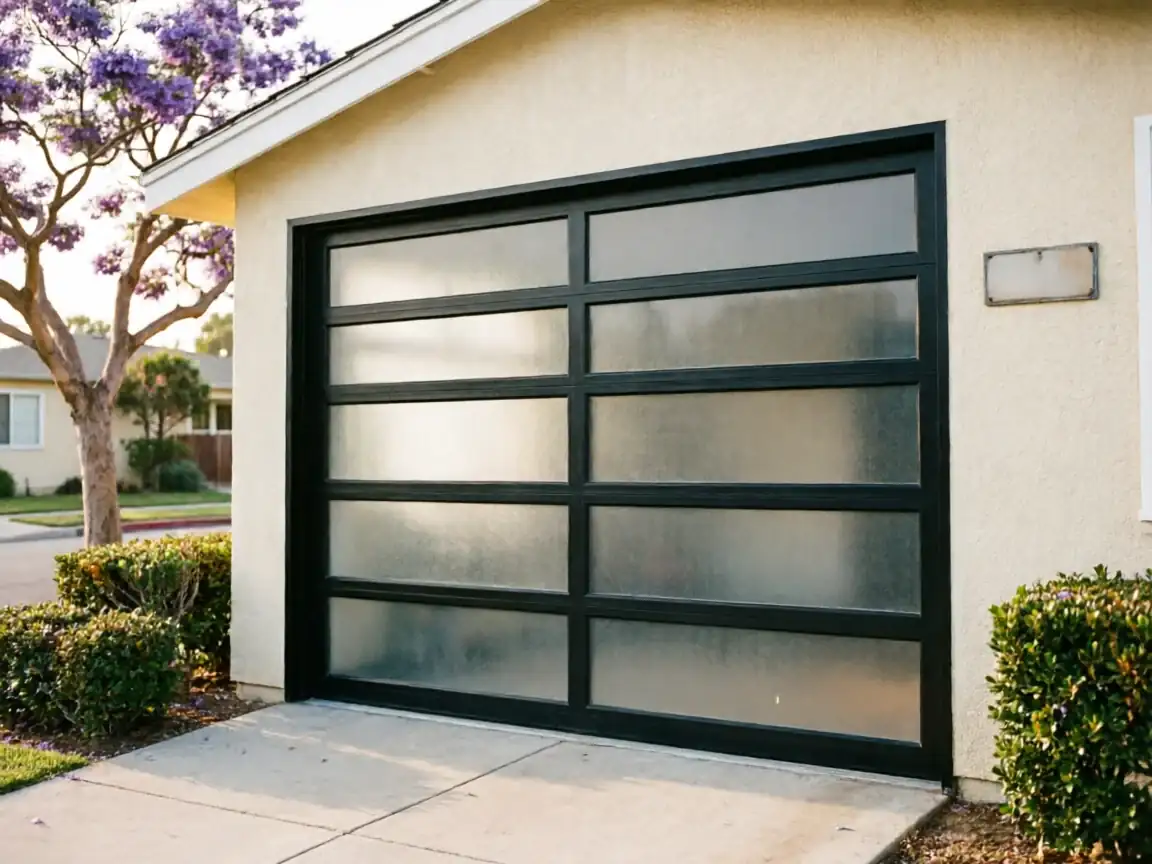
At a median household income near $190,000, with 7,476 households in the area, a lot of these garages carry heavier doors - insulated steel, wood-overlay panels - than the stock single-layer door the torsion spring was sized for decades ago. A spring built for a lighter original door, now holding up a heavier replacement panel, fails sooner and usually at the worst time: midday, door stuck halfway, heat already pushing 100 outside.
Add the severe heat band this area sits in and you get metal fatigue working faster on 35-plus-year-old torsion springs than it would in a milder climate. That's the local failure pattern - not a generic 'springs wear out' story, but a specific collision of door weight, spring age, and heat.
Parts We Carry
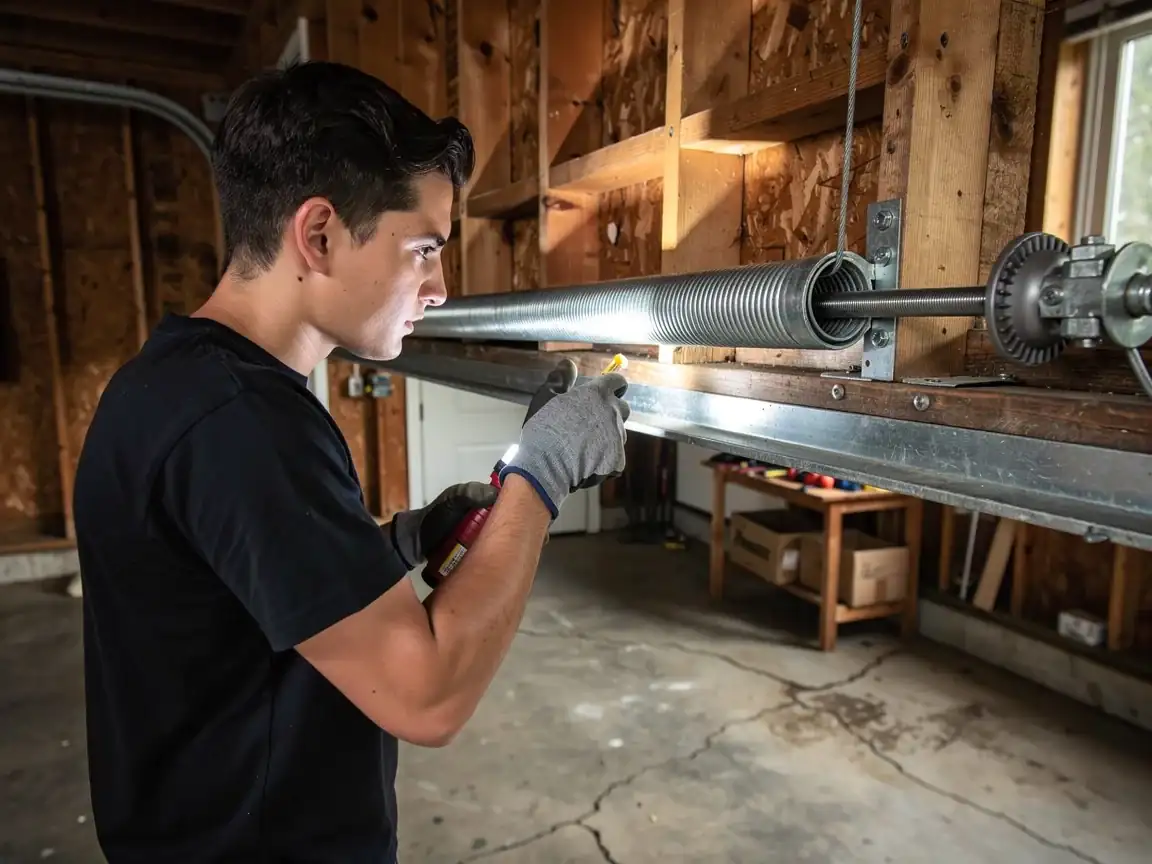
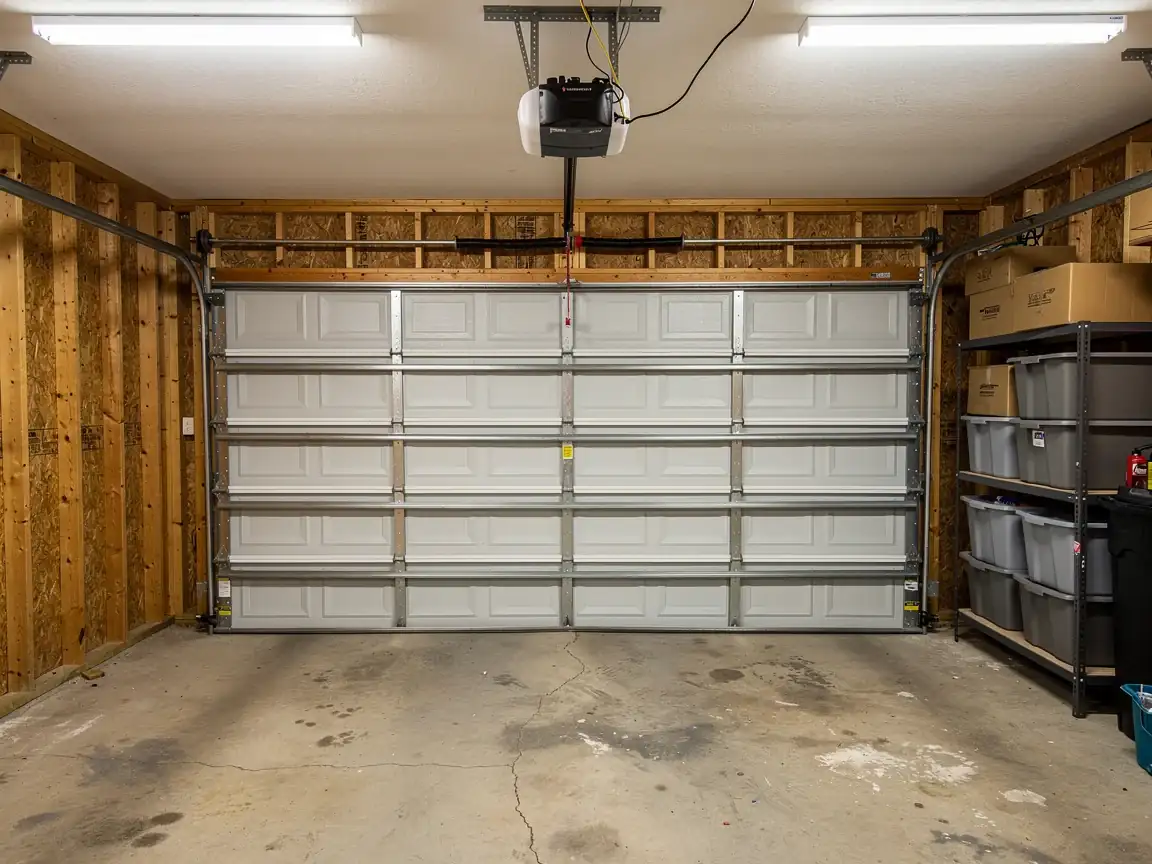
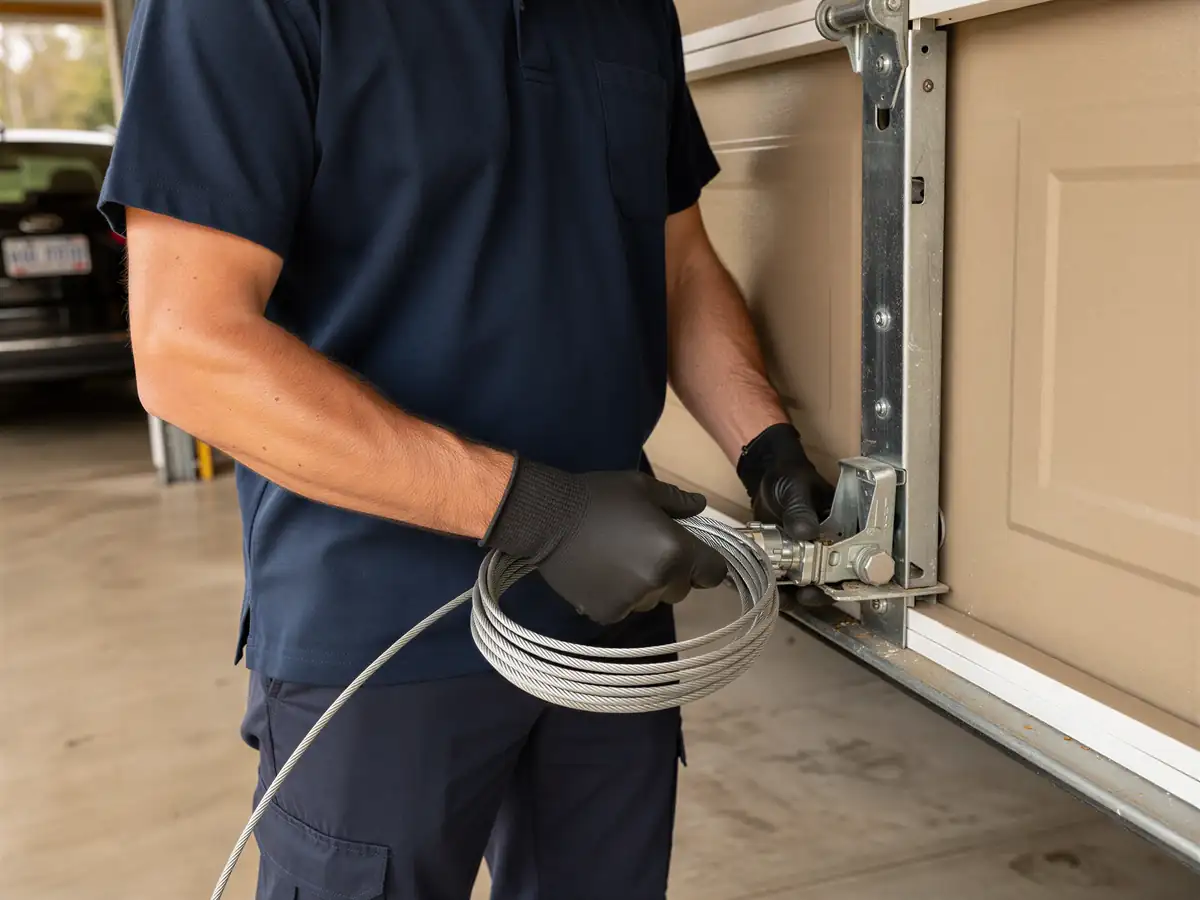
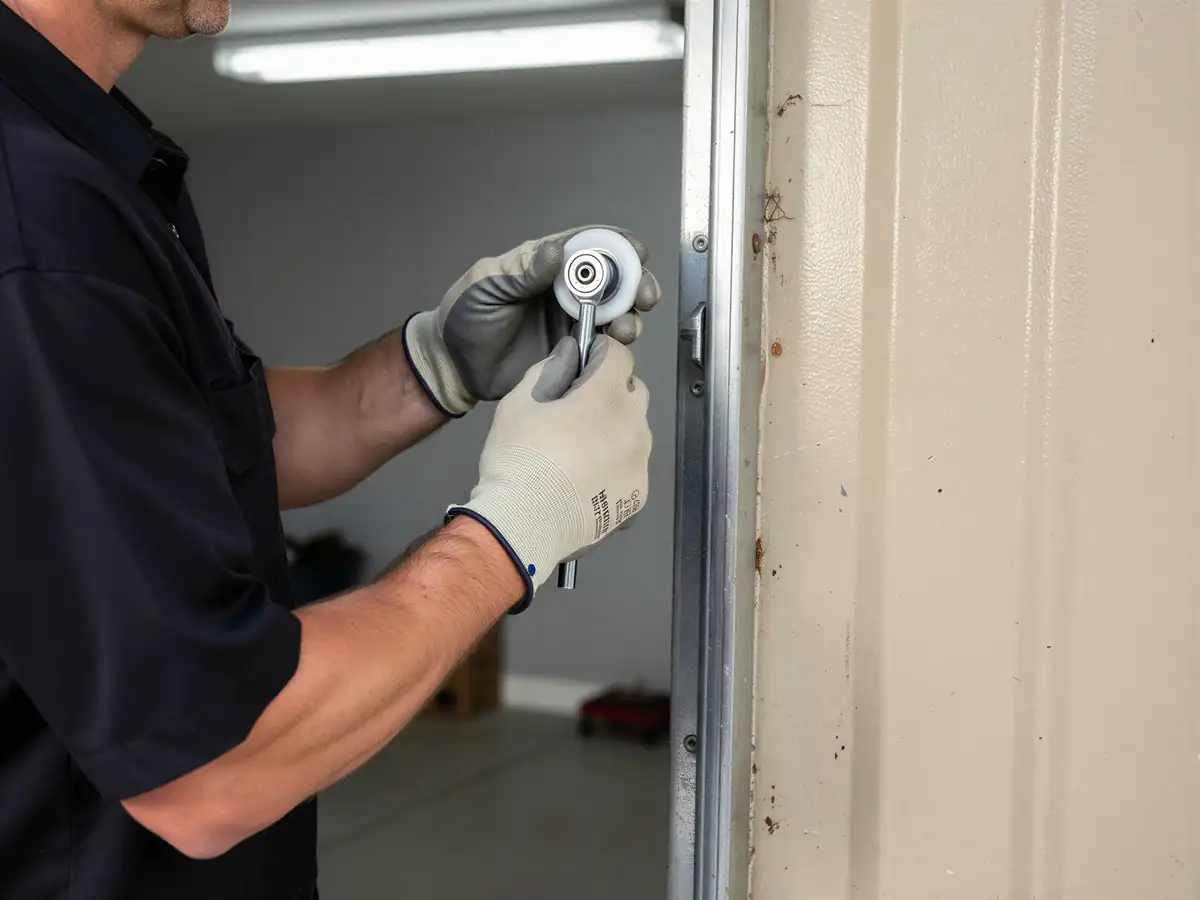
For the torsion spring failures we see most in Granite Bay's 1987-era garages, we stock standard-wind torsion springs in the sizes that match steel sectional doors from that build period, along with galvanized lift cables and nylon rollers that hold up better under sustained heat than the stamped-steel rollers original to those doors.
Here's the honest limit: if your garage carries a custom wood or wood-overlay door - more common in this area given the income profile - the spring sizing can run outside what we carry on the truck. Custom doors are often heavier and non-standard width, which means a spring order instead of a same-visit swap. We'll tell you straight if that's what we're looking at rather than forcing a part that's undersized for the door.
We also carry standard opener drive gears and chain-drive sprockets, since openers installed when these houses were newer are now reaching the point where the internal gear kit is the actual failure, not the motor. Track hardware and standard door springs cover the bulk of calls out this way; it's the oversized custom doors where we sometimes have to come back a second time.
How Long It Takes
Granite Bay sits about 8 miles out from Citrus Heights
So that drive is part of the math on any call, even though it's not a separate branch - one truck, one dispatch point, and the travel gets factored into when we can get there rather than promised as a fixed window.
- 8 miles
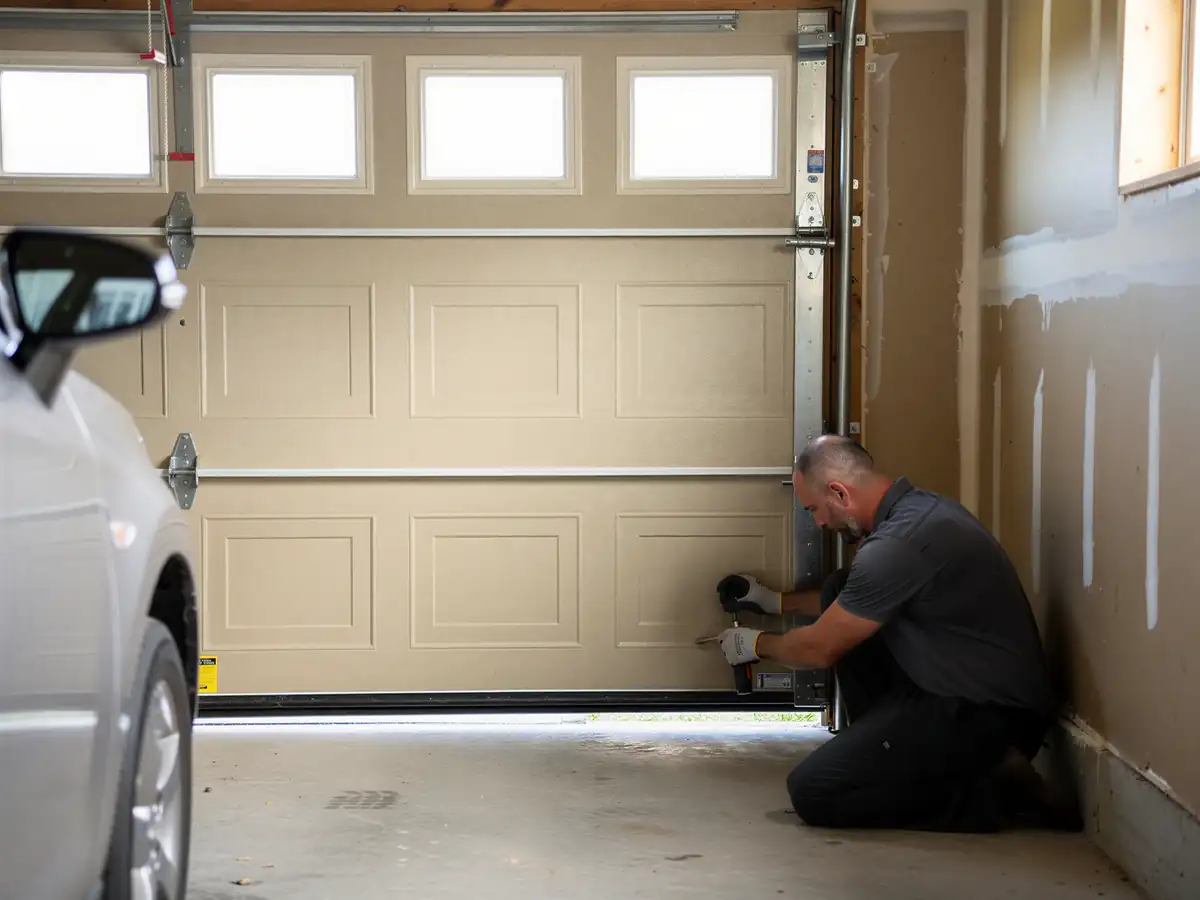
Once on site, a torsion spring swap on a standard steel door is typically the fastest job we do
It's mechanical, it's a known part, and it doesn't involve diagnosing electronics. An opener gear or sensor issue takes longer because we have to isolate whether it's the gear kit, the sensor alignment, or the logic board before we touch anything, and heat-related sensor drift (common here) can look like three different problems before you narrow it down.
Custom or oversized doors add time on both ends
Sourcing the right spring and setting tension correctly on a heavier panel takes more care than a standard door. We'd rather take the extra time on-site than leave a heavy door under-sprung, since that's how cables snap.
The Symptom
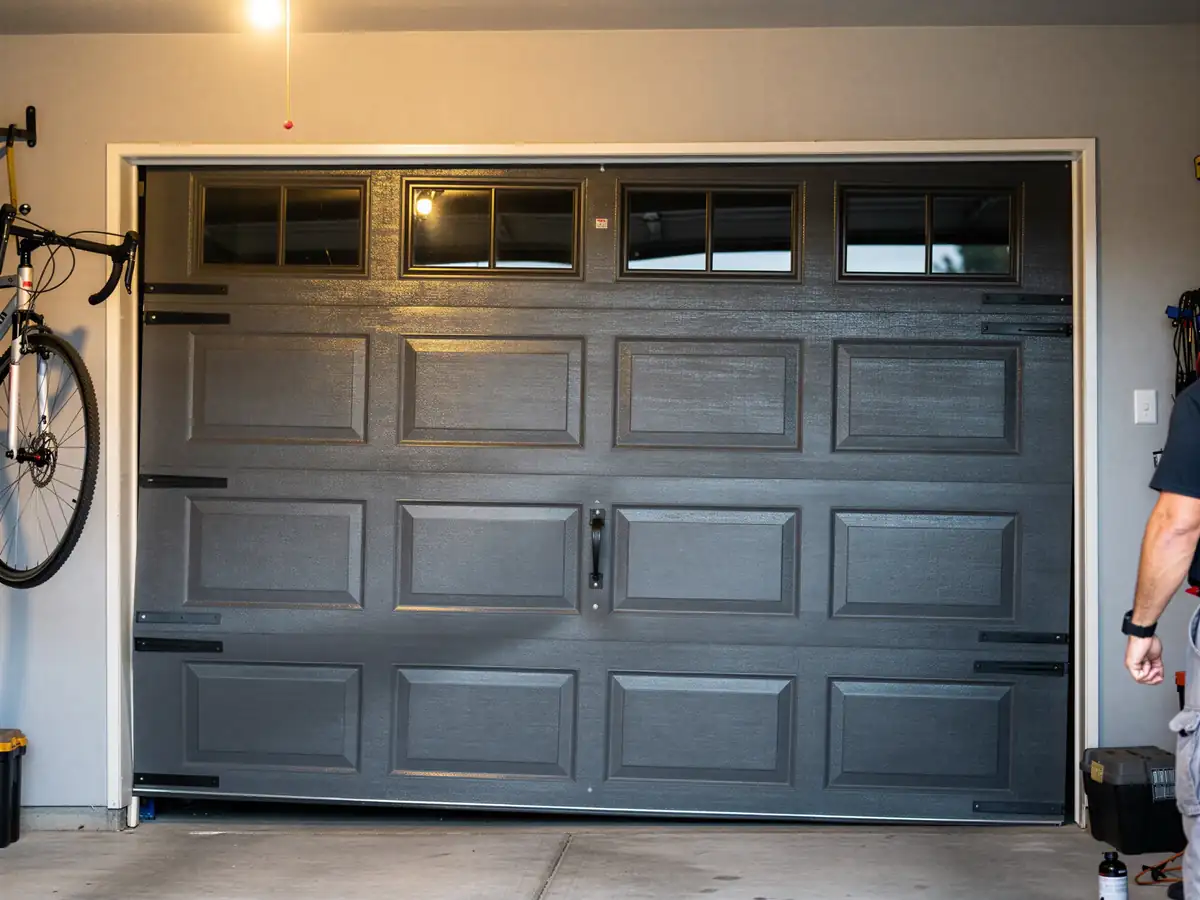
The complaint we hear most from this side of the service area isn't 'the door won't open' - it's 'the door reverses halfway' or 'it works fine in the morning and jams by afternoon.' That's a heat signature. Steel track expands slightly as temperatures climb through a summer afternoon, and on doors with rollers that are original to a 1980s install, that expansion is enough to bind the roller against the track just enough to trip the opener's force sensor.
A second version of the same symptom: the safety sensors near the bottom of the track start throwing false stops in the hottest part of the day, then work again once things cool off. Owners often assume it's the opener unit itself, but it's frequently just heat-shimmer interference or a sensor bracket that's shifted slightly out of true alignment - something that happens gradually over years on original hardware.
The spring failure itself tends to announce itself differently: a loud bang from the garage, then a door that won't lift at all, or lifts a few inches and stops. That's not a track problem - that's the torsion spring letting go, and it's not safe to force the door further by hand.
Getting It Booked In
If you're in Granite Bay and dealing with a door that won't move, reversing partway, or an opener that only fails in the afternoon heat, the fastest way to get it looked at is to call and describe exactly what you're seeing - loud bang versus no bang, morning versus afternoon, standard door versus a heavier custom one. That tells us what to load on the truck before we leave Citrus Heights.
We don't keep a separate crew or inventory in Granite Bay itself; every job out this way is dispatched from Citrus Heights, which is part of why the symptom details help us show up with the right spring the first time instead of a second trip. For standard steel doors we usually have what we need on hand. For custom or oversized wood doors, flag that up front so we can check stock before the drive.
You can see the general range of what we handle in this area on our page for Granite Bay garage doors, or read more about how we run emergency calls out of Citrus Heights on our main emergency repair page.