Why This Fails Locally
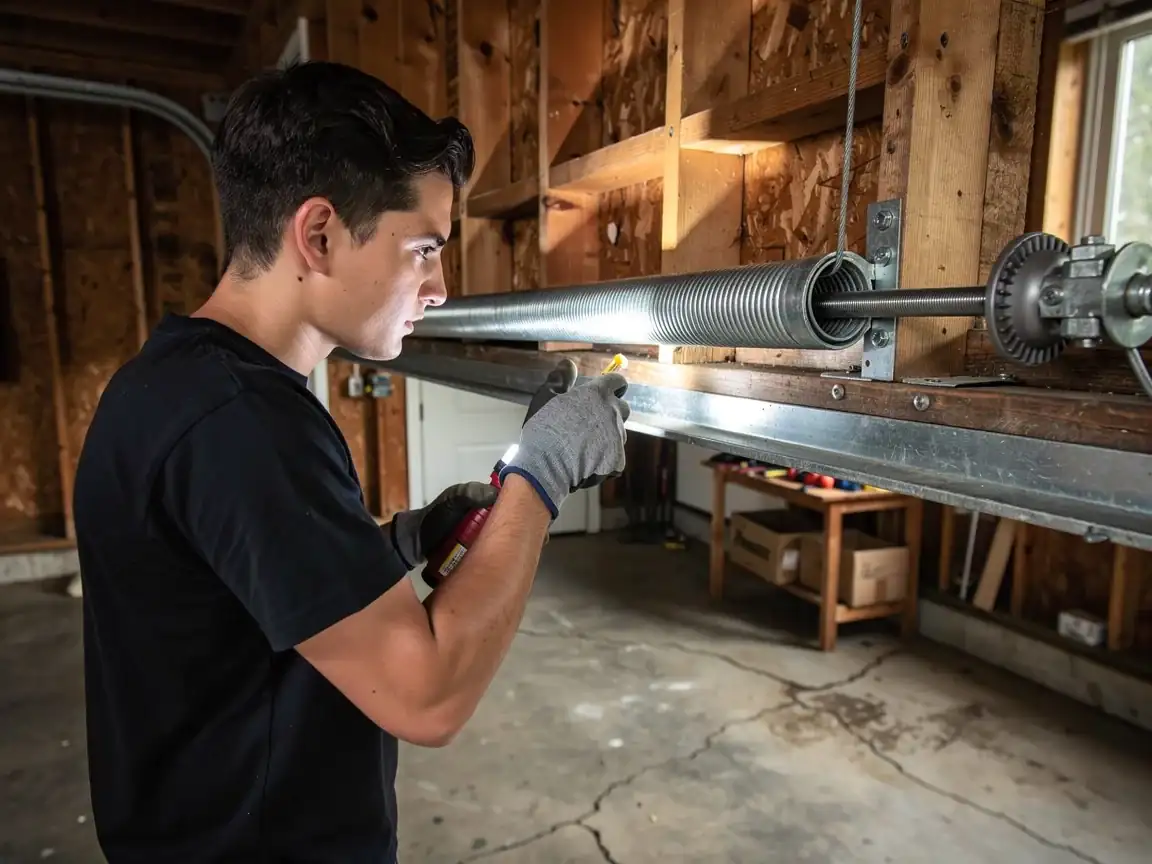
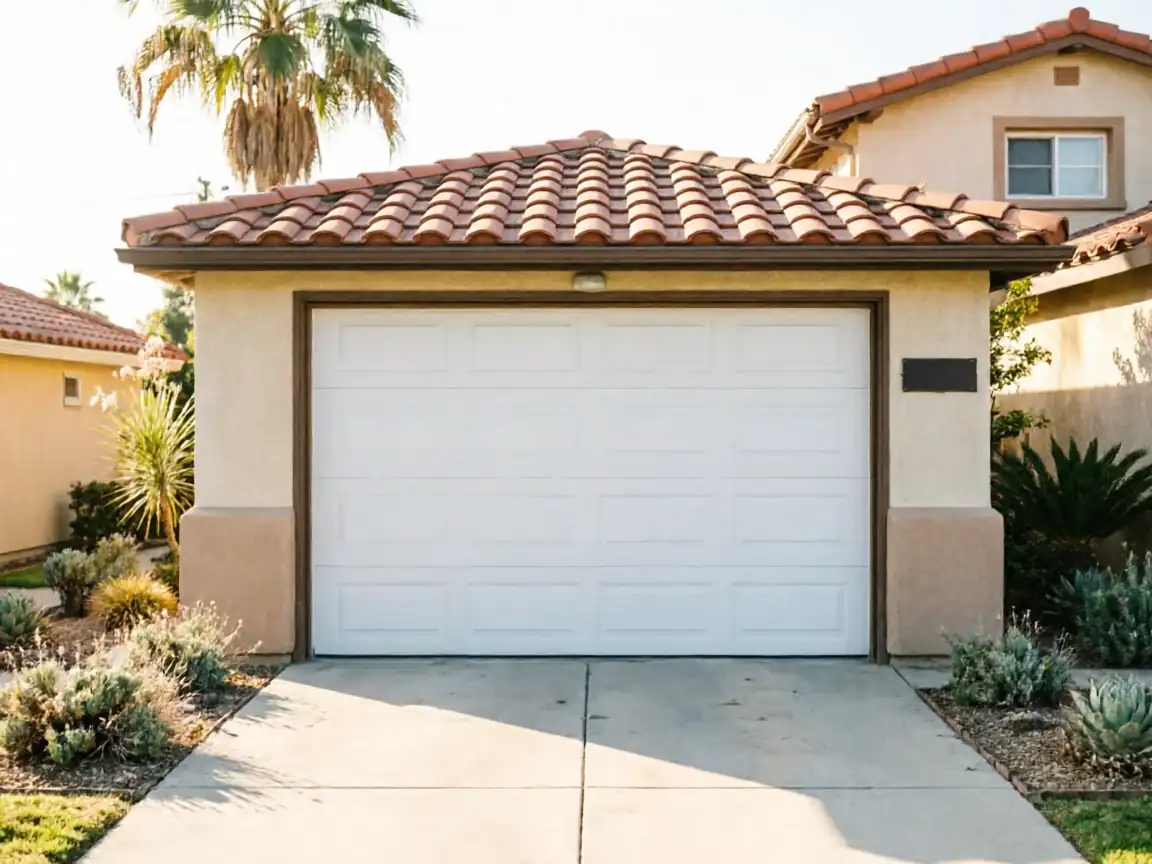
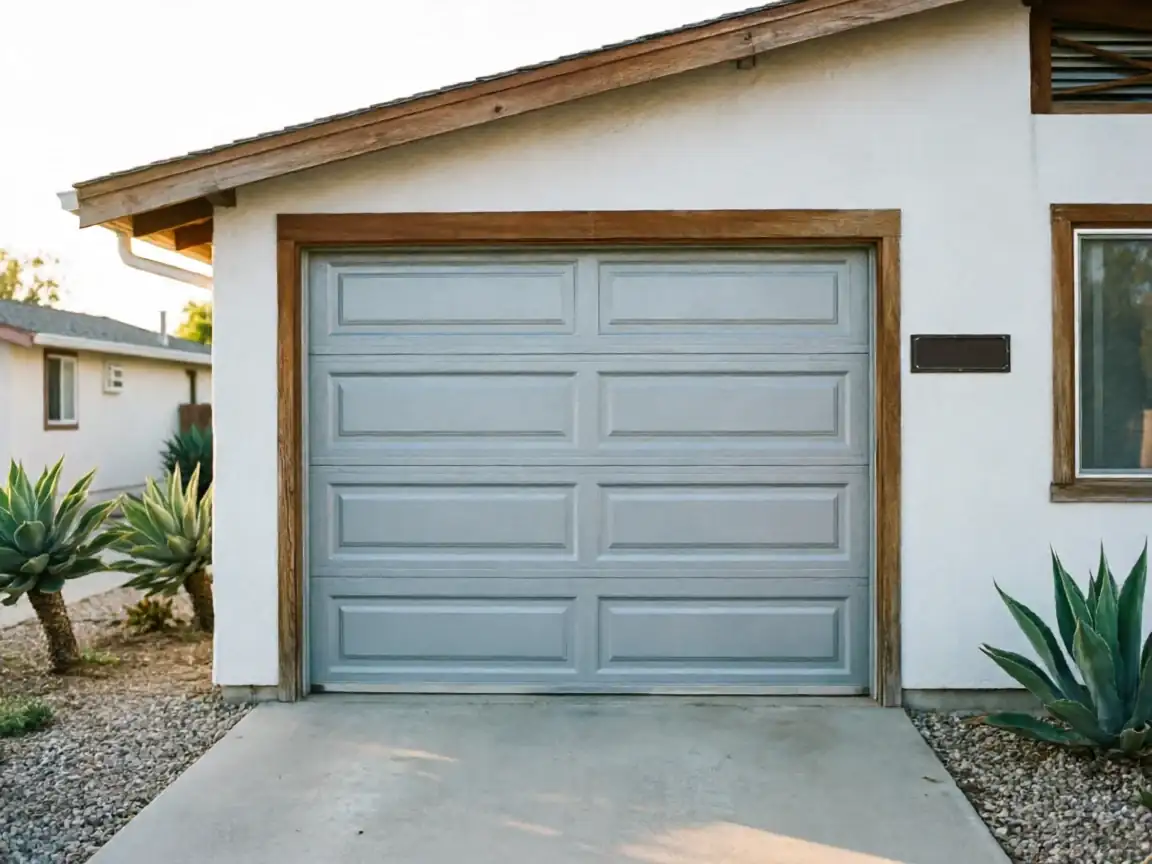
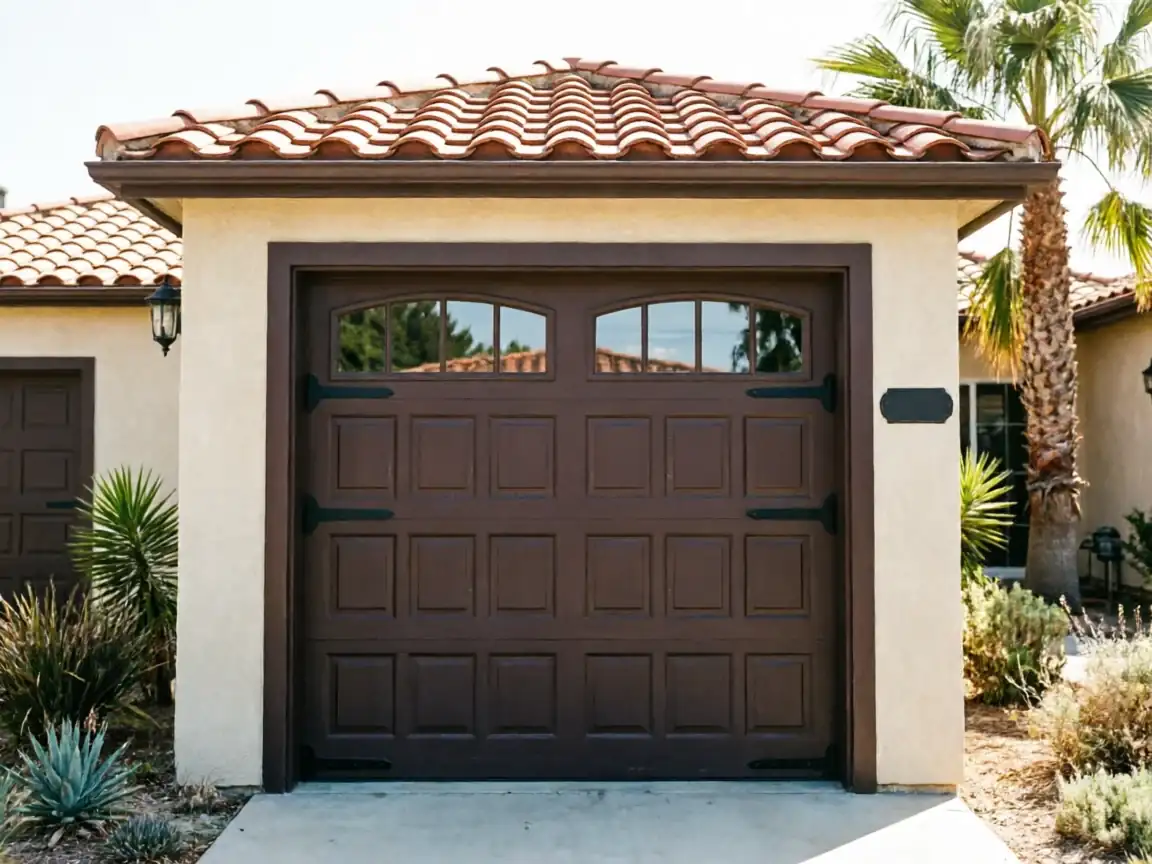
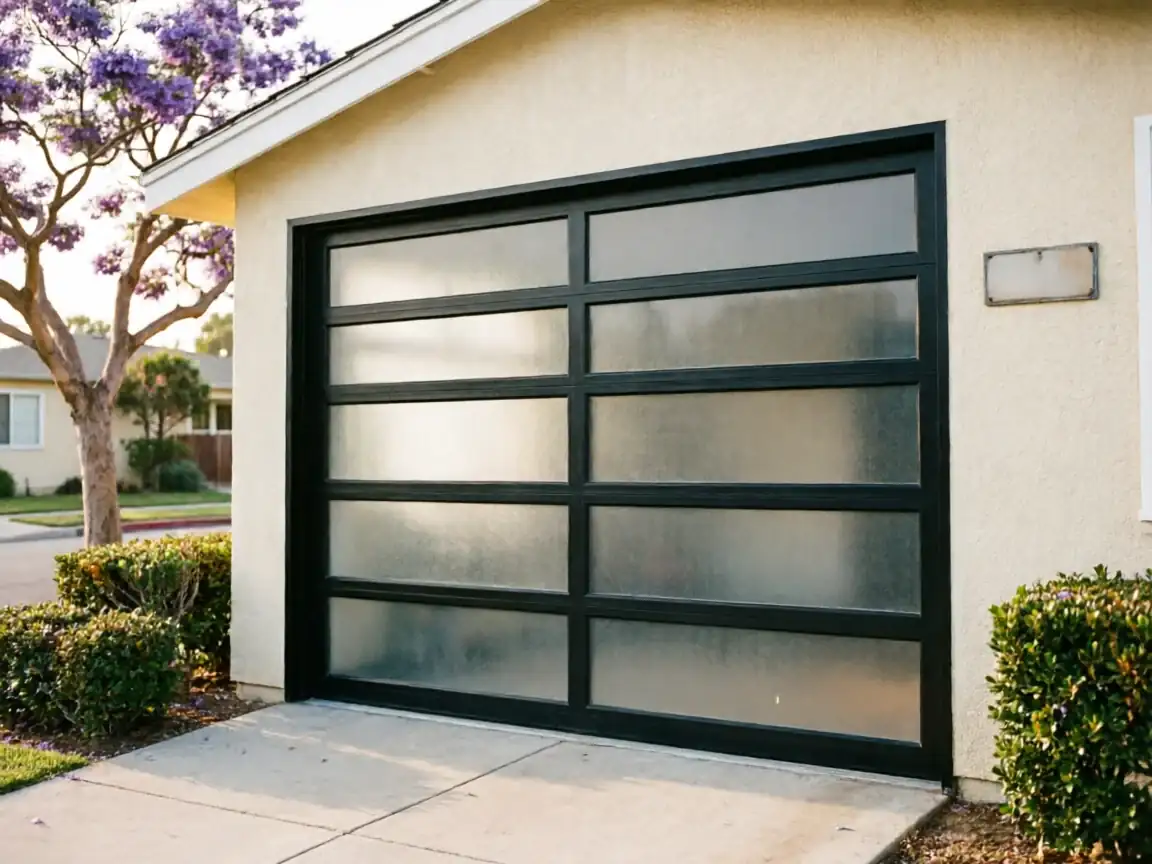
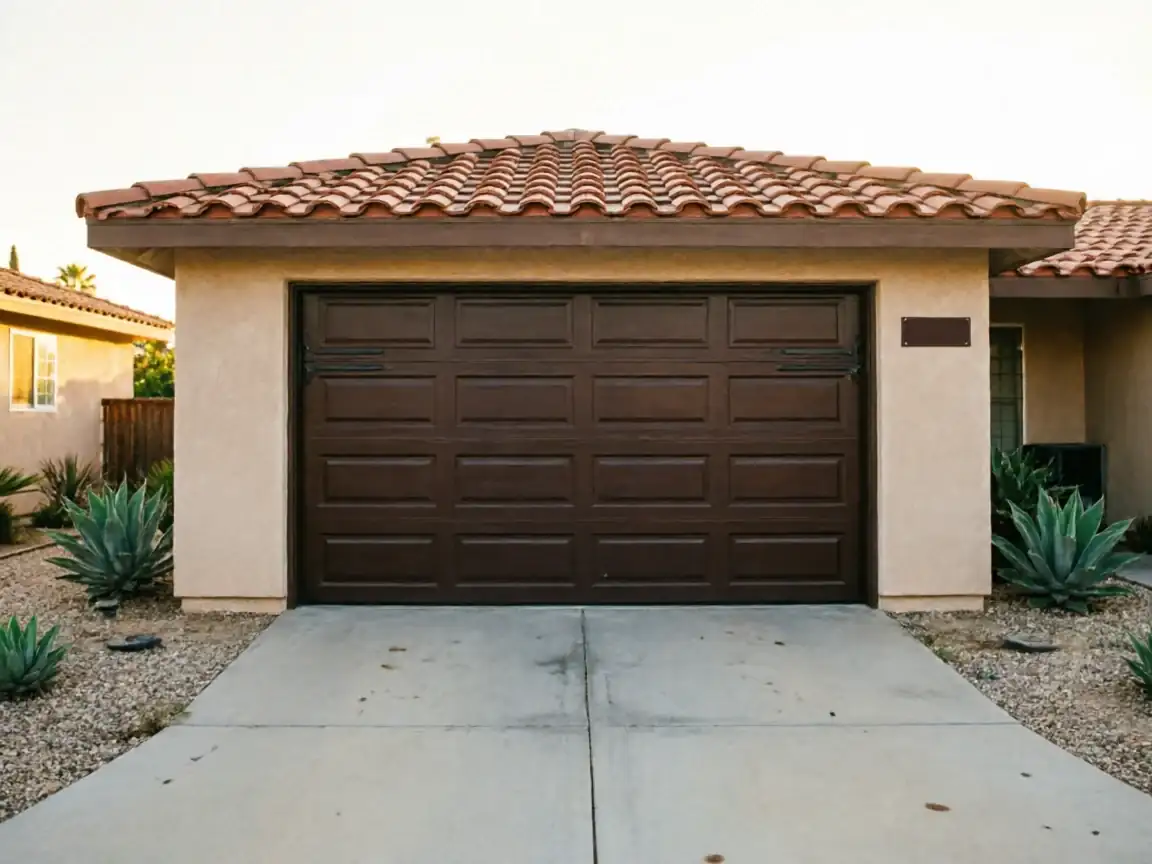
Granite Bay's housing stock centers on 1987, newer and larger than the service area's overall median of 1981. That matters for roller wear because doors from this era in a higher-income subdivision tend to be wider and heavier than the standard single-car doors built a decade earlier elsewhere in the area - two-car and oversized single doors were common on the bigger lots here, and a heavier door puts more load on every roller stem with each cycle. The original steel rollers on galvanized track were built for that load, but after three and a half decades of summer heat, the bearings dry out and the wheel starts riding the track edge instead of the center groove. You hear it before you see it. Combine that extra door weight with the area's severe summer heat, which dries out lubricant and hardens whatever grease is left in the roller stem, and the result is rollers that bind, chatter, or shear off the stem years before a lighter door's would. This isn't a Citrus Heights problem translated here - it's what happens when a heavier, late-80s door sits through enough 100-degree summers on its original hardware.
Parts We Carry
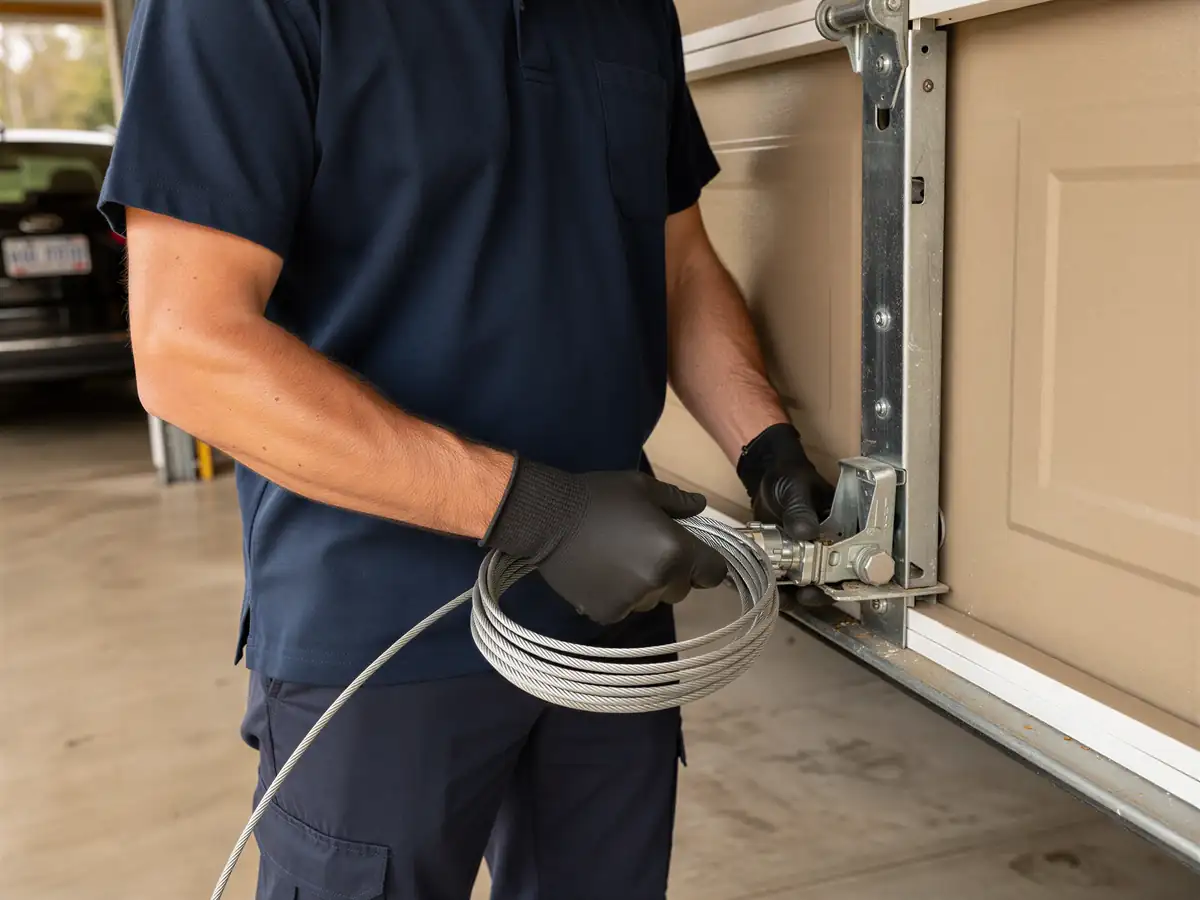
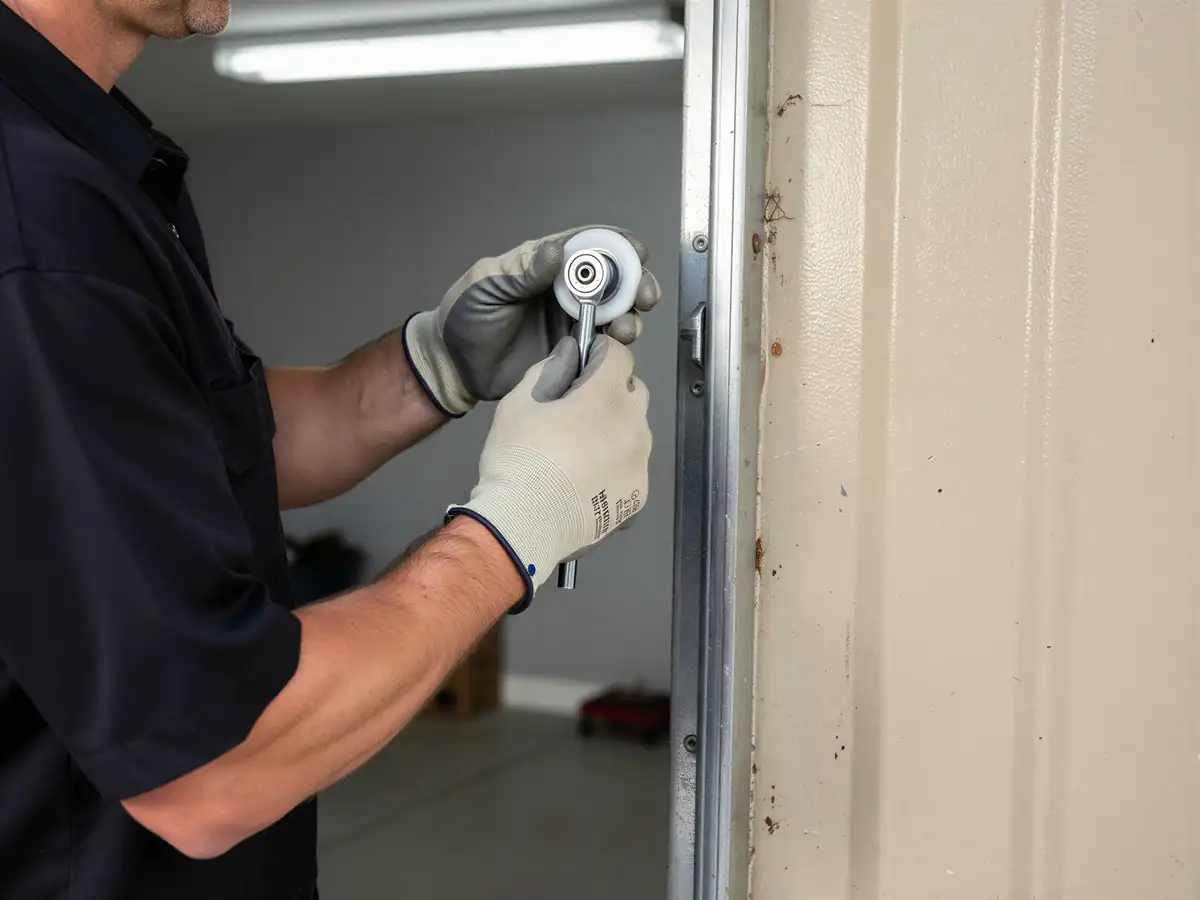
We stock both steel and nylon rollers, in the stem lengths and wheel sizes that fit sectional doors from the 1980s and 90s, which covers most of what's installed in this area. Steel rollers are the original-equipment match for a lot of these doors and they're the cheaper fix if your track is in good shape. Nylon rollers run quieter and don't need the periodic lubrication steel does, which is the upgrade most owners ask for once we're already out and the door is apart. What we don't carry on the truck: rollers for commercial-grade or custom oversized doors outside standard sectional sizing - if a door turns out to need something non-standard, we'll tell you before we start, not after you're billed for a trip.
The Symptom
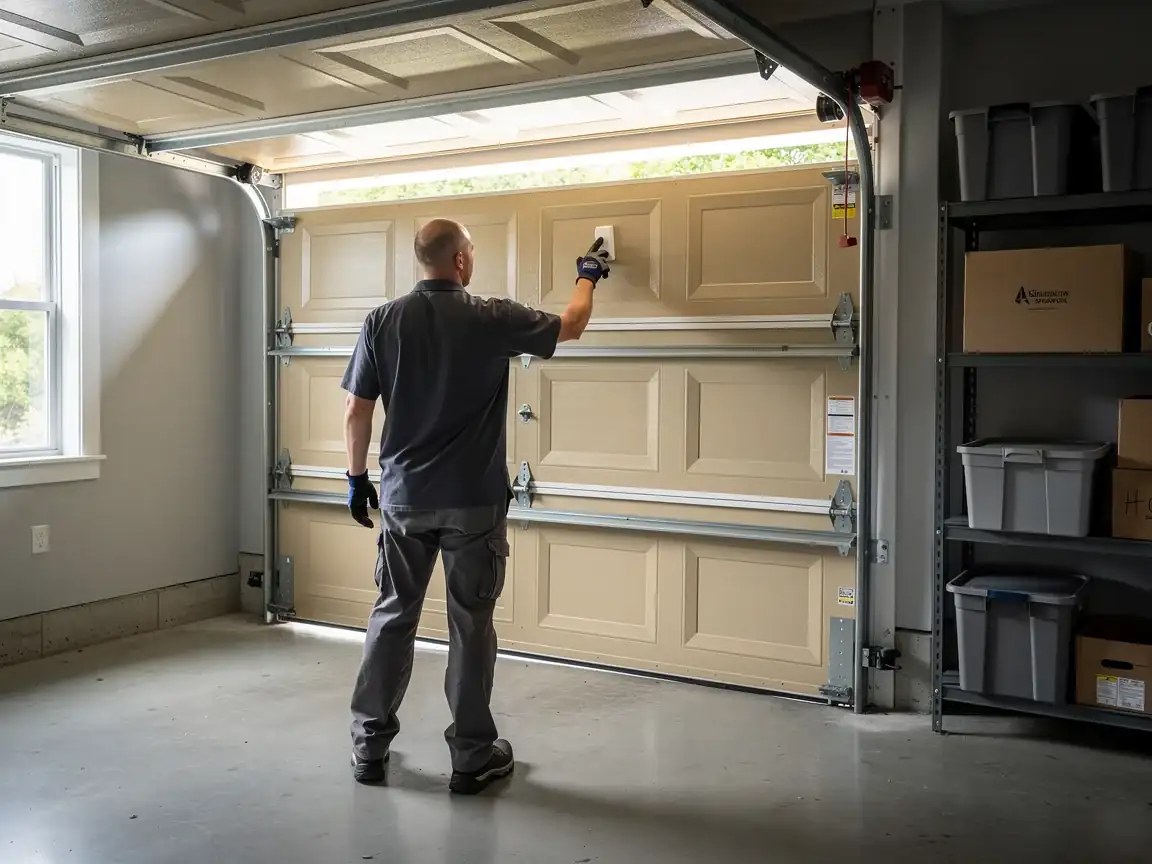
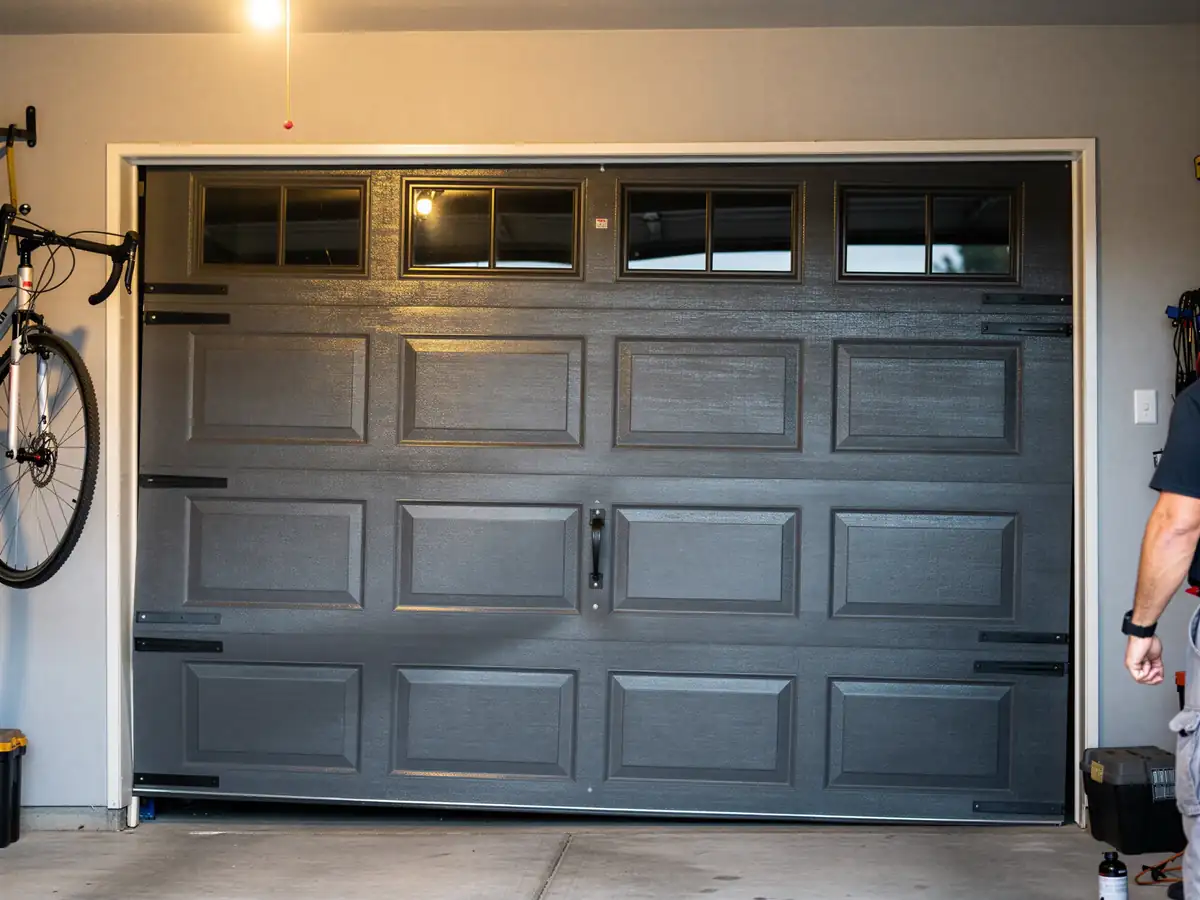
The giveaway is a rhythmic grinding or popping sound as the door moves, usually worse on the last few feet before it's fully open or closed - that's the worn roller catching the point in the track where the curve starts. Some owners notice the door shuddering or jerking instead of a smooth glide, especially on wider two-car doors where uneven roller wear puts the whole panel out of square as it travels. If you're hearing a scrape that gets louder, that's metal on metal where a roller bearing has already failed and the stem is dragging. Left alone, a dragging roller can pull a track bracket loose or crack a panel edge, turning a $20-a-roller fix into a track and panel repair.
Getting It Booked In
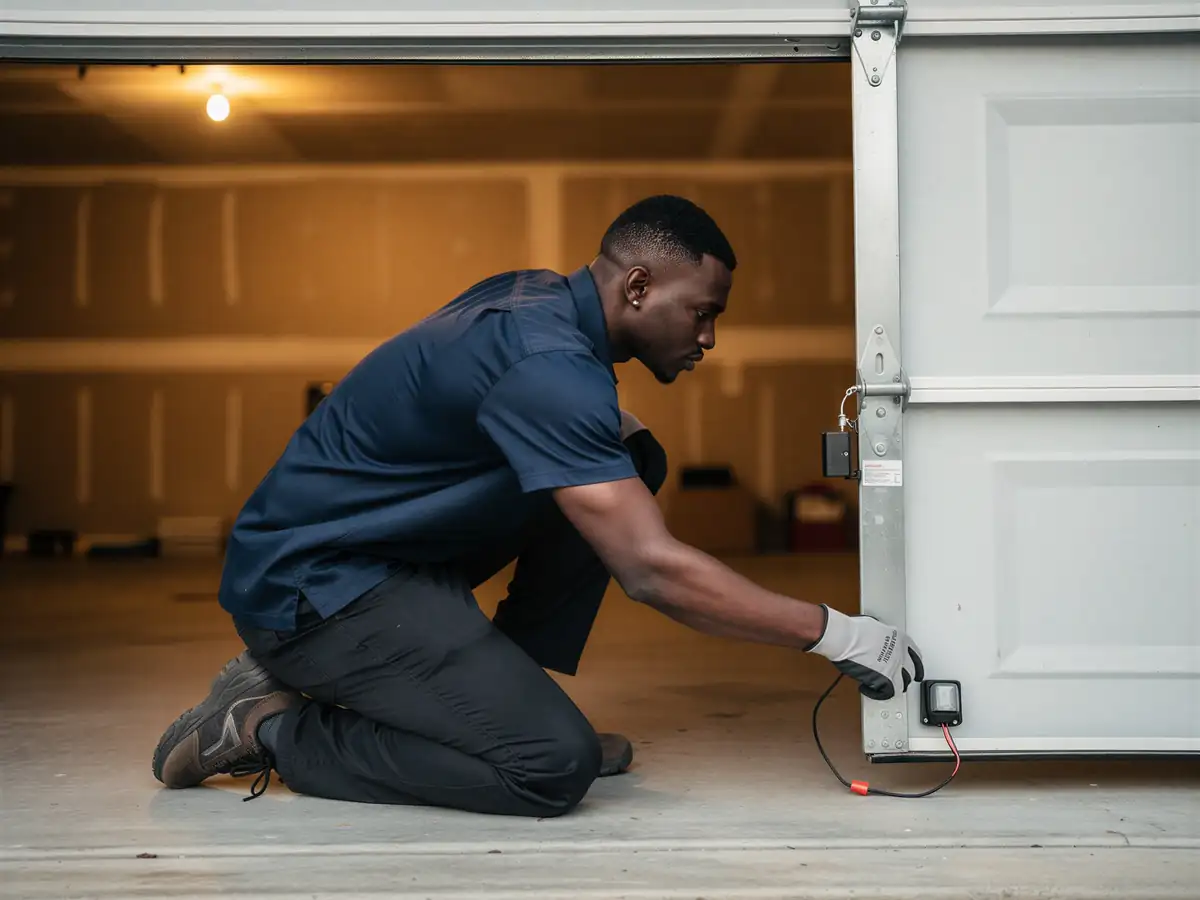
We run this job out of Citrus Heights, about 8 miles from Granite Bay, so booking a roller replacement here means scheduling ahead rather than a same-hour drop-in. Tell us the door size and roughly how old it is when you call, and whether it's grinding, jerking, or already stuck - that tells us whether to bring a straightening bar for the track or just the rollers. See our full rundown of what we do across Granite Bay, or check the roller job details on our Citrus Heights page if you want the base pricing before you call.