Why This Fails Locally
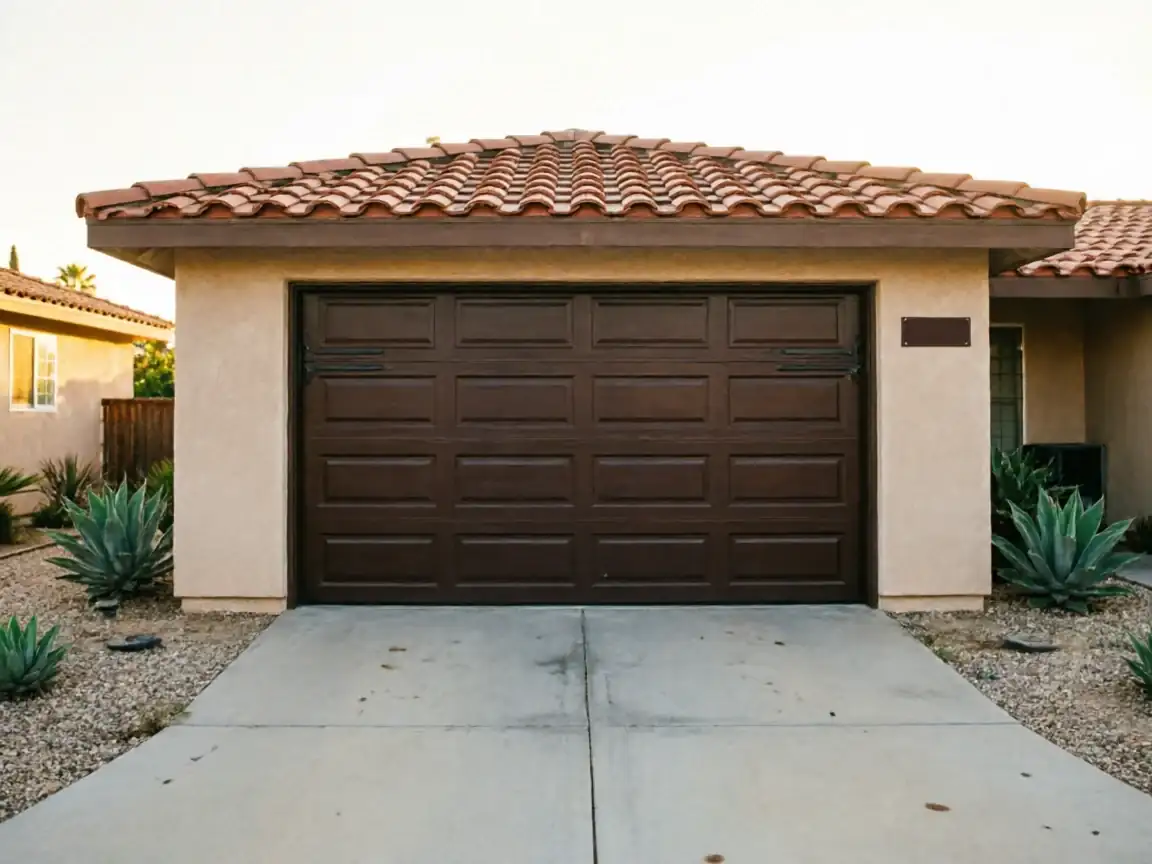
The complaint we hear most from Granite Bay is a door that's gotten loud, or one that hesitates halfway up before finishing the climb. That's not random wear. It's a torsion spring or a set of rollers reaching the end of a cycle count that's been ticking down since the house was built - and most houses out here were built close to 1987, which puts the original hardware at an age where galvanized coatings have thinned and lubricant has cooked out of the moving parts.
Granite Bay's housing sits a little newer than the broader service area, where stock runs from 1962 to 2004 with a median around 1981. That six-year gap matters less than you'd think, because the failure mode is the same: steel springs rated for a fixed number of open-close cycles, installed once, never swapped, now carrying a door that's been used daily for over three decades. Add in a climate zone rated for severe heat, and the thermal expansion and contraction on tracks and springs accelerates that fatigue instead of slowing it down. A door that looks fine in January can bind or snap by August.
Parts We Carry
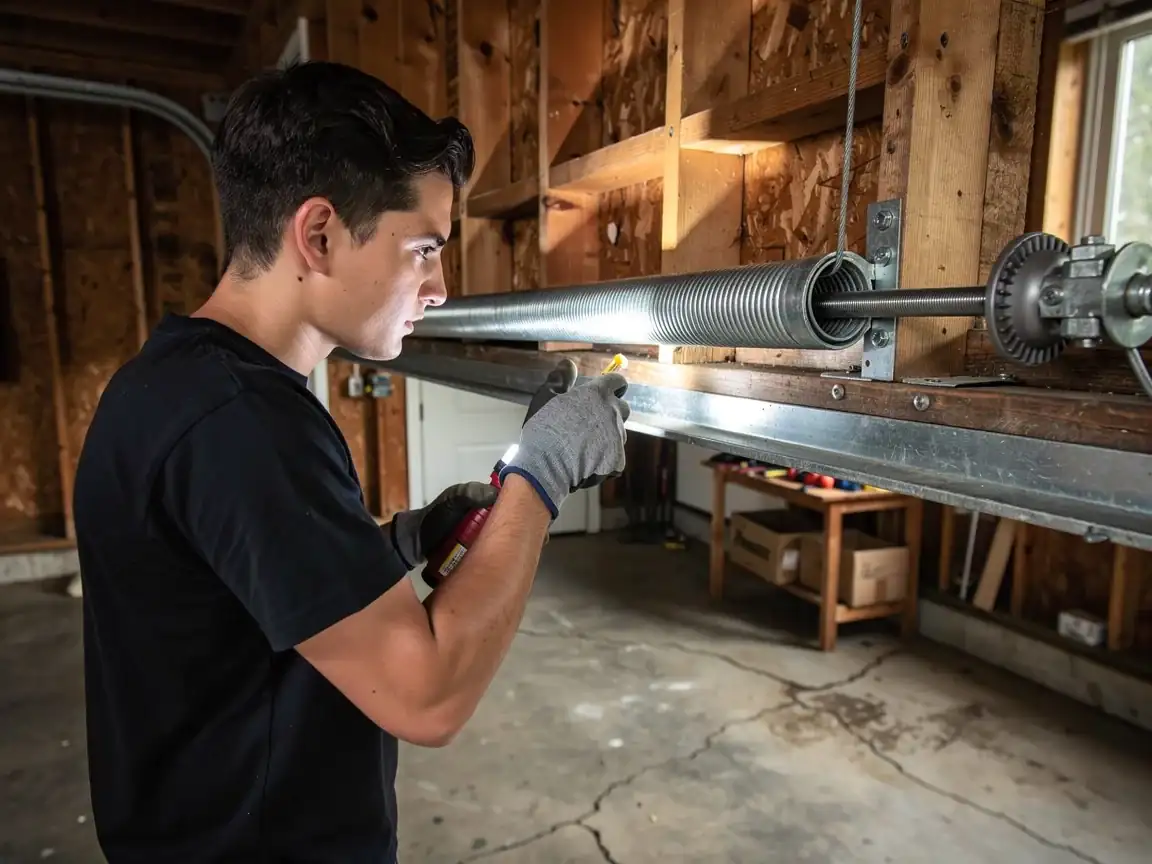
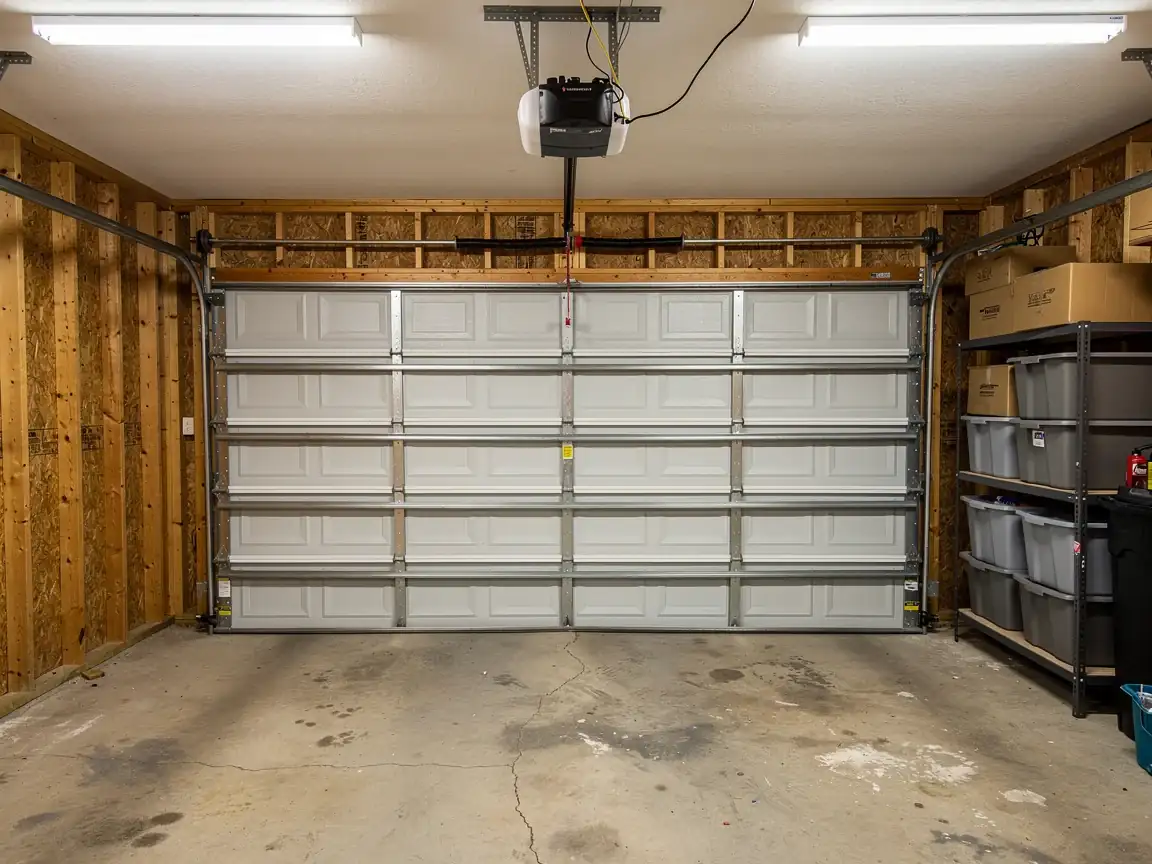
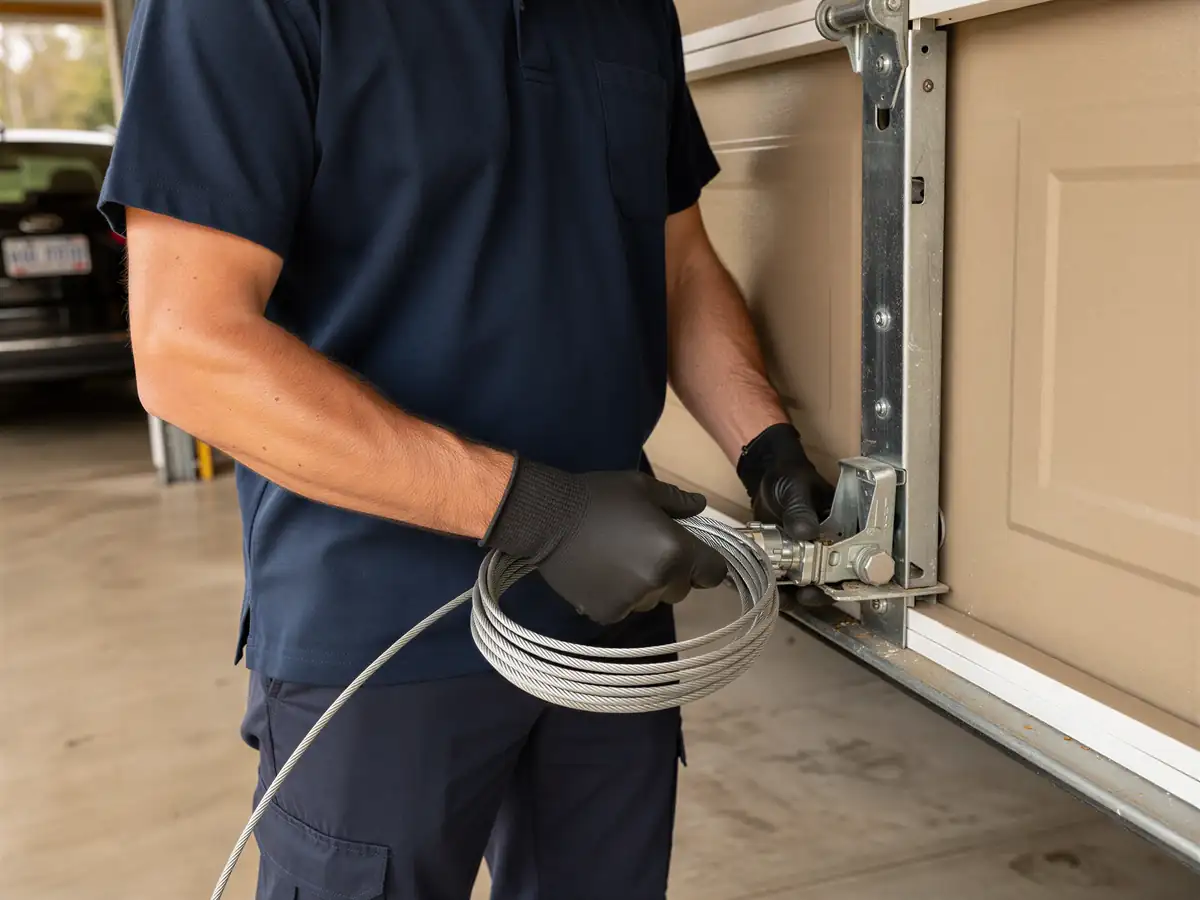
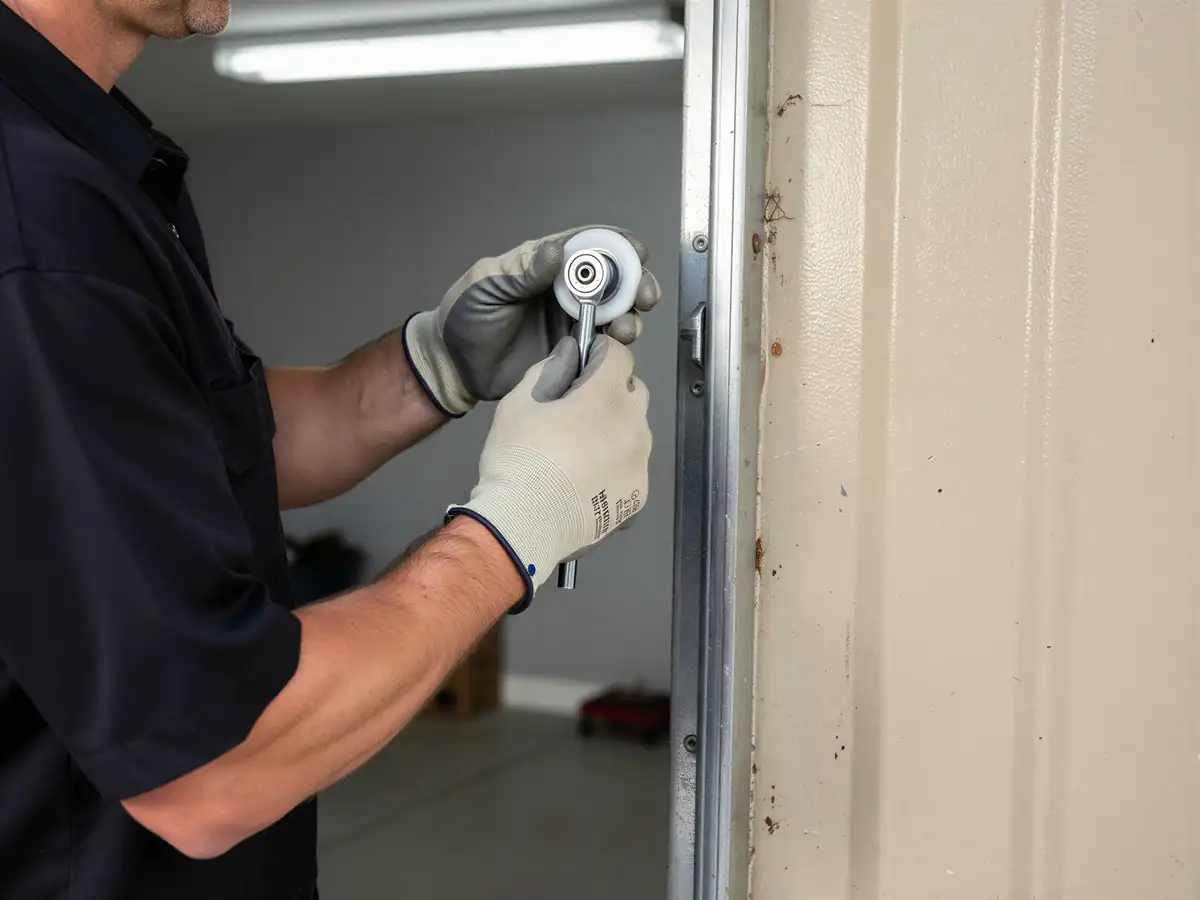
For the mid-80s-to-90s build era that dominates Granite Bay, the parts that wear out first are torsion springs sized for steel sectional doors, nylon rollers that've gone brittle from heat cycling, and the galvanized lift cables that fray where they wrap the drum. We stock standard torsion spring sizes and ball-bearing roller sets that fit the sectional steel doors common to this stock, along with hinges and center bearings for the same generation of hardware.
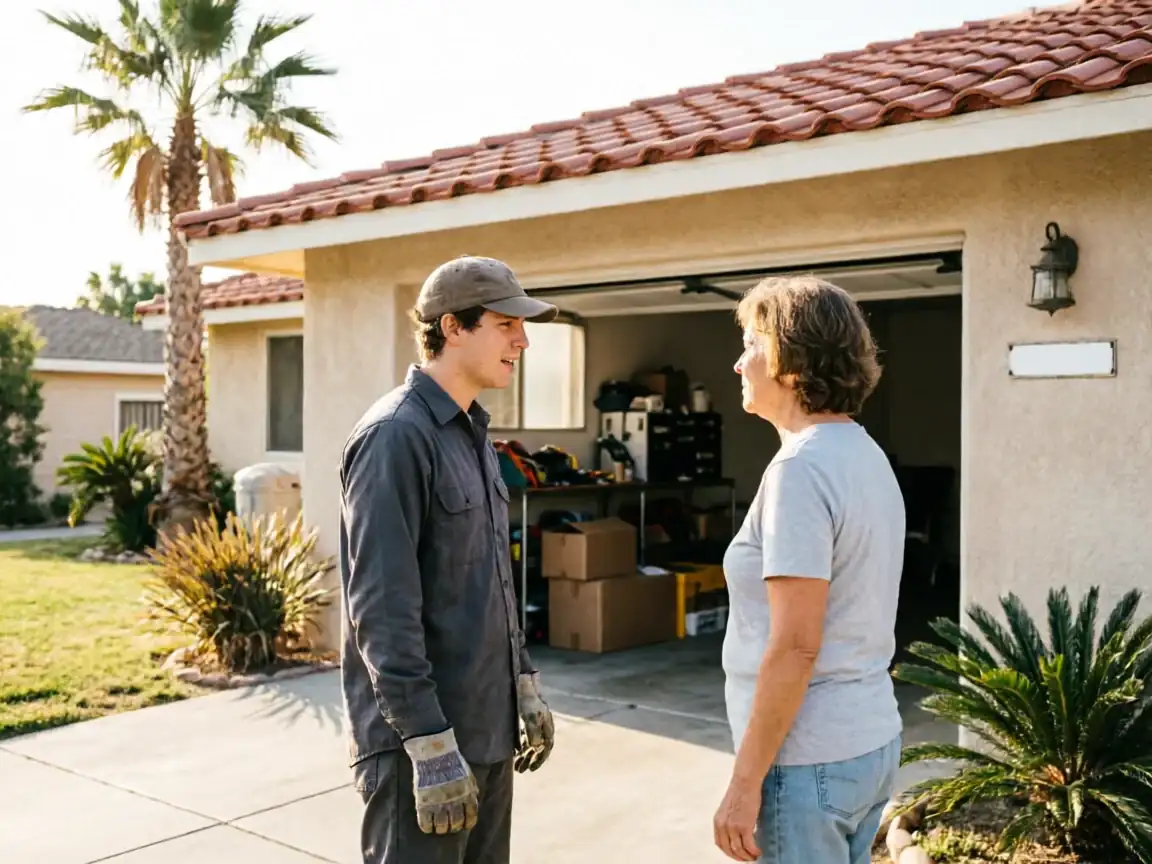
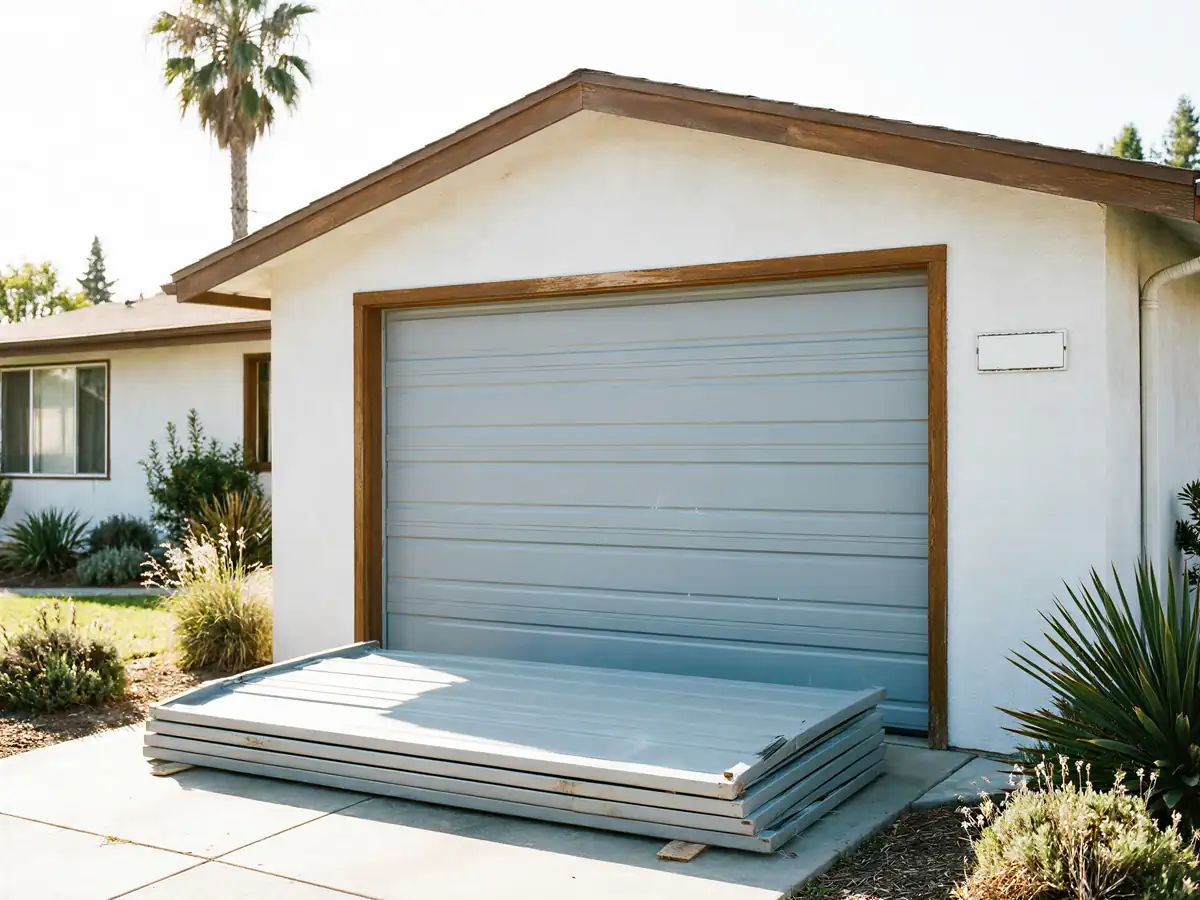
What we don't carry on the truck is anything custom - a door with a non-standard track radius or an opener from a long-discontinued line sometimes needs a part ordered in, and we'll tell you that up front rather than guess at a fix. If your door's original panel is still intact but the moving hardware around it has failed, replacing the hardware usually makes more sense than replacing the whole door, and that's the call we'll walk you through on-site.
How Long It Takes
A standard maintenance visit
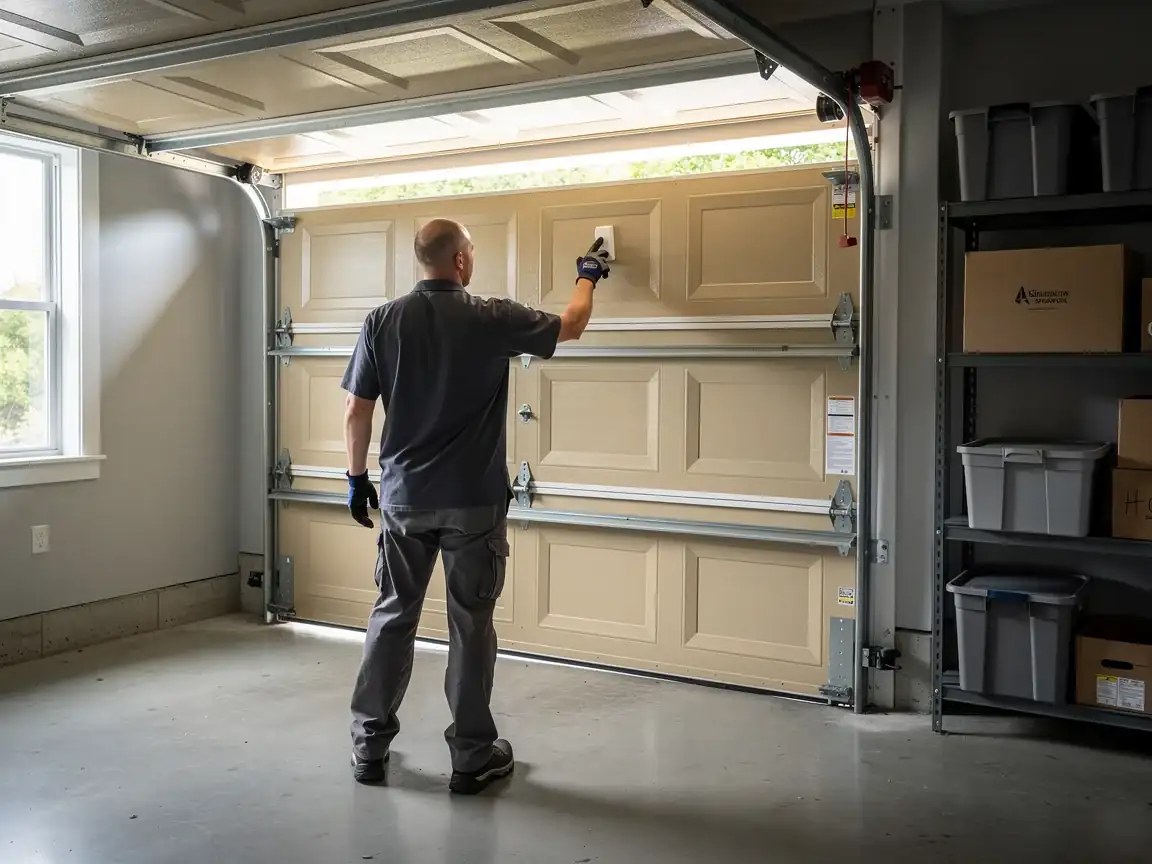
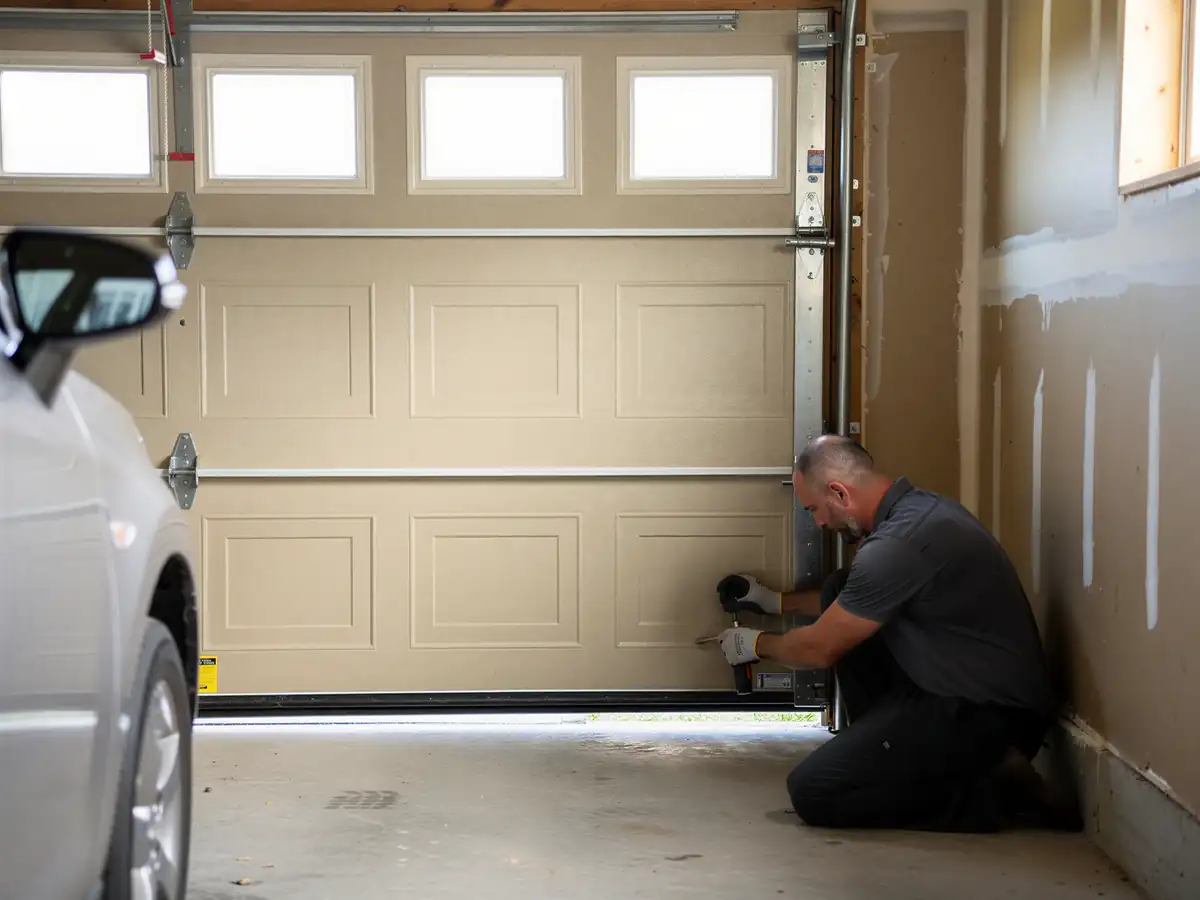
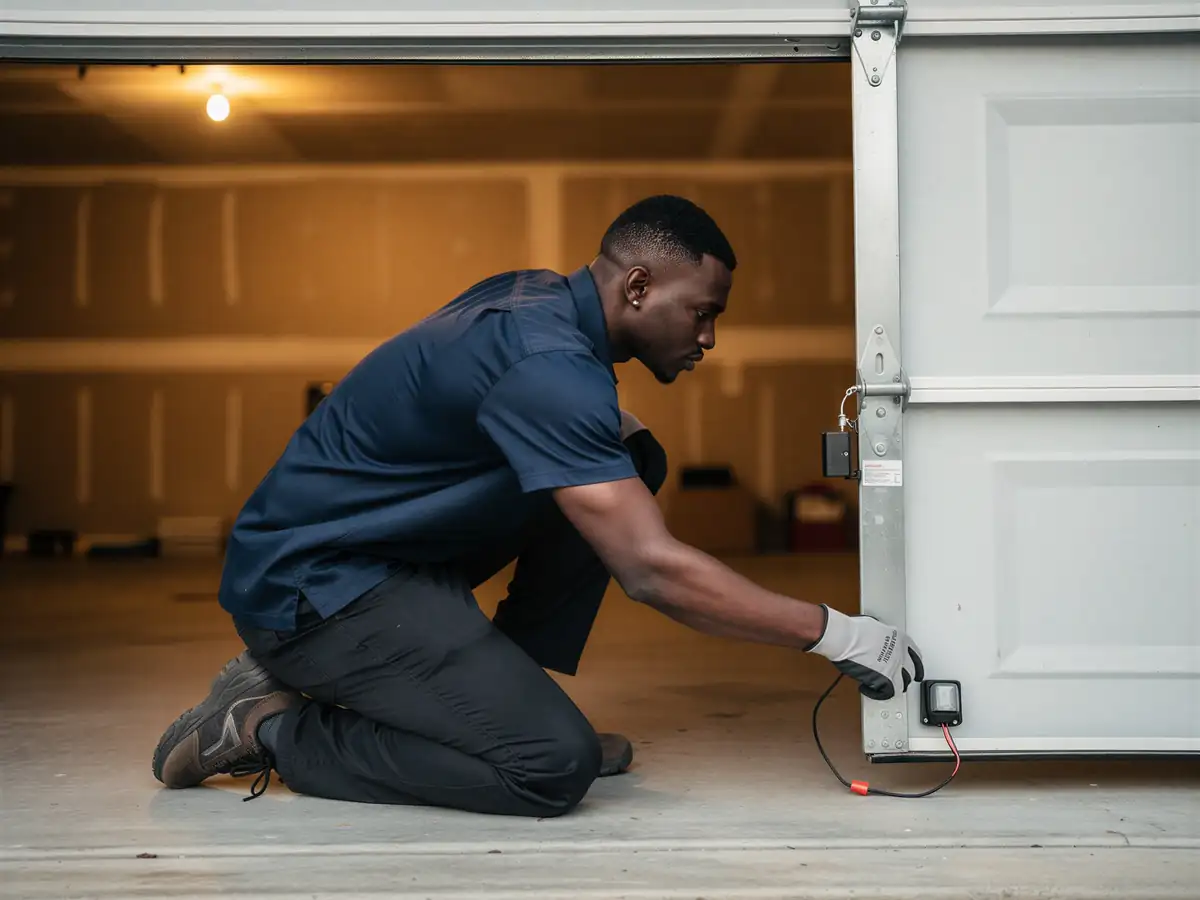
Spring tension check, roller and hinge inspection, track alignment, cable wear check, lubrication, opener force and reversal test - runs about 45 minutes to an hour on a single door, longer on a double or if we find something that needs parts swapped same-visit. If a torsion spring is already showing flat spots or rust-through, that's usually caught and handled in the same appointment rather than requiring a second trip.
- 45 minutes
We don't promise a same-day slot for every Granite Bay call
Since we're routing out from Citrus Heights and Granite Bay isn't the closest stop on that route. What we can tell you is that the inspection itself is quick - it's scheduling the drive, not the work, that sets the timeline.
The Symptom
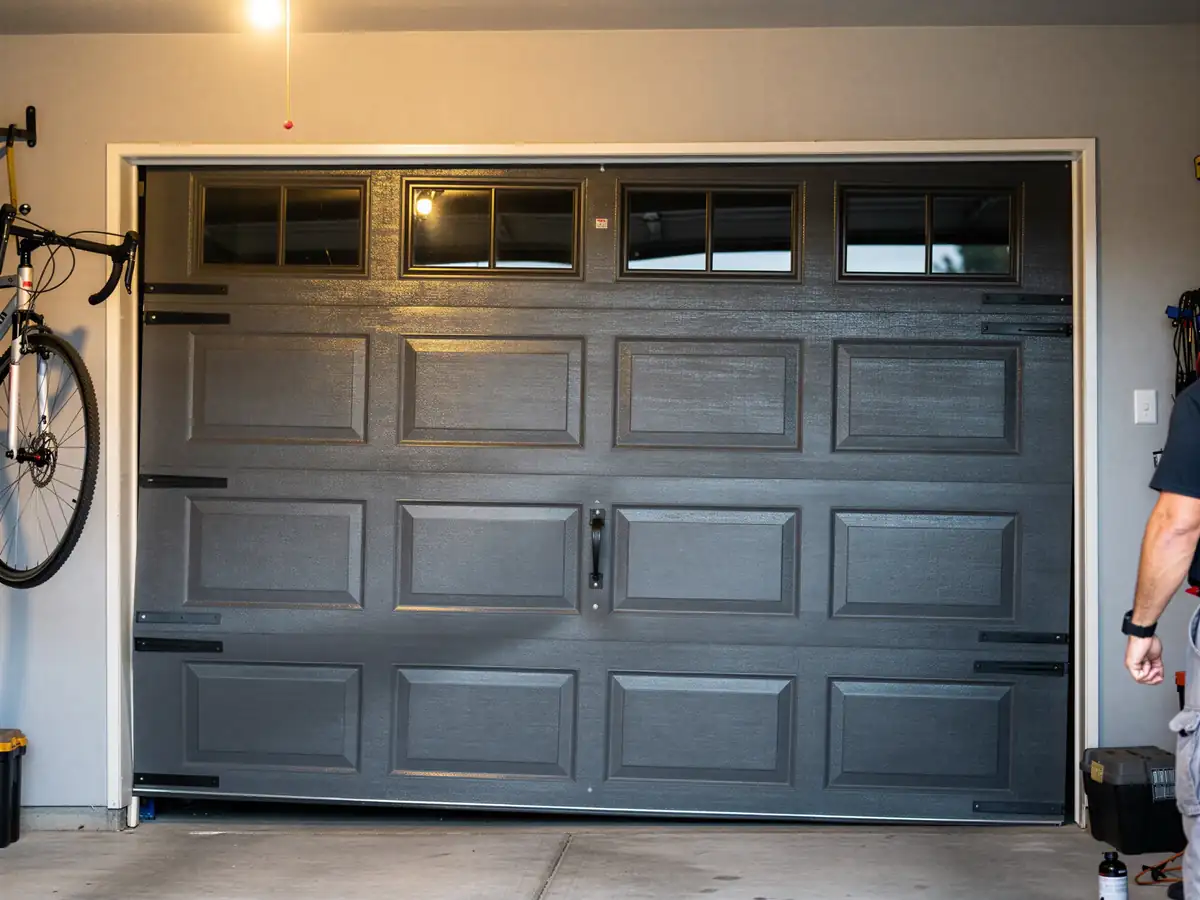
The specific thing to listen for in a 1980s-era door under steady heat exposure is a grinding or popping sound right as the door starts to lift, followed by it slowing noticeably partway up. That's consistent with a torsion spring that's lost tension or rollers that have hardened and started binding in the track - both common on original hardware that's never had a tension adjustment since installation.
A second pattern worth flagging: an opener that reverses the door on its way down without anything in the way. On older units this is often a force-setting drift rather than a sensor fault, something heat cycling makes worse over the years as the opener's gears and limit switches wear unevenly. Either symptom is worth a maintenance check before it turns into a stuck door or a snapped cable.
Getting It Booked In
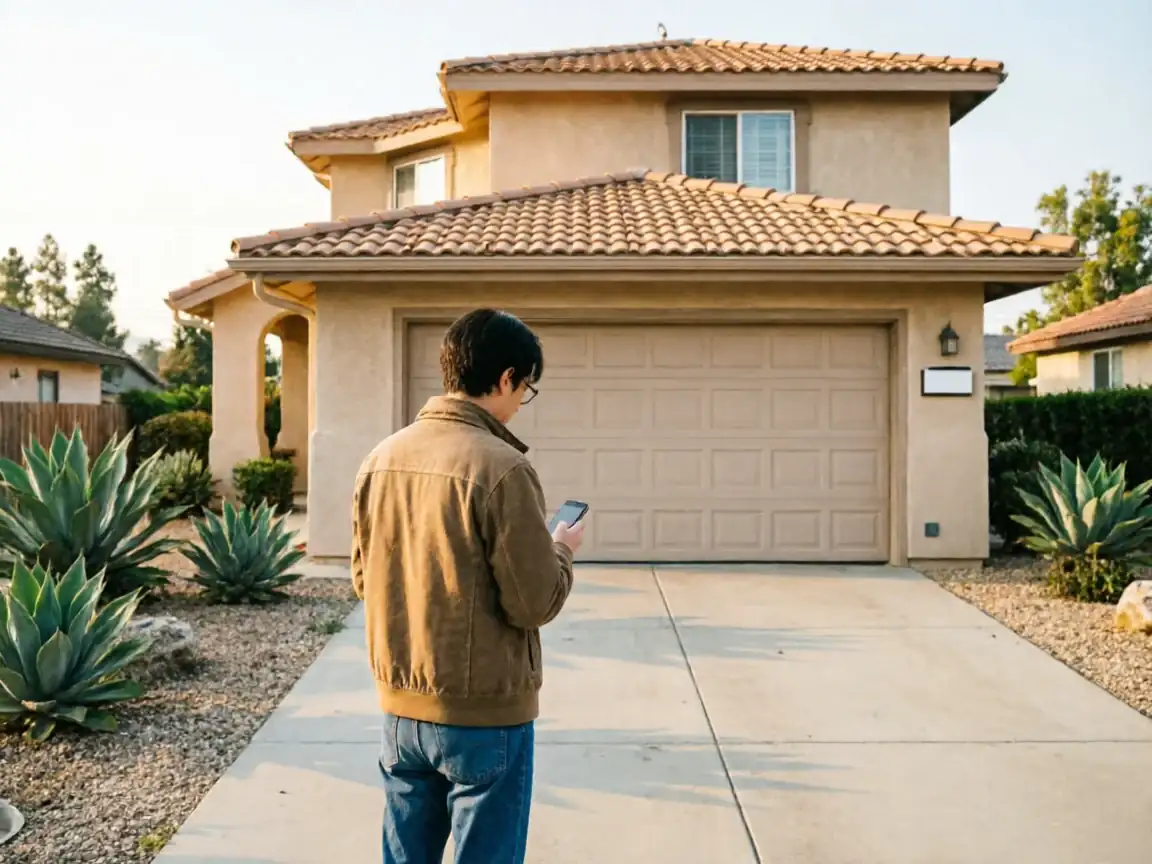
We cover Granite Bay from our base in Citrus Heights, about 8 miles out, as part of a route that also runs through Fair Oaks, Orangevale, and the rest of the service area. Booking a maintenance visit here works the same as anywhere else on that route - we schedule around the drive, not around a local branch, because there isn't one.
If you're not sure whether what you're hearing is a maintenance fix or something bigger, describe the sound and when it happens - on the way up, on the way down, only in the heat of the afternoon - and that's usually enough to tell us what to bring on the truck. For the broader list of what we handle beyond maintenance, see our main Citrus Heights page.