Parts We Carry
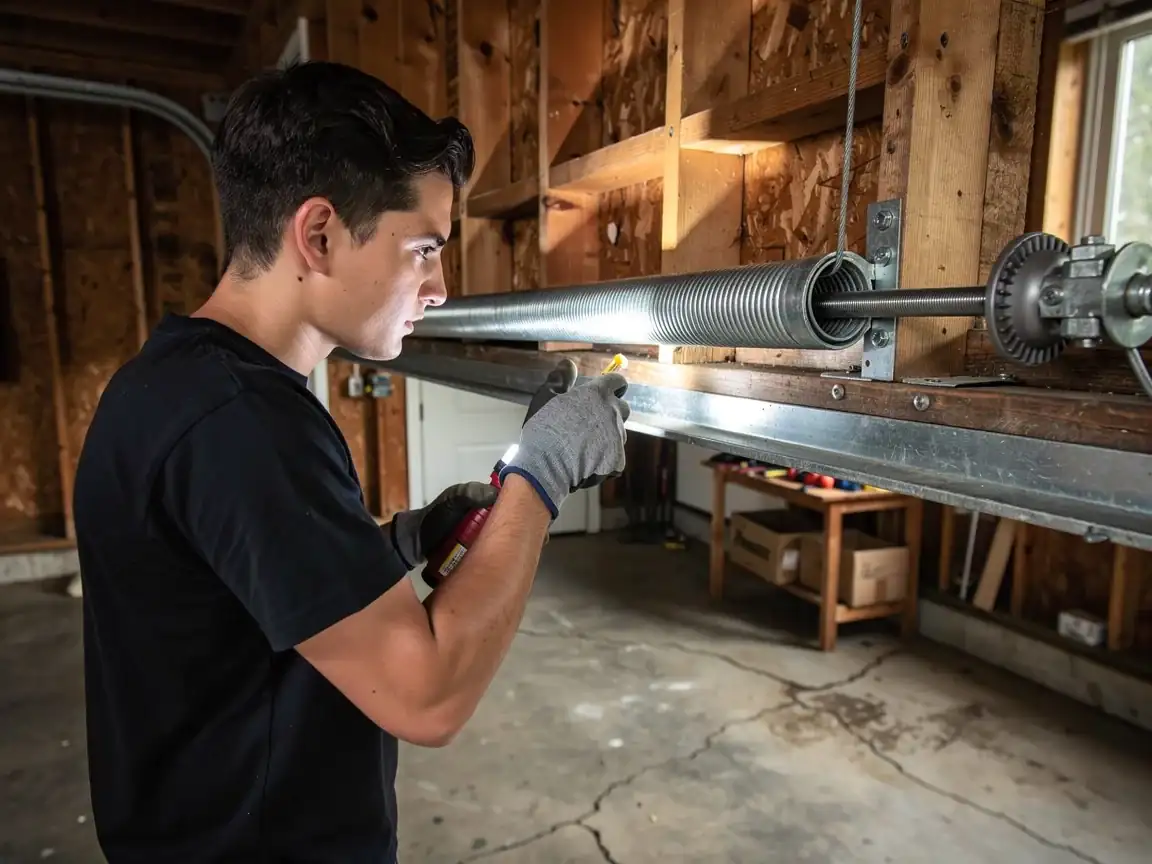
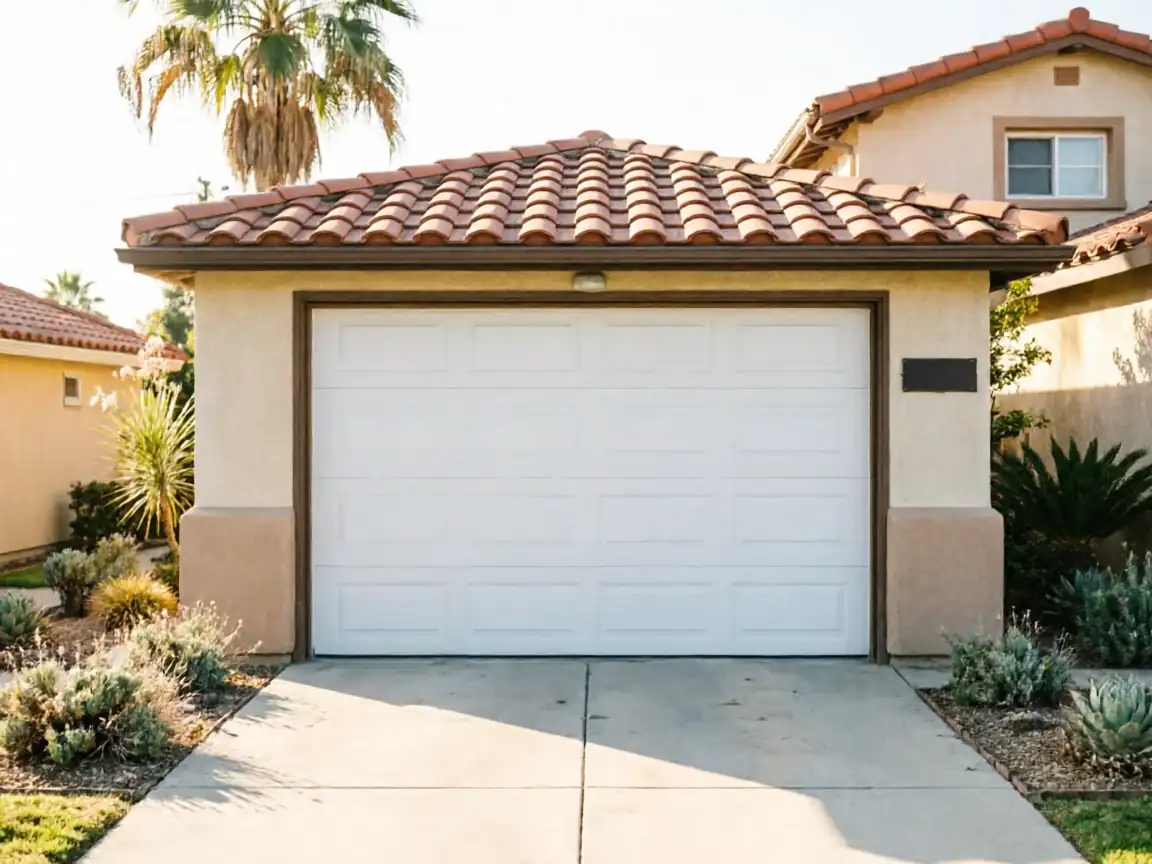
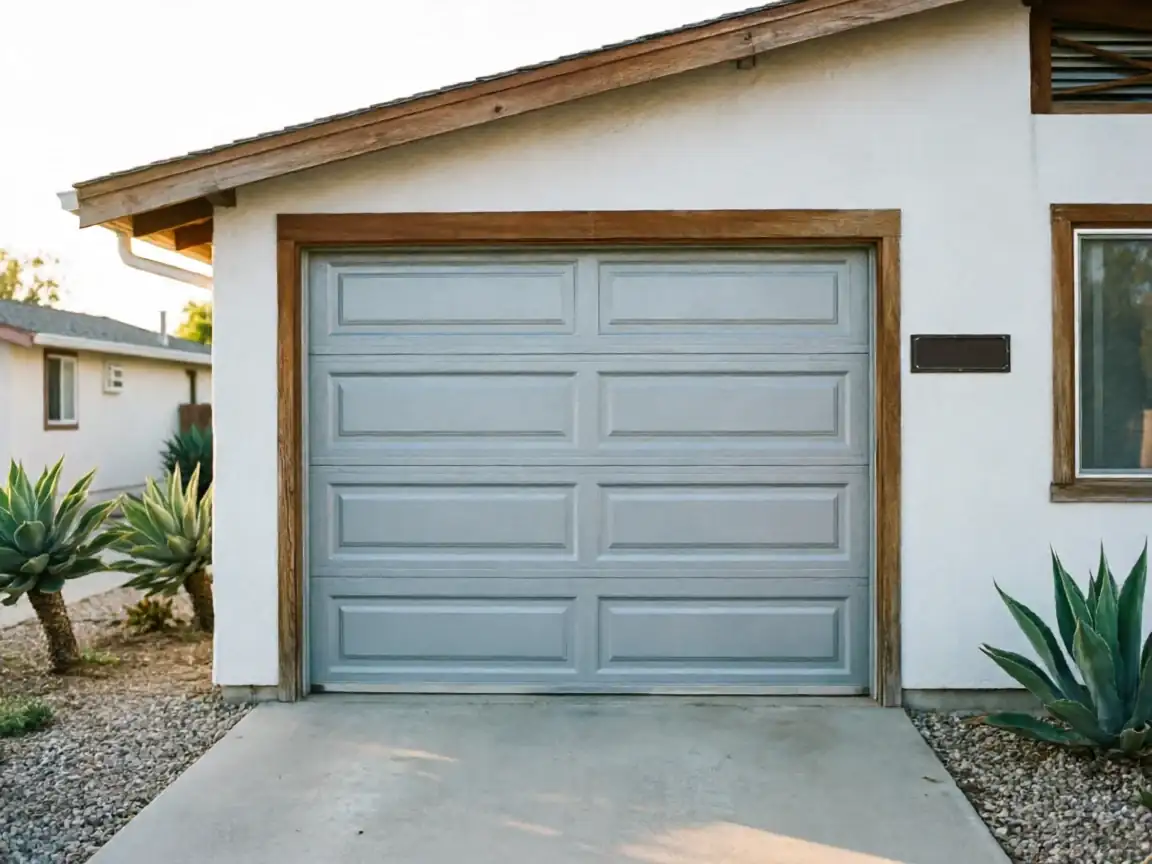
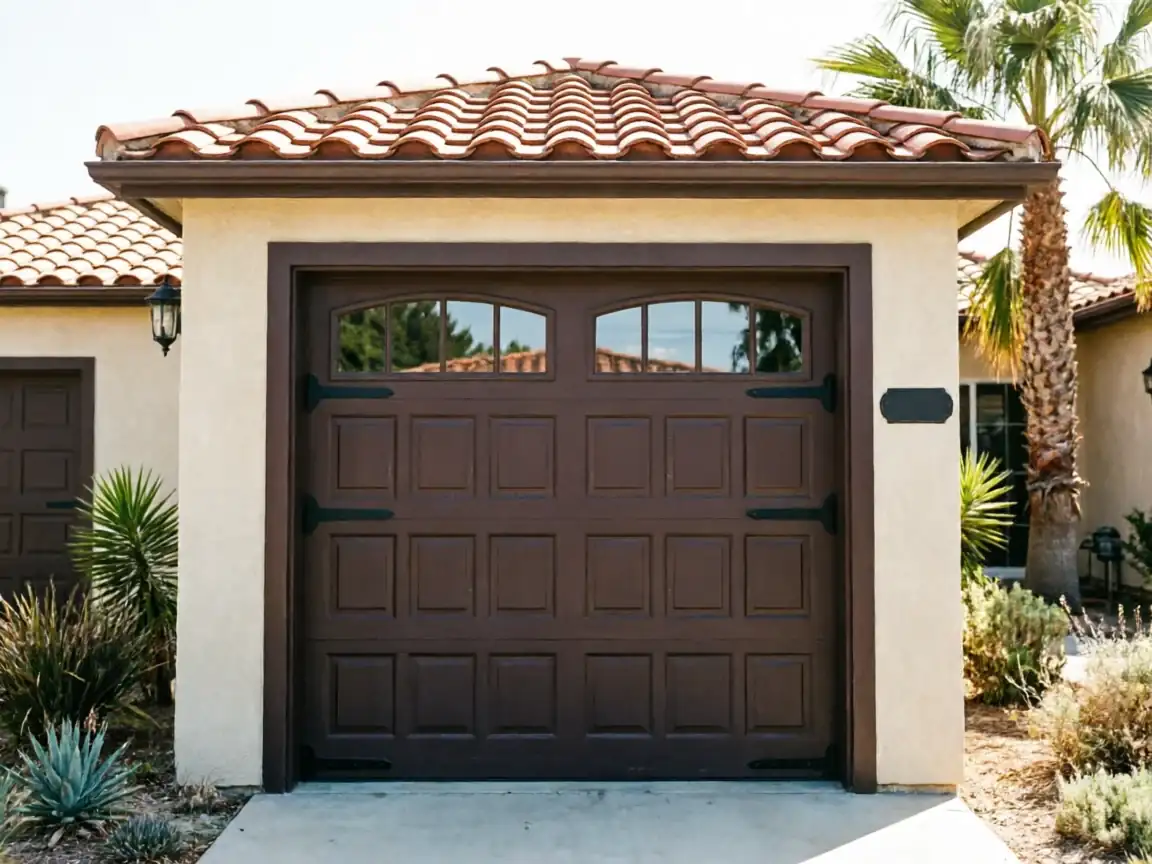
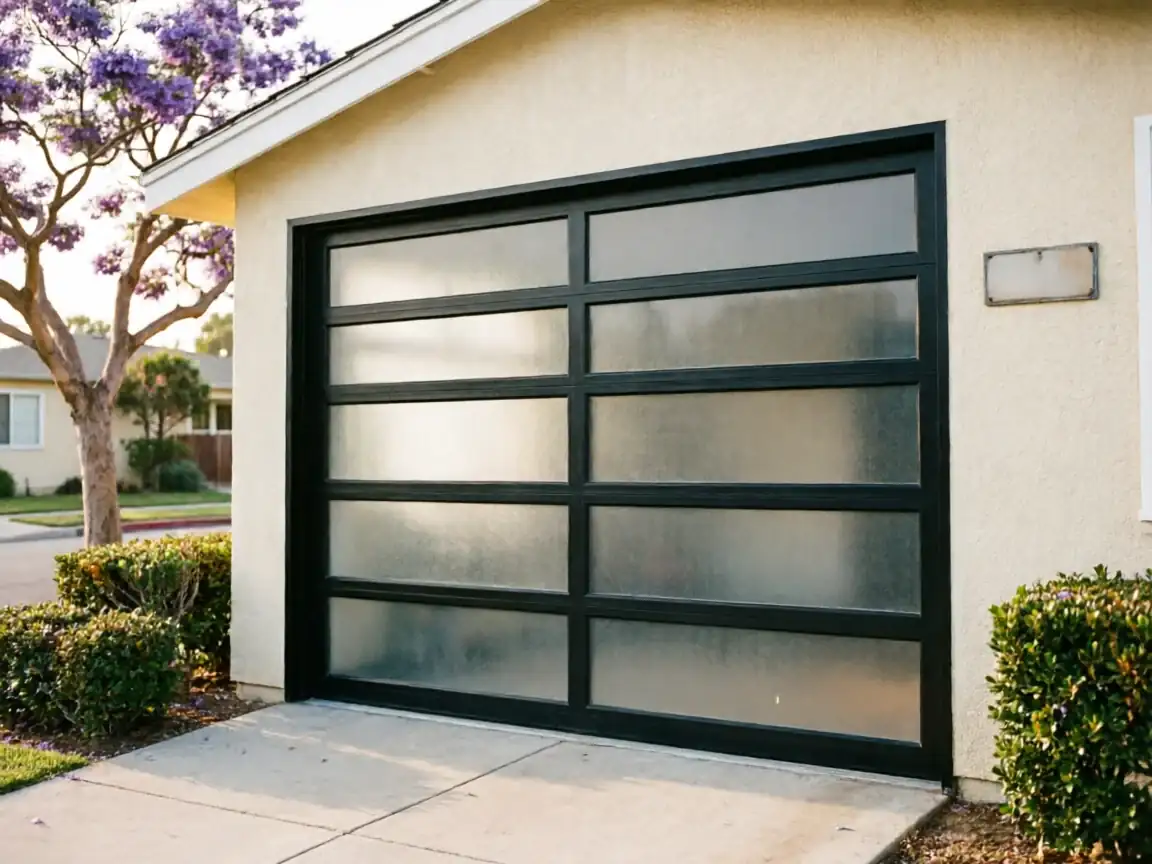
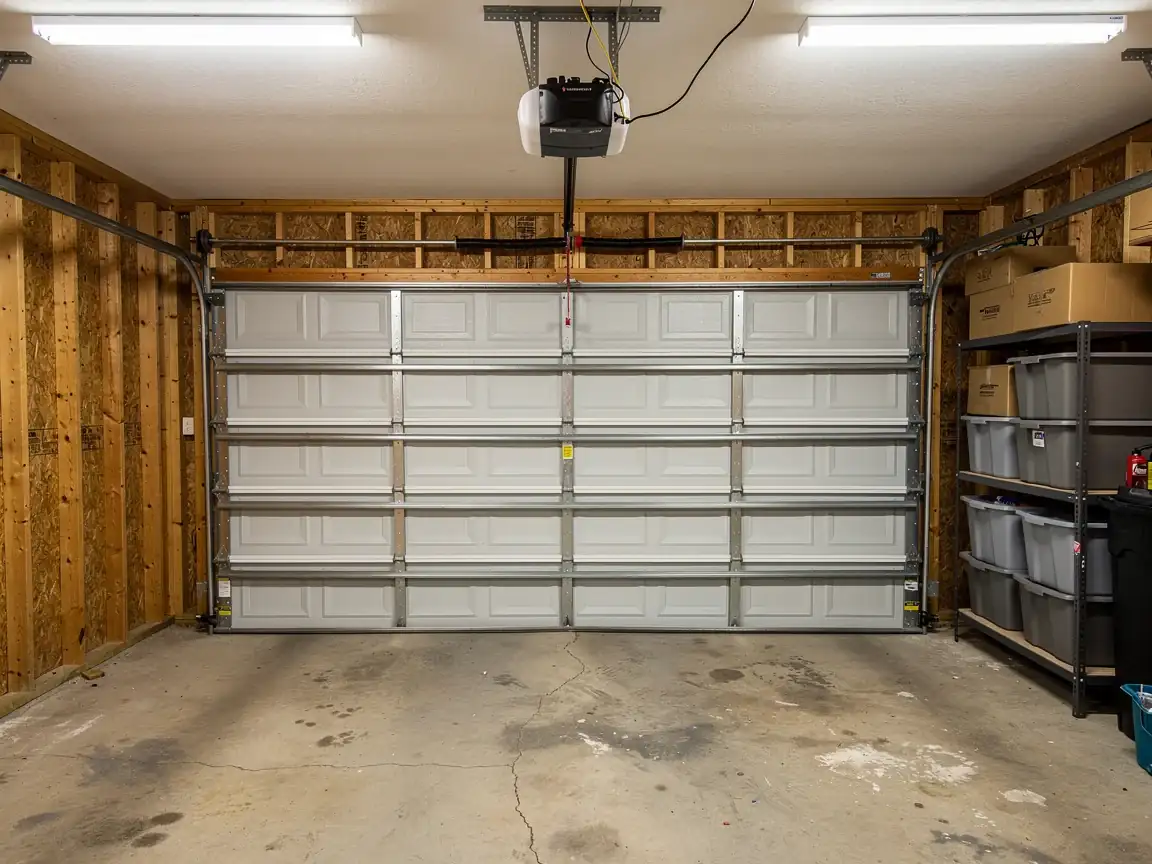
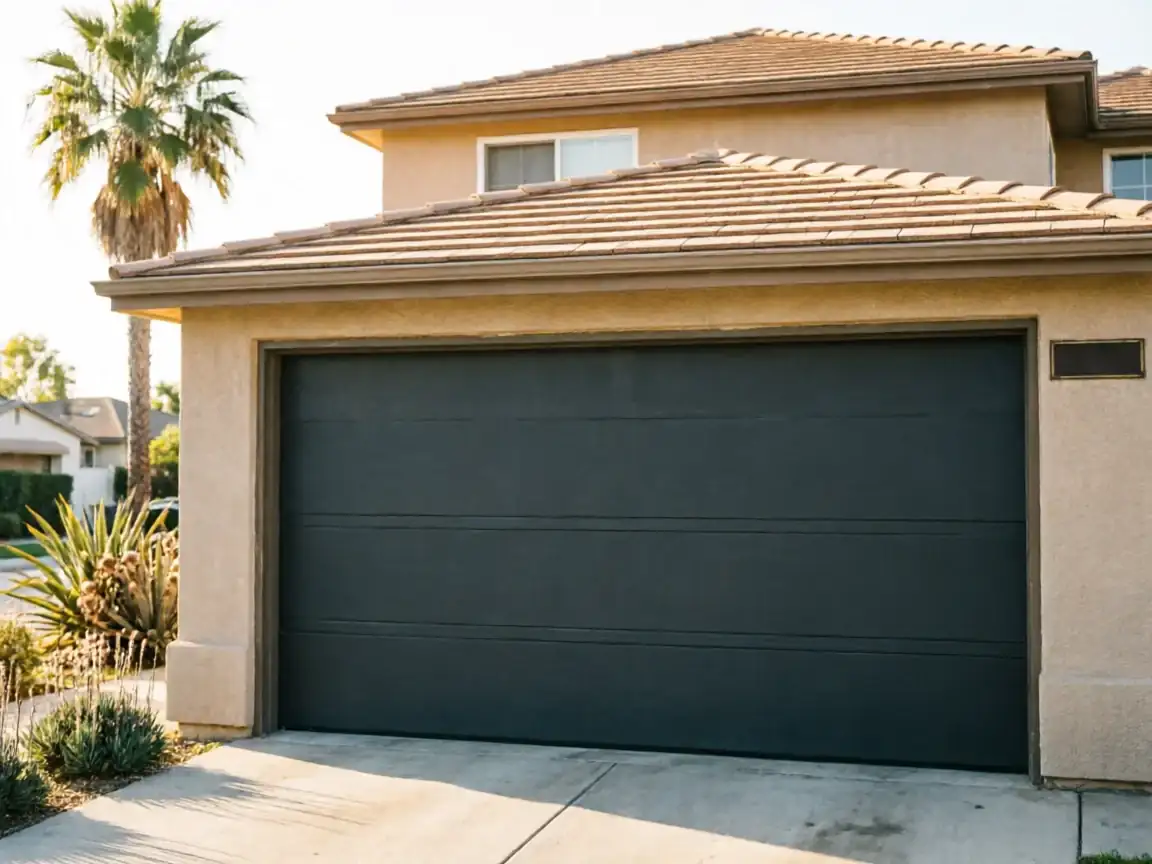
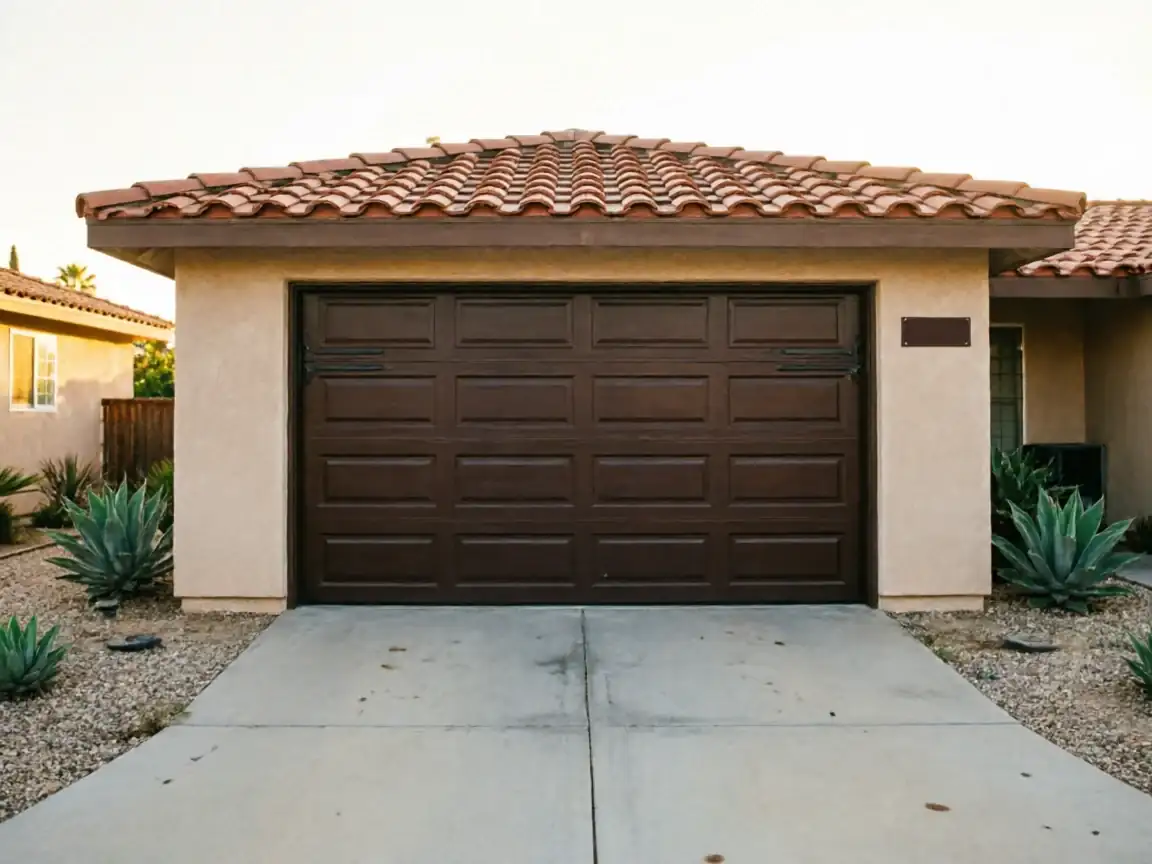
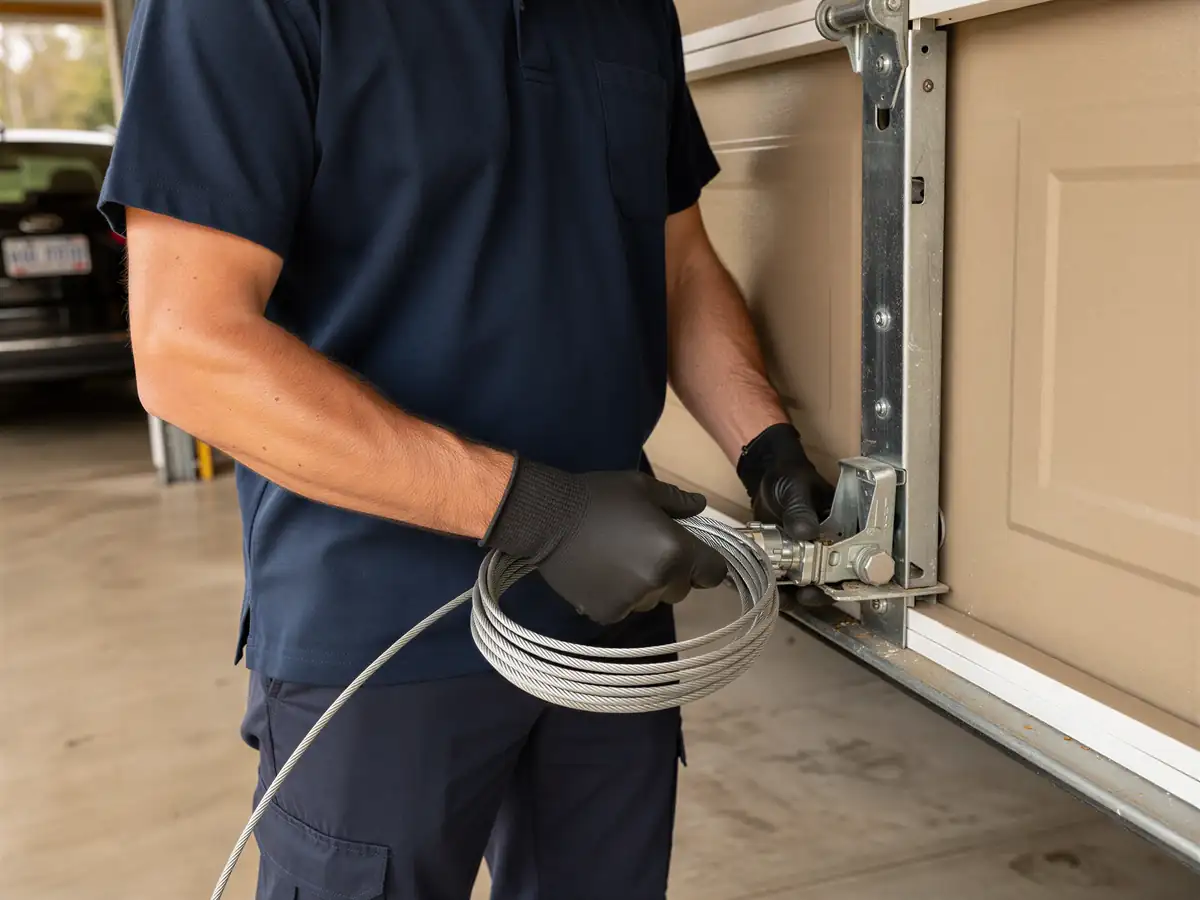
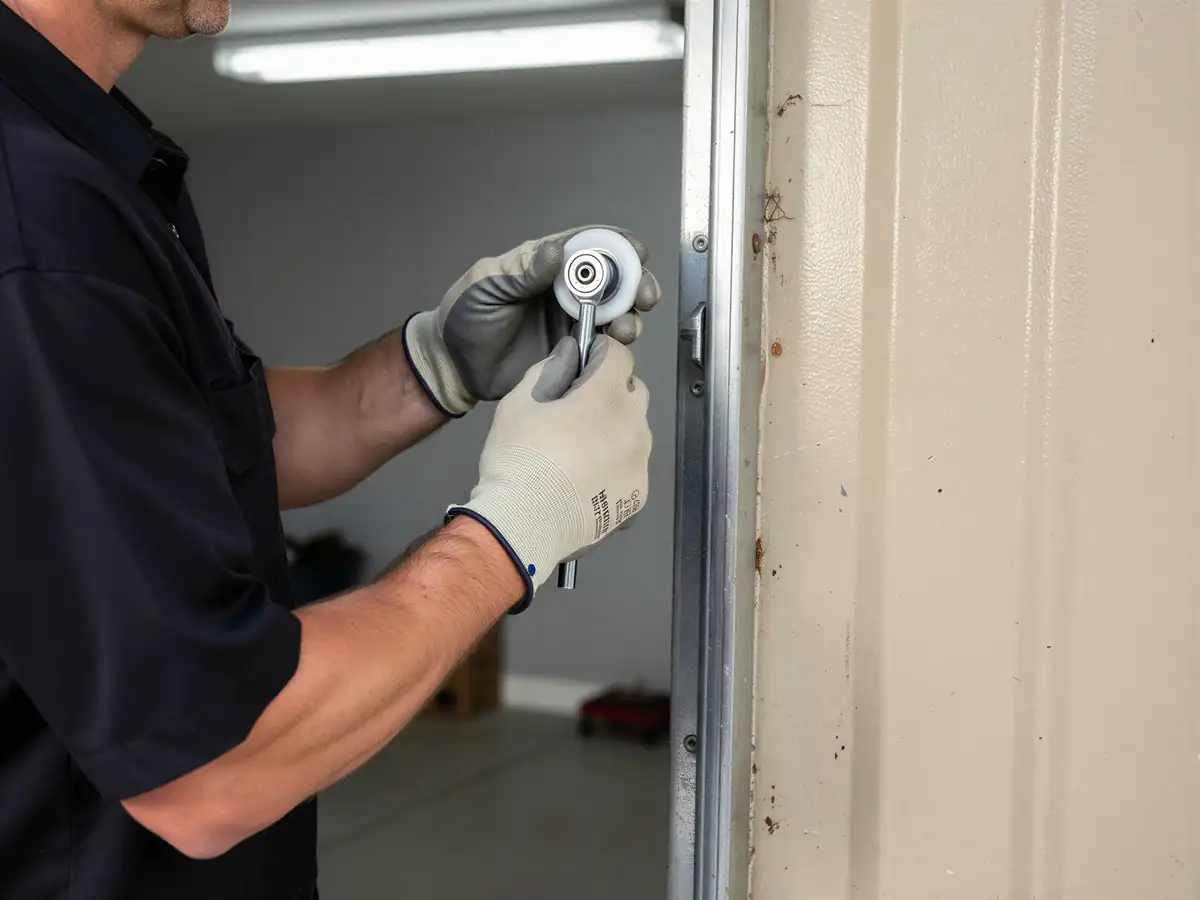
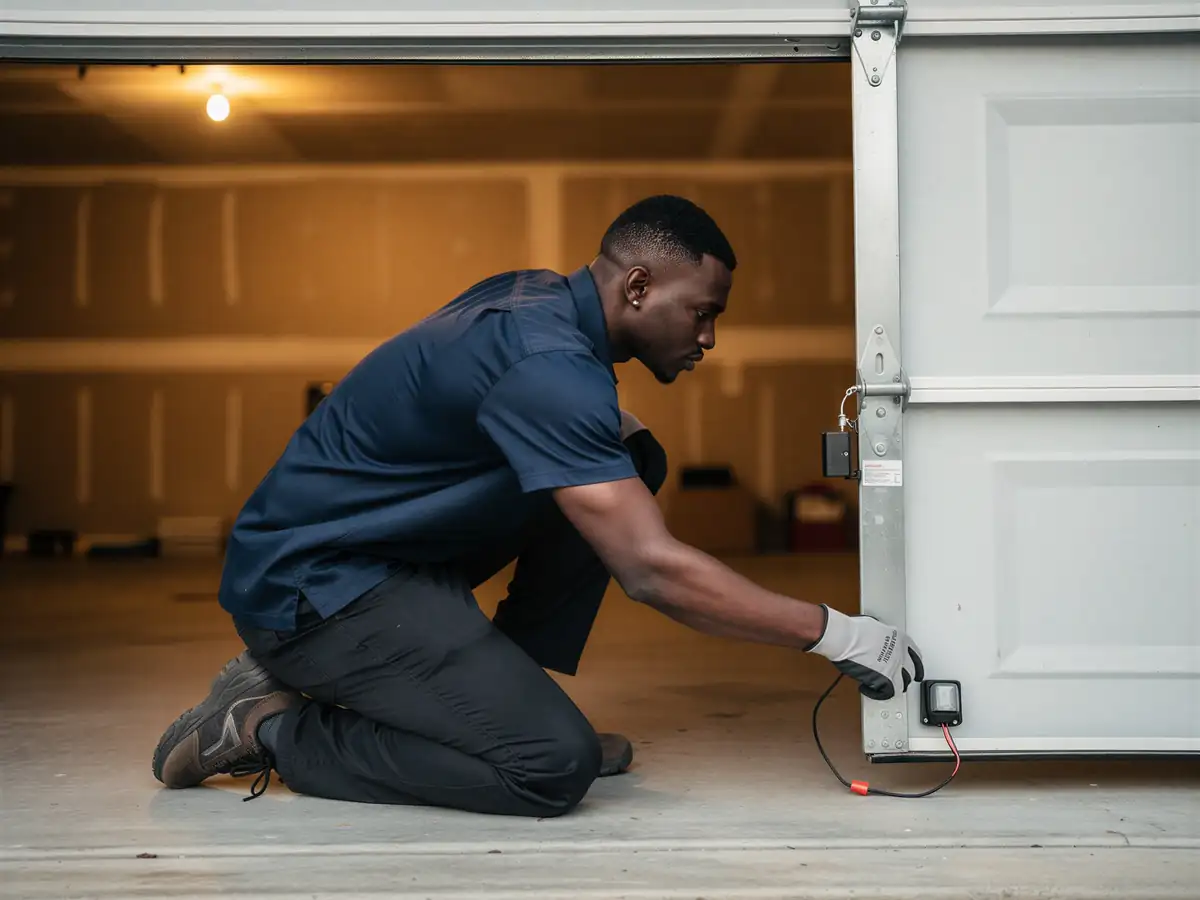
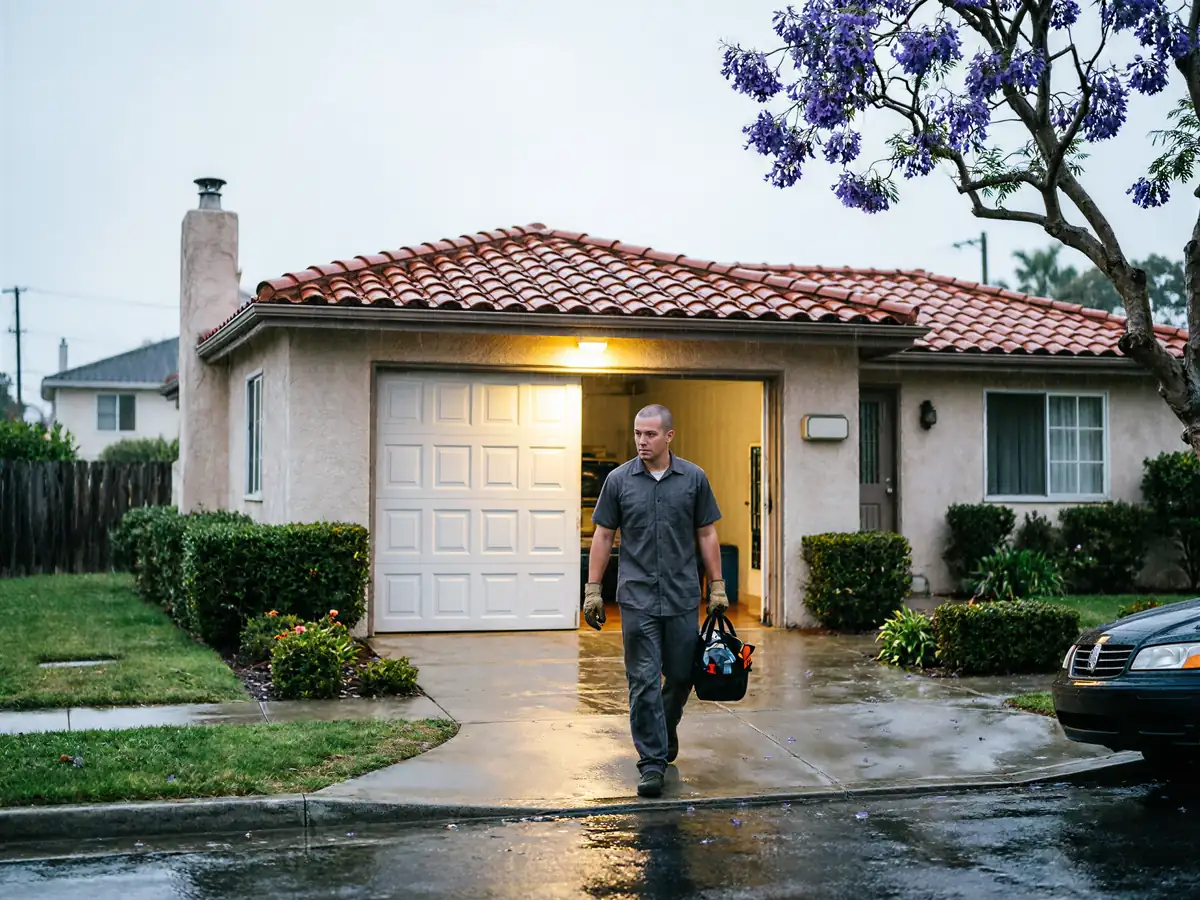
The truck comes out of Citrus Heights, three miles up the road, so what's on it is built around what actually breaks and gets replaced on this side of town. Foothill Farms houses cluster around a 1977 build date, which means standard-width openings, single or double steel sections, and torsion spring sizes that match a house built before the bigger three-car garages showed up later in the service area's 1962-2004 window. We stock those common steel panel widths and the torsion hardware that fits them, plus openers rated for sustained heat, since this area sits in a severe-heat climate band and an opener's circuit board takes a beating sitting in an unshaded garage through summer. What we don't carry on the truck: smart-hub openers with built-in camera systems or specialty wood-look composite doors in custom widths. Those get special-ordered after a walk-through, and that adds lead time we won't pretend isn't there. If your opening is a standard 1970s-era single or double, we can usually install the same visit we quote. If it's been modified or widened since, plan on a return trip for the right-size door.ract
What It Costs
We're not going to print a number here that doesn't hold up once we see your actual opening, but the honest context matters. The service area's median household income sits at $95,592, while Foothill Farms runs lower, at $68,042. That gap shows up in what people choose, not in what we charge: more Foothill Farms jobs land on primed steel over wood-look composite, and more owners ask us to skip the insulation upgrade on a single door and put that money toward a double instead. None of that changes the install itself, which is priced on door width, number of sections, spring size, and whether the opener's being replaced too. What does change the quote is age - a 1977 opening sometimes needs track or jamb work a newer house wouldn't, and we won't know that until someone's standing in your garage with a tape measure. We'll walk the opening, tell you what's wearing and what's fine, and give you a number before anything gets ordered. No price gets set over the phone.
The Symptom
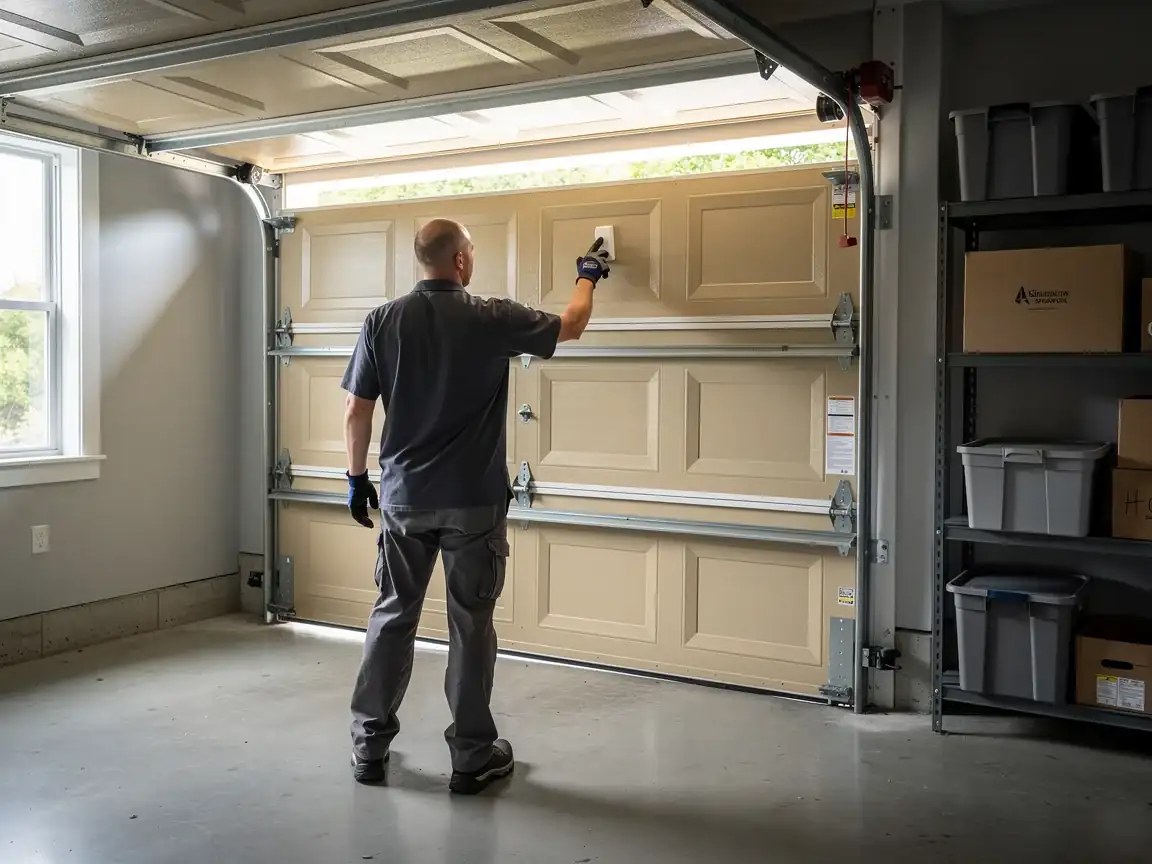
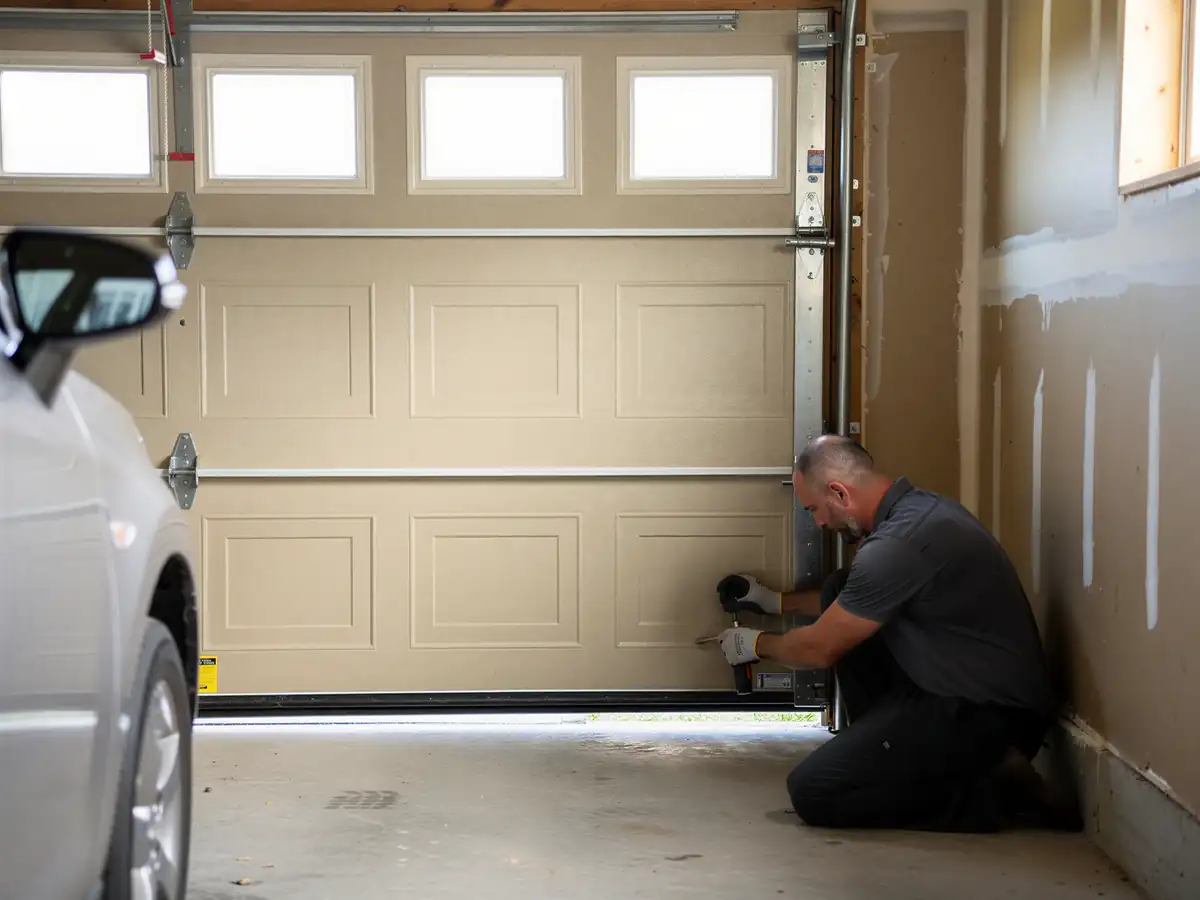
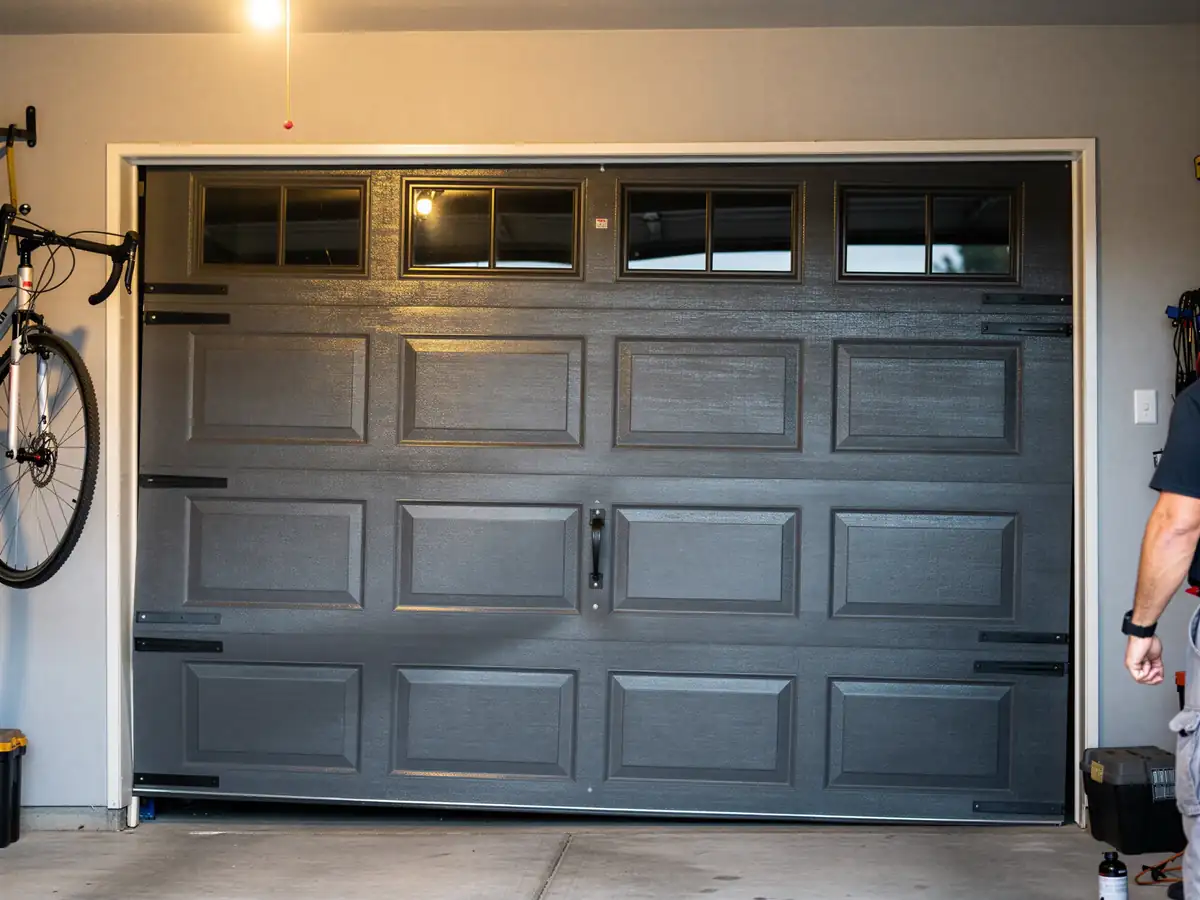
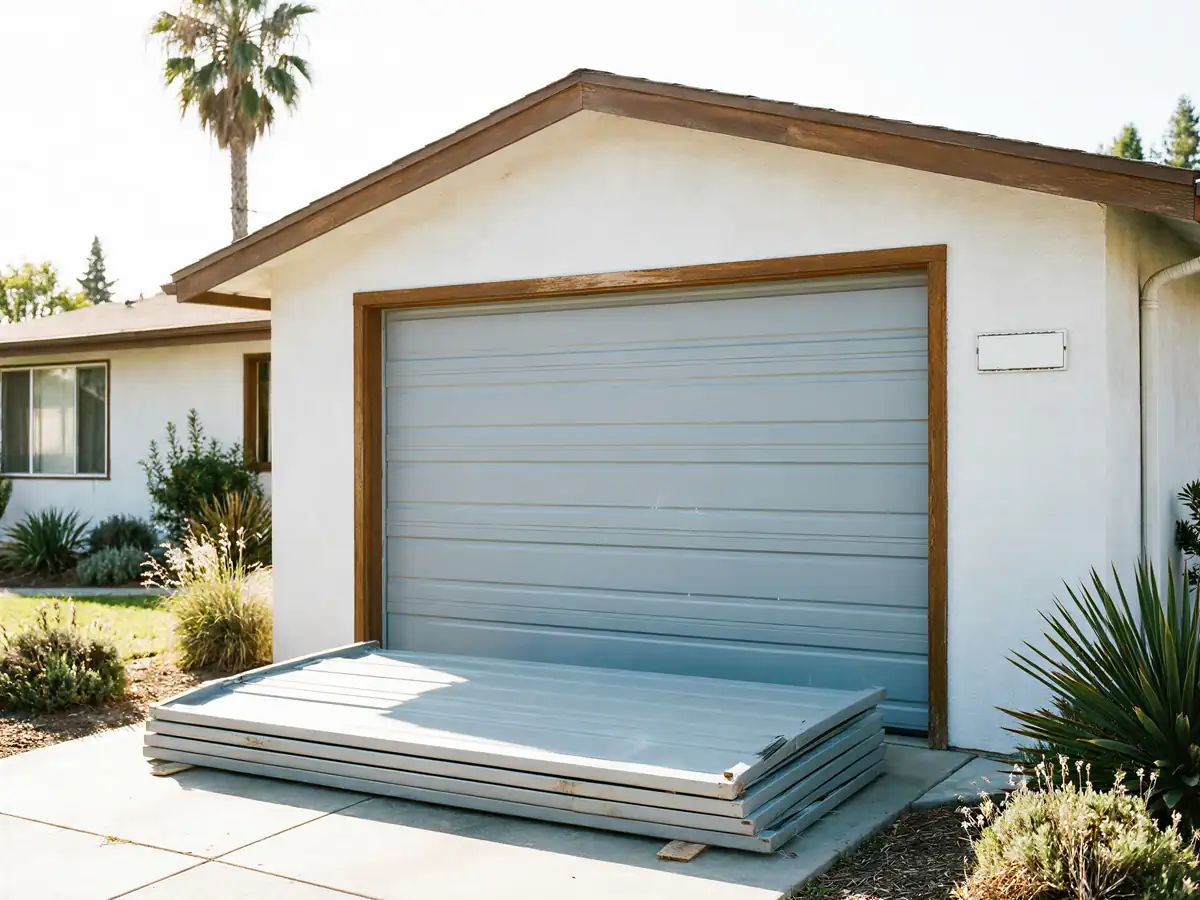
The doors we pull out of Foothill Farms garages are mostly original to houses built around 1977 - single-layer steel or wood, no foam core, hanging on hardware that's outlived its spec. In a severe-heat climate, an uninsulated door does two things badly: it lets the garage run hotter than the house all summer, and the steel itself expands and contracts enough over the years to warp a panel or loosen a seam. What we see most often is a door that still opens and closes but drags on one side, or a panel that's visibly bowed from heat cycling rather than from an impact. That's usually the point where patching stops making sense - a bowed steel panel doesn't flatten back out, and spot-repairing a forty-plus-year-old door often costs close to what a new insulated one runs. If your door's from that same era and started sagging or binding this summer, that's not a coincidence, it's the age of the panel meeting the season.
Getting It Booked In
Three miles is a short drive, which matters more than it sounds like for scheduling. We're not routing a crew across the metro to get to you; the Citrus Heights shop is close enough that a Foothill Farms walk-through doesn't eat half a day, and the truck can carry the common 1977-era panel sizes without a special trip back for parts. That's the practical case for booking with a company based this close rather than one dispatching from farther out. To get started, tell us the door width, whether it's single or double, and roughly how old the house is - that's usually enough to pull the right stock before anyone shows up. You can see more on how we work this part of the service area on our Foothill Farms page, or check what installation covers more broadly on the Citrus Heights page.