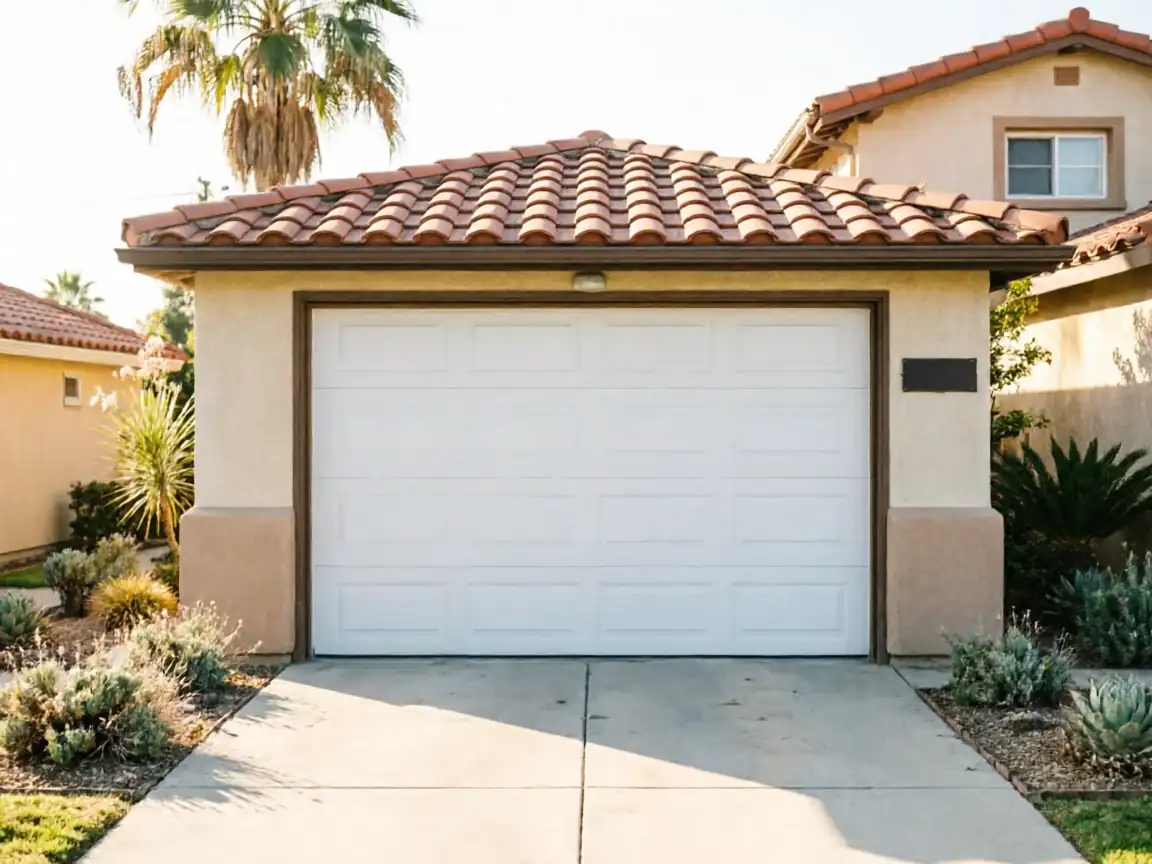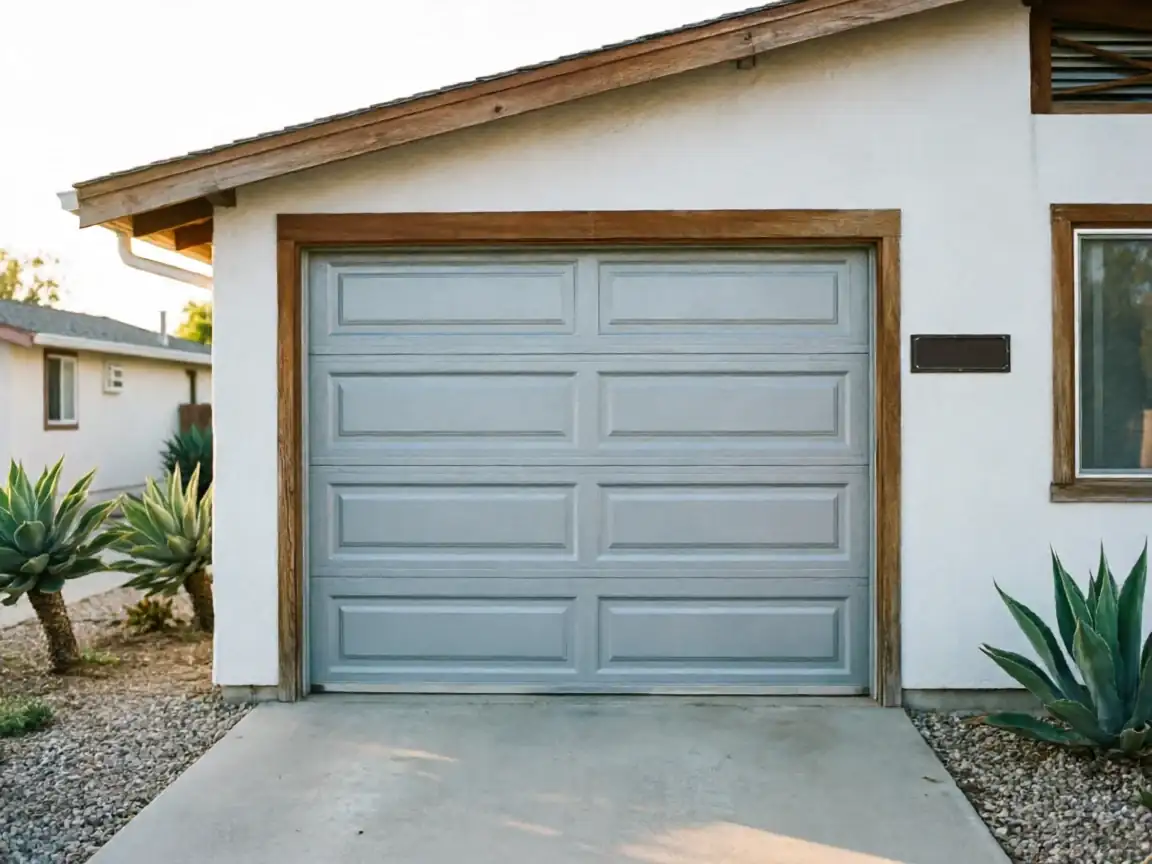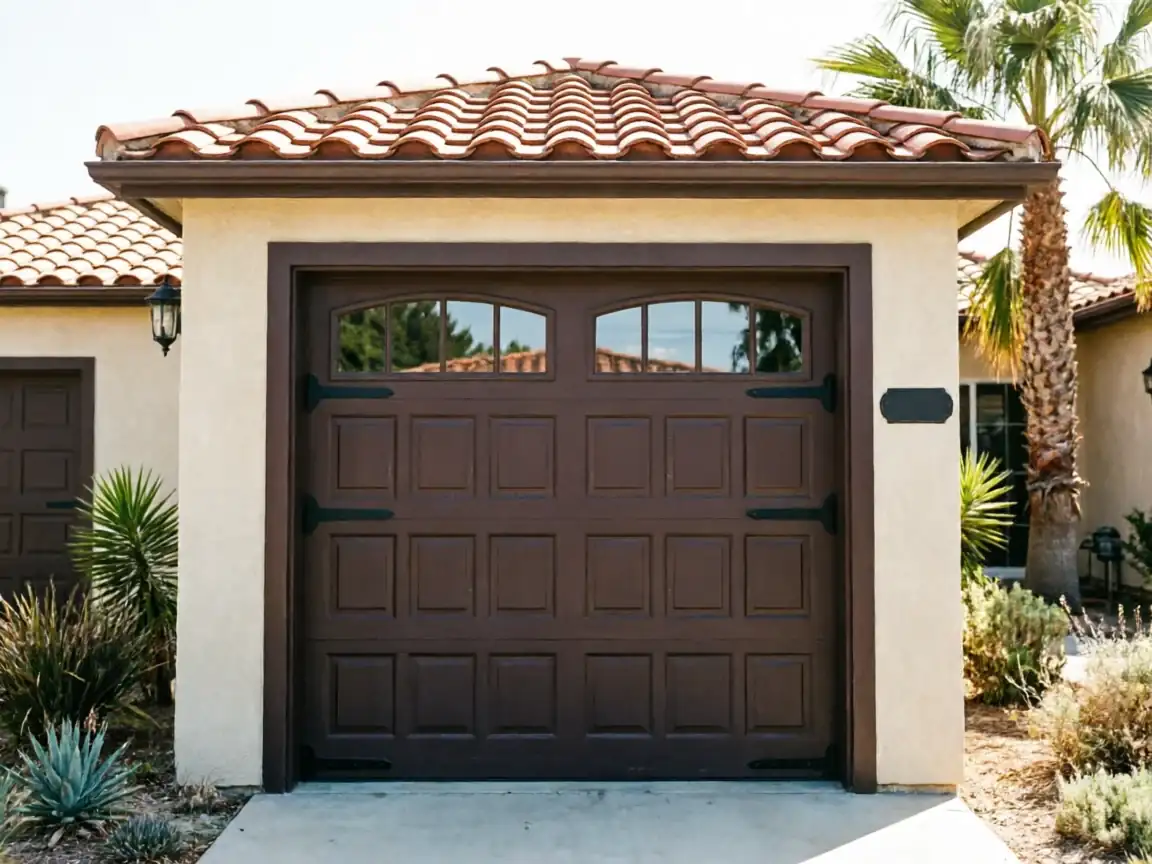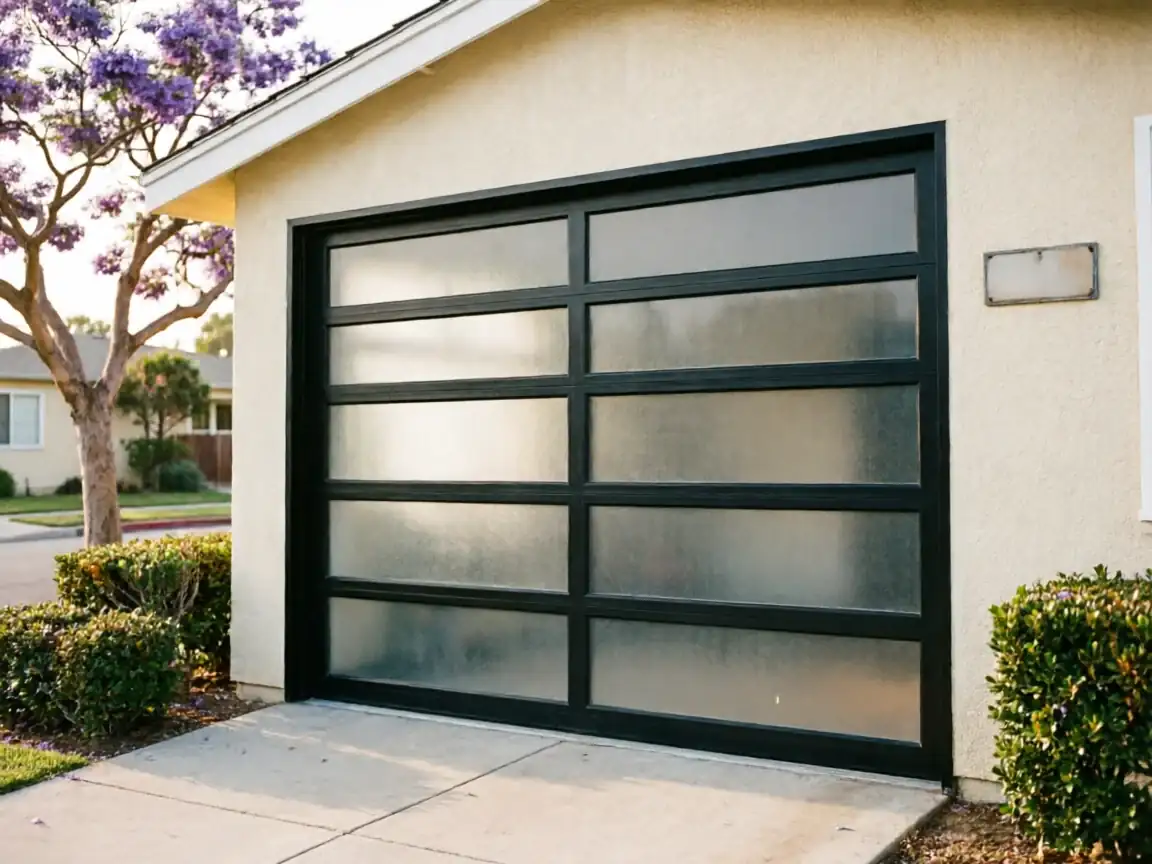
Parts We Carry
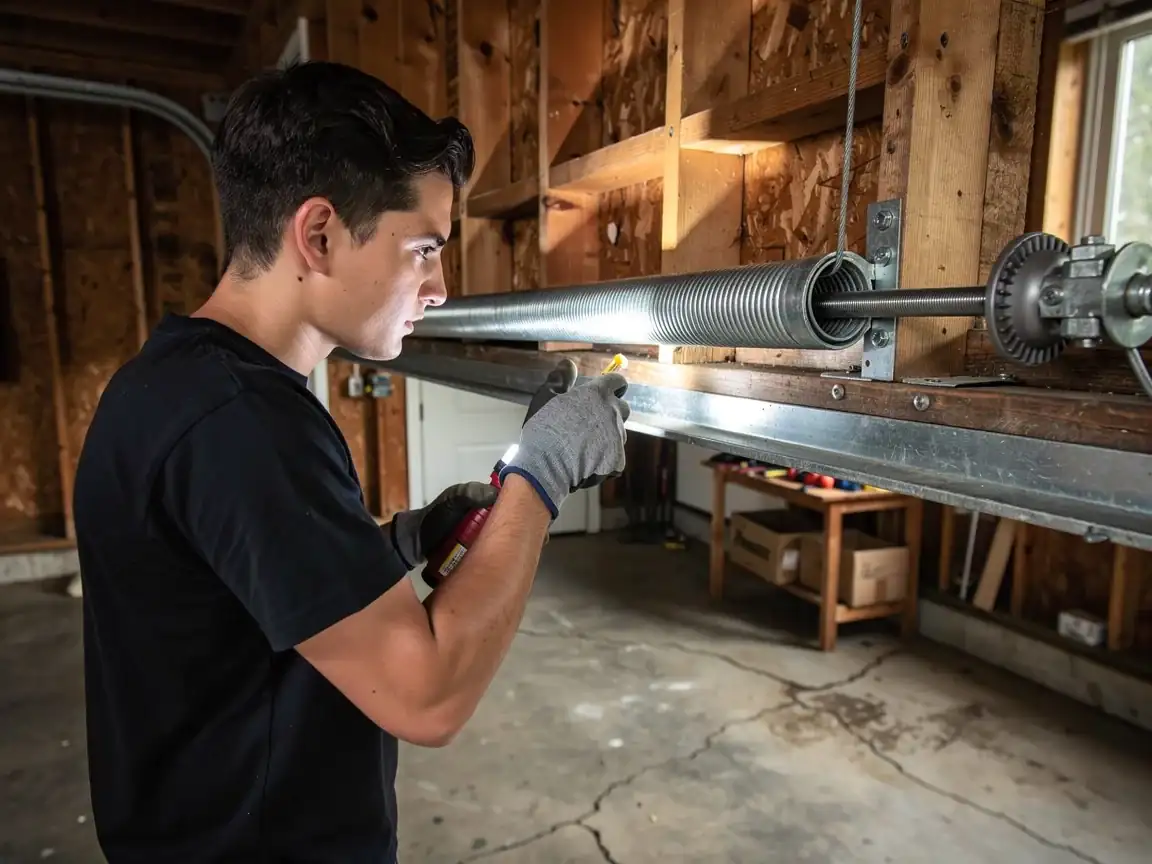
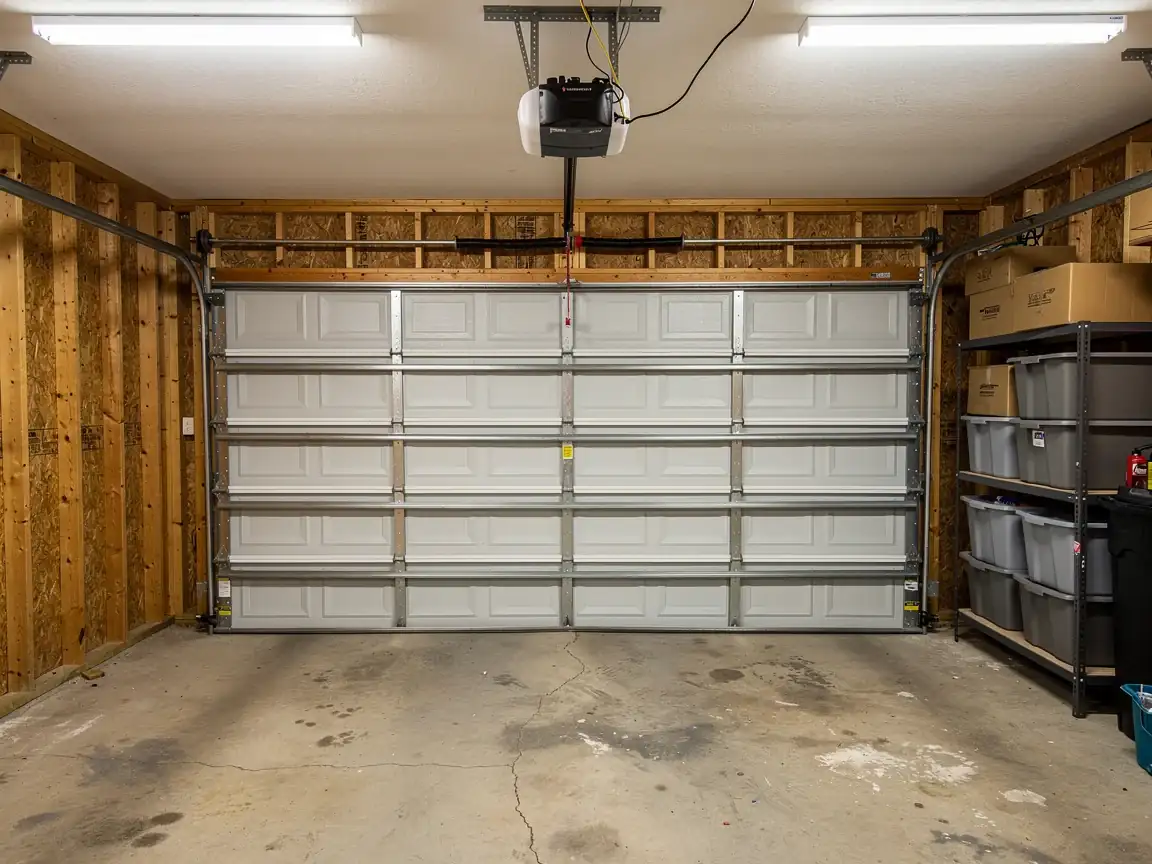
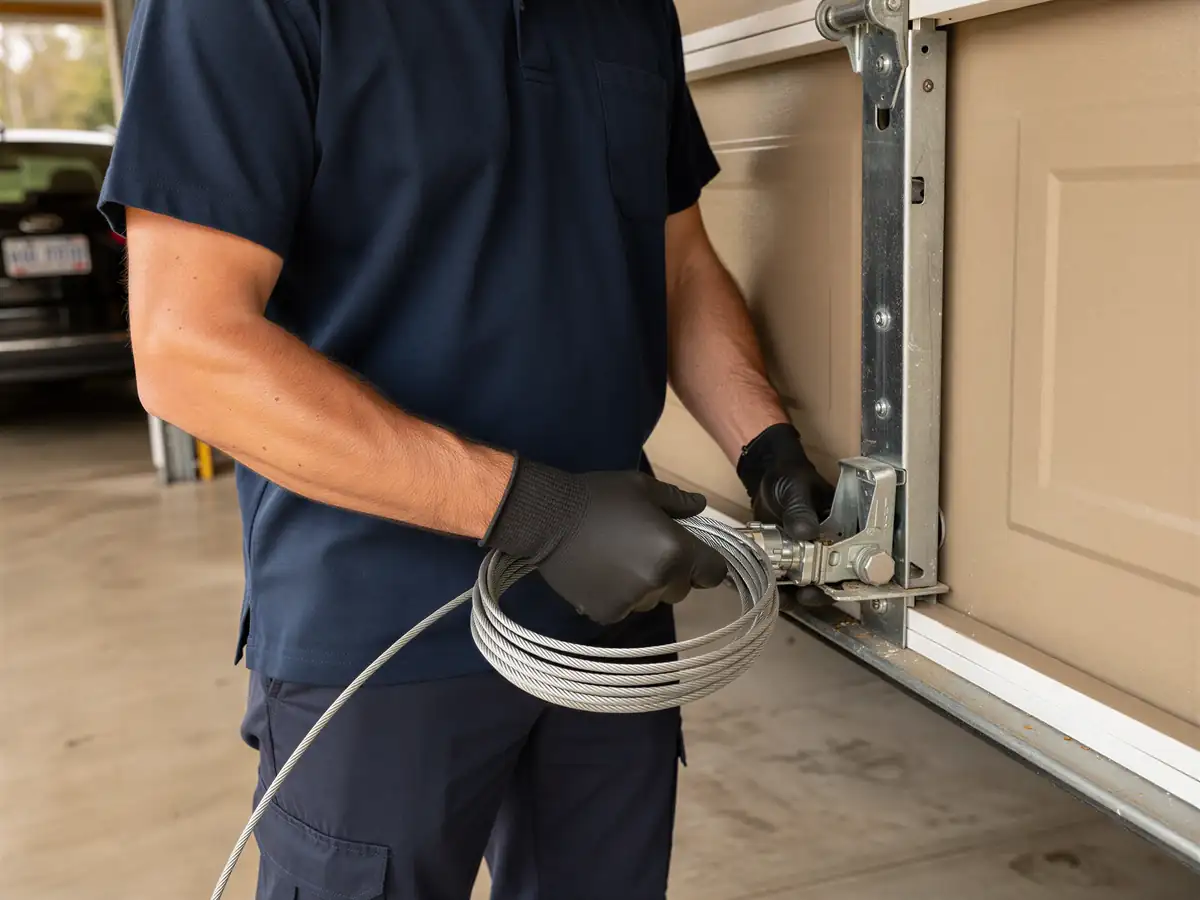
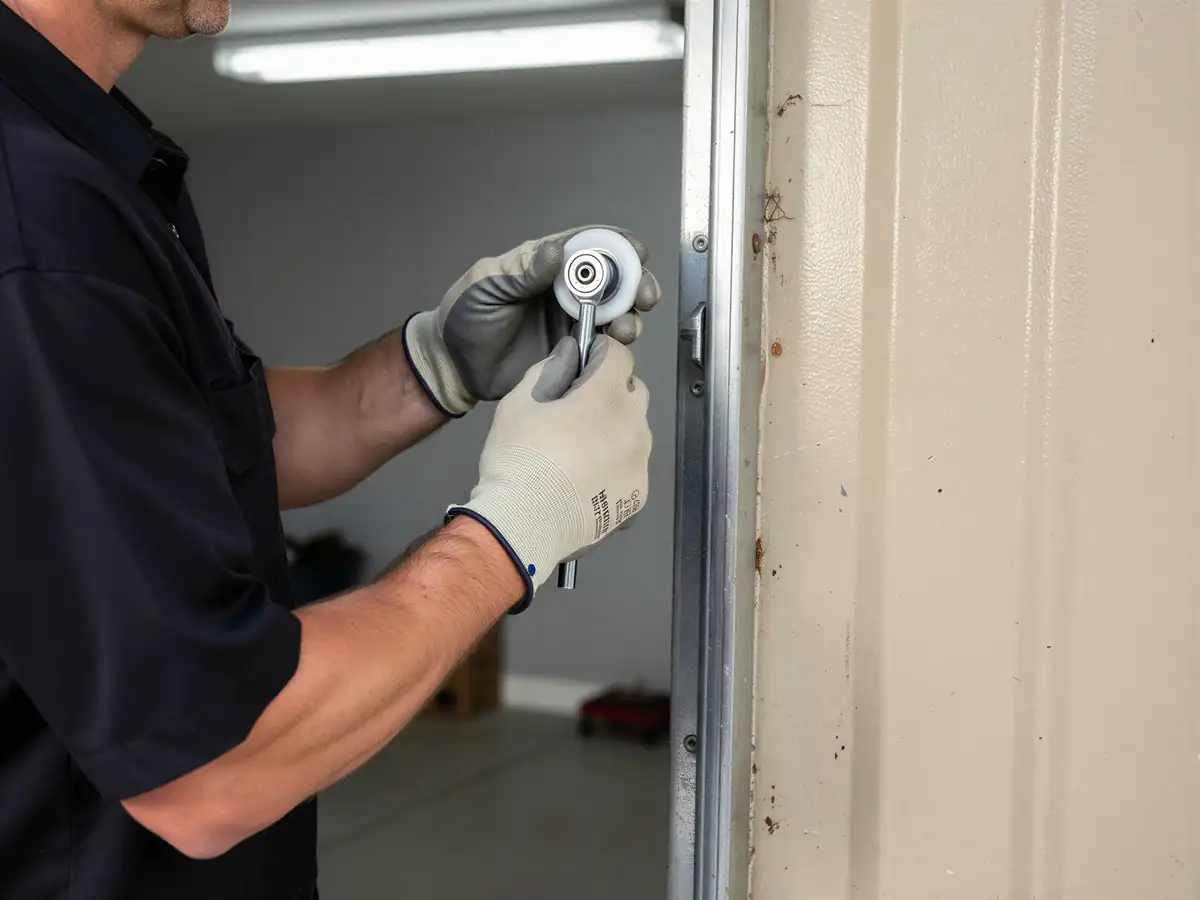
Most houses in Foothill Farms went up around 1977, a few years ahead of the broader service area's 1981 median build year. That matters for what's hanging over your driveway. Doors from that stretch are almost always steel sectional, single-layer and uninsulated, in the standard 16x7 double or 9x7 single sizes, and a lot of them still run on extension springs stretched along the horizontal track instead of a torsion bar overhead - torsion didn't become the default around here until later builds in the 1980s and 90s. We stock extension springs in the common cycle ratings for that era, plus the stamped steel rollers, hinges, and cables that actually fit 1970s track hardware instead of the newer nylon-roller parts that don't always bolt up clean. One limit worth saying plainly: if your door uses an obsolete low-headroom torsion kit from a short production run, we may need to special-order it rather than carry it on the truck.
What It Costs
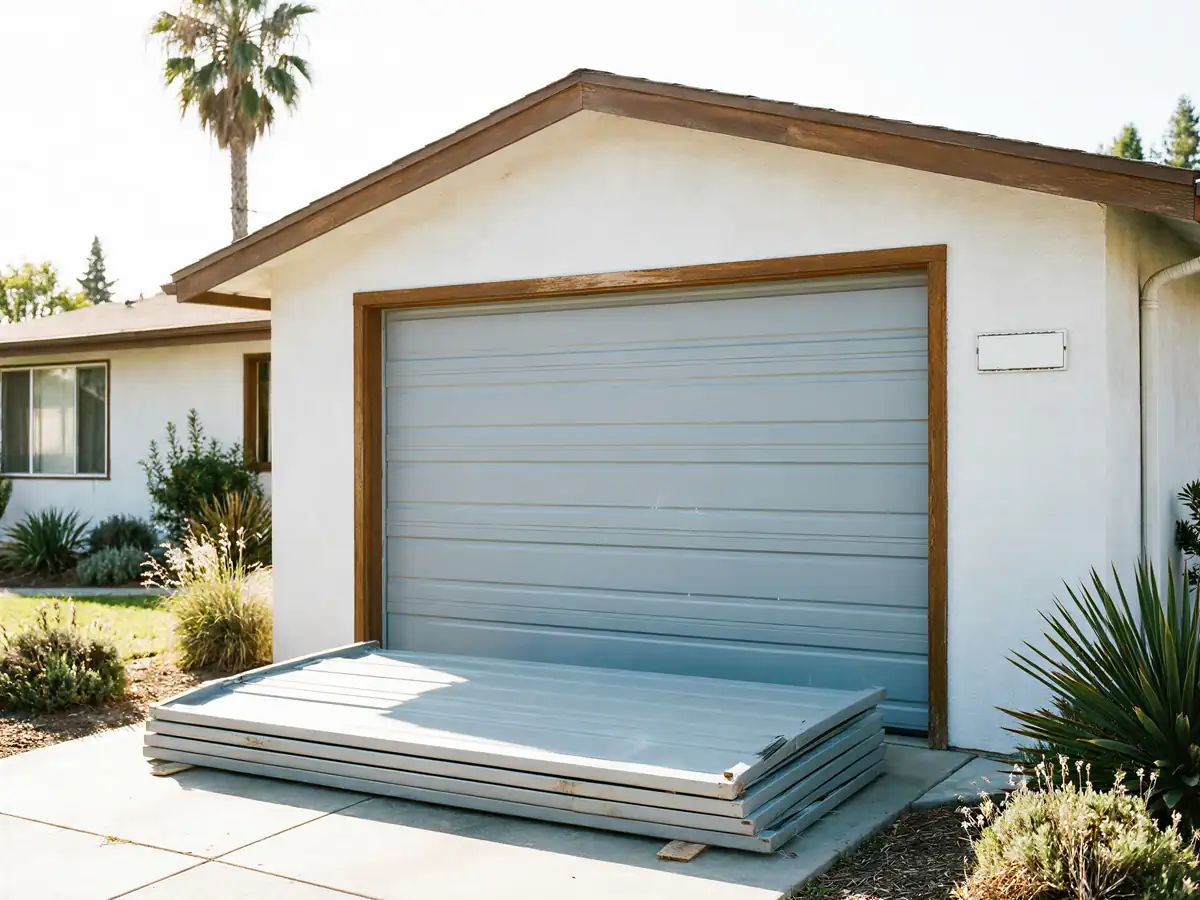
We don't post a flat number here because spring type changes the job. An extension-spring door - common on the older end of Foothill Farms' housing - is usually a different repair than a torsion conversion, and we quote it once we've looked at what's actually on the wall, not off a phone call. With a median household income of $68,042 here, lower than the $95,592 median across the rest of the service area, we see more owners asking us to repair what's there rather than replace the whole unit, and for a sound steel door with a snapped spring, that's usually the right call. We'll tell you straight when a door's cheaper to replace than keep patching - rusted tracks and warped panels from sun exposure are the usual reason that conversation happens.
The Symptom
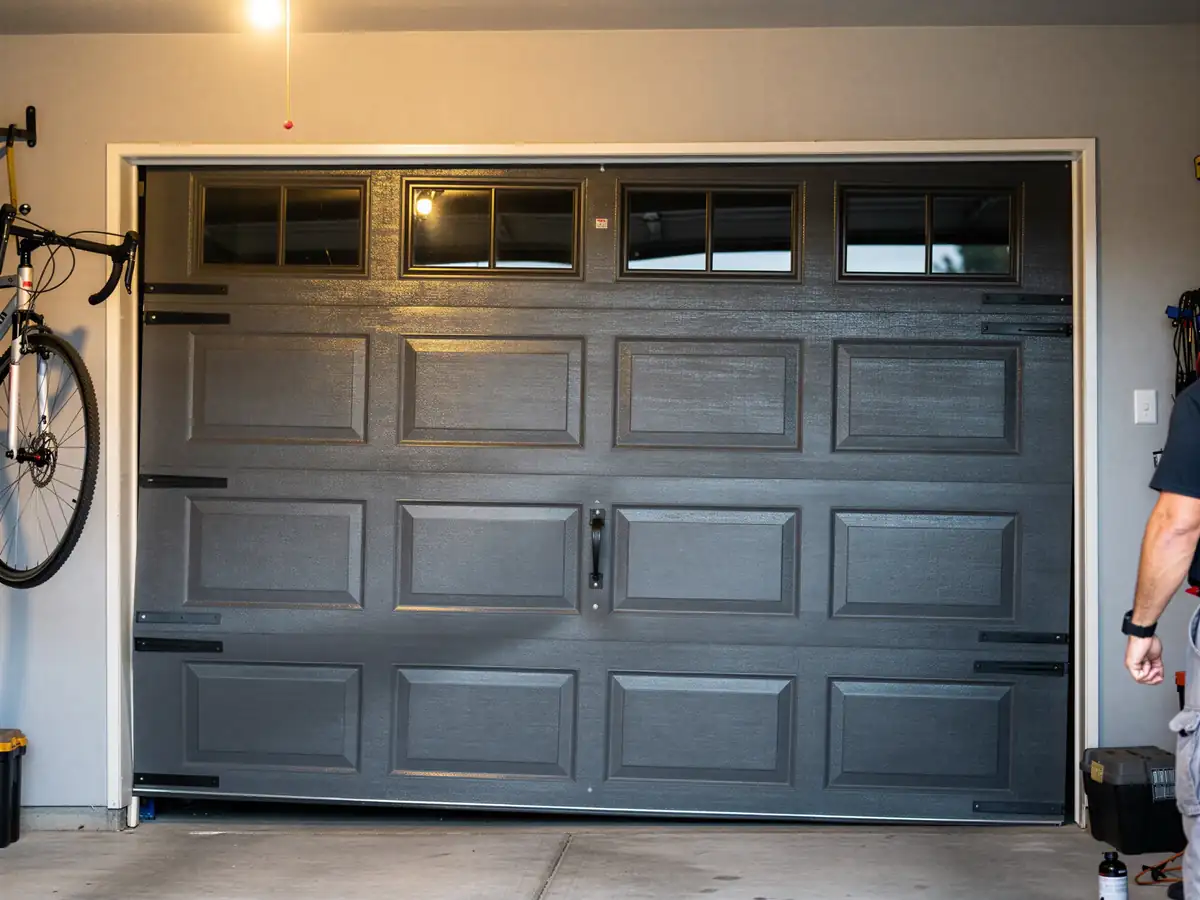
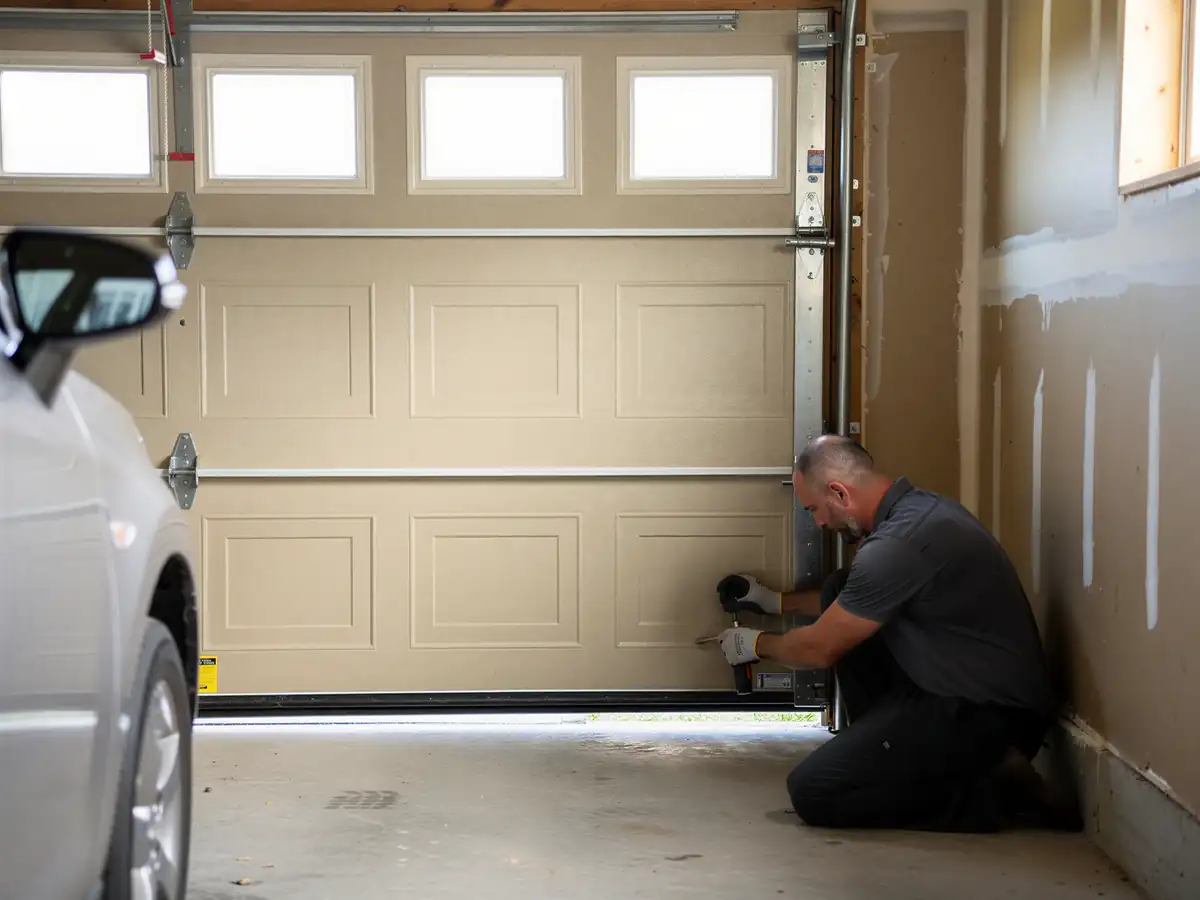
On a late-1970s extension-spring door, the classic failure looks different from a modern torsion door. Instead of a single loud bang from an overhead spring, you'll often hear one side of the door drop or tilt as it opens - that's one extension spring letting go while the other side still holds, which racks the door sideways on the track. Fraying or kinked cable near the bottom roller bracket is another one specific to this hardware; it means the cable's rubbing on a worn pulley and it's close to snapping under load. If the door slams down hard instead of settling, that's usually a stretched or broken spring no longer carrying its share of the weight, not an opener problem - worth ruling out before anyone pays for opener parts they didn't need.
Getting It Booked In
Foothill Farms has roughly 12,494 households, and a fair share of them are sitting on garage doors old enough that the hardware inside doesn't match what's sold off the shelf today. If yours is sticking, dropping unevenly, or making a new noise on the way down, it's worth a look before a cable snaps under load rather than after. See Foothill Farms Garage Doors for more on what we see in this part of the service area, or check garage door repair out of Citrus Heights for how the dispatch works.