What the Repair Takes
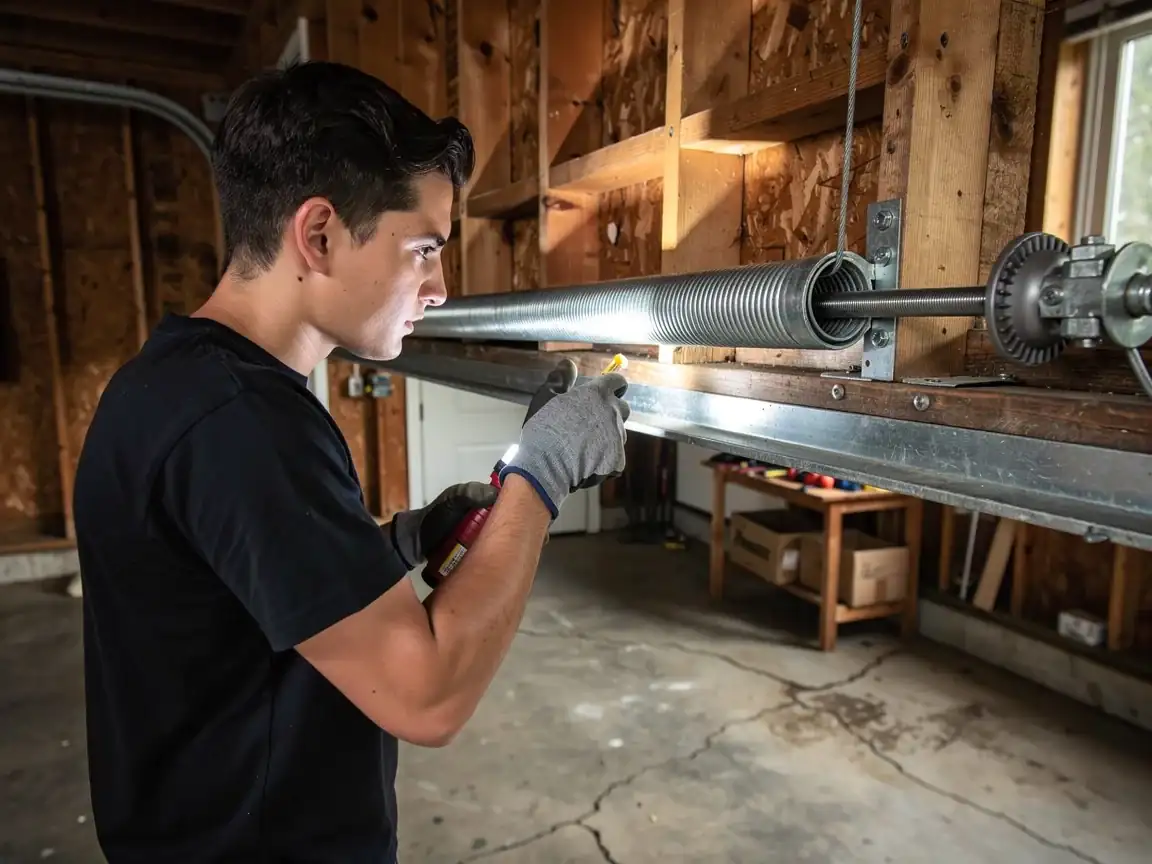
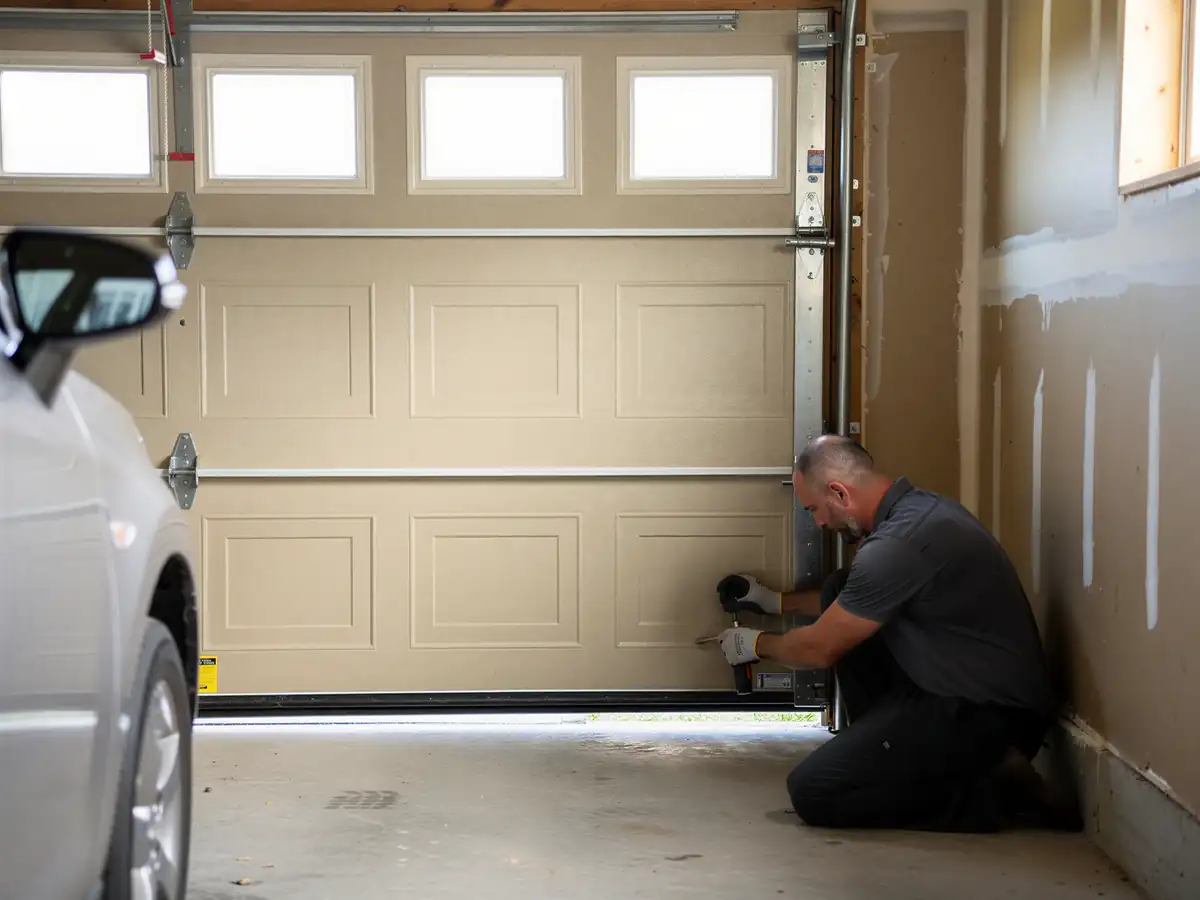
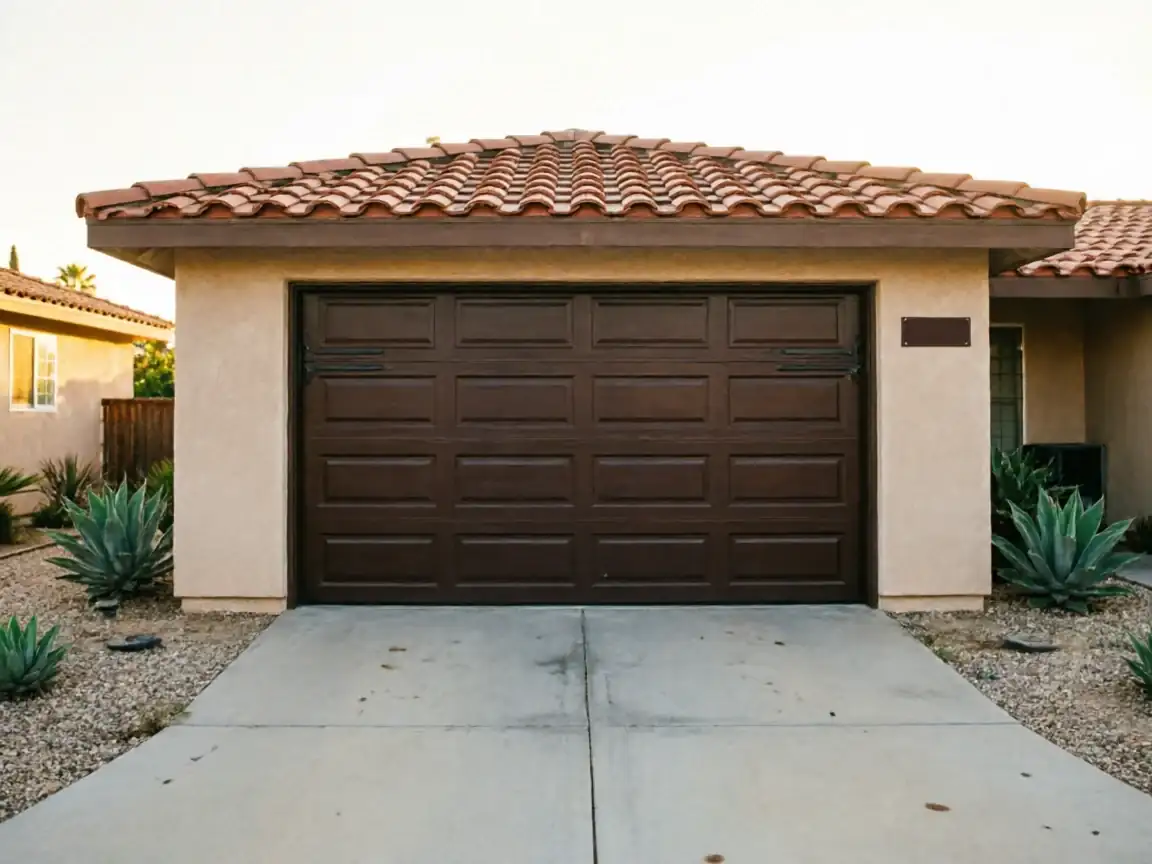
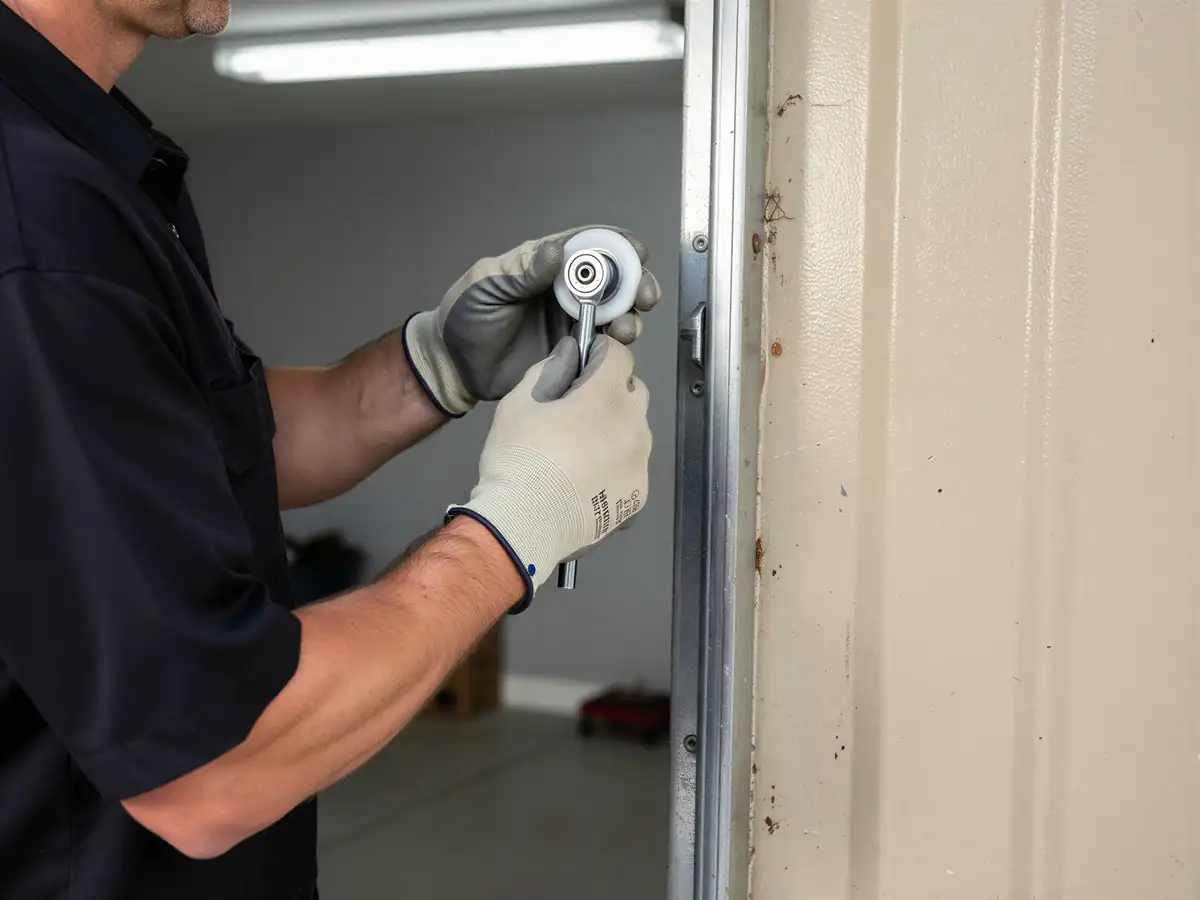
Antelope's housing stock centers on a median build year of 1993, which means most garages here carry steel sectional doors on galvanized roller tracks sized for the wider two-car openings that became standard in that era. When one of these doors jumps the track, the fix usually starts with checking the track brackets for bent flanges, since a 30-year-old bracket that's taken repeated heat-cycle expansion is more likely to have worked loose than to have sheared outright. We pull the door off the rollers, square the track against the jamb, and re-hang it before testing the balance. On the wider double doors common to this build era, we also check the center bracket where the two track sections meet, because that joint takes the most stress when a door runs off-plumb. If the track itself is bent rather than just loose, straightening it on-site usually holds, but a track creased at a hard angle gets replaced rather than coaxed back into shape - trying to save a bent section only means it jumps again in a few months.
How Long It Takes
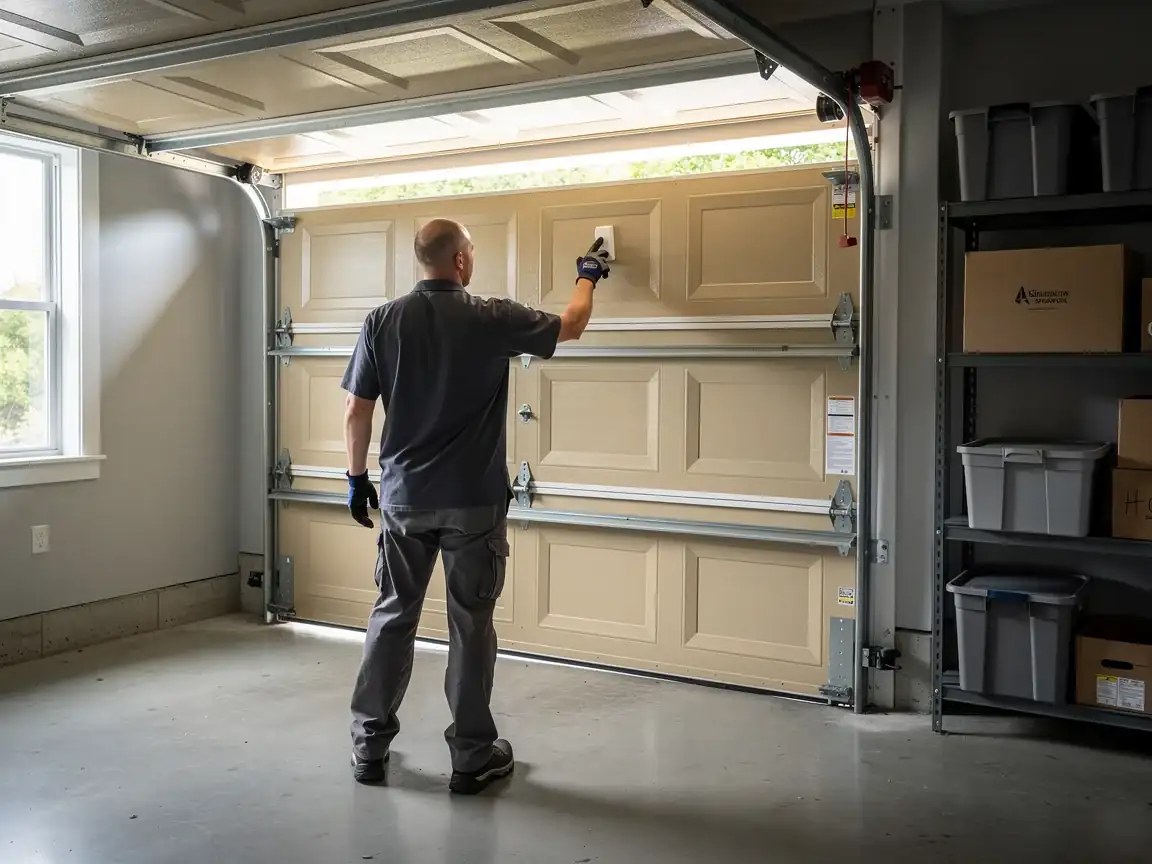
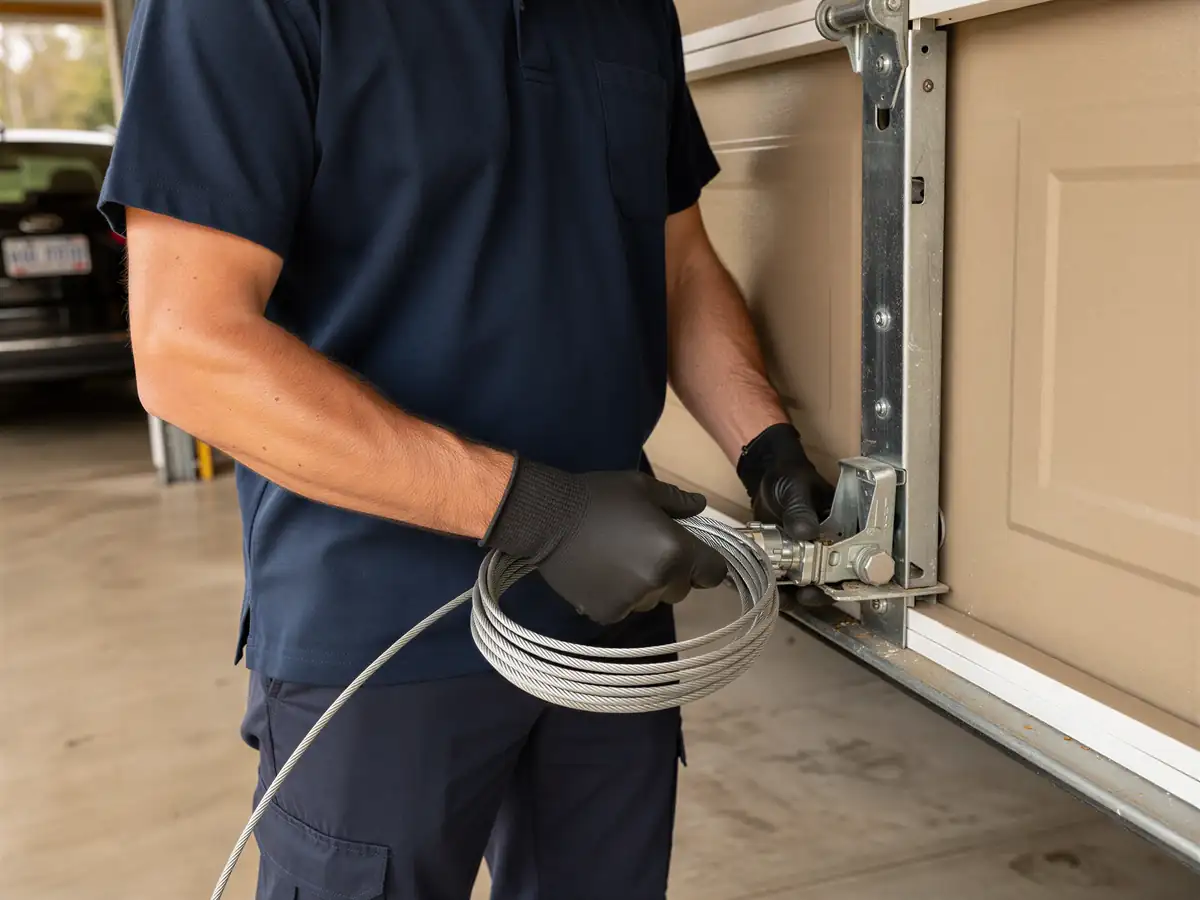
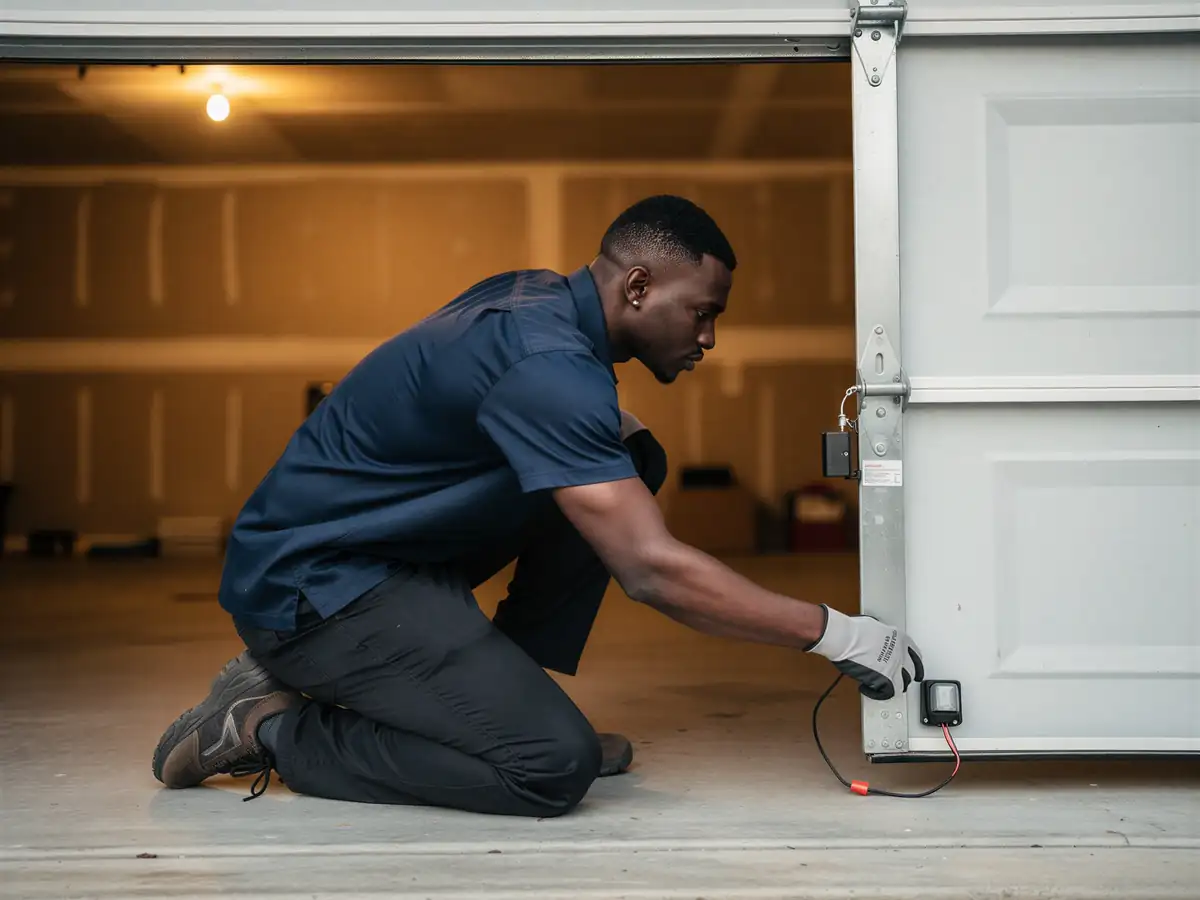
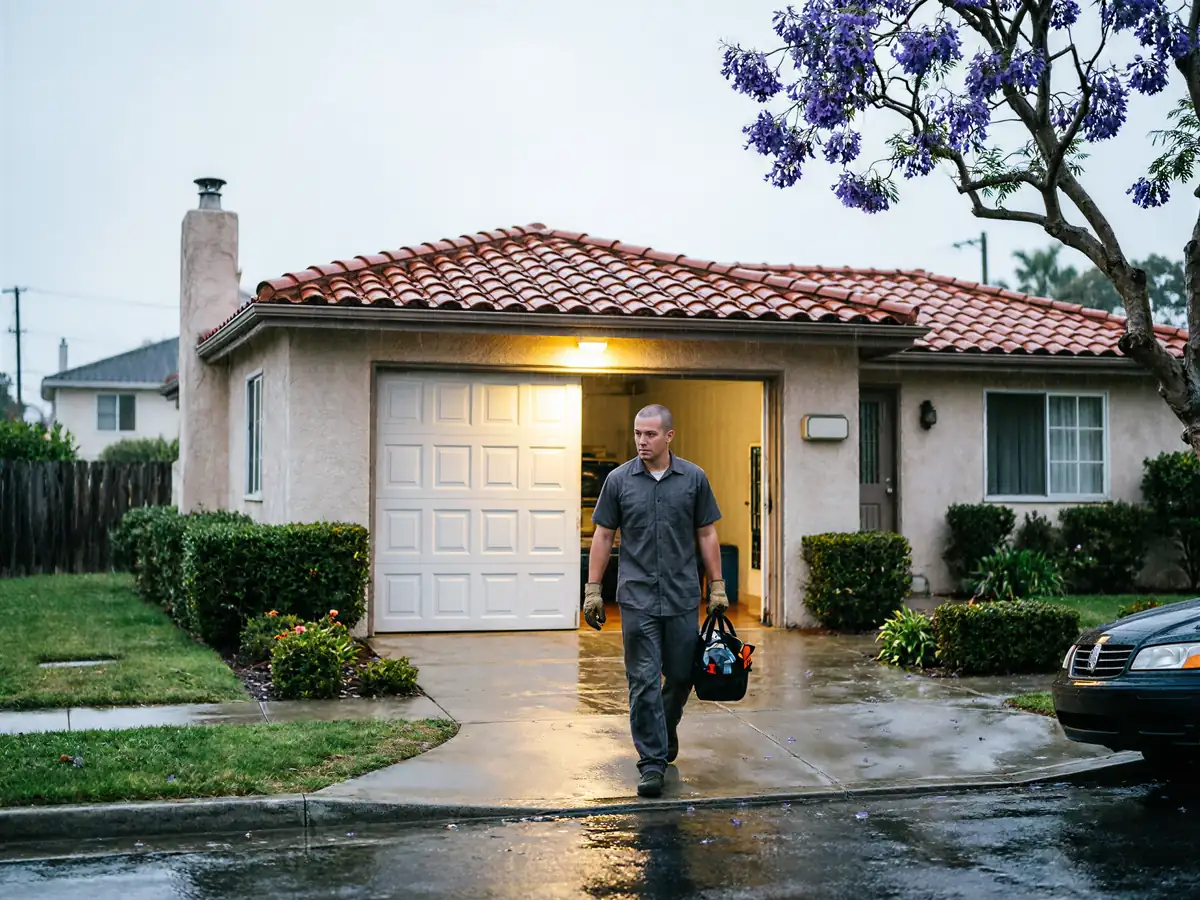
Most off-track calls in Antelope run under two hours once the truck is on-site, since realigning a track and re-hanging rollers doesn't require ordering parts. The variable is what caused the derailment. A cable that snapped and let the door drop sideways takes longer to sort than a roller that simply walked off a worn track section, because we're also replacing the cable and re-tensioning the system before the door goes back up. We come from Citrus Heights, about 4 miles out, so travel time is short and doesn't change the repair window much. What does change it is whether the opener's travel limits need resetting afterward - on doors with older chain-drive openers, that extra step adds time but keeps the door from slamming the header on the first run.
Getting It Booked In
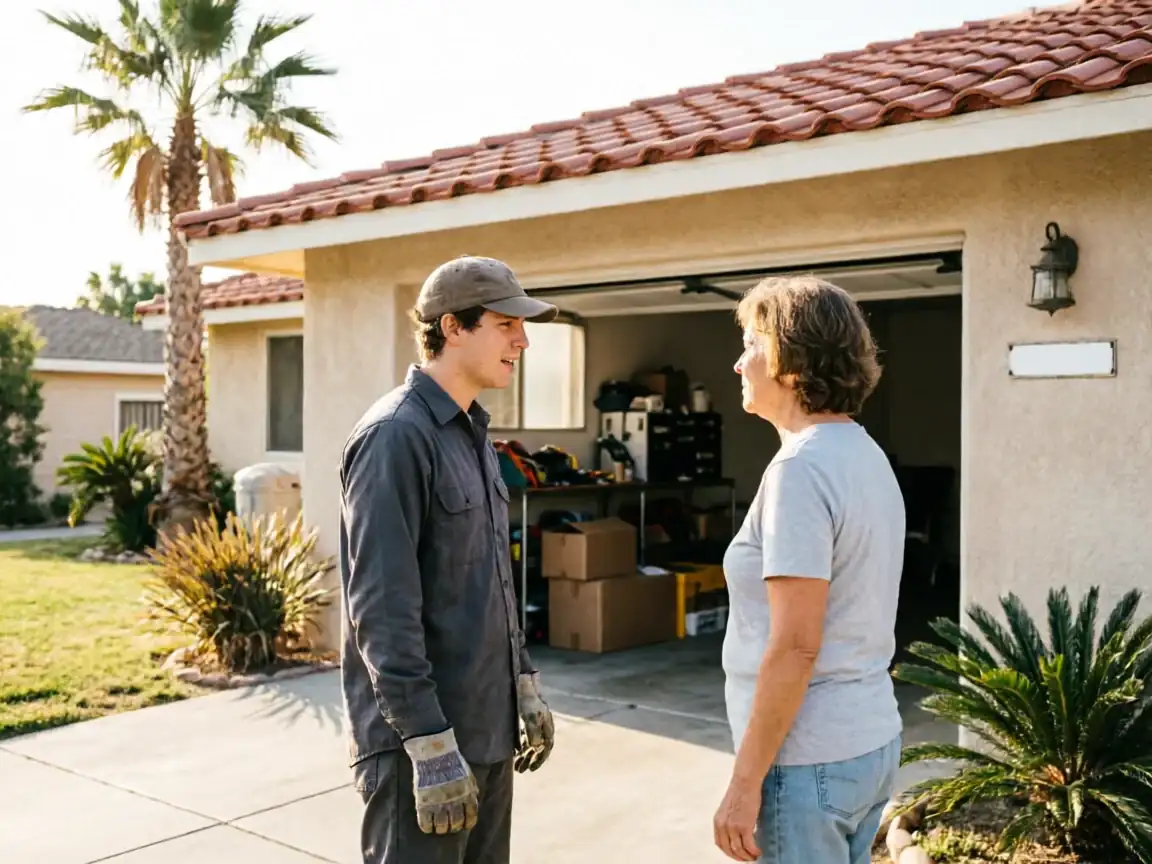
If your door is sitting crooked in the opening or a panel is grinding against the track, don't keep running the opener - that's how a loose roller turns into a cracked panel or a torn cable. Call and describe what you're seeing: which side dropped, whether the door still moves on the opener, and whether you hear grinding or a clean jump. That tells us what to bring. We work Antelope from our Citrus Heights base, about 4 miles away, so there's a short drive built into any visit, but it doesn't change what the repair itself involves once we're there.
The Symptom
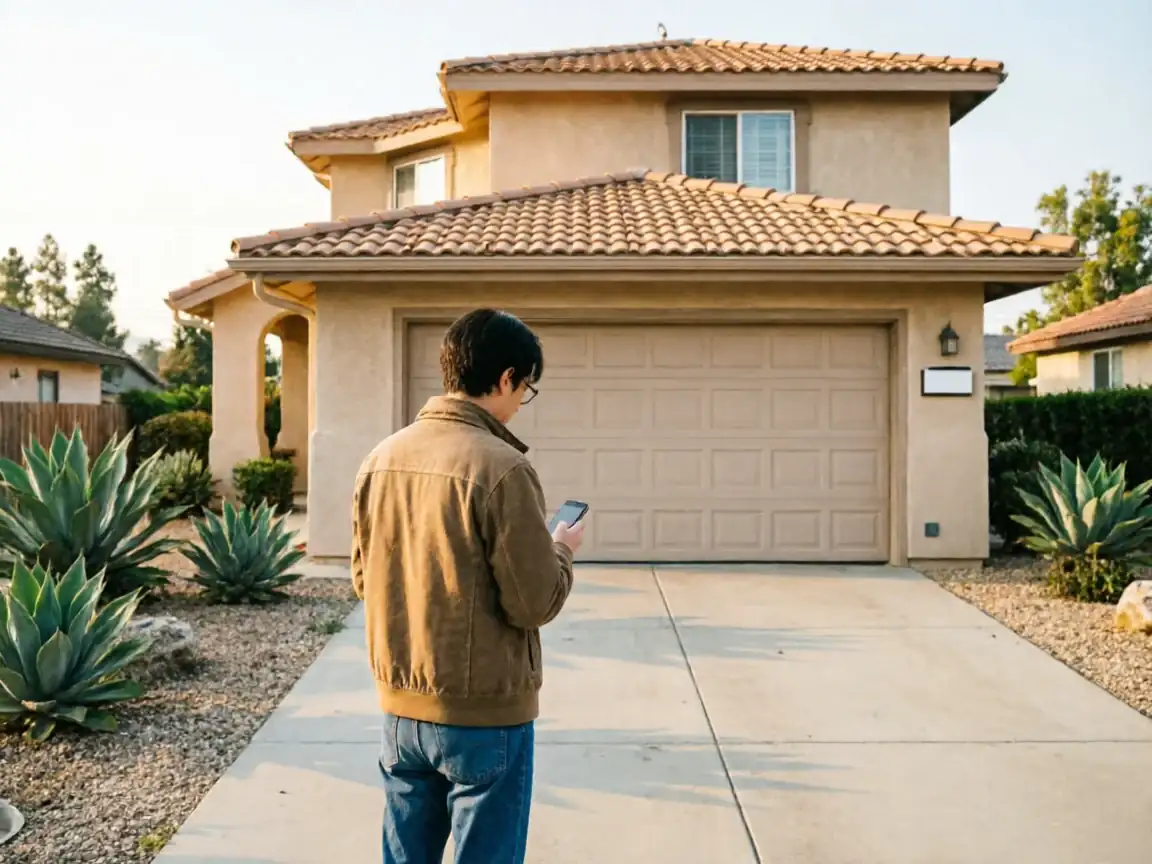
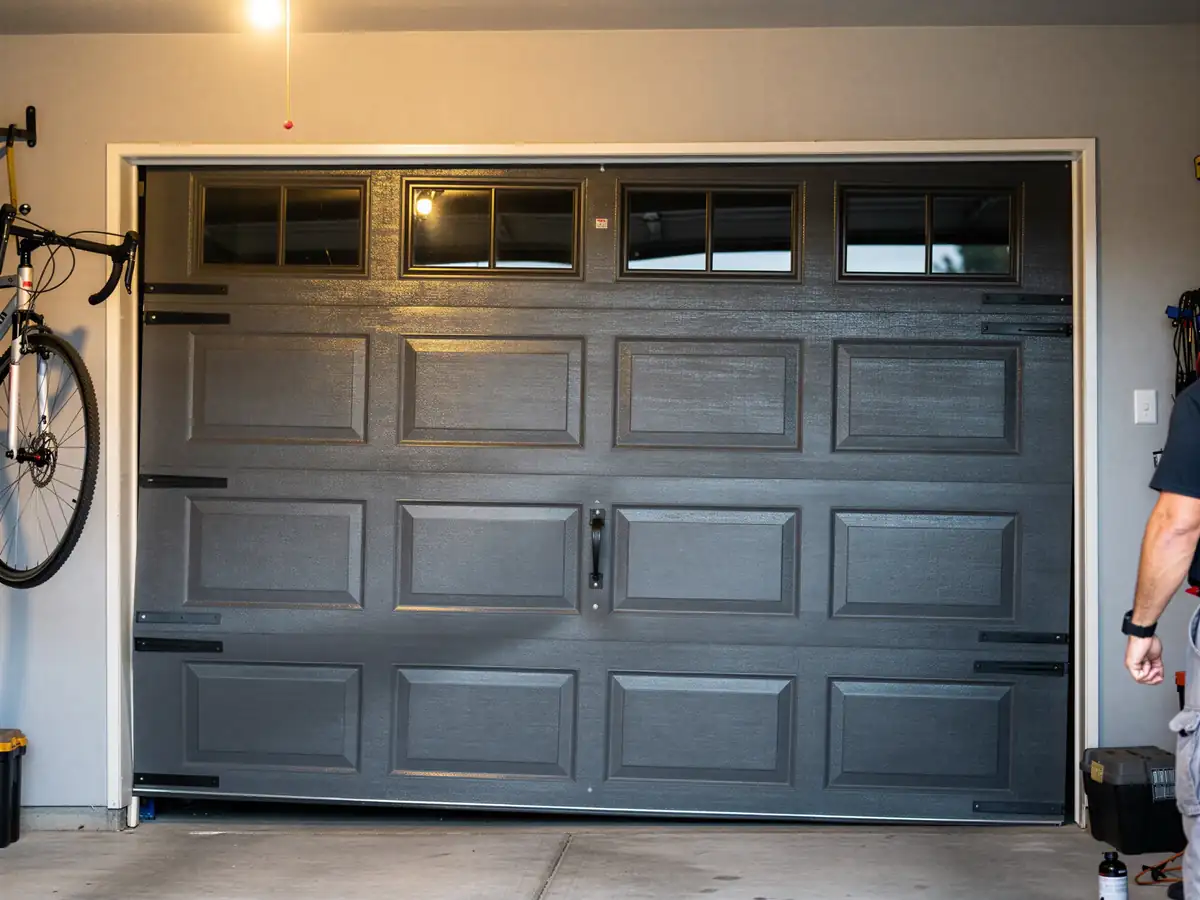
The giveaway is usually visual before it's audible: one bottom corner of the door sits lower than the other, or the whole door hangs at a slight diagonal in the opening. Sometimes it's quieter - the door still closes, but you can see a roller riding outside the track channel instead of inside it. On the wider double-door openings typical of Antelope's early-90s construction, an off-track fault on one side tends to show up as the door racking, meaning it binds and groans partway through its travel instead of jumping clean off. If you keep forcing the opener against that bind, you're putting load on a track section that's already out of alignment, which is how a simple reset turns into a bent track.