What the Repair Takes
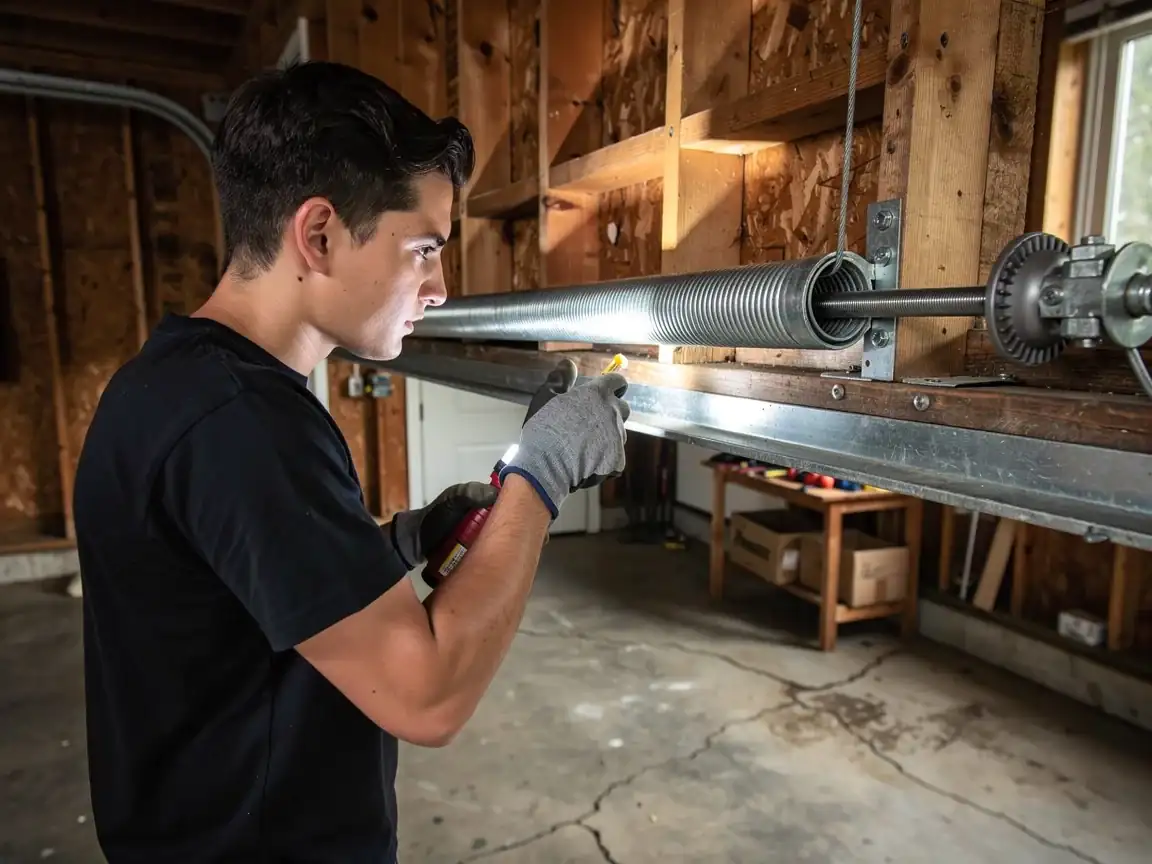
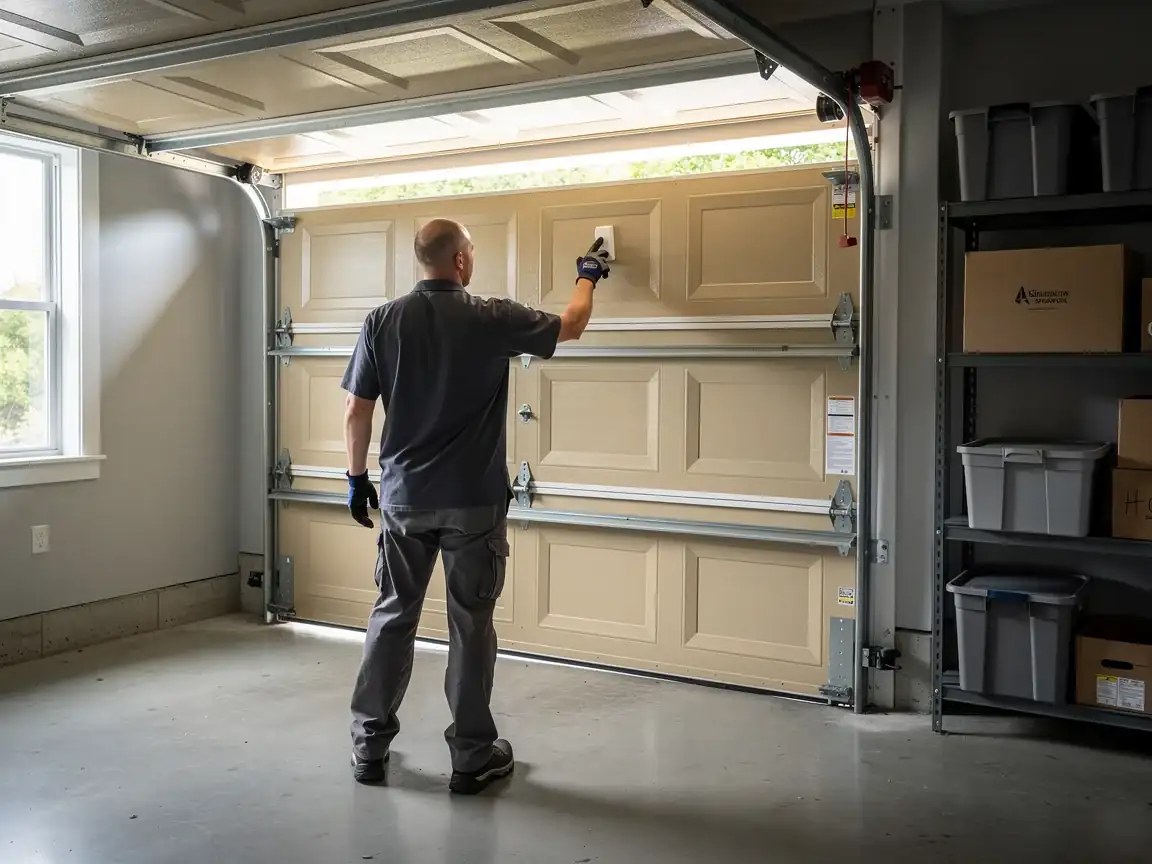
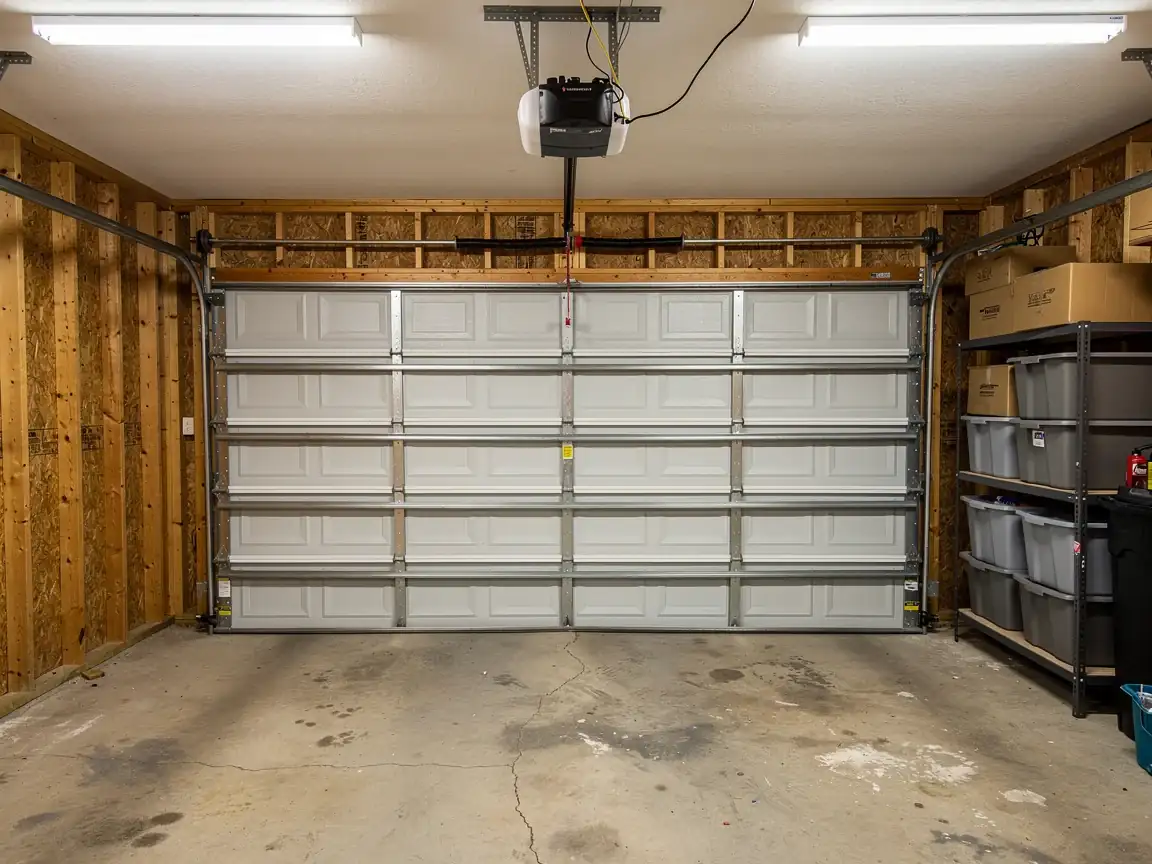
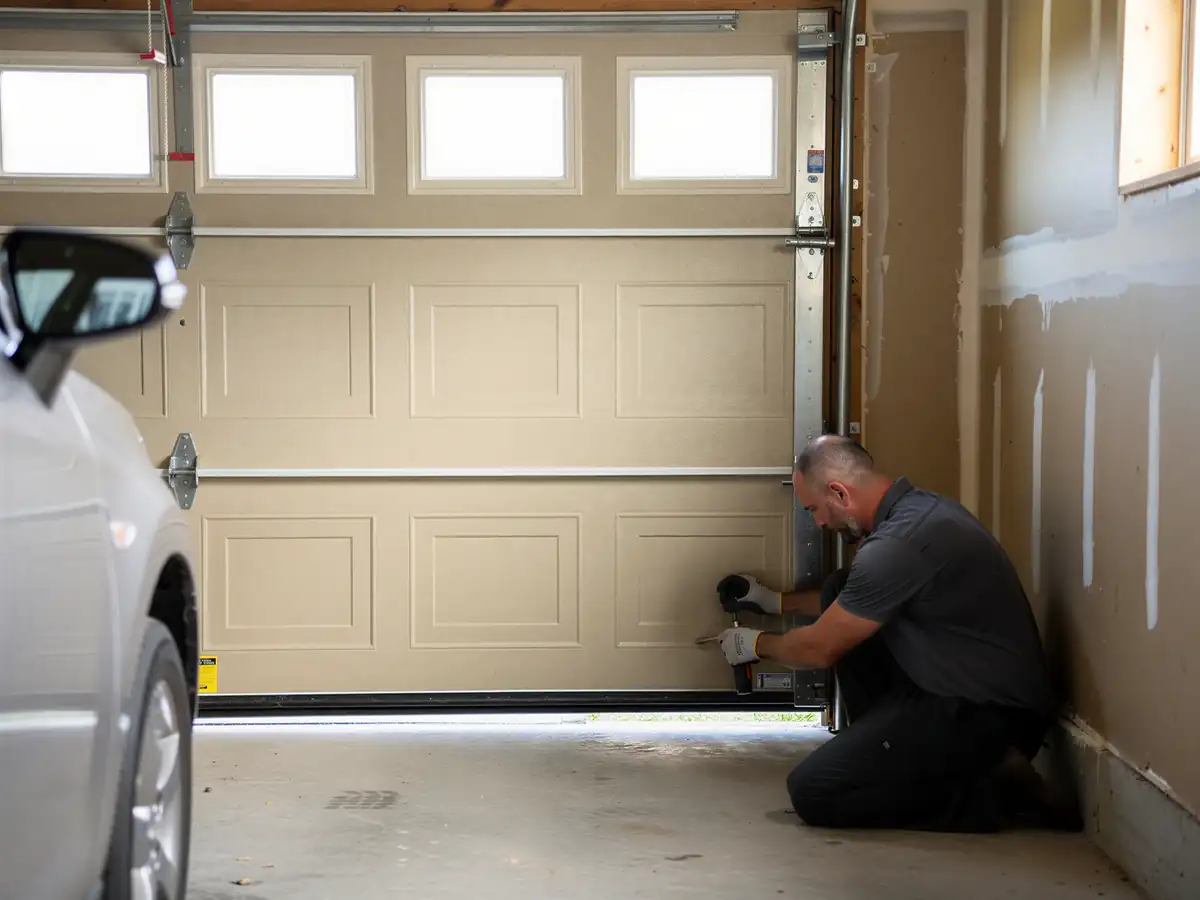
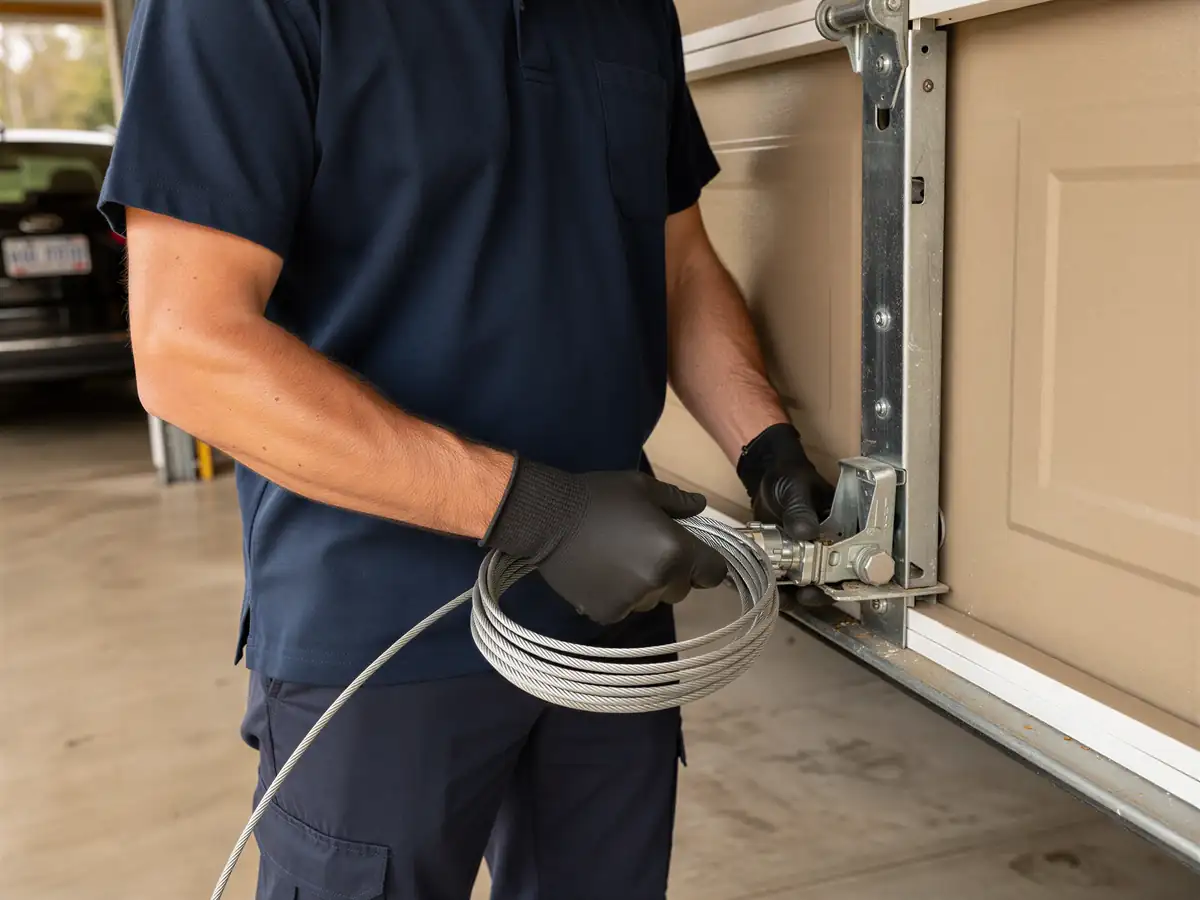
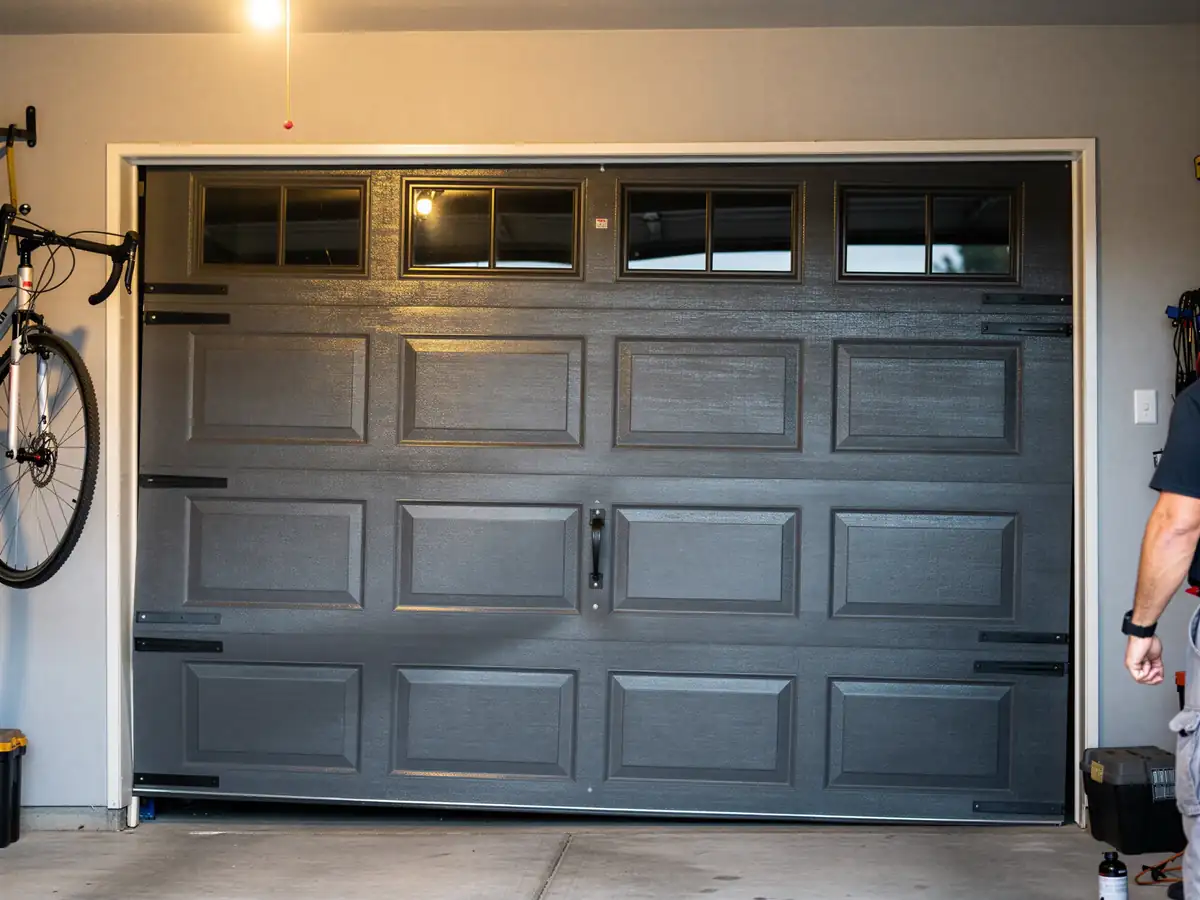
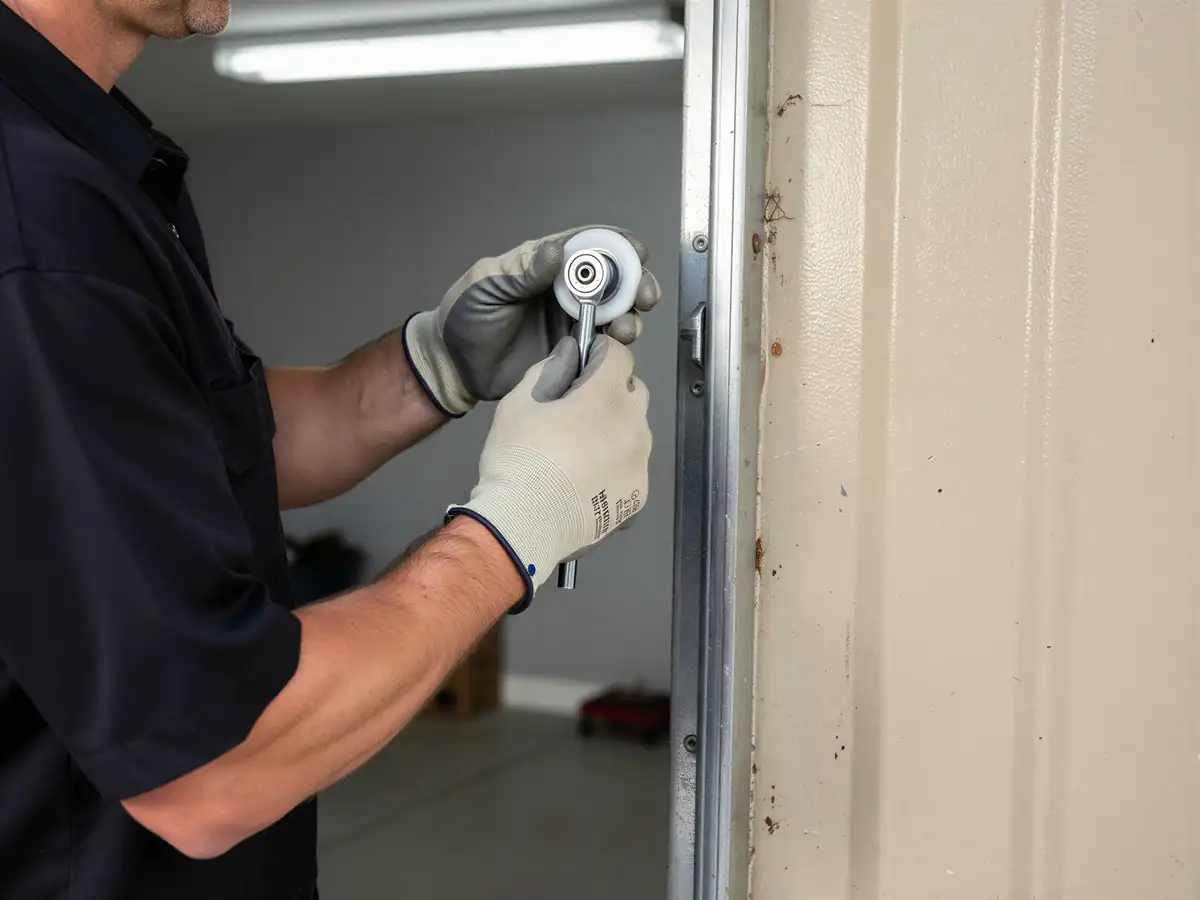
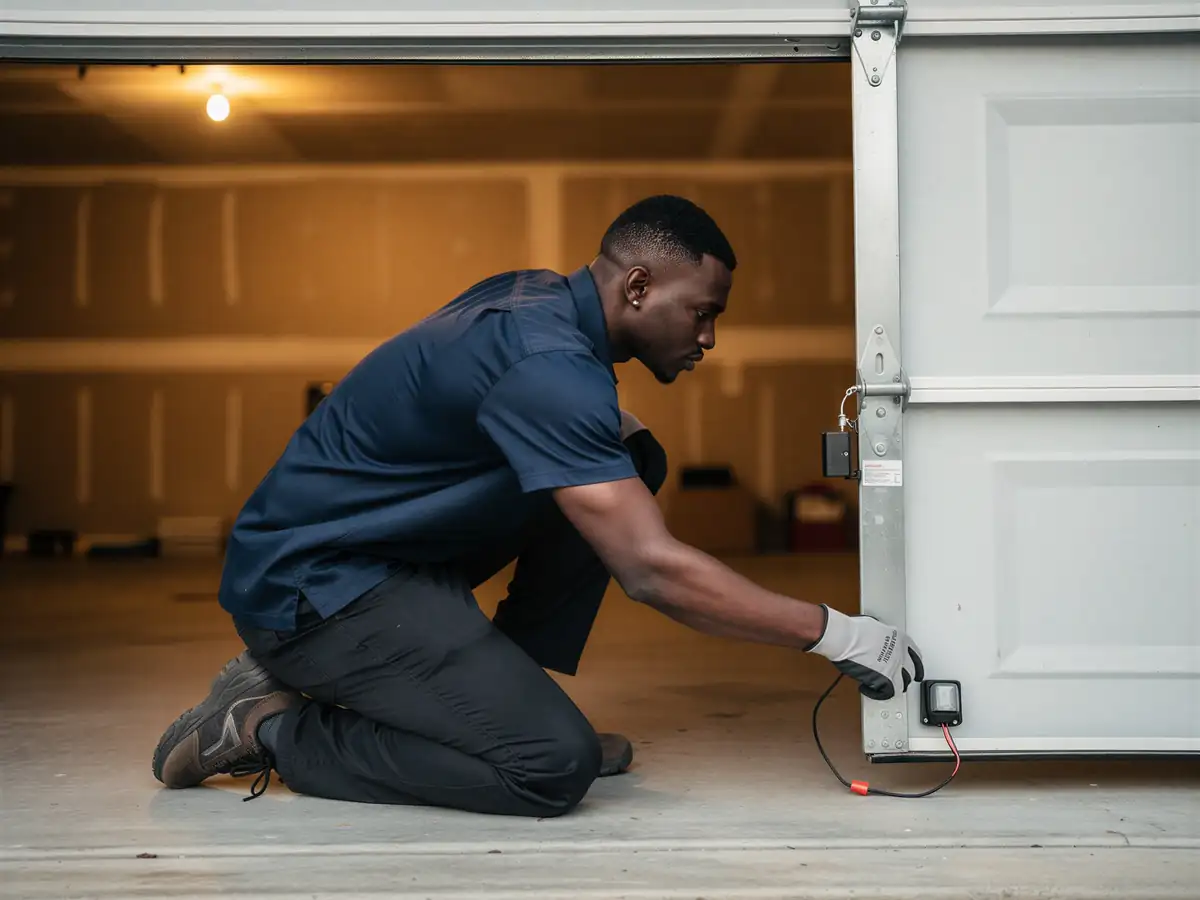
Antelope's housing mostly went up around 1993, which means a lot of garage doors out here are running their original rollers, hinges, and cable drums. Nobody's swapped them because nothing's broken outright - they just squeak, bind, or drift off-track a little more every year. A proper maintenance visit means pulling the door off the opener, checking spring tension by hand, inspecting cable fray at the drum, and greasing hinges and rollers that are now three decades old. On a lot of these doors we also find the original lift cables still in service, which is fine until one isn't. We check track alignment too - after thirty-odd summers of heat expansion and contraction, panels settle and tracks walk out of plumb more than owners expect. None of this requires replacing the door. It requires someone actually putting hands on the hardware instead of just listening to the opener run.
How Long It Takes
A standard maintenance visit on a single door runs under an hour once we're on site - lubrication, tension check, track adjustment, hardware inspection. Doors with original 1990s-era torsion springs sometimes take longer because we're working around a spring that's never been touched, and those don't always want to move the way a newer one does. We travel to Antelope from Citrus Heights, about 4 miles out, so there's no local branch adding or shaving time - just the drive plus the job itself. If we find something during the inspection that needs more than a tune - a cracked panel, a drum showing wear - we'll tell you on site rather than guess at a second trip.
Getting It Booked In
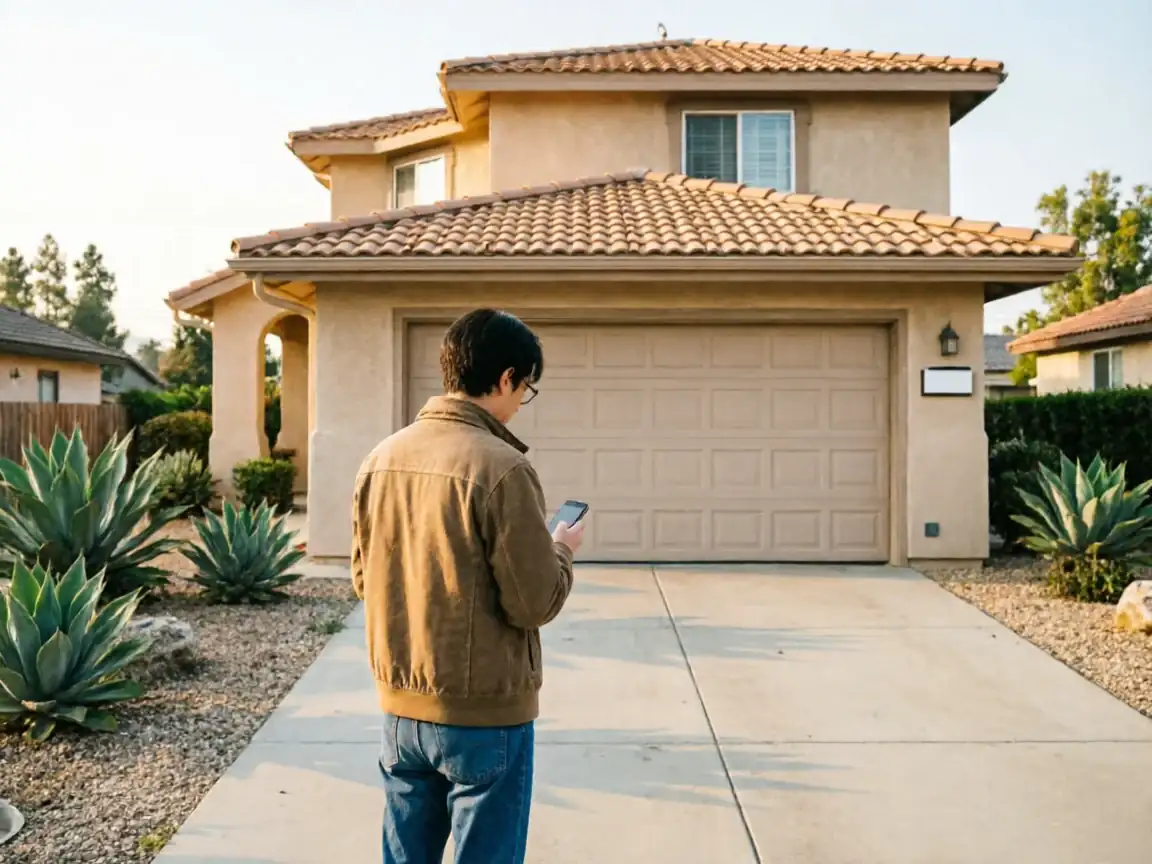
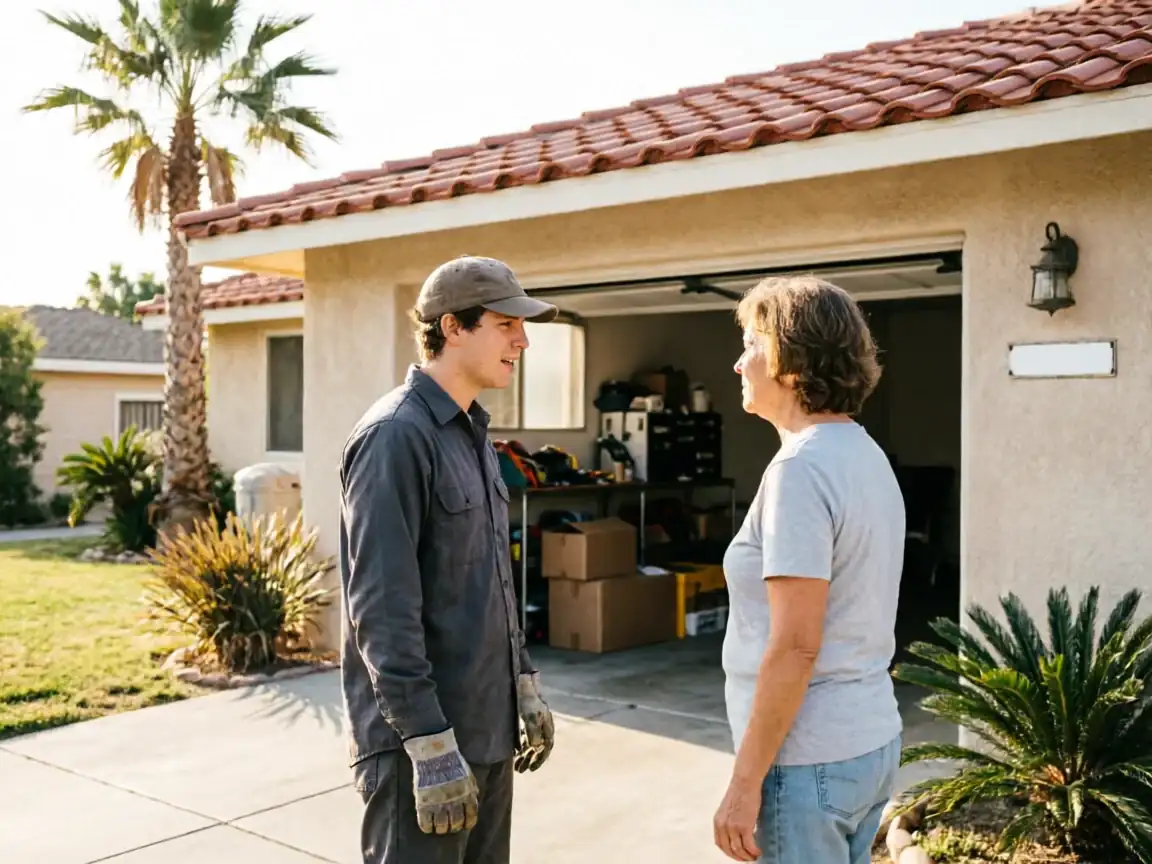
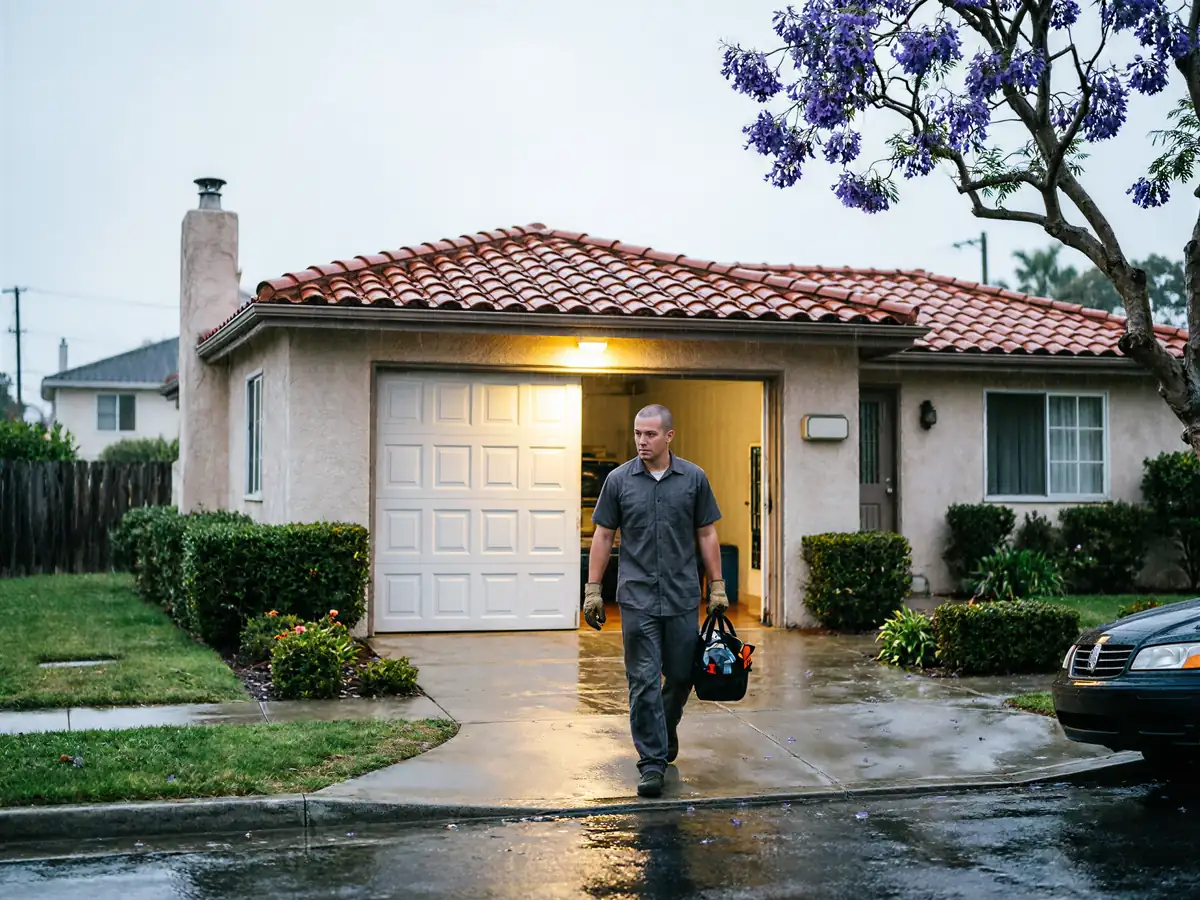
Antelope sits about 4 miles from our Citrus Heights base, so booking a maintenance visit here is routine - it's one of the closer stops on our route, not an outlier trip. We ask for the approximate age of the house or door when you call, because a door built around 1993 gets a different inspection checklist than one installed five years ago. If you know your house was built in the early-to-mid '90s, say so - it tells us what hardware to expect before the truck even pulls in.
The Symptom
The complaint we hear most from this stretch of Antelope is a door that's gotten loud - not broken, just loud. Grinding on the rollers, a shudder partway up the track, a spring that groans instead of lifting smooth. That's the sound of original-era hardware doing exactly what thirty-year-old hardware does: it's worn down slowly enough that homeowners adjust to it rather than call, until one day the door catches hard enough that they do. Catching it at the loud stage, not the stuck stage, is the whole point of maintenance.