What the Repair Takes
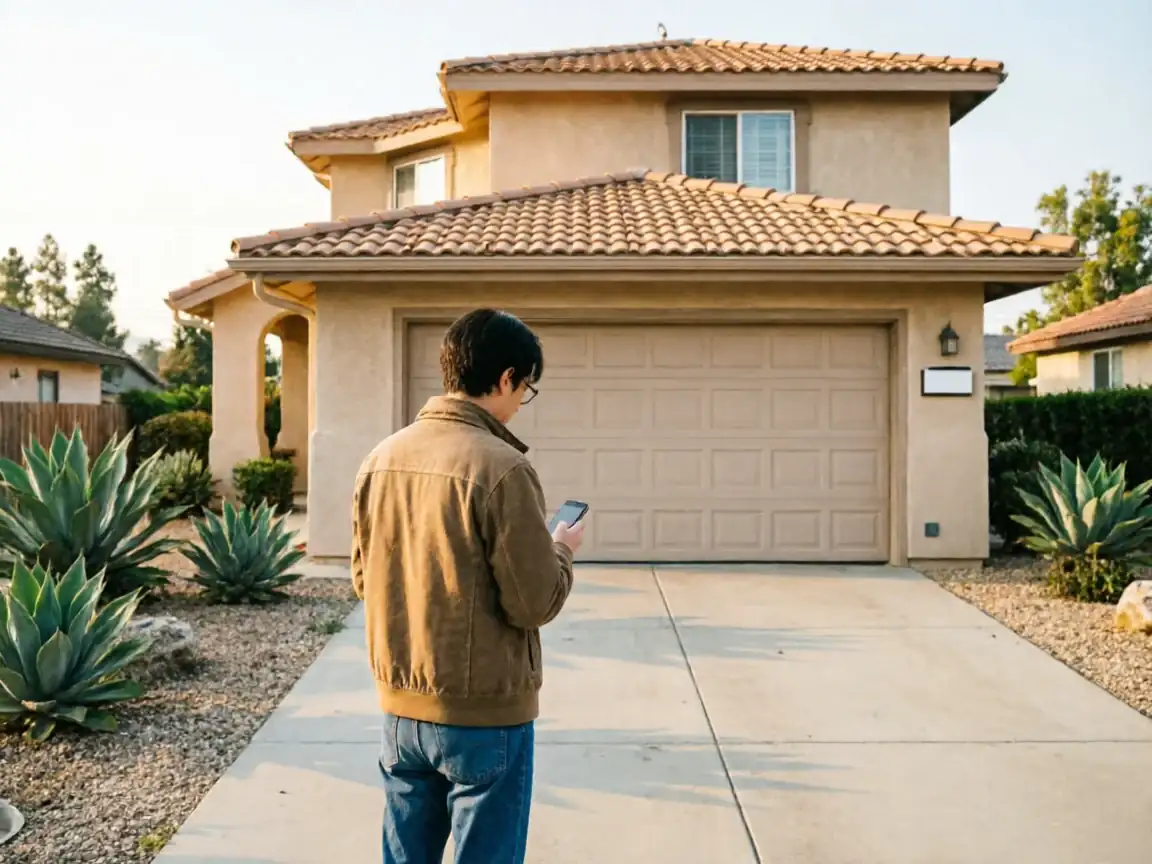
Antelope's housing stock centers on 1993, newer than a lot of what we see closer to the Citrus Heights core where houses date back into the 1960s and 70s. That ten-to-twenty year gap matters more than people think. A door built in the early-to-mid 90s usually came with a galvanized lift cable on a standard extension or torsion setup, factory-sized for a 7-foot steel door. The failure mode out here is almost always wear at the drum or the bottom bracket, not the exotic hardware swaps you find on older doors that have been retrofitted two or three times.
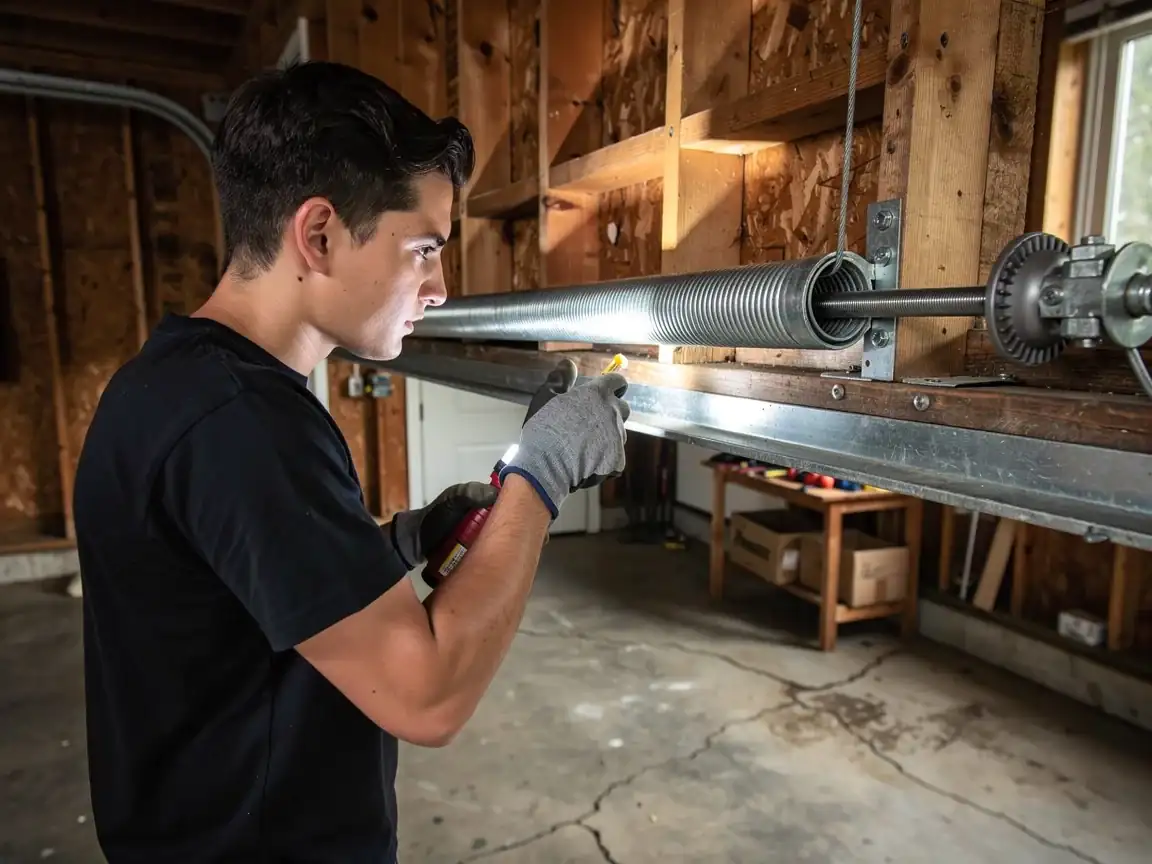
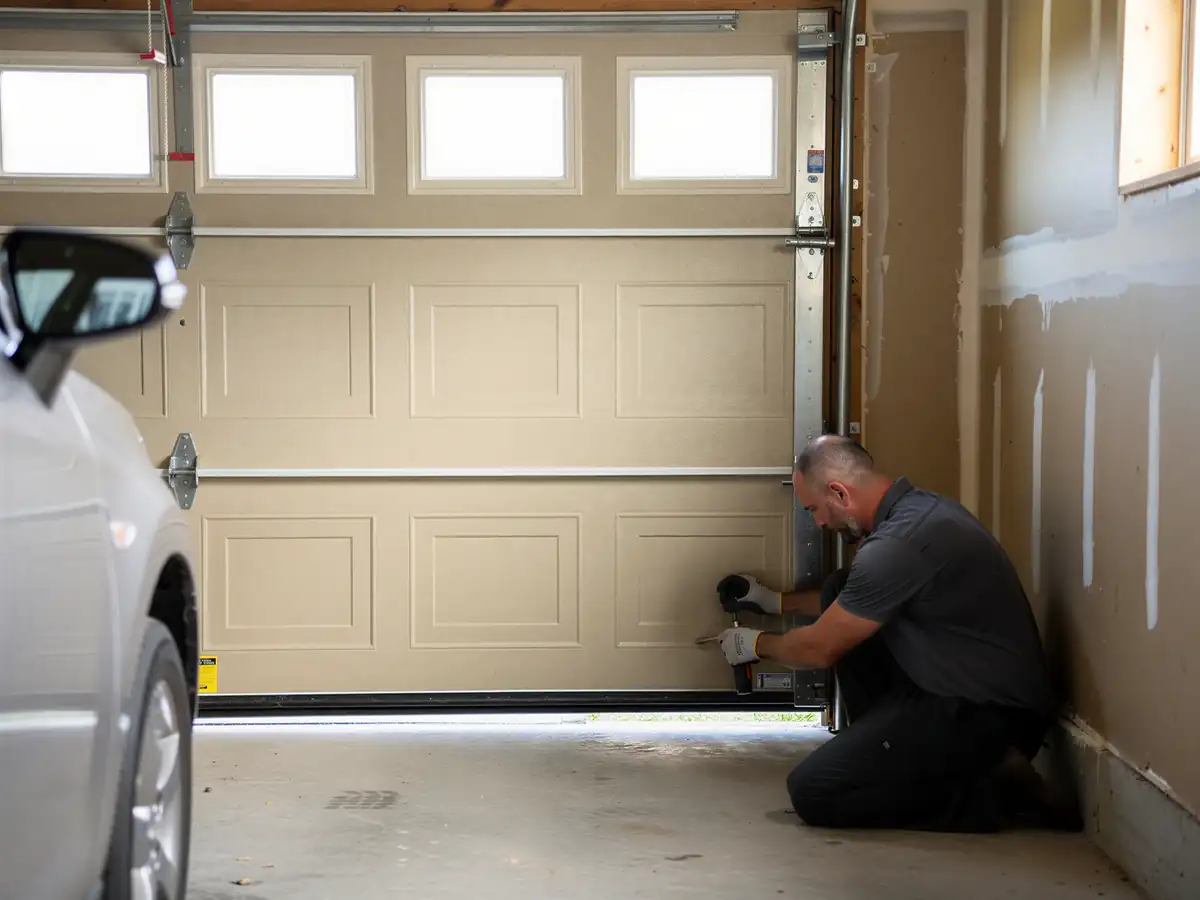
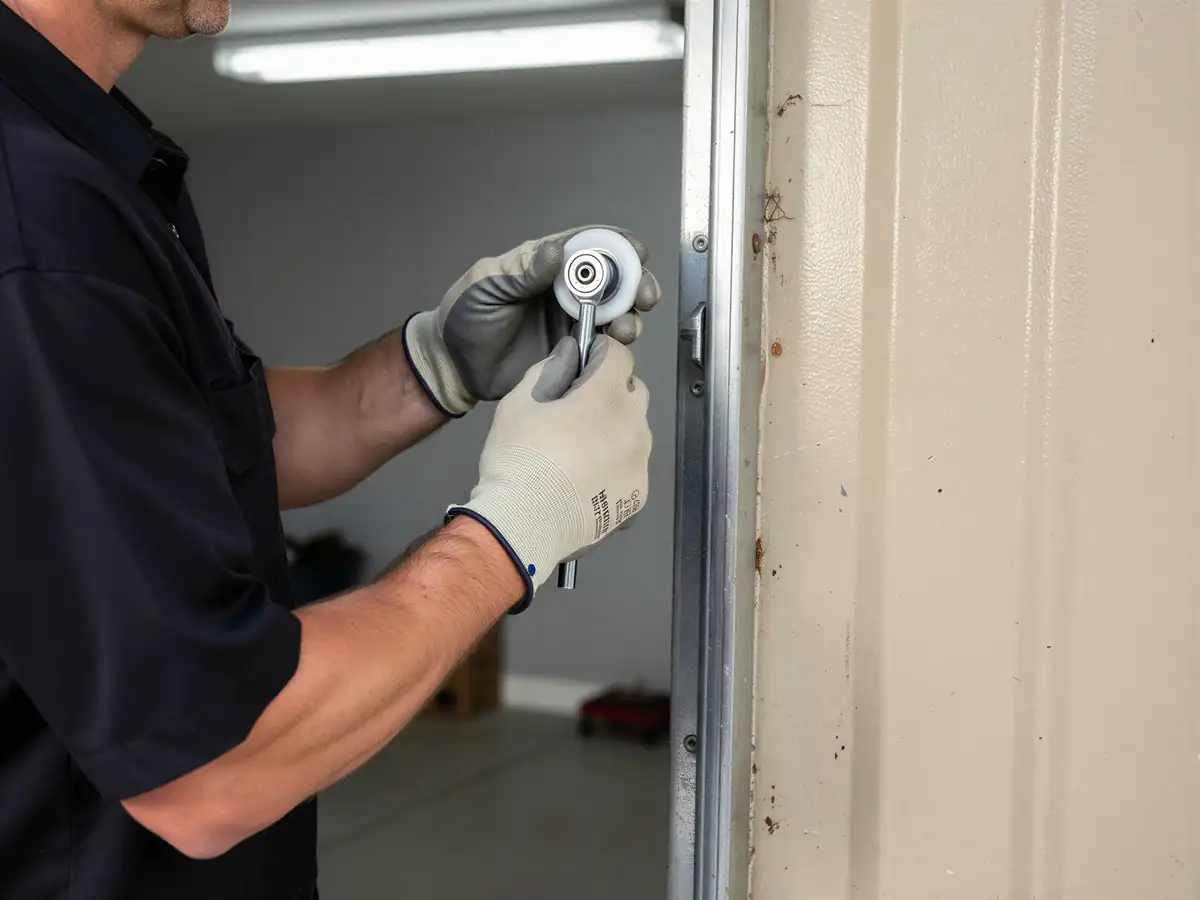
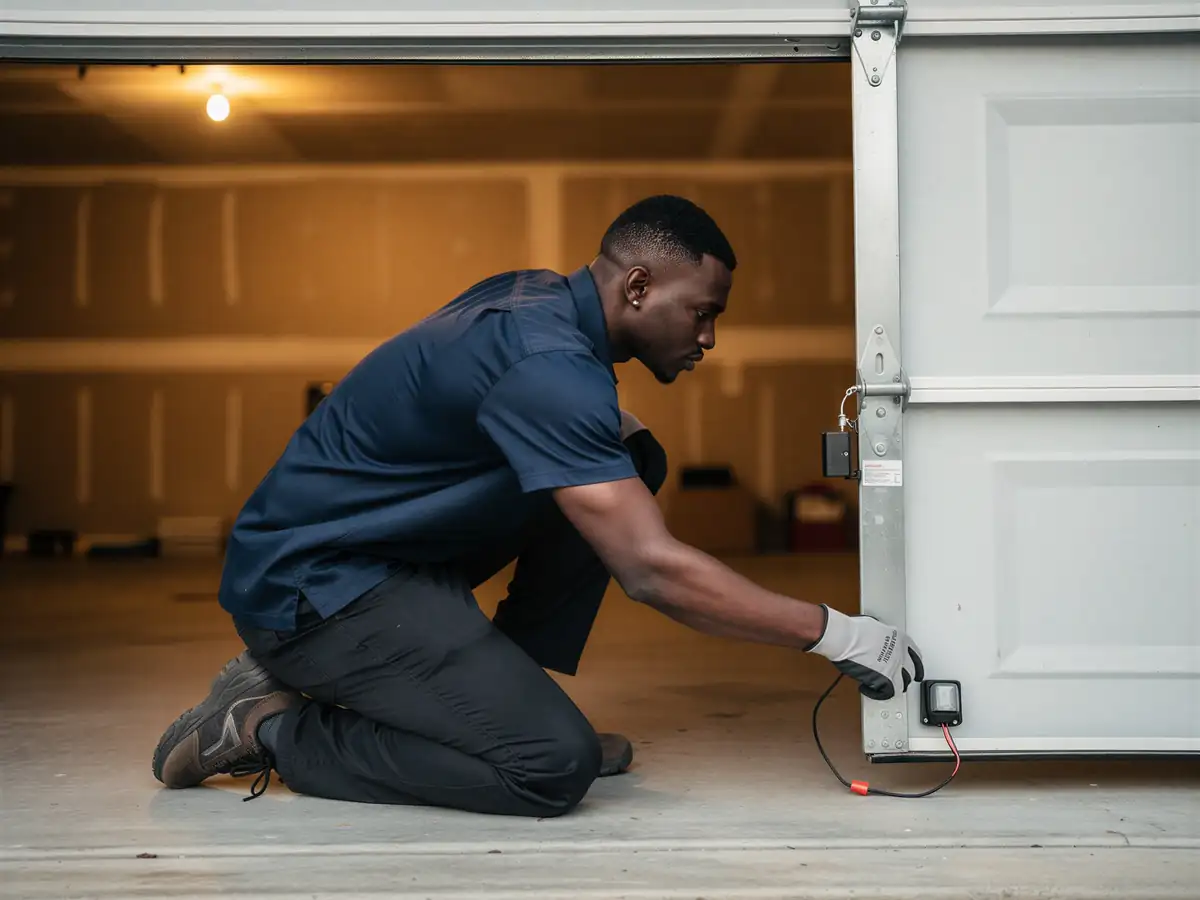
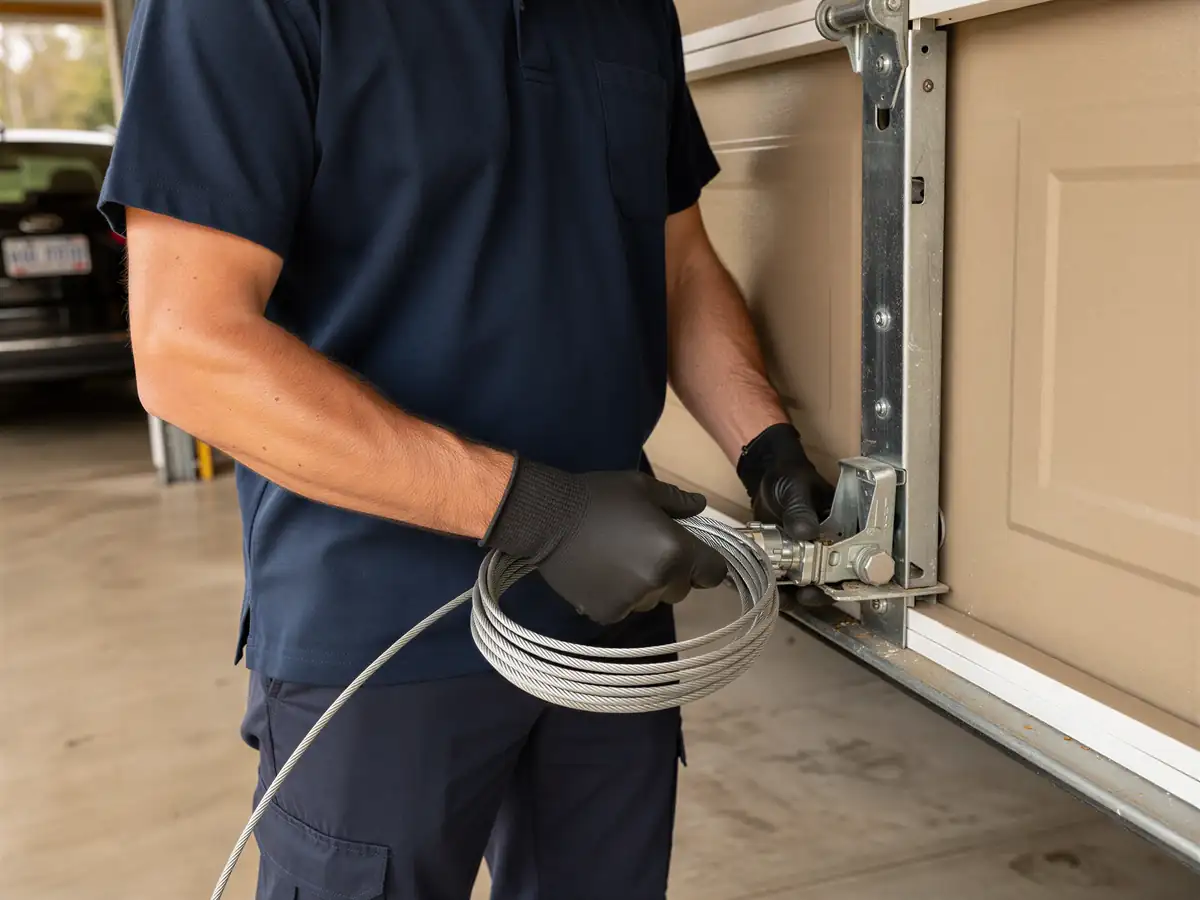
The job itself: we pull the broken or fraying cable, check the drum groove for wear grooves that will just chew through a new cable in a year, inspect the bottom bracket where the cable clamps to the door, and check the matching cable on the other side even if it looks fine - if one side is worn, the other is usually close behind. We replace in pairs on these doors unless the second cable is clearly newer.
We don't stock every gauge of cable on the truck, so if your door uses an odd length or a non-standard drum size, that's a second trip. On a 1990s-built house that's rare, but it happens on upgraded or custom doors.
How Long It Takes
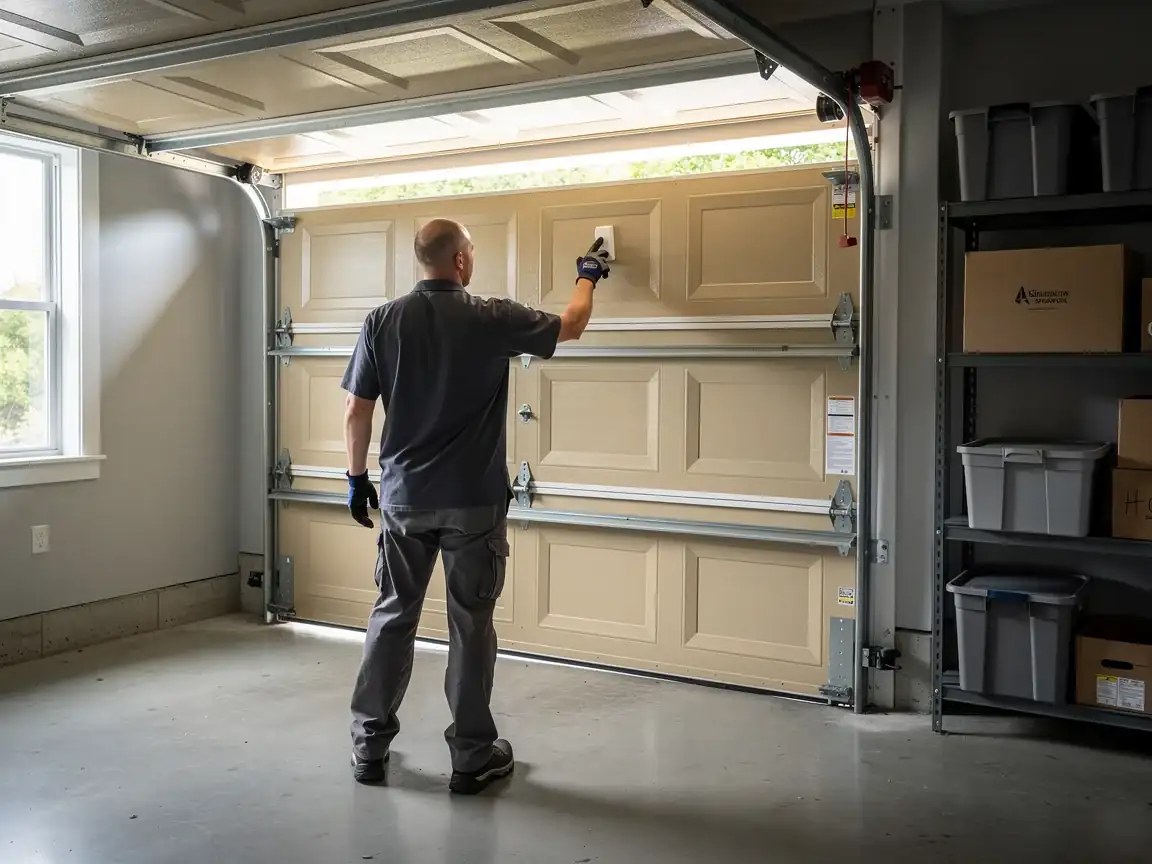
Most cable jobs on a standard 1990s double or single door run under an hour once the truck is on site, including releasing spring tension safely and re-tensioning the door afterward. Where it runs longer: if the drum has a worn groove and needs replacing along with the cable, or if the opener has to come off the rail to get clearance on a low-headroom setup, which shows up more on the narrower driveways and garages common to houses built in this era.
We don't rush the tension release step. A cable job on a torsion system means working against a loaded spring, and that part of the job takes the time it takes regardless of how old the house is.
What It Costs
We don't publish a flat price here because cable cost depends on whether one side needs replacing or both, whether the drum is worn
And whether the door is a single or a double - a double door usually means a longer cable and a bit more labor. What we can tell you: Antelope's median household income sits at $95,102, close to the wider service area figure, and most of the doors we see here are standard builder-grade residential doors from the early-to-mid 90s, not custom or oversized units that push cable cost up. That keeps most jobs in a predictable, mid-range bracket rather than a specialty one.
- $95,102 median household income
If the drum, bottom bracket, and opener are all sound
You're paying for cable and labor, not extra parts.
Getting It Booked In
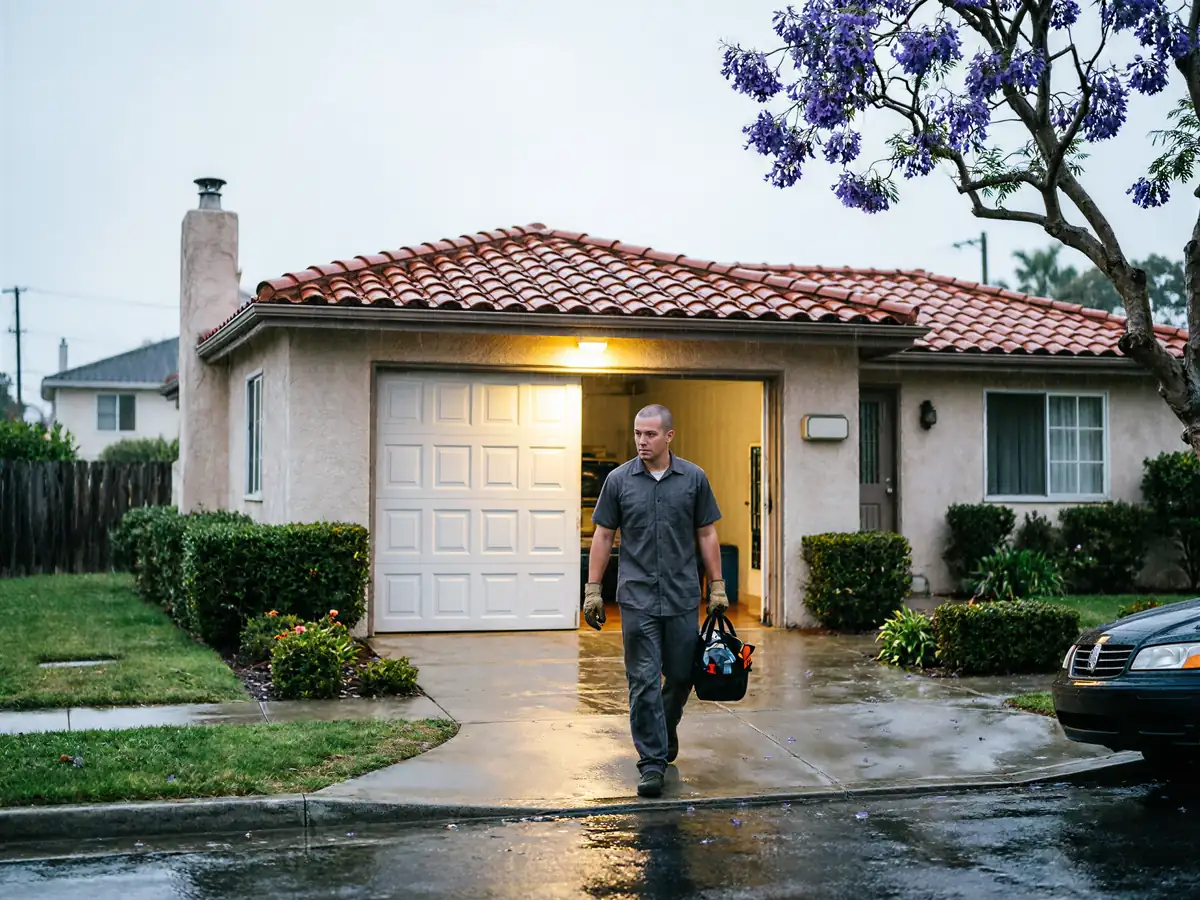
We run out of Citrus Heights and cover Antelope as part of that area, about 4 miles from our base. There's no branch office in Antelope itself - we load the truck with cable stock sized for the standard residential doors common to early-90s construction and drive out. Tell us the door's age when you call if you know it, or whether it's a single or double door; that alone tells us a lot about which cable and drum size to bring, and cuts down on a second trip for the wrong part.
The Symptom
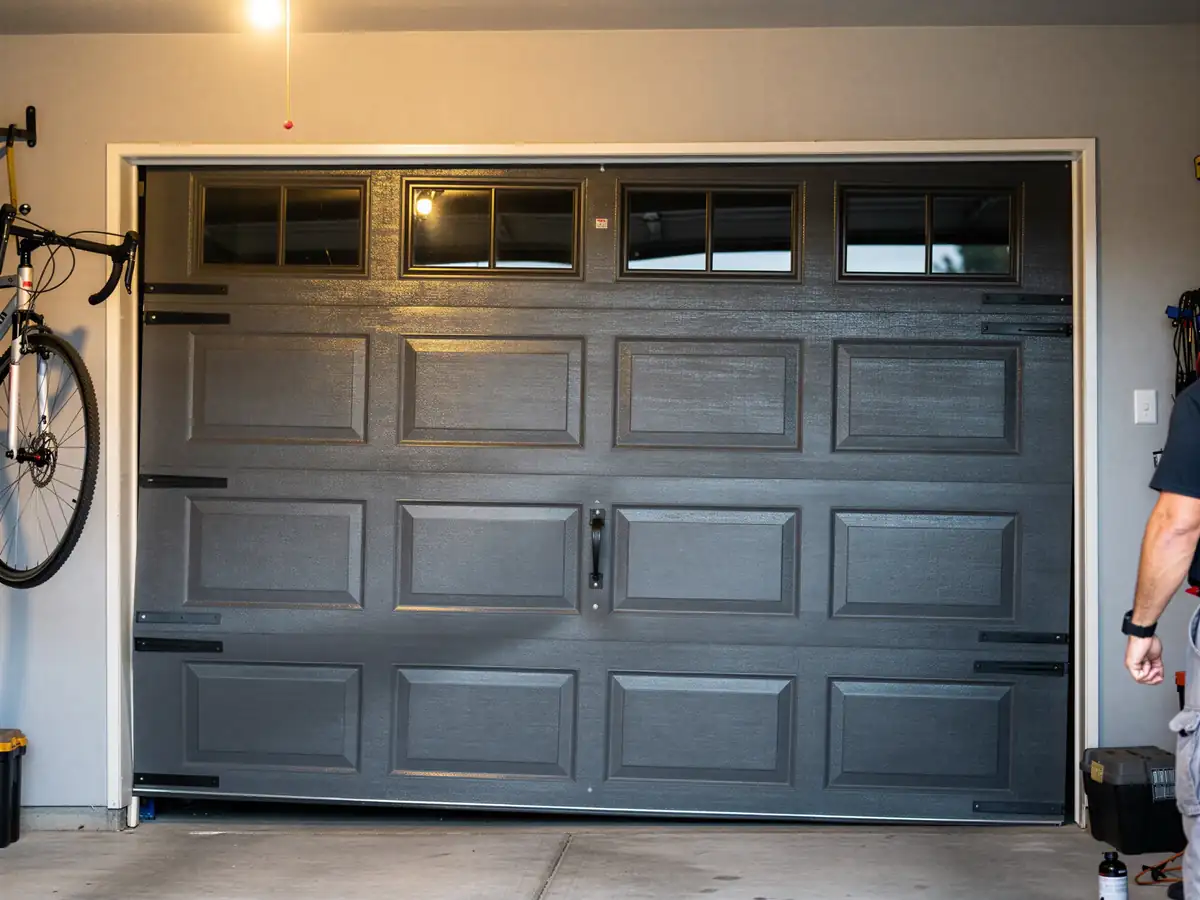
The giveaway on a cable about to go is usually a visible fray near the bottom bracket or the drum, or a door that drops unevenly - one corner lower than the other - when it's partway open. On the 1990s doors common in Antelope, you'll sometimes hear a faint ticking or clicking sound as a frayed strand catches on the drum before it snaps outright. If the door has already dropped and won't move, don't force the opener - that's the opener motor fighting a door with no cable support, which can strip the gears fast.
The Complications
The main complication on these doors isn't age-related rust or rot
Since most of the stock here postdates 1980 by over a decade - it's heat. This area sits in a severe-heat climate band, and summer heat cycling dries out lubrication on drums and bearings faster than in milder climates, which speeds up cable wear even on a door that's otherwise in good shape. A cable that looks fine in January can be fraying by August.
The other complication is sequence
If the cable snapped because the door was already out of balance - wrong spring tension for the door's weight - replacing the cable alone just sets up the next failure. We check spring balance as part of every cable job for that reason, even though it's not what you called about.